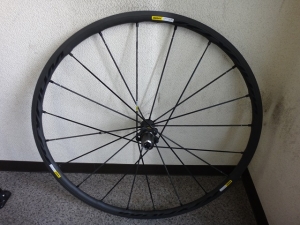
I received an R-SYS (Mavic wheel system) from a customer.

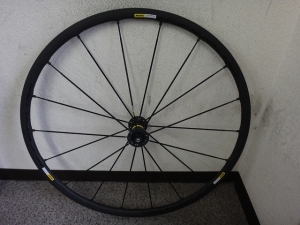
Starting with the front wheel. There was some runout, but also a slight centering offset, so
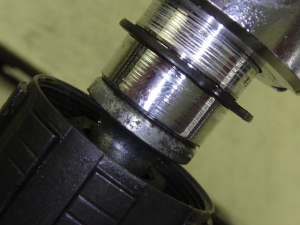
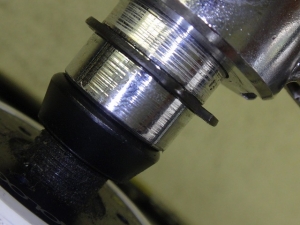
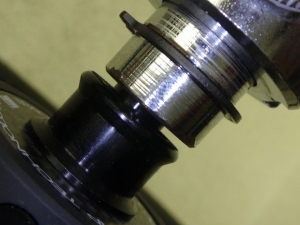
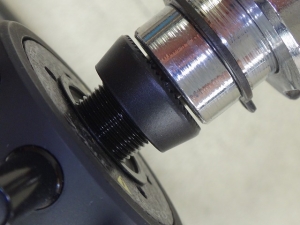
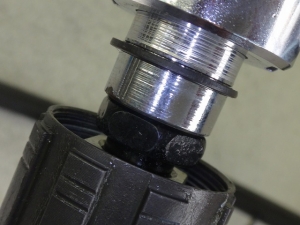
I need to remove the traction ring to turn the nipples.
When the traction ring is pressed in, the wheel center gets thrown off, so
to investigate this, I first eliminated the lateral runout
and got the centering offset down to about the thickness of a piece of paper.
Then when I pressed in just one side of the traction ring, the center shifted dramatically.
When I pressed in the other side, the center came out perfectly aligned.
What's important here is that if the amount the traction ring causes to shift is the same left and right,
then with both sides pressed in it should end up at the same paper-thickness offset as when neither was pressed in.
The reason I didn't correct that paper-thickness offset before pressing in the ring
was that from experience I expected the press-in to reduce the offset.
(Of course, sometimes it makes things worse instead.)
While the traction ring is pressed in, you shouldn't really be turning the nipples on carbon spokes,
but removing the ring again just to fix post-installation centering offset
carries more risk from wear, so
I sometimes make very fine adjustments while the ring stays pressed in.
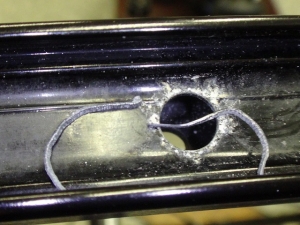
I found a substantial metal chip lodged inside the rim. Based on the customer's usage history,
it had been spinning along with the wheel for 4 years.
It broke into two pieces, but
right up until I pulled it out, it was all one piece connected.
It's larger than the valve hole diameter, so it wouldn't naturally fall out,
and once you install a tube, it's absolutely stuck in there.
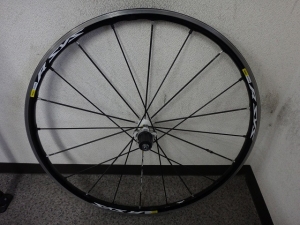
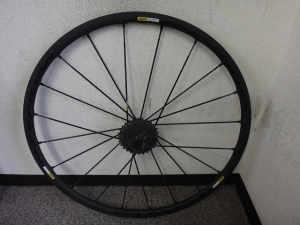
Next, the rear wheel.
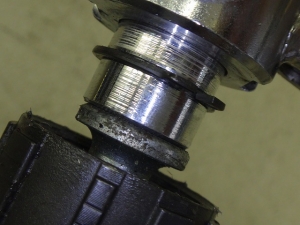
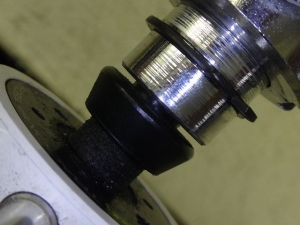
Unlike ordinary wheels, R-SYS series wheels
usually have the rim shifted toward the non-freewheel side. And the amount of shift is substantial.
I'll explain the reason another time.
Fixed.
I also inspected the same customer's Shimano RS81-C35 at the same time,
and that one had no front wheel center offset, while the rear rim was shifted toward the freewheel side.
If you were to swap those two rear wheels, brake adjustment would be necessary—
which of course makes sense.
The R-SYS shifts anti-freewheel side with large offset, the RS81 shifts freewheel side with small offset—
since the shift directions are opposite, the offsets add together creating a noticeable difference.
~Bonus~
I'd been meaning to upload this but kept putting it off, so here's more:

I received an R-SYS SLR from a customer.
I forgot to photograph the overall rear wheel, but I did inspect it.
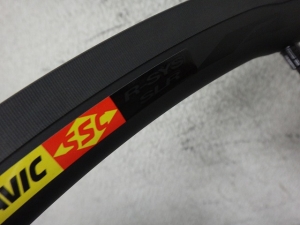
↑Mavic has been churning out so many grade variations lately that
if you don't take a shot of this, you sometimes can't remember the name later.
Sometimes they change only the name for differentiation from a new model that came out separately,
even though it has the same specs as the previous year's model, which makes things even more confusing.

↑Exactly my point.
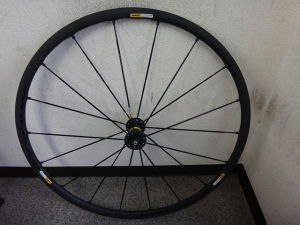
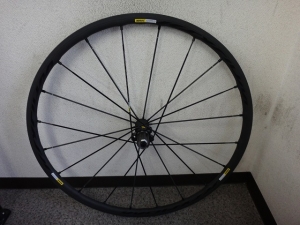
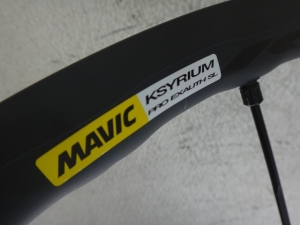
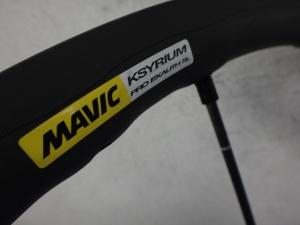
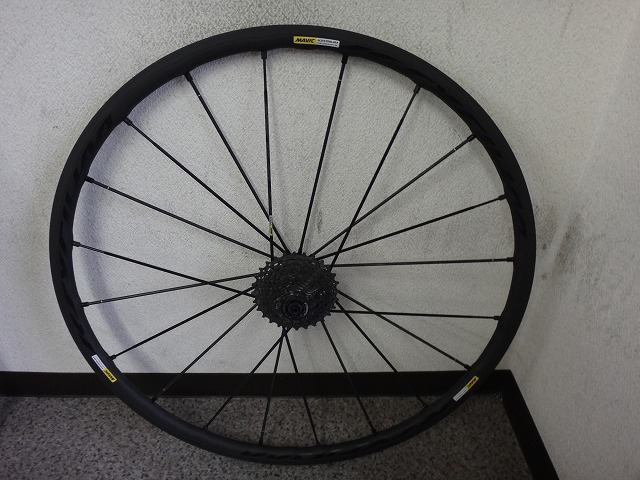
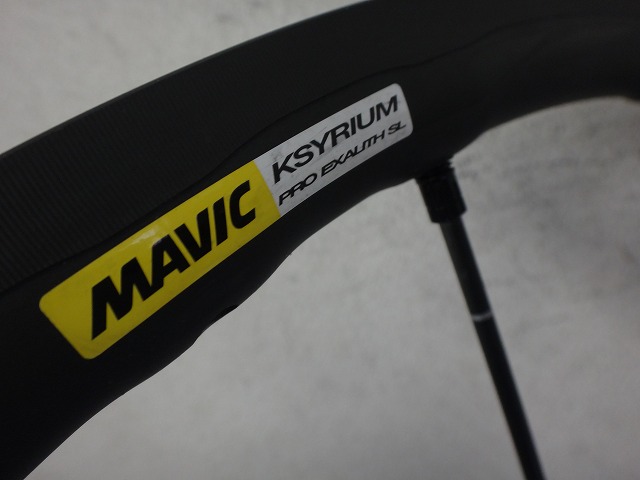
I received a Ksyrium Pro Exalith SL from a customer.
This one also had the rear rim shifted toward the non-freewheel side,
but the amount was so small I didn't bother photographing it.
When the offset is minor,
sometimes just retightening the freewheel side alone solves it.
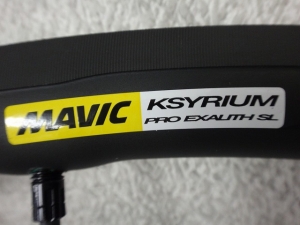
↑Without this photo you can't remember the name (and so on)
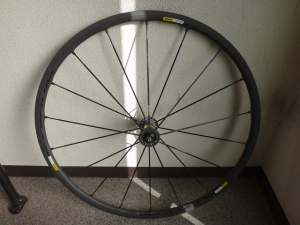
I received a
Ksyrium Pro Professional Exalith Superlight from a customer.
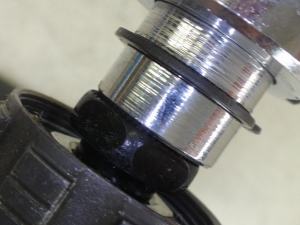
Same pattern as expected.
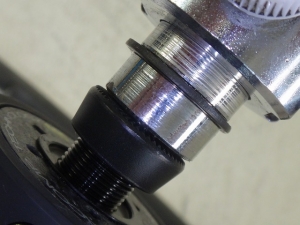
Fixed it up.
↑This photo (and so on)
I received a Ks(and so on) from a customer.
↑Th(and so on)
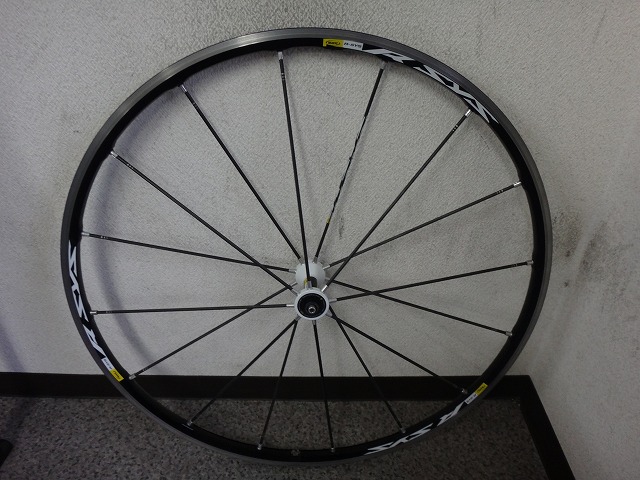
Starting with the front wheel. There was some runout, but also a slight centering offset, so
I need to remove the traction ring to turn the nipples.
When the traction ring is pressed in, the wheel center gets thrown off, so
to investigate this, I first eliminated the lateral runout
and got the centering offset down to about the thickness of a piece of paper.
Then when I pressed in just one side of the traction ring, the center shifted dramatically.
When I pressed in the other side, the center came out perfectly aligned.
What's important here is that if the amount the traction ring causes to shift is the same left and right,
then with both sides pressed in it should end up at the same paper-thickness offset as when neither was pressed in.
The reason I didn't correct that paper-thickness offset before pressing in the ring
was that from experience I expected the press-in to reduce the offset.
(Of course, sometimes it makes things worse instead.)
While the traction ring is pressed in, you shouldn't really be turning the nipples on carbon spokes,
but removing the ring again just to fix post-installation centering offset
carries more risk from wear, so
I sometimes make very fine adjustments while the ring stays pressed in.

I found a substantial metal chip lodged inside the rim. Based on the customer's usage history,
it had been spinning along with the wheel for 4 years.
It broke into two pieces, but
right up until I pulled it out, it was all one piece connected.
It's larger than the valve hole diameter, so it wouldn't naturally fall out,
and once you install a tube, it's absolutely stuck in there.

Next, the rear wheel.
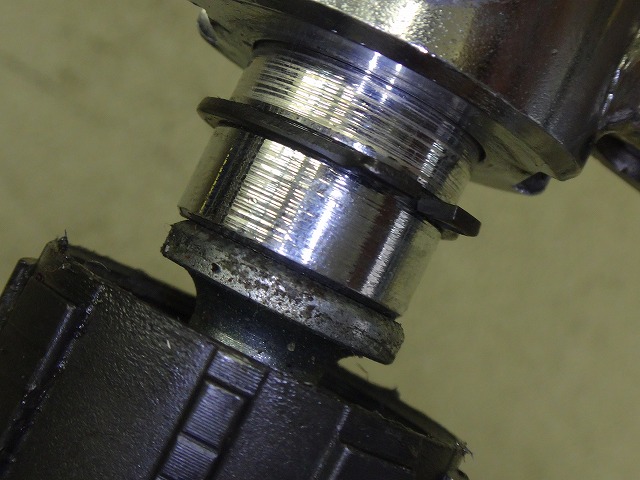

Unlike ordinary wheels, R-SYS series wheels
usually have the rim shifted toward the non-freewheel side. And the amount of shift is substantial.
I'll explain the reason another time.
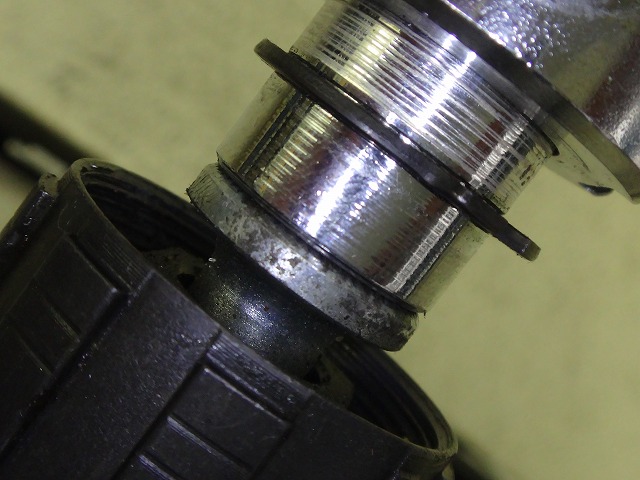

Fixed.
I also inspected the same customer's Shimano RS81-C35 at the same time,
and that one had no front wheel center offset, while the rear rim was shifted toward the freewheel side.
If you were to swap those two rear wheels, brake adjustment would be necessary—
which of course makes sense.
The R-SYS shifts anti-freewheel side with large offset, the RS81 shifts freewheel side with small offset—
since the shift directions are opposite, the offsets add together creating a noticeable difference.
~Bonus~
I'd been meaning to upload this but kept putting it off, so here's more:
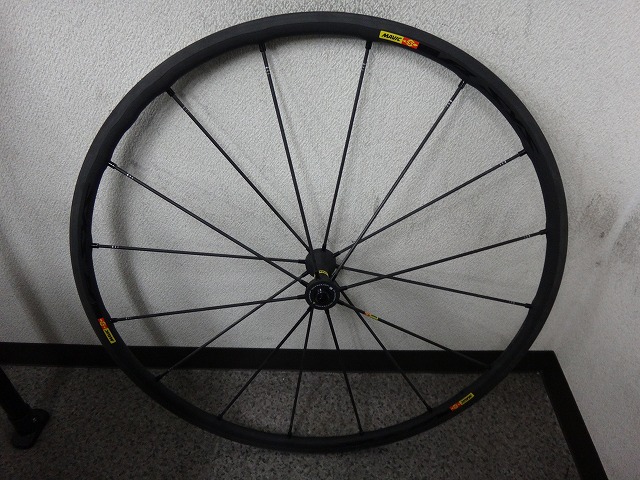
I received an R-SYS SLR from a customer.
I forgot to photograph the overall rear wheel, but I did inspect it.

↑Mavic has been churning out so many grade variations lately that
if you don't take a shot of this, you sometimes can't remember the name later.
Sometimes they change only the name for differentiation from a new model that came out separately,
even though it has the same specs as the previous year's model, which makes things even more confusing.
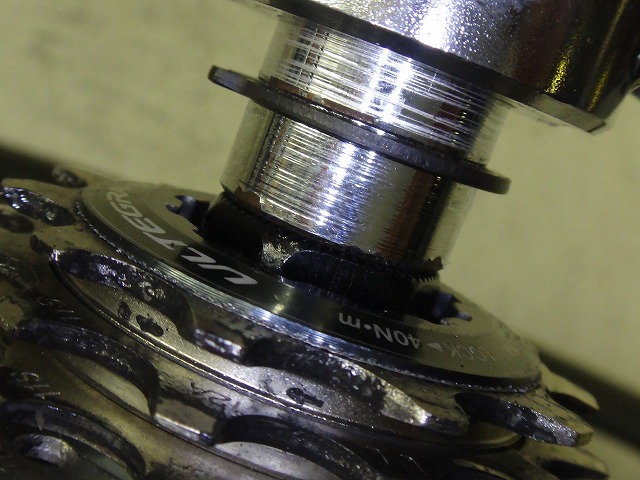
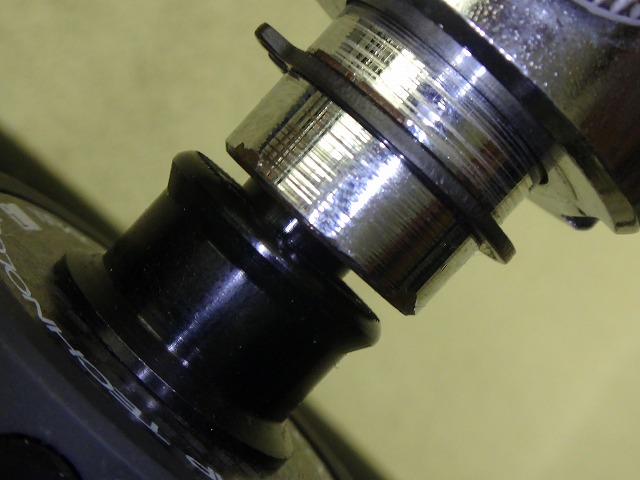
↑Exactly my point.
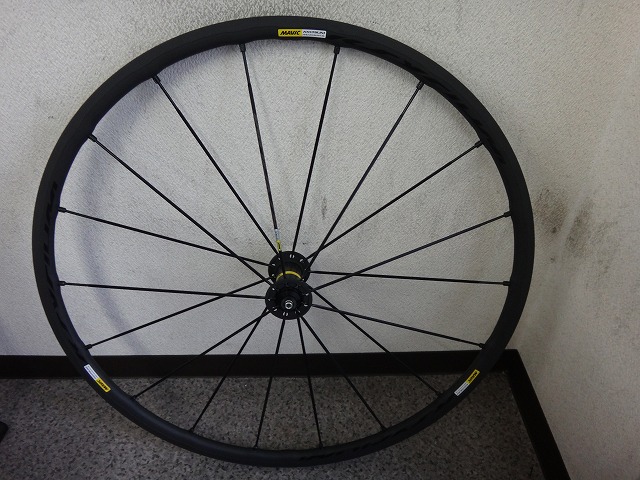

I received a Ksyrium Pro Exalith SL from a customer.
This one also had the rear rim shifted toward the non-freewheel side,
but the amount was so small I didn't bother photographing it.
When the offset is minor,
sometimes just retightening the freewheel side alone solves it.
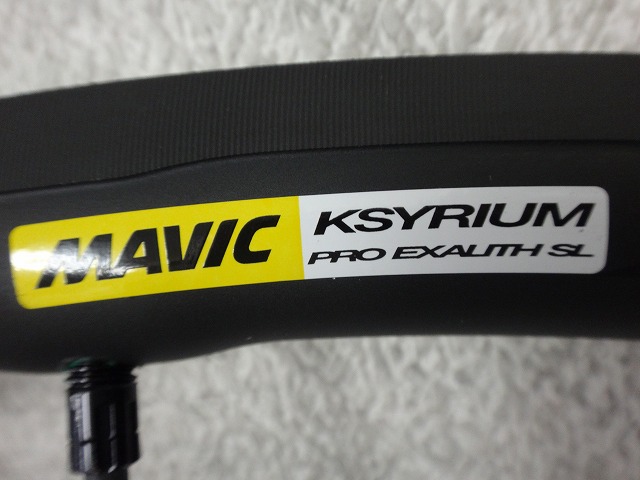
↑Without this photo you can't remember the name (and so on)


I received a
Ksyrium Pro Professional Exalith Superlight from a customer.
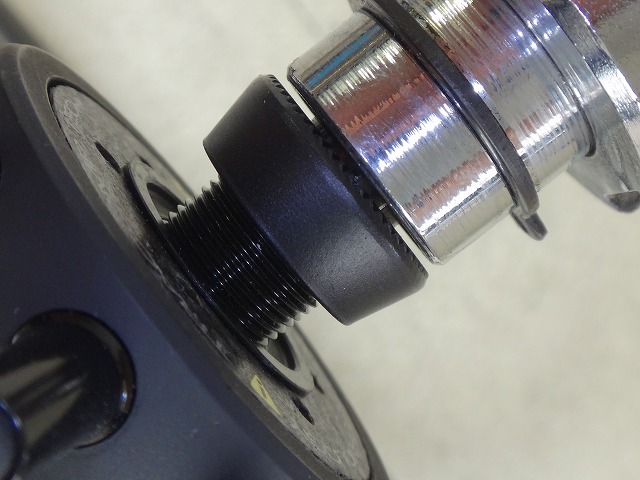

Same pattern as expected.
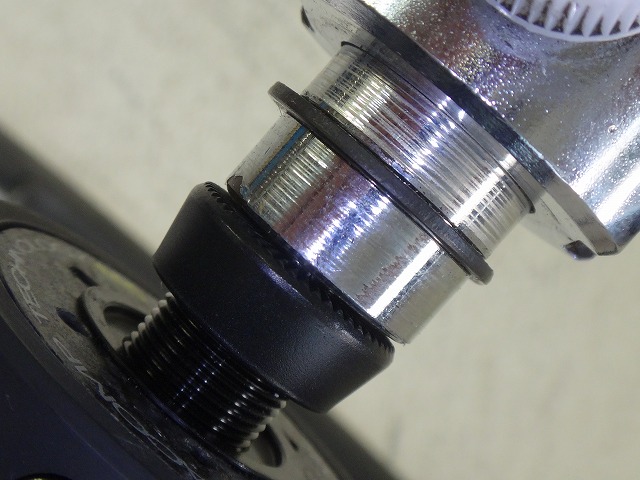
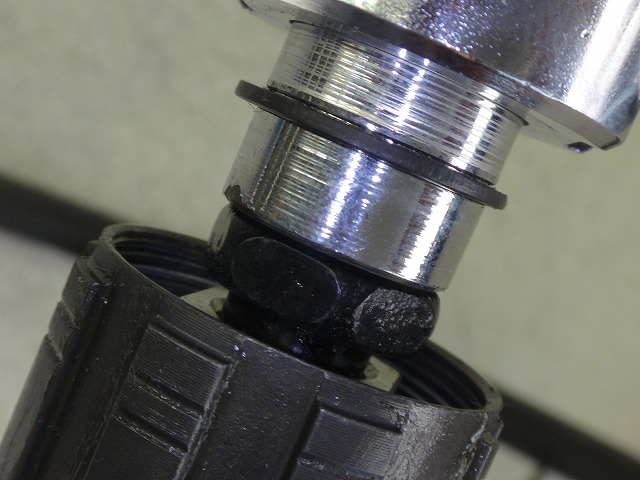
Fixed it up.

↑This photo (and so on)

I received a Ks(and so on) from a customer.
↑Th(and so on)