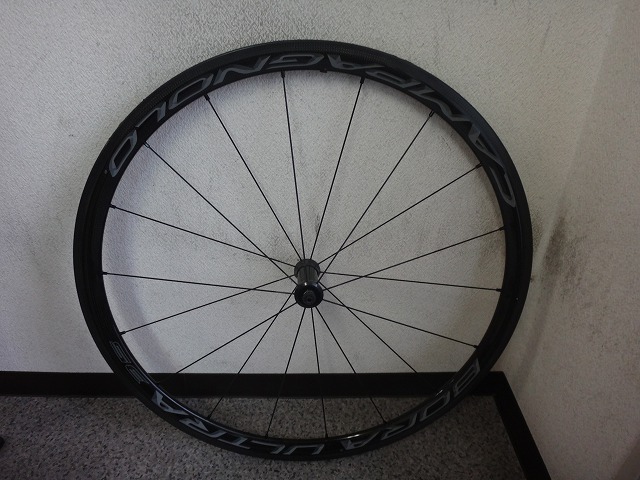
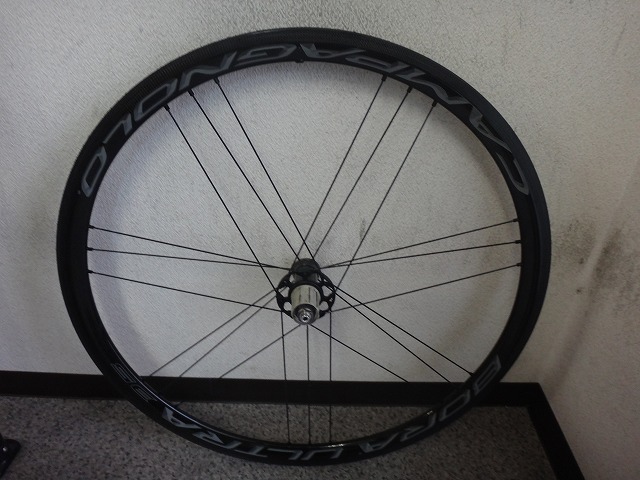
A customer brought in a Bora Ultra for servicing.
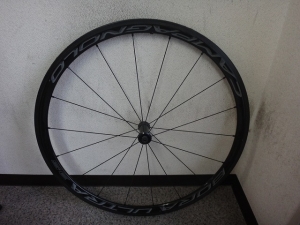
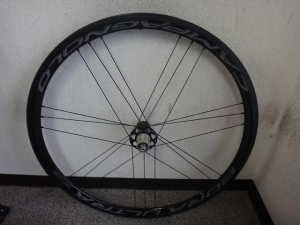
Since the customer isn't the original owner,
they mentioned, "There are no CULT labels on the hub and rim, so it might be counterfeit,"
but that's not the case at all.
First of all, I don't even know if counterfeit Boras exist (playing dumb).
Regarding the CULT labels:
First, this Bora Ultra is the current latest model.
The rim label isn't a peelable sticker—it's applied under a clear coating.
And the current model rims don't have CULT markings on the label in the first place
(the CULT specification models of Hyperon and Bullet do have them on the rim).
The CULT sticker that should be on the hub shell is missing,
but since that's a peelable sticker, the previous owner probably removed it.
Also, based on the rim model number format, there's no way this could be counterfeit.
The customer said the front hub rotation was grinding,
but that's just pitting developing on the ball races.

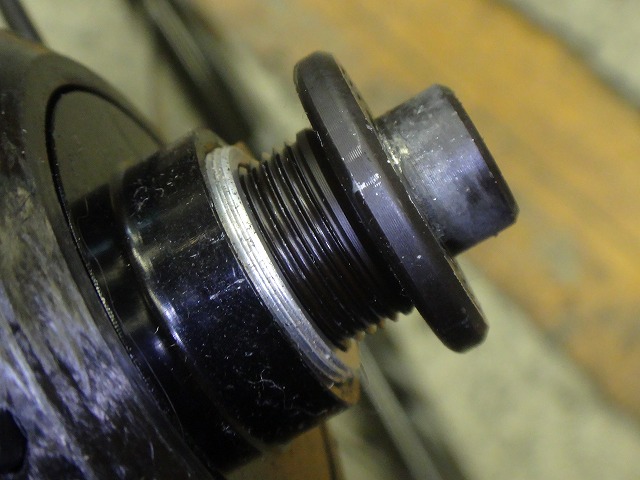
I disassembled the front hub.
The hollow axle bolt on the bearing cone adjustment nut side came out first.
No catastrophic new axle breakage occurred.
From here on, I'll refer to this side as the left side.

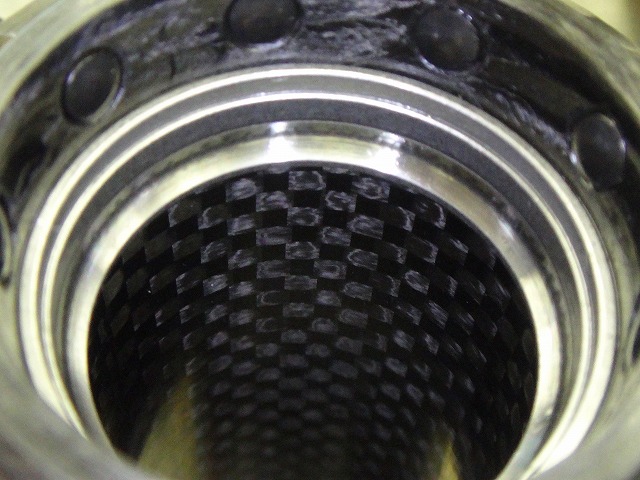
↑Right cone. Nothing terrible, but
there is pitting (scratches on the ball race).
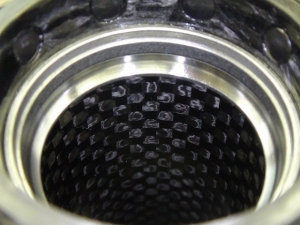
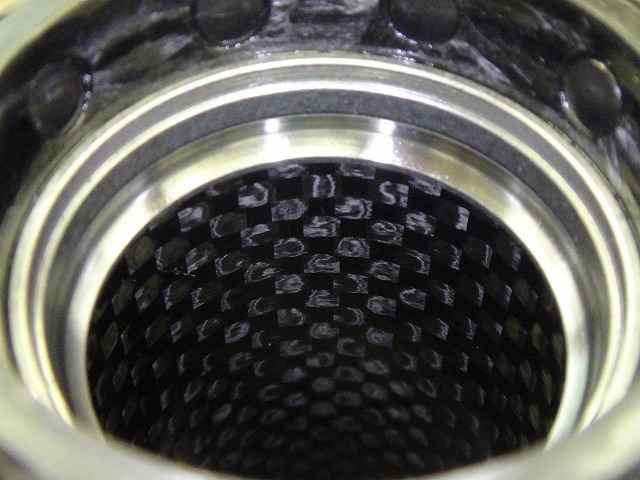
↑Left cone. Looks nice.

I removed the right cone.
↑Right cone
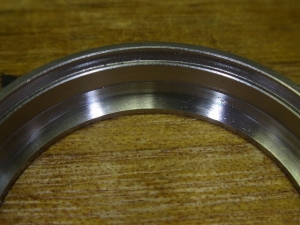
↑New one
It's not impossible that a pitted cone could coexist with a good cup,
so if the grinding went away with just replacing the cone, there'd be no need to replace the cup,
but the grinding didn't go away.
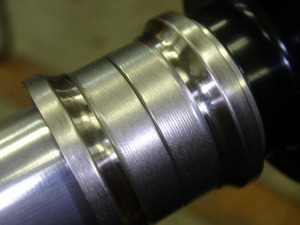
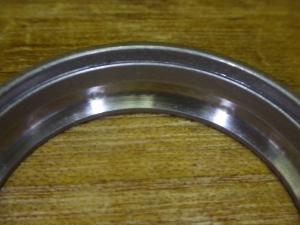
So I replaced the cup too.
The image above is before replacement, and the damage on the right side cup
is almost invisible to the naked eye.
After replacement, the rotation became silky smooth,
which confirms the repair worked.
There's a slight gritty feeling to the hub rotation, different from pitting,
but that's just because the bearing adjustment hasn't settled yet.
And incidentally, the rear hub also hasn't settled yet.
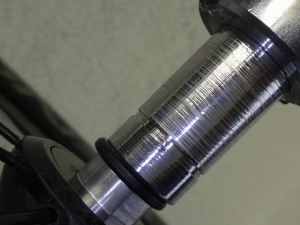
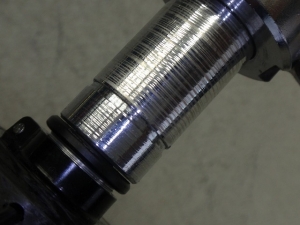
There's just barely visible centering offset detectable with a center gauge,
but since I didn't check the interim center before disassembly,
and I pressed in the cup a bit firmly,
and how much the centering washer bites in changes,
it's possible there was no offset in the original state.
Since there was almost no runout, I only adjusted the offset.

I'm overhauling the rear hub.
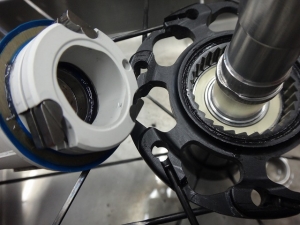
The seal between Campagnolo's freewheel body and hub shell is basically decorative,
so water gets in easily, and the grease gets dirty and emulsifies.
The seal between the ratchet section and right bearing on the hub shell also has a large gap,
so grease works its way into ball races that shouldn't have any.
How quickly the symptoms progress depends heavily on how much it was used in the rain.
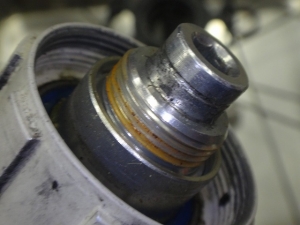
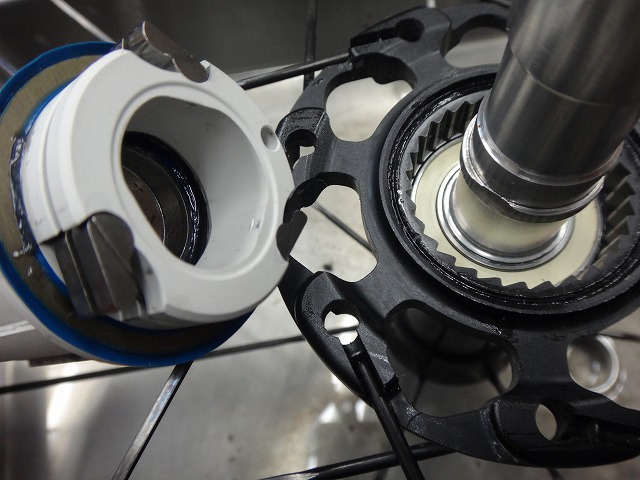
I removed the right end nut.
I thought the freewheel body bearing might be rusted,
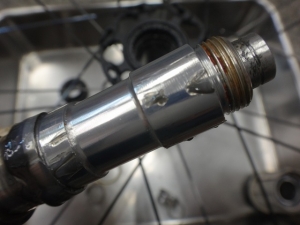
but the area directly below the axle bearing is clean.
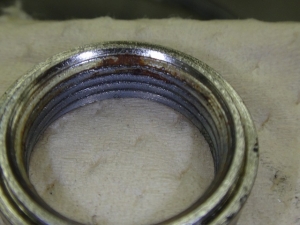
It was rust transfer from the end nut itself.
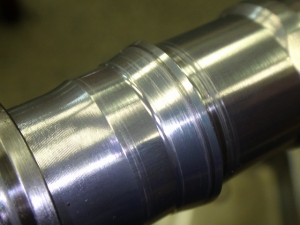
There are marks where the axle shaft and right cup have been slipping.
It looks like there was a period where the bike was ridden with hub bearing play.
The ball races on both sides were fine.


On the non-drive-side spoke, there's a neodymium magnet taped on.
The customer wants me to pass heat-shrink tubing over the spoke and
fix it at this position, so I measure the distance from the hub with calipers.

The nipple has just one thread engaged.

The spoke head is around this area, so
when I install the hub axle, the spoke won't come out.
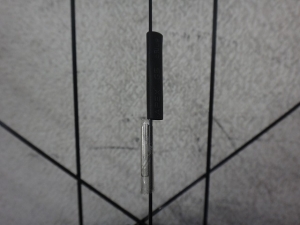
So I threaded the heat-shrink tubing on first.
(No before shot, but) after
I didn't replace the freewheel pawl spring.
Because there was absolutely no warping at all.
Since the freewheel pawl spring isn't an expensive part,
you could make it standard practice to always replace it when you open things up.
That minimizes the odds of it breaking out on the road and causing a disaster.
But I don't like replacing parts that aren't damaged,
so I skipped it this time.
At Silvest Cycle Kyoto store,
a customer dropped off a bike saying the shifting was off, and when they came back later,
the staff said, "The rear derailleur pulley was shot, so we replaced it."
The customer thought it shouldn't have worn that much,
but since the staff said so, they paid up. Then two weeks later,
the shifting was still off, so they took it back.
A different staff member accepted it and said, "The pulley was messed up, so we replaced it with a new one."
I can't tell if they're unable to settle on calling something "the shifting is off" without
inventing a story about "we had to replace a part,"
or if they're being instructed to sell that way from above.
Even granting that the first replacement might not have been necessary,
the second one definitely wasted the customer's money.
The customer apparently didn't say, "But you guys just replaced that two weeks ago..."
and just quietly paid again.
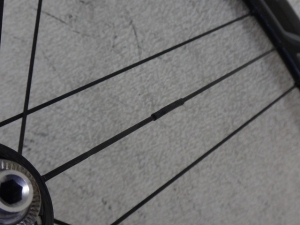
I fixed the magnet in place.
Since the customer isn't the original owner,
they mentioned, "There are no CULT labels on the hub and rim, so it might be counterfeit,"
but that's not the case at all.
First of all, I don't even know if counterfeit Boras exist (playing dumb).
Regarding the CULT labels:
First, this Bora Ultra is the current latest model.
The rim label isn't a peelable sticker—it's applied under a clear coating.
And the current model rims don't have CULT markings on the label in the first place
(the CULT specification models of Hyperon and Bullet do have them on the rim).
The CULT sticker that should be on the hub shell is missing,
but since that's a peelable sticker, the previous owner probably removed it.
Also, based on the rim model number format, there's no way this could be counterfeit.
The customer said the front hub rotation was grinding,
but that's just pitting developing on the ball races.
I disassembled the front hub.
The hollow axle bolt on the bearing cone adjustment nut side came out first.
No catastrophic new axle breakage occurred.
From here on, I'll refer to this side as the left side.
↑Right cone. Nothing terrible, but
there is pitting (scratches on the ball race).
↑Left cone. Looks nice.
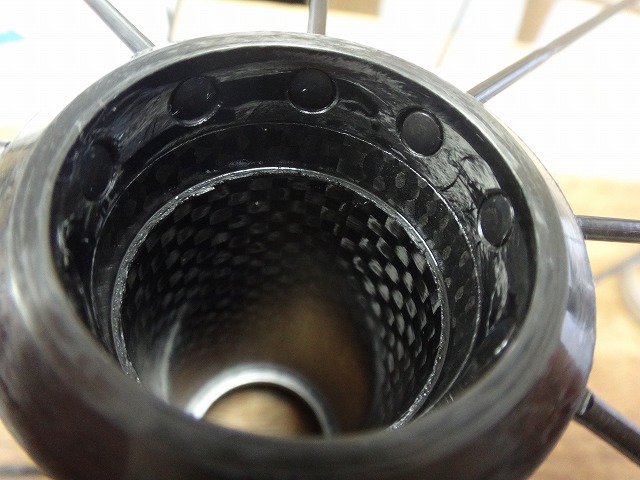
I removed the right cone.

↑Right cone
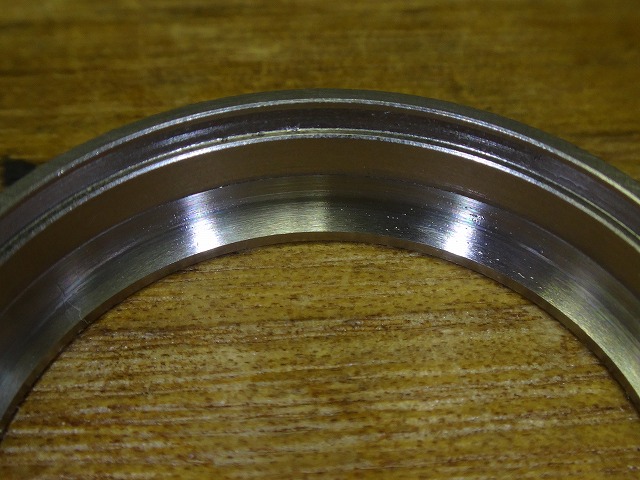
↑New one
It's not impossible that a pitted cone could coexist with a good cup,
so if the grinding went away with just replacing the cone, there'd be no need to replace the cup,
but the grinding didn't go away.
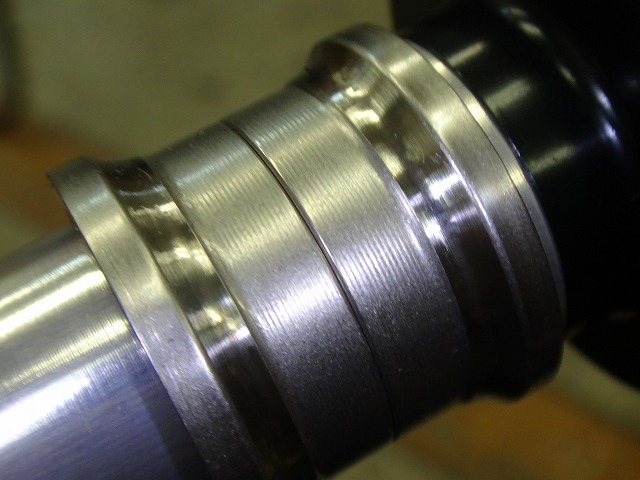
So I replaced the cup too.
The image above is before replacement, and the damage on the right side cup
is almost invisible to the naked eye.
After replacement, the rotation became silky smooth,
which confirms the repair worked.
There's a slight gritty feeling to the hub rotation, different from pitting,
but that's just because the bearing adjustment hasn't settled yet.
And incidentally, the rear hub also hasn't settled yet.

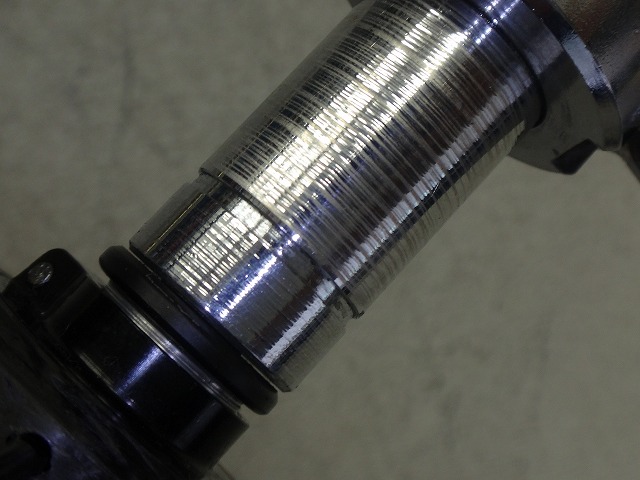
There's just barely visible centering offset detectable with a center gauge,
but since I didn't check the interim center before disassembly,
and I pressed in the cup a bit firmly,
and how much the centering washer bites in changes,
it's possible there was no offset in the original state.
Since there was almost no runout, I only adjusted the offset.
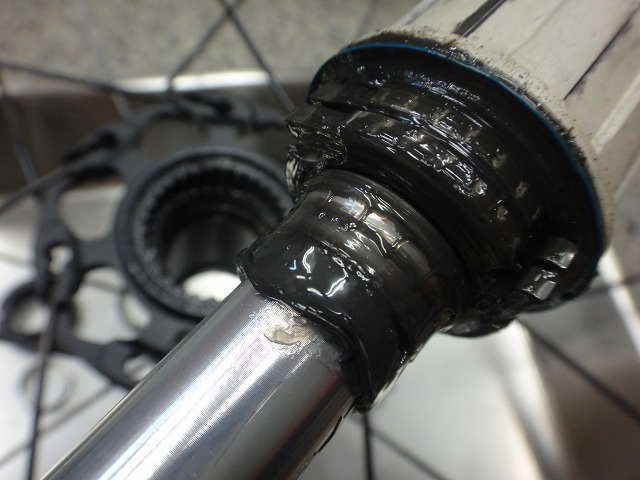
I'm overhauling the rear hub.
The seal between Campagnolo's freewheel body and hub shell is basically decorative,
so water gets in easily, and the grease gets dirty and emulsifies.
The seal between the ratchet section and right bearing on the hub shell also has a large gap,
so grease works its way into ball races that shouldn't have any.
How quickly the symptoms progress depends heavily on how much it was used in the rain.

I removed the right end nut.
I thought the freewheel body bearing might be rusted,

but the area directly below the axle bearing is clean.
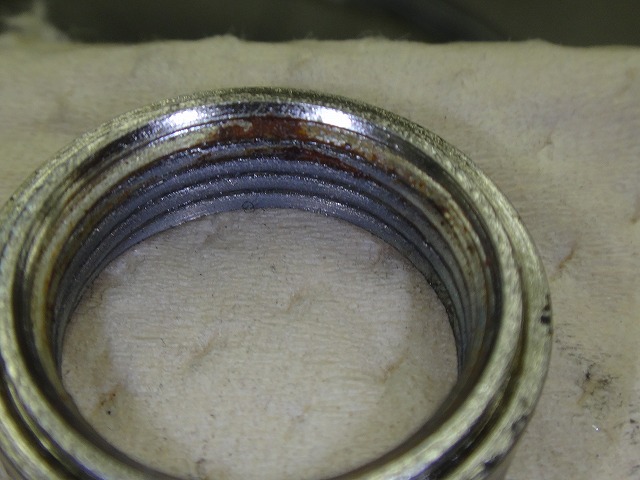
It was rust transfer from the end nut itself.

There are marks where the axle shaft and right cup have been slipping.
It looks like there was a period where the bike was ridden with hub bearing play.
The ball races on both sides were fine.


On the non-drive-side spoke, there's a neodymium magnet taped on.
The customer wants me to pass heat-shrink tubing over the spoke and
fix it at this position, so I measure the distance from the hub with calipers.
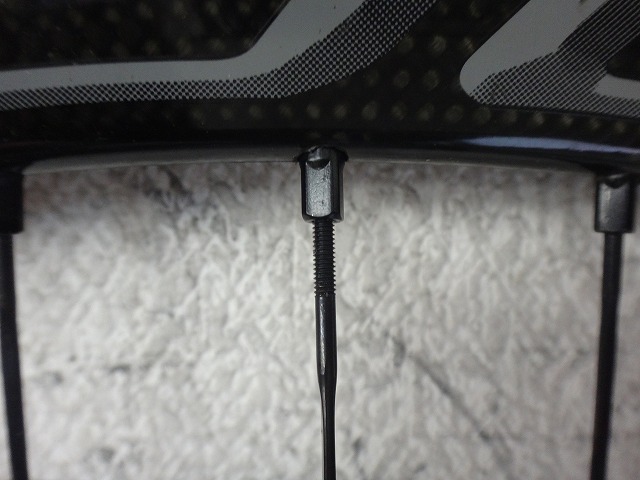
The nipple has just one thread engaged.
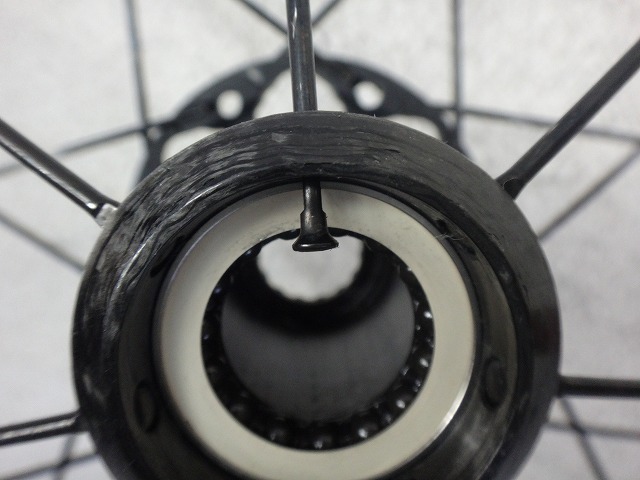
The spoke head is around this area, so
when I install the hub axle, the spoke won't come out.

So I threaded the heat-shrink tubing on first.
(No before shot, but) after
I didn't replace the freewheel pawl spring.
Because there was absolutely no warping at all.
Since the freewheel pawl spring isn't an expensive part,
you could make it standard practice to always replace it when you open things up.
That minimizes the odds of it breaking out on the road and causing a disaster.
But I don't like replacing parts that aren't damaged,
so I skipped it this time.
At Silvest Cycle Kyoto store,
a customer dropped off a bike saying the shifting was off, and when they came back later,
the staff said, "The rear derailleur pulley was shot, so we replaced it."
The customer thought it shouldn't have worn that much,
but since the staff said so, they paid up. Then two weeks later,
the shifting was still off, so they took it back.
A different staff member accepted it and said, "The pulley was messed up, so we replaced it with a new one."
I can't tell if they're unable to settle on calling something "the shifting is off" without
inventing a story about "we had to replace a part,"
or if they're being instructed to sell that way from above.
Even granting that the first replacement might not have been necessary,
the second one definitely wasted the customer's money.
The customer apparently didn't say, "But you guys just replaced that two weeks ago..."
and just quietly paid again.
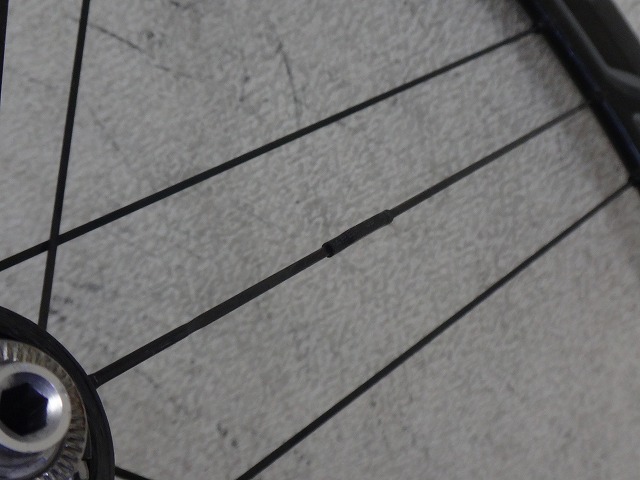
I fixed the magnet in place.