Another wheel day (and so on).
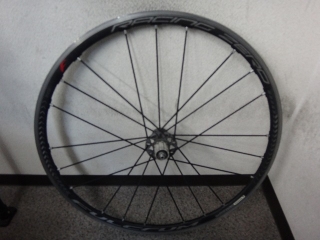
A customer brought in the rear wheel of a Campagnolo Racing Zero (Italian high-end wheel brand) for me.
It came in initially for inspection, but the rim was clearly potato-chipped, so a replacement was necessary.
I ordered a new rim.
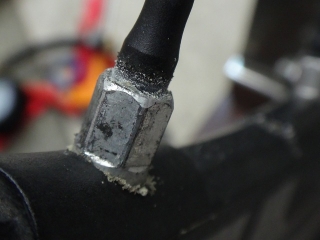
There were many nipples on the verge of seizing, which gave me a really hard time loosening them.
I'm reusing the nipples after cleaning, but despite having applied thread-locking compound to the spoke threads,
they spun off unbelievably smoothly during disassembly—which tells me that the accumulated gunk in those threads was creating significant resistance.
As you can see in the photo above, bits of it crumbled off.
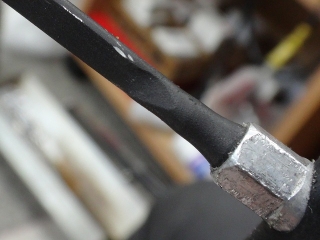
There was one spoke that was twisted.
I absolutely did not do that, I assure you.
I'd like to carefully unspool it without snapping it—but the nipple resistance is really so great that it's extremely difficult.
Since the Racing Zero has hook-type spokes on both sides, I set that one aside for now.
By removing all the other spokes first, I could separate the hub body from the spokes, and then attempt to loosen it in a tension-free state.
Without this procedure, I probably wouldn't have been able to loosen it at all.
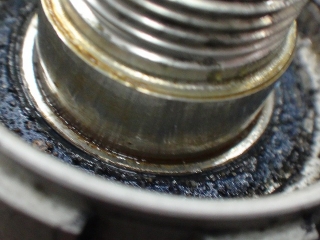
The bearing on the outside of the freehub body—it looks like rust seepage is weeping out.
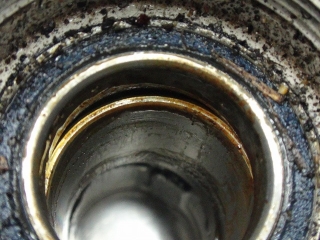
It's not absolutely critical for replacement, but since it's an area I rarely touch and bearings aren't expensive parts anyway,
I decided to replace just the outer bearing.
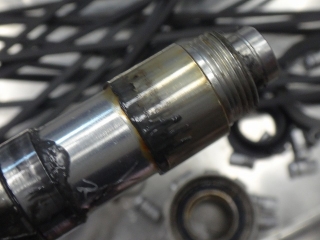
↑The hub axle also has some secondary rust.\
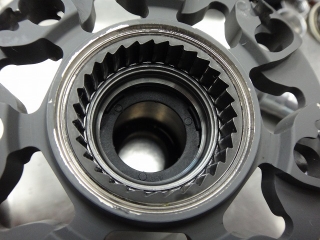
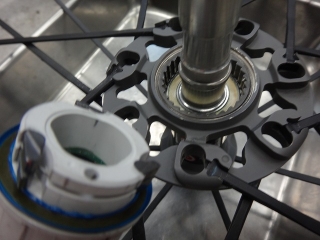
I also did a full hub overhaul.
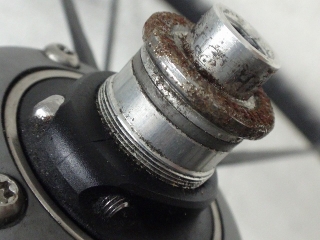
before
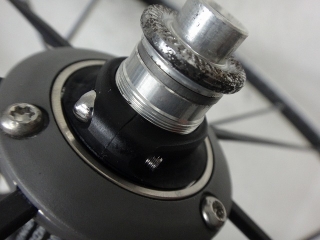
after
I removed as much rust as possible from the left end as well.
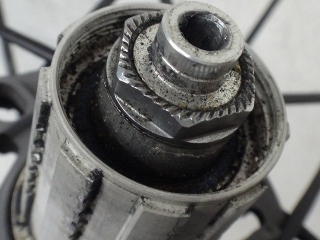
before
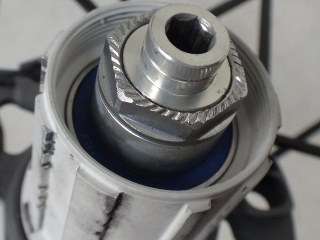
after
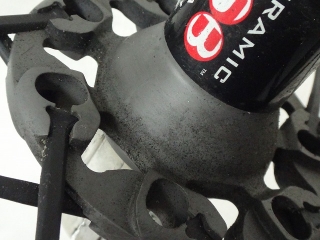
before
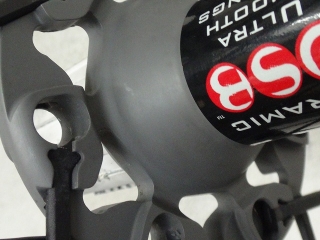
after
With jobs like this, all the work besides the actual wheel building takes far more time and effort.
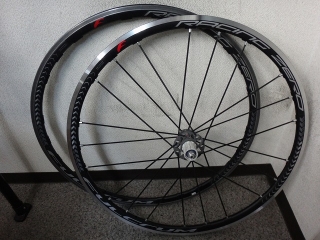
Got it built.
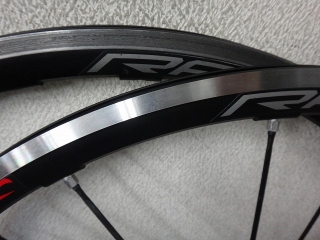
The old rim before reassembly—you can tell it's warped just by laying it on the floor without needing a glass surface plate.
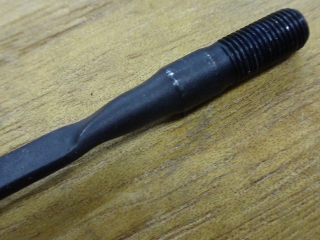
The twisted spoke was successfully recovered, but I didn't reuse it.
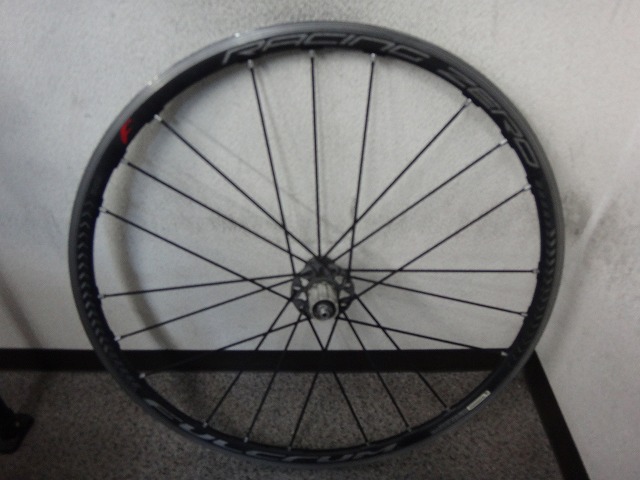
A customer brought in the rear wheel of a Campagnolo Racing Zero (Italian high-end wheel brand) for me.
It came in initially for inspection, but the rim was clearly potato-chipped, so a replacement was necessary.
I ordered a new rim.

There were many nipples on the verge of seizing, which gave me a really hard time loosening them.
I'm reusing the nipples after cleaning, but despite having applied thread-locking compound to the spoke threads,
they spun off unbelievably smoothly during disassembly—which tells me that the accumulated gunk in those threads was creating significant resistance.
As you can see in the photo above, bits of it crumbled off.
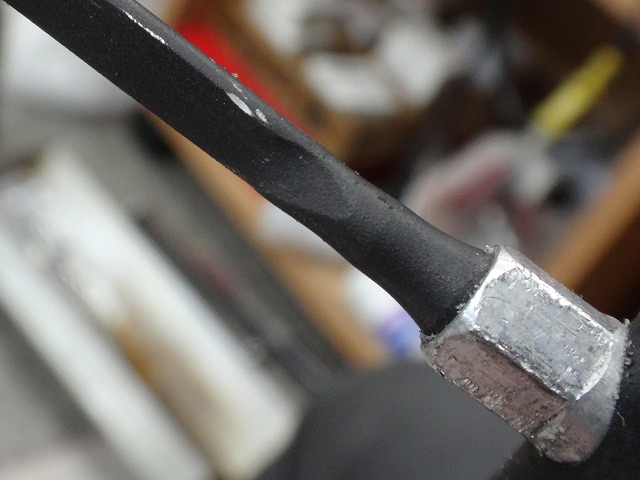
There was one spoke that was twisted.
I absolutely did not do that, I assure you.
I'd like to carefully unspool it without snapping it—but the nipple resistance is really so great that it's extremely difficult.
Since the Racing Zero has hook-type spokes on both sides, I set that one aside for now.
By removing all the other spokes first, I could separate the hub body from the spokes, and then attempt to loosen it in a tension-free state.
Without this procedure, I probably wouldn't have been able to loosen it at all.
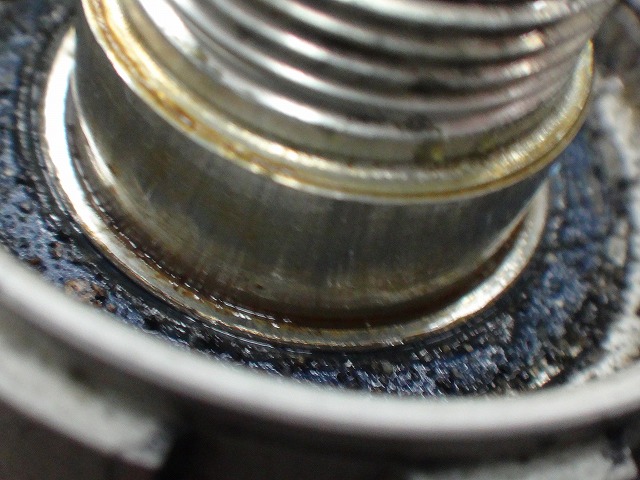
The bearing on the outside of the freehub body—it looks like rust seepage is weeping out.
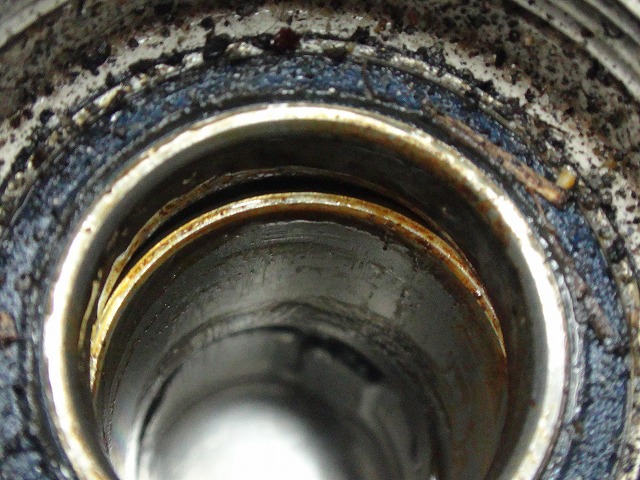
It's not absolutely critical for replacement, but since it's an area I rarely touch and bearings aren't expensive parts anyway,
I decided to replace just the outer bearing.
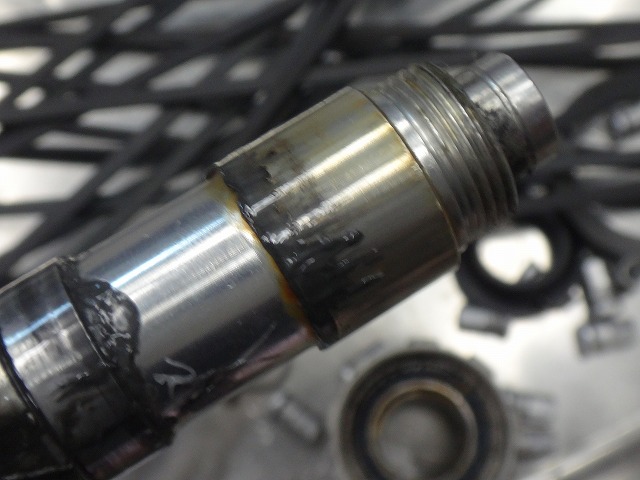
↑The hub axle also has some secondary rust.\
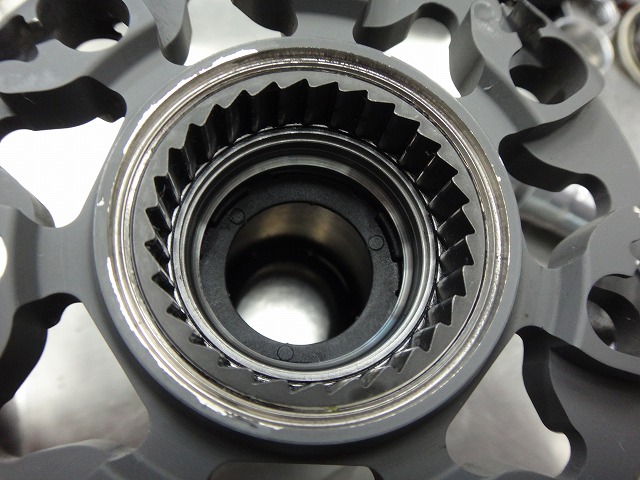
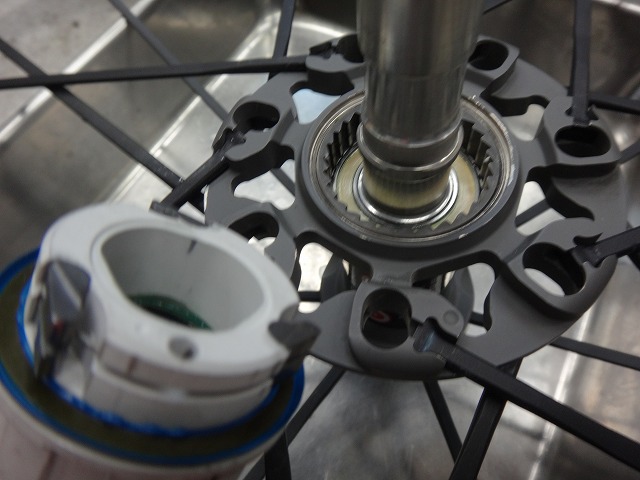
I also did a full hub overhaul.
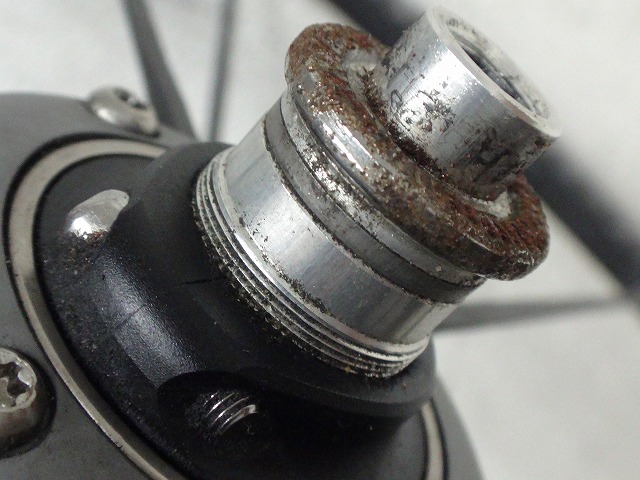
before
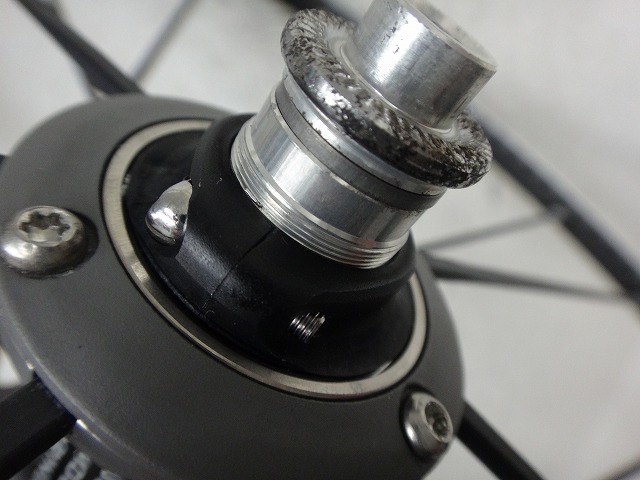
after
I removed as much rust as possible from the left end as well.
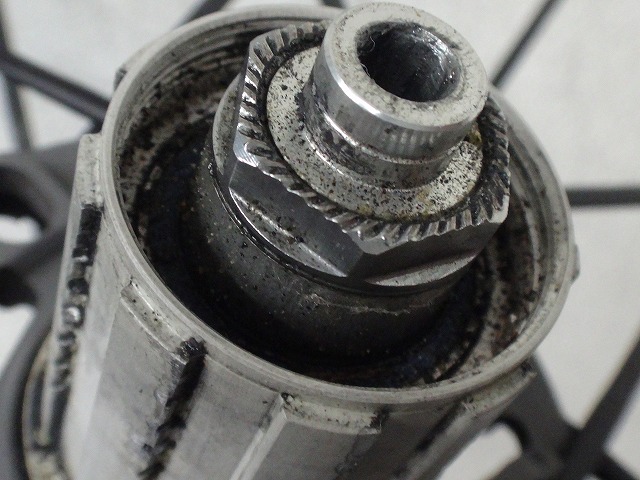
before
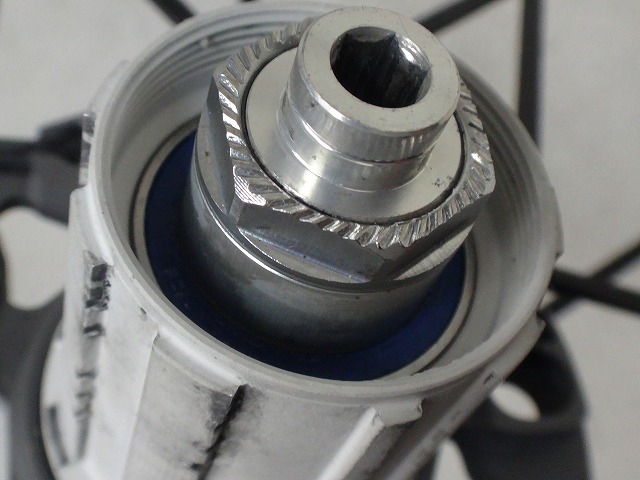
after
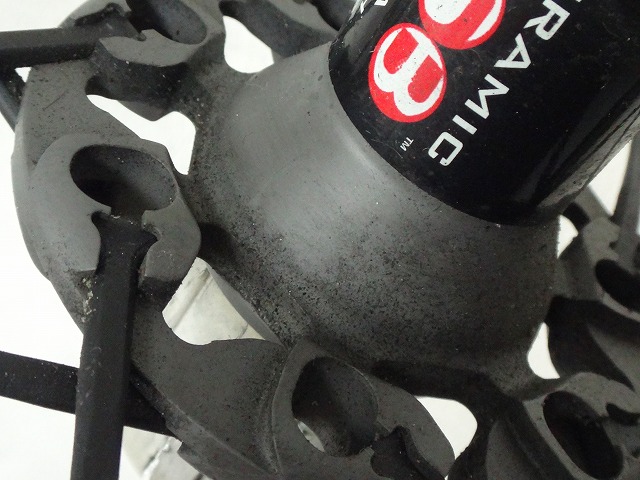
before

after
With jobs like this, all the work besides the actual wheel building takes far more time and effort.

Got it built.
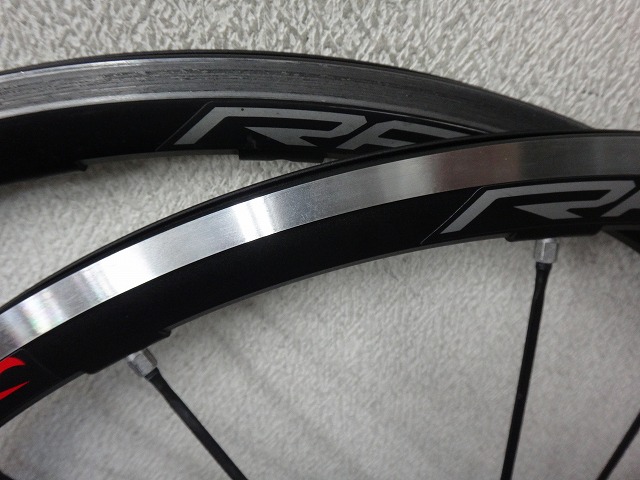
The old rim before reassembly—you can tell it's warped just by laying it on the floor without needing a glass surface plate.
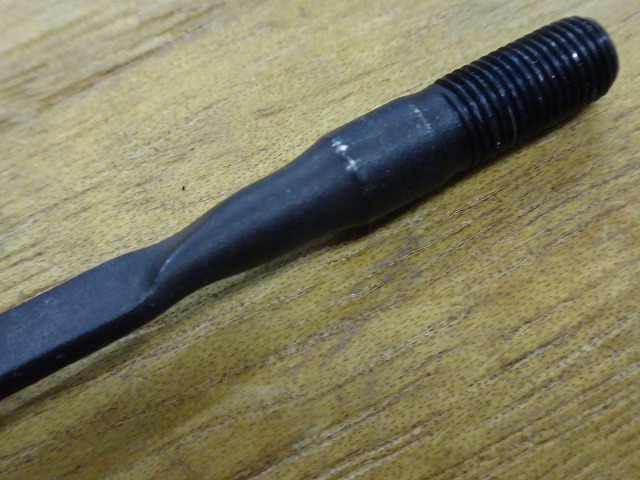
The twisted spoke was successfully recovered, but I didn't reuse it.