A customer dropped off a wheel set from a Smart Envy System 3.4 for me to work on.
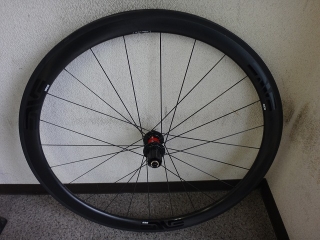
Tubular setup with DT 240S hubs front and rear.
The rear wheel is 24-hole, all-black CX-RAY 4-cross laced, but it's reverse Italian laced, so it looks like it was built somewhere in the US.
Currently it has a Shimano 11-speed freebody, but the customer wants to swap it for a Campagnolo freebody and change the ratchet to a 36-tooth version.
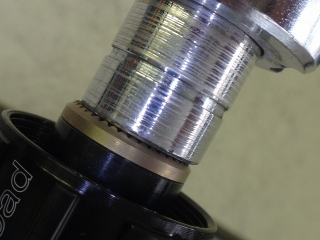
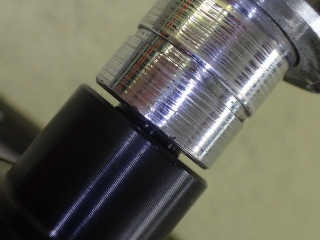
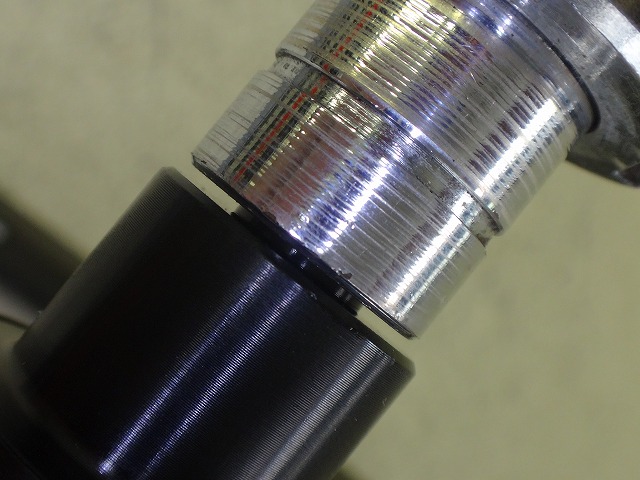
The wheel center is seriously off.
It's possible this wheel was used as-is without any inspection—just straight from the shelf.
Because this is quite a wide rim, there's not much clearance between the brake shoe and rim, which makes this centering issue worse than it would be on other wheels.
The rim wobble is almost nonexistent, so technically this passed the manufacturer's QC as "properly built," which is... well, it says something about their standards.
I'm not saying cheap wheels deserve sloppy work, but this is not acceptable for a wheel at this price point.
Since we're swapping the freebody, if the right end length differs, it might reduce or eliminate the centering issue, so I'm not truing the center at this point.
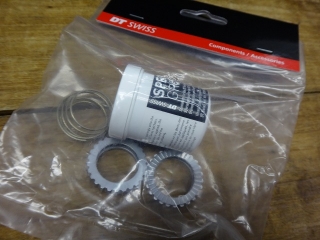
About the 36-tooth ratchet kit: the standard 18-tooth ratchet is treated as a repair part and doesn't come with grease for the star ratchet, but the 36-tooth ratchet is treated as an upgrade part—a luxury item separate from repairs—so it comes with dedicated grease.
This time I didn't use the included grease and just handed it to the customer as-is, then
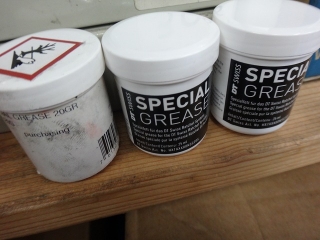
used grease from our shop stock.
The leftmost one in the image above is the old packaging.

I removed the original ratchet and cleaned it.
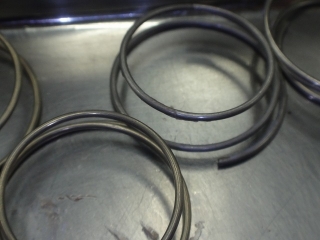
The bamboo shoot spring had a different color, so while I don't think there's any functional difference—they're the same thing—I replaced it anyway.
The slightly brass-colored one is what came with the 36-tooth setup, and the grayish one on the upper right is the original spring.
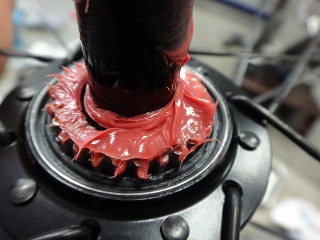
I applied the star ratchet grease pretty thickly.
It's better than Mavic's Instant Drive 360, but the grease leaves the critical areas too quickly, and the initial performance doesn't last long.
After a little use the noise changes noticeably—it gets louder—but you don't need to be obsessive and constantly disassemble it to keep that greasy feel.
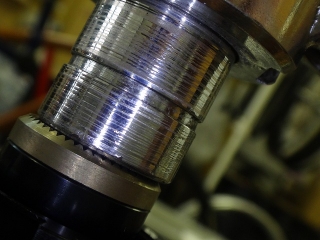
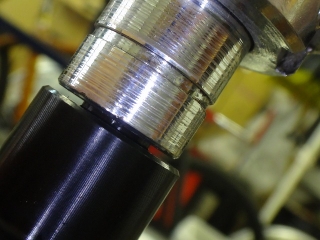
I swapped the freebody, but the centering offset amount and tendency barely changed.
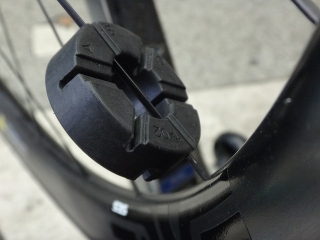
Also, about half the spokes had their flat sections twisted.
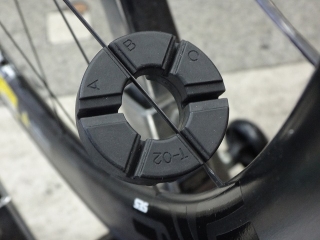
I straightened them all out.
I use a tool that grips the flat section of the spoke, but
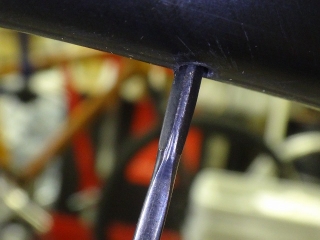
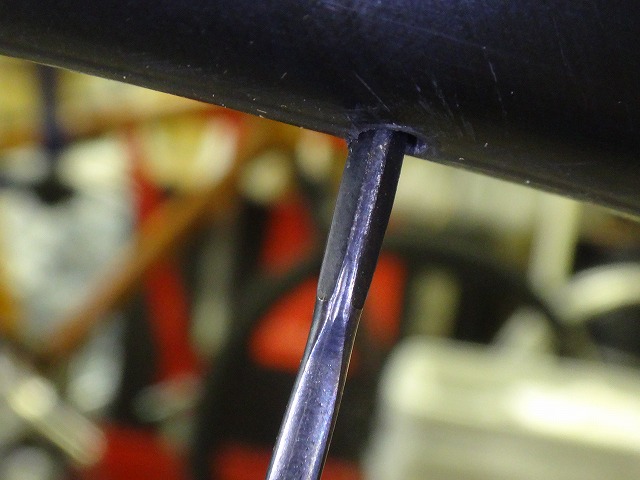
these CX-RAY spokes are a special version that was even once mistakenly delivered to a Japanese Sapim distributor—they have a square flat spot on the thread side (→here), so you can grab them there too.
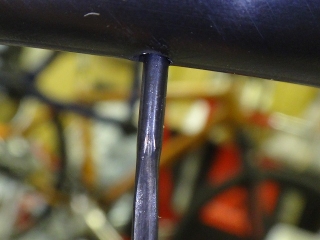
But oddly enough, one regular CX-RAY was mixed in.
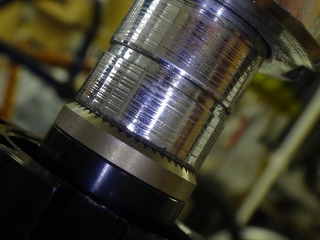
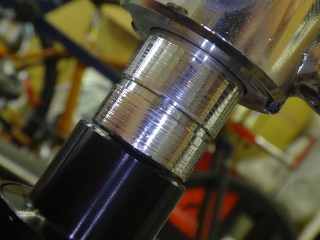
The rim is offset to the left (the non-drive side), so centering requires either loosening the non-drive side or tightening the drive side.
I don't want to loosen the non-drive side.
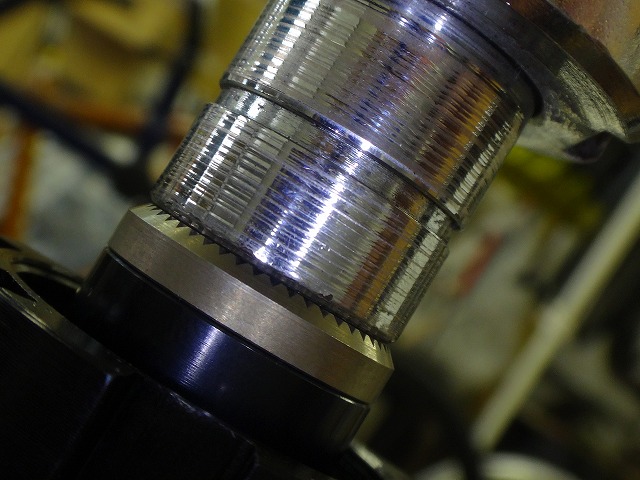
Actually, the drive-side spoke tension is already so low I'd love to increase it, but honestly I'm desperate to add more tension there. The drive side is reasonably tight though, and trying to true the center by tightening only the drive side is extremely difficult... but I gave it my best shot and got to the state shown in the image above. Still a bit off.
From here, if I gently loosen the non-drive side even slightly, the center will come out and overall tension will increase from where it was, but
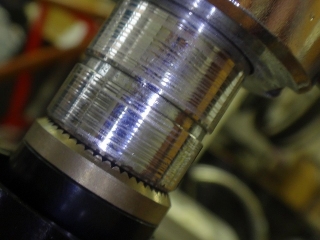
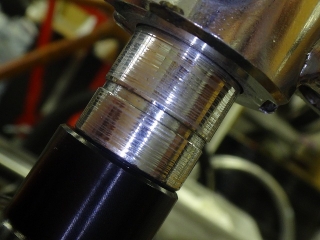
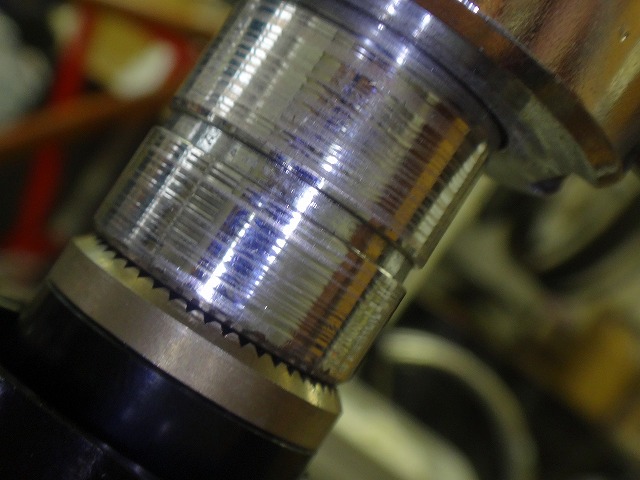
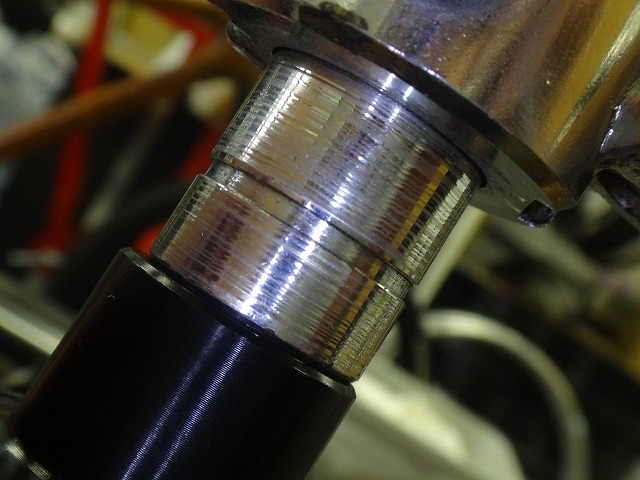
I tightened the drive side a bit more, walking on eggshells the whole time.
Got it! If this hadn't worked, I'd have been loosening the non-drive side.
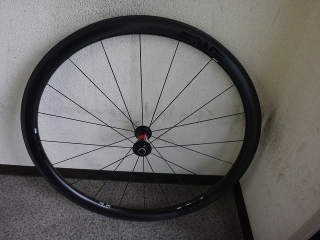
Next, the front wheel.
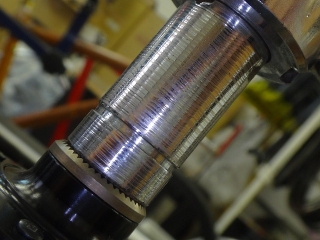
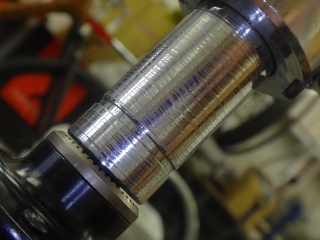
This one also has no rim wobble but a slight centering offset, and
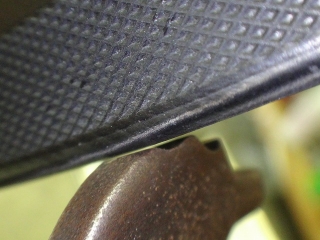
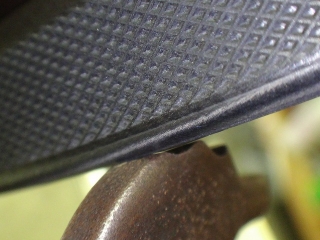
a noticeable amount of radial runout that couldn't be ignored.
With a tubular tire, the rider probably won't feel it, but you can't just leave it alone either.
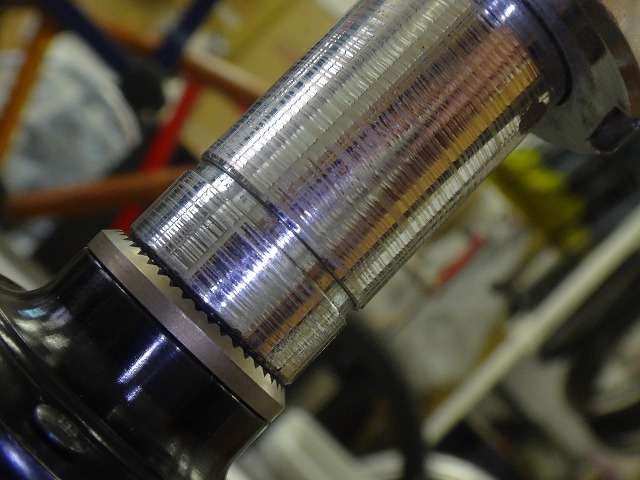
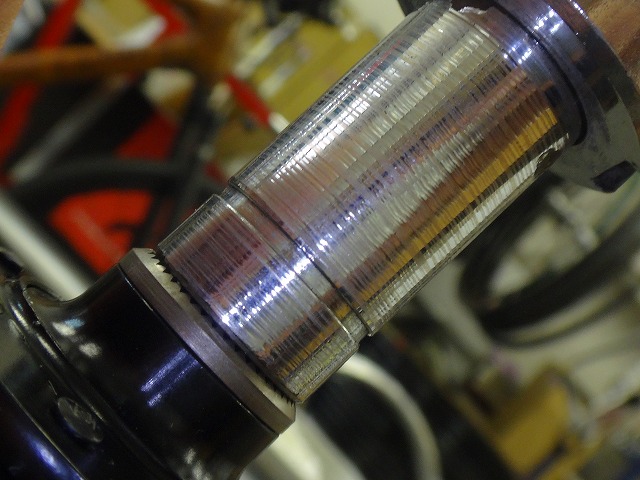
The SES rim has a prominent seam on its outer edge, almost like bamboo nodes if you exaggerate it.
This can touch the gauge and look like radial runout, but the runout I'm talking about here is excluding that.
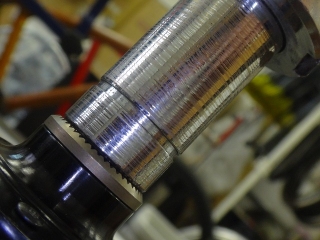

I trued both the radial and lateral runout and centered the wheel.
My tolerance standard is higher than Enve's shipping standard, so I filled in the gap between them with this inspection. If Enve's shipping standard were acceptable, the daily output per builder could probably increase by about 50%. For example, if I build 10 wheels a day at my standard, I could probably build around 15 at Enve's standard.

Tubular setup with DT 240S hubs front and rear.
The rear wheel is 24-hole, all-black CX-RAY 4-cross laced, but it's reverse Italian laced, so it looks like it was built somewhere in the US.
Currently it has a Shimano 11-speed freebody, but the customer wants to swap it for a Campagnolo freebody and change the ratchet to a 36-tooth version.

The wheel center is seriously off.
It's possible this wheel was used as-is without any inspection—just straight from the shelf.
Because this is quite a wide rim, there's not much clearance between the brake shoe and rim, which makes this centering issue worse than it would be on other wheels.
The rim wobble is almost nonexistent, so technically this passed the manufacturer's QC as "properly built," which is... well, it says something about their standards.
I'm not saying cheap wheels deserve sloppy work, but this is not acceptable for a wheel at this price point.
Since we're swapping the freebody, if the right end length differs, it might reduce or eliminate the centering issue, so I'm not truing the center at this point.
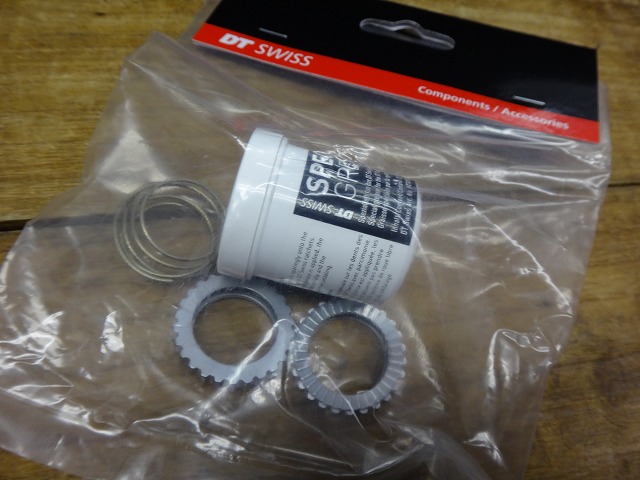
About the 36-tooth ratchet kit: the standard 18-tooth ratchet is treated as a repair part and doesn't come with grease for the star ratchet, but the 36-tooth ratchet is treated as an upgrade part—a luxury item separate from repairs—so it comes with dedicated grease.
This time I didn't use the included grease and just handed it to the customer as-is, then
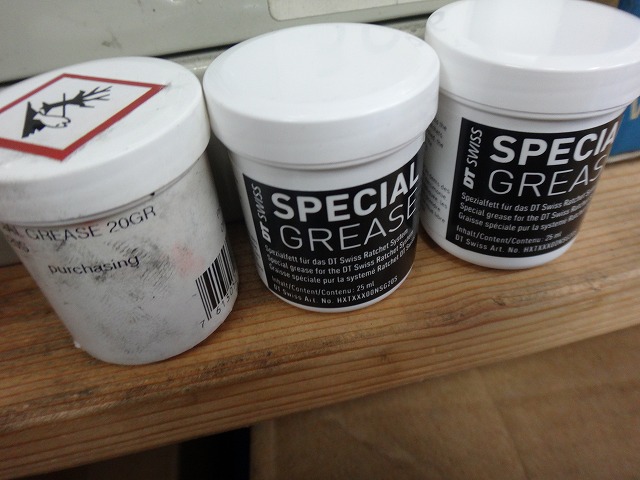
used grease from our shop stock.
The leftmost one in the image above is the old packaging.
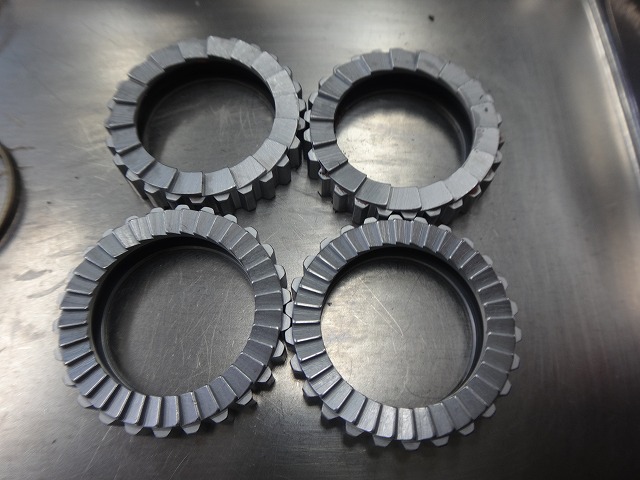
I removed the original ratchet and cleaned it.
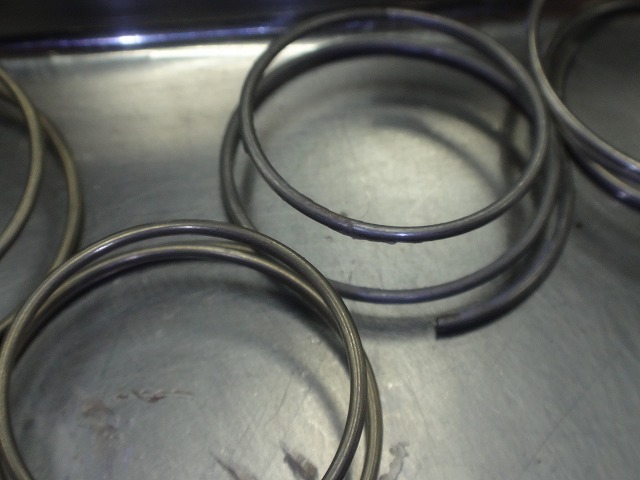
The bamboo shoot spring had a different color, so while I don't think there's any functional difference—they're the same thing—I replaced it anyway.
The slightly brass-colored one is what came with the 36-tooth setup, and the grayish one on the upper right is the original spring.
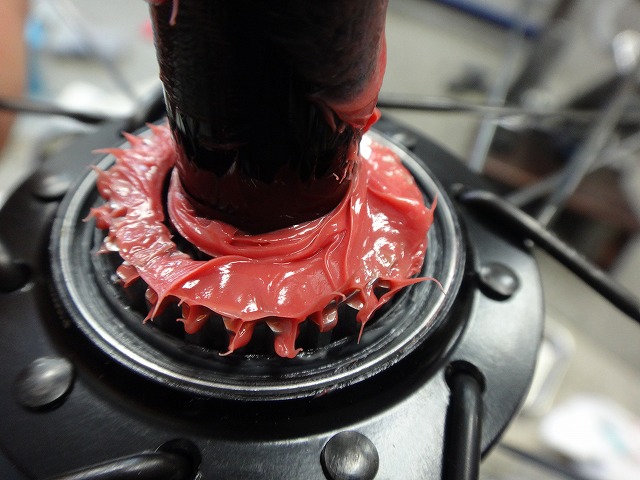
I applied the star ratchet grease pretty thickly.
It's better than Mavic's Instant Drive 360, but the grease leaves the critical areas too quickly, and the initial performance doesn't last long.
After a little use the noise changes noticeably—it gets louder—but you don't need to be obsessive and constantly disassemble it to keep that greasy feel.

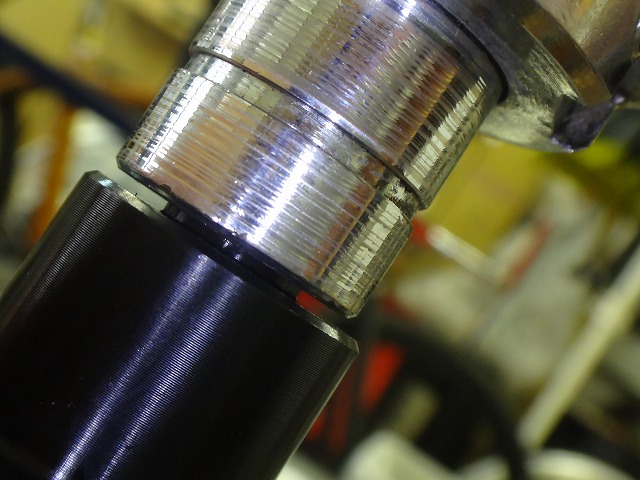
I swapped the freebody, but the centering offset amount and tendency barely changed.
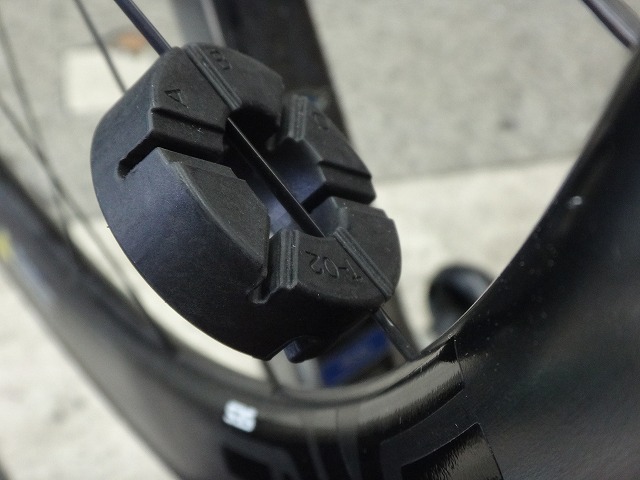
Also, about half the spokes had their flat sections twisted.
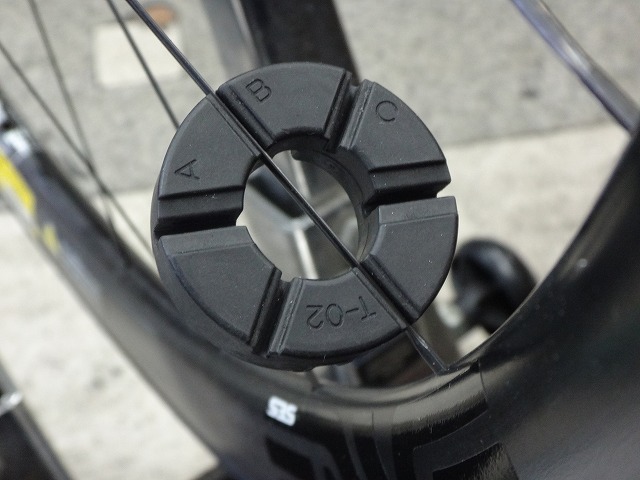
I straightened them all out.
I use a tool that grips the flat section of the spoke, but
these CX-RAY spokes are a special version that was even once mistakenly delivered to a Japanese Sapim distributor—they have a square flat spot on the thread side (→here), so you can grab them there too.

But oddly enough, one regular CX-RAY was mixed in.

The rim is offset to the left (the non-drive side), so centering requires either loosening the non-drive side or tightening the drive side.
I don't want to loosen the non-drive side.
Actually, the drive-side spoke tension is already so low I'd love to increase it, but honestly I'm desperate to add more tension there. The drive side is reasonably tight though, and trying to true the center by tightening only the drive side is extremely difficult... but I gave it my best shot and got to the state shown in the image above. Still a bit off.
From here, if I gently loosen the non-drive side even slightly, the center will come out and overall tension will increase from where it was, but
I tightened the drive side a bit more, walking on eggshells the whole time.
Got it! If this hadn't worked, I'd have been loosening the non-drive side.
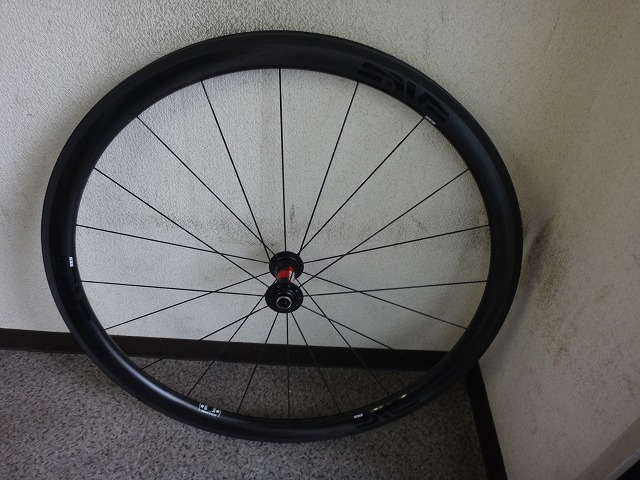
Next, the front wheel.

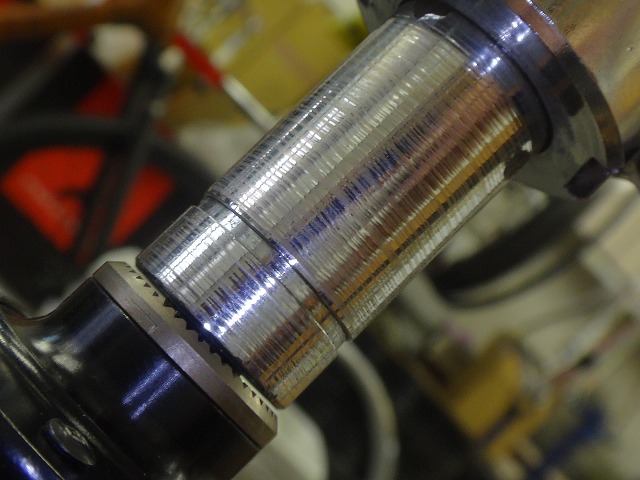
This one also has no rim wobble but a slight centering offset, and
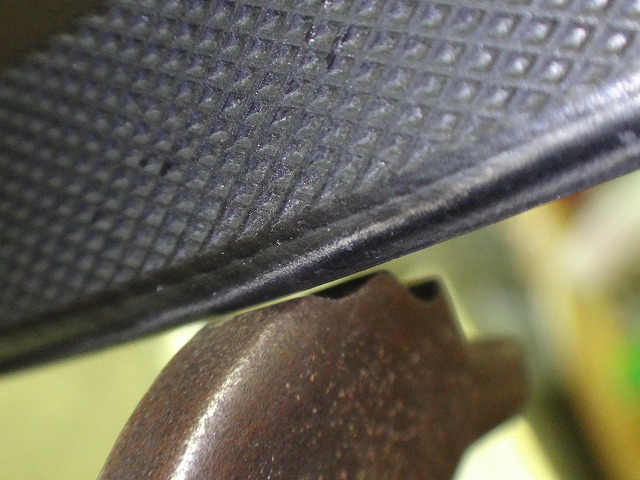
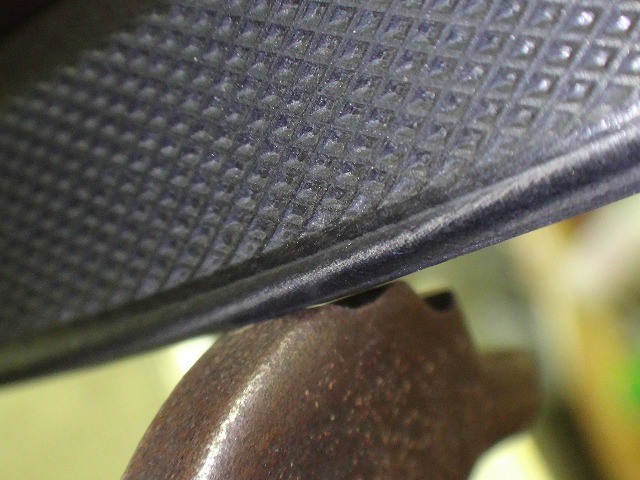
a noticeable amount of radial runout that couldn't be ignored.
With a tubular tire, the rider probably won't feel it, but you can't just leave it alone either.
The SES rim has a prominent seam on its outer edge, almost like bamboo nodes if you exaggerate it.
This can touch the gauge and look like radial runout, but the runout I'm talking about here is excluding that.
I trued both the radial and lateral runout and centered the wheel.
My tolerance standard is higher than Enve's shipping standard, so I filled in the gap between them with this inspection. If Enve's shipping standard were acceptable, the daily output per builder could probably increase by about 50%. For example, if I build 10 wheels a day at my standard, I could probably build around 15 at Enve's standard.