A customer dropped off a Fulcrum Racing Zero Carbon (high-end Italian wheel brand) with me.
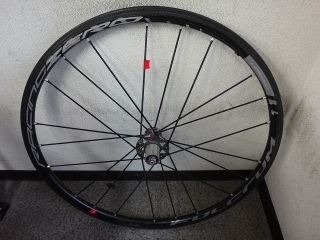
Just to clarify, this is a different case from my previous post.
They took it to a nearby shop for repairs and
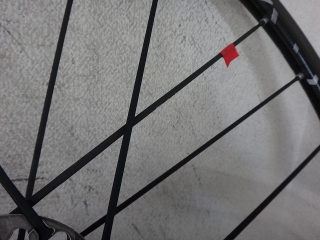
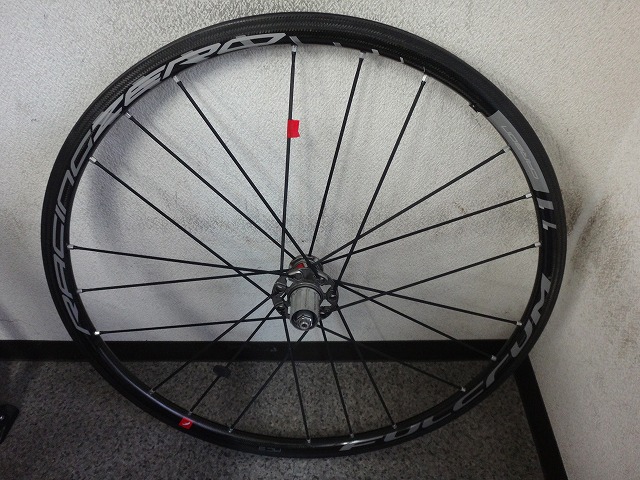
the spoke with the marker tape on it
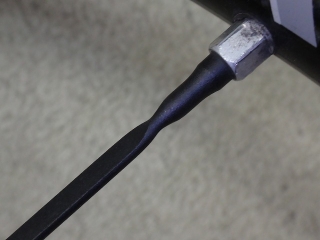
came back twisted, and with lateral runout in this plane. They want me to fix it.
If the spoke needs to be replaced—which it does—
they'd like me to go ahead and swap it for a red spoke.
If you twist a spoke that badly during work, there's no way you don't notice it.
I don't know if they were honest with the customer about it,
but returning it in this condition? That's a crap shop, if you ask me.
Wait... just realized if I post this online, that shop might recognize themselves...
Ah well, whatever.
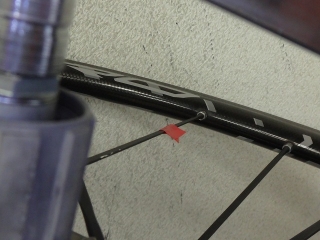
The maximum lateral runout is right below the twisted spoke, so I'm
checking the provisional center by placing the truing gauge at a position
that avoids picking up that runout.
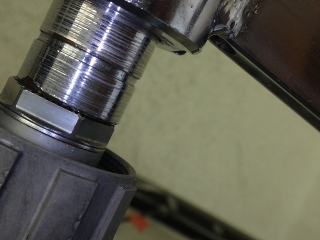

The rim is offset toward the non-drive side.
The customer also said I could go ahead and fix anything else I noticed,
so
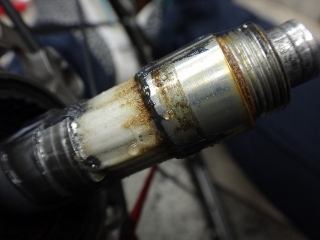
I removed the freewheel body, which was clearly grinding.
The inner bearing looks rusted. Usually when the inner race of the outer bearing gets
heavily rusted, it scratches the hub axle, but in this case the bearing itself is clean—
the rust leakage marks are on either side of it.
There's also water inside, probably from wet weather riding.
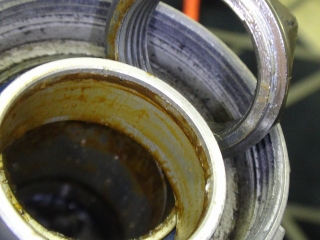
Going back in the timeline a bit, the right end part also had
rust seeping out of it.
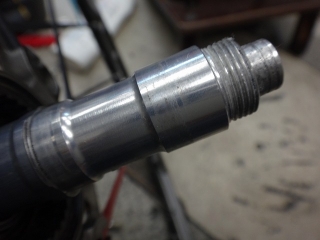
I cleaned up the hub axle and

replaced the bearings.
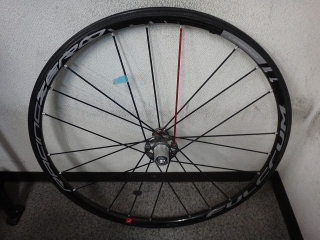
Fixed.
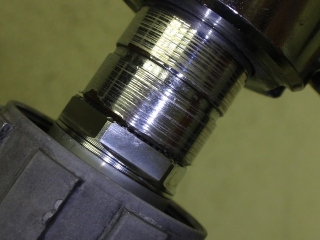
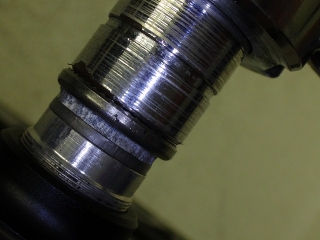
And got the center dialed in.
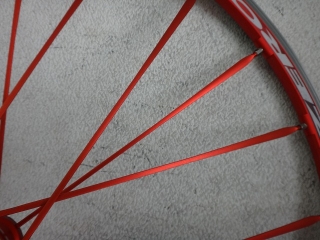
↑This is the original generation Racing Zero. Its rim has evenly-spaced spoke holes with no rest phase, and when you look at the wheel from the side, the non-drive spokes overlap with the drive-side spoke's final tolerance. In the 2:1 spoke pattern nomenclature, that's Ж (Zhe) lacing rather than XI lacing, but
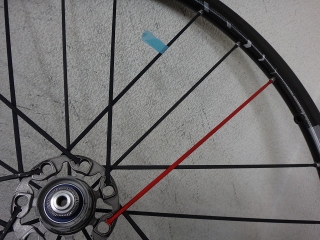
this Racing Zero Carbon uses XI lacing.
With one rest phase positioned at the valve hole, I wanted the red spoke position to be at the spoke closest to the "porcupine" direction from that valve hole, so I removed the spoke at that position and reassigned the twisted spoke there.
The two spokes I removed were therefore the black spoke with the marker tape and a red spoke (unmarked because of the color). As I always say, you should be able to restore the wheel to nearly runout-free condition just by adjusting only these two spokes' nipples... but since they messed with everything else unnecessarily, it took me a while to sort it back out. If you don't know what you're doing, don't touch it.
Officially, Fulcrum builds their rear wheel red spoke on the non-drive side when doing the cosmetic swap, but this time due to repair constraints I put the red spoke on the drive side instead. It has three vertical lines "III" stamped on the head, and since there are red spokes with the same stamping, the cosmetic swap was possible.
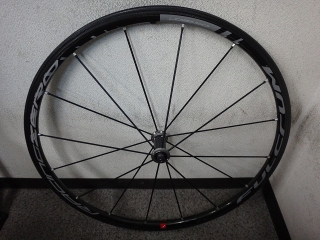
Now for the front wheel.
Just an inspection on this one. The hub bearing play adjustment had some slack, so I tightened it.

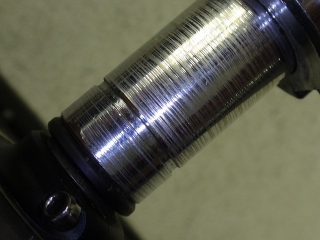
It was already dead-center from the factory, and I removed a slight lateral runout, but the center didn't go out of true in the process.
Just to clarify, this is a different case from my previous post.
They took it to a nearby shop for repairs and
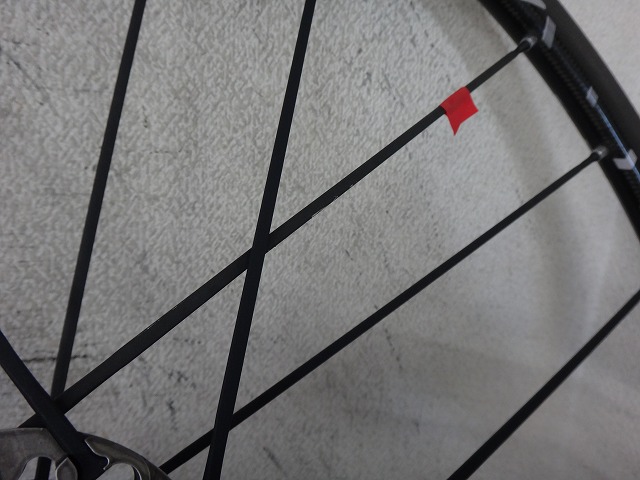
the spoke with the marker tape on it

came back twisted, and with lateral runout in this plane. They want me to fix it.
If the spoke needs to be replaced—which it does—
they'd like me to go ahead and swap it for a red spoke.
If you twist a spoke that badly during work, there's no way you don't notice it.
I don't know if they were honest with the customer about it,
but returning it in this condition? That's a crap shop, if you ask me.
Wait... just realized if I post this online, that shop might recognize themselves...
Ah well, whatever.
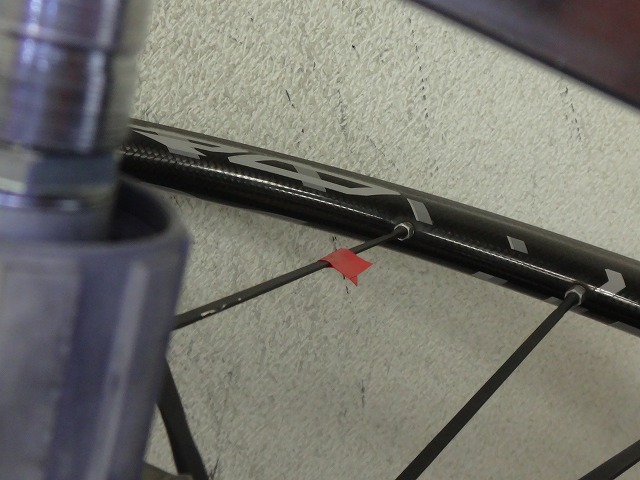
The maximum lateral runout is right below the twisted spoke, so I'm
checking the provisional center by placing the truing gauge at a position
that avoids picking up that runout.

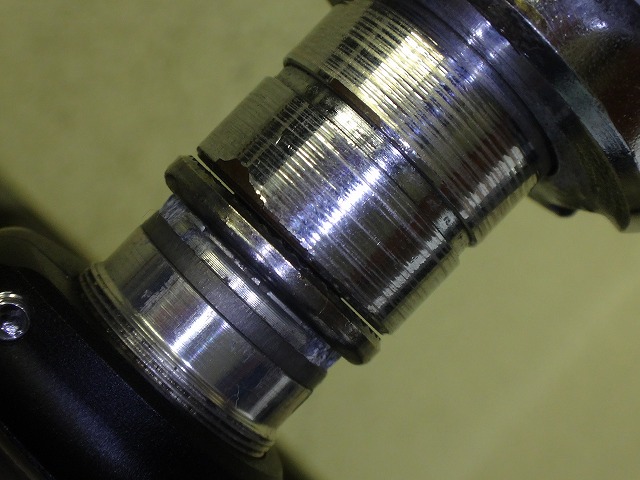
The rim is offset toward the non-drive side.
The customer also said I could go ahead and fix anything else I noticed,
so
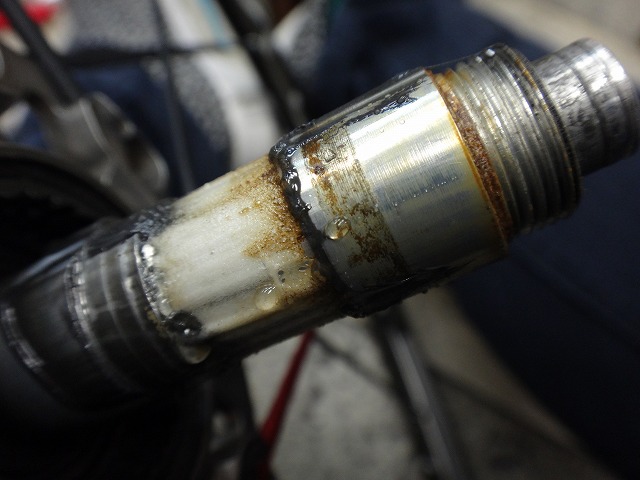
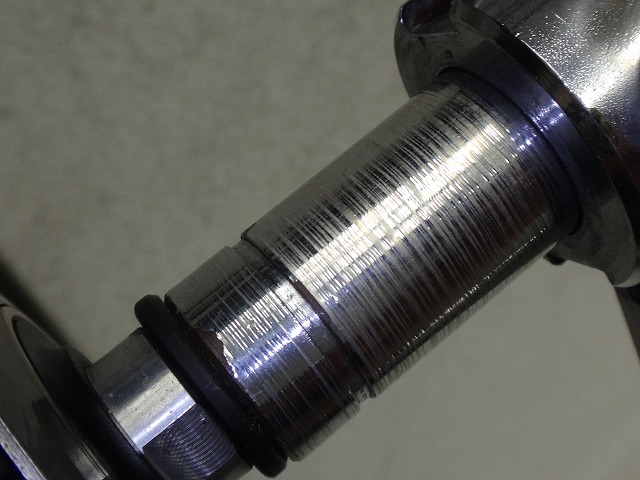
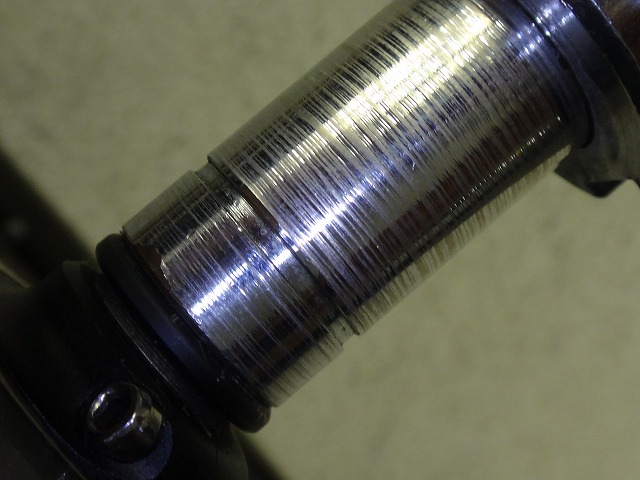
I removed the freewheel body, which was clearly grinding.
The inner bearing looks rusted. Usually when the inner race of the outer bearing gets
heavily rusted, it scratches the hub axle, but in this case the bearing itself is clean—
the rust leakage marks are on either side of it.
There's also water inside, probably from wet weather riding.

Going back in the timeline a bit, the right end part also had
rust seeping out of it.
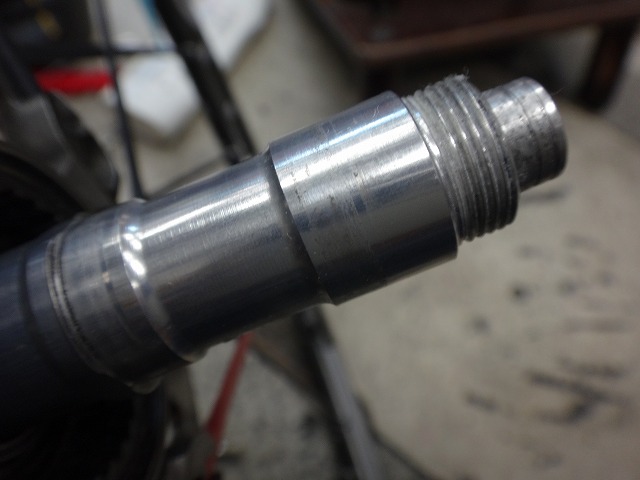
I cleaned up the hub axle and
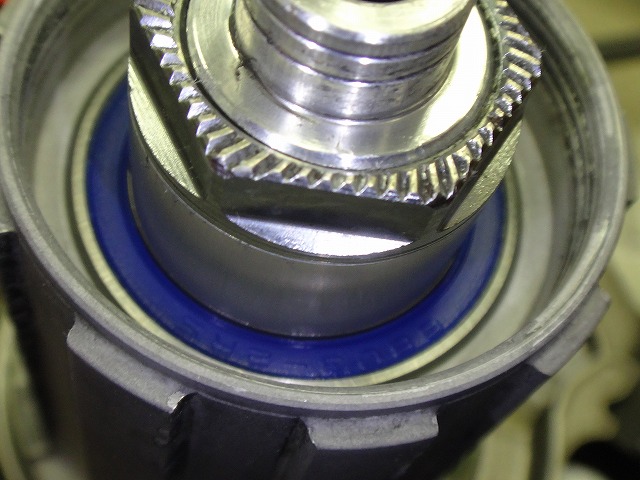
replaced the bearings.

Fixed.
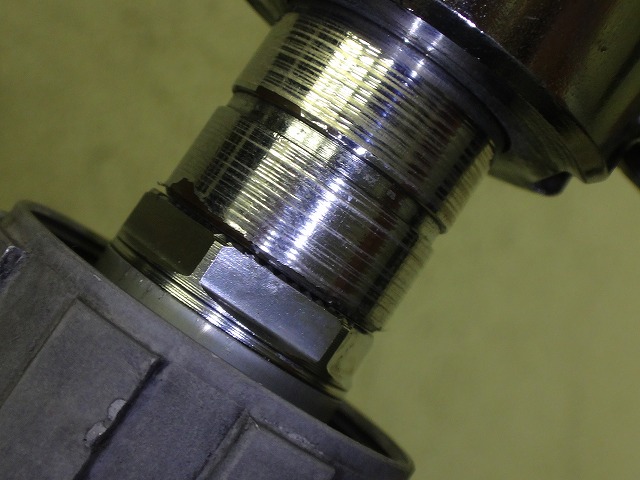
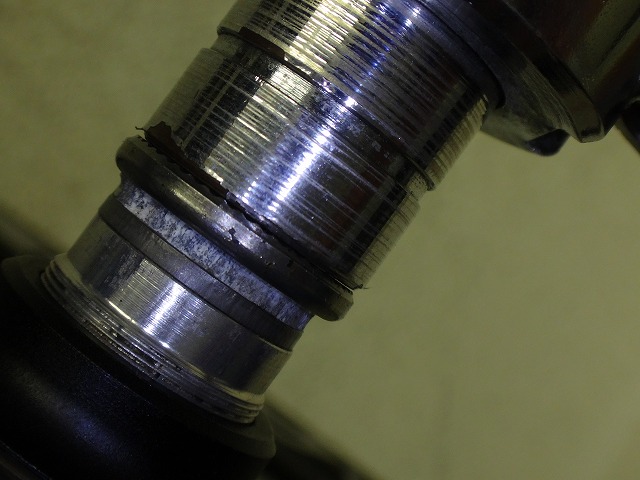
And got the center dialed in.
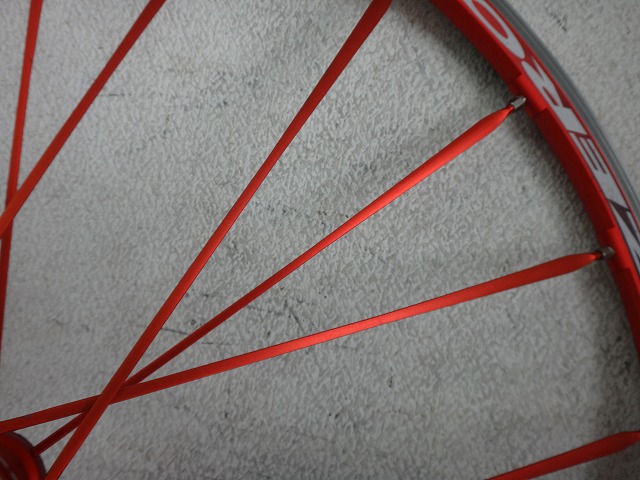
↑This is the original generation Racing Zero. Its rim has evenly-spaced spoke holes with no rest phase, and when you look at the wheel from the side, the non-drive spokes overlap with the drive-side spoke's final tolerance. In the 2:1 spoke pattern nomenclature, that's Ж (Zhe) lacing rather than XI lacing, but
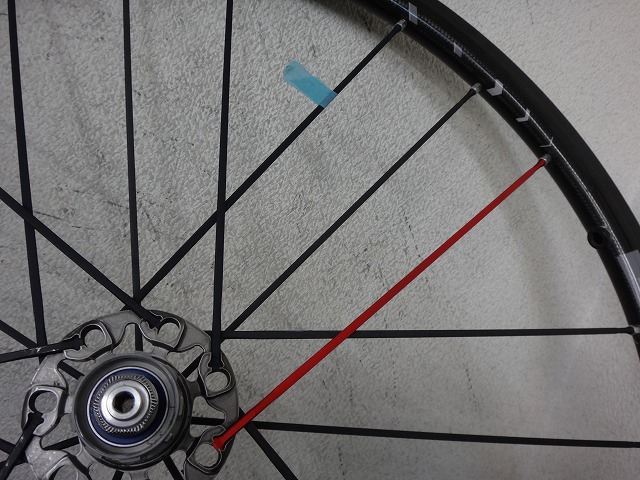
this Racing Zero Carbon uses XI lacing.
With one rest phase positioned at the valve hole, I wanted the red spoke position to be at the spoke closest to the "porcupine" direction from that valve hole, so I removed the spoke at that position and reassigned the twisted spoke there.
The two spokes I removed were therefore the black spoke with the marker tape and a red spoke (unmarked because of the color). As I always say, you should be able to restore the wheel to nearly runout-free condition just by adjusting only these two spokes' nipples... but since they messed with everything else unnecessarily, it took me a while to sort it back out. If you don't know what you're doing, don't touch it.
Officially, Fulcrum builds their rear wheel red spoke on the non-drive side when doing the cosmetic swap, but this time due to repair constraints I put the red spoke on the drive side instead. It has three vertical lines "III" stamped on the head, and since there are red spokes with the same stamping, the cosmetic swap was possible.

Now for the front wheel.
Just an inspection on this one. The hub bearing play adjustment had some slack, so I tightened it.
It was already dead-center from the factory, and I removed a slight lateral runout, but the center didn't go out of true in the process.