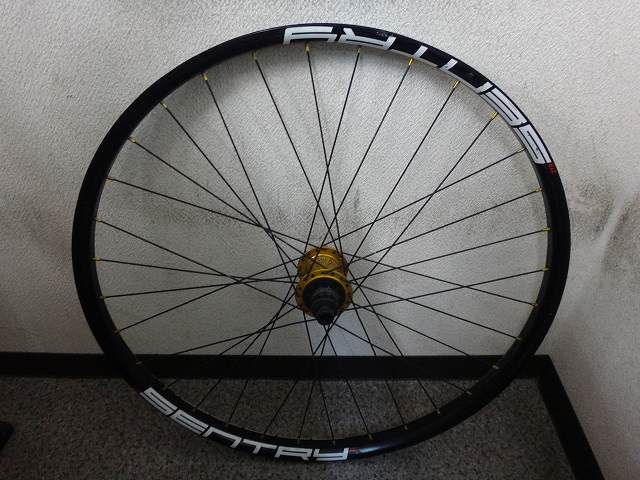
I took in a rear wheel built with a Stan's Centry MK3 rim from a customer.
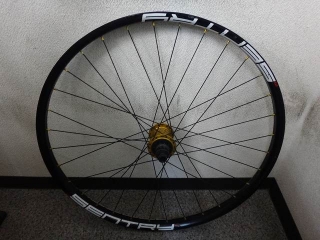
The rim's bead hook got deformed from impact damage, so
the customer wanted a rim replacement.
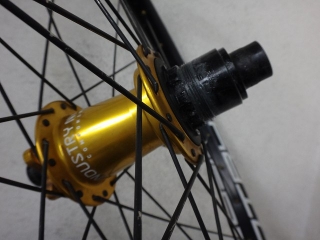
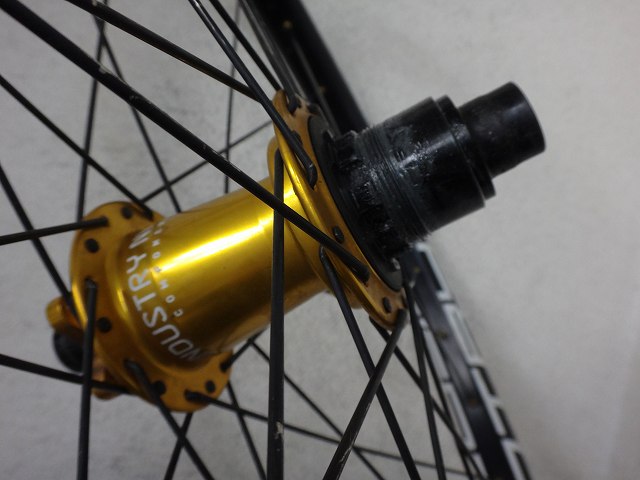
The hub is a 32H Industry Nine, and
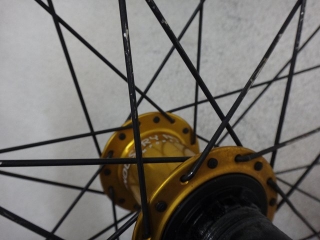
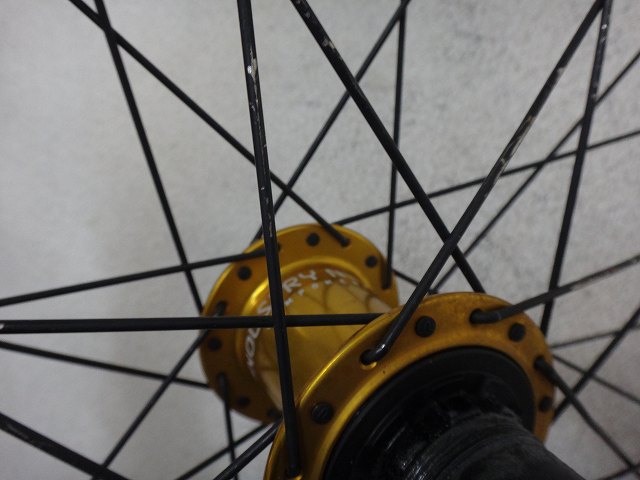
both sides use Pillar 14-gauge black plain spokes
in a reverse Italian lace pattern.
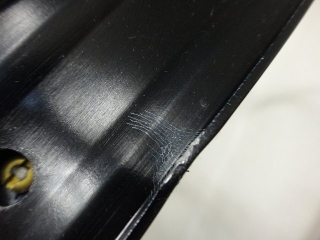
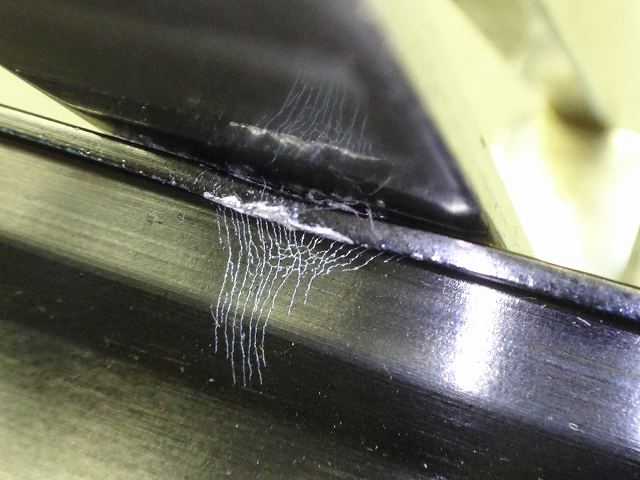
↑ Here's where the impact damage crushed the rim. At this level,
tubeless tire air leakage could be prevented with sealant,
and the rim could technically stay in use—
this might just be a matter of peace of mind.
I do occasionally see MTB wheels out there with bead hook damage worse than this.
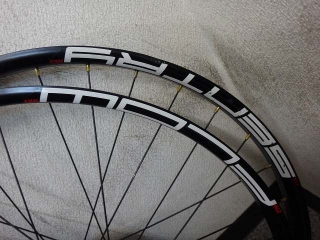
The new rim is also a Stan's Flow MK3, which the customer had on hand.
For MTB rims with the MK3 suffix in the current lineup,
listing the internal width / external width (mm) from narrowest and lightest to widest:
Crest MK3 23 / 26.3
Arch MK3 26 / 29.3
Flow MK3 29 / 32.3
Centry MK3 32 / 35.4
Baron MK3 35 / 38.4
Except for the 3.1mm difference in external width between Flow and Centry,
all the others differ by exactly 3mm.
Since appropriate tire width and intended use change slightly,
narrowing the rim width with this replacement might have been part of the motivation.
By the way, all the rims listed above also come as complete wheels with "S1" at the end of the model name,
and there's also a Major S1 wheelset that's 3mm wider internally and 3.3mm wider externally than Baron
(38 / 41.7),
but there's no Major MK3 rim available as a separate purchase.
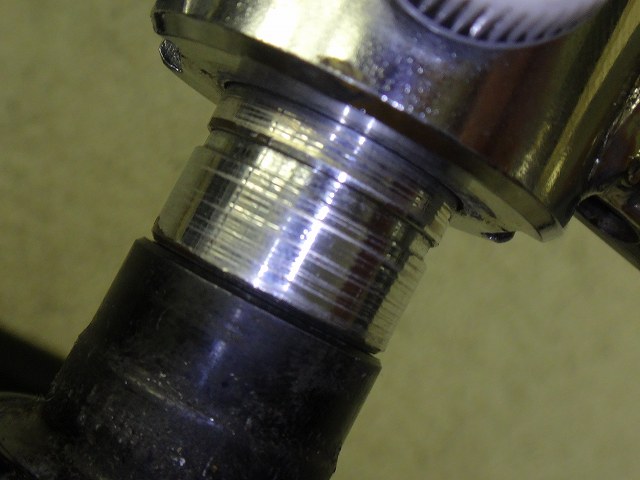
Something the customer didn't even know about this rear wheel:
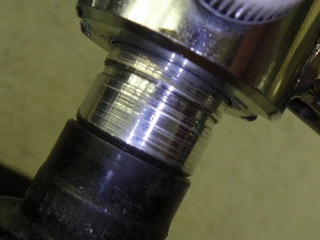
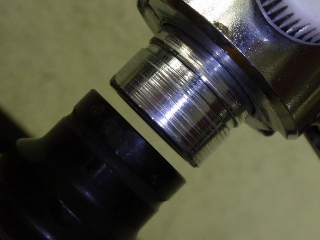
it had a ridiculous amount of center offset.
I suggested maybe the shop that built it could just do a rim swap,
but apparently that shop doesn't exist anymore.
Lateral runout is minimal, and naturally there's no significant runout that would fill this gap.
It's pretty consistent no matter where you measure.
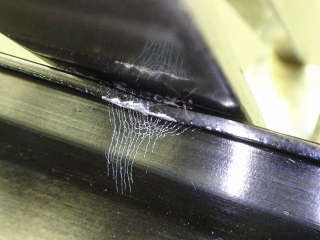
Even measuring directly below the impact damage,
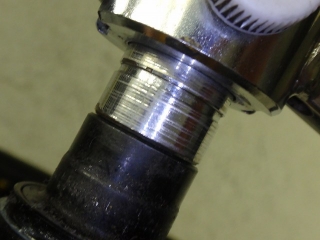
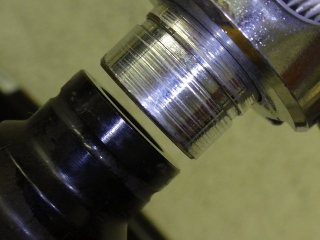
it's much the same.
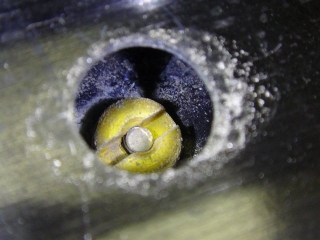
The spoke length appeared appropriate.
That's actually a problem in this case, because
while the MK3 rims mentioned earlier have "almost identical rim height with different widths,"
they don't all have the same rim inner diameter.
For 29-inch rims with the same spec, the published values are:
Crest, Arch, and Flow at 605mm,
Centry at 603mm, and Baron at 602mm.
Between Flow and Centry there's a 2mm difference in diameter, or 1mm in radius—
and in this case, that's the side requiring longer spokes.
If it were the opposite, I could just cut them with a spoke cutter.
Since actual measurement showed the rim inner diameter difference was under 2mm,
and given the severe center offset,
I couldn't fully trust the relationship between spoke and nipple end faces anyway.
After considering all this, I decided to go ahead with the rim transfer.
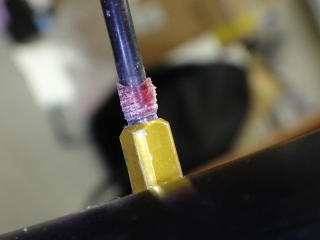
The threadlocker was so strong it was a pain to loosen.
This spot worked out okay, but
I stripped a few nipples in the process.
The spokes (for 14-gauge) use a special-pitch 2mm thread,
which is far too high-strength a threadlocker for such fine fasteners.
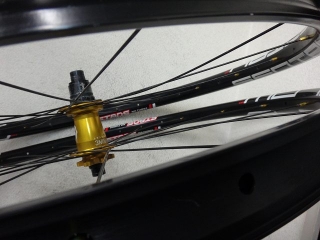
Rim transfer in progress...
Usually I photograph the halfway point when swapping all the way around,
but the other day when doing the transfer on the Nomu Lab wheel #3,
I noted that "when rim height is high, transferring one complete side at a time
makes the work easier."
I'm doing it that way again here, but for a different reason—
I'm moving the non-drive side to the new rim first.
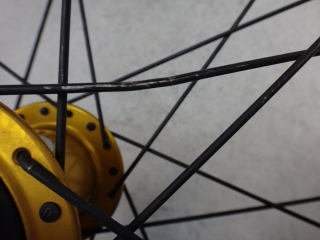
This image is actually earlier in the timeline,
but the reason is that nearly all the inpokes on the drive side
(which point outpoke-direction in the reverse Italian lacing)
were deformed from chain drop and needed replacement.
So after transferring everything else,
I'll extract and individually replace just the bent spokes—
doing it side-first made that workflow easier.
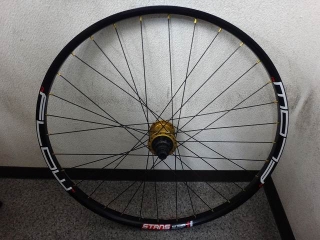
Built.
This is a pure rim transfer, so I didn't
remove all the drive-side spokes and shift them one flange hole over
to convert from reverse Italian to JIS lacing.
I didn't cross-string either.
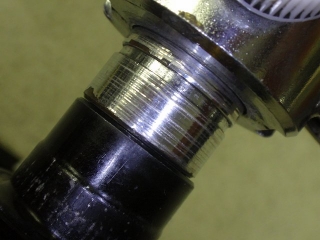
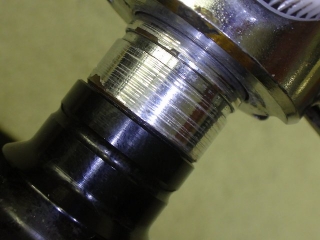
Dead center, just to be sure.
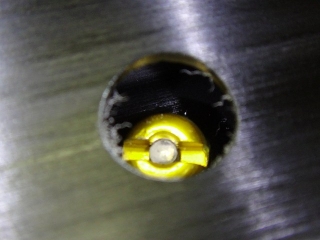
↑ Drive side
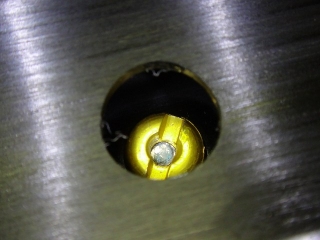
↑ Non-drive side
Before the rebuild, the rim was offset toward the non-drive side.
Might be because tensioning the low-tension side is easier (something hacky builders do).
Centering from the high-tension drive side afterward is extremely difficult,
but that's essentially what happened here.
The non-drive side tension is about the same as before,
while the drive side is higher due to the centering tightening.
So the drive-side threading advanced by the extra tightening amount,
which somewhat—though not completely—cancels the rim inner diameter difference,
leaving it slightly negative to the end face.
The non-drive side shows almost the full rim inner diameter difference.
The split is slightly open, but
I prioritized reusing spokes, so that's acceptable.
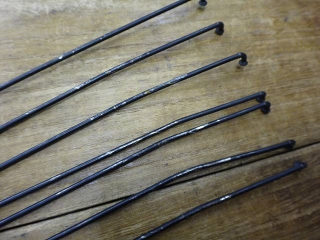
↑ Replaced spokes
I swapped them out for DT black Champion spokes.
Seven of the eight inpokes on the 32H drive side.
Maybe I should have replaced all eight while I was at it.
If the original state had been perfectly centered,
making these seven spokes about 1mm longer would bring them to proper length,
but that would complicate the early stages of wheel building.
For the drive side this time,
I figured the centering tightening and rim inner diameter difference would balance out,
so I cut them to the original length.
When I wrote "the spoke length appeared appropriate" earlier,
that's because with the wheel centered,
the drive-side spokes should protrude about 1mm more than they should.
But due to the severe center offset,
they happened to be flush with the end face on both sides.
To put it another way: if the original had been centered,
the drive side would have been about +1mm and non-drive side appropriate.
After the rim change, the drive side became appropriate
and the non-drive side became about −1mm.
The rim's bead hook got deformed from impact damage, so
the customer wanted a rim replacement.
The hub is a 32H Industry Nine, and
both sides use Pillar 14-gauge black plain spokes
in a reverse Italian lace pattern.

↑ Here's where the impact damage crushed the rim. At this level,
tubeless tire air leakage could be prevented with sealant,
and the rim could technically stay in use—
this might just be a matter of peace of mind.
I do occasionally see MTB wheels out there with bead hook damage worse than this.

The new rim is also a Stan's Flow MK3, which the customer had on hand.
For MTB rims with the MK3 suffix in the current lineup,
listing the internal width / external width (mm) from narrowest and lightest to widest:
Crest MK3 23 / 26.3
Arch MK3 26 / 29.3
Flow MK3 29 / 32.3
Centry MK3 32 / 35.4
Baron MK3 35 / 38.4
Except for the 3.1mm difference in external width between Flow and Centry,
all the others differ by exactly 3mm.
Since appropriate tire width and intended use change slightly,
narrowing the rim width with this replacement might have been part of the motivation.
By the way, all the rims listed above also come as complete wheels with "S1" at the end of the model name,
and there's also a Major S1 wheelset that's 3mm wider internally and 3.3mm wider externally than Baron
(38 / 41.7),
but there's no Major MK3 rim available as a separate purchase.
Something the customer didn't even know about this rear wheel:

it had a ridiculous amount of center offset.
I suggested maybe the shop that built it could just do a rim swap,
but apparently that shop doesn't exist anymore.
Lateral runout is minimal, and naturally there's no significant runout that would fill this gap.
It's pretty consistent no matter where you measure.
Even measuring directly below the impact damage,
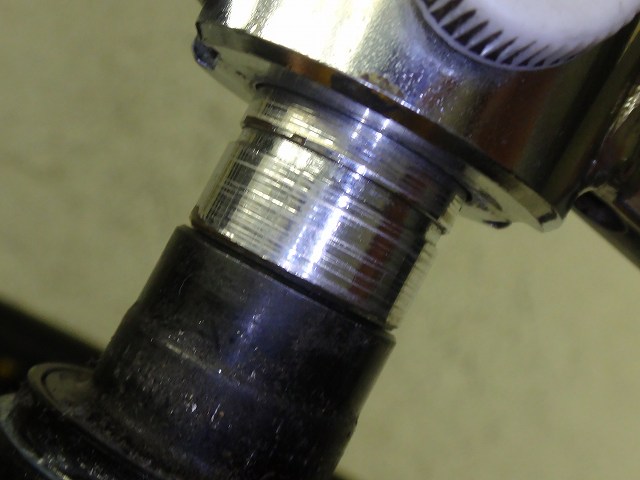
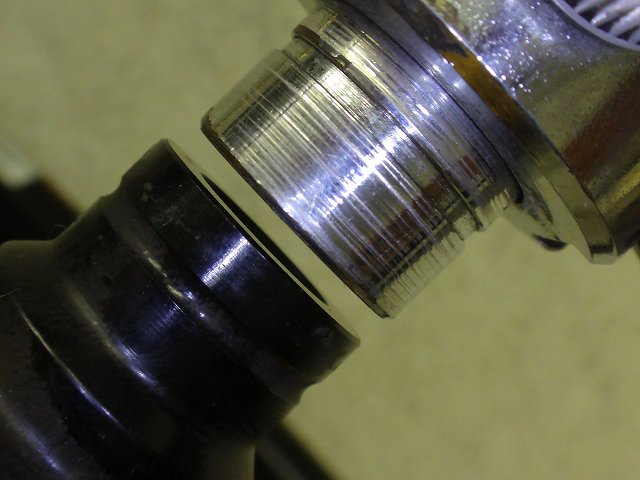
it's much the same.
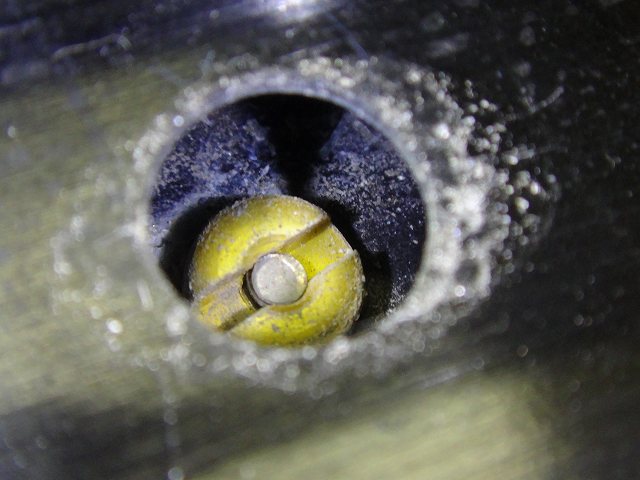
The spoke length appeared appropriate.
That's actually a problem in this case, because
while the MK3 rims mentioned earlier have "almost identical rim height with different widths,"
they don't all have the same rim inner diameter.
For 29-inch rims with the same spec, the published values are:
Crest, Arch, and Flow at 605mm,
Centry at 603mm, and Baron at 602mm.
Between Flow and Centry there's a 2mm difference in diameter, or 1mm in radius—
and in this case, that's the side requiring longer spokes.
If it were the opposite, I could just cut them with a spoke cutter.
Since actual measurement showed the rim inner diameter difference was under 2mm,
and given the severe center offset,
I couldn't fully trust the relationship between spoke and nipple end faces anyway.
After considering all this, I decided to go ahead with the rim transfer.

The threadlocker was so strong it was a pain to loosen.
This spot worked out okay, but
I stripped a few nipples in the process.
The spokes (for 14-gauge) use a special-pitch 2mm thread,
which is far too high-strength a threadlocker for such fine fasteners.
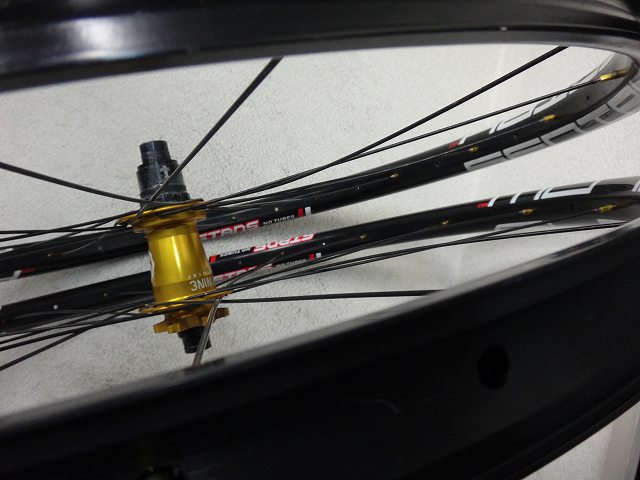
Rim transfer in progress...
Usually I photograph the halfway point when swapping all the way around,
but the other day when doing the transfer on the Nomu Lab wheel #3,
I noted that "when rim height is high, transferring one complete side at a time
makes the work easier."
I'm doing it that way again here, but for a different reason—
I'm moving the non-drive side to the new rim first.
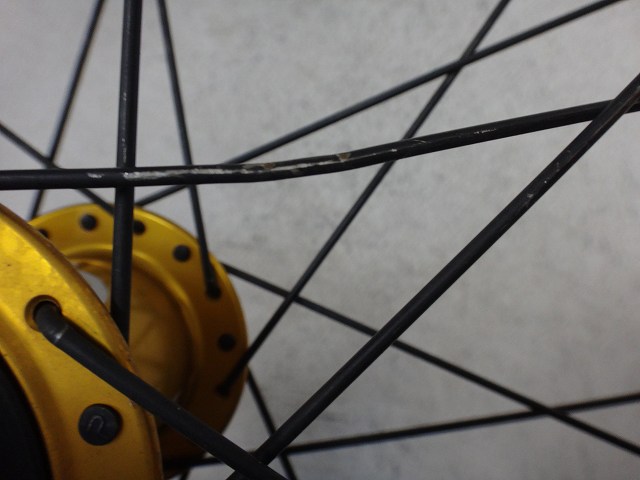
This image is actually earlier in the timeline,
but the reason is that nearly all the inpokes on the drive side
(which point outpoke-direction in the reverse Italian lacing)
were deformed from chain drop and needed replacement.
So after transferring everything else,
I'll extract and individually replace just the bent spokes—
doing it side-first made that workflow easier.
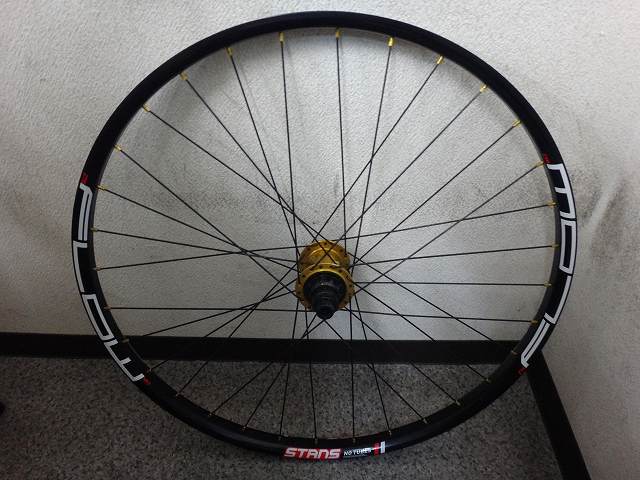
Built.
This is a pure rim transfer, so I didn't
remove all the drive-side spokes and shift them one flange hole over
to convert from reverse Italian to JIS lacing.
I didn't cross-string either.

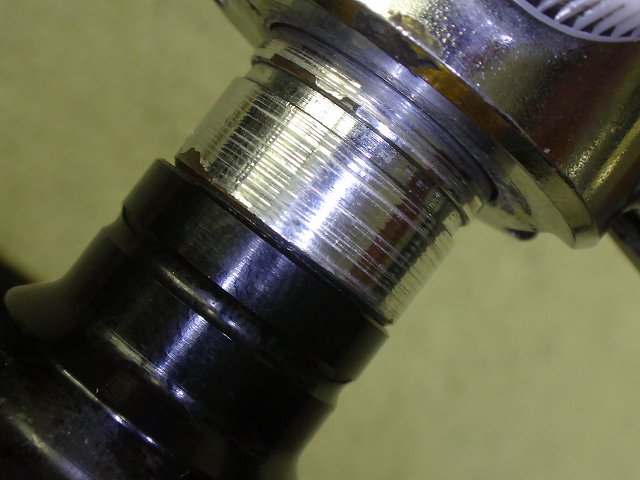
Dead center, just to be sure.
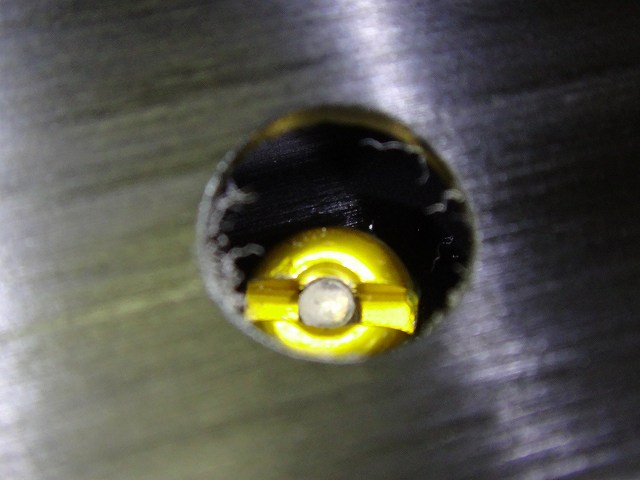
↑ Drive side

↑ Non-drive side
Before the rebuild, the rim was offset toward the non-drive side.
Might be because tensioning the low-tension side is easier (something hacky builders do).
Centering from the high-tension drive side afterward is extremely difficult,
but that's essentially what happened here.
The non-drive side tension is about the same as before,
while the drive side is higher due to the centering tightening.
So the drive-side threading advanced by the extra tightening amount,
which somewhat—though not completely—cancels the rim inner diameter difference,
leaving it slightly negative to the end face.
The non-drive side shows almost the full rim inner diameter difference.
The split is slightly open, but
I prioritized reusing spokes, so that's acceptable.
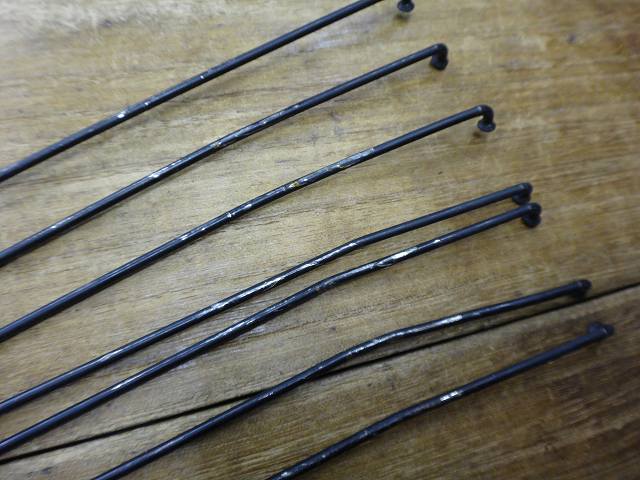
↑ Replaced spokes
I swapped them out for DT black Champion spokes.
Seven of the eight inpokes on the 32H drive side.
Maybe I should have replaced all eight while I was at it.
If the original state had been perfectly centered,
making these seven spokes about 1mm longer would bring them to proper length,
but that would complicate the early stages of wheel building.
For the drive side this time,
I figured the centering tightening and rim inner diameter difference would balance out,
so I cut them to the original length.
When I wrote "the spoke length appeared appropriate" earlier,
that's because with the wheel centered,
the drive-side spokes should protrude about 1mm more than they should.
But due to the severe center offset,
they happened to be flush with the end face on both sides.
To put it another way: if the original had been centered,
the drive side would have been about +1mm and non-drive side appropriate.
After the rim change, the drive side became appropriate
and the non-drive side became about −1mm.