Last night, or more precisely early this morning around the witching hour,
while I was riding home in the rain
I heard a "pshhh!" from the rear wheel,
followed by a continuous "shun shun shun..." sound
synchronized with the wheel rotation—
the hiss of air leaking. A flat tire.
I had replaced the tire since the last flat.
The tire had Imagine (イメジ) sealant—the looser consistency version—inside it.
When I stopped on the sidewalk and pressurized it with a CO2 cartridge,
sealant sprayed out from the puncture like a spray can,
so I oriented that spot downward and swung the wheel like a pendulum,
which stopped the dramatic air leak (※).
When I added more CO2 afterward,
it seems I exceeded the air pressure threshold that opens the puncture wound,
causing air and sealant to leak again.
With a hand pump applied gently,
I could maintain a slow leak situation,
and even though there was still nearly 10km to home,
I only pumped twice at traffic lights
and made it back without inserting a tube.
※At that point, if I had skipped the CO2 cartridge
and just gently topped off with the hand pump,
the puncture might have stayed mostly sealed while riding.
The sealant's sealing power weakens as the air leak worsens.
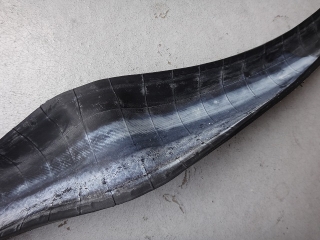
↑After getting home, I removed the tire, washed it thoroughly, and let it dry.
Not a single gummy blob anywhere.
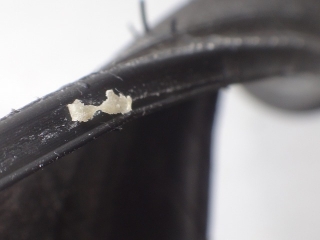
Even the hardened bits stuck to the bead hook came off easily.
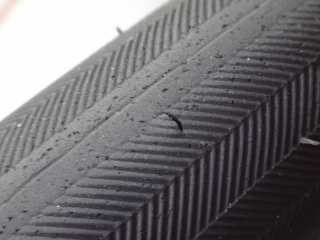
↑The puncture location
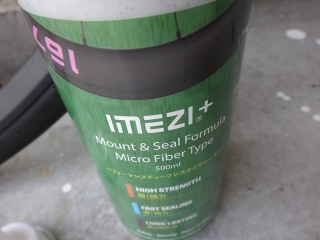
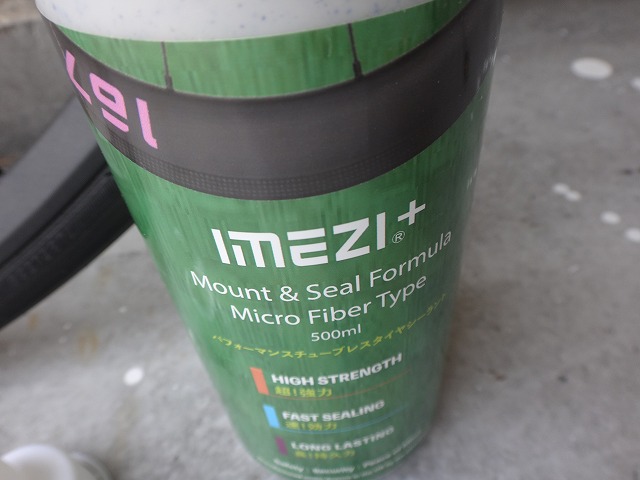
I'll order a new tire,
but as a temporary measure I'm going to try patching the hole
with Imagine's stiffer sealant formulation.
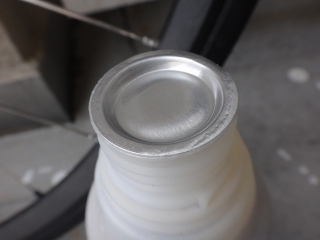
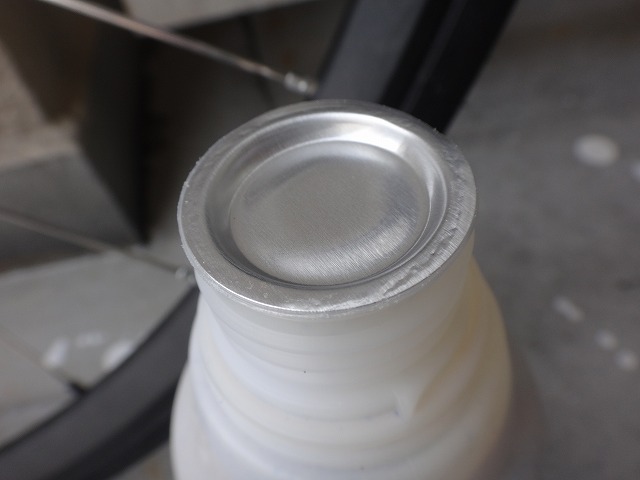
↑Actually haven't tried it yet
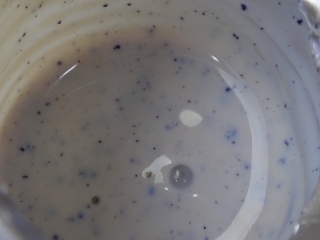
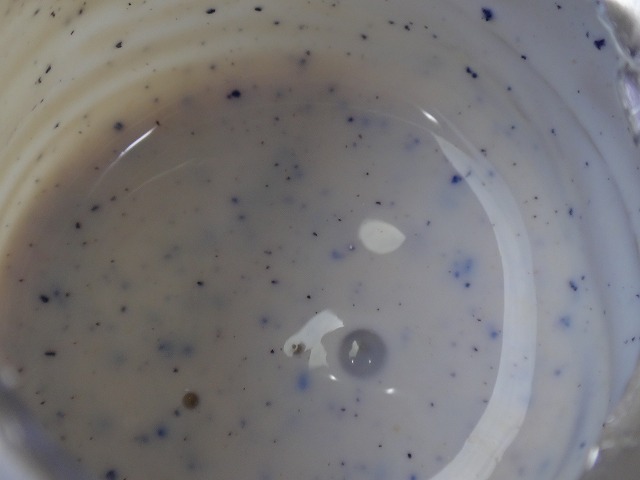
Now it's opened. Unlike the looser version,
this one has plenty of black particles mixed in.
The other day Imagine called me up.
They asked if they could link our shop article about their sealant
from their homepage.
That was fine, but I honestly told them,
"Won't being associated with the Nomu-Lab be bad for your company's image...?"
While we were talking, I also asked
"Can the stiffer sealant be injected with an injector (syringe)?"
and they said yes, it's possible.
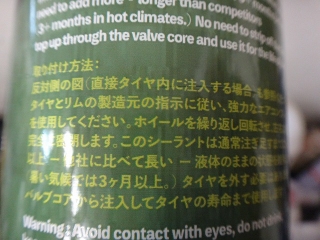
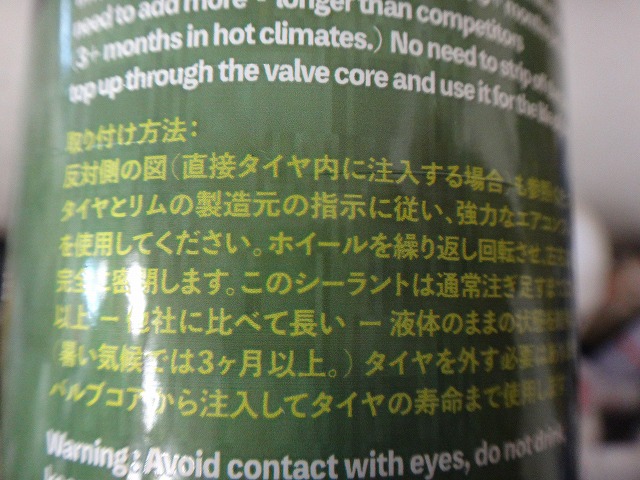
The container's instructions even say
"No need to remove the tire. Inject through the valve core~"
The instructions are identical to the looser version.
Personally, I find it easier to just pull the tire half off
and pour it in that way without bothering with the injector,
but I wanted to try injecting with the syringe so I got prepared,
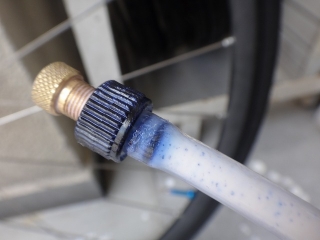
and the Effetto Mariposa injector got clogged.
Even pushing the syringe plunger quite hard won't budge it.
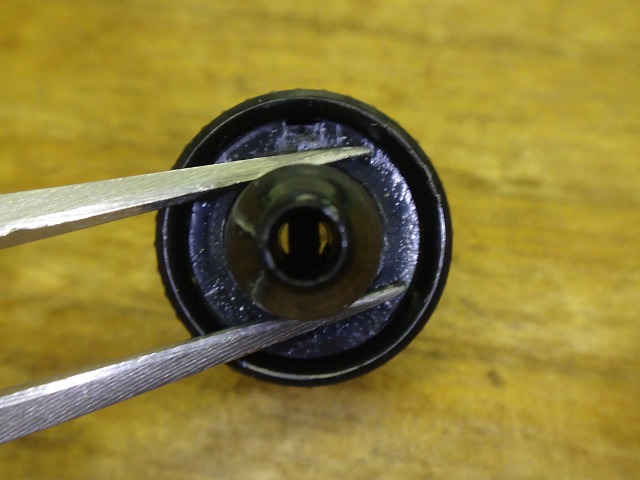
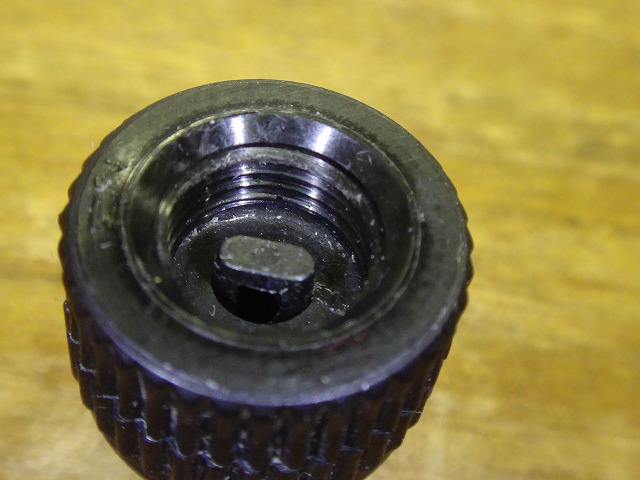
The clog isn't at the Schrader-to-Presta adapter, but rather
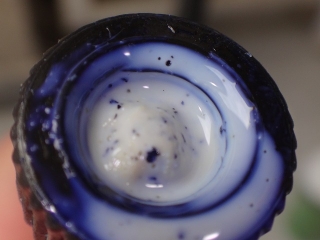
at this black part.
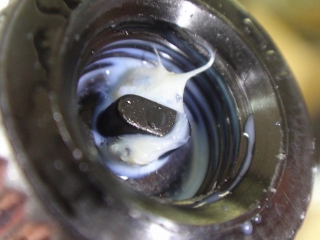
Fibers are clogged in the U-shaped stopper section.

I carefully picked out the fibers
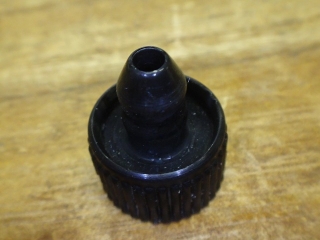
and blew compressed air from the opposite side to
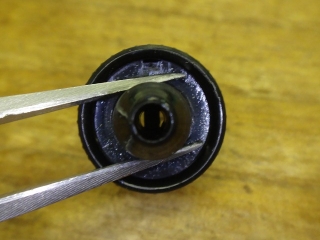
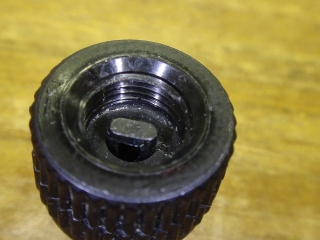
remove them.
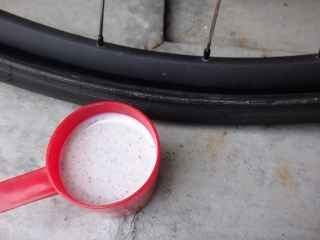
At least with the stiffer version, pouring it directly into the tire seems better.
Not that I'm accusing Imagine of lying about the injector working—
maybe it wouldn't clog with a different injector.
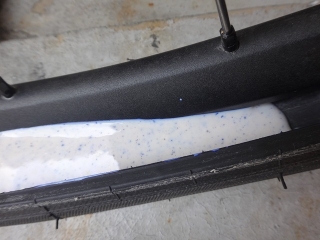
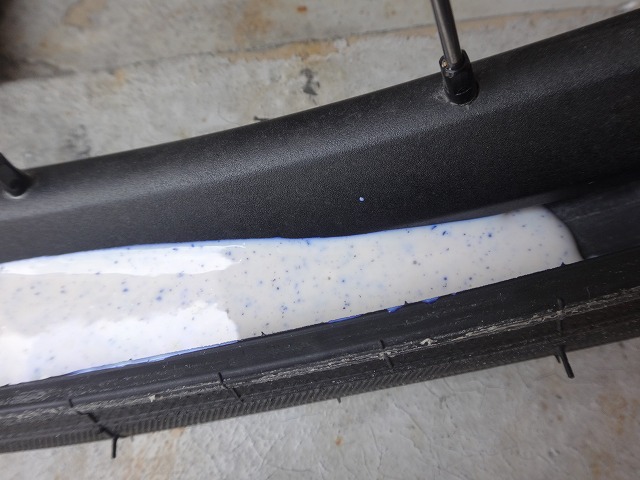
It's hard to convey in photos, but
it's quite thick—gloppy texture.
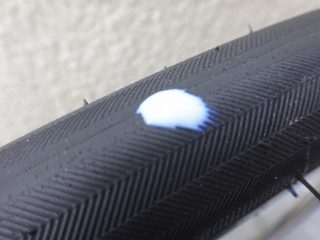
After lifting the bead with a compressor,
I pressurized it to 7 bar with a floor pump
and exceeded the threshold pressure where the puncture wound opens,
causing sealant and air to leak out.
I oriented this spot downward and swung the wheel,
and the air leak sound stopped. When I repressurized to 7 bar it opened again,
so I did the same thing—swung it downward to work the sealant—
and the hole sealed again. After that, pressurizing caused no apparent leaks.
With Stans Race sealant the immediate effectiveness in this situation is incredible—
in most cases it seals completely on the first try with a "snap,"
but Imagine's sealant has the characteristic of barely clumping,
so if it seals at all, there's less hassle down the road
(easier rim cleanup later when swapping to a fresh tire).
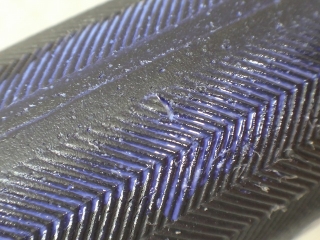
I rubbed the puncture spot with my finger.
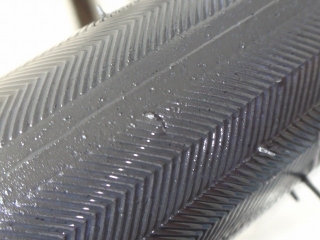
I rinsed it with water.
Half a day has passed since taking this photo
and the pressure hasn't changed.
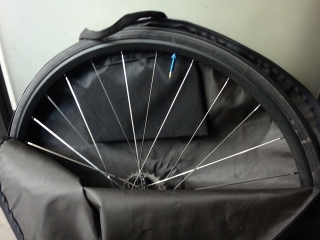
Update: Just before taking it back, but it's still holding pressure.
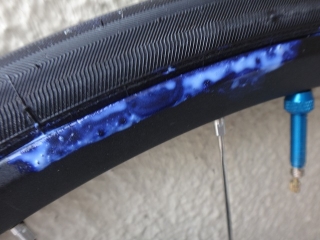
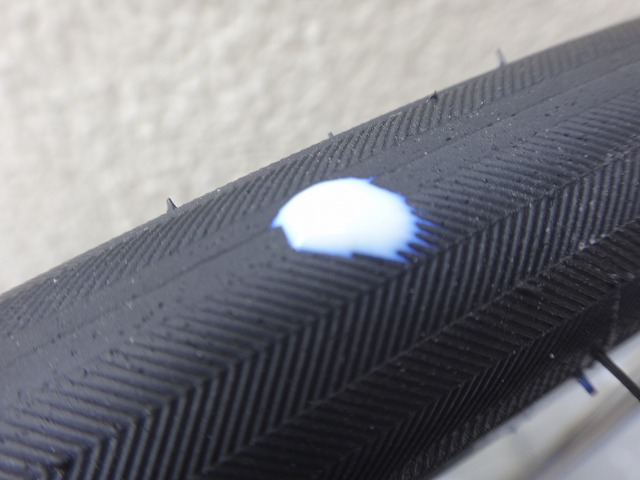
Timeline-wise going backwards, but this sealant
has an eerie blue color when the layer is thin.
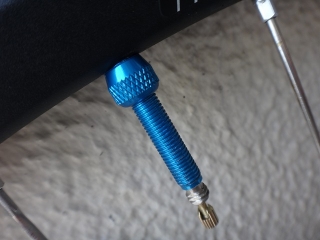
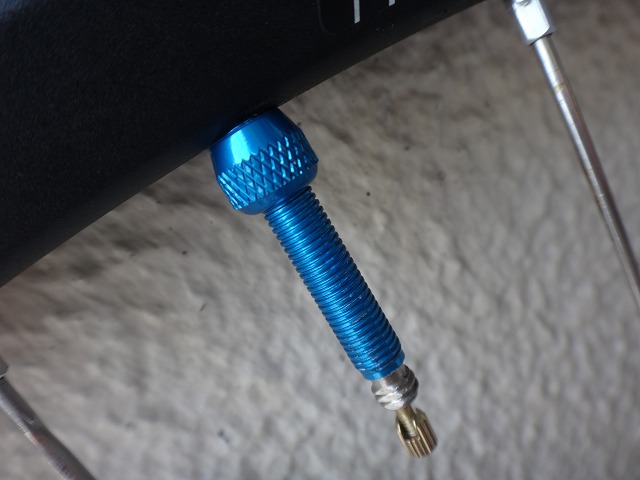
About Stans' aluminum tubeless valve—
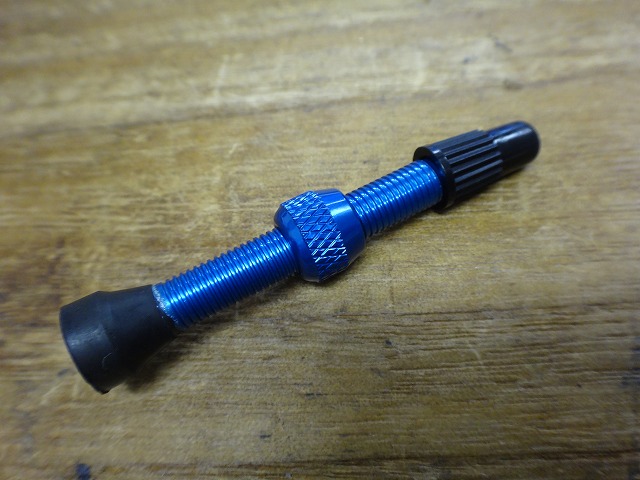
the supplied nut being reversed is intentional.
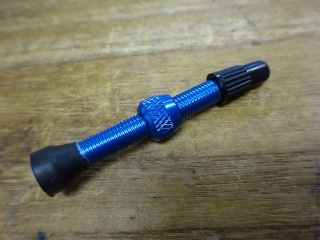
↑In new condition
They sell them as 2-packs but you need 3 per rim,
so buying 2 pairs leaves you with one extra! (not that I'm complaining)
With this tubeless valve, the valve nut has
fairly loose threading relative to the valve itself and turns easily.
Beyond the dimensional tolerance, there seems to be a material-related reason too—
these things tend to loosen easily.
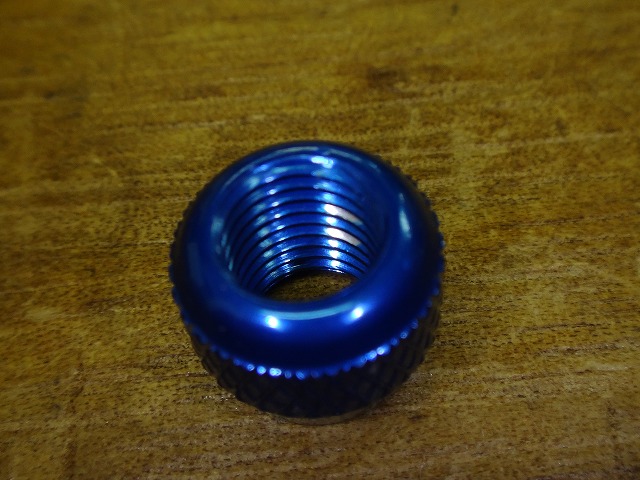
So I put a drop of spoke thread-locking compound on the threads,
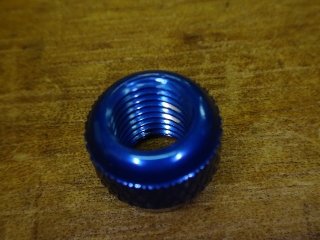
↑The side that normally contacts the rim
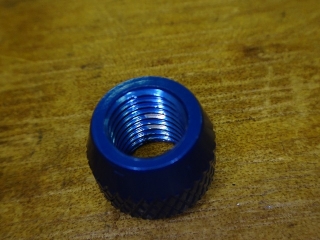
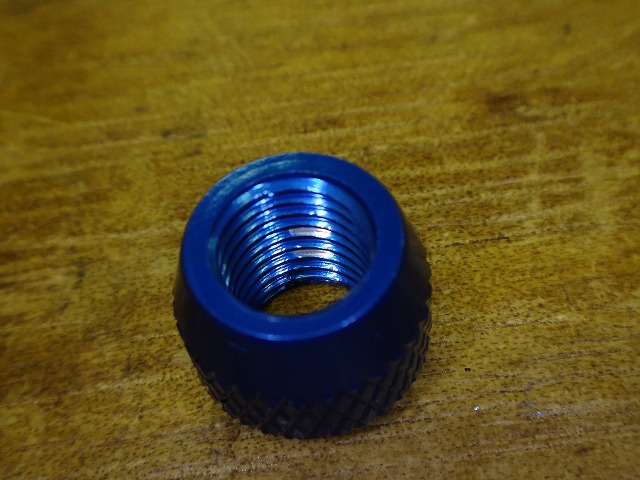
↑The side that normally doesn't contact the rim
and I intentionally use the nut backwards
because that side has more contact surface with the rim.
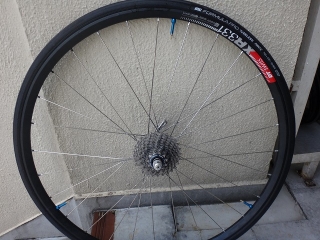
I'll go with this for another 2-3 days.
With IRC's tubeless tires,
their Formula Pro non-Light version (RBCC)
is only about 15g heavier than the Light,
so considering puncture risk and durability,
for a daily-use tire I figured that's the way to go and used the RBCC.
Actually, a few days ago three new models with red labels started circulating:
Formula Pro Tubeless RBCC
Formula Pro Tubeless X-Guard
Formula Pro Tubeless Lady S-Light
but this time I ordered the current model—
or rather, the now-discontinued RBCC version from the distributor
while they still had some stock.
Nothing special about the price though.
The new S-Light (Super Light) model,
compared to the old Light version, has stated weights of
23C: 260g→205g
25C: 280g→220g—
impressively insane lightness.
I need the 25C for something else I own so I ordered it,
and it should arrive tomorrow.
while I was riding home in the rain
I heard a "pshhh!" from the rear wheel,
followed by a continuous "shun shun shun..." sound
synchronized with the wheel rotation—
the hiss of air leaking. A flat tire.
I had replaced the tire since the last flat.
The tire had Imagine (イメジ) sealant—the looser consistency version—inside it.
When I stopped on the sidewalk and pressurized it with a CO2 cartridge,
sealant sprayed out from the puncture like a spray can,
so I oriented that spot downward and swung the wheel like a pendulum,
which stopped the dramatic air leak (※).
When I added more CO2 afterward,
it seems I exceeded the air pressure threshold that opens the puncture wound,
causing air and sealant to leak again.
With a hand pump applied gently,
I could maintain a slow leak situation,
and even though there was still nearly 10km to home,
I only pumped twice at traffic lights
and made it back without inserting a tube.
※At that point, if I had skipped the CO2 cartridge
and just gently topped off with the hand pump,
the puncture might have stayed mostly sealed while riding.
The sealant's sealing power weakens as the air leak worsens.
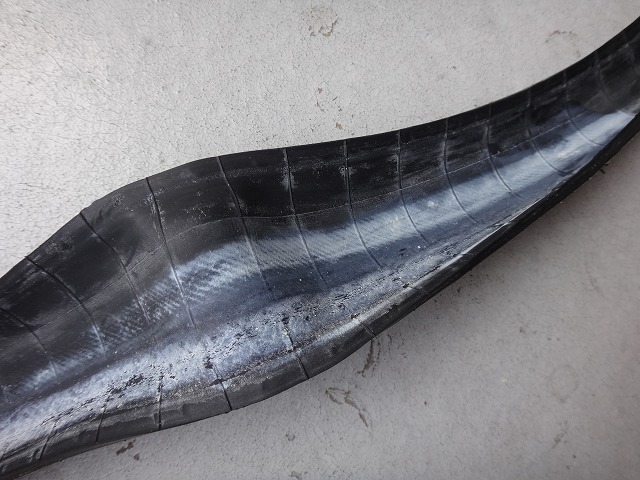
↑After getting home, I removed the tire, washed it thoroughly, and let it dry.
Not a single gummy blob anywhere.
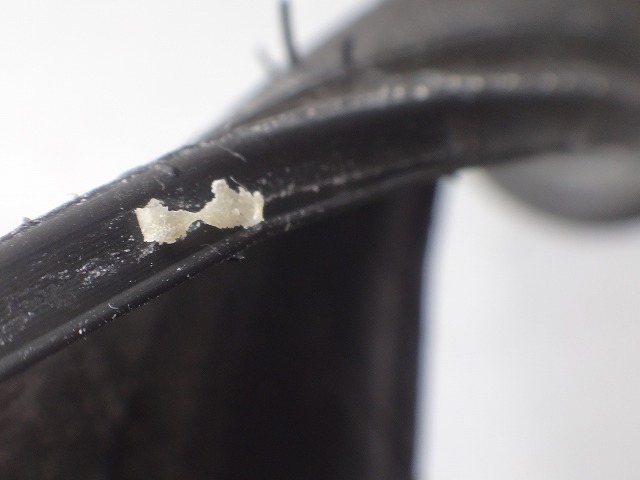
Even the hardened bits stuck to the bead hook came off easily.
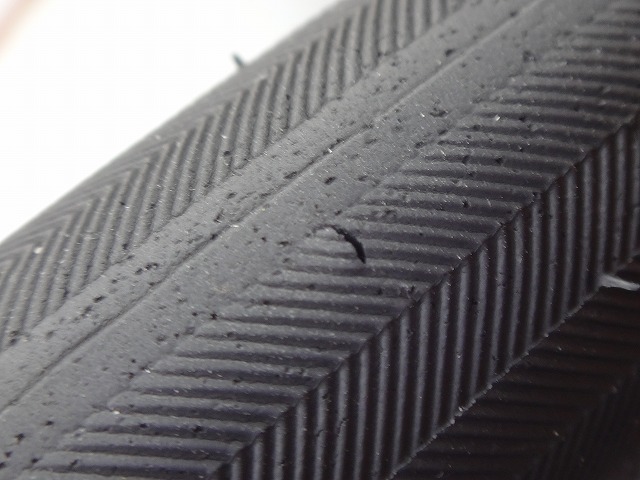
↑The puncture location
I'll order a new tire,
but as a temporary measure I'm going to try patching the hole
with Imagine's stiffer sealant formulation.
↑Actually haven't tried it yet
Now it's opened. Unlike the looser version,
this one has plenty of black particles mixed in.
The other day Imagine called me up.
They asked if they could link our shop article about their sealant
from their homepage.
That was fine, but I honestly told them,
"Won't being associated with the Nomu-Lab be bad for your company's image...?"
While we were talking, I also asked
"Can the stiffer sealant be injected with an injector (syringe)?"
and they said yes, it's possible.
The container's instructions even say
"No need to remove the tire. Inject through the valve core~"
The instructions are identical to the looser version.
Personally, I find it easier to just pull the tire half off
and pour it in that way without bothering with the injector,
but I wanted to try injecting with the syringe so I got prepared,
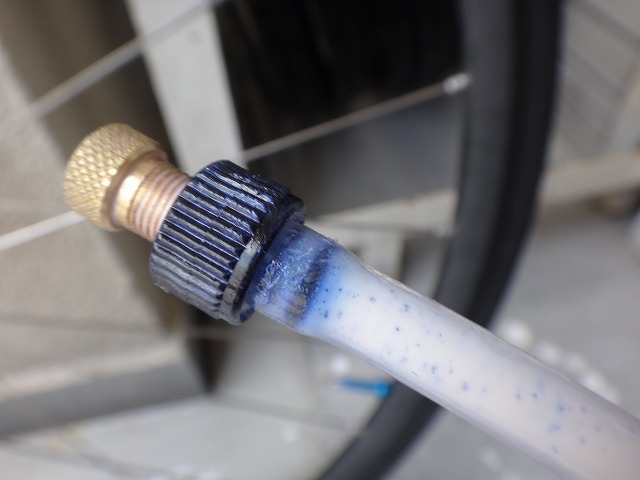
and the Effetto Mariposa injector got clogged.
Even pushing the syringe plunger quite hard won't budge it.
The clog isn't at the Schrader-to-Presta adapter, but rather

at this black part.
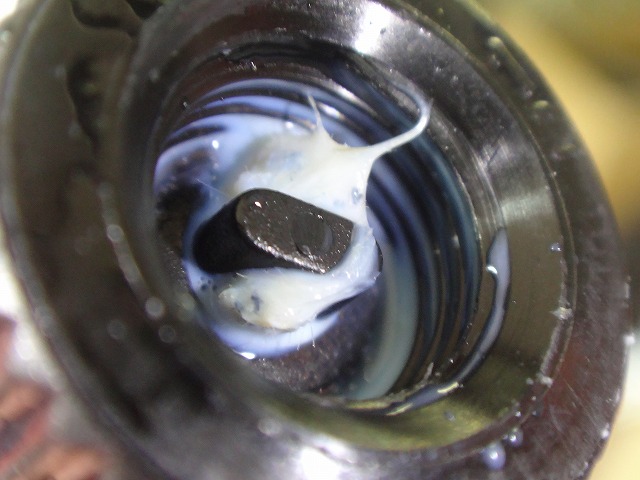
Fibers are clogged in the U-shaped stopper section.
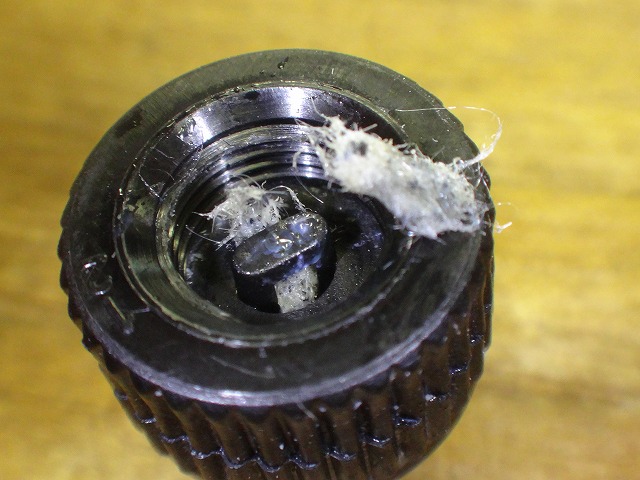
I carefully picked out the fibers
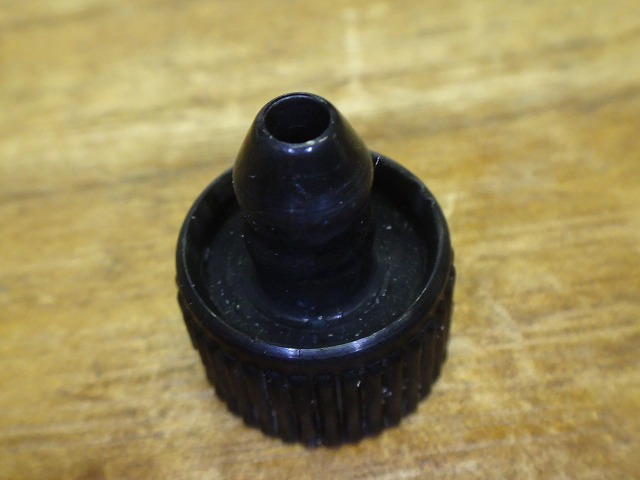
and blew compressed air from the opposite side to
remove them.

At least with the stiffer version, pouring it directly into the tire seems better.
Not that I'm accusing Imagine of lying about the injector working—
maybe it wouldn't clog with a different injector.
It's hard to convey in photos, but
it's quite thick—gloppy texture.
After lifting the bead with a compressor,
I pressurized it to 7 bar with a floor pump
and exceeded the threshold pressure where the puncture wound opens,
causing sealant and air to leak out.
I oriented this spot downward and swung the wheel,
and the air leak sound stopped. When I repressurized to 7 bar it opened again,
so I did the same thing—swung it downward to work the sealant—
and the hole sealed again. After that, pressurizing caused no apparent leaks.
With Stans Race sealant the immediate effectiveness in this situation is incredible—
in most cases it seals completely on the first try with a "snap,"
but Imagine's sealant has the characteristic of barely clumping,
so if it seals at all, there's less hassle down the road
(easier rim cleanup later when swapping to a fresh tire).
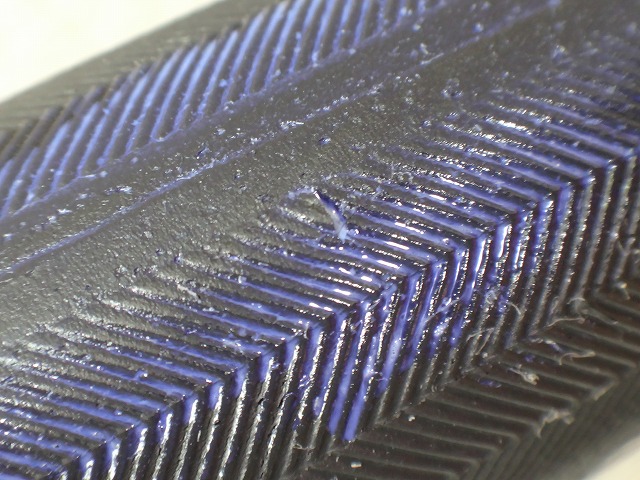
I rubbed the puncture spot with my finger.
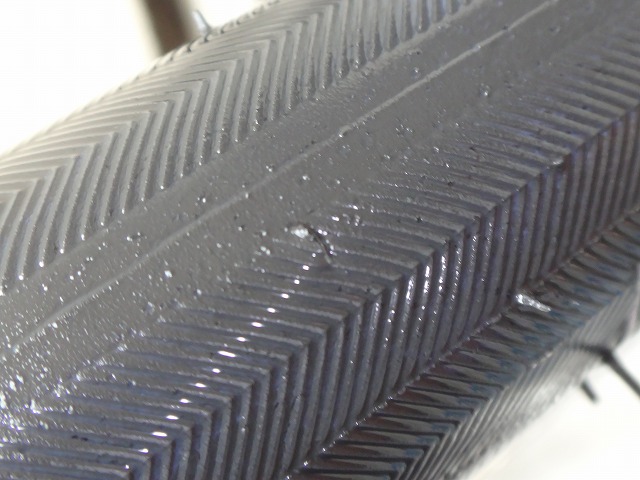
I rinsed it with water.
Half a day has passed since taking this photo
and the pressure hasn't changed.
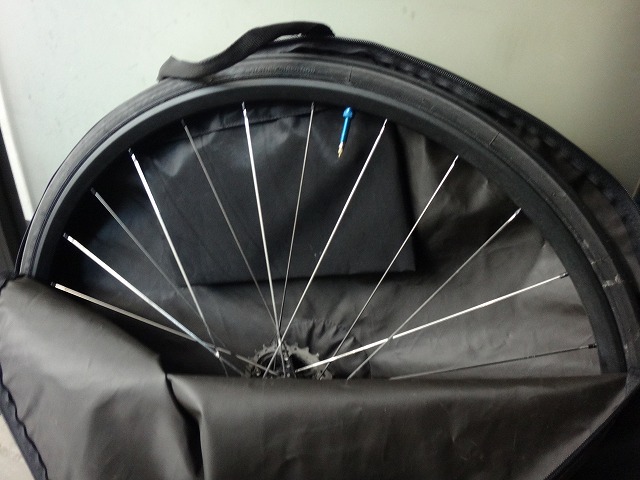
Update: Just before taking it back, but it's still holding pressure.
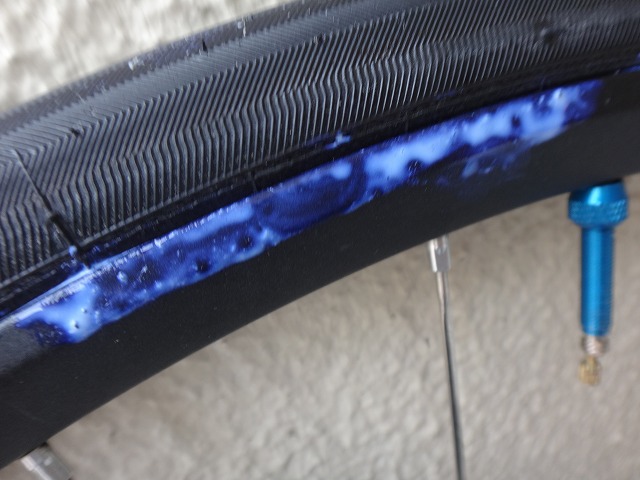
Timeline-wise going backwards, but this sealant
has an eerie blue color when the layer is thin.
About Stans' aluminum tubeless valve—
the supplied nut being reversed is intentional.
↑In new condition
They sell them as 2-packs but you need 3 per rim,
so buying 2 pairs leaves you with one extra! (not that I'm complaining)
With this tubeless valve, the valve nut has
fairly loose threading relative to the valve itself and turns easily.
Beyond the dimensional tolerance, there seems to be a material-related reason too—
these things tend to loosen easily.
So I put a drop of spoke thread-locking compound on the threads,
↑The side that normally contacts the rim
↑The side that normally doesn't contact the rim
and I intentionally use the nut backwards
because that side has more contact surface with the rim.

I'll go with this for another 2-3 days.
With IRC's tubeless tires,
their Formula Pro non-Light version (RBCC)
is only about 15g heavier than the Light,
so considering puncture risk and durability,
for a daily-use tire I figured that's the way to go and used the RBCC.
Actually, a few days ago three new models with red labels started circulating:
Formula Pro Tubeless RBCC
Formula Pro Tubeless X-Guard
Formula Pro Tubeless Lady S-Light
but this time I ordered the current model—
or rather, the now-discontinued RBCC version from the distributor
while they still had some stock.
Nothing special about the price though.
The new S-Light (Super Light) model,
compared to the old Light version, has stated weights of
23C: 260g→205g
25C: 280g→220g—
impressively insane lightness.
I need the 25C for something else I own so I ordered it,
and it should arrive tomorrow.