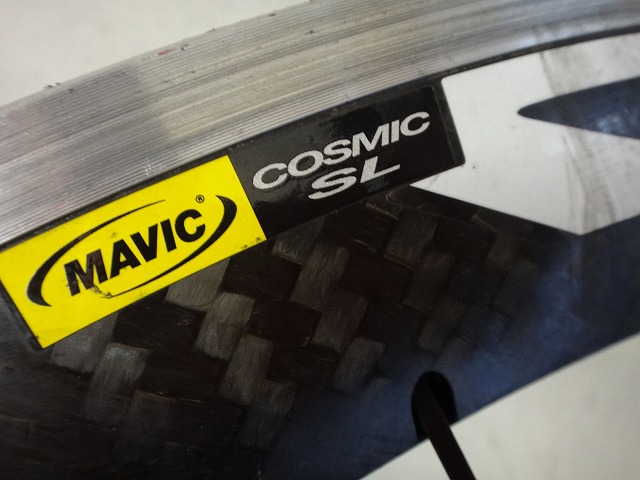
A customer brought in a Cosmic SL for me to work on.

The wheel was originally called Cosmic Carbon SL, and aside from the rim cosmetics,
there's really no difference, but
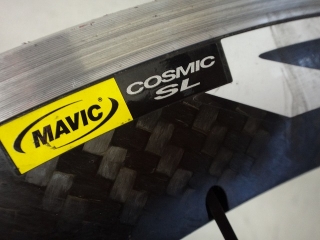
wheels from this era are called Cosmic SL.
Anyway, the customer had been riding this with Michelin Pro 3 Race tires,
and when riding the front wheel, they noticed the tire bulging inward from inside
as if it had been hit by the Hokuto Shinken and hurriedly let air out of it.
But after riding for a while longer, it catastrophically failed. Lucky it wasn't during a descent.
Michelin tires tend to have the rubber melt and stick to the rim
at the point directly below the valve hole
(with Endurance models, this seems to have stopped happening due to changes in manufacturing or OEM source),
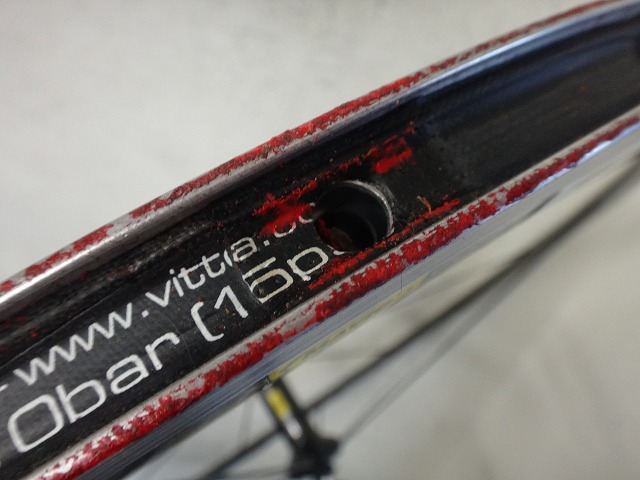
but on this wheel it was happening all around the entire rim circumference.
They'd only put about 2000 km on it, but it had been over a year since the tire was mounted,
and a combination of bad conditions like downhill braking heat and the poor weather resistance of red tread rubber all added up.
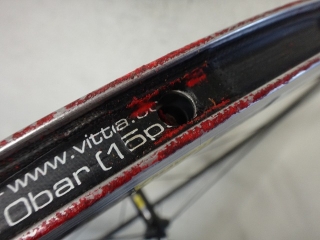
↑near the front wheel valve hole
This much you see pretty regularly, but...
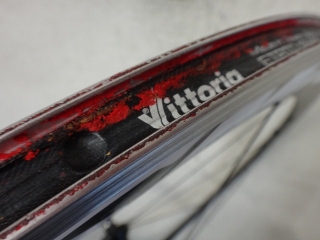
the melted rubber was on top of the rim tape and
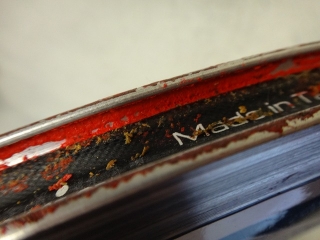
had spread all the way inside the bead hook.

To clean this up, I
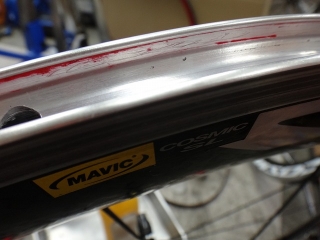
wiped it with acetone and
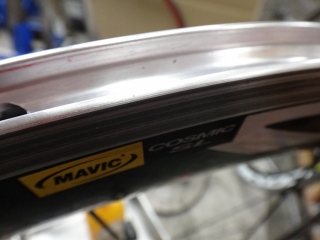
got it clean.
I'm writing this simply, but I had quite a time with it.
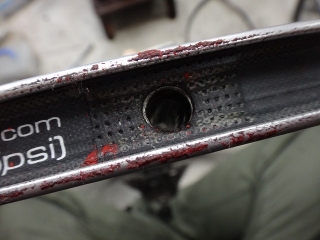
↑this is near the rear wheel valve hole.
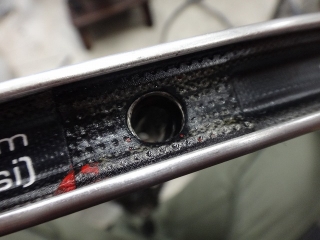
The outer circumference of the bead hook cleaned up relatively easily.
I replaced the rim tape on both wheels.
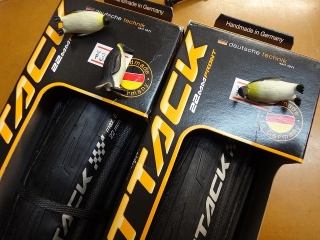
Changing the subject, Continental has a model called
"Attack & Force," where Attack is front-wheel-specific tread and width design,
and Force is rear-wheel-specific design.
They come in both tubular and clincher versions, and what I'm talking about below is for clincher tires.
Attack & Force and its successor Attack II & Force II come in
Attack at 22C and Force at 24C, and until not long ago,
you'd put Attack 22C on the front and—not Force 24C, but rather Grandprix 4000S II in 23C or,
if you didn't worry about tire life and puncture risk,
Grandprix TT in 23C on the rear—that was the strongest combination
in terms of rolling efficiency for clincher tires in the usable range (←that's my personal opinion).
But the current model is Attack III & Force III, and these have gotten 1C fatter than the old versions at 23C and 25C,
and since Grandprix 5000 clinchers are excellent in rolling efficiency,
there's no reason anymore to run Attack III 23C just on the front wheel.
Attack II is already discontinued, but I
was selling the final warehouse stock from distributors at special pricing. "Was" selling, that is.
Yes, sorry—past tense.
They all sold out because of this situation.
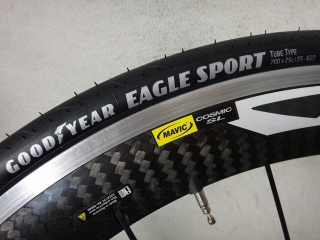
I put a Goodyear Eagle Sport 25C on the rear wheel, but

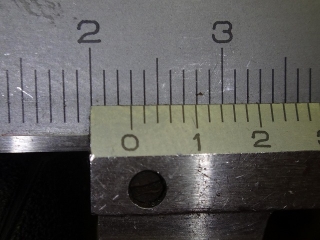
since the rim's inner width is narrow (the bead hook is thick, measuring 13.5mm),
even at 8 bar of pressure it's just barely under 23mm.
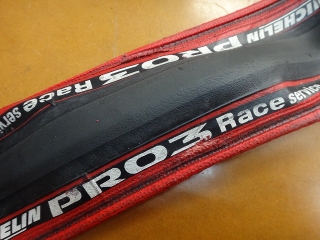
↑the front wheel tire wasn't on the wheel when it came in,
so this is the tire that was on the rear wheel, but
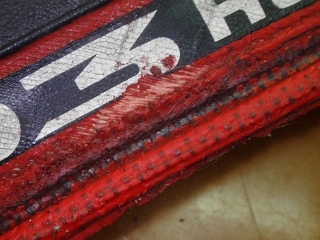
the rubber directly below the valve hole melted and exposed the casing.
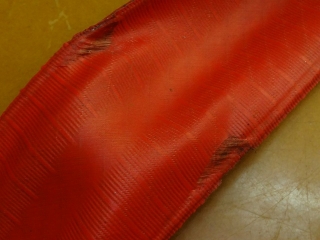
And from the inside
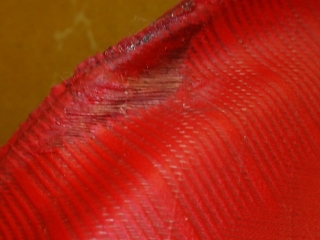

↑it had become quite thin.
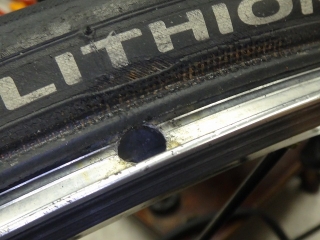
This is a different case, a photo I took a while back for another article,
black Vittoria from the same era as Pro 3 Race.
While it happens less often with colored tires,
the same symptom appears in black tires too.
Actually, the Cosmic SL was the day before yesterday,
and then today I replaced tires on 3 pairs of wheels.
All of them had the same Pro 3 Race red 23C tires.
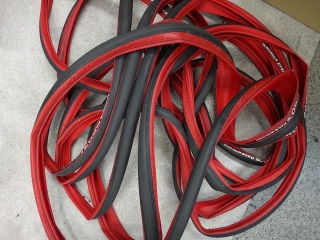
↑the timeline jumps here, but these are the removed tires.
Well, once you lose faith or have a close call,
you understand the feeling of wanting to replace them.
Among these tires, none of them had casing exposed from the inside
directly below the valve hole to the degree of that one.
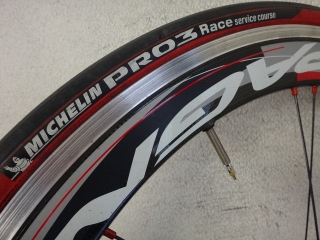
This is a Campagnolo Bullet Ultra, and
the rim's inner width is wider than the Cosmic Carbon at the beginning,
measuring 15.8C by my measurement.

The tire claims to be 23C, but
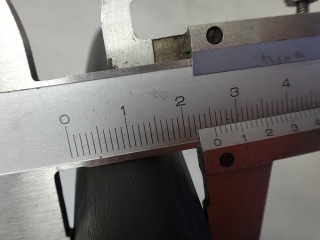
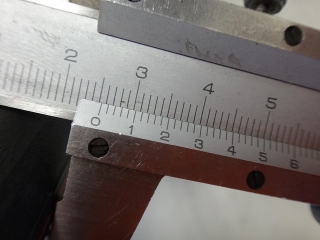
by my measurement it was 25.4mm.Exactly one inch.
Michelin tires are naturally on the wider side to begin with, but
it definitely got fatter from long-term use.
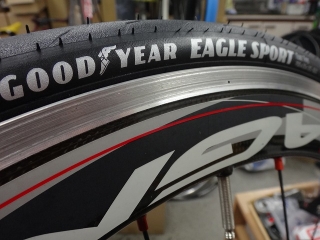
When I put an Eagle Sport 25C (this model doesn't come in 23C)
on the same wheel
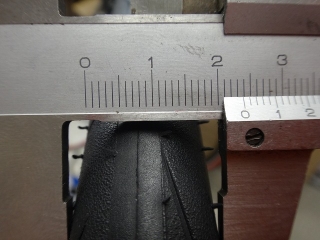
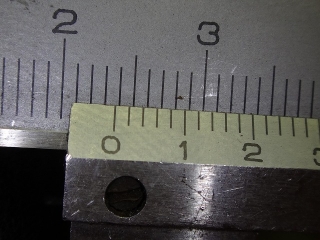
at 7 bar, it measured 23.7mm in width.
Since 2020, the ETRTO standard for road bike tire width
has changed to match the reality of wider rims.
According to this new standard, 22–24C tires are designed for
rims with 17C inner width, and
25–28C tires are designed for rims with 19C inner width.
In other words, with the new standard, a 25C tire won't achieve its rated 25C width
unless you put it on a 19C inner width rim at the proper air pressure.
Vittoria is the one who's already announced they're following this,
but it's unclear what Goodyear is doing.
I've confirmed that when you put Goodyear's so-called 25C tires on
an AL22W rim with measured 19.2mm inner width,
they come out roughly as marked, so
Goodyear might be complying with the new ETRTO too.
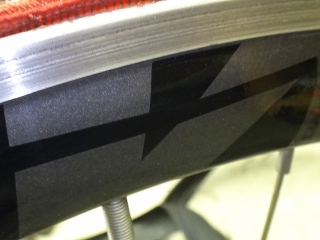
↑this is a Vision wheel, but
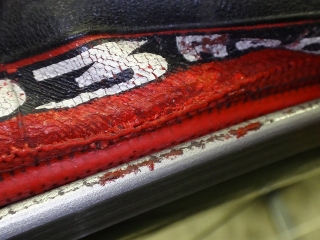
it had melting directly below the valve hole.
This much you see pretty regularly.
Even so, the casing on the inside wasn't exposed.
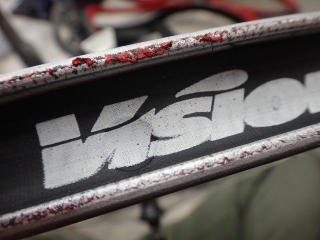
Not just directly below the valve, but the tire rubber had migrated onto the bead,
so it might have been a near-miss for a catastrophic failure.

The wheel was originally called Cosmic Carbon SL, and aside from the rim cosmetics,
there's really no difference, but
wheels from this era are called Cosmic SL.
Anyway, the customer had been riding this with Michelin Pro 3 Race tires,
and when riding the front wheel, they noticed the tire bulging inward from inside
But after riding for a while longer, it catastrophically failed. Lucky it wasn't during a descent.
Michelin tires tend to have the rubber melt and stick to the rim
at the point directly below the valve hole
(with Endurance models, this seems to have stopped happening due to changes in manufacturing or OEM source),
but on this wheel it was happening all around the entire rim circumference.
They'd only put about 2000 km on it, but it had been over a year since the tire was mounted,
and a combination of bad conditions like downhill braking heat and the poor weather resistance of red tread rubber all added up.
↑near the front wheel valve hole
This much you see pretty regularly, but...
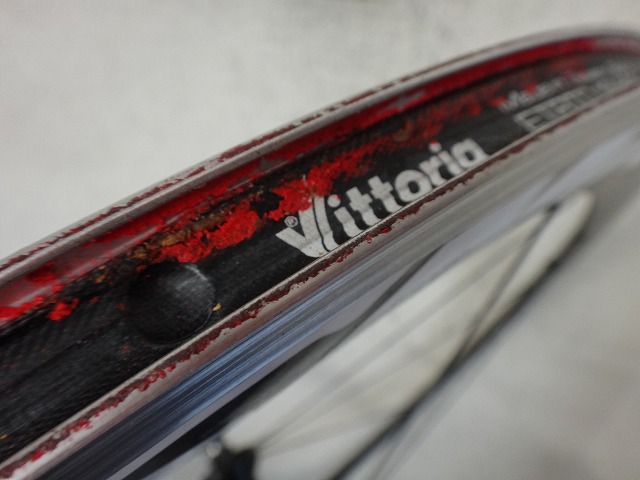
the melted rubber was on top of the rim tape and

had spread all the way inside the bead hook.

To clean this up, I
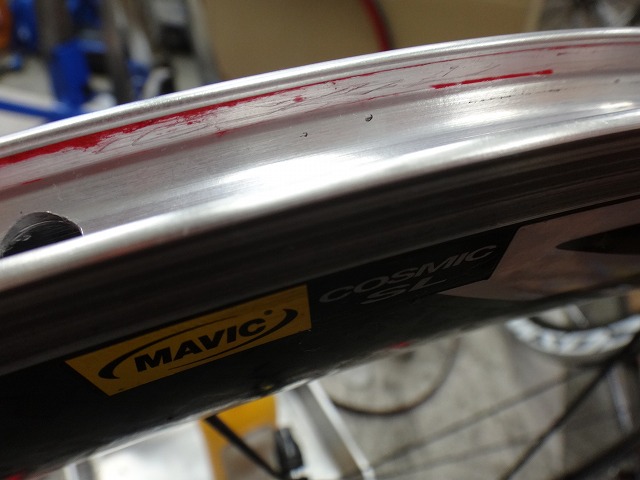
wiped it with acetone and
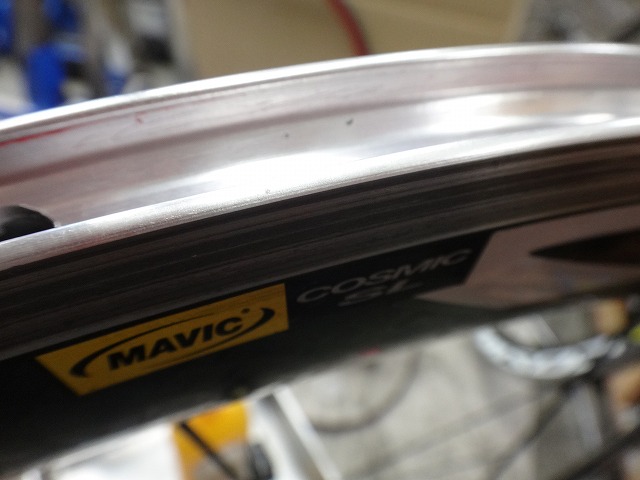
got it clean.
I'm writing this simply, but I had quite a time with it.
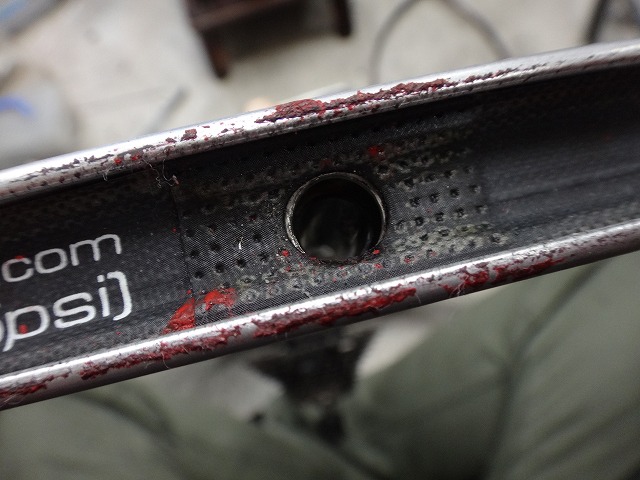
↑this is near the rear wheel valve hole.
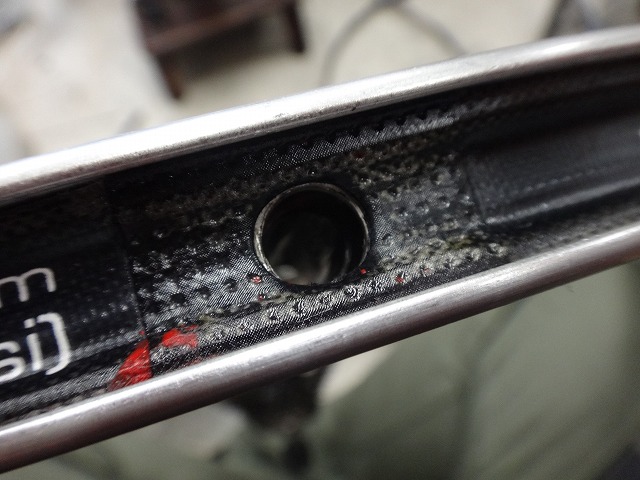
The outer circumference of the bead hook cleaned up relatively easily.
I replaced the rim tape on both wheels.
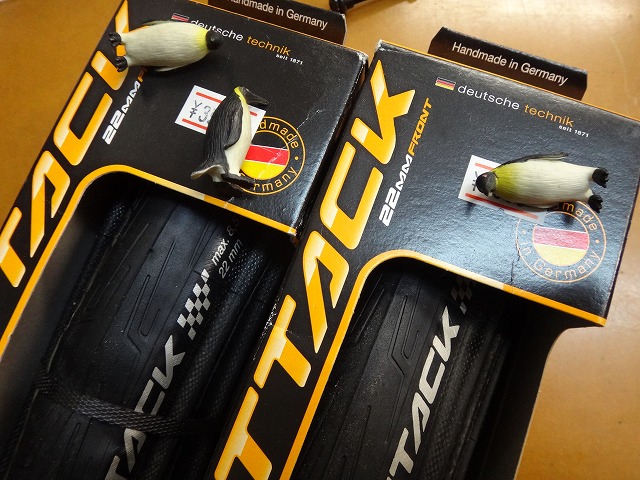
Changing the subject, Continental has a model called
"Attack & Force," where Attack is front-wheel-specific tread and width design,
and Force is rear-wheel-specific design.
They come in both tubular and clincher versions, and what I'm talking about below is for clincher tires.
Attack & Force and its successor Attack II & Force II come in
Attack at 22C and Force at 24C, and until not long ago,
you'd put Attack 22C on the front and—not Force 24C, but rather Grandprix 4000S II in 23C or,
if you didn't worry about tire life and puncture risk,
Grandprix TT in 23C on the rear—that was the strongest combination
in terms of rolling efficiency for clincher tires in the usable range (←that's my personal opinion).
But the current model is Attack III & Force III, and these have gotten 1C fatter than the old versions at 23C and 25C,
and since Grandprix 5000 clinchers are excellent in rolling efficiency,
there's no reason anymore to run Attack III 23C just on the front wheel.
Attack II is already discontinued, but I
was selling the final warehouse stock from distributors at special pricing. "Was" selling, that is.
Yes, sorry—past tense.
They all sold out because of this situation.
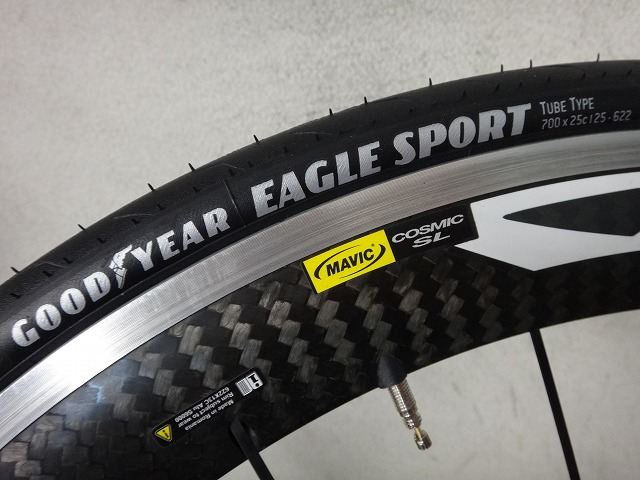
I put a Goodyear Eagle Sport 25C on the rear wheel, but
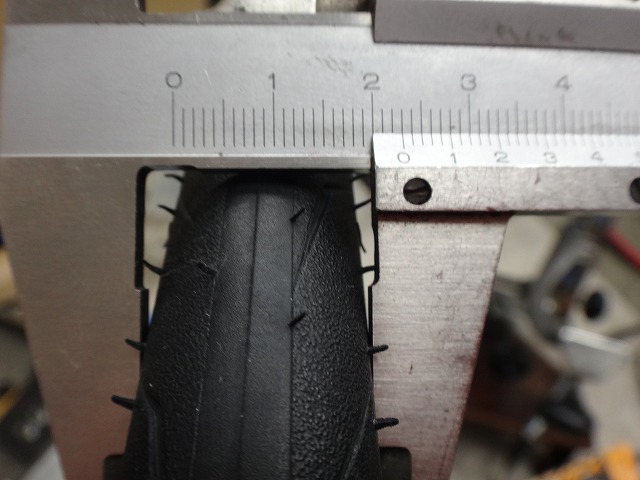
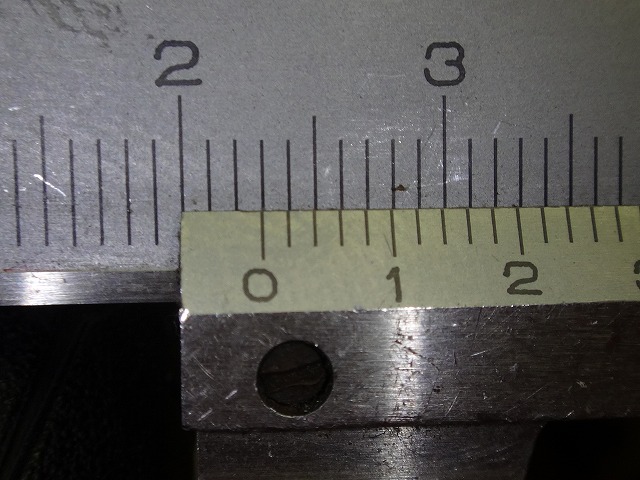
since the rim's inner width is narrow (the bead hook is thick, measuring 13.5mm),
even at 8 bar of pressure it's just barely under 23mm.
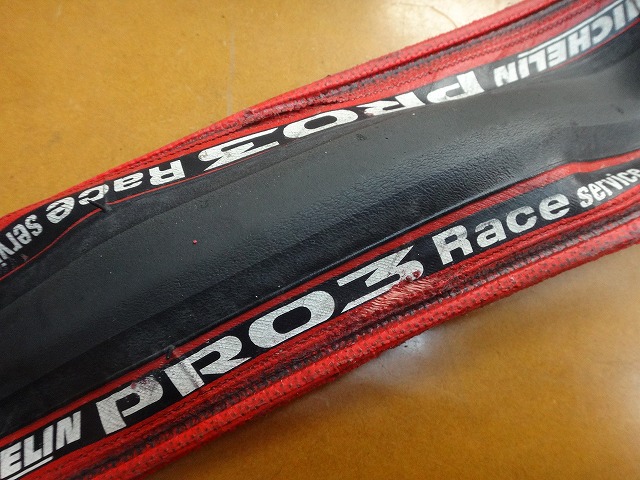
↑the front wheel tire wasn't on the wheel when it came in,
so this is the tire that was on the rear wheel, but
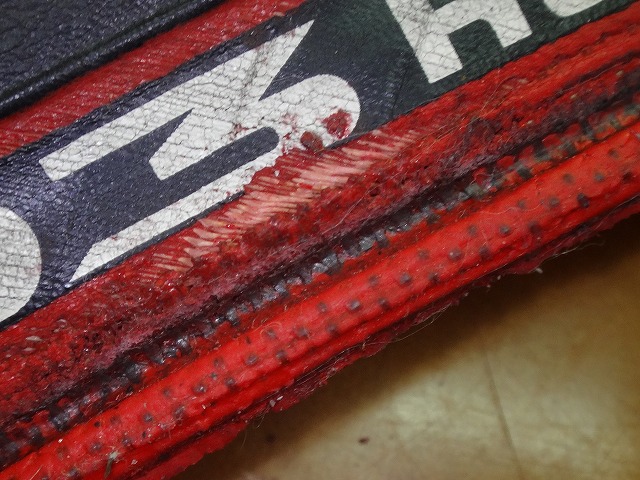
the rubber directly below the valve hole melted and exposed the casing.
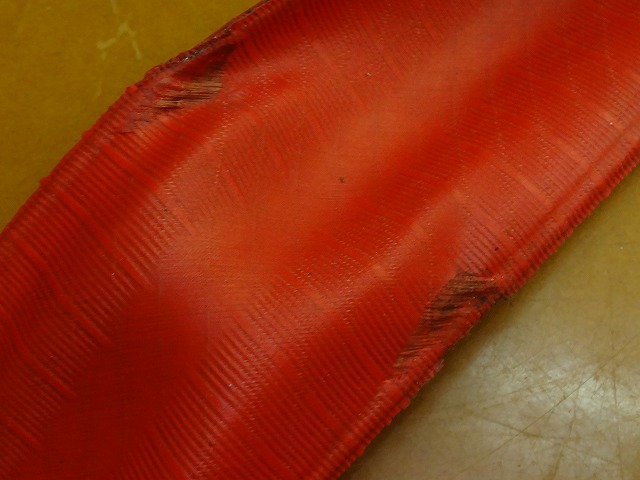
And from the inside

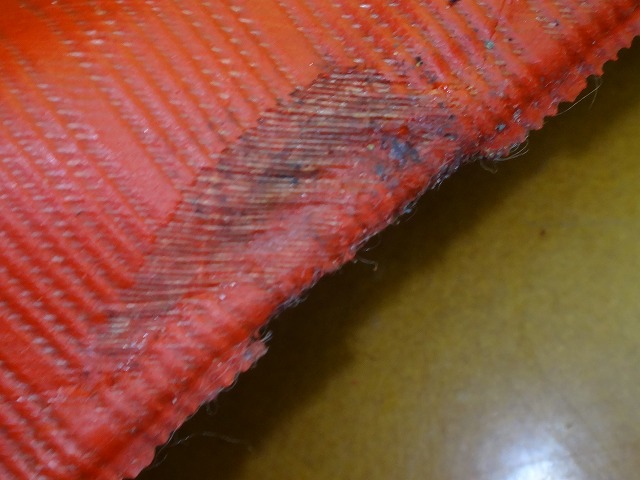
↑it had become quite thin.
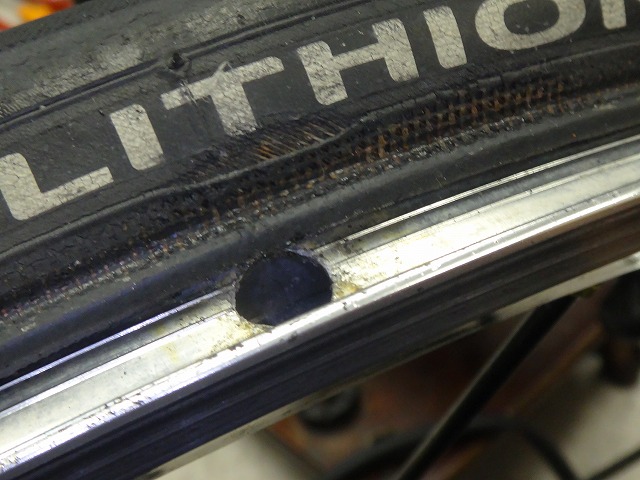
This is a different case, a photo I took a while back for another article,
black Vittoria from the same era as Pro 3 Race.
While it happens less often with colored tires,
the same symptom appears in black tires too.
Actually, the Cosmic SL was the day before yesterday,
and then today I replaced tires on 3 pairs of wheels.
All of them had the same Pro 3 Race red 23C tires.

↑the timeline jumps here, but these are the removed tires.
Well, once you lose faith or have a close call,
you understand the feeling of wanting to replace them.
Among these tires, none of them had casing exposed from the inside
directly below the valve hole to the degree of that one.
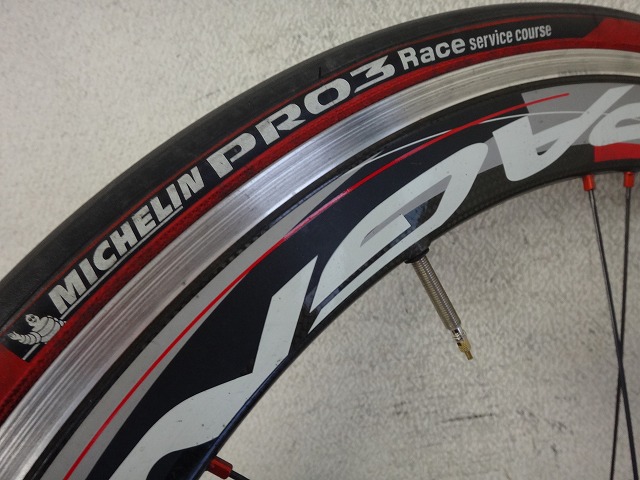
This is a Campagnolo Bullet Ultra, and
the rim's inner width is wider than the Cosmic Carbon at the beginning,
measuring 15.8C by my measurement.

The tire claims to be 23C, but
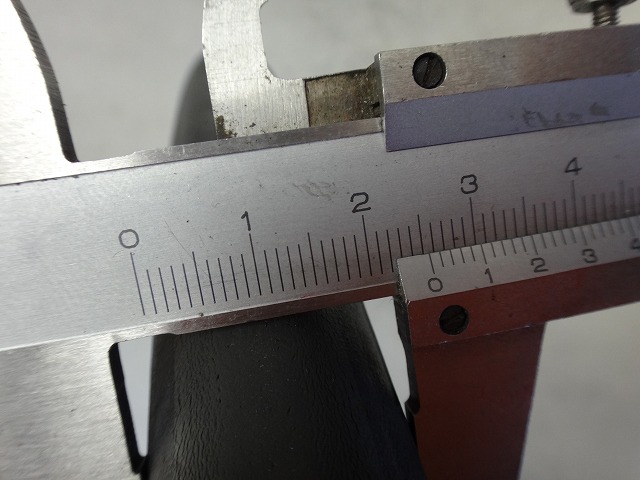

by my measurement it was 25.4mm.
Michelin tires are naturally on the wider side to begin with, but
it definitely got fatter from long-term use.
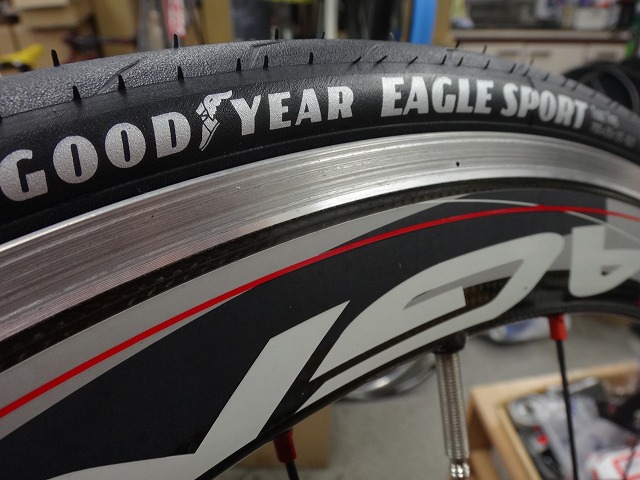
When I put an Eagle Sport 25C (this model doesn't come in 23C)
on the same wheel
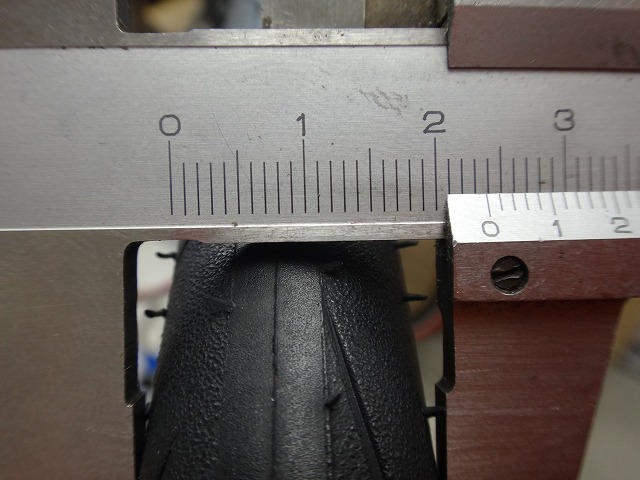
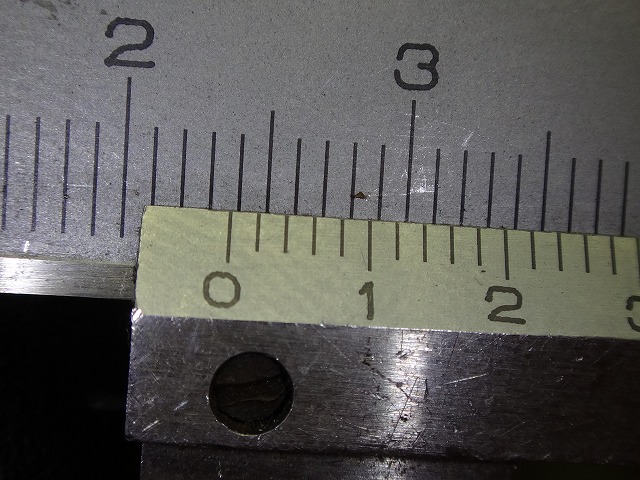
at 7 bar, it measured 23.7mm in width.
Since 2020, the ETRTO standard for road bike tire width
has changed to match the reality of wider rims.
According to this new standard, 22–24C tires are designed for
rims with 17C inner width, and
25–28C tires are designed for rims with 19C inner width.
In other words, with the new standard, a 25C tire won't achieve its rated 25C width
unless you put it on a 19C inner width rim at the proper air pressure.
Vittoria is the one who's already announced they're following this,
but it's unclear what Goodyear is doing.
I've confirmed that when you put Goodyear's so-called 25C tires on
an AL22W rim with measured 19.2mm inner width,
they come out roughly as marked, so
Goodyear might be complying with the new ETRTO too.
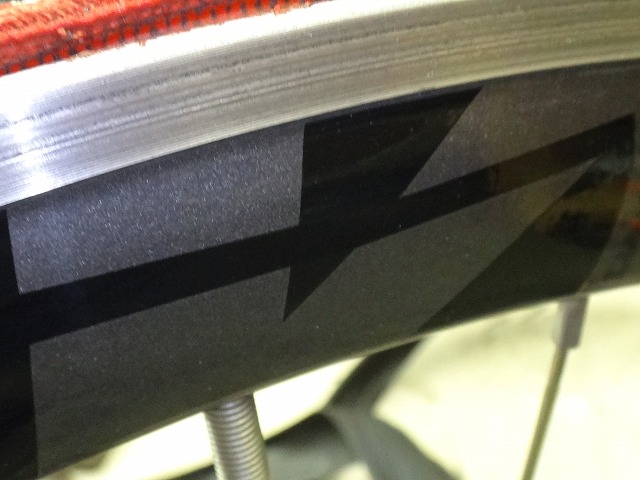
↑this is a Vision wheel, but

it had melting directly below the valve hole.
This much you see pretty regularly.
Even so, the casing on the inside wasn't exposed.
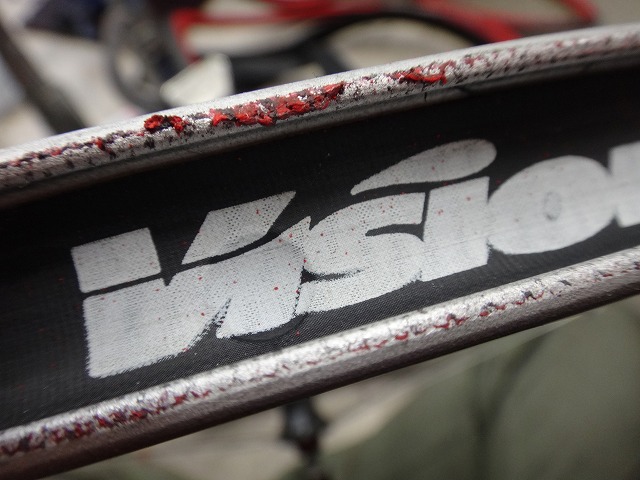
Not just directly below the valve, but the tire rubber had migrated onto the bead,
so it might have been a near-miss for a catastrophic failure.
Products Mentioned in This Article
- 🛒 Michelin Pro 3 Race clincher tire
- 🛒 Continental Attack Force clincher tire
- 🛒 Continental Grand Prix 5000 clincher tire
- 🛒 Goodyear Eagle Sport clincher tire
* Amazon affiliate links — prices may vary
Original Japanese post: のむラボ日記 #5490