Another day of wheel building (etc.). Not only did this fail to meet the conditions, but
the work itself went way beyond just wheel building itself
and was actually way more labor-intensive.
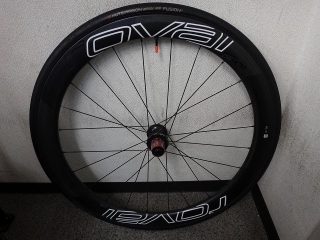
A customer brought me a Roval CLX50
disc brake rear wheel for service.
It's clearly sloppy, the braking feel is poor, and
it wobbles in the corners during criterium racing, apparently.
Go on, tell me more.
But anyway...
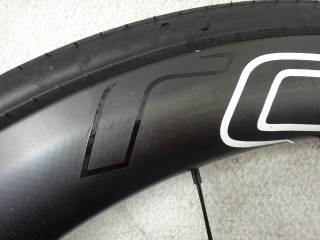
The white sticker with the R on the Roval has peeled off, so
the black print underneath is showing through,
but with just OVAL remaining, most people would naturally read it as "Oval,"
so shouldn't ROVAL also be pronounced "Roval"
like I've always called it?
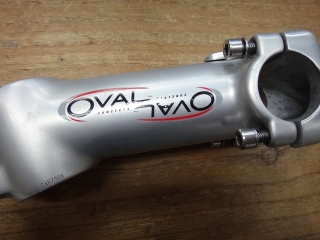
↑Would people in the Roval camp read this as Oval too?
Well, there's a possibility it's closer to the Roval pronunciation in French.

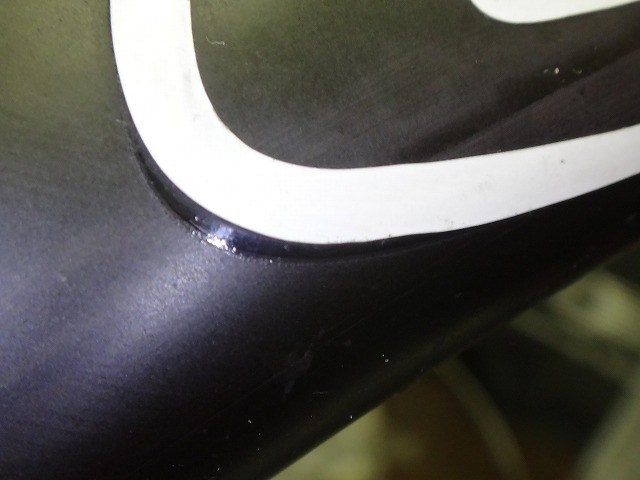
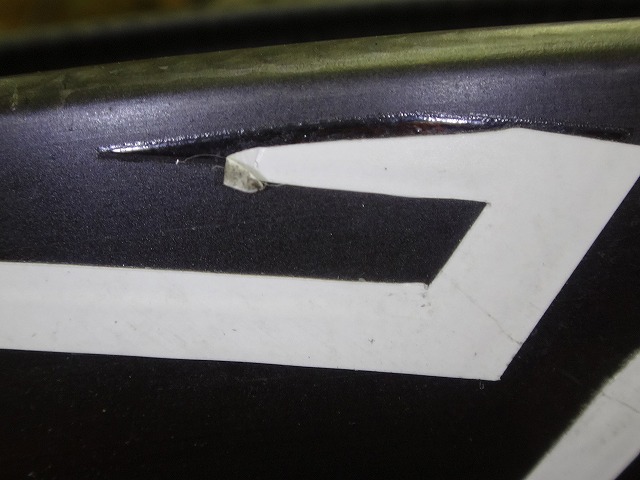
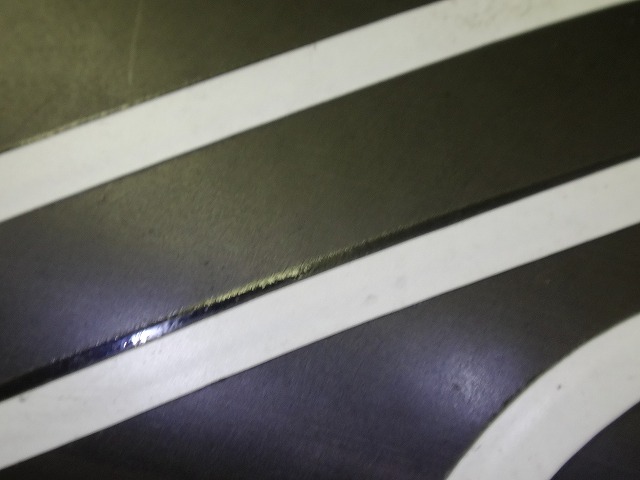
The white Roval sticker is layered over
a black print underneath that has enough distinct thickness
to catch your fingernail.
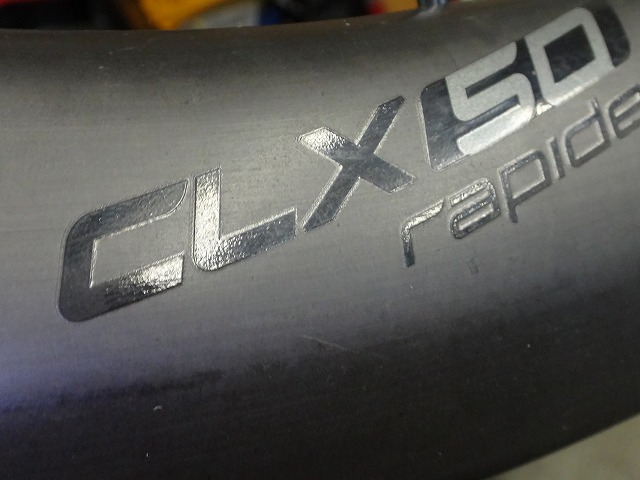
The black print has the same finish as the CLX text in the image above, and
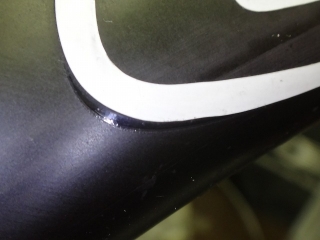
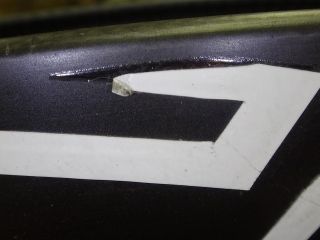
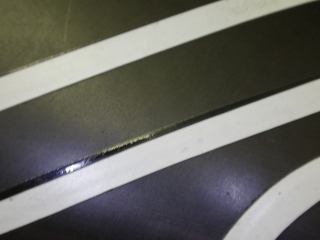
Looking closely, the white sticker isn't perfectly aligned
over the print, and it's peeling up in various places, so
if it were me, I'd probably just remove all of it and go with a black label look.

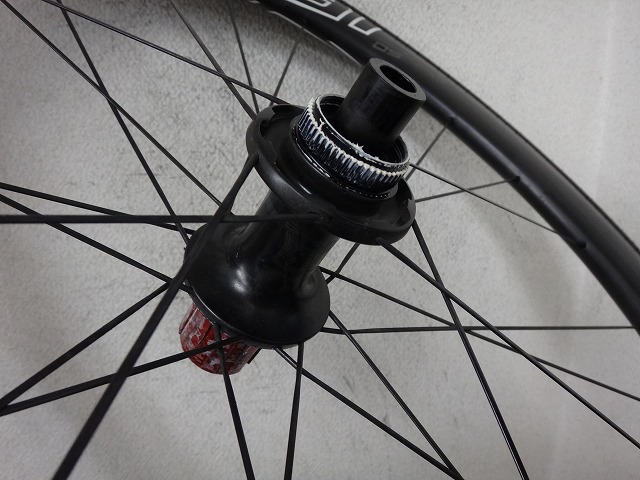
The Roval 2:1 lacing wheel has a sharp final cross angle on the freewheel side—that's Design Flaw #1. Even on
radially-laced rim brake rear wheels on the non-drive side,
the non-drive side shows less spoke deformation.
If you're tensioning to the rim's limit,
the non-drive side reaches its limit first—and I question how that works
for a rear wheel with dish.
In this wheel's case, the non-drive side is single-crossed, so
the left-right difference is even worse.
Design Flaw #2 is that both sides have a small spoke ratio.
It's built with aero spokes of equal diameter on both sides with about 65% spoke ratio, but
Bora and Zonda use spokes with slightly larger spoke ratios
than this.
Design Flaw #3 is the hub dimensions.
To be nitpicky, there are design flaws up to #7,
but I won't write them because they'd be just for blog content.
Comparing rim brake rear wheels, both are 21H, and while
you almost never hear about Bora rim brakes rubbing,
Roval gets reports of shoe rub even with decent spacing between shoe and rim, so
even though the wheels look similar, there's a huge gap in refinement.
It's not just me saying Roval wheels are theoretically crap—
the actual results reflect that too.
The CLX64 front wheel that was recently vibrating on descents?
That stopped when I rebuilt it.
One thing to defend: with Campagnolo disc brake rims,
for some reason the rim weight becomes unnecessarily heavy, so
comparing similar rim heights, Roval's rim would actually be lighter.
This rear wheel is 24H with no dishing holes in the rim, so
rebuilding it with something like a Toni Rebo disc hub would get you
a wheel vastly better than the original—honestly,
it'd be harder to build a wheel with worse tension than this.
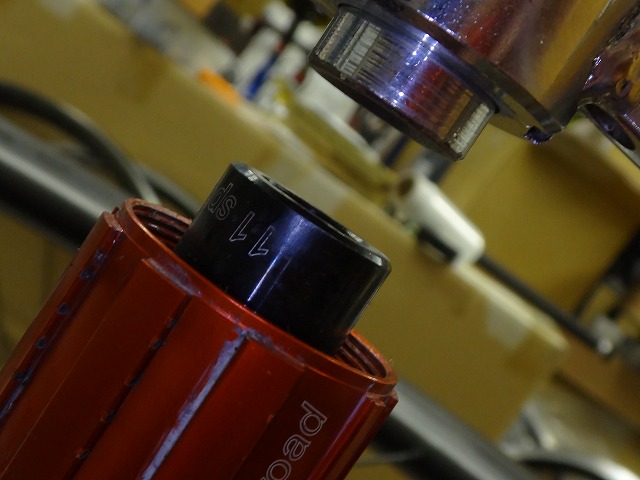
But the original setup uses a DT freewheel body and Shimano 11-speed right end,
so I don't want the shifting adjustment position to change, and
I want to avoid the extra rear hub cost, and
plus there's my personal desire to increase sample data for proving
that you can rebuild 2:1 lacing better (fuhihi)
so I decided to reuse the hub.
What needs doing is swapping the non-drive side for CX Sprint spokes and
tying in the final cross on the drive side, but
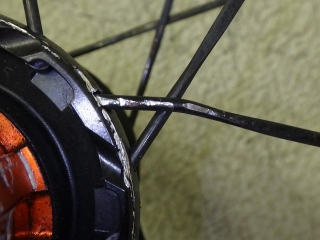
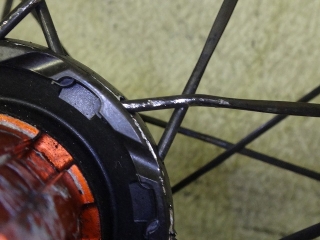

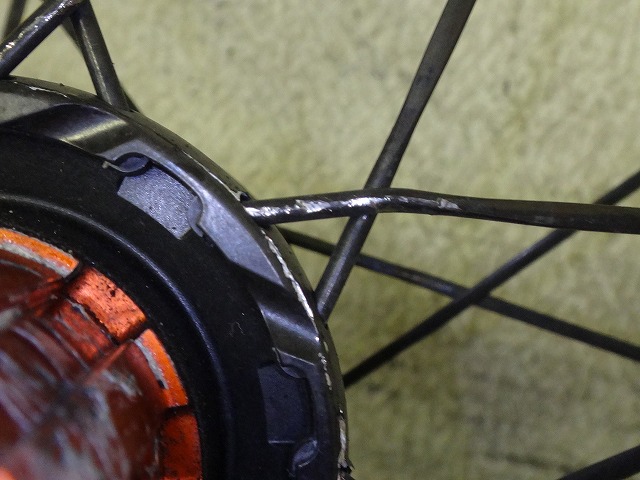
from a chain drop, all the outer spokes on the drive side
(non-porcupine direction) have damage, and about 4 of them are bent and need replacing,
so I have to repair those too.
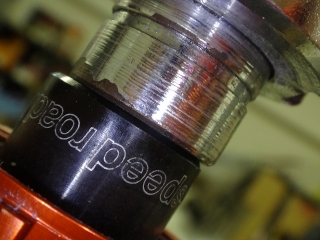
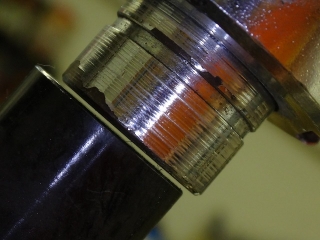
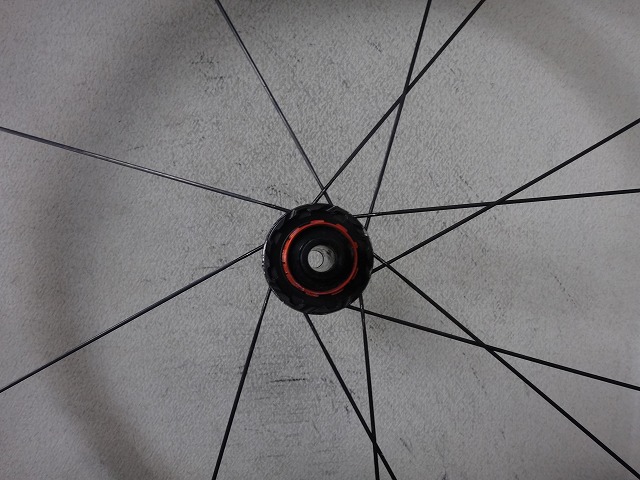
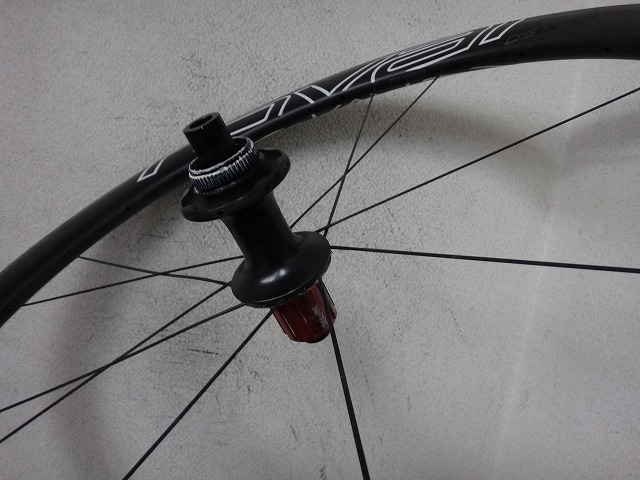
There was runout from spoke deformation, but
there was also centering offset.
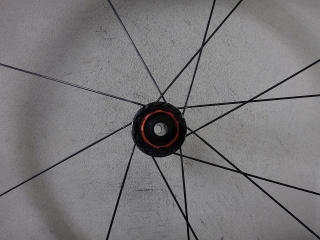
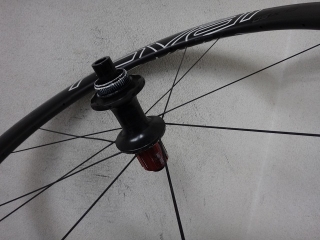
↑State with all replacement spokes removed.
Wouldn't it actually take less time to build this from scratch
with a new hub and rim? ←Exactly right
I won't deny I'm deliberately doing this for article value,
but this is the point during work where the centering offset is largest.
With equal-diameter lacing where the non-drive side runs higher tension,
you shouldn't shift toward the drive side, but
because three-quarters of the original spokes remain on the drive side,
I didn't want to loosen them.
Center is dialed in.
By this point I've also fine-tuned the radial runout.
↑From the side
↑From front and rear
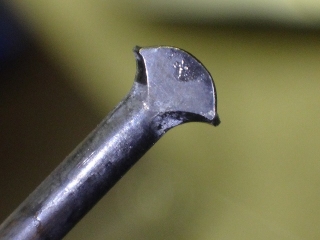
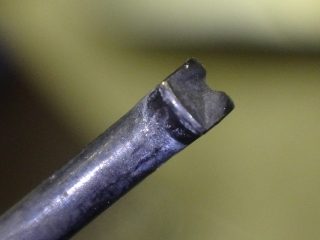
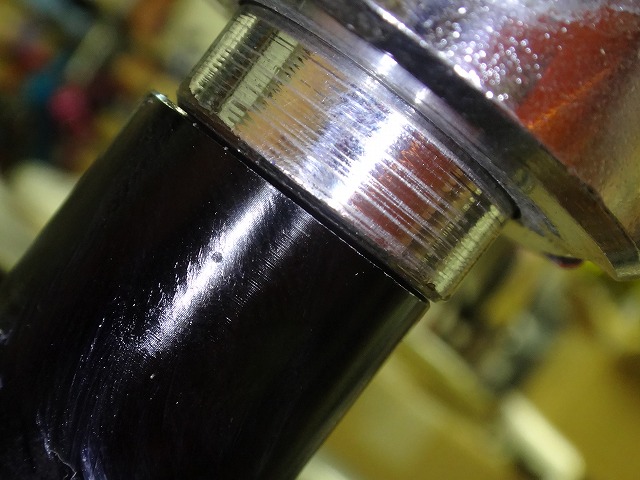
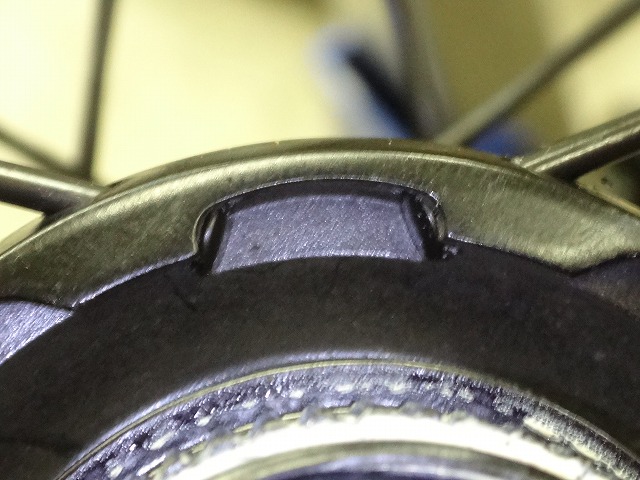
Roval's straight spokes use a spoke head that's press-flattened from the side—
a "sliced enoki mushroom" head shape—that fits into a slot in the hub flange
to stop spoke rotation.
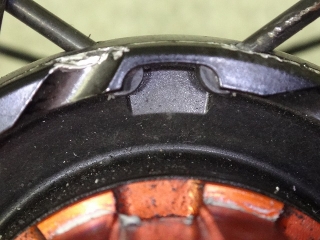
The replacement spokes on the drive side have the same machining, but
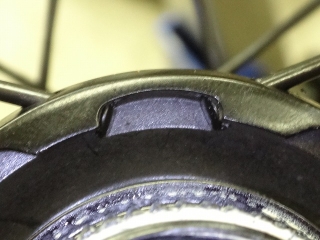
on the non-drive side, where the original spokes had enoki heads,
the flange shape doesn't require that form and
(even if machined, wouldn't provide rotation resistance), and
since enoki heads would actually reduce hub contact area,
I'm deliberately using them unmodified.
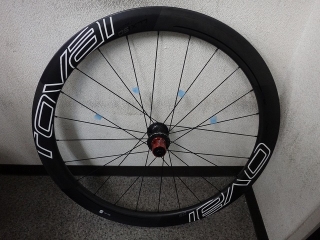
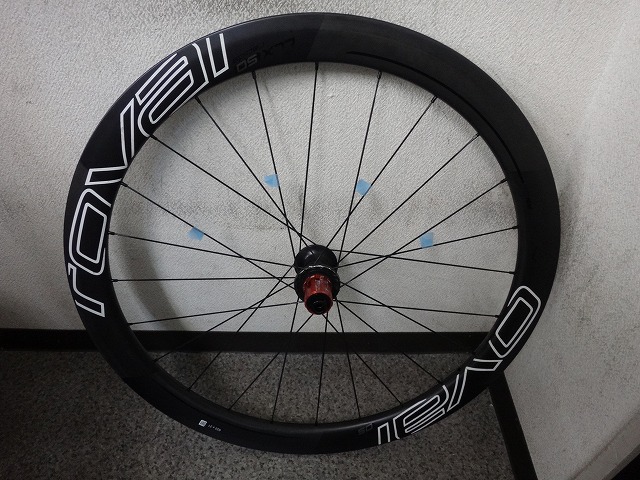
Built.
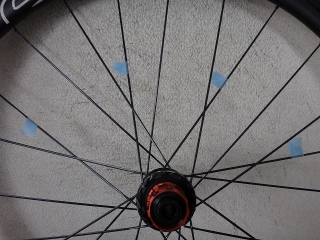
Using cross-lace counter on different spoke counts per side and reverse different-diameter lacing,
drive side is original Aerolite with CX-RAY for repairs,
non-drive side is CX Sprint.
I'll tie in the drive side final cross later.
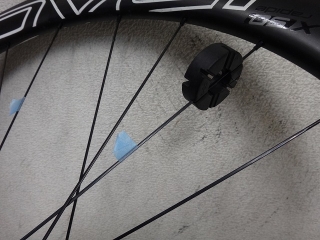
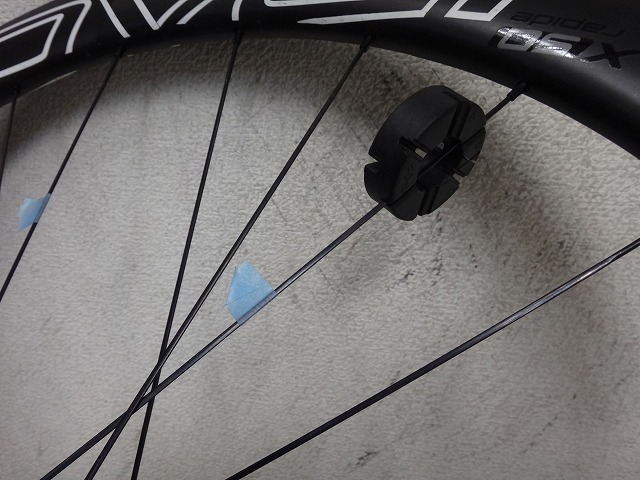
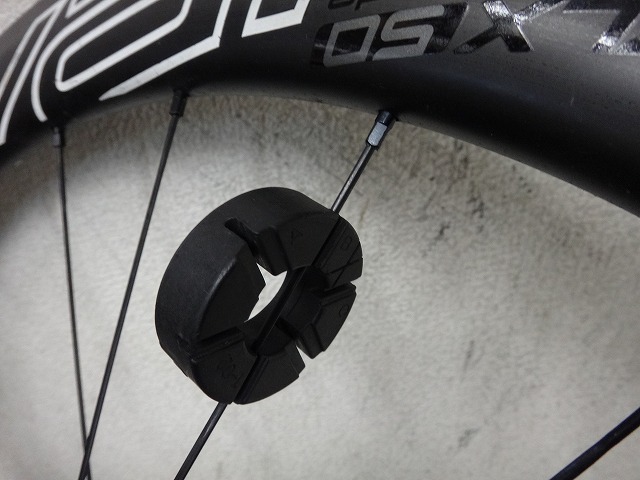
I used CX-RAY straight repair spokes to get lengths between
310mm, 270mm, 240mm, etc., so
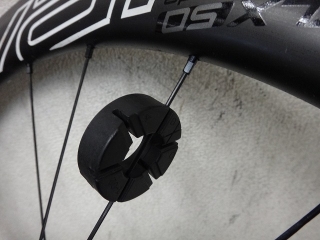
the plain section is longer.
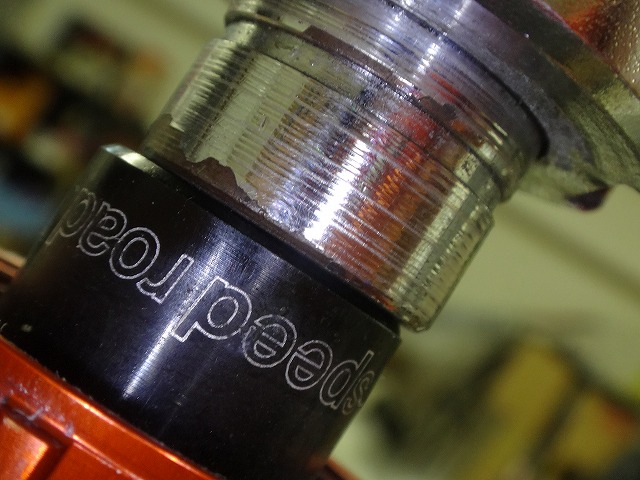
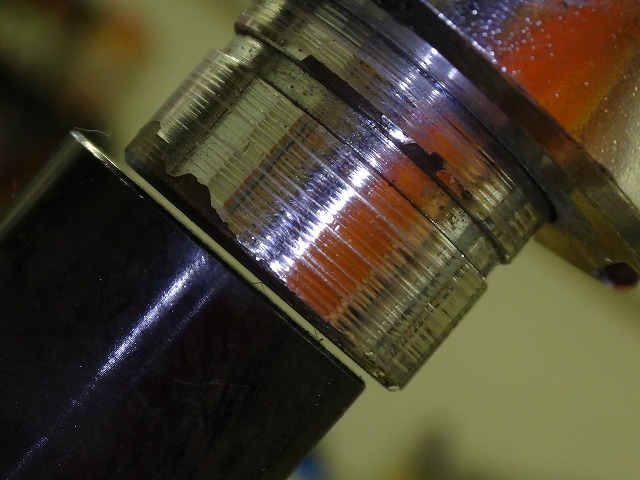
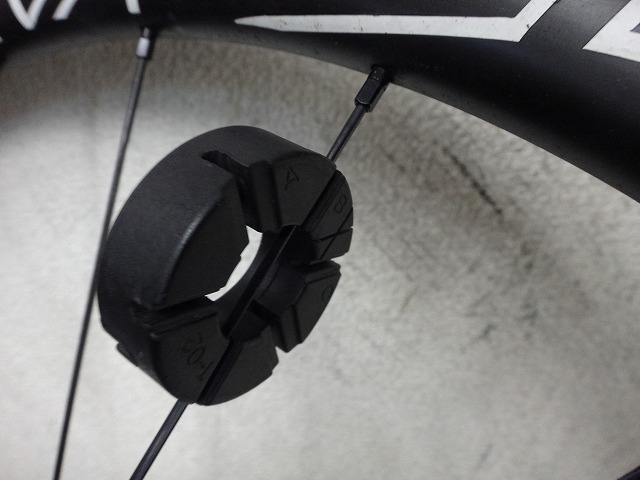
The image above shows where the rotation-lock tool bottomed out
on the plain section.
Like normal CX-RAY—which has
"most of the spoke length as flattened butted sections"—
spokes are currently available in 2mm increments, but
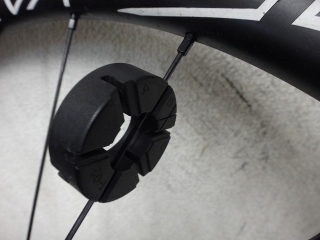
the OEM spokes also have an oddly long plain section by the nipple end, and
it just happened that using length-specified CX-RAY straight spokes
gave a spoke ratio closer to the original.
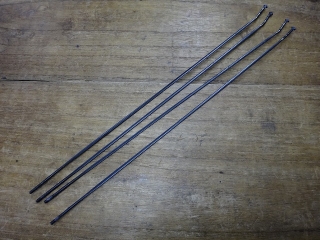
↑(Spokes that were replaced because they were bent)
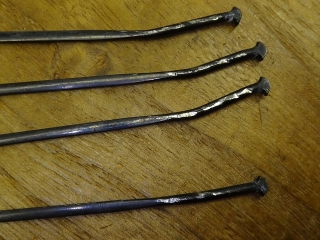
3 out of 4 are clearly bent.
I was a bit uncertain about the bottom spoke in the image, but
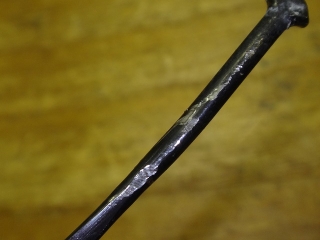
it was gouged by the chain, so I replaced it.
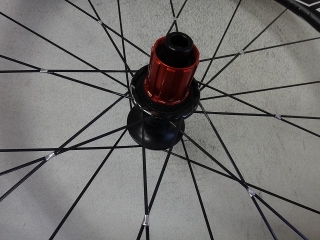
Addendum: I've tied it in.
The finish is good enough I want to keep it as a sample. Fuhihi.
the work itself went way beyond just wheel building itself
and was actually way more labor-intensive.
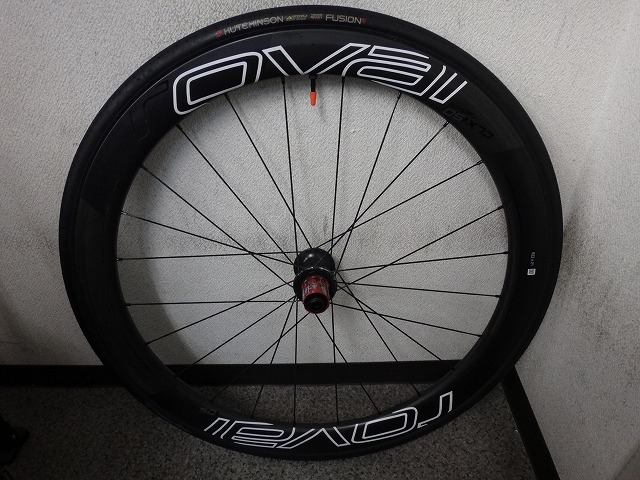
A customer brought me a Roval CLX50
disc brake rear wheel for service.
It's clearly sloppy, the braking feel is poor, and
it wobbles in the corners during criterium racing, apparently.
Go on, tell me more.
But anyway...
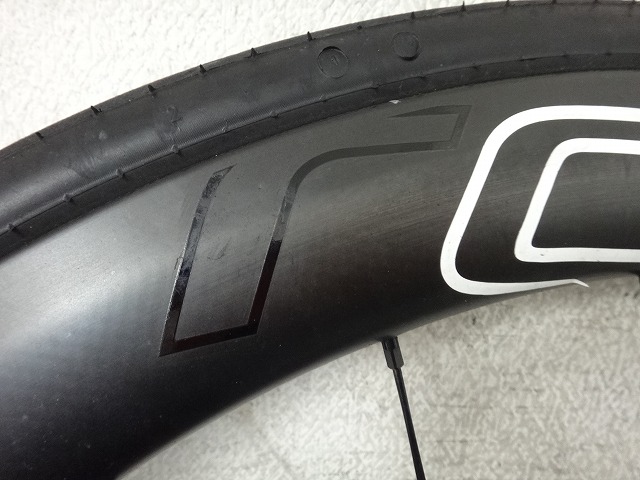
The white sticker with the R on the Roval has peeled off, so
the black print underneath is showing through,
but with just OVAL remaining, most people would naturally read it as "Oval,"
so shouldn't ROVAL also be pronounced "Roval"
like I've always called it?
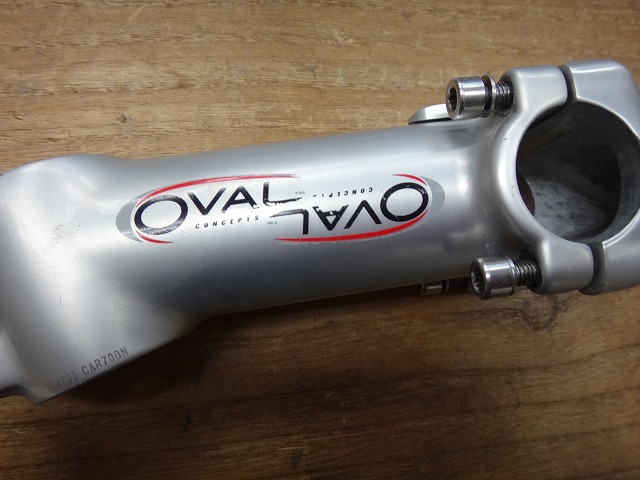
↑Would people in the Roval camp read this as Oval too?
Well, there's a possibility it's closer to the Roval pronunciation in French.
The white Roval sticker is layered over
a black print underneath that has enough distinct thickness
to catch your fingernail.
The black print has the same finish as the CLX text in the image above, and
Looking closely, the white sticker isn't perfectly aligned
over the print, and it's peeling up in various places, so
if it were me, I'd probably just remove all of it and go with a black label look.
The Roval 2:1 lacing wheel has a sharp final cross angle on the freewheel side—that's Design Flaw #1. Even on
radially-laced rim brake rear wheels on the non-drive side,
the non-drive side shows less spoke deformation.
If you're tensioning to the rim's limit,
the non-drive side reaches its limit first—and I question how that works
for a rear wheel with dish.
In this wheel's case, the non-drive side is single-crossed, so
the left-right difference is even worse.
Design Flaw #2 is that both sides have a small spoke ratio.
It's built with aero spokes of equal diameter on both sides with about 65% spoke ratio, but
Bora and Zonda use spokes with slightly larger spoke ratios
than this.
Design Flaw #3 is the hub dimensions.
To be nitpicky, there are design flaws up to #7,
but I won't write them because they'd be just for blog content.
Comparing rim brake rear wheels, both are 21H, and while
you almost never hear about Bora rim brakes rubbing,
Roval gets reports of shoe rub even with decent spacing between shoe and rim, so
even though the wheels look similar, there's a huge gap in refinement.
It's not just me saying Roval wheels are theoretically crap—
the actual results reflect that too.
The CLX64 front wheel that was recently vibrating on descents?
That stopped when I rebuilt it.
One thing to defend: with Campagnolo disc brake rims,
for some reason the rim weight becomes unnecessarily heavy, so
comparing similar rim heights, Roval's rim would actually be lighter.
This rear wheel is 24H with no dishing holes in the rim, so
rebuilding it with something like a Toni Rebo disc hub would get you
a wheel vastly better than the original—honestly,
it'd be harder to build a wheel with worse tension than this.
But the original setup uses a DT freewheel body and Shimano 11-speed right end,
so I don't want the shifting adjustment position to change, and
I want to avoid the extra rear hub cost, and
that you can rebuild 2:1 lacing better (fuhihi)
so I decided to reuse the hub.
What needs doing is swapping the non-drive side for CX Sprint spokes and
tying in the final cross on the drive side, but


from a chain drop, all the outer spokes on the drive side
(non-porcupine direction) have damage, and about 4 of them are bent and need replacing,
so I have to repair those too.
There was runout from spoke deformation, but
there was also centering offset.
↑State with all replacement spokes removed.
Wouldn't it actually take less time to build this from scratch
with a new hub and rim? ←Exactly right
I won't deny I'm deliberately doing this for article value,
but this is the point during work where the centering offset is largest.
With equal-diameter lacing where the non-drive side runs higher tension,
you shouldn't shift toward the drive side, but
because three-quarters of the original spokes remain on the drive side,
I didn't want to loosen them.
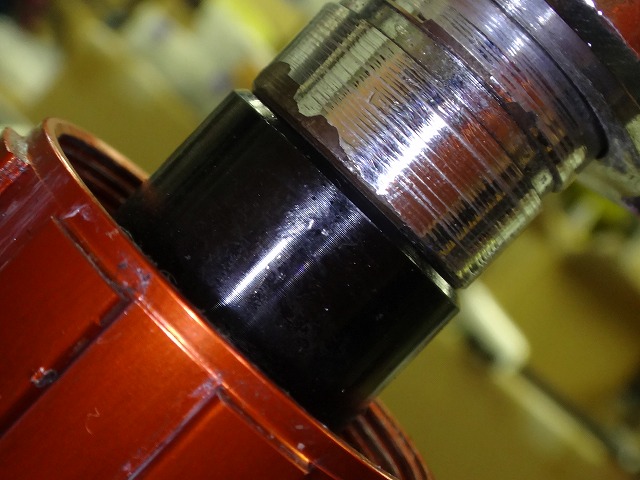

Center is dialed in.
By this point I've also fine-tuned the radial runout.
↑From the side
↑From front and rear
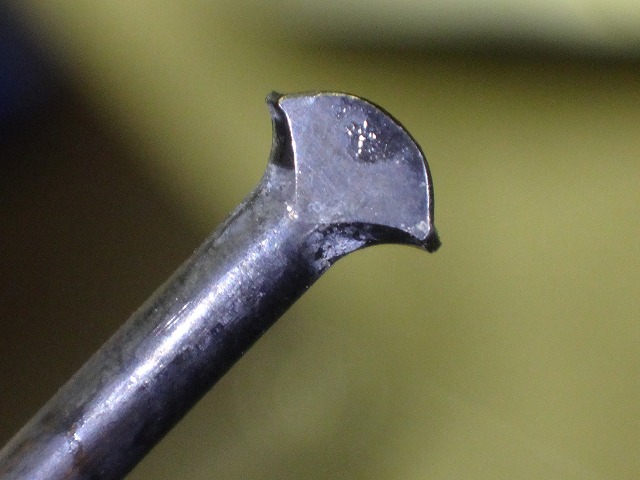
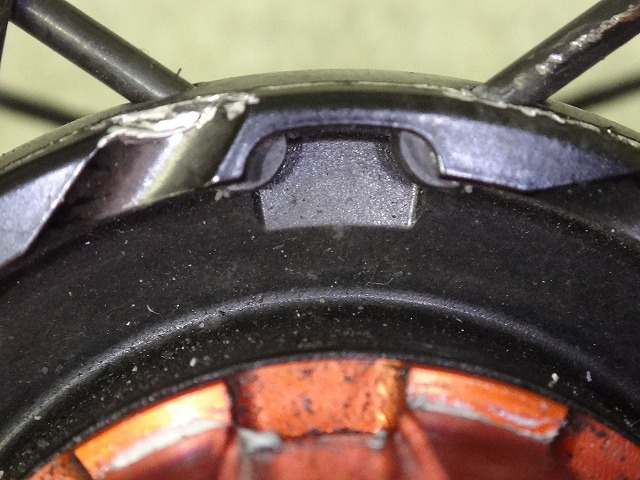
Roval's straight spokes use a spoke head that's press-flattened from the side—
a "sliced enoki mushroom" head shape—that fits into a slot in the hub flange
to stop spoke rotation.
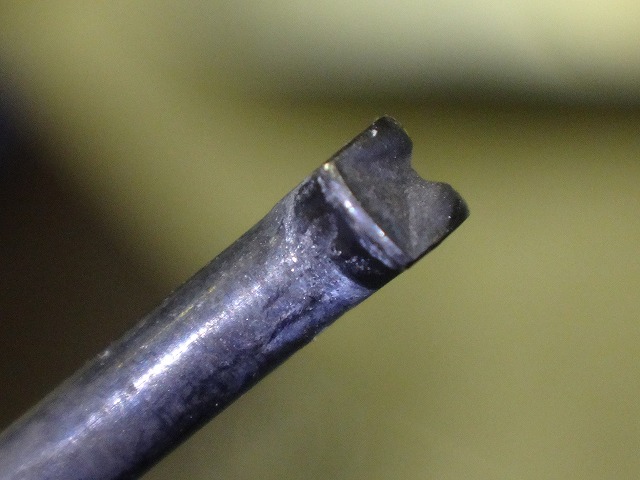
The replacement spokes on the drive side have the same machining, but
on the non-drive side, where the original spokes had enoki heads,
the flange shape doesn't require that form and
(even if machined, wouldn't provide rotation resistance), and
since enoki heads would actually reduce hub contact area,
I'm deliberately using them unmodified.
Built.

Using cross-lace counter on different spoke counts per side and reverse different-diameter lacing,
drive side is original Aerolite with CX-RAY for repairs,
non-drive side is CX Sprint.
I'll tie in the drive side final cross later.
I used CX-RAY straight repair spokes to get lengths between
310mm, 270mm, 240mm, etc., so
the plain section is longer.
The image above shows where the rotation-lock tool bottomed out
on the plain section.
Like normal CX-RAY—which has
"most of the spoke length as flattened butted sections"—
spokes are currently available in 2mm increments, but
the OEM spokes also have an oddly long plain section by the nipple end, and
it just happened that using length-specified CX-RAY straight spokes
gave a spoke ratio closer to the original.

↑(Spokes that were replaced because they were bent)
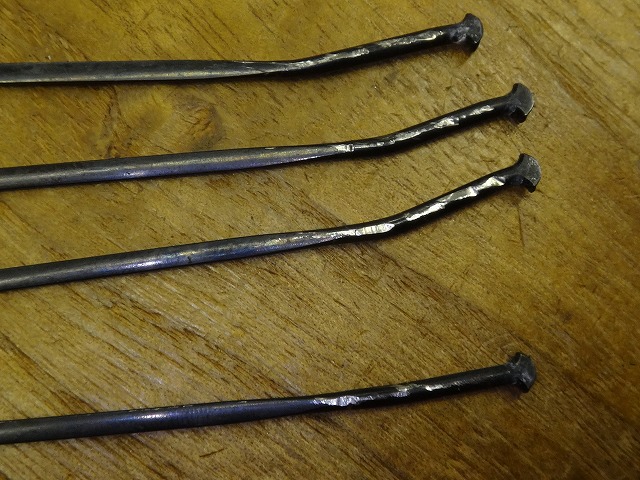
3 out of 4 are clearly bent.
I was a bit uncertain about the bottom spoke in the image, but
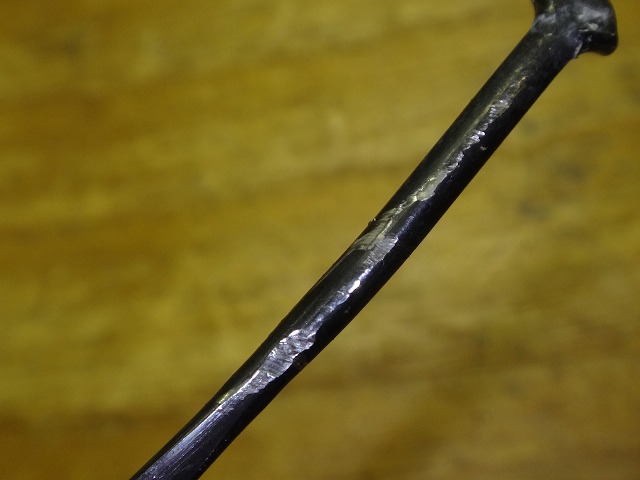
it was gouged by the chain, so I replaced it.
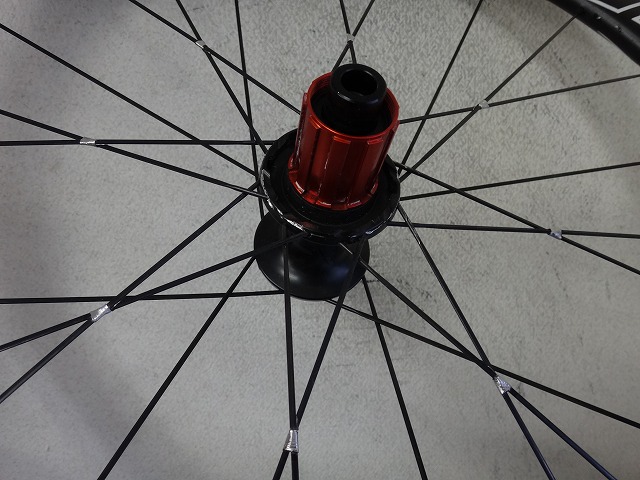
Addendum: I've tied it in.
The finish is good enough I want to keep it as a sample. Fuhihi.