A customer brought in a wheel for spoke replacement.
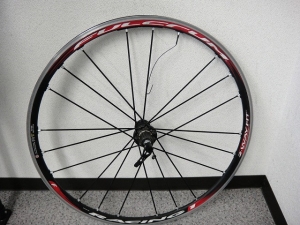
I told them over the phone that I'd need to see the wheel in person to know whether we had a replacement spoke in stock,
so if they didn't mind, they could bring it by.

Looks like we can make it work.
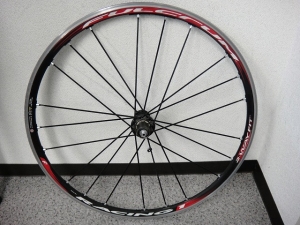
All fixed.
With this type of wheel, losing just a single spoke causes an unbelievable amount of lateral runout.
With a normal 32-hole wheel, depending on the spokes and spoke tension, you could sometimes ride with just one spoke missing without even rubbing,
but with this type of wheel, even though spokes rarely break, when they do break
the wheel will interfere with the frame or fork, making it unrideable.
There was some runout not caused by the spoke breakage, and the wheel wasn't centered,
so I fixed those while I was at it.
About the "ruthless trap" in the title...
if you compare it to the image at the beginning, you'll probably notice it.
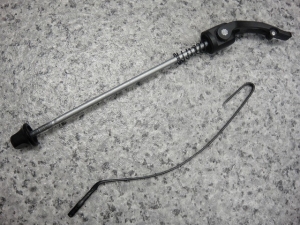
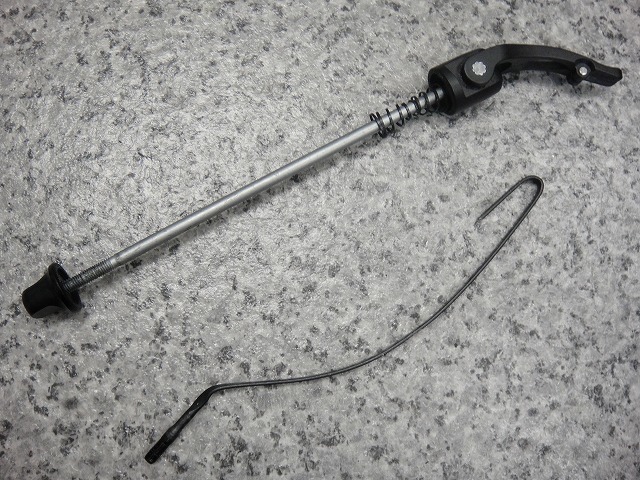
Huh? There's something on the ground next to the replaced spoke?
My apologies—I forgot to hand over the quick release.
Not a ruthless trap, just my mistake.
While I'm on the subject of spoke replacement,
I'll also write about a wheel I forgot to post about earlier.
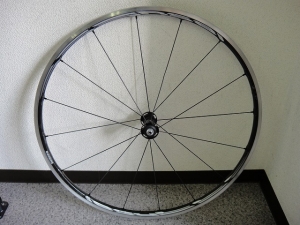
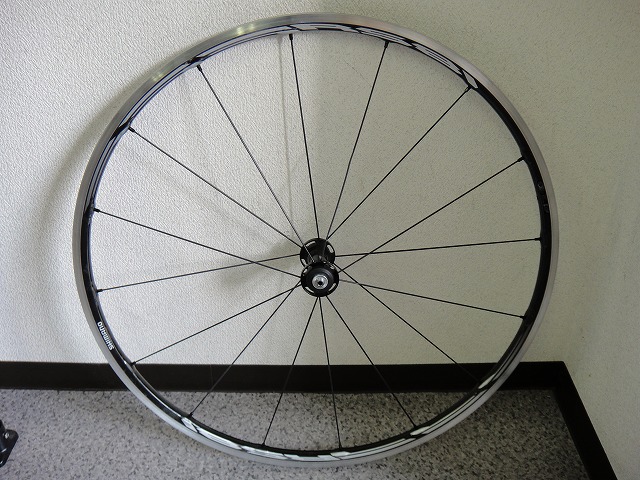
A WH-RS81 came in for repair.
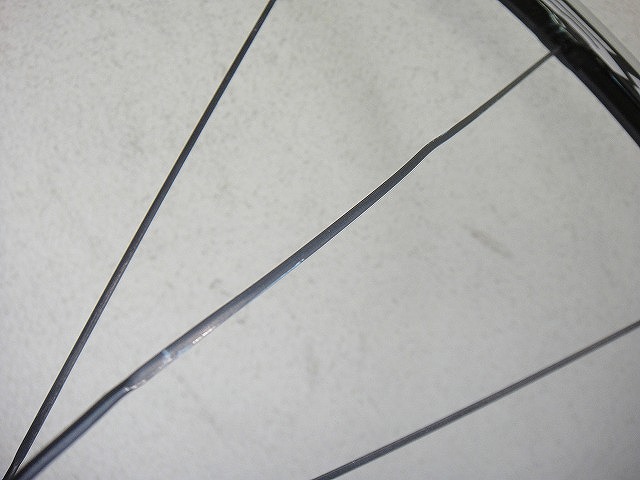
It's hard to see in the image above, but around the 1 o'clock position,
the spoke at the "S" part of the RS81 is bent from being struck during a crash.
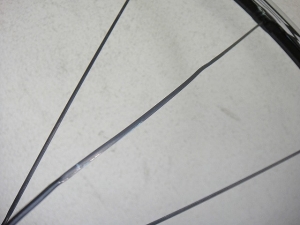
↑Like this.
Even though the spoke was bent by the impact,
it didn't break and is still connecting the rim and hub,
so it doesn't look like there's that much damage at first glance, but...
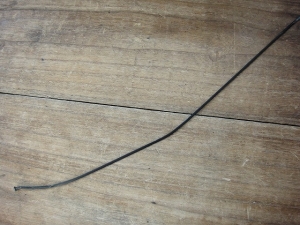
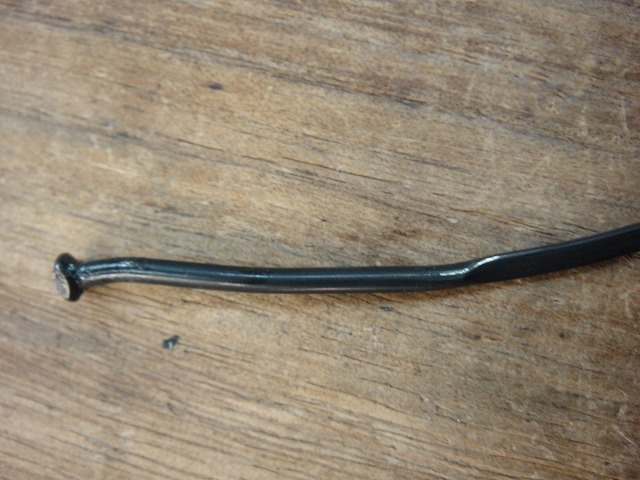
When you gently remove it from the wheel, it's bent this much.
The spoke tension is what's keeping it nearly straight in the wheel.
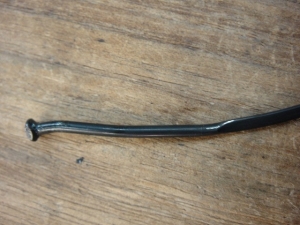
There was damage to the hub flange, so something caught there.
You can see it in how the spoke is bent.
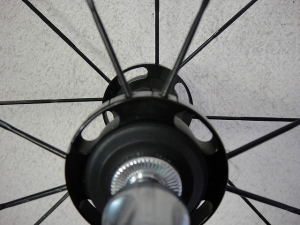
Fixed.
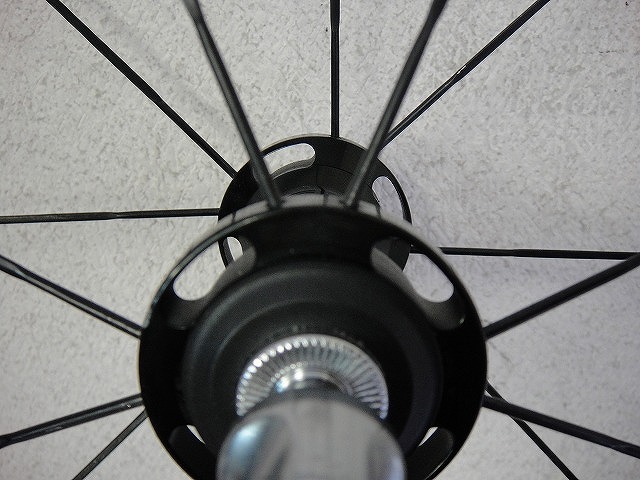
Unrelated to that, this hub-side spoke lacing pattern is the "pseudo-radial" I mentioned before.
The rim-side lacing is evenly spaced, but only the hub side is pulled in slightly.
I'm not sure what the benefits are, but since the hub flange can be lightened,
it might contribute to weight reduction.
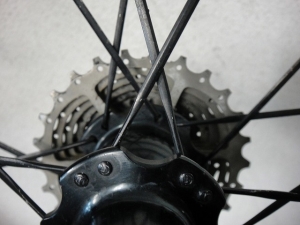
And completely unrelated, here's an example of a constricted-flange lacing pattern on a different wheel.
In this case it's a tangential lacing.
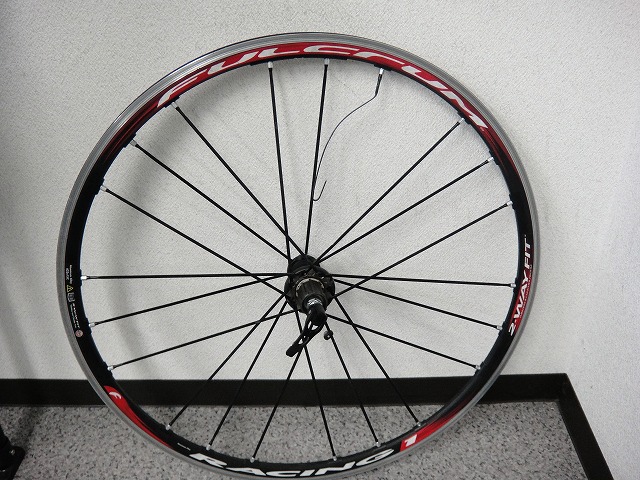
I told them over the phone that I'd need to see the wheel in person to know whether we had a replacement spoke in stock,
so if they didn't mind, they could bring it by.
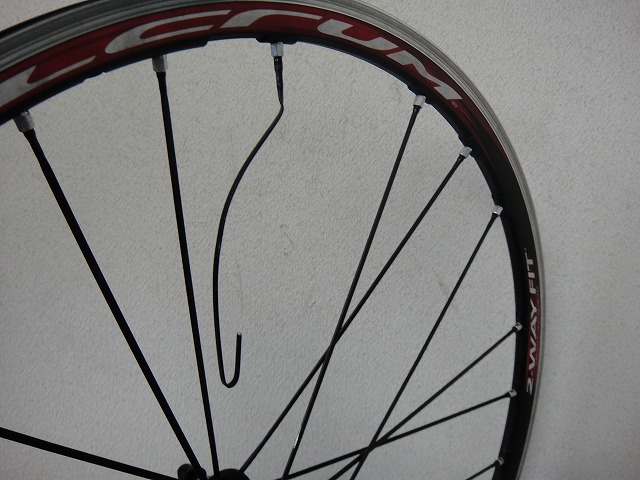
Looks like we can make it work.
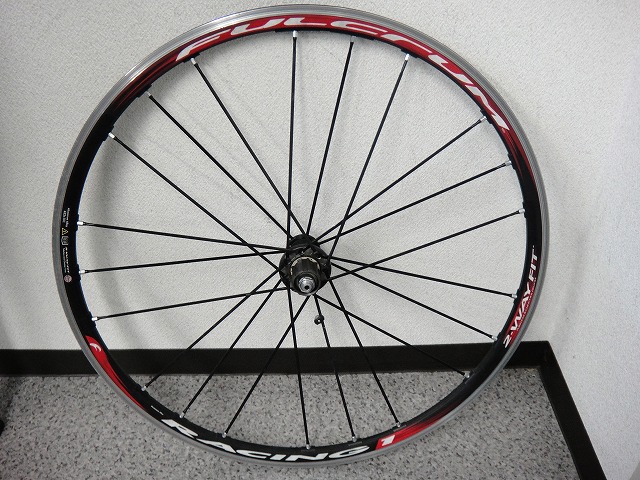
All fixed.
With this type of wheel, losing just a single spoke causes an unbelievable amount of lateral runout.
With a normal 32-hole wheel, depending on the spokes and spoke tension, you could sometimes ride with just one spoke missing without even rubbing,
but with this type of wheel, even though spokes rarely break, when they do break
the wheel will interfere with the frame or fork, making it unrideable.
There was some runout not caused by the spoke breakage, and the wheel wasn't centered,
so I fixed those while I was at it.
About the "ruthless trap" in the title...
if you compare it to the image at the beginning, you'll probably notice it.
Huh? There's something on the ground next to the replaced spoke?
My apologies—I forgot to hand over the quick release.
Not a ruthless trap, just my mistake.
While I'm on the subject of spoke replacement,
I'll also write about a wheel I forgot to post about earlier.
A WH-RS81 came in for repair.
It's hard to see in the image above, but around the 1 o'clock position,
the spoke at the "S" part of the RS81 is bent from being struck during a crash.
↑Like this.
Even though the spoke was bent by the impact,
it didn't break and is still connecting the rim and hub,
so it doesn't look like there's that much damage at first glance, but...

When you gently remove it from the wheel, it's bent this much.
The spoke tension is what's keeping it nearly straight in the wheel.
There was damage to the hub flange, so something caught there.
You can see it in how the spoke is bent.
Fixed.
Unrelated to that, this hub-side spoke lacing pattern is the "pseudo-radial" I mentioned before.
The rim-side lacing is evenly spaced, but only the hub side is pulled in slightly.
I'm not sure what the benefits are, but since the hub flange can be lightened,
it might contribute to weight reduction.
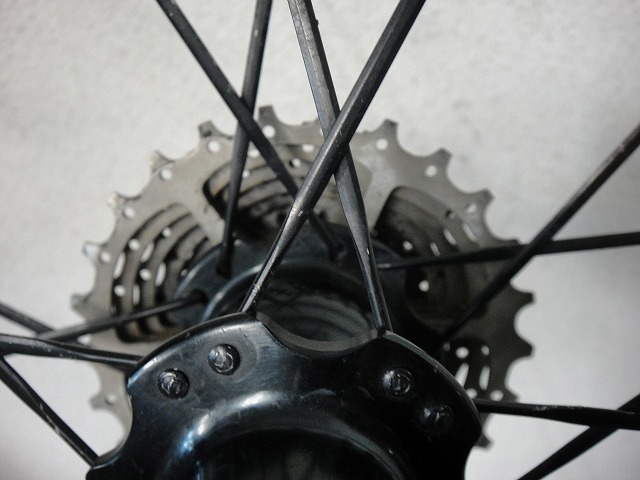
And completely unrelated, here's an example of a constricted-flange lacing pattern on a different wheel.
In this case it's a tangential lacing.