Another day, another wheel (and so on).
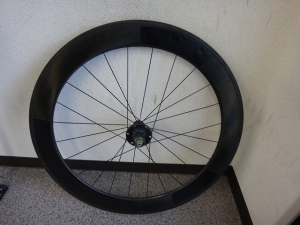
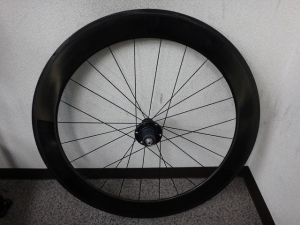
I received a rear wheel with an ENVE 1-65 rim from a customer.
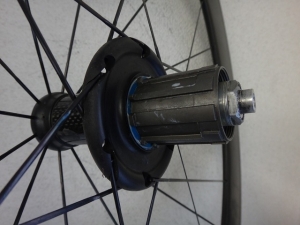
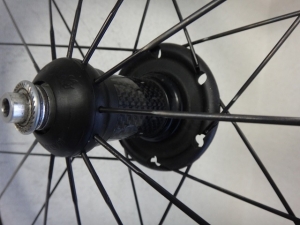
↑The hub is a Campagnolo Neutron Ultra,
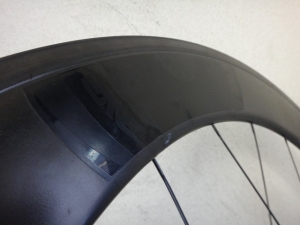
↑And the rim is a 1-65 with the ENVE logo embedded within the PowerTap logo.
It's a rim from a PowerTap complete wheelset.
This one appears to have been rebuilt later.
The customer said it feels "sluggish," so they want to see if we can do something about that,
and they're requesting a hub overhaul.
Regarding the hub, they said "if necessary, please replace the bearings," so
the customer was probably already aware of the issue,
and there was definitely a dull quality to the rotation.
I wrote "another day, another wheel" at the beginning,
but initially I wasn't necessarily planning to do a complete rebuild.
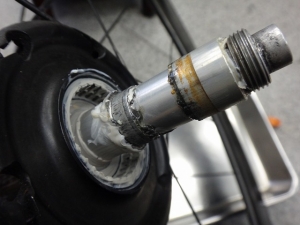
First, I removed the freebody.
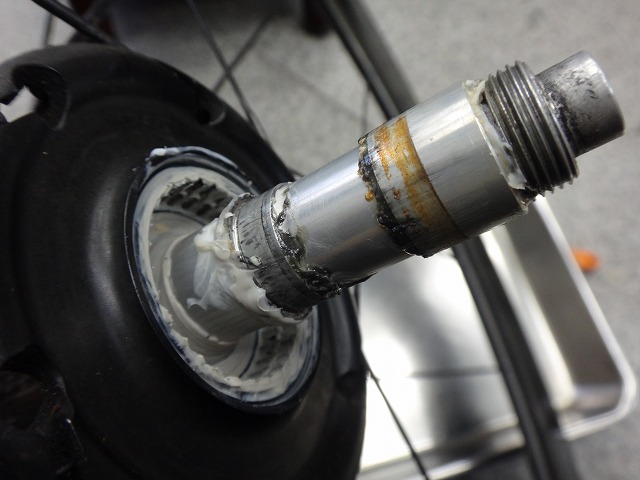
From the rust discoloration on the axle, it looks like
the outer bearing in the freebody is likely rusty.

The bearing on the freebody side.
Both the ratchet area and the hub bearing
have the same grease applied.
The bearing isn't damaged too badly.
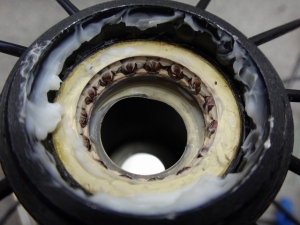
The bearing on the non-freebody side.
It's rusty.
Plus there's grease in places where it shouldn't be.
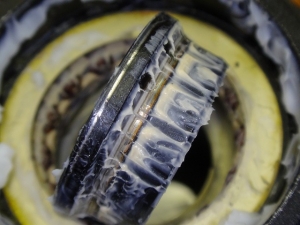
Rust has spread to the ball race too.
At minimum, the non-freebody side bearing needs to be replaced entirely,
but the annoying part is that you can't remove the ball race on the non-freebody side
without taking out all the spokes.
The freebody side bearing also showed wear compared to a new one, so
I decided to replace the bearings on both sides.
Technically the freebody-side spokes don't necessarily need to be removed,
but for other reasons, I completely disassembled it.
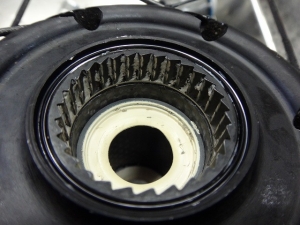
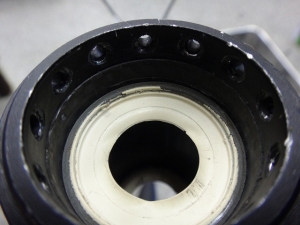
I removed the ball races.
In the top image, the freebody-side spokes are still assembled.
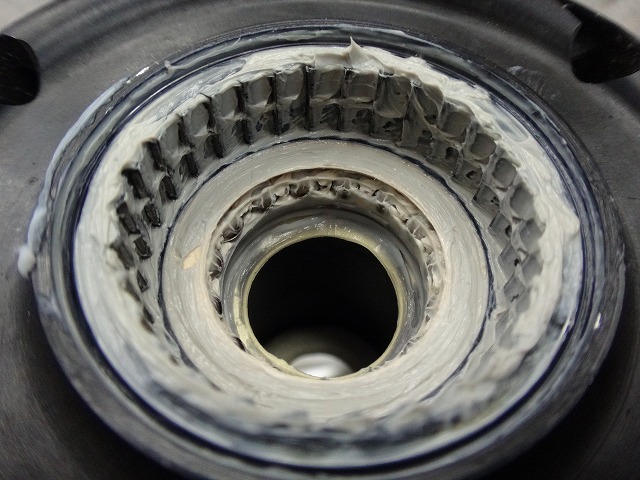
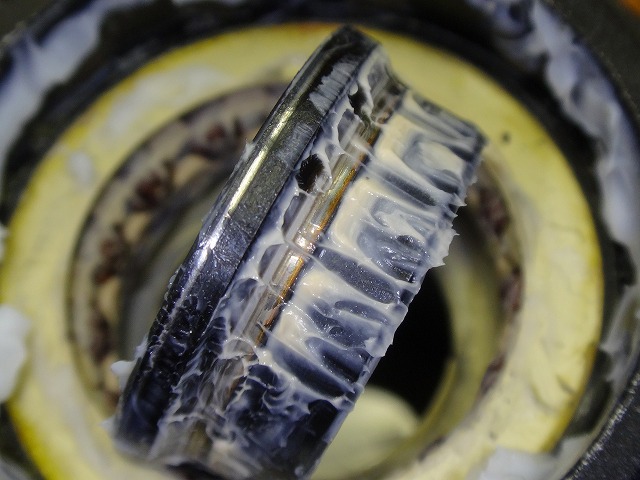
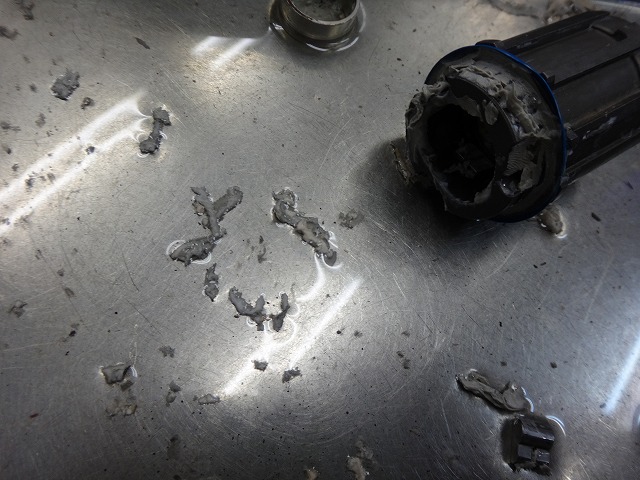
There's still grease around the ratchet area, but
it was bothering me so much that I asked the customer about it.
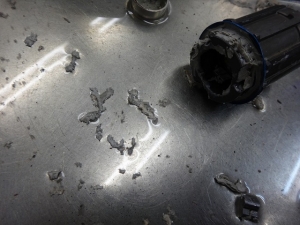
This clay-like grease that even parts cleaner won't easily dissolve—
I asked the customer what it is and where it came from.
I won't write it here, but it's not suitable for the inside of a hub.
It's perfect for stem bolts, seat clamp bolts, and bottle cage mounting bolts.

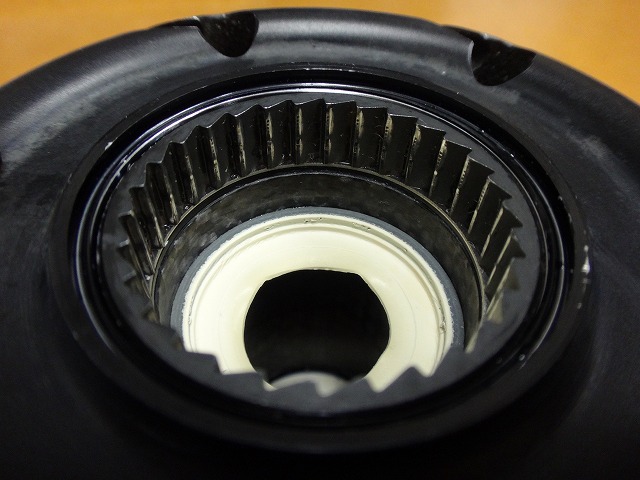
It was a struggle cleaning the ratchet area.
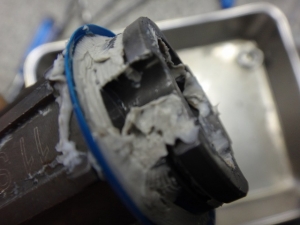
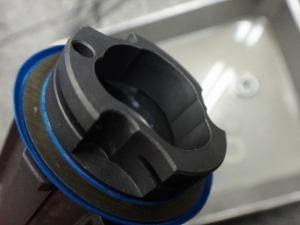
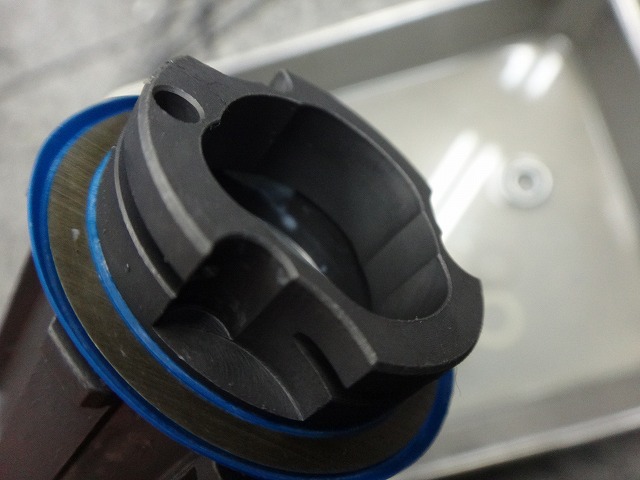
The freebody side was so caked with grease that
the pawls wouldn't spring up properly, so I cleaned that too.
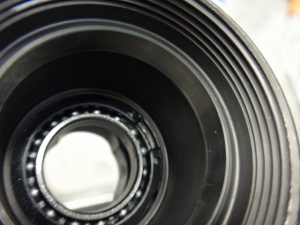
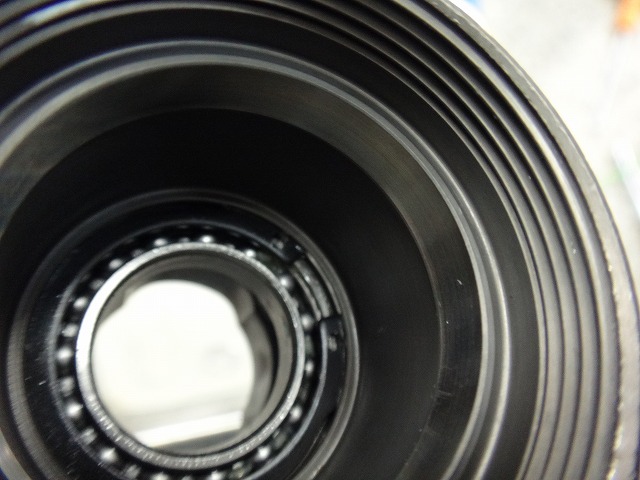
I replaced the outer bearing on the freebody side too.
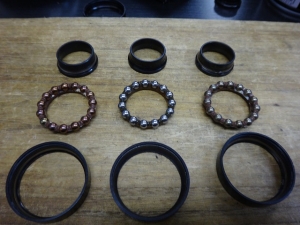
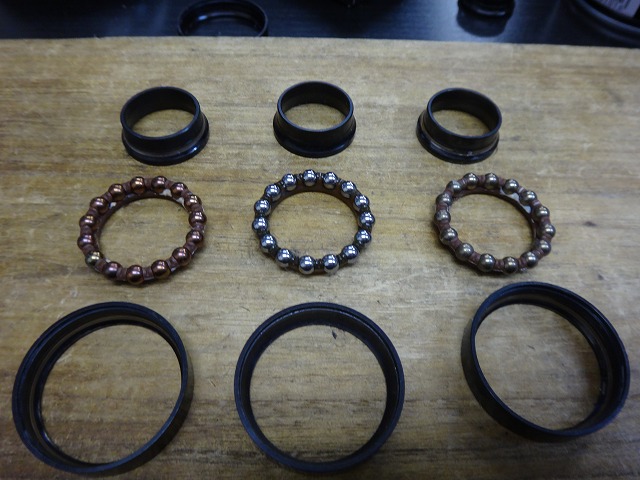
↑Regarding the ball races in the image:
Left is non-freebody side, middle is new, right is freebody side.
The non-freebody side is copper-colored and completely shot,
the freebody side is cloudier than new.
If both sides had been in the condition of the freebody side,
I might have just done a grease-up.
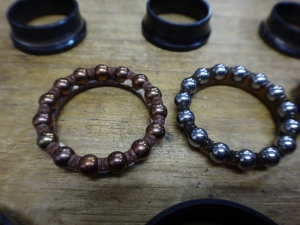
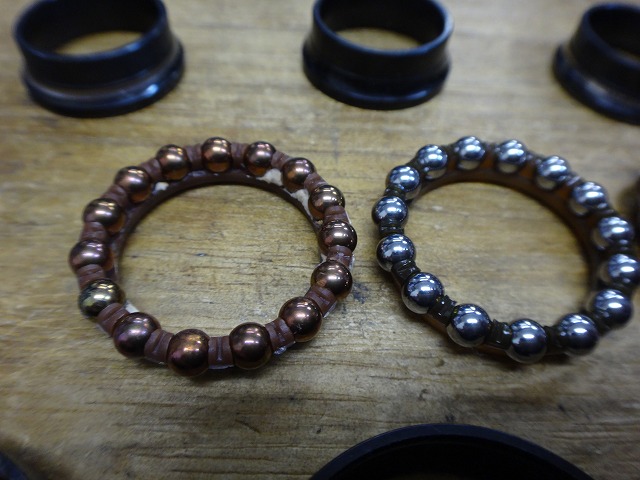
↑In this image of the non-freebody side bearing,
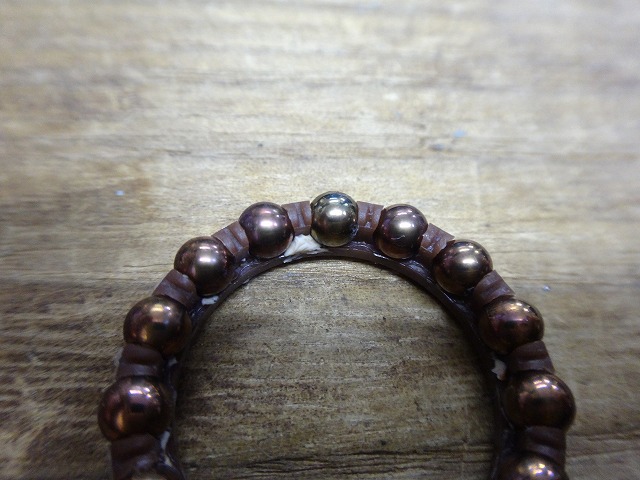
there's one ball at about the 8 o'clock position with a different color.
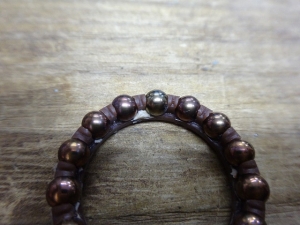
↑In this image it's straight up.
I considered whether it might have been mixed up with the freebody side
during some past service, but the freebody side bearing has uniform cloudiness, so that's probably not it.
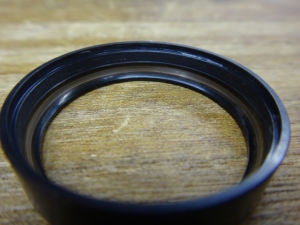
I'll write about another spoke rebuild in the near future, but
when the hub rotation has an eccentric, binding feel to it,
sometimes pressing the ball race tool straight in again—hard!—
noticeably lightens the feel.
This likely happens because the ball race wasn't fully pressed straight home
during manufacturing or bearing replacement.
This rear wheel had that kind of feel.
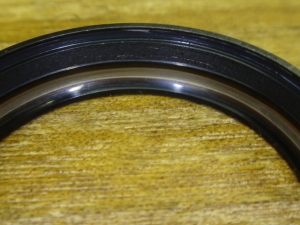
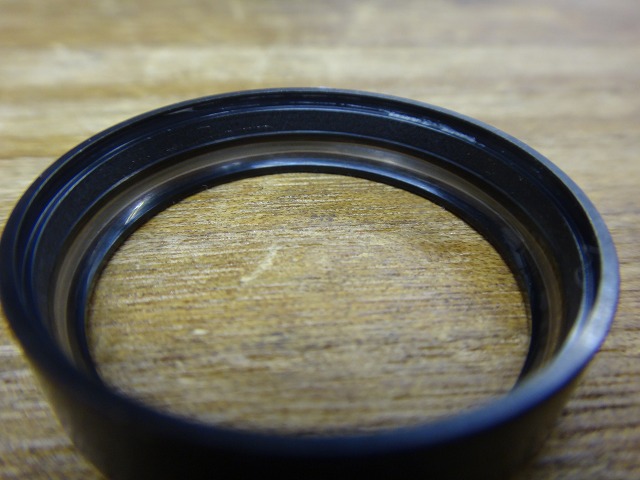
Looking closely at the wear marks on the non-freebody side ball race,
there's no spalling, but
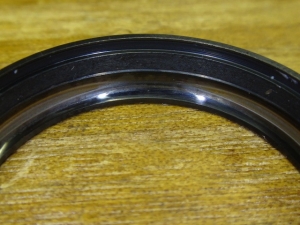
↑there are places where the wear track is interrupted.
I don't think this is unrelated to the fact that the non-freebody side ball
showed particularly severe wear.
It doesn't seem related to the single ball with different color.
The positional relationship between the ball race and balls isn't fixed.
(Though for headset bearings it would be possible.)
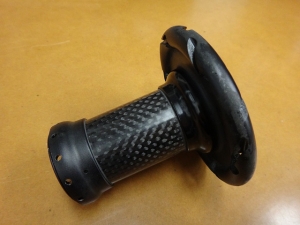
Now I'll assemble the hub with the new bearing set.
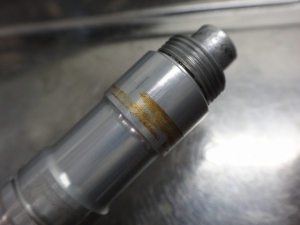
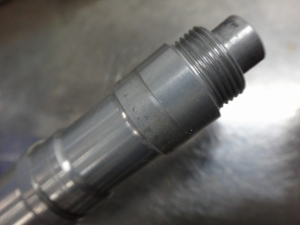
I removed the rust from the axle.
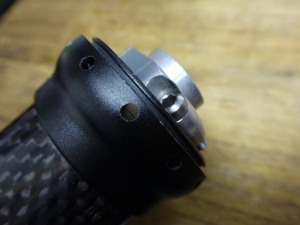
Once assembled to this point, I can't thread the spokes, but
let me check the rotation first. Oh, nice and smooth.
But as I always say, the ball races are new, so
the "break-in" from riding hasn't happened yet.
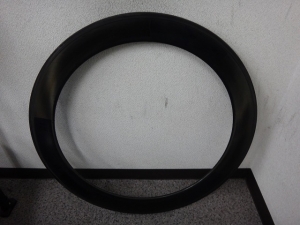
Before the rebuild, it was equivalent to a black CX-RAY Zenzero build,
but since the Neutron has equal spoke counts on both sides, I thought about changing
the freebody-side spokes to make it semi-Comp or semi-Champ equivalent.
I wouldn't do this if it were a Fulcrum hub with 2:1 spoke count.
Because if it's 2:1 spoke count with an ultra-high/low flange,
and you use extreme left-right spoke diameter differences,
the non-freebody spokes might blow out.
So I tried building it twice with thicker freebody-side spokes,
but in the end I just used the original spokes.
There are various reasons, but I won't write them down.
However, the tension is tighter than before the rebuild.
But even with an ultra-high/low flange, you don't get that crisp feel
with radial lacing on the non-freebody side. Hmm...
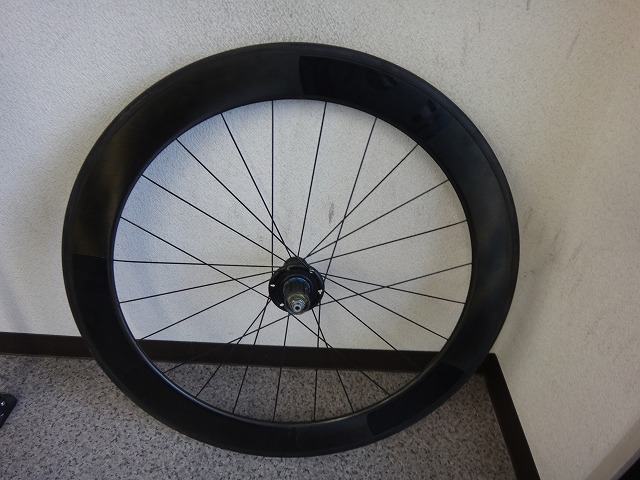
It's built.
By the way, before the rebuild, the centering was dead-on with barely any runout.

The difference is that the hub internals are clean now, and the
spoke tension has increased compared to before the rebuild.
The freebody side tensioned quite high,
but the non-freebody side doesn't follow as readily.

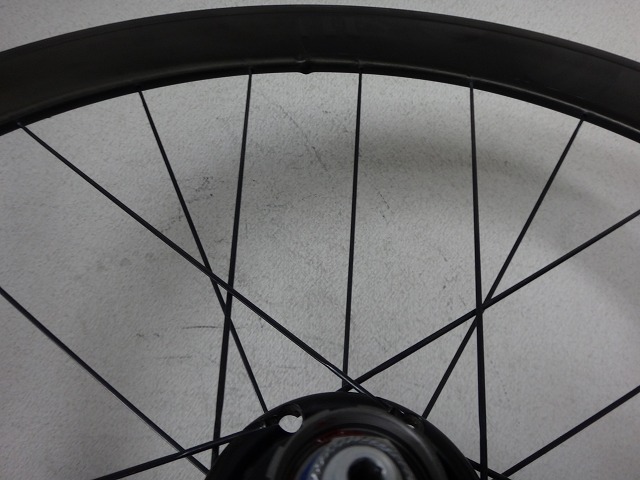
Campagnolo rear hubs with equal spoke counts—starting with the Neutron—
have reverse hole drilling.
If the non-freebody side were built in tangential lacing,
and you build a normal rim with a reverse-hole rear hub,
the valve hole positioning would be weird, but
if either side is radial, you can choose hole patterns
with standard-thread spokes.
The ENVE rim didn't appear to have a hole pattern, so
I treated it as a normal rim and built it.
Before the rebuild it was also built as a normal rim.
This rim has "1-65" printed on the outer diameter (tire-mounting surface) too, so
it's definitely an ENVE 1-65 tubular rim.
The 1-65 from the EDGE era that I own
(the rim marking says 68, but it's the same) weighs 378g measured.
ENVE rims have been getting heavier year over year,
and recently even the 1-45 tubulars are barely over 300g.
It's unthinkable that an ENVE 1-65 would be lighter than an EDGE 1-65.
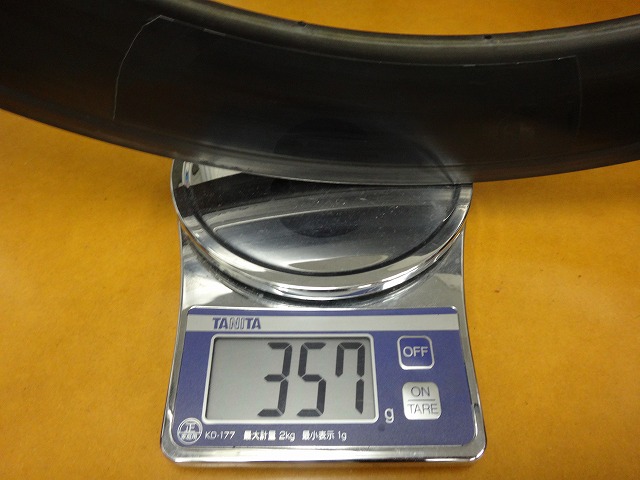
But when I weighed this rim, it was the lightest 1-65 I'd ever seen.
I won't write the actual weight.
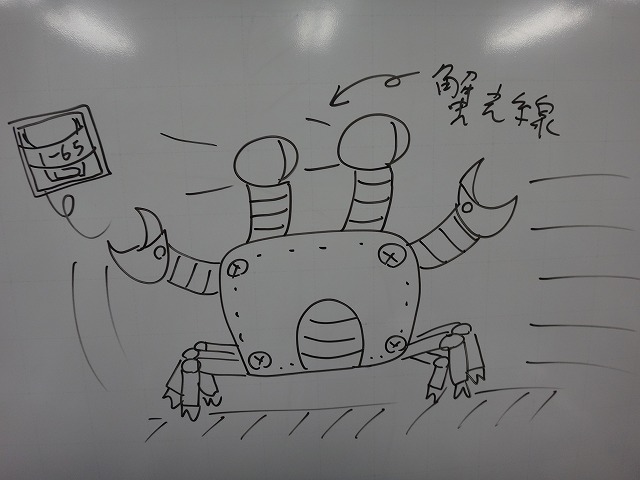
Who's gonna write this thing, idiot ← wow this guy's got bad vibes
Hold up!
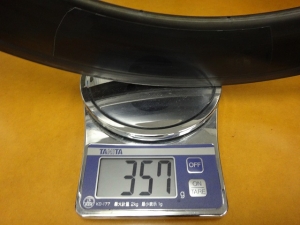
↑Stop that!
I received a rear wheel with an ENVE 1-65 rim from a customer.
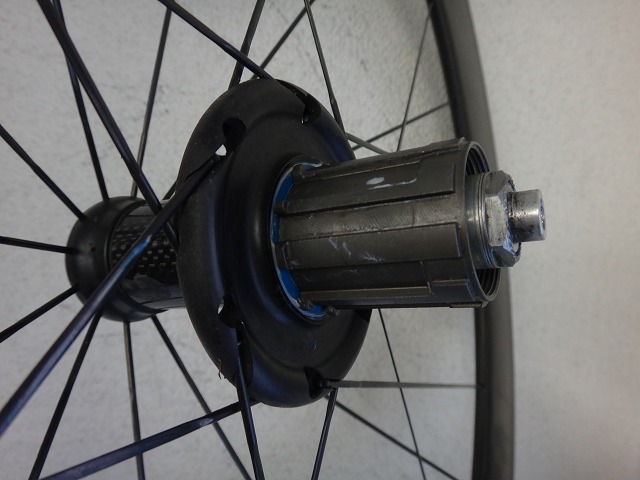
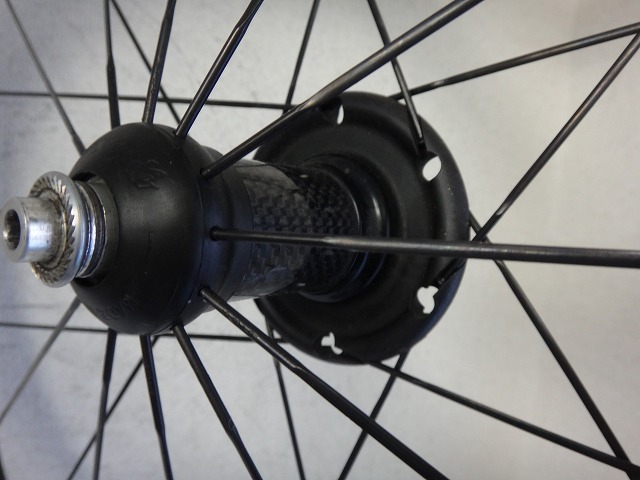
↑The hub is a Campagnolo Neutron Ultra,
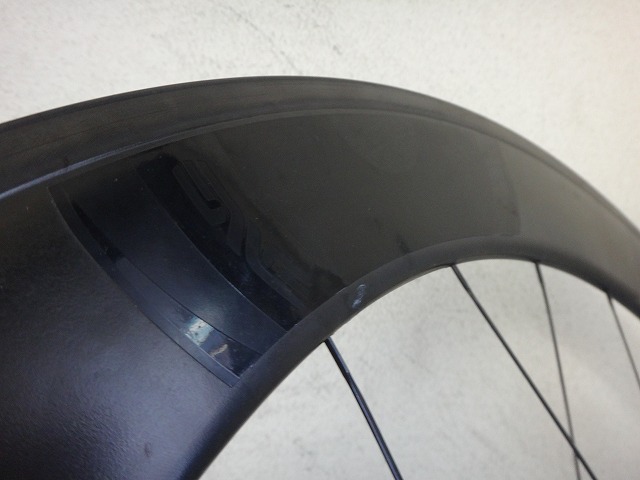
↑And the rim is a 1-65 with the ENVE logo embedded within the PowerTap logo.
It's a rim from a PowerTap complete wheelset.
This one appears to have been rebuilt later.
The customer said it feels "sluggish," so they want to see if we can do something about that,
and they're requesting a hub overhaul.
Regarding the hub, they said "if necessary, please replace the bearings," so
the customer was probably already aware of the issue,
and there was definitely a dull quality to the rotation.
I wrote "another day, another wheel" at the beginning,
but initially I wasn't necessarily planning to do a complete rebuild.
First, I removed the freebody.
From the rust discoloration on the axle, it looks like
the outer bearing in the freebody is likely rusty.
The bearing on the freebody side.
Both the ratchet area and the hub bearing
have the same grease applied.
The bearing isn't damaged too badly.

The bearing on the non-freebody side.
It's rusty.
Plus there's grease in places where it shouldn't be.
Rust has spread to the ball race too.
At minimum, the non-freebody side bearing needs to be replaced entirely,
but the annoying part is that you can't remove the ball race on the non-freebody side
without taking out all the spokes.
The freebody side bearing also showed wear compared to a new one, so
I decided to replace the bearings on both sides.
Technically the freebody-side spokes don't necessarily need to be removed,
but for other reasons, I completely disassembled it.
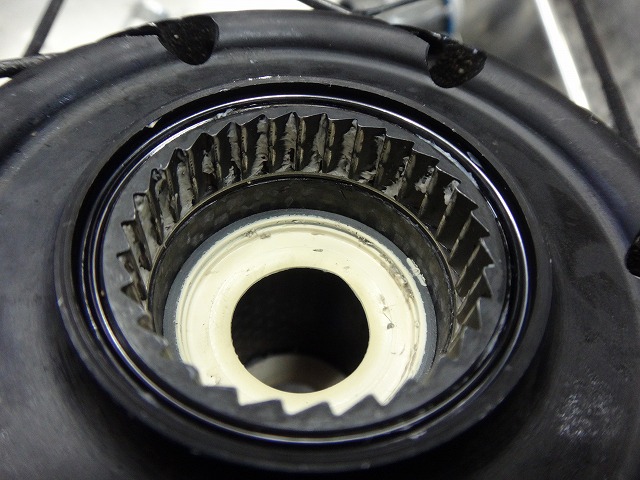
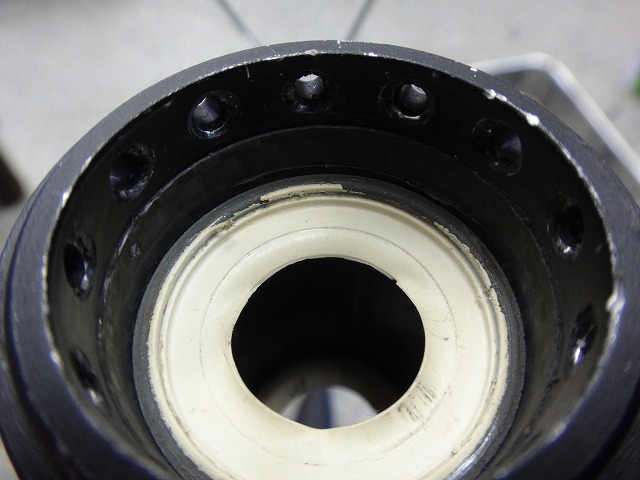
I removed the ball races.
In the top image, the freebody-side spokes are still assembled.
There's still grease around the ratchet area, but
it was bothering me so much that I asked the customer about it.
This clay-like grease that even parts cleaner won't easily dissolve—
I asked the customer what it is and where it came from.
I won't write it here, but it's not suitable for the inside of a hub.
It's perfect for stem bolts, seat clamp bolts, and bottle cage mounting bolts.
It was a struggle cleaning the ratchet area.

The freebody side was so caked with grease that
the pawls wouldn't spring up properly, so I cleaned that too.
I replaced the outer bearing on the freebody side too.
↑Regarding the ball races in the image:
Left is non-freebody side, middle is new, right is freebody side.
The non-freebody side is copper-colored and completely shot,
the freebody side is cloudier than new.
If both sides had been in the condition of the freebody side,
I might have just done a grease-up.
↑In this image of the non-freebody side bearing,
there's one ball at about the 8 o'clock position with a different color.
↑In this image it's straight up.
I considered whether it might have been mixed up with the freebody side
during some past service, but the freebody side bearing has uniform cloudiness, so that's probably not it.
I'll write about another spoke rebuild in the near future, but
when the hub rotation has an eccentric, binding feel to it,
sometimes pressing the ball race tool straight in again—hard!—
noticeably lightens the feel.
This likely happens because the ball race wasn't fully pressed straight home
during manufacturing or bearing replacement.
This rear wheel had that kind of feel.
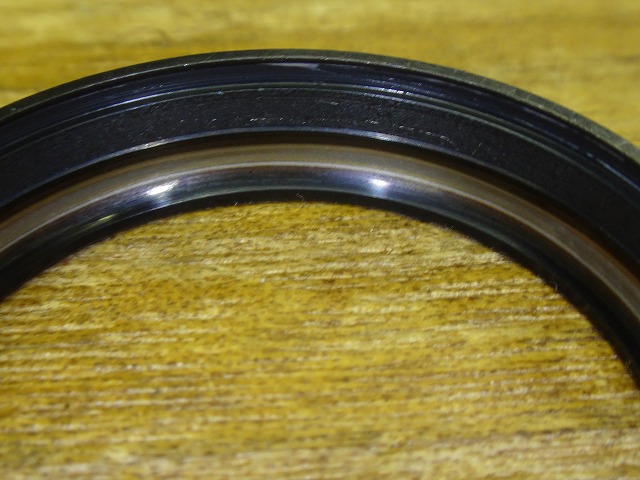
Looking closely at the wear marks on the non-freebody side ball race,
there's no spalling, but

↑there are places where the wear track is interrupted.
I don't think this is unrelated to the fact that the non-freebody side ball
showed particularly severe wear.
It doesn't seem related to the single ball with different color.
The positional relationship between the ball race and balls isn't fixed.
(Though for headset bearings it would be possible.)
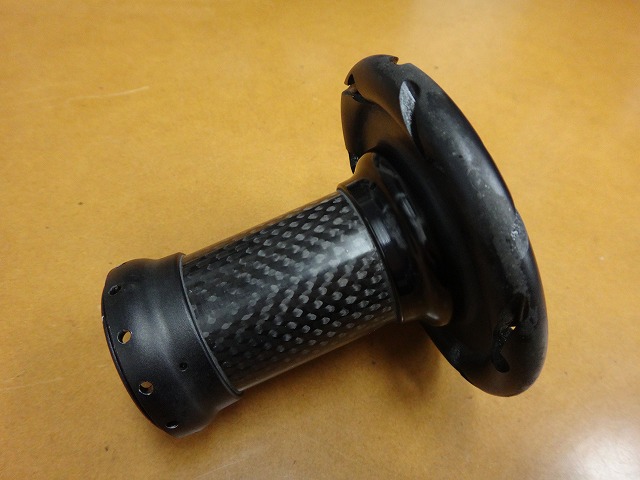
Now I'll assemble the hub with the new bearing set.
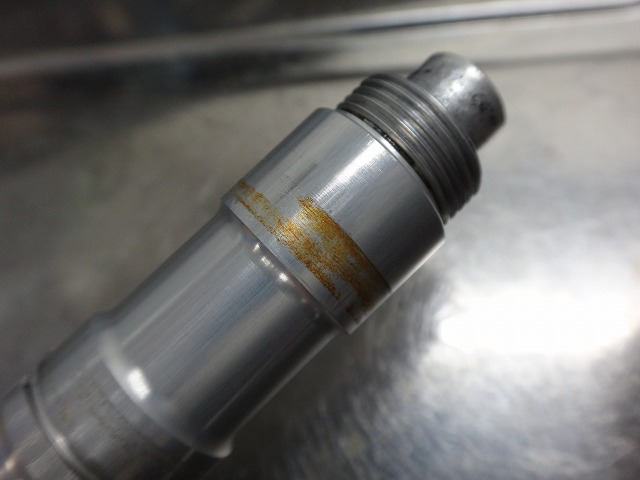
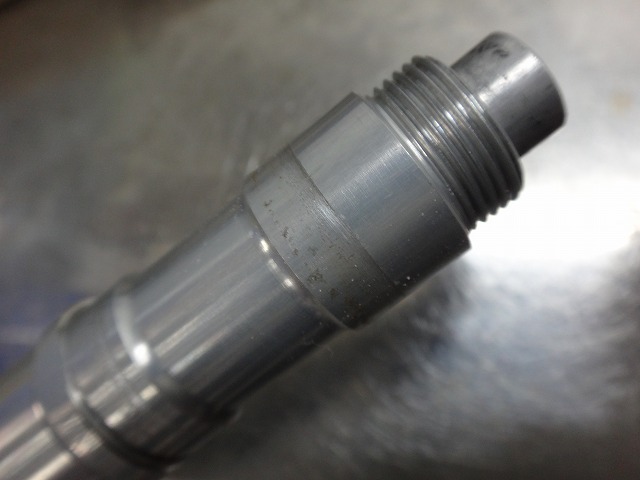
I removed the rust from the axle.
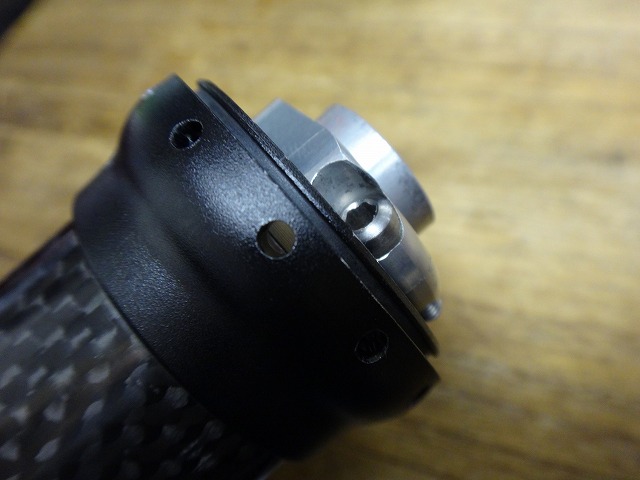
Once assembled to this point, I can't thread the spokes, but
let me check the rotation first. Oh, nice and smooth.
But as I always say, the ball races are new, so
the "break-in" from riding hasn't happened yet.
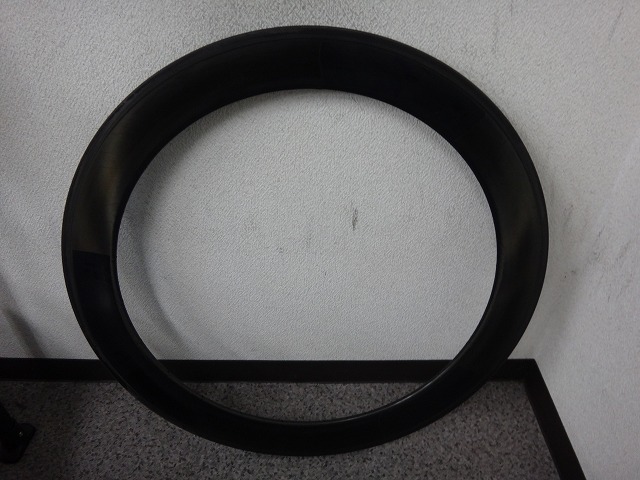
Before the rebuild, it was equivalent to a black CX-RAY Zenzero build,
but since the Neutron has equal spoke counts on both sides, I thought about changing
the freebody-side spokes to make it semi-Comp or semi-Champ equivalent.
I wouldn't do this if it were a Fulcrum hub with 2:1 spoke count.
Because if it's 2:1 spoke count with an ultra-high/low flange,
and you use extreme left-right spoke diameter differences,
the non-freebody spokes might blow out.
So I tried building it twice with thicker freebody-side spokes,
but in the end I just used the original spokes.
There are various reasons, but I won't write them down.
However, the tension is tighter than before the rebuild.
But even with an ultra-high/low flange, you don't get that crisp feel
with radial lacing on the non-freebody side. Hmm...
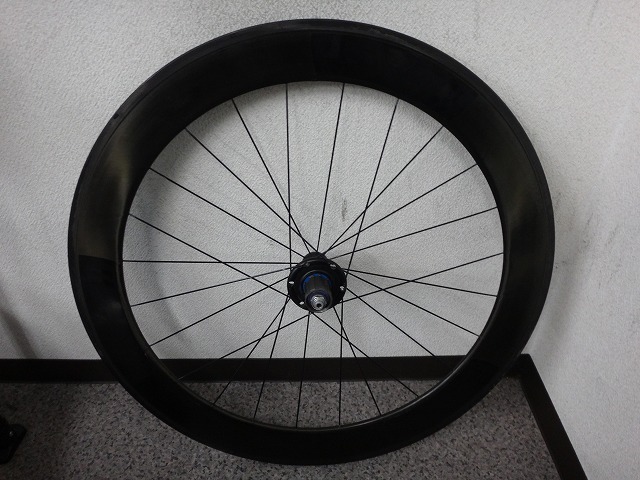
It's built.
By the way, before the rebuild, the centering was dead-on with barely any runout.
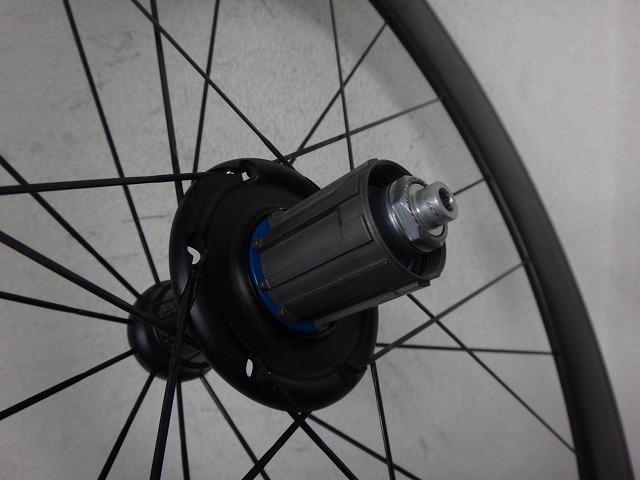
The difference is that the hub internals are clean now, and the
spoke tension has increased compared to before the rebuild.
The freebody side tensioned quite high,
but the non-freebody side doesn't follow as readily.
Campagnolo rear hubs with equal spoke counts—starting with the Neutron—
have reverse hole drilling.
If the non-freebody side were built in tangential lacing,
and you build a normal rim with a reverse-hole rear hub,
the valve hole positioning would be weird, but
if either side is radial, you can choose hole patterns
with standard-thread spokes.
The ENVE rim didn't appear to have a hole pattern, so
I treated it as a normal rim and built it.
Before the rebuild it was also built as a normal rim.
This rim has "1-65" printed on the outer diameter (tire-mounting surface) too, so
it's definitely an ENVE 1-65 tubular rim.
The 1-65 from the EDGE era that I own
(the rim marking says 68, but it's the same) weighs 378g measured.
ENVE rims have been getting heavier year over year,
and recently even the 1-45 tubulars are barely over 300g.
It's unthinkable that an ENVE 1-65 would be lighter than an EDGE 1-65.
But when I weighed this rim, it was the lightest 1-65 I'd ever seen.
I won't write the actual weight.
Who's gonna write this thing, idiot ← wow this guy's got bad vibes
Hold up!
↑Stop that!