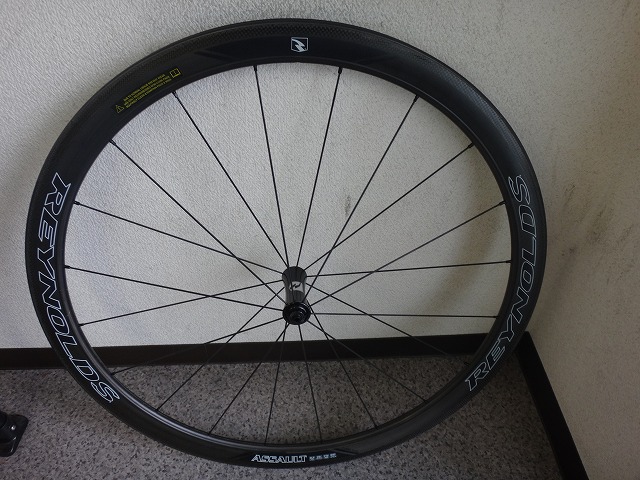
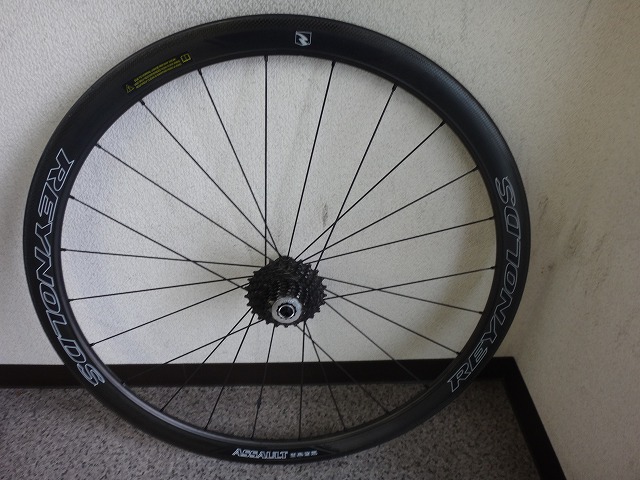
I received a Reynolds Assault wheelset from a customer.
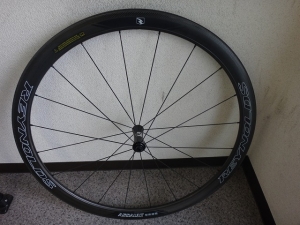
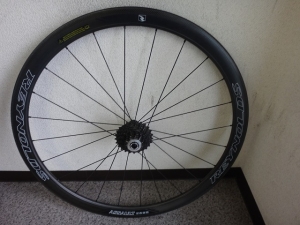
The Assault is a pre-built wheelset with 41mm high-profile carbon rims.
They come in two types: tubular and tubeless,
but this one I received is the tubeless version with dedicated rim tape.
The front wheel is perfectly centered, and the rear wheel is only very slightly off,
but there are essentially no issues.
Since the rim was drifted toward the freewheel side,
I did the truing mostly just by tightening the non-freewheel side spokes.
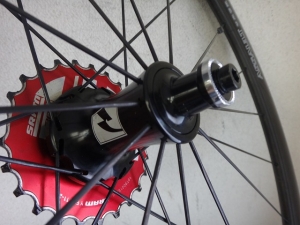
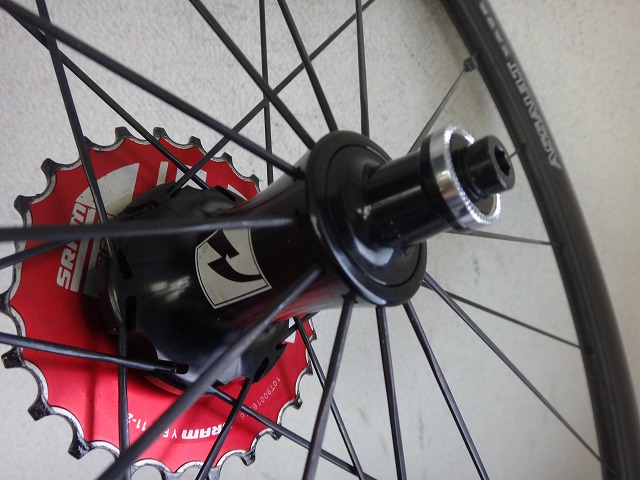
The rear hub is a bit loose on the non-freewheel side, which is radially spoked—
setting aside any preconceived notions about that,
it's somewhat slack.
But the freewheel side is so tight that the nipples won't turn at all,
so with the rim centered, this is effectively the maximum tension possible.
If only Reynolds had used different spoke gauges on left and right like they used to,
I think the non-freewheel side would be tighter... but that's wishful thinking.
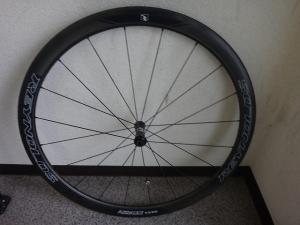
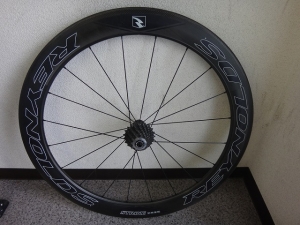
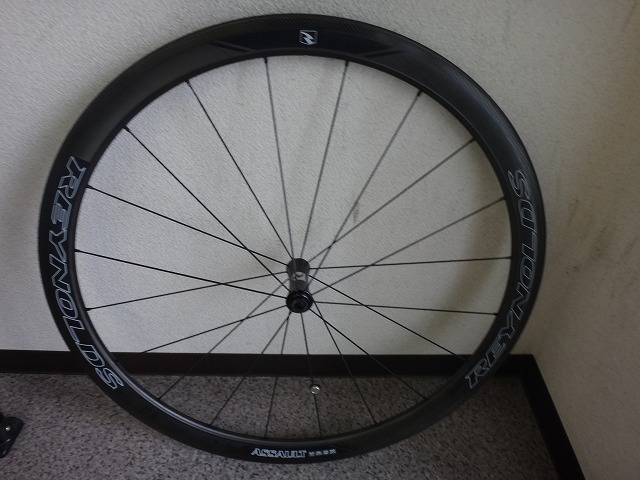
Next, I received an Assault/Strike wheelset from another customer.
The Strike is a 62mm high-profile carbon rim tubeless wheelset, but
in addition to the Strike front-rear matched pair,
Reynolds also offers a set pairing the Assault front wheel with a Strike rear wheel.
In this case, the Strike is only available in tubeless specification,
so the front wheel is also tubeless.
These are different customers from the first one, but they came in together as friends, so I've combined the write-up.
The front wheel is perfectly centered with absolutely no runout,
like it was just fresh off the assembly line.
The rear wheel has only a slight lateral deviation from that perfect state.
Both the earlier Assault and this Assault/Strike
were said to have been "inspected" at another shop before being handed over,
and they were genuinely well-maintained.
The misalignment on the Assault/Assault rear wheel is nitpicky at best.
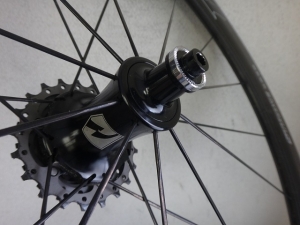
Due to the high rim profile,
spoke deflection is less on the Strike.
This isn't because the spoke tension is higher.
Unrelated to the wheels themselves,
but it's nice to see such obviously low spoke tooth counts on the sprockets.
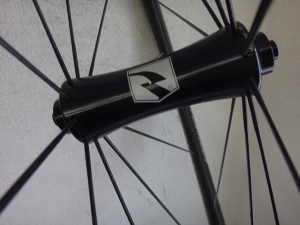
The front hub has ultra-wide flanges.
This is well-executed.
Also, the fact that Reynolds' rims are well-designed enough to handle this spoke tension is excellent.
The rear wheel isn't obviously loose—it's just that the non-freewheel side tension doesn't track as well with the freewheel side tension,
and the freewheel side has abnormally high tension.
It's a matter of large left-right differences.
It's true that using tangential lacing on the non-freewheel side would make it tighter.
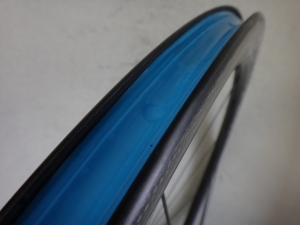
Even though it's called tubeless, it's not like the rim perimeter is hole-free—
it's converted to tubeless with dedicated rim tape,
what you'd call "tubeless ready."
Tubeless-ready rims have bead hooks, but the rim tape covers them up,
so I wondered if that cut the effectiveness in half.
But with these Reynolds rims, whether it's because the rim tape is thin
or the hook is tall, I can't say—
when you inflate them, there's a "snap!" sound just like true tubeless rims.
The bead hook is clearly doing its job.
Though both customers are actually running them as tubed clinchers.

↑I was planning to write this as a separate article,
so I had planned to add a caption saying
"This Assault is a different case from the one in the previous article"
The Assault is a pre-built wheelset with 41mm high-profile carbon rims.
They come in two types: tubular and tubeless,
but this one I received is the tubeless version with dedicated rim tape.
The front wheel is perfectly centered, and the rear wheel is only very slightly off,
but there are essentially no issues.
Since the rim was drifted toward the freewheel side,
I did the truing mostly just by tightening the non-freewheel side spokes.
The rear hub is a bit loose on the non-freewheel side, which is radially spoked—
setting aside any preconceived notions about that,
it's somewhat slack.
But the freewheel side is so tight that the nipples won't turn at all,
so with the rim centered, this is effectively the maximum tension possible.
If only Reynolds had used different spoke gauges on left and right like they used to,
I think the non-freewheel side would be tighter... but that's wishful thinking.
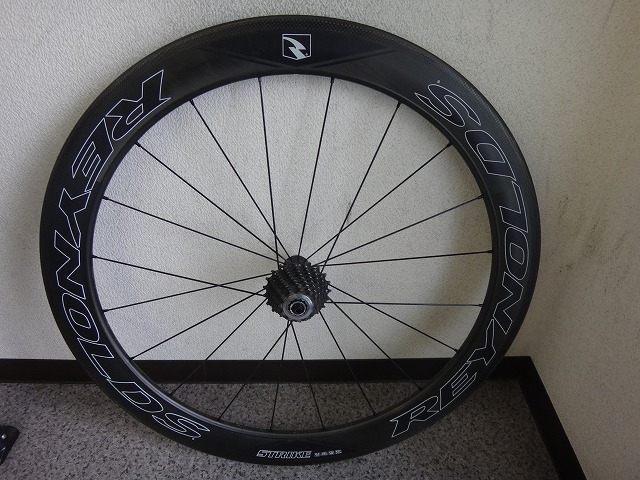
Next, I received an Assault/Strike wheelset from another customer.
The Strike is a 62mm high-profile carbon rim tubeless wheelset, but
in addition to the Strike front-rear matched pair,
Reynolds also offers a set pairing the Assault front wheel with a Strike rear wheel.
In this case, the Strike is only available in tubeless specification,
so the front wheel is also tubeless.
These are different customers from the first one, but they came in together as friends, so I've combined the write-up.
The front wheel is perfectly centered with absolutely no runout,
like it was just fresh off the assembly line.
The rear wheel has only a slight lateral deviation from that perfect state.
Both the earlier Assault and this Assault/Strike
were said to have been "inspected" at another shop before being handed over,
and they were genuinely well-maintained.
The misalignment on the Assault/Assault rear wheel is nitpicky at best.
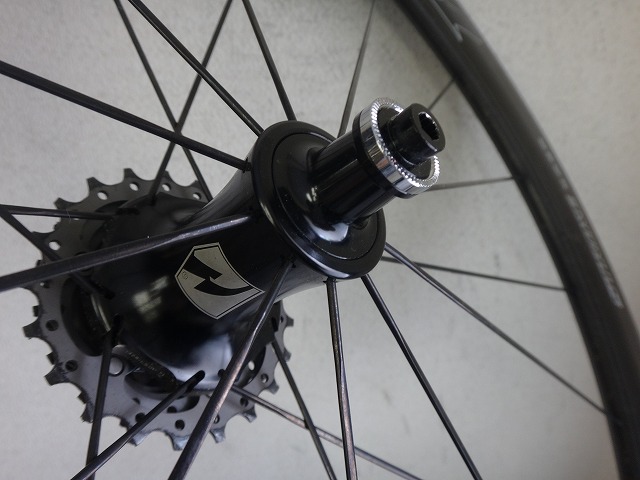
Due to the high rim profile,
spoke deflection is less on the Strike.
This isn't because the spoke tension is higher.
Unrelated to the wheels themselves,
but it's nice to see such obviously low spoke tooth counts on the sprockets.
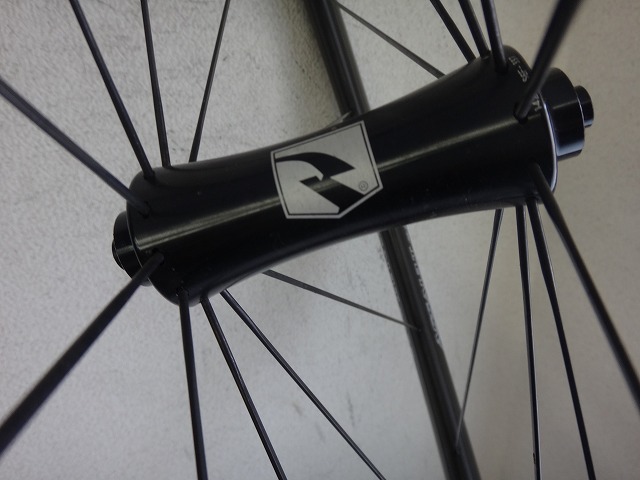
The front hub has ultra-wide flanges.
This is well-executed.
Also, the fact that Reynolds' rims are well-designed enough to handle this spoke tension is excellent.
The rear wheel isn't obviously loose—it's just that the non-freewheel side tension doesn't track as well with the freewheel side tension,
and the freewheel side has abnormally high tension.
It's a matter of large left-right differences.
It's true that using tangential lacing on the non-freewheel side would make it tighter.
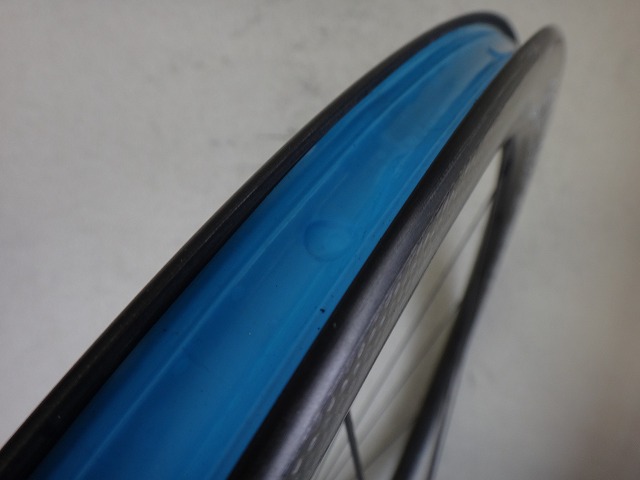
Even though it's called tubeless, it's not like the rim perimeter is hole-free—
it's converted to tubeless with dedicated rim tape,
what you'd call "tubeless ready."
Tubeless-ready rims have bead hooks, but the rim tape covers them up,
so I wondered if that cut the effectiveness in half.
But with these Reynolds rims, whether it's because the rim tape is thin
or the hook is tall, I can't say—
when you inflate them, there's a "snap!" sound just like true tubeless rims.
The bead hook is clearly doing its job.
Though both customers are actually running them as tubed clinchers.
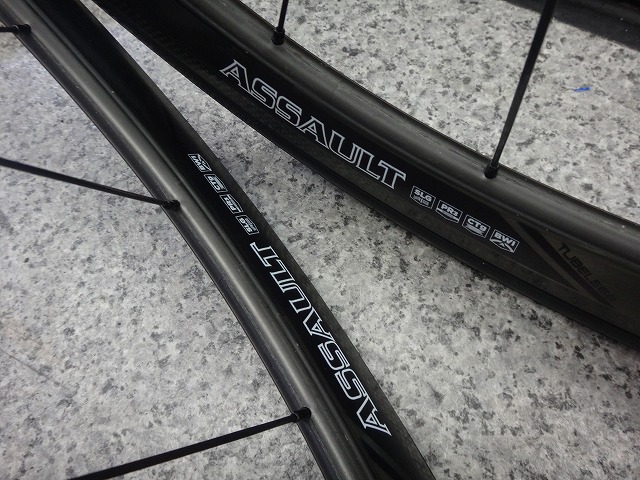
↑I was planning to write this as a separate article,
so I had planned to add a caption saying
"This Assault is a different case from the one in the previous article"