A customer dropped off an R-SYS for me to work on.
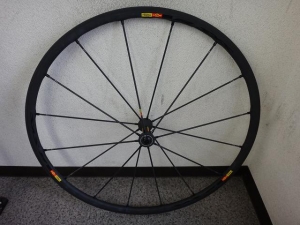
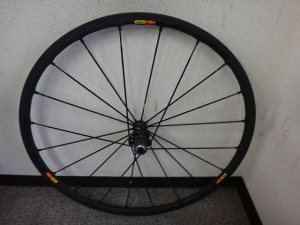
They wanted an inspection.
It's been used a bit, but it's basically brand new.
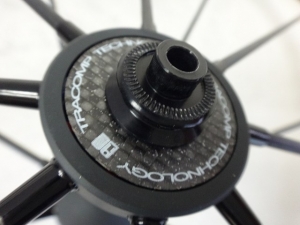
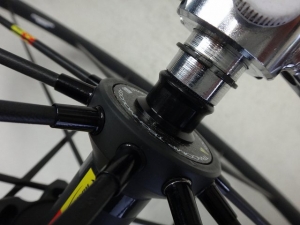
The original R-SYS SL was first, but the R-SYS, which aimed for lightness at every gram, has press-fit hub ends, so you can't adjust the bearing cone contact.
The way to tell if it's press-fit is simple—on the dust seal section, there's no mechanism to grip 4 out of 6 holes with a special cone wrench, and if the edge of the shaft hole isn't a 5mm hex socket hole, then it's press-fit.
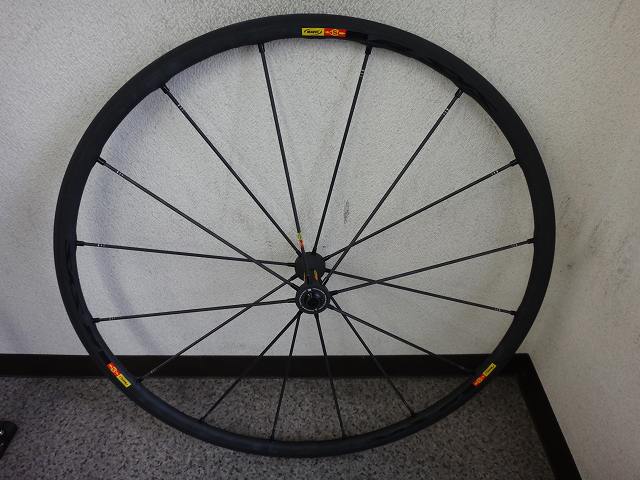
The front wheel was perfectly centered with virtually no wobble.
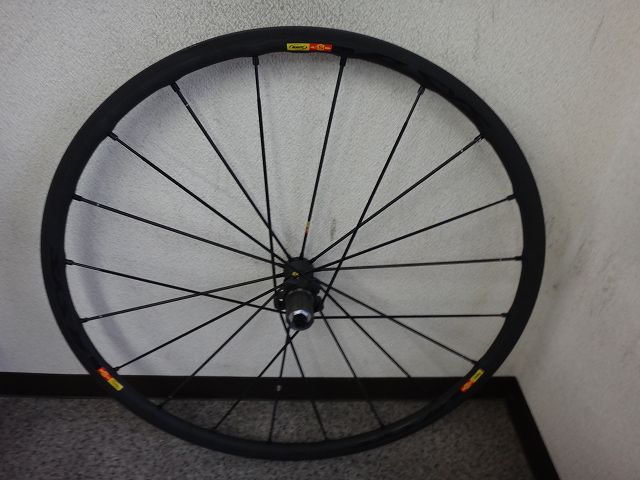
The rear wheel though...

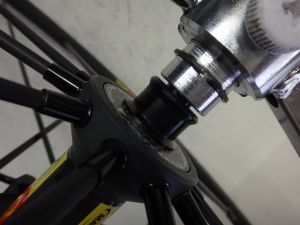
The rim was pulled quite far toward the non-driveside.
Since it's pulled toward the non-driveside, I thought I might be able to center it and eliminate lateral runout just by tightening up the aluminum spokes on the driveside—that way I could avoid removing the freehub.
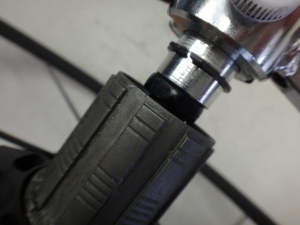
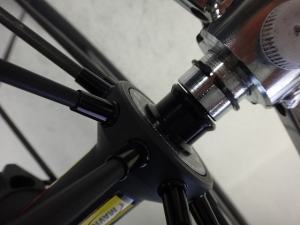
But that didn't work out.
I got it down to about half the original offset, but since this particular wheel was already biased toward the driveside, I couldn't tighten it any further.
(It's not impossible, but considering the wheel's lifespan and future truing margin, it's practically the limit.)
This meant I had to back off the non-driveside spokes slightly.
On the R-SYS, the non-driveside is set up so that even slight spoke nipple rotation moves the rim's lateral position quite a bit, so I didn't have to loosen it all the way.
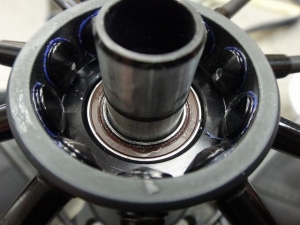
In the end, I had to remove the freehub anyway.
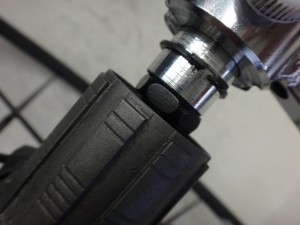
After adjustment, it's spot on.
They wanted an inspection.
It's been used a bit, but it's basically brand new.
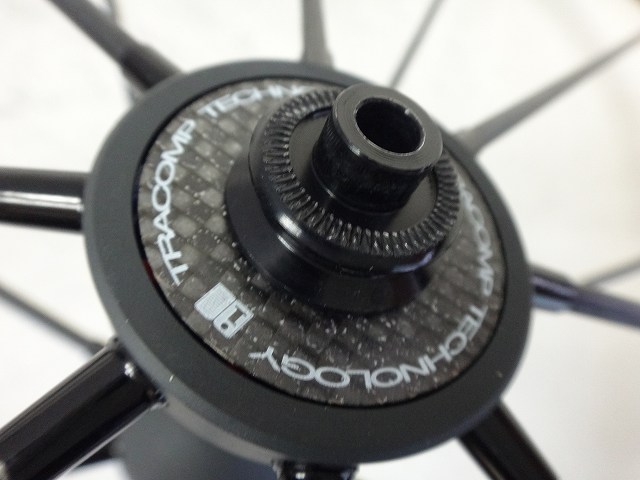
The original R-SYS SL was first, but the R-SYS, which aimed for lightness at every gram, has press-fit hub ends, so you can't adjust the bearing cone contact.
The way to tell if it's press-fit is simple—on the dust seal section, there's no mechanism to grip 4 out of 6 holes with a special cone wrench, and if the edge of the shaft hole isn't a 5mm hex socket hole, then it's press-fit.
The front wheel was perfectly centered with virtually no wobble.
The rear wheel though...
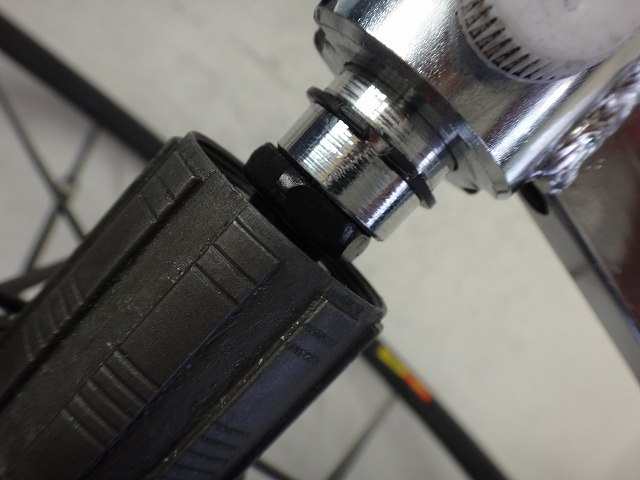

The rim was pulled quite far toward the non-driveside.
Since it's pulled toward the non-driveside, I thought I might be able to center it and eliminate lateral runout just by tightening up the aluminum spokes on the driveside—that way I could avoid removing the freehub.

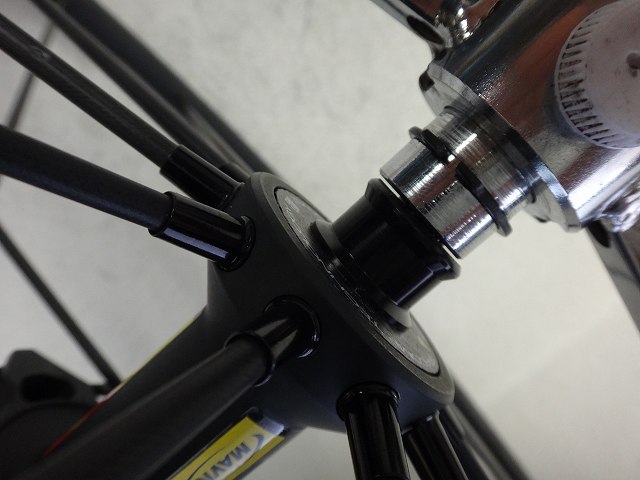
But that didn't work out.
I got it down to about half the original offset, but since this particular wheel was already biased toward the driveside, I couldn't tighten it any further.
(It's not impossible, but considering the wheel's lifespan and future truing margin, it's practically the limit.)
This meant I had to back off the non-driveside spokes slightly.
On the R-SYS, the non-driveside is set up so that even slight spoke nipple rotation moves the rim's lateral position quite a bit, so I didn't have to loosen it all the way.
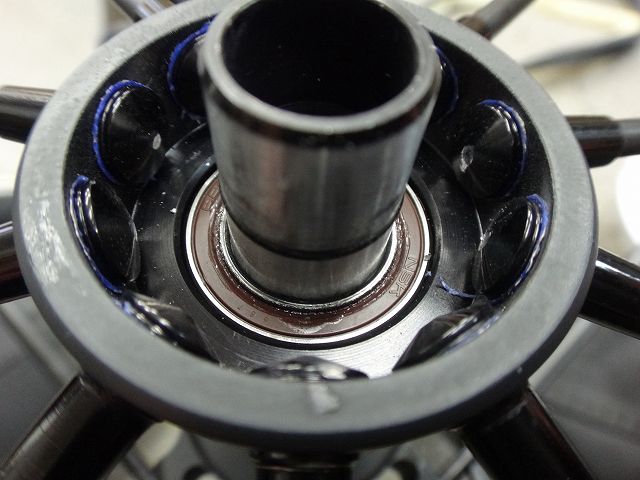
In the end, I had to remove the freehub anyway.

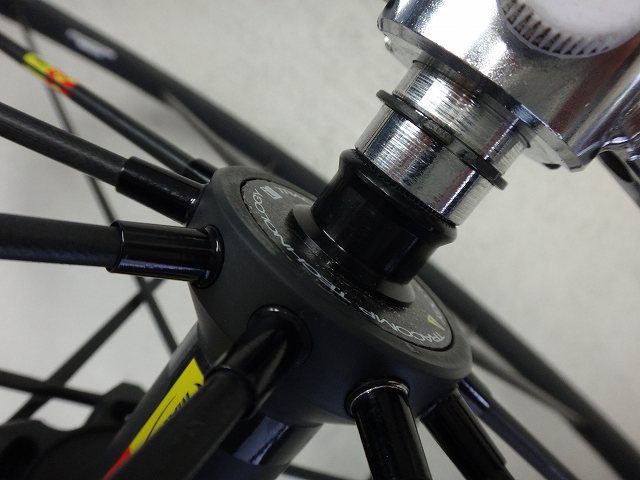
After adjustment, it's spot on.