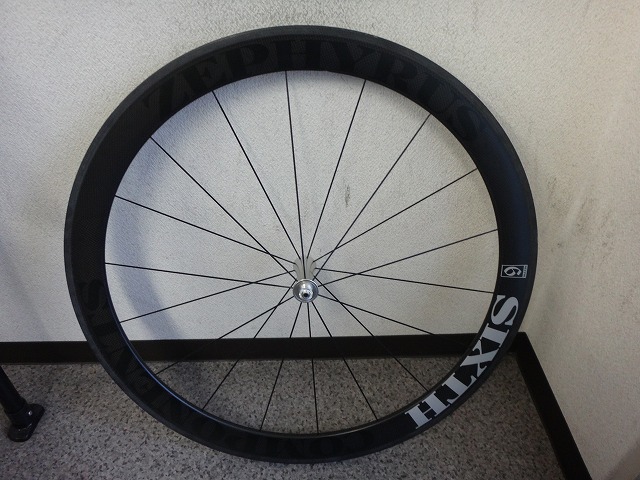
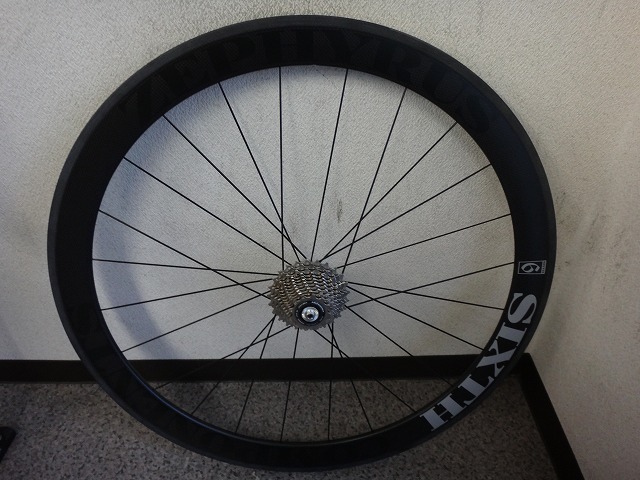
A customer left me a wheel called Zephyros from a brand called Sixth Components (a wheel brand) for work.
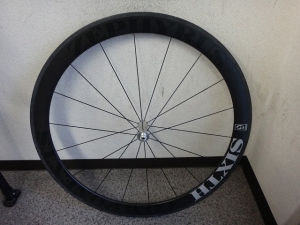

I wrote an excuse in the previous post, but
I took this photo on August 9th.
Both front and rear wheels had virtually no runout,
but the rear wheel's center was seriously misaligned.
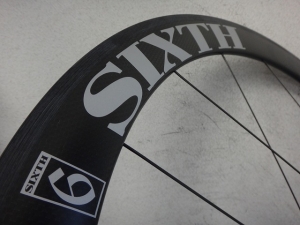
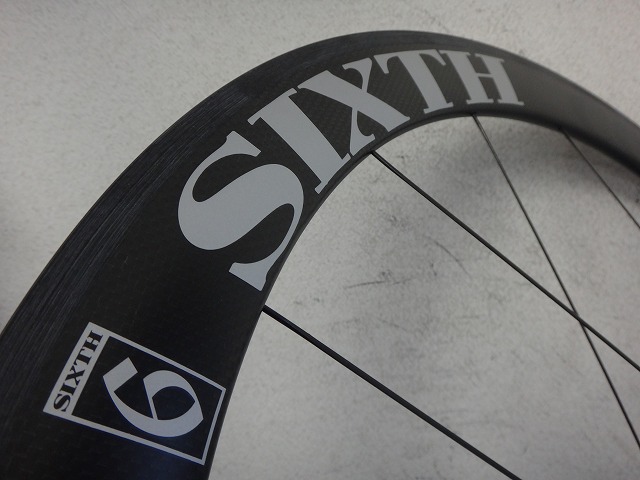
Sixth
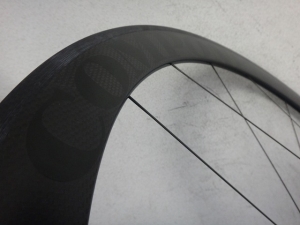
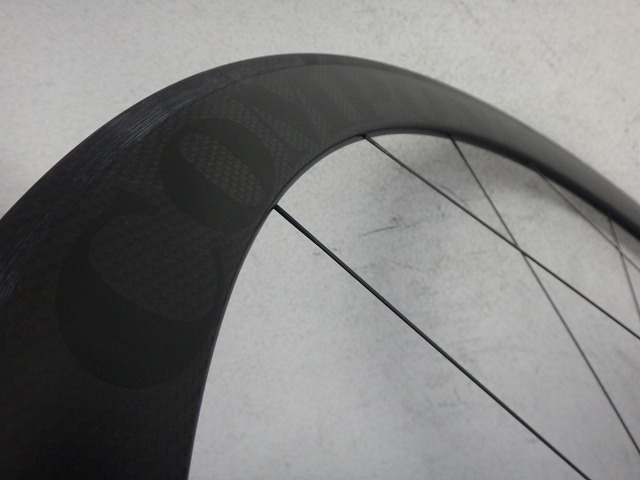
Components
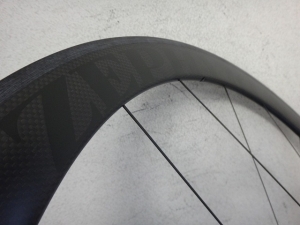
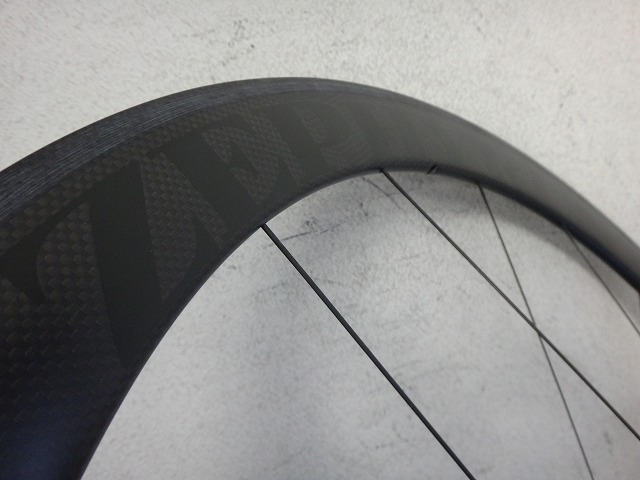
Zephyros
—it says, but you can't see the black parts at first glance.
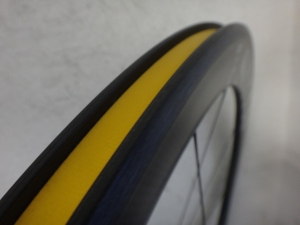
The customer wanted a carbon WO rim wheel,
so apparently he tried buying this one. The rim does look pretty good.
(If I put it in brackets saying "the rim really does look good,"
it sounds snarky, so I just wrote it straight. But writing something like
this makes it snarky anyway)
As for buckling resistance, spoke tension durability, brake heat dissipation, and such,
I can't say anything definitive yet, but it doesn't look weak.
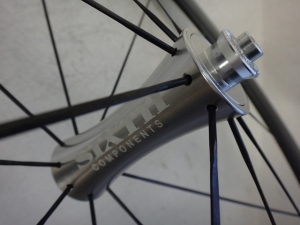
The front hub has a wide flange width.
If the wheel's selling point is aero, then having spokes protrude widely seems questionable,
but considering lateral stiffness,
I think the wide flange approach is better overall.
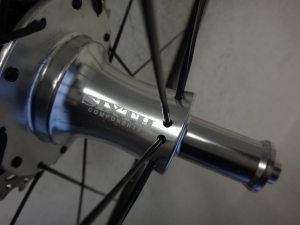
In contrast, the rear is narrow.
The design philosophy isn't consistent between front and rear,
but when you're a "brand" rather than a "manufacturer,"
you're probably not involved in the actual design anyway—
you just find some generic off-the-shelf wheel that looks decent somewhere
and slap your brand name on it. So they probably aren't thinking
very deeply (or not at all) about these details.
It's built radial (almost entirely) on the non-drive side,
and the spoke tension difference between sides was quite minimal.
This isn't because the high-low flange design is working—
(though with flanges this size it should be working to some degree)—
it's because the narrow flange doesn't have bad dishing.

I said "(almost) radial" because the spokes are slightly phase-shifted at the hub.
In terms of spoke tension characteristics,
you could consider it essentially the same as true radial lacing.
When I corrected the rear wheel's center misalignment, I adjusted it mostly by tightening,
so theoretically the wheel should definitely be stiffer than before, even if only slightly.
As for whether the rider can actually feel that difference—
my take is "there's no way they can tell. If they think it changed,
that's placebo from knowing the fact that I tightened the spokes."
I told the customer beforehand that "the rear wheel might flex on descents and suddenly change handling,"
but apparently that hasn't been an issue.
However, before that, he can feel the wheel squirming on climbs...
The spoke tension was already quite high to begin with, so
tightening it further won't dramatically improve the ride quality.
If I'm being generously one-sided about it,
you could say "the ride is smooth," but
every time he comes by after pickup, he says things like
"I want to swap out just the rear hub"—
so something might happen down the road.
Personally,I don't feel like rebuilding it, so
I tell him things like "it's not good to deny SIXTH's design philosophy
when they specifically chose this rear hub from all available specifications,
so let's just keep using it!"—which already contradicts what I said earlier—
to dodge the issue. But with a spoked wheel, narrowing the flange width
won't yield any additional benefits.
I wrote an excuse in the previous post, but
I took this photo on August 9th.
Both front and rear wheels had virtually no runout,
but the rear wheel's center was seriously misaligned.
Sixth
Components
Zephyros
—it says, but you can't see the black parts at first glance.

The customer wanted a carbon WO rim wheel,
so apparently he tried buying this one. The rim does look pretty good.
(If I put it in brackets saying "the rim really does look good,"
it sounds snarky, so I just wrote it straight. But writing something like
this makes it snarky anyway)
As for buckling resistance, spoke tension durability, brake heat dissipation, and such,
I can't say anything definitive yet, but it doesn't look weak.
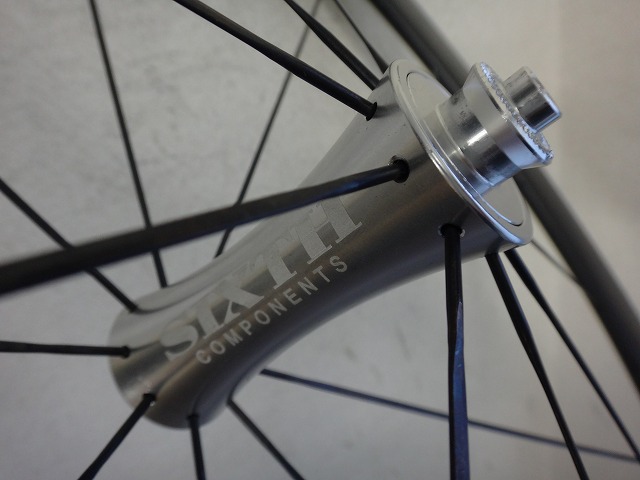
The front hub has a wide flange width.
If the wheel's selling point is aero, then having spokes protrude widely seems questionable,
but considering lateral stiffness,
I think the wide flange approach is better overall.
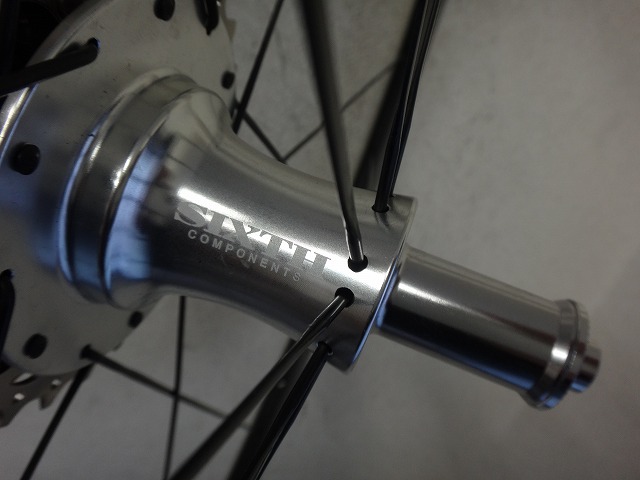
In contrast, the rear is narrow.
The design philosophy isn't consistent between front and rear,
but when you're a "brand" rather than a "manufacturer,"
you're probably not involved in the actual design anyway—
you just find some generic off-the-shelf wheel that looks decent somewhere
and slap your brand name on it. So they probably aren't thinking
very deeply (or not at all) about these details.
It's built radial (almost entirely) on the non-drive side,
and the spoke tension difference between sides was quite minimal.
This isn't because the high-low flange design is working—
(though with flanges this size it should be working to some degree)—
it's because the narrow flange doesn't have bad dishing.

I said "(almost) radial" because the spokes are slightly phase-shifted at the hub.
In terms of spoke tension characteristics,
you could consider it essentially the same as true radial lacing.
When I corrected the rear wheel's center misalignment, I adjusted it mostly by tightening,
so theoretically the wheel should definitely be stiffer than before, even if only slightly.
As for whether the rider can actually feel that difference—
my take is "there's no way they can tell. If they think it changed,
that's placebo from knowing the fact that I tightened the spokes."
I told the customer beforehand that "the rear wheel might flex on descents and suddenly change handling,"
but apparently that hasn't been an issue.
However, before that, he can feel the wheel squirming on climbs...
The spoke tension was already quite high to begin with, so
tightening it further won't dramatically improve the ride quality.
If I'm being generously one-sided about it,
you could say "the ride is smooth," but
every time he comes by after pickup, he says things like
"I want to swap out just the rear hub"—
so something might happen down the road.
Personally,
I tell him things like "it's not good to deny SIXTH's design philosophy
when they specifically chose this rear hub from all available specifications,
so let's just keep using it!"—which already contradicts what I said earlier—
to dodge the issue. But with a spoked wheel, narrowing the flange width
won't yield any additional benefits.