Another wheel day (and so on).
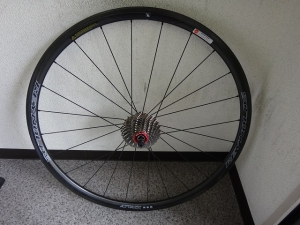
A customer brought in a Reynolds Attack rear wheel for me to work on.
It's not exactly at the point of rubbing against the brake shoes,
but they wanted me to rebuild it with tighter, more precise tension.
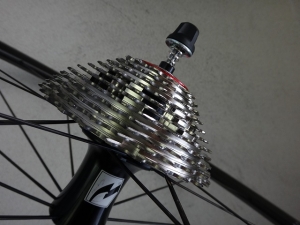
Not that it really matters, but the sprocket had a cross-ratio setup on the low side.
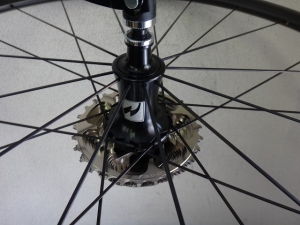
It's radially laced on the non-drive side.
Both sides use DT Aero Lite spokes in straight-gauge, but
Reynolds hubs from a while back came with competition/revo setups using different diameter spokes on each side,
and with decent hub dimensions (high/low flanges), this made for a relatively decent non-drive-side radially laced wheel compared to most.
When you grip the spokes together from both sides they deflect softly,
but if you look closely, most of that deflection is from the non-drive side spokes.
In real riding when you're sprinting hard and brake rub occurs,
it only happens on the non-drive side braking surface.
There's a "shoosh" when you stomp down on the right crank from the top,
but it almost never happens on the drive side (a wheel that did would be too twisted to use).
A teammate I know opens his rear brake quick-release before the final sprint.
That wheel, by the way, was a ZIPP 303 from back when they were doing non-drive-side radial lacing.
To prevent brake rub you could just raise the spoke tension on the non-drive side,
but if you only do that the wheel center shifts.
However, with this spoke selection and lacing method, the drive side is basically at its limit,
so you have to change the spoke selection and lacing method itself.
That's what I normally do.
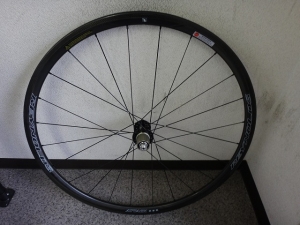
Built.

Evolite hub, 24-hole, black semi-competition, 4-cross lacing with lacing ties.
I built it right in front of the customer,
and we confirmed together that spoke lateral deflection
had dramatically decreased even before adding the lacing ties.
Aside from the lacing ties, getting to this point should be possible with off-the-shelf materials for anyone,
so I asked the customer why even wheel manufacturers still use lacing methods that are clearly inferior in stiffness,
but I don't have an answer for that either.
Most regular users only look at claimed weight, rim height, and sticker colors
(or rather, they don't have any judgment criteria beyond that)
so I suppose there's no helping it.
By the way, this rim is tubeless-ready (a type of clincher), and it's a wide rim too,
but it was extremely light.
Of course I won't tell you the specific numbers.
That information isn't needed for people who only choose wheels based on theofficial war ministry bulletinclaimed weight anyway.
↑Man, that's harsh
For all you NOT-so-typical users, sorry for the wait!
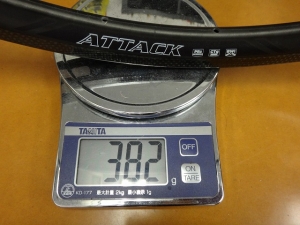
Please take a look at this image!
↑Knock it off!
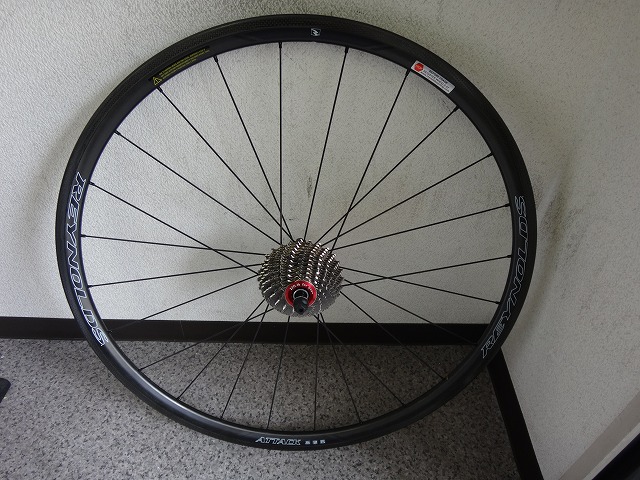
A customer brought in a Reynolds Attack rear wheel for me to work on.
It's not exactly at the point of rubbing against the brake shoes,
but they wanted me to rebuild it with tighter, more precise tension.
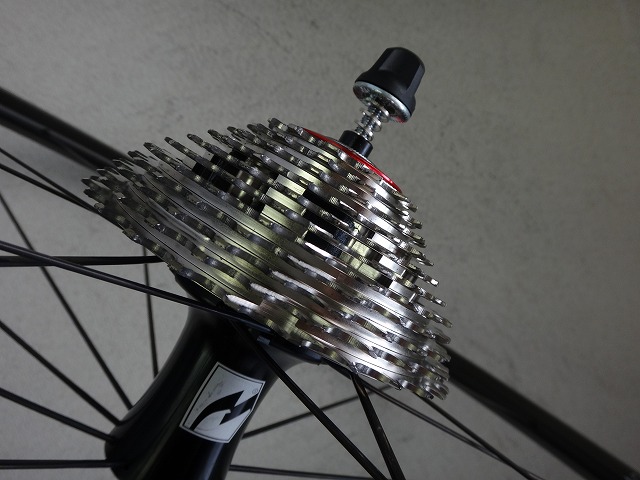
Not that it really matters, but the sprocket had a cross-ratio setup on the low side.
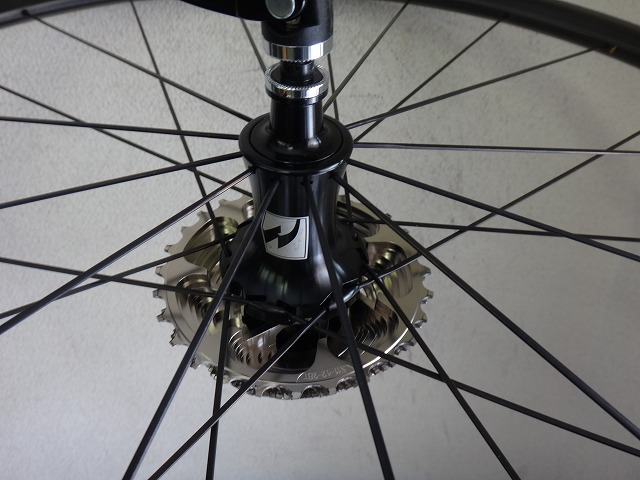
It's radially laced on the non-drive side.
Both sides use DT Aero Lite spokes in straight-gauge, but
Reynolds hubs from a while back came with competition/revo setups using different diameter spokes on each side,
and with decent hub dimensions (high/low flanges), this made for a relatively decent non-drive-side radially laced wheel compared to most.
When you grip the spokes together from both sides they deflect softly,
but if you look closely, most of that deflection is from the non-drive side spokes.
In real riding when you're sprinting hard and brake rub occurs,
it only happens on the non-drive side braking surface.
There's a "shoosh" when you stomp down on the right crank from the top,
but it almost never happens on the drive side (a wheel that did would be too twisted to use).
A teammate I know opens his rear brake quick-release before the final sprint.
That wheel, by the way, was a ZIPP 303 from back when they were doing non-drive-side radial lacing.
To prevent brake rub you could just raise the spoke tension on the non-drive side,
but if you only do that the wheel center shifts.
However, with this spoke selection and lacing method, the drive side is basically at its limit,
so you have to change the spoke selection and lacing method itself.
That's what I normally do.
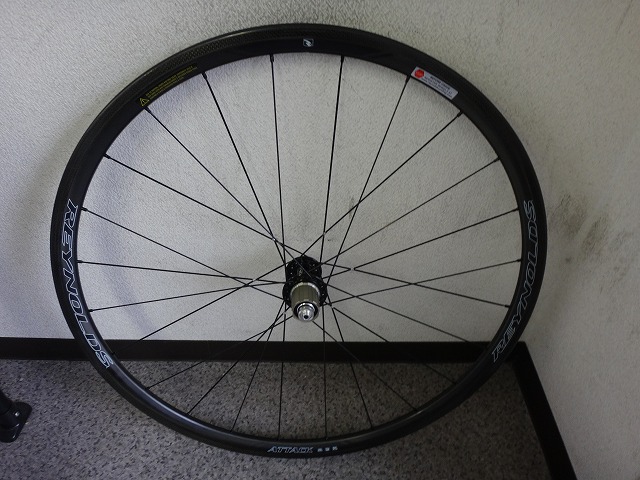
Built.
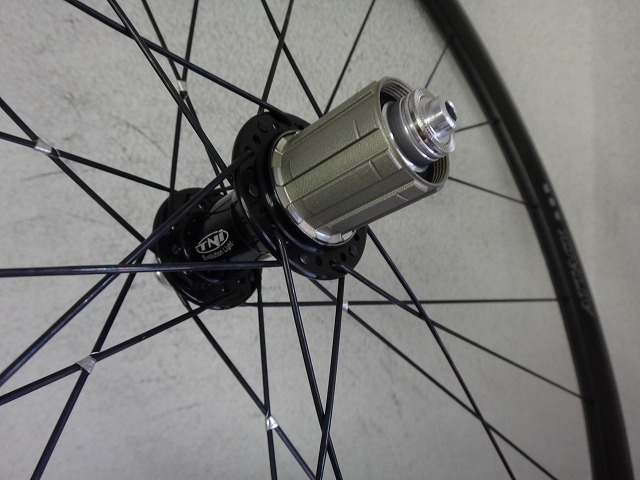
Evolite hub, 24-hole, black semi-competition, 4-cross lacing with lacing ties.
I built it right in front of the customer,
and we confirmed together that spoke lateral deflection
had dramatically decreased even before adding the lacing ties.
Aside from the lacing ties, getting to this point should be possible with off-the-shelf materials for anyone,
so I asked the customer why even wheel manufacturers still use lacing methods that are clearly inferior in stiffness,
but I don't have an answer for that either.
Most regular users only look at claimed weight, rim height, and sticker colors
(or rather, they don't have any judgment criteria beyond that)
so I suppose there's no helping it.
By the way, this rim is tubeless-ready (a type of clincher), and it's a wide rim too,
but it was extremely light.
Of course I won't tell you the specific numbers.
That information isn't needed for people who only choose wheels based on the
↑Man, that's harsh
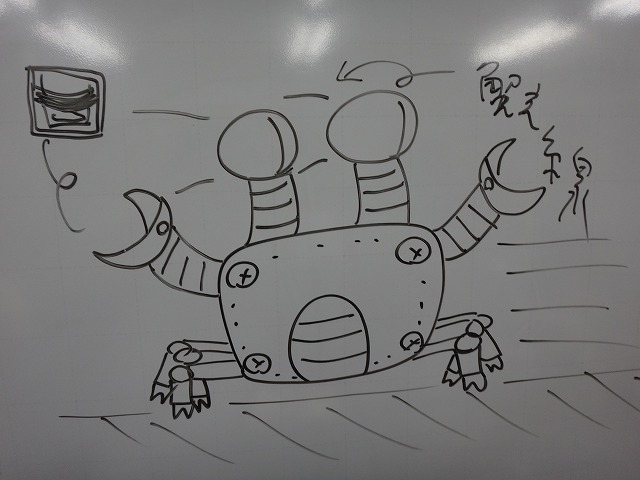
For all you NOT-so-typical users, sorry for the wait!
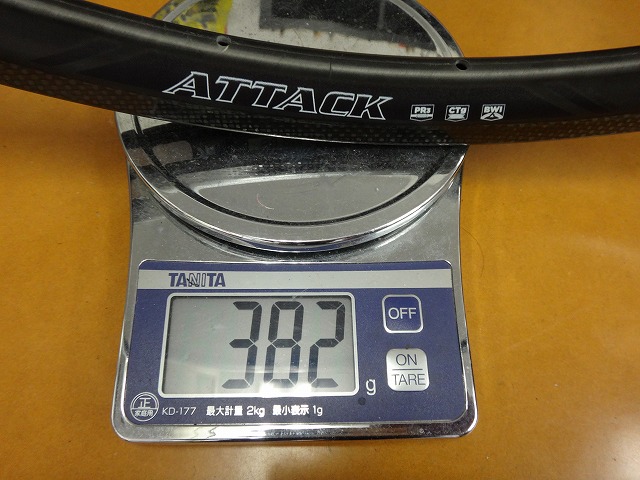
Please take a look at this image!
↑Knock it off!