Another day, another wheel (and so on).
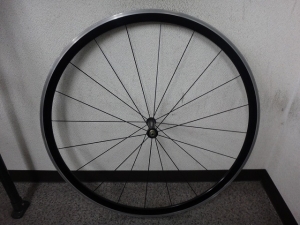
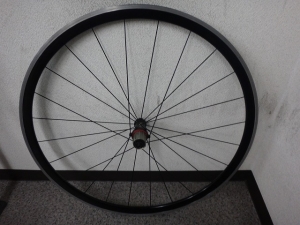
I've had a customer's wheels on hold for rebuilding.
Two years and eight months.
They wanted it done in time for the 2014 Norikura event,
but I got a bit too comfortable when they said the deadline wasn't urgent.
My apologies.
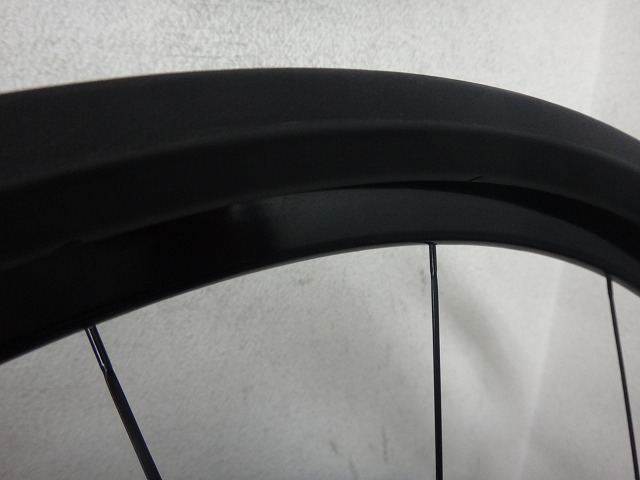
This wheel's rim definitely looks like a Kinrin (キンリン) XR300,
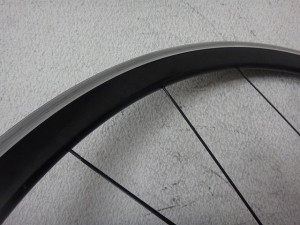
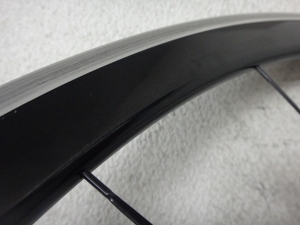
but it's the internal nipple version.
By the way, with external nipple rims,
the holes on the inner side don't have any runout marks (you can't tell even if you look),
but this rim has a slight amount of runout.

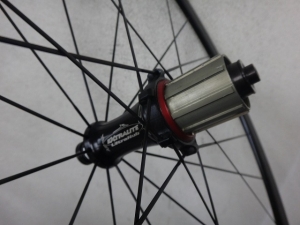
The hubs are both Extra Light (エクストラライト) with straight-pull spoke versions.
The front hub is laced 20H radial,
and the rear hub is laced equivalent to 4:0 (4-cross zero-cross hybrid).
The customer wants to rebuild these using low-profile carbon tubular rims.
Back when I first got these wheels, I probably would have used
some salvaged spokes from, say, a Hyper○n hub,
but now CX-RAY straight-pull spokes are
reliably available, so I'll use those.
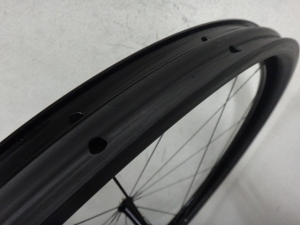
I've lined up the old and new rims side by side.
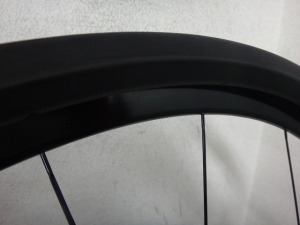
The new rim is lower profile, which would require longer spokes,
but the shift from internal to external nipples calls for shorter spokes,
so theoretically they'd offset each other perfectly—
except they didn't. I need spokes about 3mm longer for the rebuild.
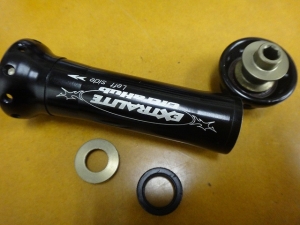
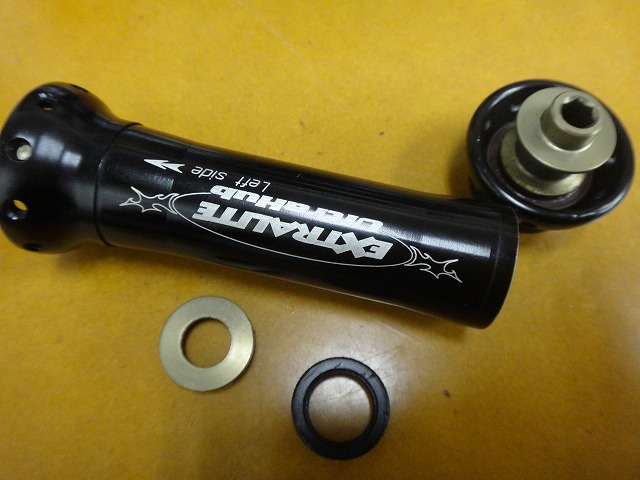
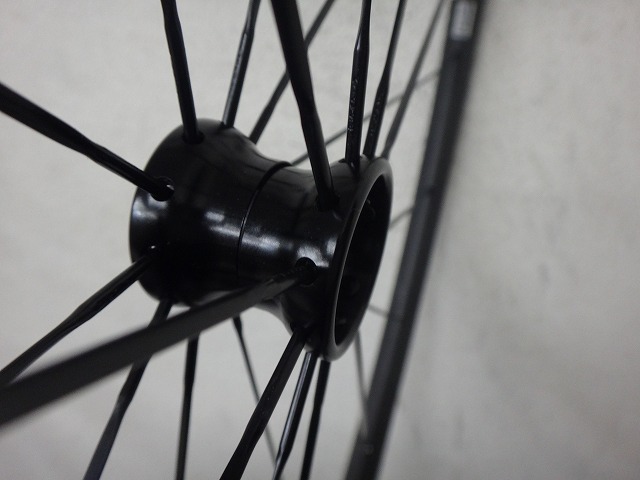
On the front hub, the flange itself just sits flush against the hub shell
and is held in place by spoke tension
(the Ksyrium SL front hub actually has the same structure).
You probably wouldn't want to, but if the spoke hole count matches,
you could theoretically lace it as a pair-spoke hub.
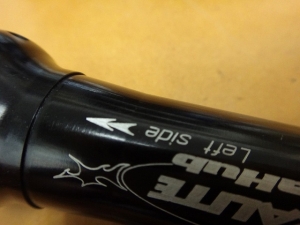
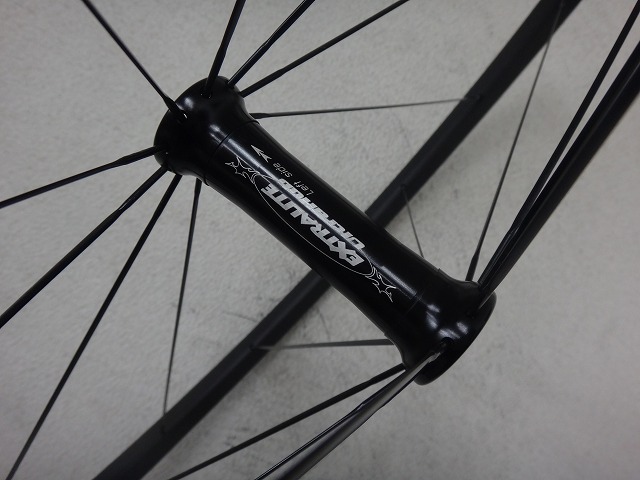
I mentioned this before with another project:
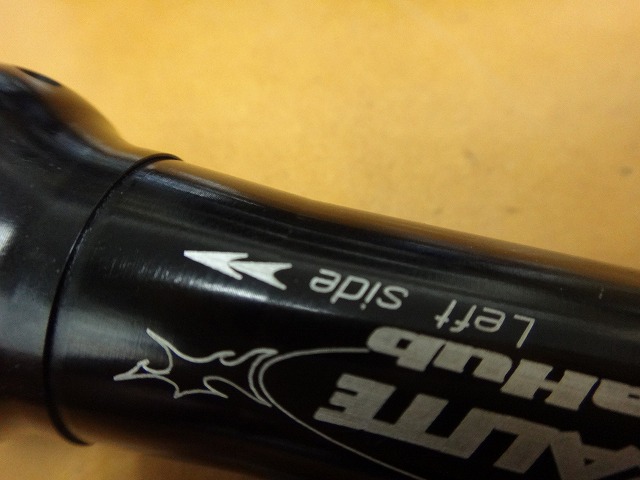
the hub has a left-side orientation marking,
and when you follow it, the hub markings end up facing the wrong way.
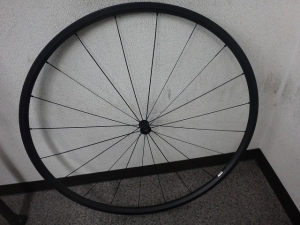
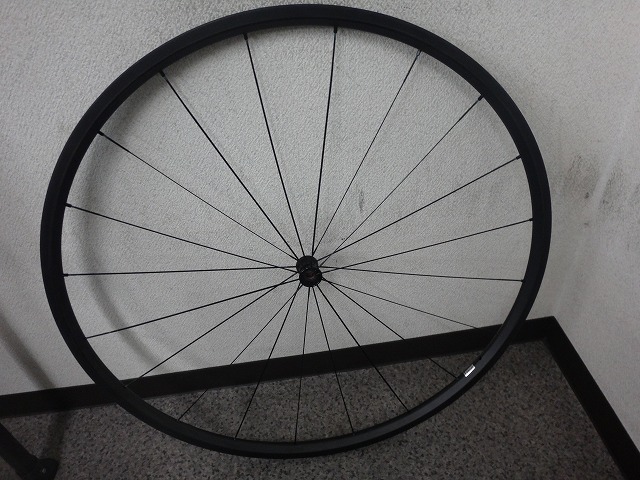
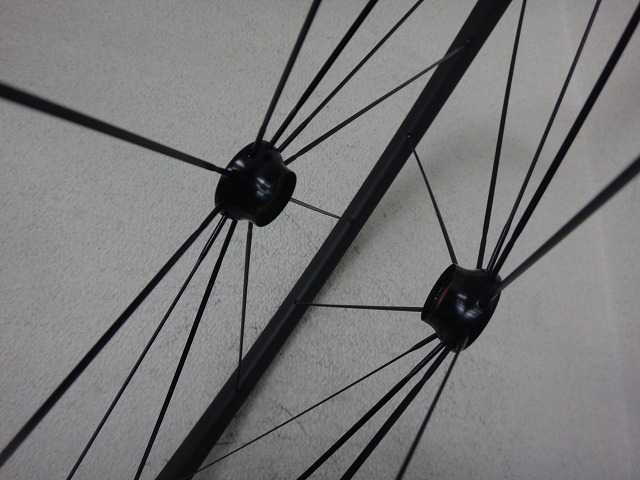
I've threaded the spokes through the hub flange.
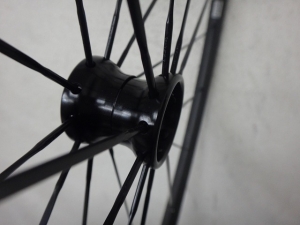
If a narrow-flange hub can achieve lateral stiffness through spoke tension alone,
then you could make a hub like this and crank the spokes tight—
nearly all the spoke's front surface area would be hidden by the rim,
which is aerodynamically advantageous and also lighter since spokes could be shorter.
For carbon tubular wheels, you can achieve adequate stiffness that way,
but with steel spokes? Forget it.
If it were possible, someone would've done it already.
So...
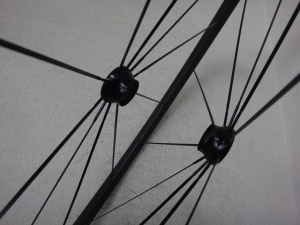
Let's go!
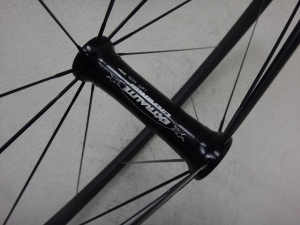
Combine!
100mm over-locknut dimension, with an effective flange width of 85mm (by my measurement)—
quite a wide flange setup.
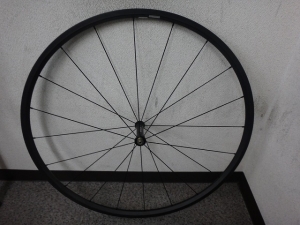
Built. I'm using black aluminum nipples.

Next, the rear wheel.
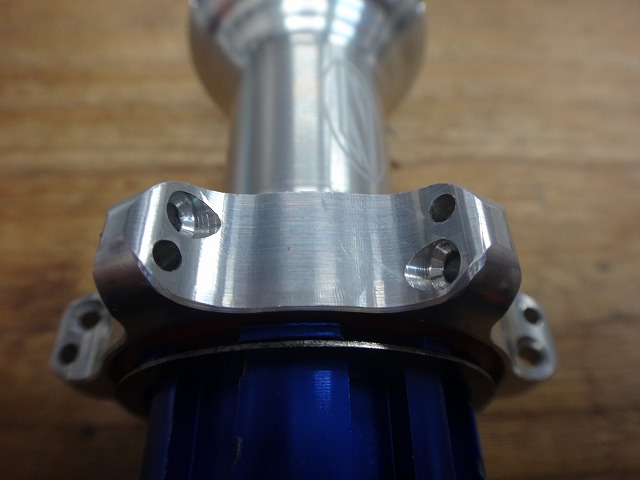
The free-side flange holes are designed so you can choose
whether the freewheel-side spokes go on the outside or inside.
The arrangement equivalent to Italian-style lacing
is "freewheel-side spokes on the outside," which is what I do—
same as before the rebuild.

This is a ZIPP hub from a certain era.
With flanges like this, you can only lace it reverse-Italian style.
If I were building a rear wheel with this hub, I'd obviously follow the hole design.
But if given the choice, I'd prefer Italian lacing.
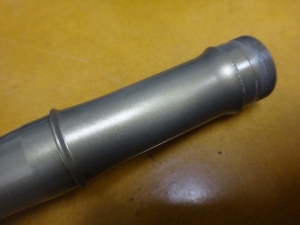
Because the spokes on the left and right sides of the front hub and the left flange of the rear hub
pass through rather than hook,
I had to pull the shaft out on both during wheel building.
The front hub is the same way, but true to the "Extra Light" name,
it has a pretty wild structure optimized for weight savings.
For instance, the rear hub axle has a shoulder on the inner race side
that's ridiculously thin.
And the opposite side (outer) is even tapered down to reduce weight.
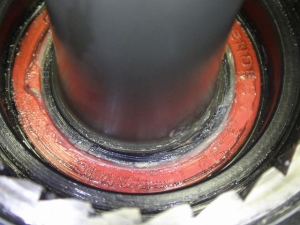
↑That's how thin it is.
Also, the bearing end face sits deeper inside the hub than the ratchet teeth.
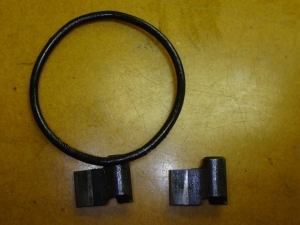
The freewheel body has only two pawls.
Mavic does this too, though the mechanism's different, so two-pawl designs aren't unheard of,
but what's ridiculous about this one is
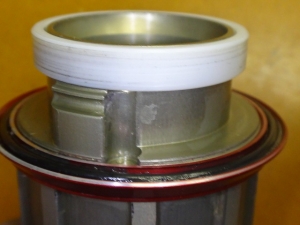
↑in this area
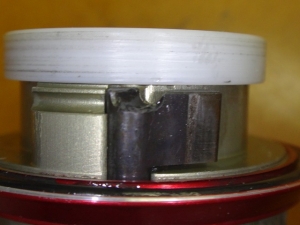
the pawls slot in
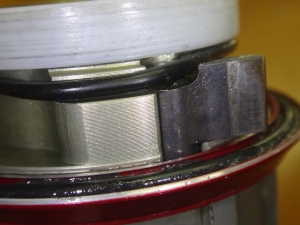
and O-rings
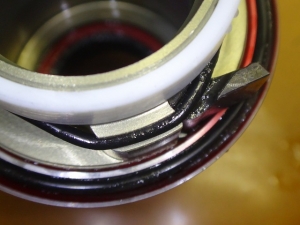
push the freewheel pawls outward.
(And they're not even using the O-rings in their natural circular state.)
The pre-rebuild XR300 rim weighs about 460g,
but the rim's service life and hub's service life don't match at all.
Seems like you want to pair ultra-light hubs with ultra-light rims
and use them with appropriate restraint.
Also, the white silicone part inside the pawls fits into
the depression on the hub body's right side and absorbs play in the vertical direction.
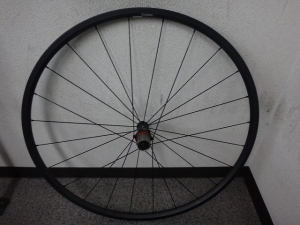
Built.
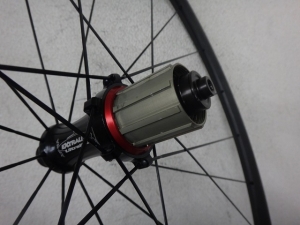
As I mentioned, lacing it the same way as before the rebuild—
I used the same final cross lacing as the original as well.
About straight-pull spoke hubs, I can't see any advantage
beyond "straight-pull spokes are less prone to spoke breakage than J-bend spokes."
The spoke options are pretty limited, and most importantly,
you can't lace them however you want.
With 24H setups, you're usually stuck with either 4:4 or 4:0 lacing,
whereas the same dimensions in J-bend hubs could be laced much more stiffly!
This wheel I've tensioned as tightly as conditions allow, but...
Sometimes people ask me, "What do you think of PowerTap or DT straight-pull hubs?"
This wheel is basically my answer to that question.
By the way, this wheel was requested by someone from CYCLING TIME.com,
and they mentioned it might end up in an article (or rather, that's the plan),
so they asked me to weigh all the parts.
That's why I won't be using any fun measurement techniques here.
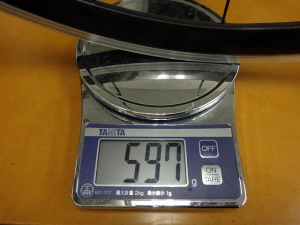
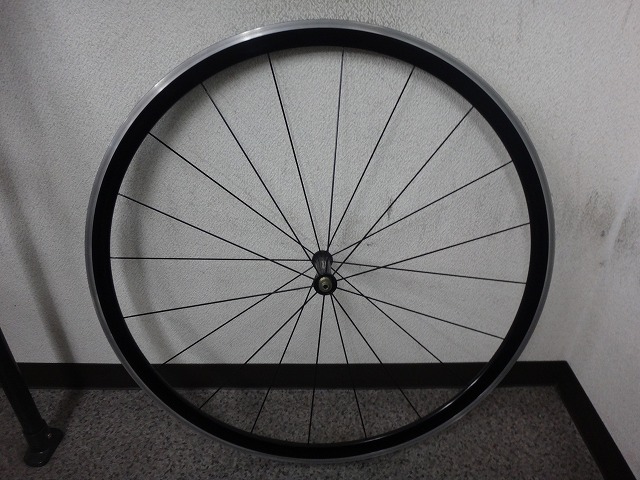
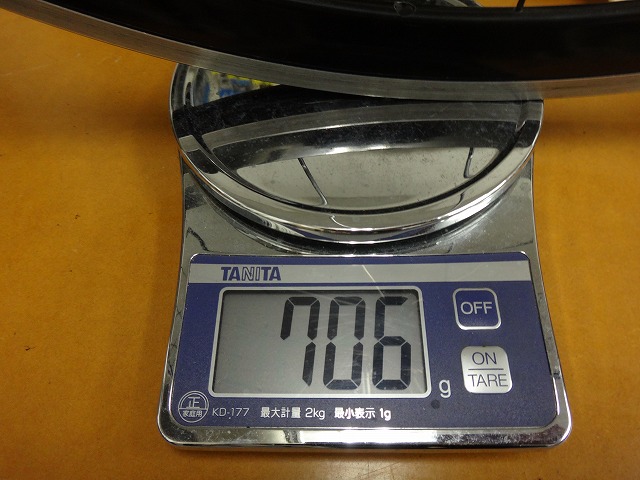
Pre-rebuild front wheel
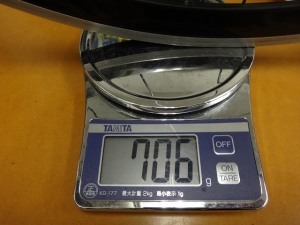
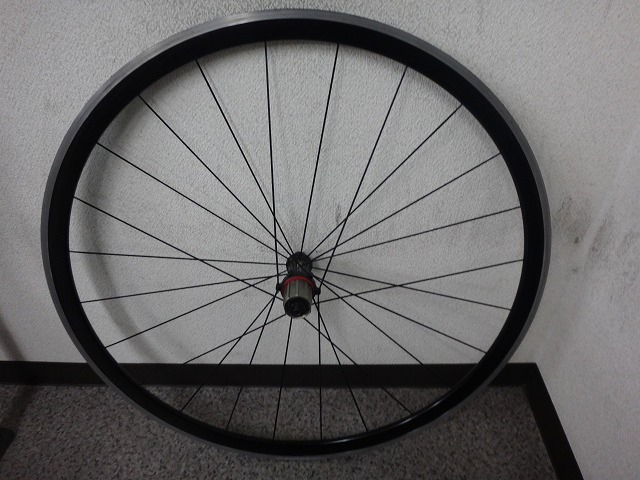
Pre-rebuild rear wheel
Both without rim tape. No quick releases originally.
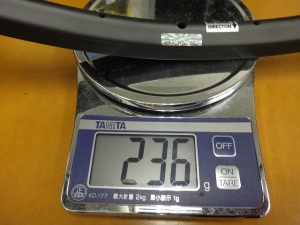
Front rim
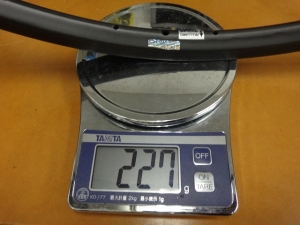
Rear rim
There's an arrow next to the valve hole that says
"lace this with spokes oriented this direction"—
in short, "build it as a true rim."
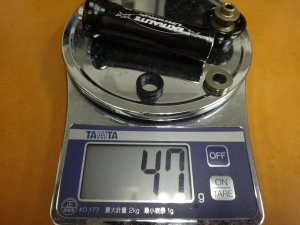
Front hub

Rear hub
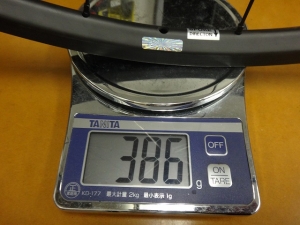
Post-rebuild front wheel
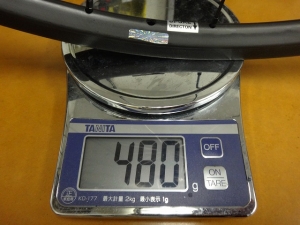
Post-rebuild rear wheel
That number you get from naively adding front and rear weight together—
the one I hate—comes to 866g.
Speaking of which, earlier I said "straight-pull spokes are less prone to breakage,"
but since I'm constantly fixing broken spokes on completed wheels,
I'm starting to have doubts about that.
I'm not listing every single job, but
I probably repair about 100 cases a year.
If a backyard shop like mine sees that kind of volume,
then across all the pro shops in the country,
there must be tens of thousands of spoke breakages on completed wheels annually.
My Fermi estimation logic is pretty sketchy, but
please just ignore that and take my word for it.
I've had a customer's wheels on hold for rebuilding.
Two years and eight months.
They wanted it done in time for the 2014 Norikura event,
but I got a bit too comfortable when they said the deadline wasn't urgent.
My apologies.
This wheel's rim definitely looks like a Kinrin (キンリン) XR300,
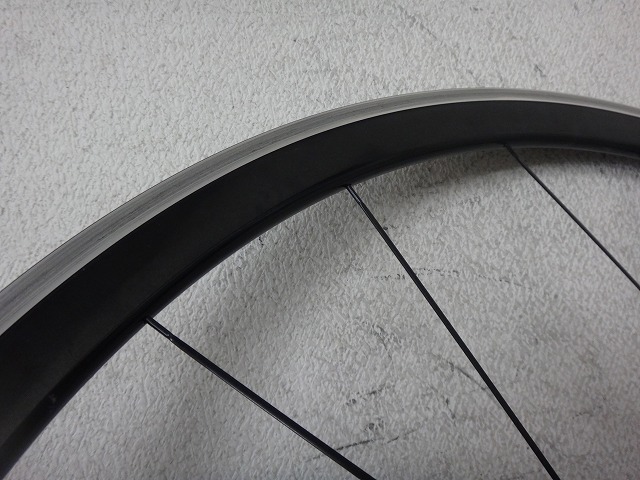

but it's the internal nipple version.
By the way, with external nipple rims,
the holes on the inner side don't have any runout marks (you can't tell even if you look),
but this rim has a slight amount of runout.
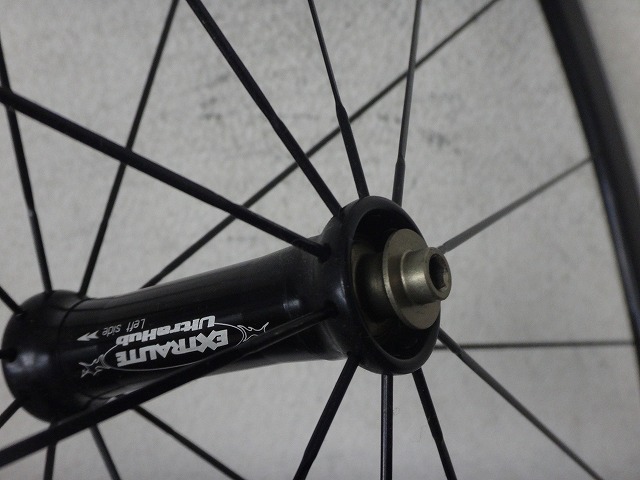
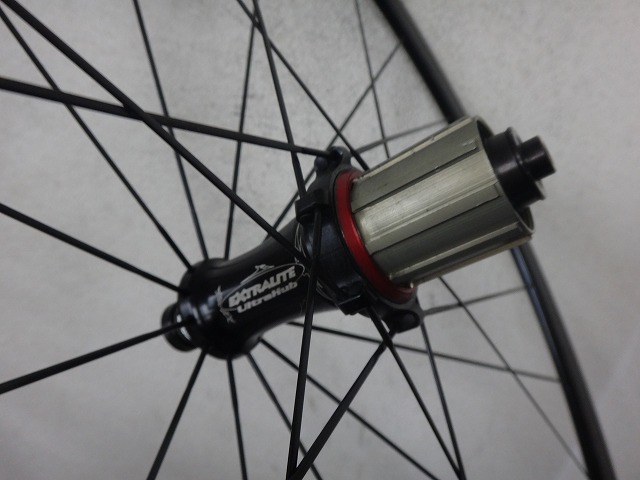
The hubs are both Extra Light (エクストラライト) with straight-pull spoke versions.
The front hub is laced 20H radial,
and the rear hub is laced equivalent to 4:0 (4-cross zero-cross hybrid).
The customer wants to rebuild these using low-profile carbon tubular rims.
Back when I first got these wheels, I probably would have used
some salvaged spokes from, say, a Hyper○n hub,
but now CX-RAY straight-pull spokes are
reliably available, so I'll use those.
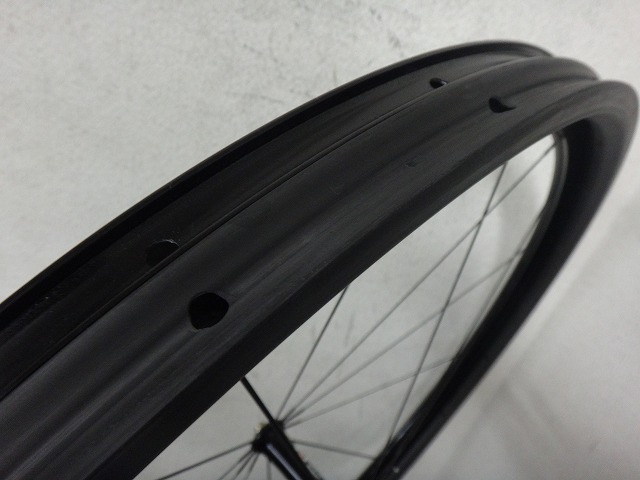
I've lined up the old and new rims side by side.
The new rim is lower profile, which would require longer spokes,
but the shift from internal to external nipples calls for shorter spokes,
so theoretically they'd offset each other perfectly—
except they didn't. I need spokes about 3mm longer for the rebuild.
On the front hub, the flange itself just sits flush against the hub shell
and is held in place by spoke tension
(the Ksyrium SL front hub actually has the same structure).
You probably wouldn't want to, but if the spoke hole count matches,
you could theoretically lace it as a pair-spoke hub.
I mentioned this before with another project:
the hub has a left-side orientation marking,
and when you follow it, the hub markings end up facing the wrong way.
I've threaded the spokes through the hub flange.
If a narrow-flange hub can achieve lateral stiffness through spoke tension alone,
then you could make a hub like this and crank the spokes tight—
nearly all the spoke's front surface area would be hidden by the rim,
which is aerodynamically advantageous and also lighter since spokes could be shorter.
For carbon tubular wheels, you can achieve adequate stiffness that way,
but with steel spokes? Forget it.
If it were possible, someone would've done it already.
So...
Let's go!
Combine!
100mm over-locknut dimension, with an effective flange width of 85mm (by my measurement)—
quite a wide flange setup.

Built. I'm using black aluminum nipples.

Next, the rear wheel.
The free-side flange holes are designed so you can choose
whether the freewheel-side spokes go on the outside or inside.
The arrangement equivalent to Italian-style lacing
is "freewheel-side spokes on the outside," which is what I do—
same as before the rebuild.
This is a ZIPP hub from a certain era.
With flanges like this, you can only lace it reverse-Italian style.
If I were building a rear wheel with this hub, I'd obviously follow the hole design.
But if given the choice, I'd prefer Italian lacing.

Because the spokes on the left and right sides of the front hub and the left flange of the rear hub
pass through rather than hook,
I had to pull the shaft out on both during wheel building.
The front hub is the same way, but true to the "Extra Light" name,
it has a pretty wild structure optimized for weight savings.
For instance, the rear hub axle has a shoulder on the inner race side
that's ridiculously thin.
And the opposite side (outer) is even tapered down to reduce weight.
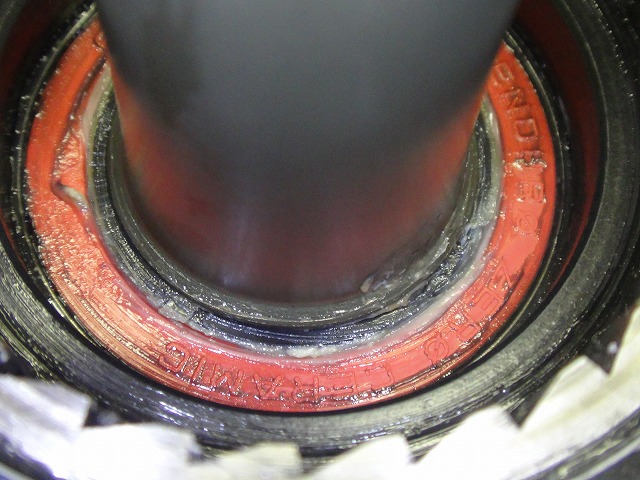
↑That's how thin it is.
Also, the bearing end face sits deeper inside the hub than the ratchet teeth.
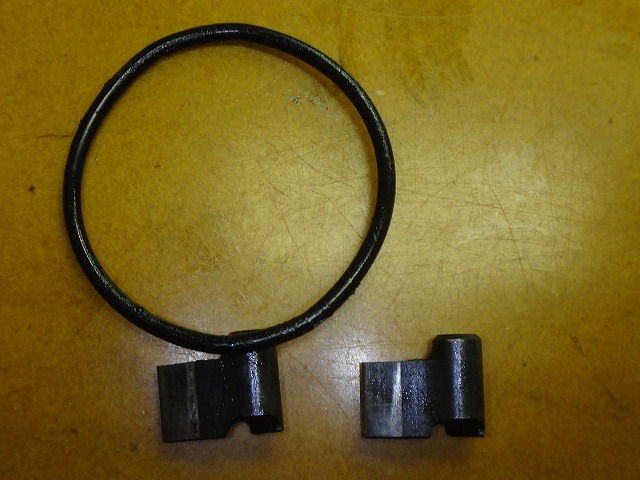
The freewheel body has only two pawls.
Mavic does this too, though the mechanism's different, so two-pawl designs aren't unheard of,
but what's ridiculous about this one is
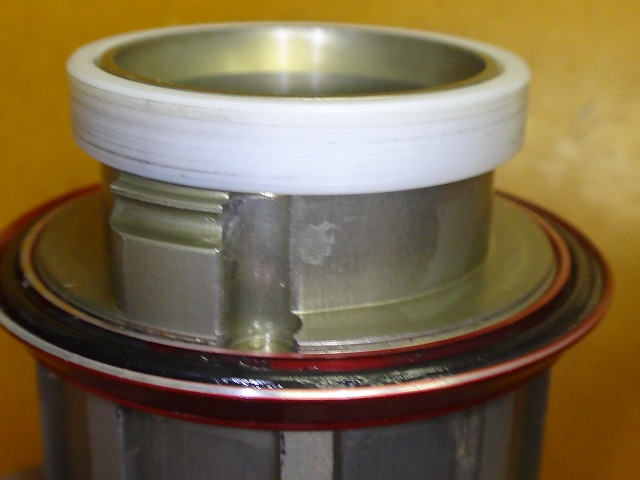
↑in this area

the pawls slot in
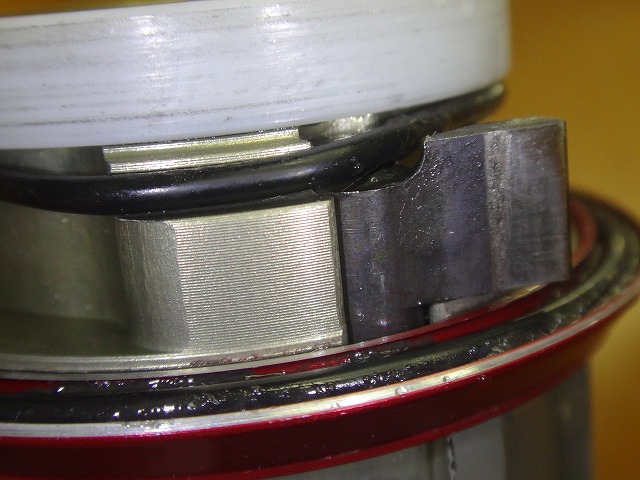
and O-rings
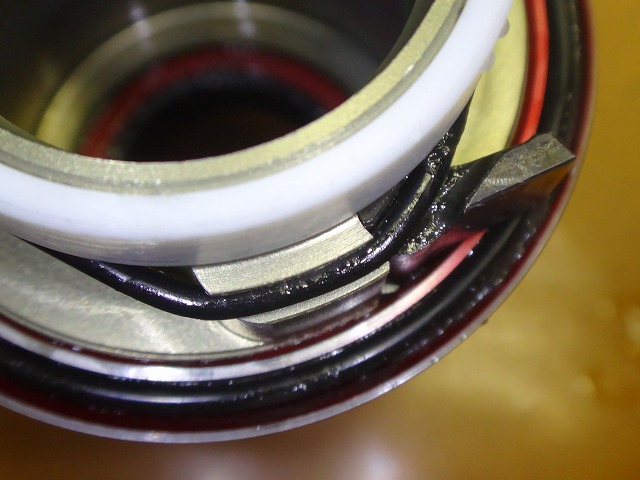
push the freewheel pawls outward.
(And they're not even using the O-rings in their natural circular state.)
The pre-rebuild XR300 rim weighs about 460g,
but the rim's service life and hub's service life don't match at all.
Seems like you want to pair ultra-light hubs with ultra-light rims
and use them with appropriate restraint.
Also, the white silicone part inside the pawls fits into
the depression on the hub body's right side and absorbs play in the vertical direction.
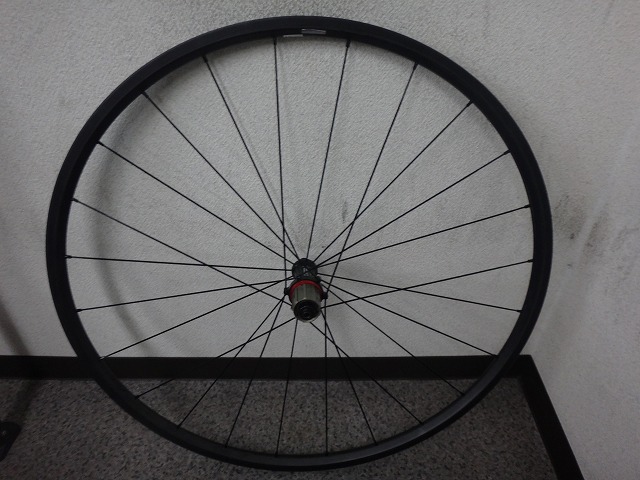
Built.
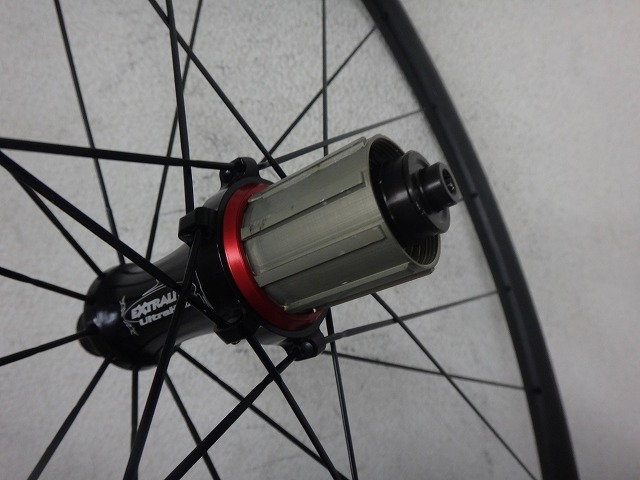
As I mentioned, lacing it the same way as before the rebuild—
I used the same final cross lacing as the original as well.
About straight-pull spoke hubs, I can't see any advantage
beyond "straight-pull spokes are less prone to spoke breakage than J-bend spokes."
The spoke options are pretty limited, and most importantly,
you can't lace them however you want.
With 24H setups, you're usually stuck with either 4:4 or 4:0 lacing,
whereas the same dimensions in J-bend hubs could be laced much more stiffly!
This wheel I've tensioned as tightly as conditions allow, but...
Sometimes people ask me, "What do you think of PowerTap or DT straight-pull hubs?"
This wheel is basically my answer to that question.
By the way, this wheel was requested by someone from CYCLING TIME.com,
and they mentioned it might end up in an article (or rather, that's the plan),
so they asked me to weigh all the parts.
That's why I won't be using any fun measurement techniques here.
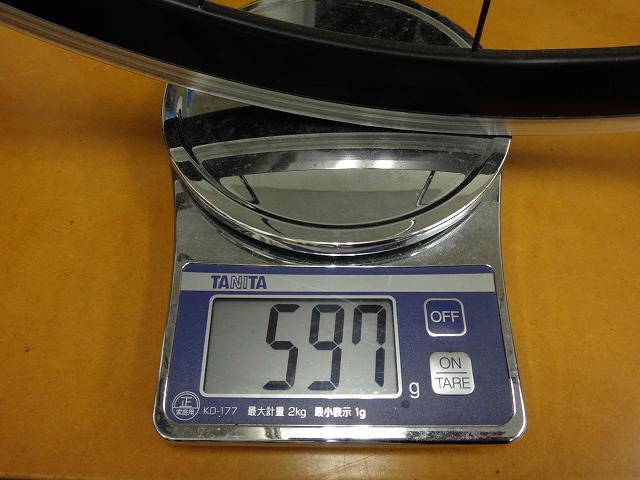
Pre-rebuild front wheel
Pre-rebuild rear wheel
Both without rim tape. No quick releases originally.
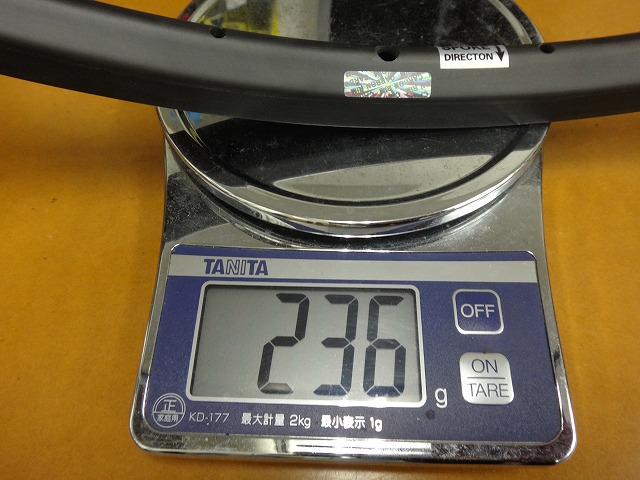
Front rim
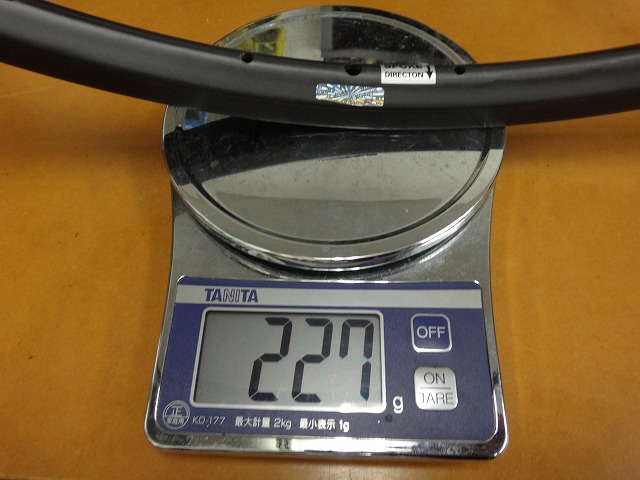
Rear rim
There's an arrow next to the valve hole that says
"lace this with spokes oriented this direction"—
in short, "build it as a true rim."
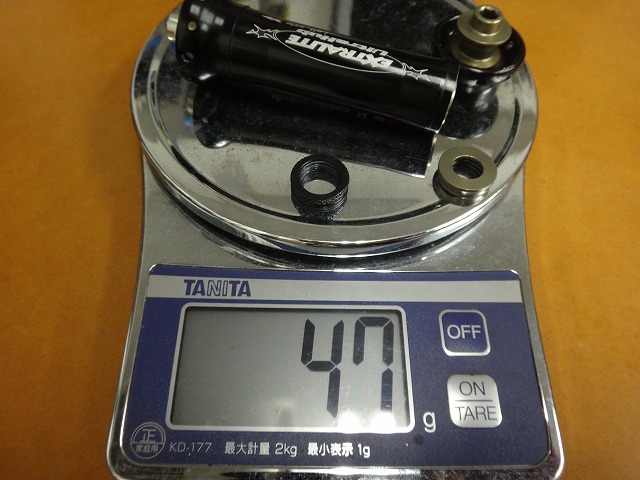
Front hub
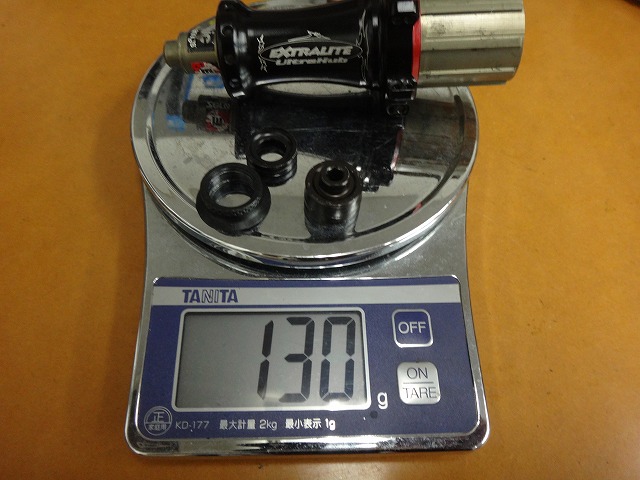
Rear hub

Post-rebuild front wheel
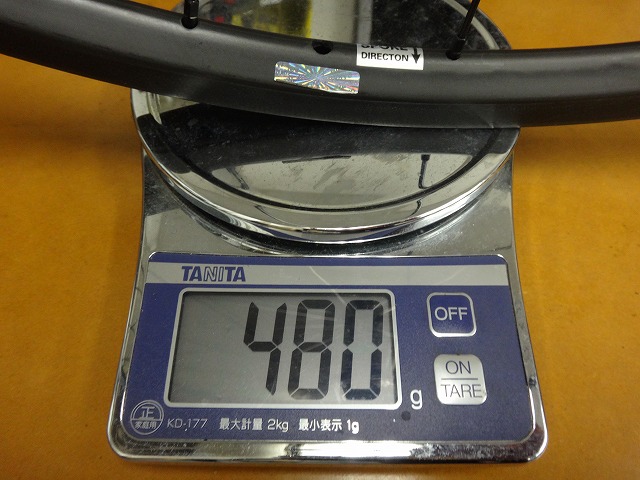
Post-rebuild rear wheel
That number you get from naively adding front and rear weight together—
the one I hate—comes to 866g.
Speaking of which, earlier I said "straight-pull spokes are less prone to breakage,"
but since I'm constantly fixing broken spokes on completed wheels,
I'm starting to have doubts about that.
I'm not listing every single job, but
I probably repair about 100 cases a year.
If a backyard shop like mine sees that kind of volume,
then across all the pro shops in the country,
there must be tens of thousands of spoke breakages on completed wheels annually.
My Fermi estimation logic is pretty sketchy, but
please just ignore that and take my word for it.