Another day, wheels again (and so on).
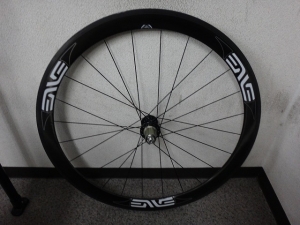
A customer brought in a rear wheel built with a 1-45 rim.
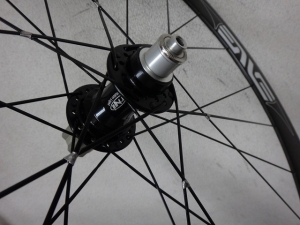
It's something I built ages ago—
an Evo Lite hub, 24-hole, all-black CX-RAY spokes, 4-cross lacing with a spoke nipple twist. The hub bearings are grinding, so they've asked me to rebuild it with a Chris King hub.
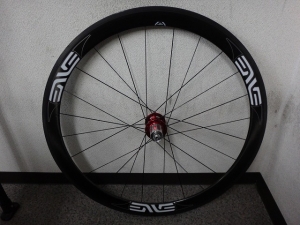
Built.
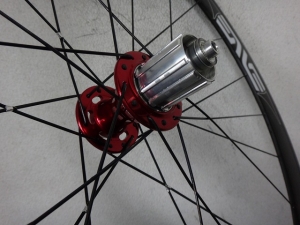
R45 hub, 24-hole, black half-Campagnolo, 4-cross lacing with spoke nipple twist. Since they wanted it tighter than before, I checked with them first and went with half-Campagnolo instead of full CX-RAY. With the hub flange no longer high-low, things are a bit stiffer anyway. I don't know how the customer will feel about it, but I've been subtly steering people toward half-Campagnolo. Sorry about that.
By the way, there was a suspicion that one to four bearings were damaged somewhere on the Evo Lite hub, so if bearing replacement fixes it, I might as well service it while I'm at it.
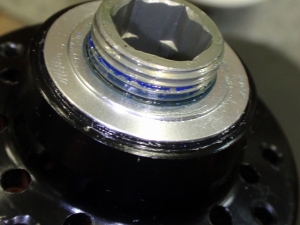
On the non-drive side, there's a dust-cap-like part that goes after the bearing. Its orientation was reversed. Since it has a step to press only on the inner race of the bearing, the step should face inward.
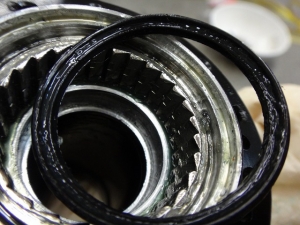
The seal orientation between the freebody and hub shell was also reversed.
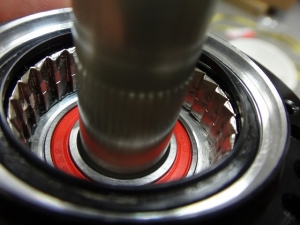
The timeline jumps a bit here, but as shown in the image, the correct way is to install it so the raised side faces outward.
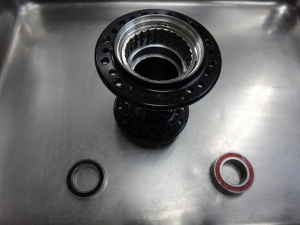
I removed the hub shell bearings. If the grinding would disappear depending on whether the freebody was installed, it would mean at least the freebody bearings are damaged. But the grinding persists with just the hub shell and shaft rotating, so it's definite that there are damaged bearings on the hub shell side.
This time, the drive-side bearing was damaged. The non-drive side wasn't absolutely critical for replacement, but I changed it while I was at it anyway.
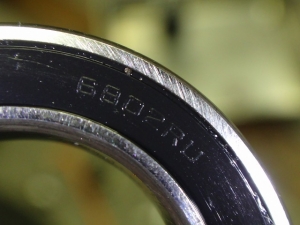
The non-drive side bearing is a 6802 standard size. In terms of inner diameter/outer diameter/thickness (mm), that's 15/24/5—a size commonly used in hubs.
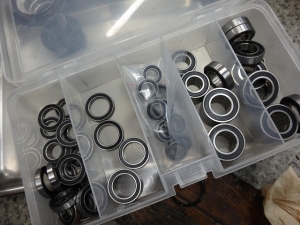
I make sure to stock the following six common sizes with non-contact seals:
6801: 12/21/5
6802: 15/24/5
6803: 17/26/5
6901: 12/24/6
6902: 15/28/7
6903: 17/30/7
Recently there are a lot of rear hubs with 15mm aluminum shafts, so 6802 and 6902 with 15mm inner diameters tend to be the hub shell and freebody bearings. But

the Evo Lite hub uses a bearing with a five-digit number, 15267, on the drive-side bearing. In the sizing system I just mentioned, this translates directly to 15/26/7, which is easy to remember but somewhat hard to source.
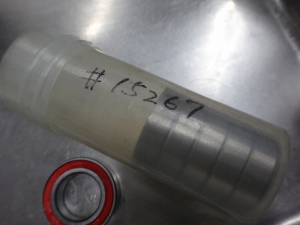
Since I make an effort to stock these too, I basically never run out.(Though things tend to get used up rapidly right after I say something like this.)
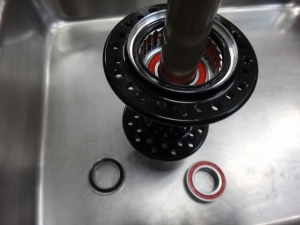
Replaced.
The bearing I removed had traces of someone trying to pry open the seal and add grease. To keep this from being obviously visible, I have a specialized tool I've honed for this purpose, but I broke it recently for another job, so I picked up an un-honed one (a micro-sized flathead screwdriver).
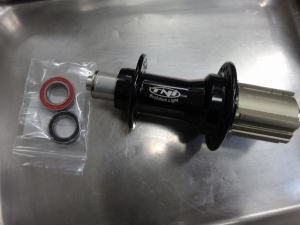
Even with the freebody pushed onto the shaft, there's no grinding, so the two freebody bearings don't need replacement. At this point, the rotation performance of the Evo Lite hub and the R45 hub feels pretty much the same. If the customer had wanted bearing replacement before buying the Chris King hub, this work alone might have done the trick.
Since I'm doing the hub bearing replacement as a service this time, I haven't informed the customer beforehand. If they find out it's like new again, they might say, "Well then, build a practice wheel with that hub instead," so I'd like to ship it out before they see this.
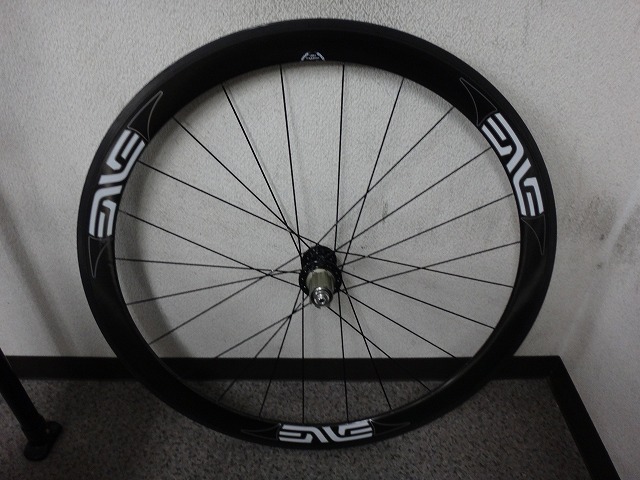
A customer brought in a rear wheel built with a 1-45 rim.
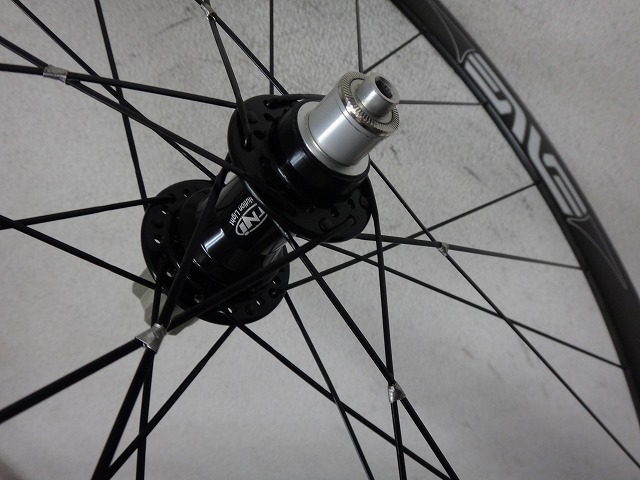
It's something I built ages ago—
an Evo Lite hub, 24-hole, all-black CX-RAY spokes, 4-cross lacing with a spoke nipple twist. The hub bearings are grinding, so they've asked me to rebuild it with a Chris King hub.
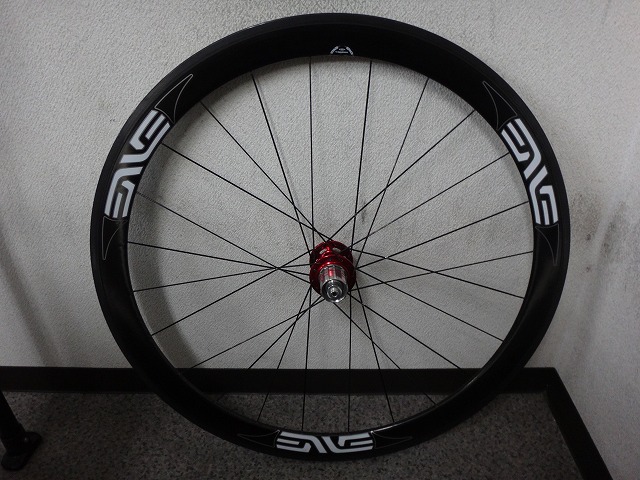
Built.
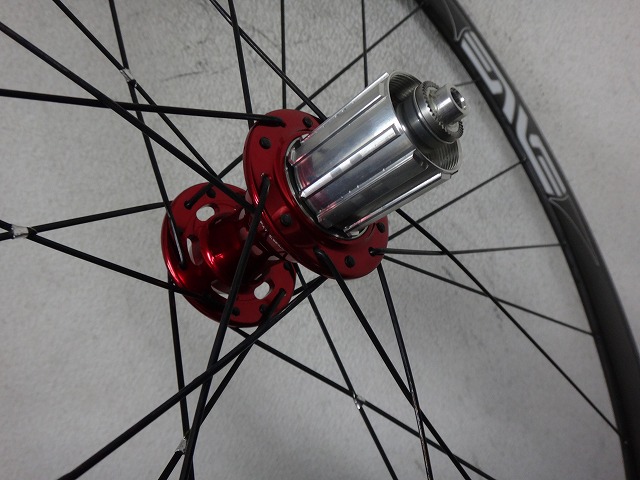
R45 hub, 24-hole, black half-Campagnolo, 4-cross lacing with spoke nipple twist. Since they wanted it tighter than before, I checked with them first and went with half-Campagnolo instead of full CX-RAY. With the hub flange no longer high-low, things are a bit stiffer anyway. I don't know how the customer will feel about it, but I've been subtly steering people toward half-Campagnolo. Sorry about that.
By the way, there was a suspicion that one to four bearings were damaged somewhere on the Evo Lite hub, so if bearing replacement fixes it, I might as well service it while I'm at it.

On the non-drive side, there's a dust-cap-like part that goes after the bearing. Its orientation was reversed. Since it has a step to press only on the inner race of the bearing, the step should face inward.

The seal orientation between the freebody and hub shell was also reversed.
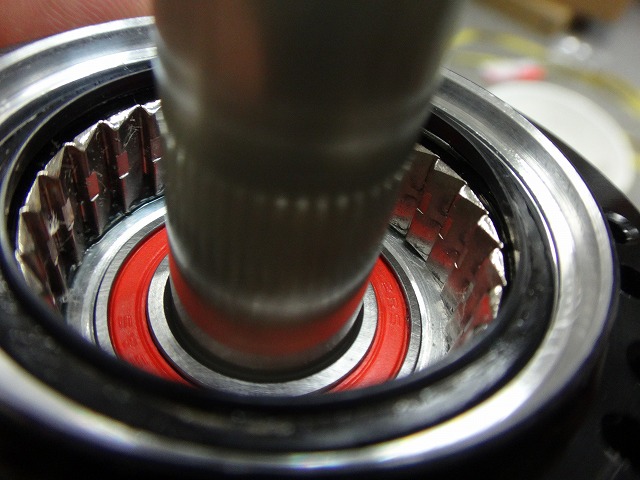
The timeline jumps a bit here, but as shown in the image, the correct way is to install it so the raised side faces outward.
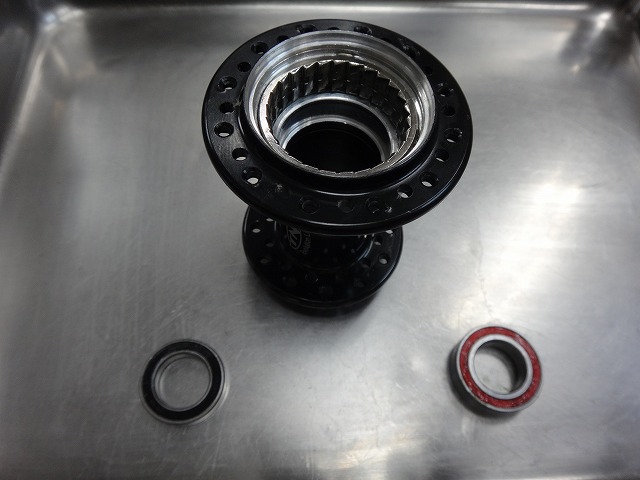
I removed the hub shell bearings. If the grinding would disappear depending on whether the freebody was installed, it would mean at least the freebody bearings are damaged. But the grinding persists with just the hub shell and shaft rotating, so it's definite that there are damaged bearings on the hub shell side.
This time, the drive-side bearing was damaged. The non-drive side wasn't absolutely critical for replacement, but I changed it while I was at it anyway.

The non-drive side bearing is a 6802 standard size. In terms of inner diameter/outer diameter/thickness (mm), that's 15/24/5—a size commonly used in hubs.
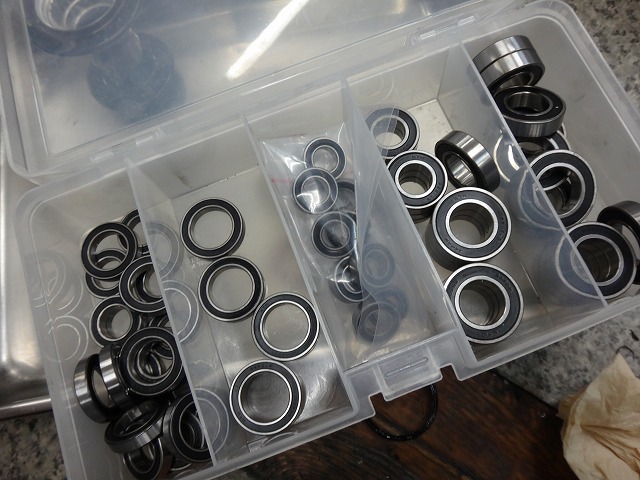
I make sure to stock the following six common sizes with non-contact seals:
6801: 12/21/5
6802: 15/24/5
6803: 17/26/5
6901: 12/24/6
6902: 15/28/7
6903: 17/30/7
Recently there are a lot of rear hubs with 15mm aluminum shafts, so 6802 and 6902 with 15mm inner diameters tend to be the hub shell and freebody bearings. But

the Evo Lite hub uses a bearing with a five-digit number, 15267, on the drive-side bearing. In the sizing system I just mentioned, this translates directly to 15/26/7, which is easy to remember but somewhat hard to source.
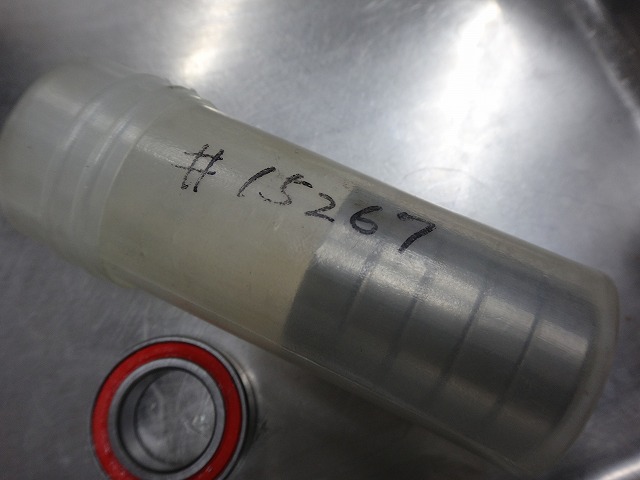
Since I make an effort to stock these too, I basically never run out.
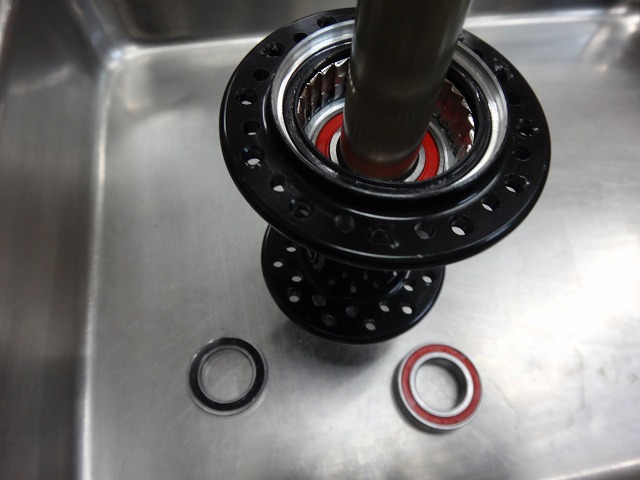
Replaced.
The bearing I removed had traces of someone trying to pry open the seal and add grease. To keep this from being obviously visible, I have a specialized tool I've honed for this purpose, but I broke it recently for another job, so I picked up an un-honed one (a micro-sized flathead screwdriver).
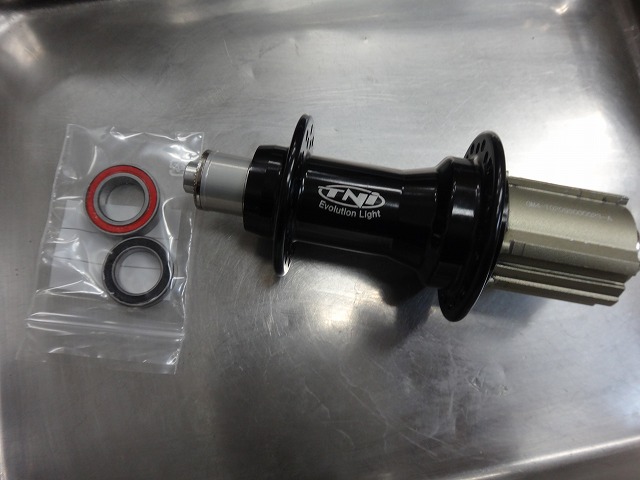
Even with the freebody pushed onto the shaft, there's no grinding, so the two freebody bearings don't need replacement. At this point, the rotation performance of the Evo Lite hub and the R45 hub feels pretty much the same. If the customer had wanted bearing replacement before buying the Chris King hub, this work alone might have done the trick.
Since I'm doing the hub bearing replacement as a service this time, I haven't informed the customer beforehand. If they find out it's like new again, they might say, "Well then, build a practice wheel with that hub instead," so I'd like to ship it out before they see this.