A customer dropped off a SRAM rear derailleur with me.
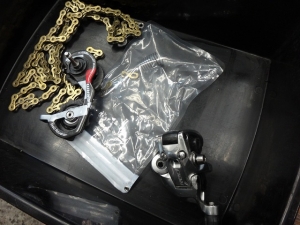
During a ride, the pulley cage suddenly separated from the pantograph section.
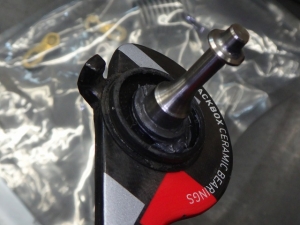
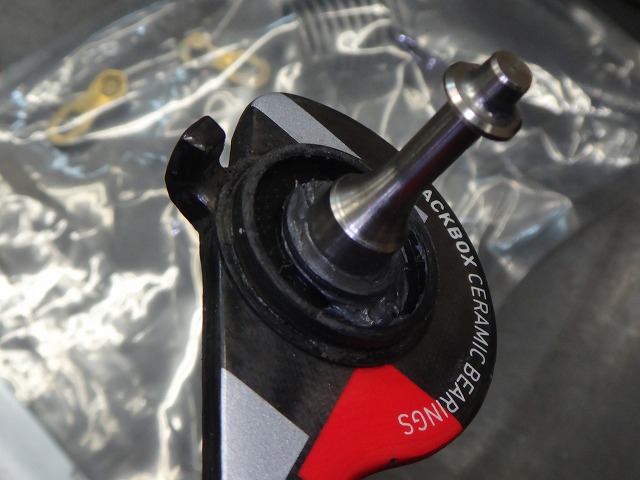
The image shows exactly what happened.

↑This rear derailleur uses a flanged shaft
fixed in place with a pin that blocks it from passing through.
That pin is the Phillips screw you see in the image,
and the pulley cage shouldn't come off unless this screw comes out.
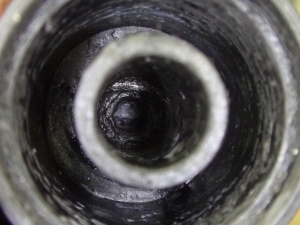
↑You can see the pin passing through the hole at the back—the upper side in this image.
So why did it come off? Well...
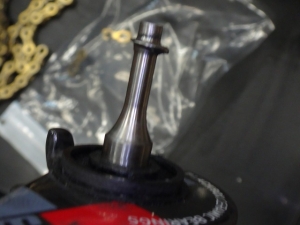
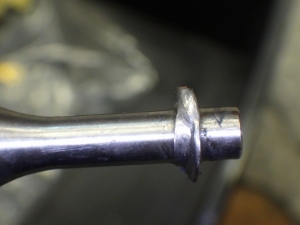
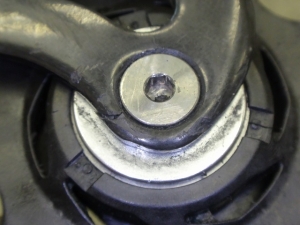
The flange was crushed.
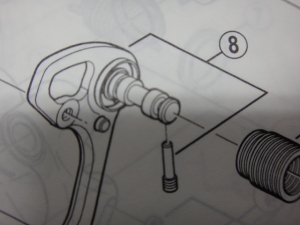
Shimano rear derailleurs typically use a method where a pivot bolt passes through here
and then a snap ring is installed,
but certain older models (like the 7700-era Ultegra and lower) used
a similar pin-blocking method (shown in the image above).
Those use a thicker steel shaft with a slit for the pin,
but RED went too far chasing lightness with a titanium shaft and a pathetic excuse for a flange,
so it's no wonder it broke.
Apart from the broken derailleur, the customer has another "identical" RED rear derailleur,
and wanted me to combine the better parts from each one.
We actually ended up going to IKEA to eat crayfish.
I'm pretty sure the crayfish festival had already ended by then.
Anyway, I wrote "identical" in quotes for a reason—they weren't actually the same.
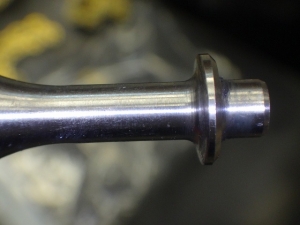
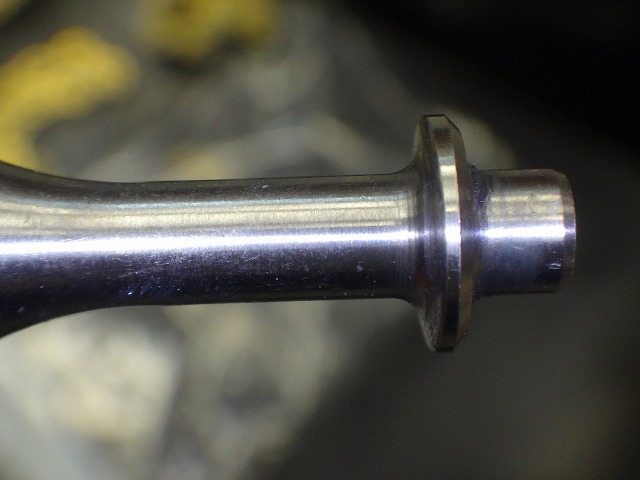
Flange that isn't crushed

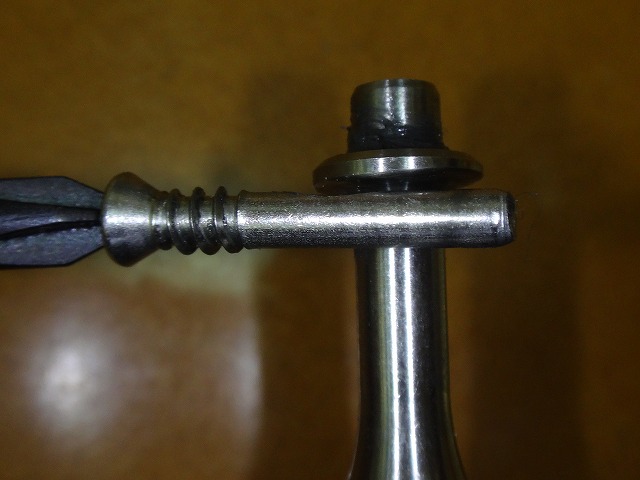
↑So this is how the pin sits in place.
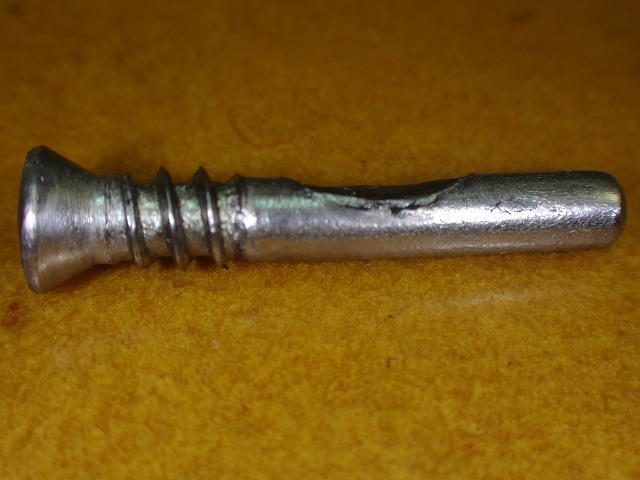
Just to be sure, I removed the pin from the broken derailleur...
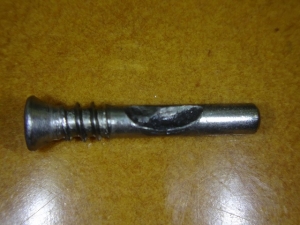
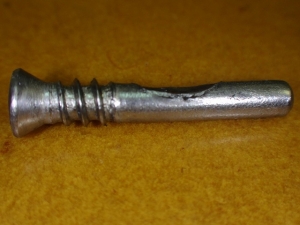
What the heck!
The pin screws in tight and won't move, so it appears to wear from the pulley cage movement.
It might actually be quite a consumable item (a design weakness).
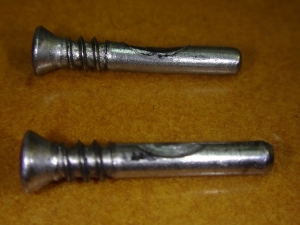
And the pin on the undamaged rear derailleur
also shows similar wear, though to a lesser degree.
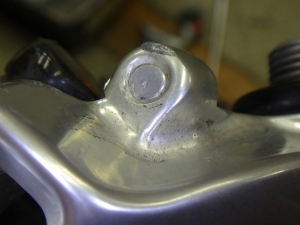
The reason the undamaged rear derailleur was in parts condition is
(SRAM rear derailleurs are single-tension so there's no B-tension,
but the equivalent of what Shimano calls the B-tension adjustment bolt
broke flush with the surface and is seized up, so the customer gave up on it.
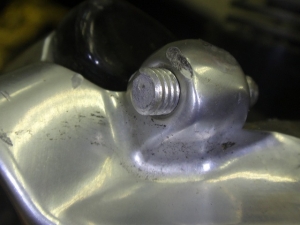

Don't give up!
But once I removed it, reuse wasn't possible anyway.
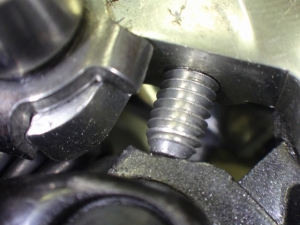
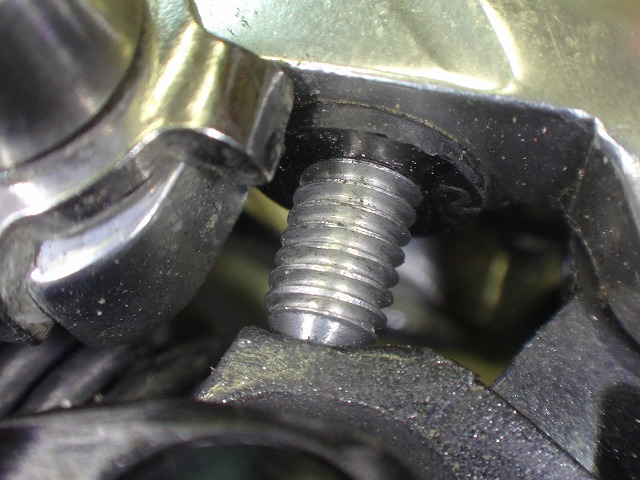
↑This is the top adjustment bolt from the rear derailleur with the detached pulley cage,
viewed from the inside.
The aluminum body has threads cut directly into it.
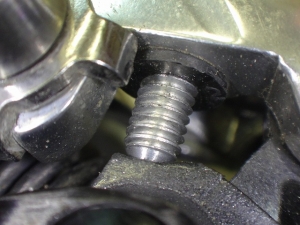
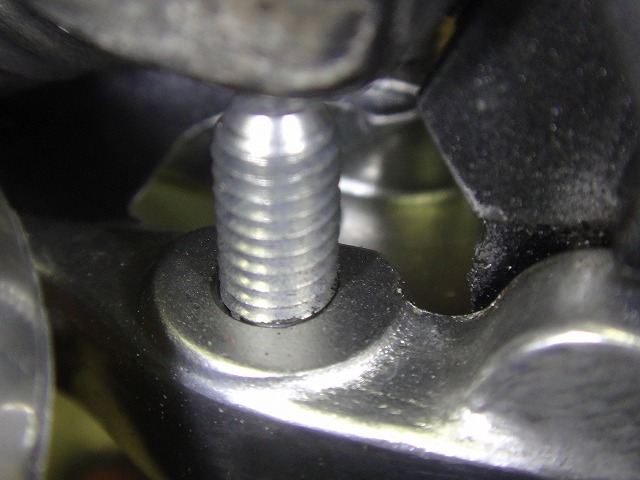
But on the other rear derailleur,
the threaded section has plastic insert embedded in it.
In other words, two RED rear derailleurs that look completely identical
are actually different versions and not "the same" at all.
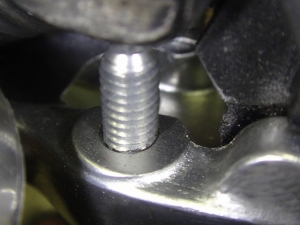
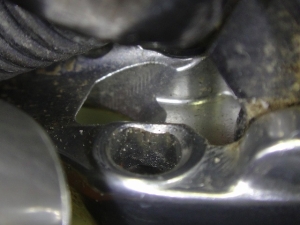
So the rear derailleur with the better condition pantograph section
(the one I removed the adjustment bolt from)
was missing the plastic threaded insert on the top adjustment bolt,
so it couldn't be reused.
The pulleys—the version with three square notches on all sides top, bottom, left, and right—
had no cracks, so

this one was cracked, so I'll use the undamaged one.
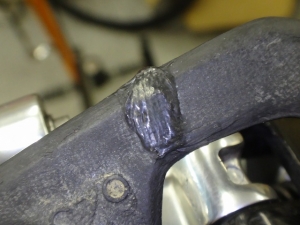
In the previous image, there's a hairline crack around the pulley mounting bolt,
so I didn't use that one.
The flanged titanium shaft is fixed to the outer pulley plate
so it can't be replaced.
The pulley plate with the undamaged shaft had a crack, so
I did some generous repair work on it.
I installed the rebuilt rear derailleur on the customer's frame.
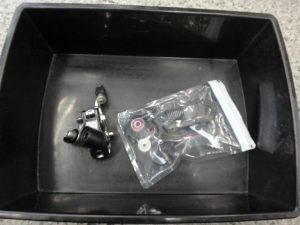
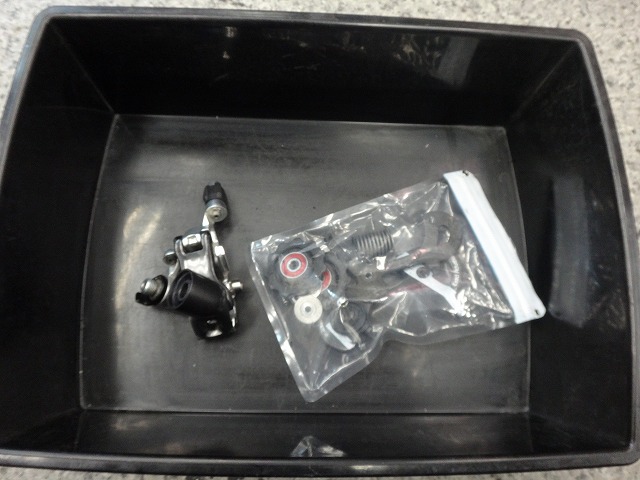
Almost none of the leftover parts were usable.
By the way, this box that the customer brought
is a drawer-style case sized to fit VHS video tapes.

But those don't exist anymore

During a ride, the pulley cage suddenly separated from the pantograph section.
The image shows exactly what happened.
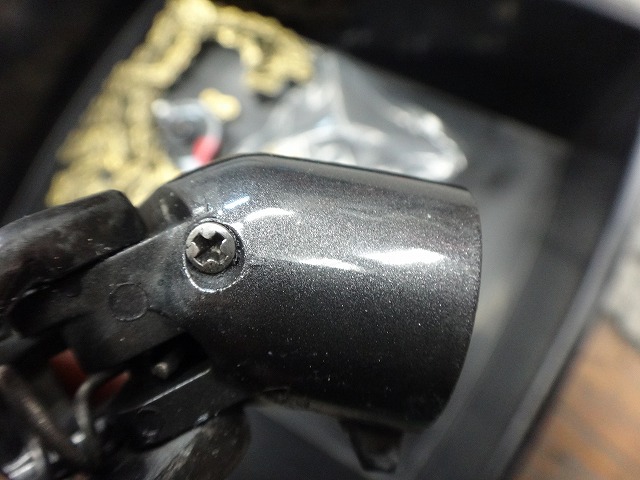
↑This rear derailleur uses a flanged shaft
fixed in place with a pin that blocks it from passing through.
That pin is the Phillips screw you see in the image,
and the pulley cage shouldn't come off unless this screw comes out.
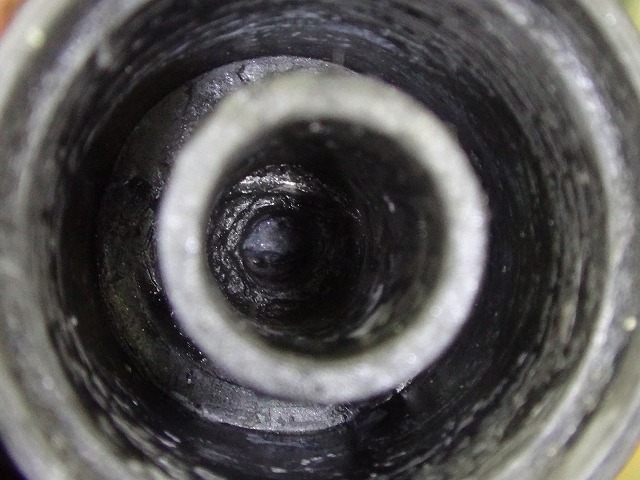
↑You can see the pin passing through the hole at the back—the upper side in this image.
So why did it come off? Well...
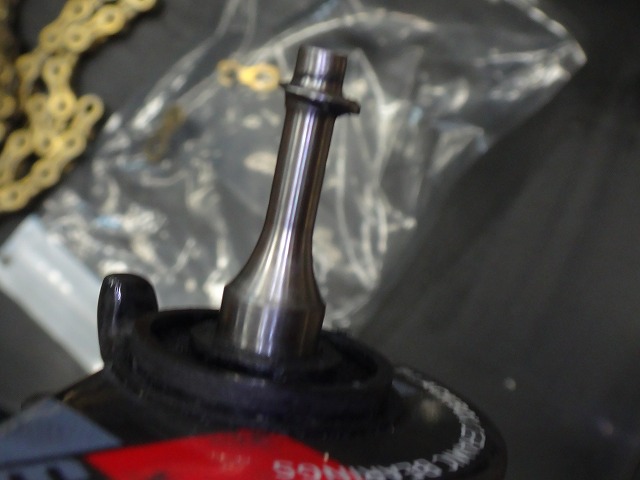
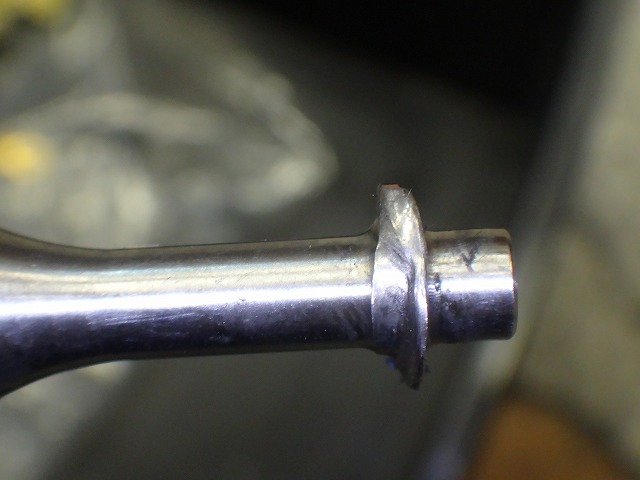
The flange was crushed.
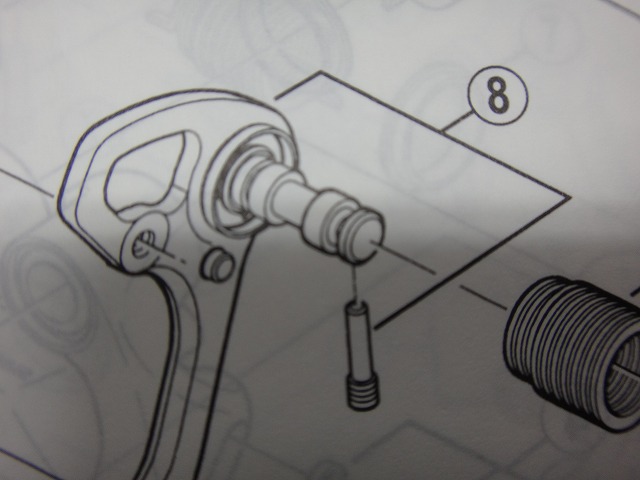
Shimano rear derailleurs typically use a method where a pivot bolt passes through here
and then a snap ring is installed,
but certain older models (like the 7700-era Ultegra and lower) used
a similar pin-blocking method (shown in the image above).
Those use a thicker steel shaft with a slit for the pin,
but RED went too far chasing lightness with a titanium shaft and a pathetic excuse for a flange,
so it's no wonder it broke.
Apart from the broken derailleur, the customer has another "identical" RED rear derailleur,
and wanted me to combine the better parts from each one.
We actually ended up going to IKEA to eat crayfish.
I'm pretty sure the crayfish festival had already ended by then.
Anyway, I wrote "identical" in quotes for a reason—they weren't actually the same.
Flange that isn't crushed
↑So this is how the pin sits in place.
Just to be sure, I removed the pin from the broken derailleur...

What the heck!
The pin screws in tight and won't move, so it appears to wear from the pulley cage movement.
It might actually be quite a consumable item (a design weakness).
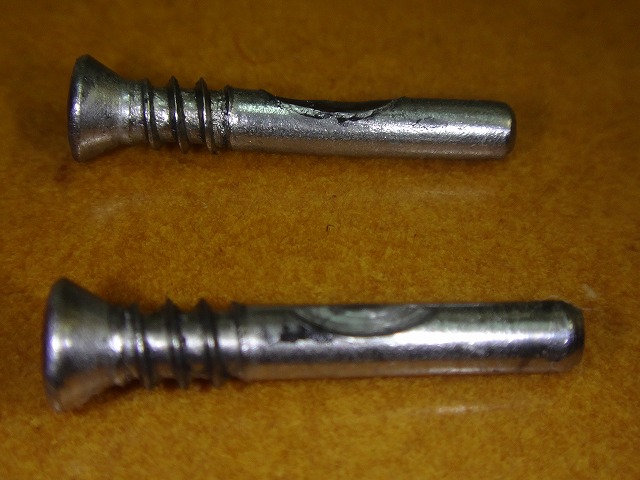
And the pin on the undamaged rear derailleur
also shows similar wear, though to a lesser degree.

The reason the undamaged rear derailleur was in parts condition is
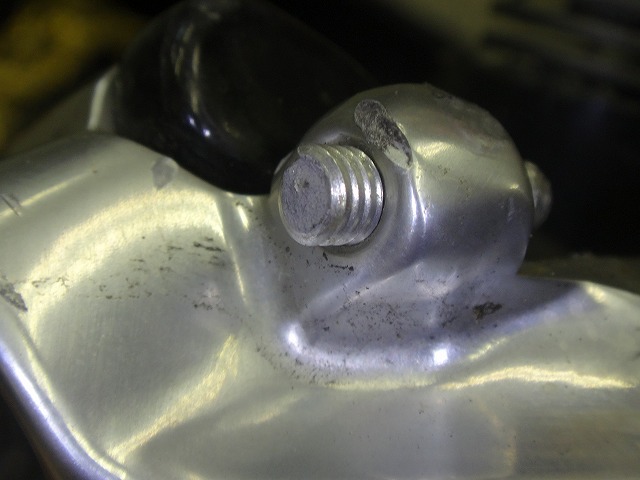
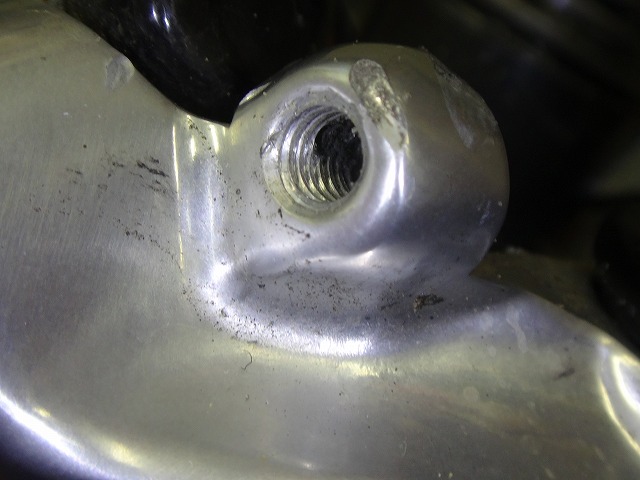
(SRAM rear derailleurs are single-tension so there's no B-tension,
but the equivalent of what Shimano calls the B-tension adjustment bolt
broke flush with the surface and is seized up, so the customer gave up on it.
Don't give up!
But once I removed it, reuse wasn't possible anyway.
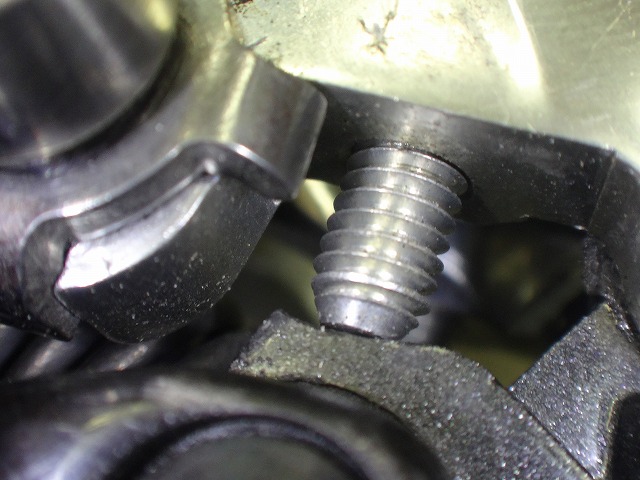
↑This is the top adjustment bolt from the rear derailleur with the detached pulley cage,
viewed from the inside.
The aluminum body has threads cut directly into it.
But on the other rear derailleur,
the threaded section has plastic insert embedded in it.
In other words, two RED rear derailleurs that look completely identical
are actually different versions and not "the same" at all.
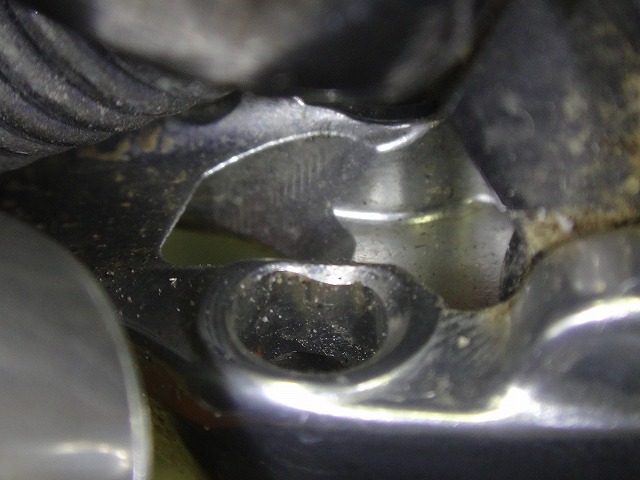
So the rear derailleur with the better condition pantograph section
(the one I removed the adjustment bolt from)
was missing the plastic threaded insert on the top adjustment bolt,
so it couldn't be reused.
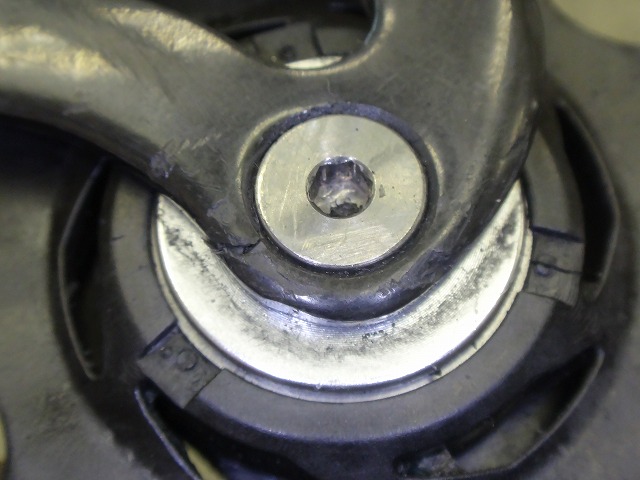
The pulleys—the version with three square notches on all sides top, bottom, left, and right—
had no cracks, so
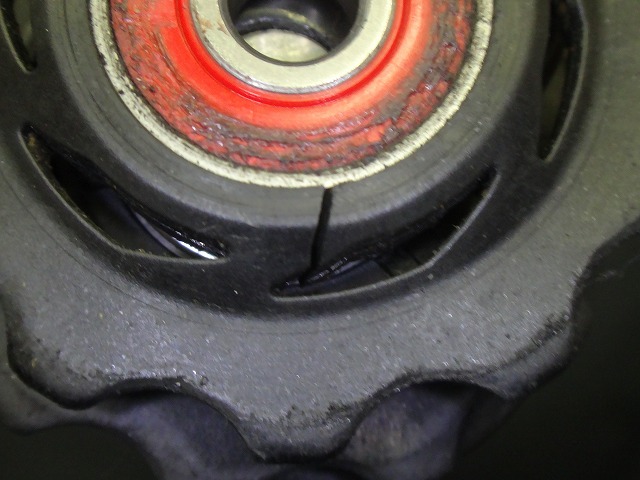
this one was cracked, so I'll use the undamaged one.
In the previous image, there's a hairline crack around the pulley mounting bolt,
so I didn't use that one.
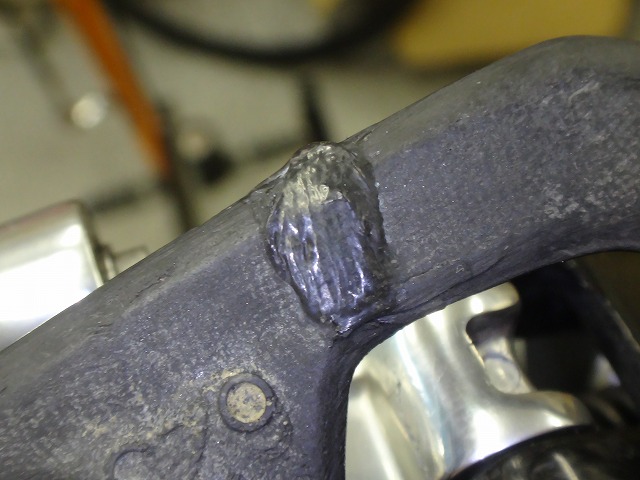
The flanged titanium shaft is fixed to the outer pulley plate
so it can't be replaced.
The pulley plate with the undamaged shaft had a crack, so
I did some generous repair work on it.
I installed the rebuilt rear derailleur on the customer's frame.
Almost none of the leftover parts were usable.
By the way, this box that the customer brought
is a drawer-style case sized to fit VHS video tapes.

But those don't exist anymore