True, another day with wheels (and so on).
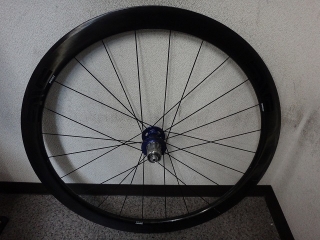
A customer brought in tubular wheels from a Smart Envy 3.4.
These are Japanese-made wheels from ENVE's former distributor.
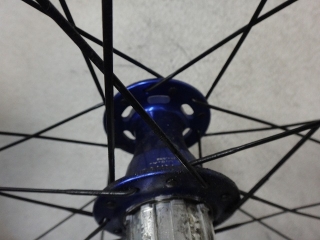
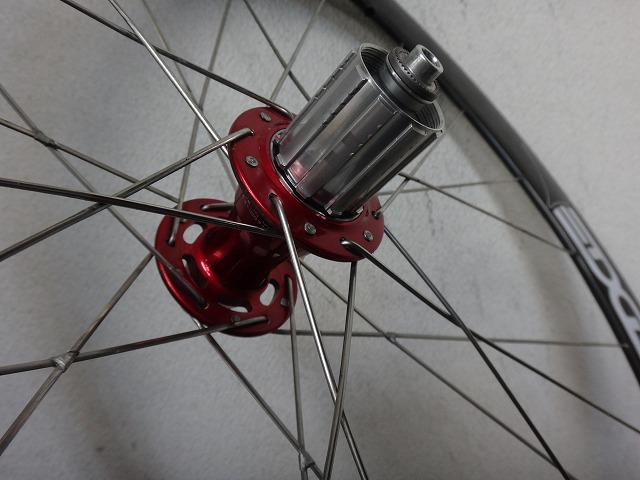
The hubs are Chris King R45s with
a 35mm-high rim front wheel at 20H and a 45mm-high rim rear wheel at 24H.
The front wheel is virtually true and perfectly centered,
while the rear wheel is virtually true but the rim sits ever so slightly toward the anti-freewheel side.
Since it's not the direction that wear would move it from age, this was the original condition,
though it's only about the thickness of a piece of paper, so you could say it's nitpicking.
The customer wanted the wheels rebuilt,
and since they know the rigidity of the rear wheel I built—a half-comp four-cross laced hub with spoke ends showing—
they want this wheel brought up to meet that standard.
Also, they said that while they don't notice it much on flat terrain once speed picks up,
on climbs they definitely feel the rim's weight,
so they asked me to measure the actual weight too.
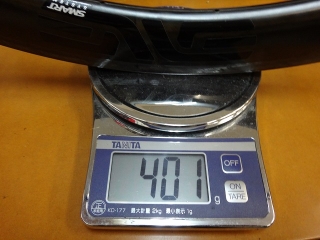
I disassembled it.
The Smart Envy 3.4's rear rim is 45mm high, which is nearly the same rim height as the Classic Envy (or the EDGE before that),
so I can compare weights for that rim height.
The customer's EDGE 45 weighs 309g (→here),
so the rim weight difference is 92g.
As mentioned in that linked article, 309g for an early-model EDGE is quite heavy—lighter ones weigh around 275g.
Also, during the EDGE era there were two types of nipples supplied with the rim,
but both were aluminum with 5mm hex flats to turn them,
while Smart Envy nipples are brass nipples with 3.2mm square flats,
so the overall weight difference in the outer diameter parts including nipples comes to about 100g.
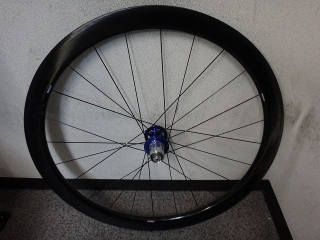
Built it.

R45 hub 24H, black, half-comp four-cross laced with spoke ends showing.
Both wheels have spoke lengths that are slightly long within tolerance,
and on the rear wheel I shortened them by 1mm during the rebuild,
but for the front wheel I judged that it didn't warrant rebuilding (and since we can't just shorten spokes, full spoke replacement would be needed),
so I just did a true. As I mentioned before, it was virtually true,
so I just barely turned a couple of nipples and the adjustment amount was nothing to speak of—
if the tire had been mounted, I might not have done a true at all.

I gave the hub a wash while I had it apart.
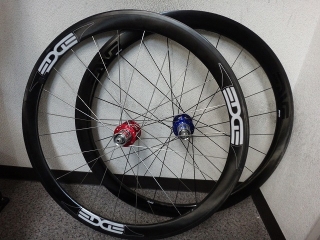
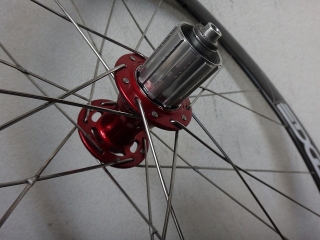
The customer also brought in the wheel I'd built previously,
so I trued that one too.
The front wheel's Classic Envy 1-45 weighs 288g, which for its generation is on the lighter side,
and it's exactly 100g lighter than the Smart Envy front wheel with its 35mm-high wide rim.
The rear wheel is 105g lighter.
Of course the Smart Envy is the heavier one.
The rim's resistance to deformation (rigidity) is better on the Smart Envy,
but I've kept the spoke tension the same on both.
The Classic Envy is extremely prone to buckling when heated by brake friction,
but this was dramatically improved with the Smart Envy.
There's no doubt it's one of the benefits of going with a wide rim.
To be honest it's a copy so it's only natural,
Like the ZIPP Firecrest, the Smart Envy's nearly rectangular rim cross-section
is aerodynamically superior (supposedly) to previous rims, which is another advantage.
But whether this "strength against heat and buckling, plus aerodynamic advantage in exchange for about 100g heavier rim" makes sense to me in terms of overall performance—no, it doesn't.
If Classic Envy and Smart Envy were still sold side by side, I'd choose the Classic Envy even if a careless moment or unavoidable crash meant the rim wouldn't last long.
That said, I understand the manufacturer's thinking too.
Reclassify the previous rim as "Classic Envy" →
add Smart Envy to the lineup →
discontinue Classic Envy,
and by phasing it out this way to make it "never happened,"
the damage reports sent to the manufacturer and
crash replacement applications must
have clearly decreased.
There's no point in wishing for a discontinued product.
If you own a Classic Envy without heat sag or bulging in the brake zone at this point, take good care of it.
In the end I didn't do it, but that 1-45 was also a rim I was considering for my Nomo Lab Wheels #0.
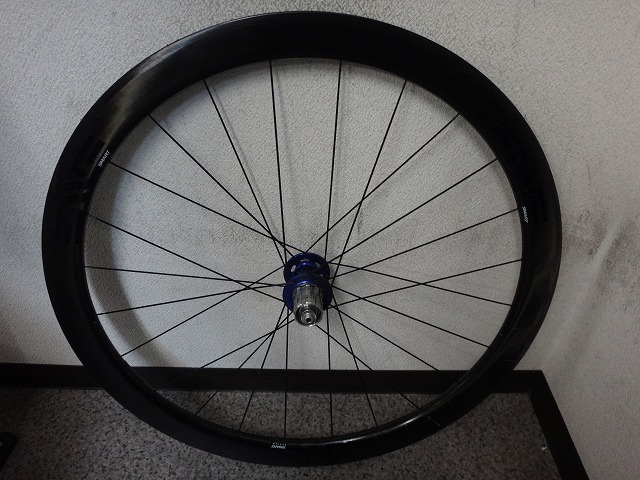
A customer brought in tubular wheels from a Smart Envy 3.4.
These are Japanese-made wheels from ENVE's former distributor.
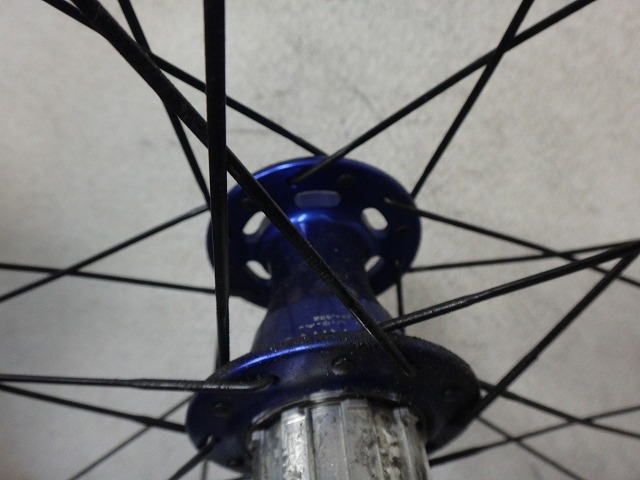
The hubs are Chris King R45s with
a 35mm-high rim front wheel at 20H and a 45mm-high rim rear wheel at 24H.
The front wheel is virtually true and perfectly centered,
while the rear wheel is virtually true but the rim sits ever so slightly toward the anti-freewheel side.
Since it's not the direction that wear would move it from age, this was the original condition,
though it's only about the thickness of a piece of paper, so you could say it's nitpicking.
The customer wanted the wheels rebuilt,
and since they know the rigidity of the rear wheel I built—a half-comp four-cross laced hub with spoke ends showing—
they want this wheel brought up to meet that standard.
Also, they said that while they don't notice it much on flat terrain once speed picks up,
on climbs they definitely feel the rim's weight,
so they asked me to measure the actual weight too.
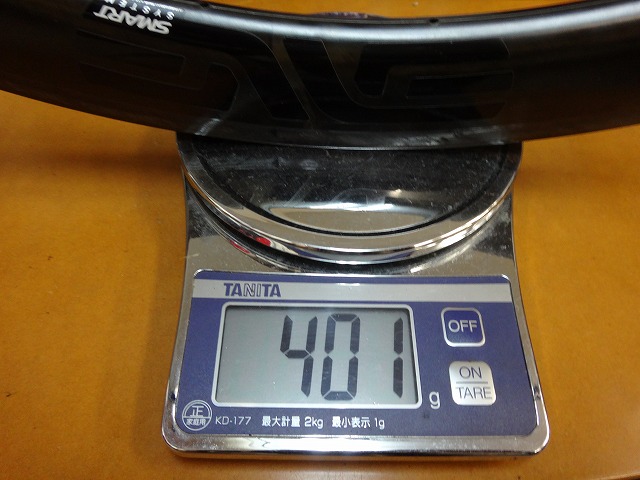
I disassembled it.
The Smart Envy 3.4's rear rim is 45mm high, which is nearly the same rim height as the Classic Envy (or the EDGE before that),
so I can compare weights for that rim height.
The customer's EDGE 45 weighs 309g (→here),
so the rim weight difference is 92g.
As mentioned in that linked article, 309g for an early-model EDGE is quite heavy—lighter ones weigh around 275g.
Also, during the EDGE era there were two types of nipples supplied with the rim,
but both were aluminum with 5mm hex flats to turn them,
while Smart Envy nipples are brass nipples with 3.2mm square flats,
so the overall weight difference in the outer diameter parts including nipples comes to about 100g.

Built it.
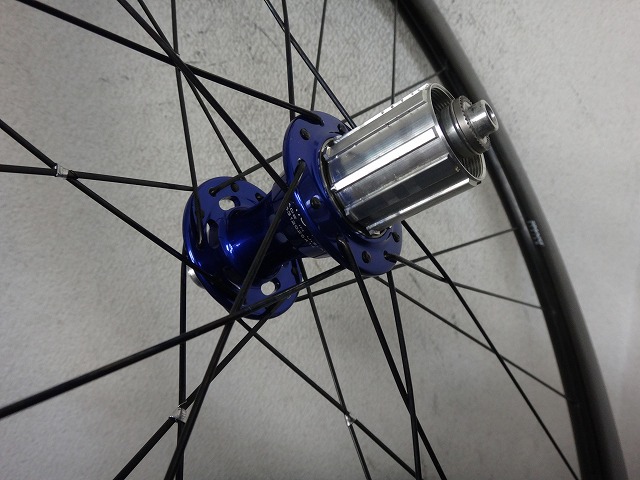
R45 hub 24H, black, half-comp four-cross laced with spoke ends showing.
Both wheels have spoke lengths that are slightly long within tolerance,
and on the rear wheel I shortened them by 1mm during the rebuild,
but for the front wheel I judged that it didn't warrant rebuilding (and since we can't just shorten spokes, full spoke replacement would be needed),
so I just did a true. As I mentioned before, it was virtually true,
so I just barely turned a couple of nipples and the adjustment amount was nothing to speak of—
if the tire had been mounted, I might not have done a true at all.
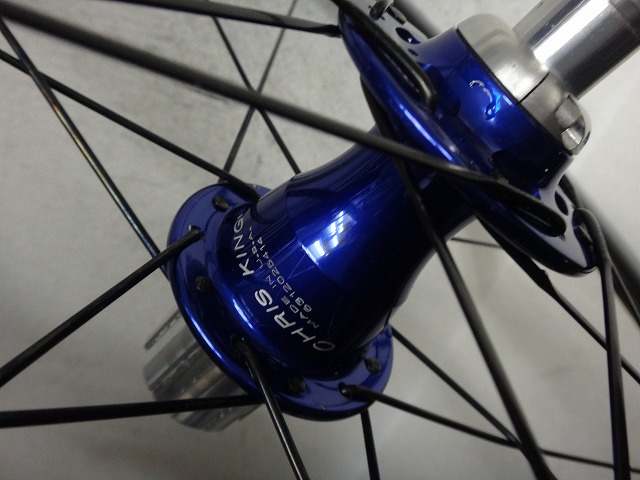
I gave the hub a wash while I had it apart.
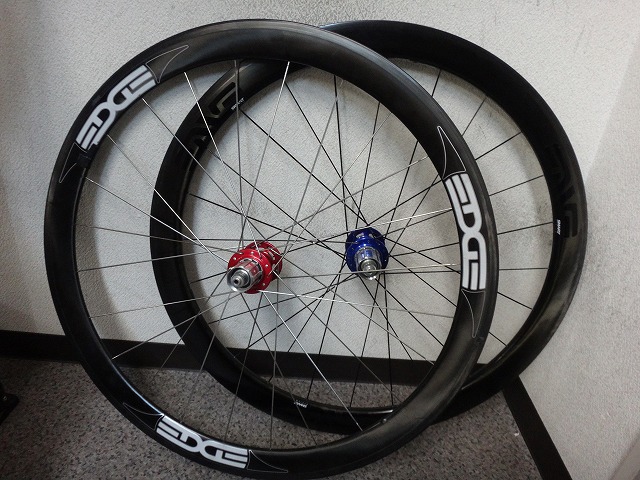
The customer also brought in the wheel I'd built previously,
so I trued that one too.
The front wheel's Classic Envy 1-45 weighs 288g, which for its generation is on the lighter side,
and it's exactly 100g lighter than the Smart Envy front wheel with its 35mm-high wide rim.
The rear wheel is 105g lighter.
Of course the Smart Envy is the heavier one.
The rim's resistance to deformation (rigidity) is better on the Smart Envy,
but I've kept the spoke tension the same on both.
The Classic Envy is extremely prone to buckling when heated by brake friction,
but this was dramatically improved with the Smart Envy.
There's no doubt it's one of the benefits of going with a wide rim.
Like the ZIPP Firecrest, the Smart Envy's nearly rectangular rim cross-section
is aerodynamically superior (supposedly) to previous rims, which is another advantage.
But whether this "strength against heat and buckling, plus aerodynamic advantage in exchange for about 100g heavier rim" makes sense to me in terms of overall performance—no, it doesn't.
If Classic Envy and Smart Envy were still sold side by side, I'd choose the Classic Envy even if a careless moment or unavoidable crash meant the rim wouldn't last long.
That said, I understand the manufacturer's thinking too.
Reclassify the previous rim as "Classic Envy" →
add Smart Envy to the lineup →
discontinue Classic Envy,
and by phasing it out this way to make it "never happened,"
the damage reports sent to the manufacturer and
crash replacement applications must
have clearly decreased.
There's no point in wishing for a discontinued product.
If you own a Classic Envy without heat sag or bulging in the brake zone at this point, take good care of it.
In the end I didn't do it, but that 1-45 was also a rim I was considering for my Nomo Lab Wheels #0.