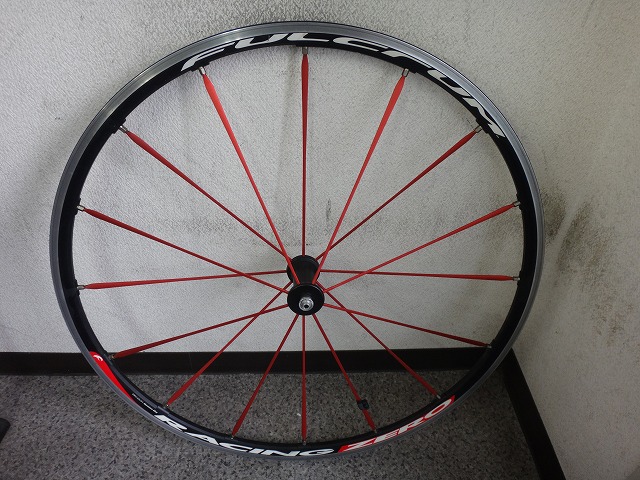
I took in a first generation Racing Zero from a customer.
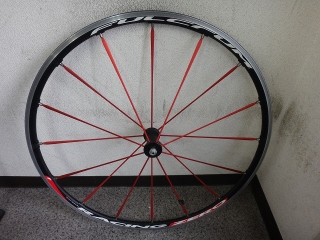
While the rim/spokes/hub aren't red/red/red, they are black/red/black,
but spec-wise it's the same as the first generation Racing Zero.
Of course, it has butted spokes.
The customer isn't the original owner of this wheel—they just acquired it—
but wanted an inspection before using it.
The hub internals were barely dirty, and there was no wear on the brake zone,
so for its age the condition was excellent.
The image above is the front wheel (←you can see that),
but I forgot to shoot a full image of the rear wheel.
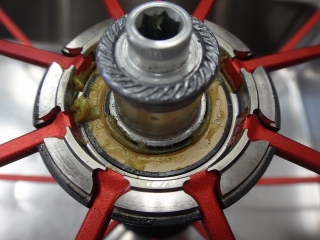
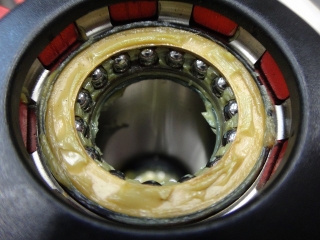
The front hub has no wear marks on the cone,
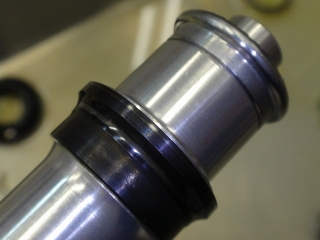
and there are just faint marks on the adjustable cone.
With proper adjustment and continued use, the rotation should spin even lighter.

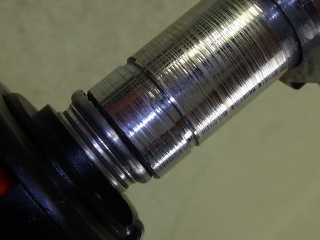
There was play in the hub, but there was no centering offset from the start,
and even after disassembling and reassembling the hub, no offset appeared.
Radial runout is essentially non-existent.
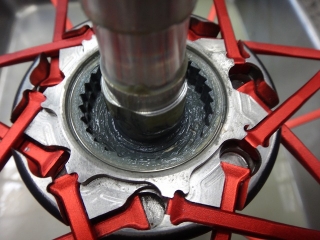
Now for the rear wheel.
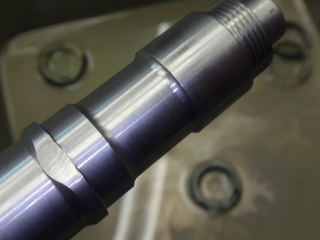
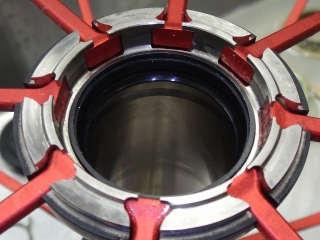
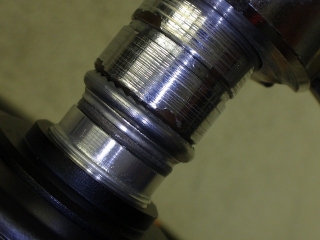
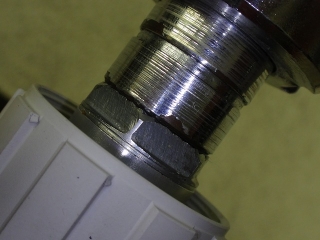
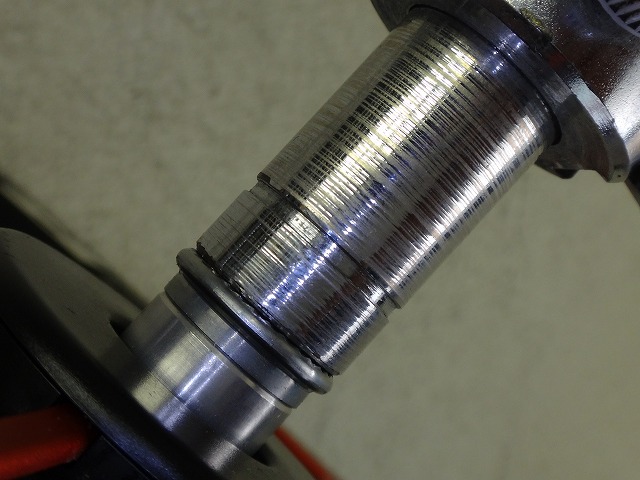
The rear hub axle has zero galling or secondary rust from the freewheel body bearings.
I'd say this is basically in unused condition.
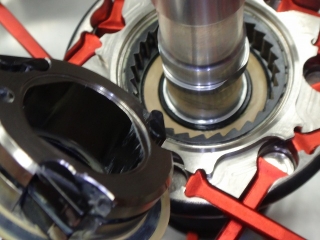
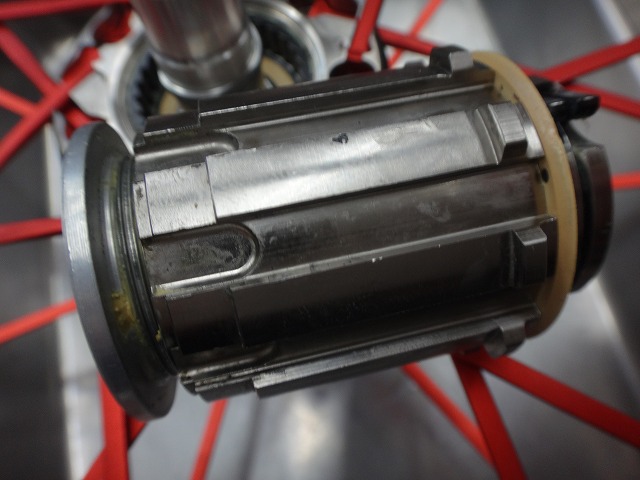
I cleaned it, but I won't be using this freewheel body.
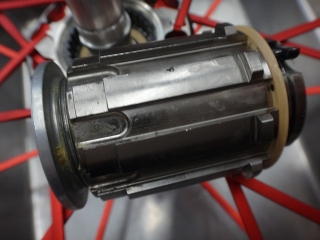
This is a Shimano 10-speed exclusive freewheel body that came out only briefly—
9-speed sprockets can't be used because they get caught on the stepped shoulder,
and 11-speed sprockets can't be used because the spline length is insufficient,
which is why it ended up being 10-speed exclusive.
The Shimano 11-speed freewheel body that came out after this is steel,
but this one is made of aluminum.
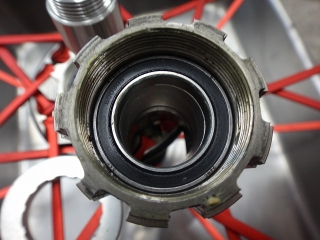
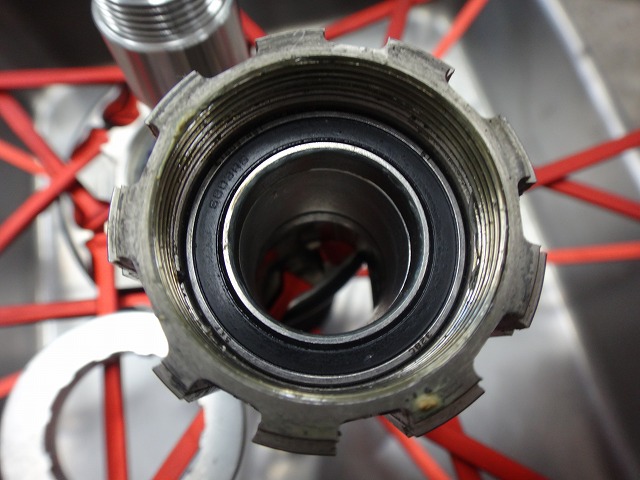
With the technology of the time, it was probably impossible to thin the lockring thread section on an aluminum freewheel body,
so despite being a Shimano freewheel body,
it used a Campagnolo-spec lockring instead.
Campagnolo's lockring has a smaller thread diameter,
which allowed more thickness on the freewheel body edge.
Naturally, when you bought this wheel, even if you were a Shimano user,
you needed a Campagnolo lockring tool,
so tools like the CYCLUS dual-headed lockring tool
and the BBB Campagnolo-spec lockring tool sold quite well back then.
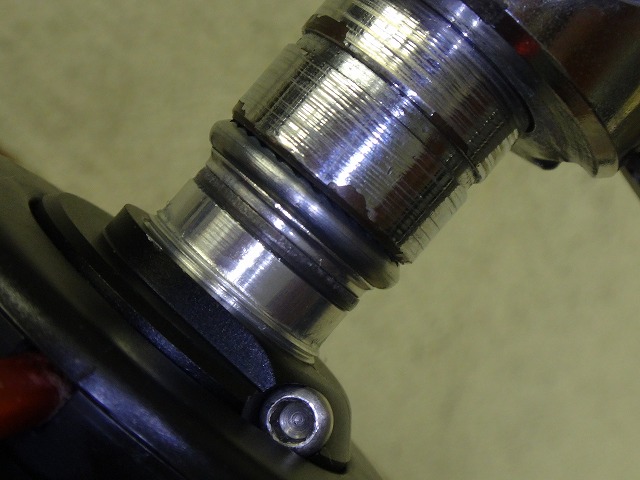
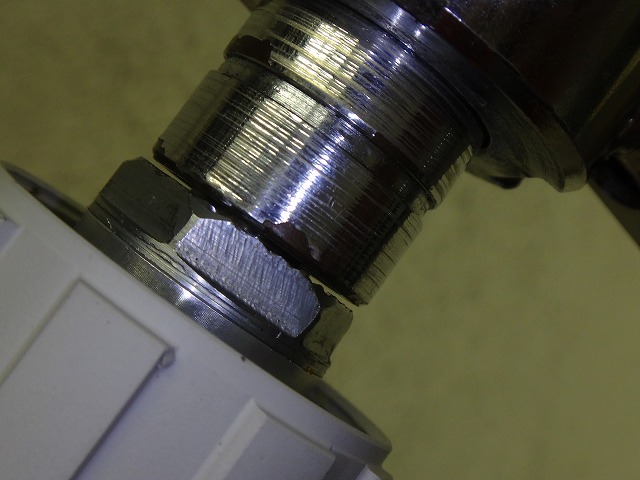
I'll be replacing the freewheel body with the current Shimano white aluminum freewheel body,
but the requirement for that is
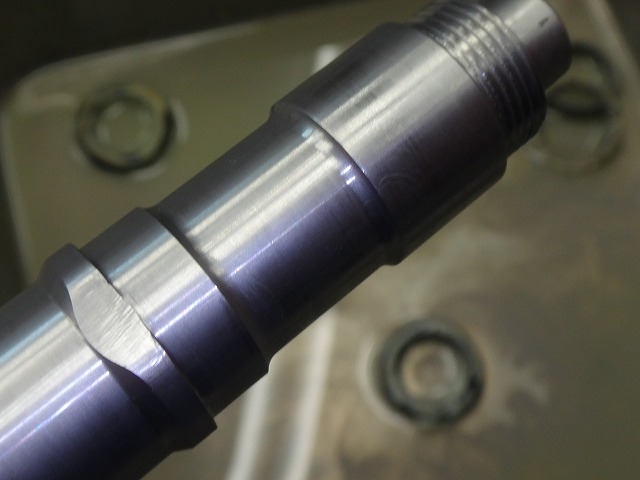
a "butted, three-notch rear hub axle."
After checking, the Racing Zero specs for the first generation were from 2006 to 2009,
and in 2005 the Racing 1 was the flagship model,
so the Racing Zero didn't exist yet.
The old unbatted axle was used until 2005,
and from 2006 onward it became the batted, three-notch type,
so any Racing Zero confirmed to be from 2006 onward
will definitely have the batted new-spec axle
unless something was modified.
In fact, looking at the image from earlier, it's that way,
so no hub axle replacement is necessary
to swap in the white aluminum freewheel body.

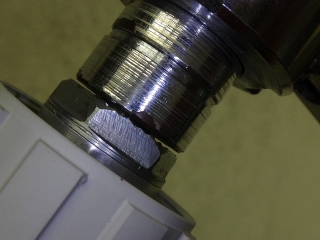
I replaced the freewheel body.
It looks like there's a centering offset, but that's not the case—
there's one noticeable lateral runout (no spoke deformation),
and I just happened to place the gauge near that phase,
so there's a gap.
When measured at other phases it showed essentially no centering offset.
I trued the wheel and applied the centering gauge again.
No matter which phase I measure at, it shows zero centering offset.
While the rim/spokes/hub aren't red/red/red, they are black/red/black,
but spec-wise it's the same as the first generation Racing Zero.
Of course, it has butted spokes.
The customer isn't the original owner of this wheel—they just acquired it—
but wanted an inspection before using it.
The hub internals were barely dirty, and there was no wear on the brake zone,
so for its age the condition was excellent.
The image above is the front wheel (←you can see that),
but I forgot to shoot a full image of the rear wheel.


The front hub has no wear marks on the cone,
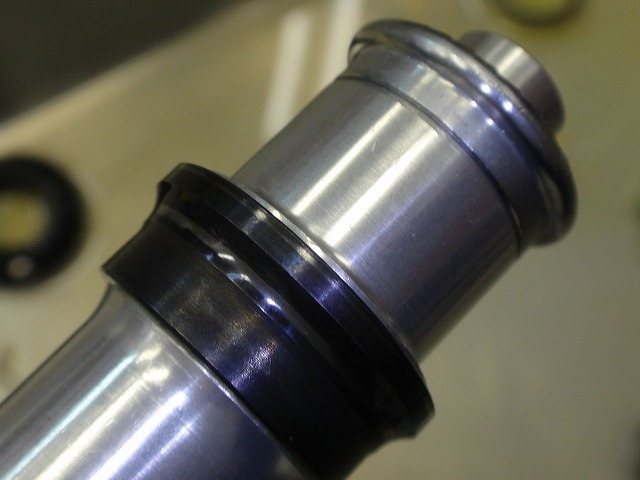
and there are just faint marks on the adjustable cone.
With proper adjustment and continued use, the rotation should spin even lighter.

There was play in the hub, but there was no centering offset from the start,
and even after disassembling and reassembling the hub, no offset appeared.
Radial runout is essentially non-existent.
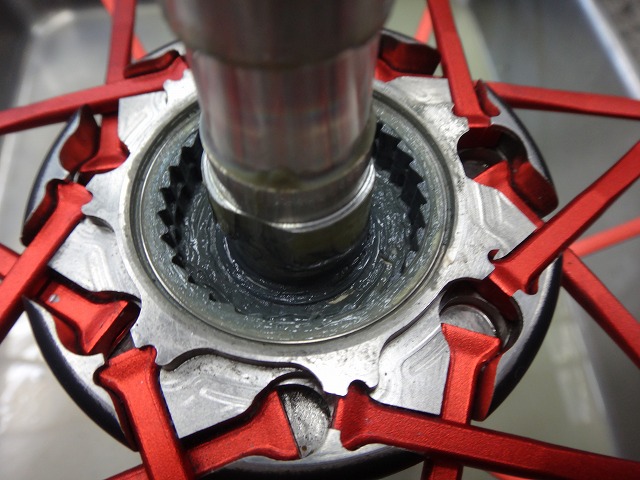
Now for the rear wheel.
The rear hub axle has zero galling or secondary rust from the freewheel body bearings.
I'd say this is basically in unused condition.
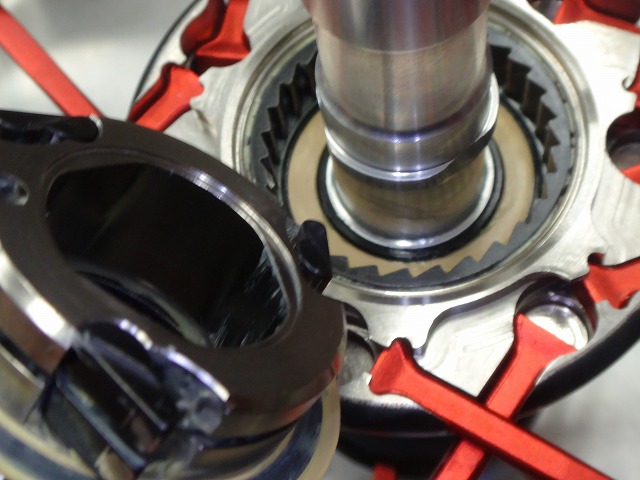
I cleaned it, but I won't be using this freewheel body.
This is a Shimano 10-speed exclusive freewheel body that came out only briefly—
9-speed sprockets can't be used because they get caught on the stepped shoulder,
and 11-speed sprockets can't be used because the spline length is insufficient,
which is why it ended up being 10-speed exclusive.
The Shimano 11-speed freewheel body that came out after this is steel,
but this one is made of aluminum.
With the technology of the time, it was probably impossible to thin the lockring thread section on an aluminum freewheel body,
so despite being a Shimano freewheel body,
it used a Campagnolo-spec lockring instead.
Campagnolo's lockring has a smaller thread diameter,
which allowed more thickness on the freewheel body edge.
Naturally, when you bought this wheel, even if you were a Shimano user,
you needed a Campagnolo lockring tool,
so tools like the CYCLUS dual-headed lockring tool
and the BBB Campagnolo-spec lockring tool sold quite well back then.
I'll be replacing the freewheel body with the current Shimano white aluminum freewheel body,
but the requirement for that is
a "butted, three-notch rear hub axle."
After checking, the Racing Zero specs for the first generation were from 2006 to 2009,
and in 2005 the Racing 1 was the flagship model,
so the Racing Zero didn't exist yet.
The old unbatted axle was used until 2005,
and from 2006 onward it became the batted, three-notch type,
so any Racing Zero confirmed to be from 2006 onward
will definitely have the batted new-spec axle
unless something was modified.
In fact, looking at the image from earlier, it's that way,
so no hub axle replacement is necessary
to swap in the white aluminum freewheel body.
I replaced the freewheel body.
It looks like there's a centering offset, but that's not the case—
there's one noticeable lateral runout (no spoke deformation),
and I just happened to place the gauge near that phase,
so there's a gap.
When measured at other phases it showed essentially no centering offset.

I trued the wheel and applied the centering gauge again.
No matter which phase I measure at, it shows zero centering offset.