I received a Cosmic Pro Carbon SL UST (Mavic road wheelset) from a customer.
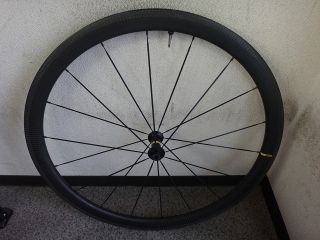
Starting with the front wheel.

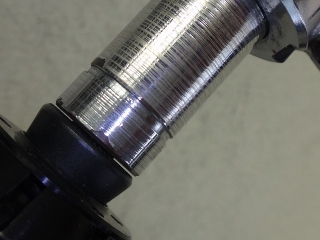
It had center offset and slight lateral runout, so
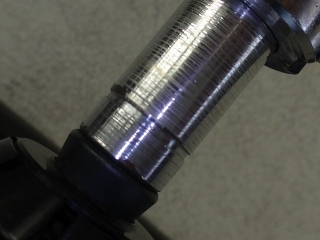
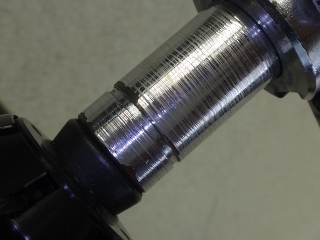
I corrected it.
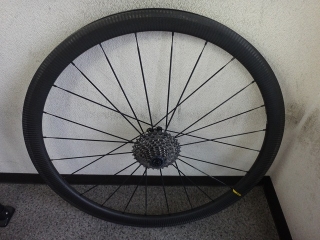
Next, the rear wheel.
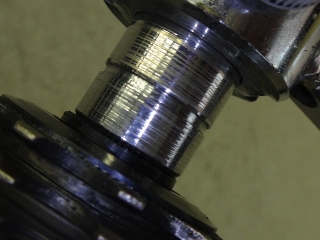
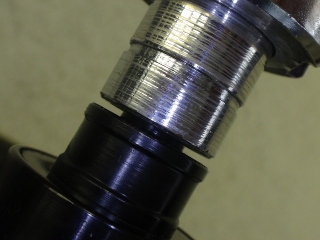
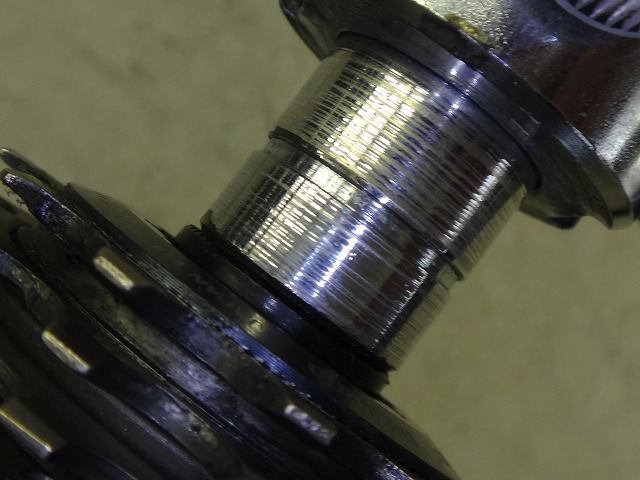
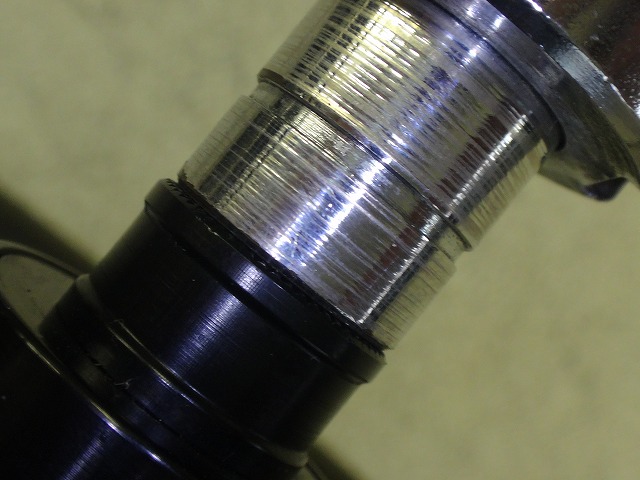
Almost no lateral runout, but it had noticeable center offset, so
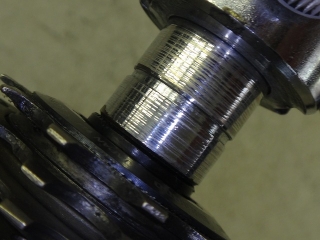

I corrected it.
Not from this wheel's customer, but
I've received a comment about center offset.
"You often point out center offset,
but when considering the various performance characteristics of a wheel,
how important is center offset really?
It's obviously not good for frames with tight brake clearances,
but in other cases, the downsides would be things like needing to adjust
the brake calipers when swapping wheels,
or potentially becoming aerodynamically disadvantaged by being off the frame's centerline—
honestly, I don't think it's something to worry too much about,
and if the person using it is satisfied, that should be fine, right?
Are straight-line stability or cornering characteristics actually being negatively affected
in ways I'm not noticing?
Or is it that for 'commercial products' and 'when charging money,' quality and
considerations like tight-clearance frames mean it should be perfectly centered?"
Without significant offset, you can't tell center deviation by eye without tools.
You won't experience any perceivable problems from riding it.
Shifting doesn't get messed up or anything,
and there are probably countless wheels with center offset running around out there.
Just like the moon in the night sky doesn't exist until you look up and see it,
center offset doesn't have its existence confirmed until you hold a center gauge against it,
so people who don't worry about it—well, that's fine then, isn't it?
I've never wanted people who don't care about it to start caring,
and I've never actually stopped a cyclist on the street, forcibly removed their wheel,
and held a center gauge to it
(let's call this "center offset hunting").
However, people who do care often come to the shop or send me wheels.
This rear wheel has center offset at a level that could cause brake adjustment problems,
but with Mavic, there are countless wheels running around with this much offset.
This customer probably didn't notice the center offset until sending it to my shop
(at least they couldn't have been certain),
and they wouldn't be satisfied if I said
"As you can see in the image, it's this far offset, but I'll send it back without fixing it."
As the comment mentions, the fact that it's a "commercial product" matters.
For wheels I've built or inspected
while taking money, I can't leave them with offset.
At minimum, when I take a wheel off my truing stand,
I'm certain there's no center offset detectable by a center gauge.
Regarding the frame and fork conditions,
the combination most likely to cause brake rub from center offset is
"wide rim with direct-mount brake,"
but not having that condition doesn't mean I can compromise on quality standards.
I do commit to correcting center offset and other issues
on wheels that pass through my truing stand as much as I'm able,
but I don't know about wheels that don't go through my work
and where "the rider is personally satisfied"
However, at least you won't have to worry about encountering my "center offset hunting"
while riding around town,
so use them with confidence and peace of mind.
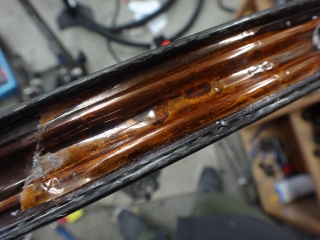
With Mavic's road UST tubeless wheels,
they have black tape—traditionally applied to clincher rims to smooth out the seam construction marks
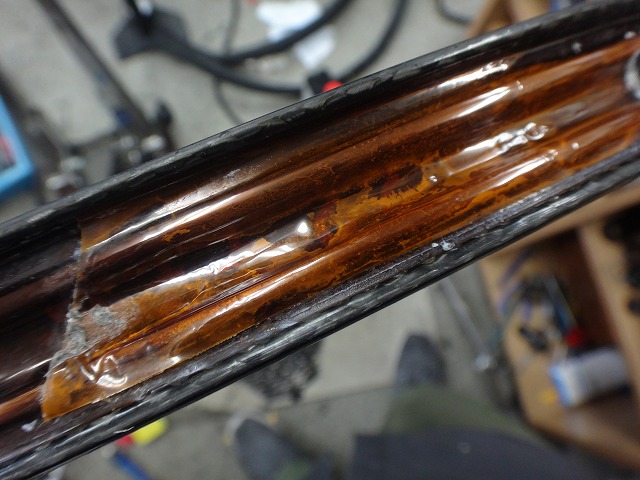
(to prevent tube punctures as a safety measure)—applied last on top of the brown tubeless rim tape.
But I'm seeing cases where it wrinkles, shrinks, and peels back,
and the tubeless rim tape underneath even peels back,
allowing sealant to seep in.
In the image above,
the black tape was peeling so badly I removed it.
Sealant seepage is also visible.
The rear wheel was especially bad, so I replaced the rim tape.
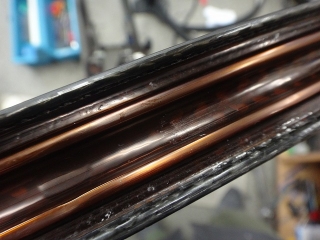
↑By the way, this section shows no sealant seepage
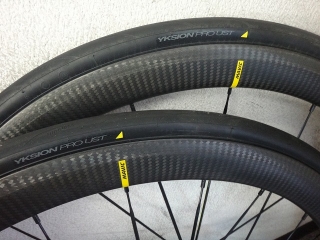
Recent road UST tubeless tires
have become about as easy to mount and remove as slightly tight clincher tires.
They're not like the ones from before—where once they hooked on the bead hook,
the bead was so stiff that even finger pressure wouldn't make it drop.
I wouldn't even be confident I could handle those old tires properly on the roadside.
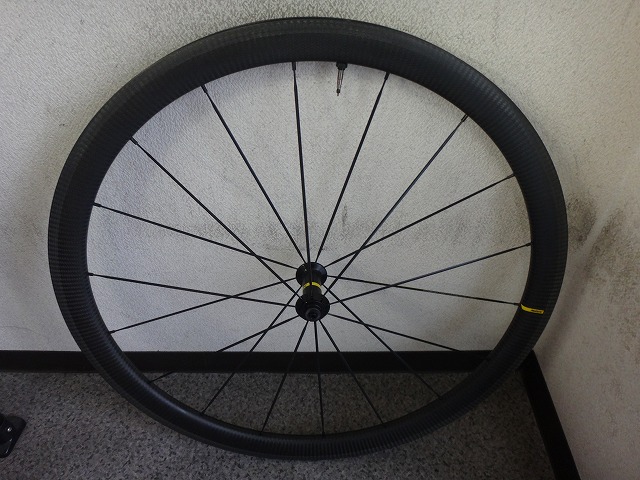
Starting with the front wheel.
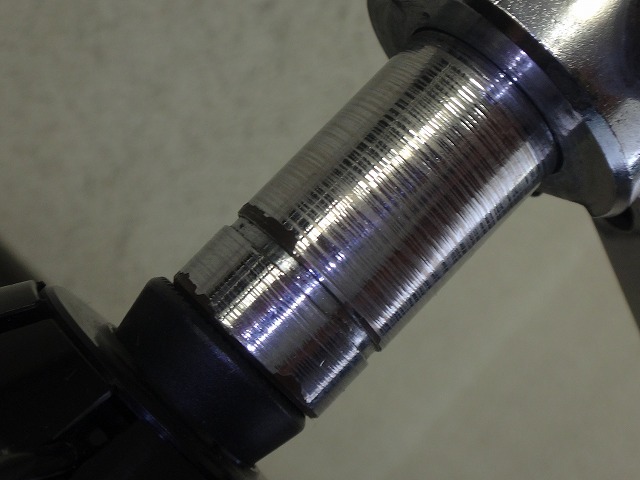

It had center offset and slight lateral runout, so

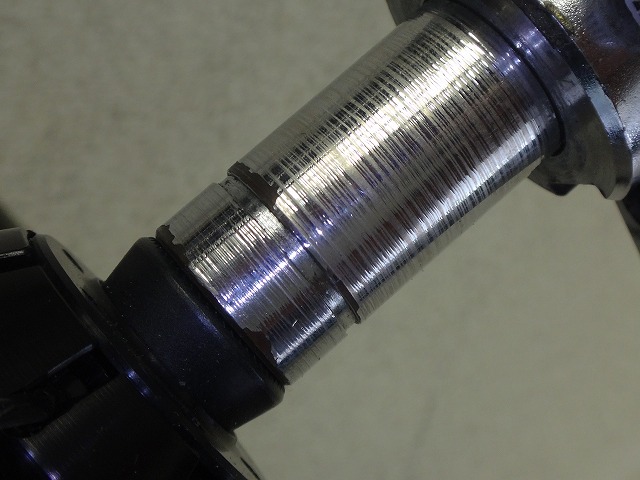
I corrected it.

Next, the rear wheel.
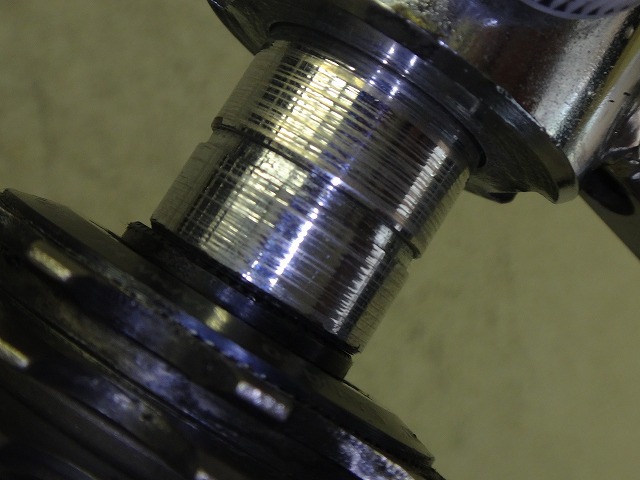
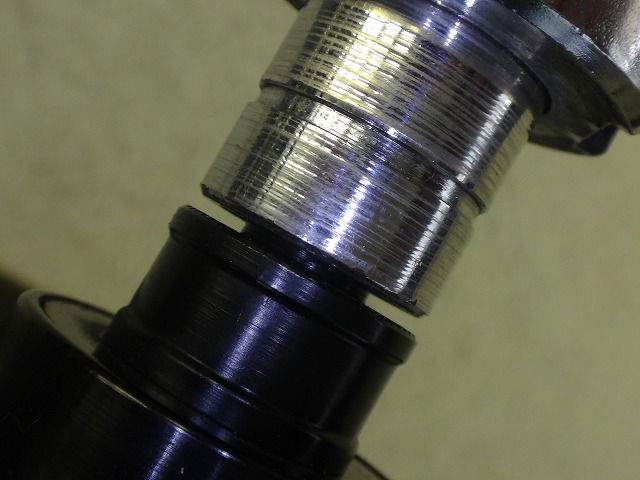
Almost no lateral runout, but it had noticeable center offset, so
I corrected it.
Not from this wheel's customer, but
I've received a comment about center offset.
"You often point out center offset,
but when considering the various performance characteristics of a wheel,
how important is center offset really?
It's obviously not good for frames with tight brake clearances,
but in other cases, the downsides would be things like needing to adjust
the brake calipers when swapping wheels,
or potentially becoming aerodynamically disadvantaged by being off the frame's centerline—
honestly, I don't think it's something to worry too much about,
and if the person using it is satisfied, that should be fine, right?
Are straight-line stability or cornering characteristics actually being negatively affected
in ways I'm not noticing?
Or is it that for 'commercial products' and 'when charging money,' quality and
considerations like tight-clearance frames mean it should be perfectly centered?"
Without significant offset, you can't tell center deviation by eye without tools.
You won't experience any perceivable problems from riding it.
Shifting doesn't get messed up or anything,
and there are probably countless wheels with center offset running around out there.
Just like the moon in the night sky doesn't exist until you look up and see it,
center offset doesn't have its existence confirmed until you hold a center gauge against it,
so people who don't worry about it—well, that's fine then, isn't it?
I've never wanted people who don't care about it to start caring,
and I've never actually stopped a cyclist on the street, forcibly removed their wheel,
and held a center gauge to it
(let's call this "center offset hunting").
However, people who do care often come to the shop or send me wheels.
This rear wheel has center offset at a level that could cause brake adjustment problems,
but with Mavic, there are countless wheels running around with this much offset.
This customer probably didn't notice the center offset until sending it to my shop
(at least they couldn't have been certain),
and they wouldn't be satisfied if I said
"As you can see in the image, it's this far offset, but I'll send it back without fixing it."
As the comment mentions, the fact that it's a "commercial product" matters.
For wheels I've built or inspected
while taking money, I can't leave them with offset.
At minimum, when I take a wheel off my truing stand,
I'm certain there's no center offset detectable by a center gauge.
Regarding the frame and fork conditions,
the combination most likely to cause brake rub from center offset is
"wide rim with direct-mount brake,"
but not having that condition doesn't mean I can compromise on quality standards.
I do commit to correcting center offset and other issues
on wheels that pass through my truing stand as much as I'm able,
but I don't know about wheels that don't go through my work
and where "the rider is personally satisfied"
However, at least you won't have to worry about encountering my "center offset hunting"
while riding around town,
so use them with confidence and peace of mind.
With Mavic's road UST tubeless wheels,
they have black tape—traditionally applied to clincher rims to smooth out the seam construction marks
(to prevent tube punctures as a safety measure)—applied last on top of the brown tubeless rim tape.
But I'm seeing cases where it wrinkles, shrinks, and peels back,
and the tubeless rim tape underneath even peels back,
allowing sealant to seep in.
In the image above,
the black tape was peeling so badly I removed it.
Sealant seepage is also visible.
The rear wheel was especially bad, so I replaced the rim tape.

↑By the way, this section shows no sealant seepage

Recent road UST tubeless tires
have become about as easy to mount and remove as slightly tight clincher tires.
They're not like the ones from before—where once they hooked on the bead hook,
the bead was so stiff that even finger pressure wouldn't make it drop.
I wouldn't even be confident I could handle those old tires properly on the roadside.