I received a Bontrager Aioros 3 from a customer for inspection.
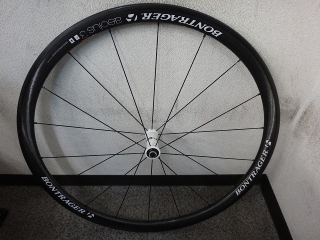
They want a full checkup. Let's start with the front wheel.
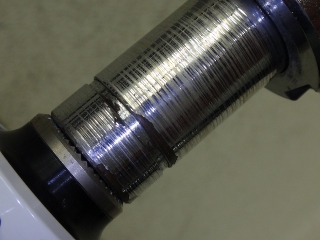
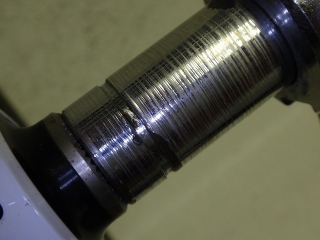
↑This is after inspection, but the centering was perfect from the start.
I only took out a slight lateral wobble—the spoke tension was already quite high to begin with.

Next, the rear wheel.
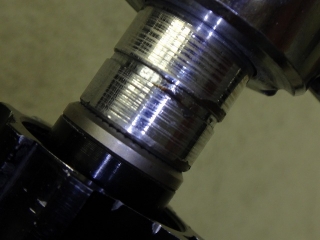

The rim is offset toward the anti-freewheel side, but
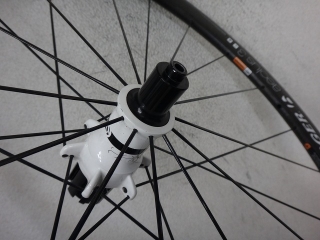
with a rear wheel built radially with equal spoke counts on both sides and the anti-freewheel side,
it's tough to loosen the anti-freewheel side further,
so I'll manage the centering by tightening the freewheel side instead.
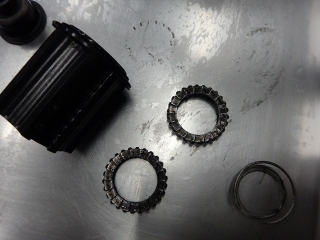
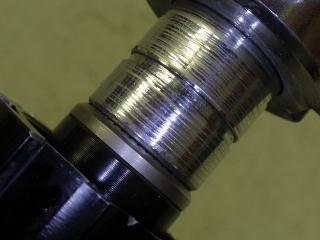
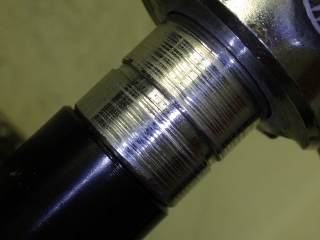
Before that, the freewheel ratchet seemed low on grease, so I disassembled it.

These are the freewheel ratchet parts, but
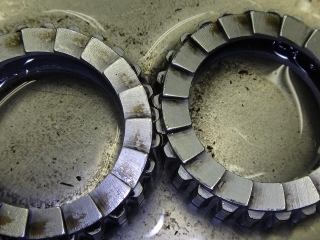
a simple spray of parts cleaner wasn't enough to remove the grime, so

I cleaned it using another method.
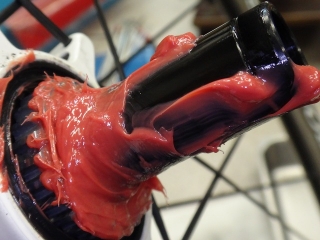
With the dedicated grease, the initial condition doesn't last long, so
I apply it pretty generously.
At this point, the freewheel coasting noise is virtually silent.
Speaking of the initial state, on DT's stock rear wheels and rear hubs,
you don't see this much dedicated grease applied.
I centered it almost entirely by tightening up.
By the way, this freewheel body is for Campagnolo, but
if you swap it for a Shimano 11-speed version, only the right side of the rear hub will stretch,
so you'll need to do the centering again.
I'm aware that the manufacturer's official announcement states that
centering isn't necessary in this case—don't do it—but
the amount of offset is too significant to ignore, so I can't just leave it alone.
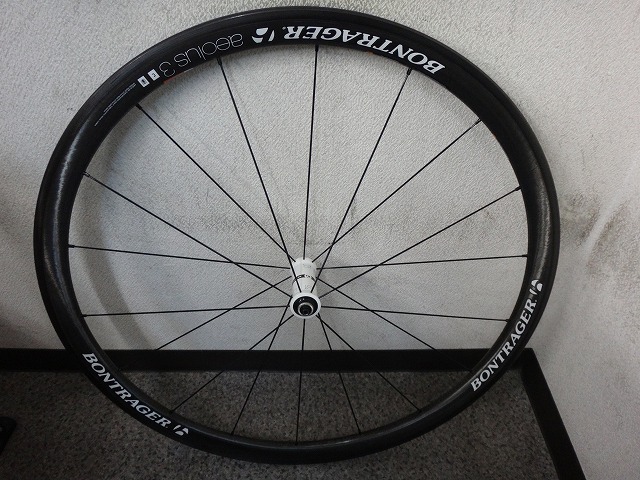
They want a full checkup. Let's start with the front wheel.


↑This is after inspection, but the centering was perfect from the start.
I only took out a slight lateral wobble—the spoke tension was already quite high to begin with.
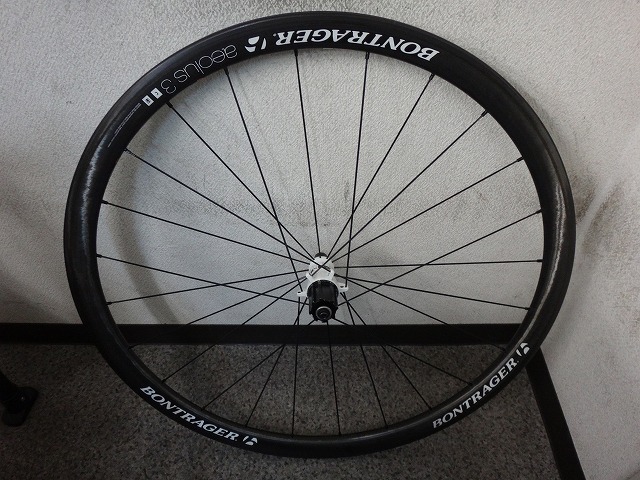
Next, the rear wheel.


The rim is offset toward the anti-freewheel side, but
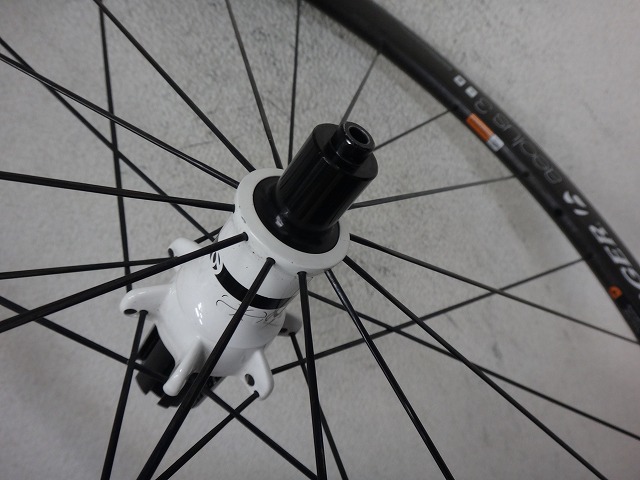
with a rear wheel built radially with equal spoke counts on both sides and the anti-freewheel side,
it's tough to loosen the anti-freewheel side further,
so I'll manage the centering by tightening the freewheel side instead.
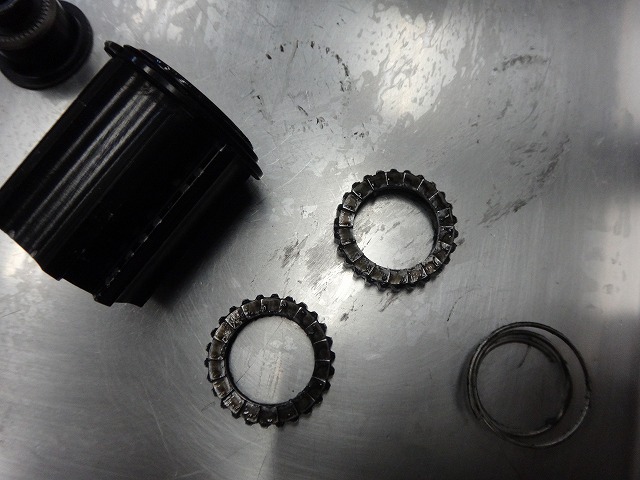
Before that, the freewheel ratchet seemed low on grease, so I disassembled it.
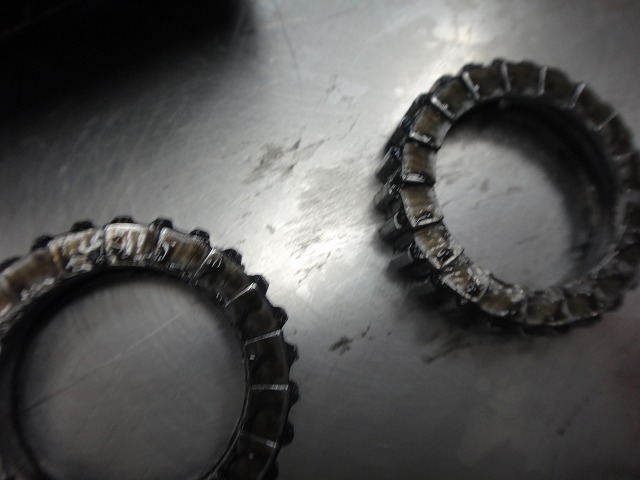
These are the freewheel ratchet parts, but
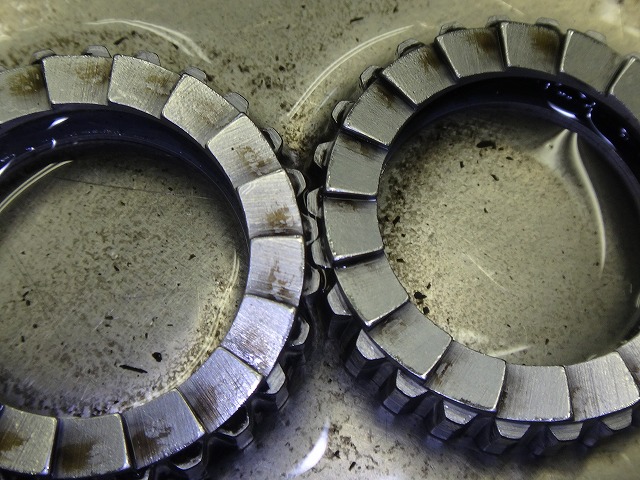
a simple spray of parts cleaner wasn't enough to remove the grime, so
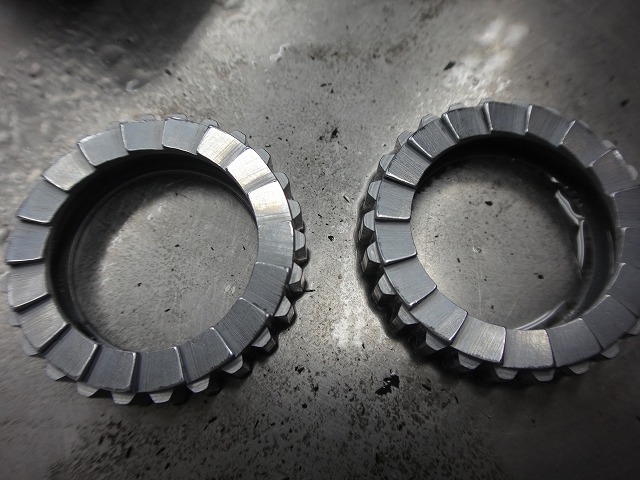
I cleaned it using another method.

With the dedicated grease, the initial condition doesn't last long, so
I apply it pretty generously.
At this point, the freewheel coasting noise is virtually silent.
Speaking of the initial state, on DT's stock rear wheels and rear hubs,
you don't see this much dedicated grease applied.
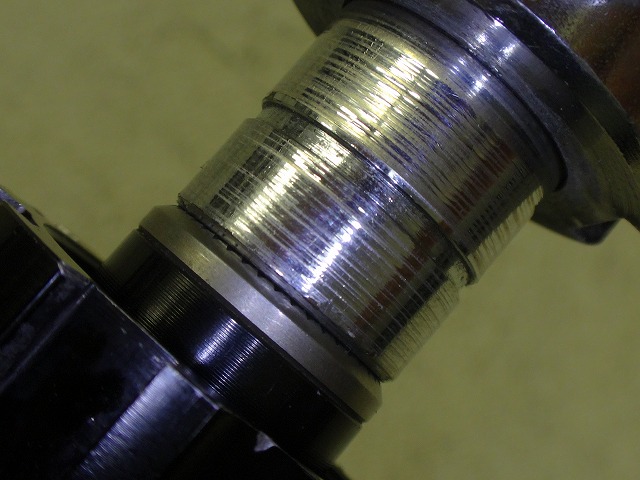
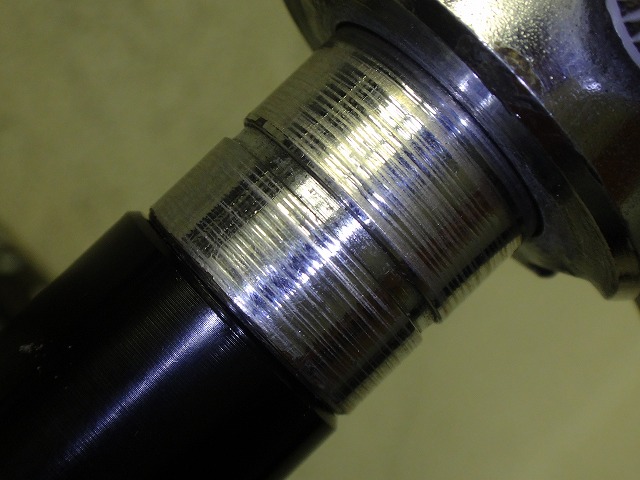
I centered it almost entirely by tightening up.
By the way, this freewheel body is for Campagnolo, but
if you swap it for a Shimano 11-speed version, only the right side of the rear hub will stretch,
so you'll need to do the centering again.
I'm aware that the manufacturer's official announcement states that
centering isn't necessary in this case—don't do it—but
the amount of offset is too significant to ignore, so I can't just leave it alone.