A customer brought in a set of Prime 28mm high tubular rim wheels for me to work on.
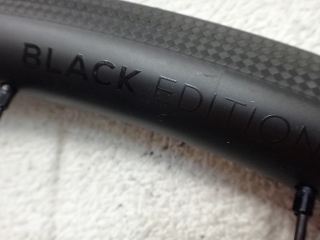
It's a model that's solid black except for white "Prime" branding.
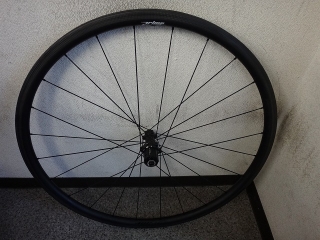
Starting with the rear wheel.
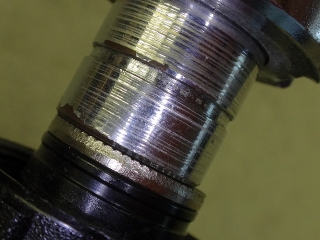
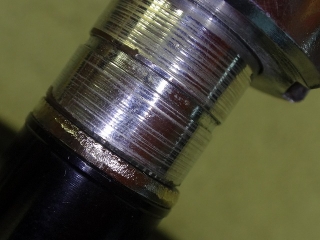
No centering issues, but there's some runout.
In the upper image I'm checking the freewheel side measurements against the non-freewheel side, but
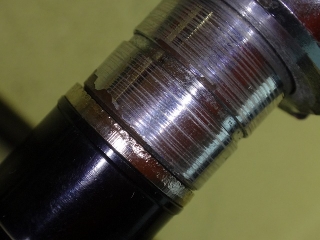
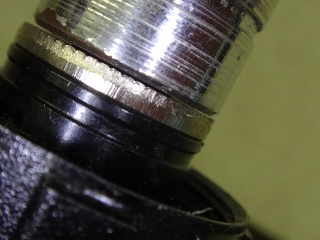
when I apply the non-freewheel side measurements to the freewheel side,
there's about a sheet of paper's worth of gap in one particular section—
that's where the runout is.

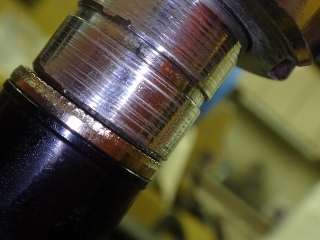
I fixed the runout and centering with pretty much just retightening the nipples.
The rear wheel spokes are DT Aerolite on the freewheel side and DT Aerocomp on the non-freewheel side—
both are straight spokes, but even though they're different diameters left and right, the non-freewheel side feels a bit loose.
It might be due to Prime's typical design of not lacing the final cross on the non-freewheel side.
This time I just did an inspection.
If the customer really can't stand it, I can always rebuild it.
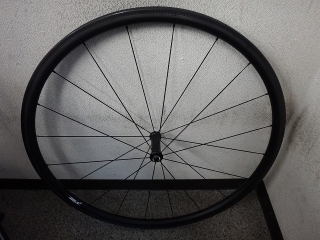
Next, the front wheel.
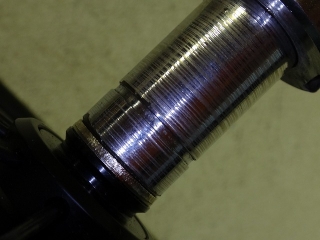
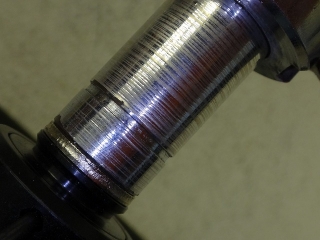
Perfect centering, but there's slight runout.
Actually, both wheels came with tires glued on with rim cement,
so I was planning to use a simple center gauge for the work,
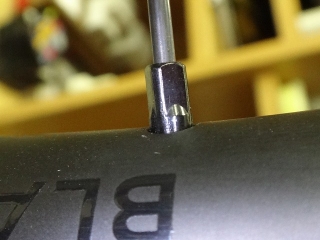
but the nipples are clearly Squorx nipples,
and I really didn't want to grab the inner side of these to turn them, so I peeled off the tires.
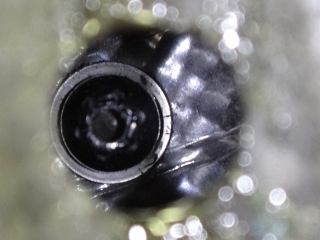
The nipples are Squorx, but the washers between them and the rim
aren't included with the Squorx nipple package.
With wheels I've built myself, if there's just tiny runout to correct,
I'll sometimes grab the inner side of the Squorx nipple and turn it,
but basically you should think of these as internal nipples
and plan on turning them from the outer side.
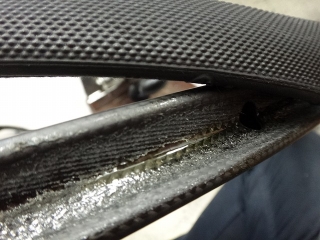
When the customer brought them in, the tire adhesion on both wheels was loose.
Whether the customer glued them themselves or took them to a local shop,
or whether they're just loose by nature, or if the customer intentionally left them loose
for easy removal in case of a flat while out riding—I couldn't tell.
With my own bikes (especially the rear wheel), I don't glue tires on super tight either.
But when it's a job for a customer, I can't really do that,
so I glued them on a bit more firmly this time.
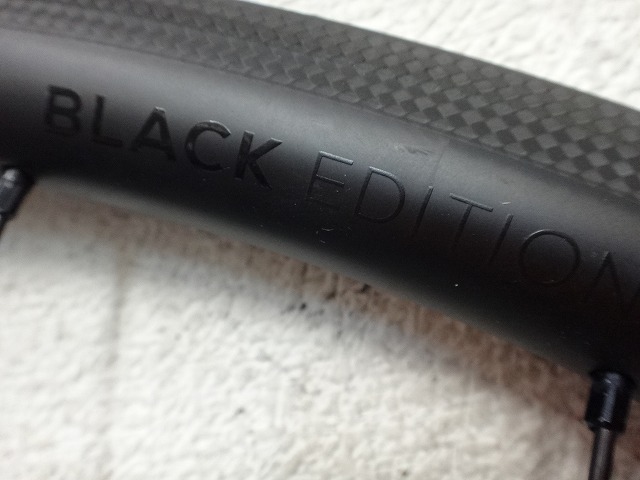
It's a model that's solid black except for white "Prime" branding.
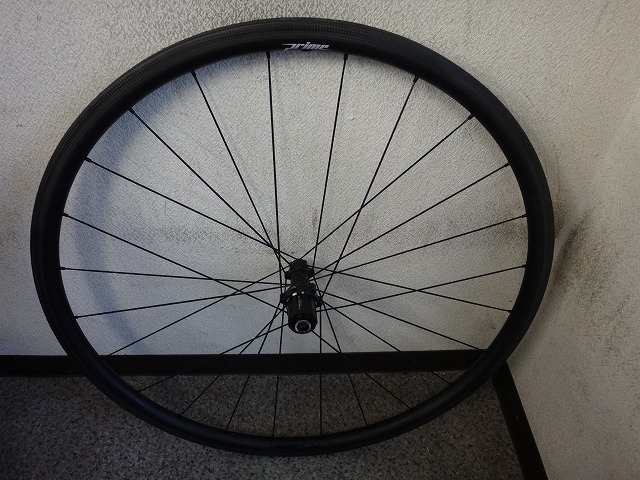
Starting with the rear wheel.
No centering issues, but there's some runout.
In the upper image I'm checking the freewheel side measurements against the non-freewheel side, but
when I apply the non-freewheel side measurements to the freewheel side,
there's about a sheet of paper's worth of gap in one particular section—
that's where the runout is.
I fixed the runout and centering with pretty much just retightening the nipples.
The rear wheel spokes are DT Aerolite on the freewheel side and DT Aerocomp on the non-freewheel side—
both are straight spokes, but even though they're different diameters left and right, the non-freewheel side feels a bit loose.
It might be due to Prime's typical design of not lacing the final cross on the non-freewheel side.
This time I just did an inspection.
If the customer really can't stand it, I can always rebuild it.
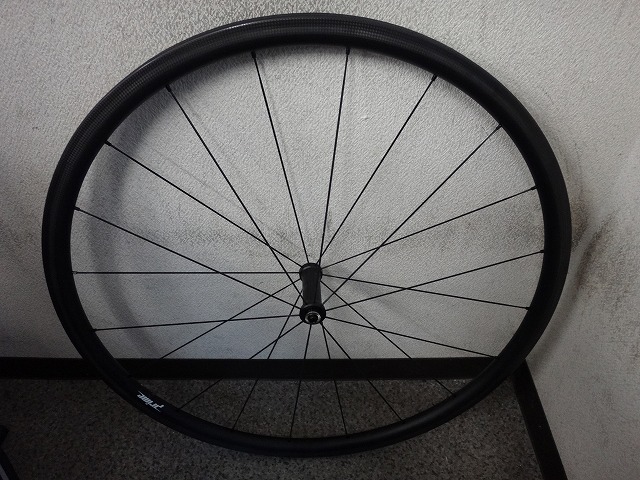
Next, the front wheel.
Perfect centering, but there's slight runout.
Actually, both wheels came with tires glued on with rim cement,
so I was planning to use a simple center gauge for the work,
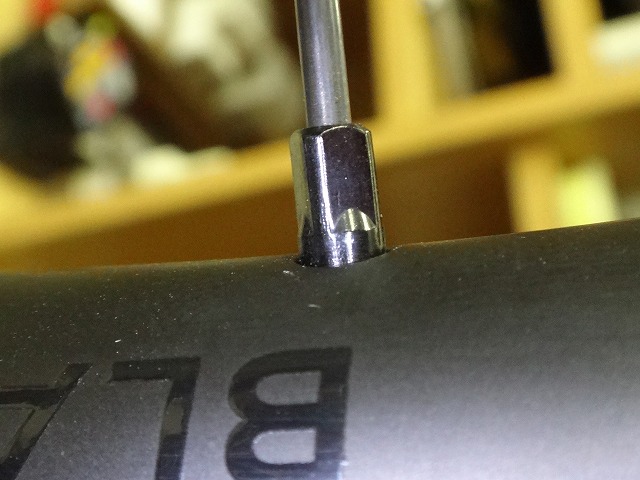
but the nipples are clearly Squorx nipples,
and I really didn't want to grab the inner side of these to turn them, so I peeled off the tires.
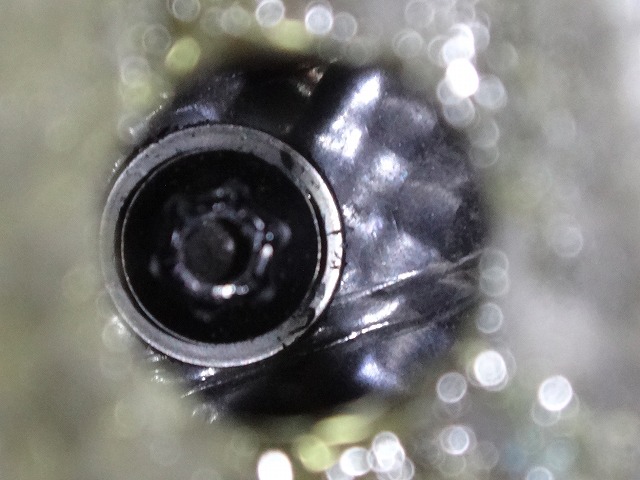
The nipples are Squorx, but the washers between them and the rim
aren't included with the Squorx nipple package.
With wheels I've built myself, if there's just tiny runout to correct,
I'll sometimes grab the inner side of the Squorx nipple and turn it,
but basically you should think of these as internal nipples
and plan on turning them from the outer side.
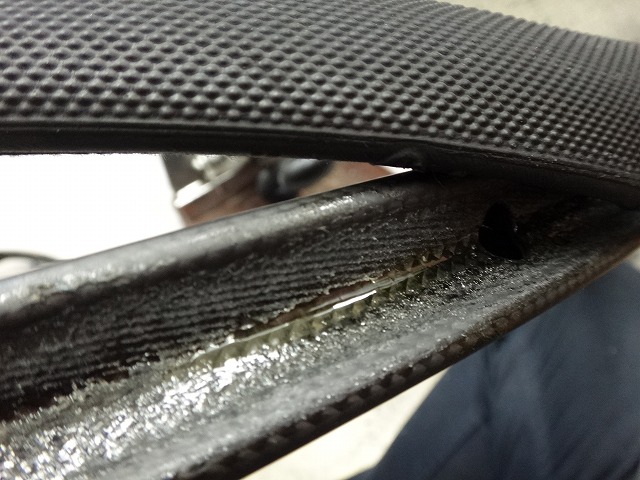
When the customer brought them in, the tire adhesion on both wheels was loose.
Whether the customer glued them themselves or took them to a local shop,
or whether they're just loose by nature, or if the customer intentionally left them loose
for easy removal in case of a flat while out riding—I couldn't tell.
With my own bikes (especially the rear wheel), I don't glue tires on super tight either.
But when it's a job for a customer, I can't really do that,
so I glued them on a bit more firmly this time.