Another day of wheel building (and so on).
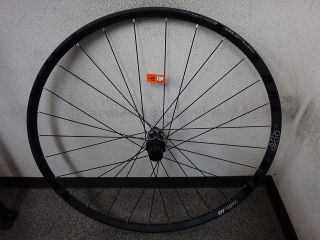
A customer brought in a DT complete wheel,
the 29-inch model of the XRC1200.
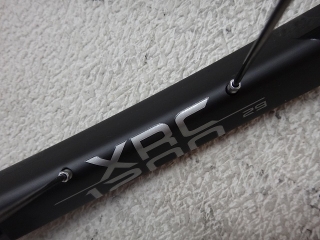
It's a carbon tubeless-ready rim with no offset.
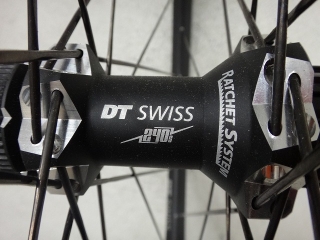
The hub is a DT 240S with straight spokes,
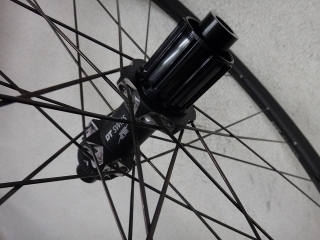
28H all-black aero comp straight spokes, laced 3-cross on both sides.
The owner of this wheel, as well as
several of my customers who have wheels I've built
often ask me to rebuild their complete wheels with generic-style specs
"even though they haven't been used out of the box."
Well, no problem with that.
They want to increase the spoke weight ratio on the freewheel side
and add lacing on the non-freewheel side.
For DT's aero comp, based on spoke weight ratio and shape,
the Sapim equivalent would be the CX Sprint,
so it would be possible to use CX-RAY spokes on the non-freewheel side
to create a larger difference in the different-diameter lacing,
but since the freewheel side will use 14-gauge plain,
I thought semi-Champagne equivalent would be overkill,
so I'll rebuild with the non-freewheel side as-is.
If it were just a spoke replacement on the freewheel side,
I wouldn't need to disassemble the wheel, but since the customer
wanted to know the rim weight,
I ended up disassembling it.
This actually works out well for me too.
When I disassemble and rebuild from scratch, it meets the "another day of wheel building" condition.
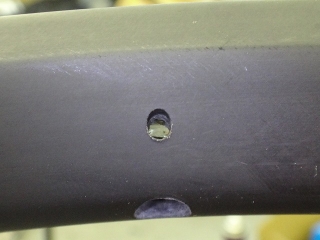
There was a hole on one side of the rim, positioned next to the valve hole.
Since this doesn't exist on the company's aluminum rims,
I believe it's not a drainage hole, but rather something to prevent
tubeless tire air from rushing all at once into the rim interior
and causing an explosion from the inside out.
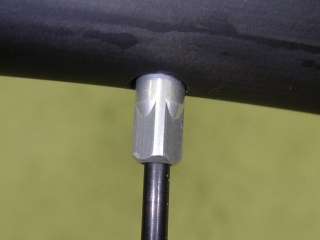
The grip length on the inner circumference of the nipple is short,
so these are Squorx nipples.
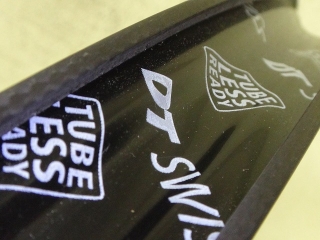
So I was concerned about whether "the outer edge of the nipple contacting the rim tape
when it deforms under air pressure" might be an issue,
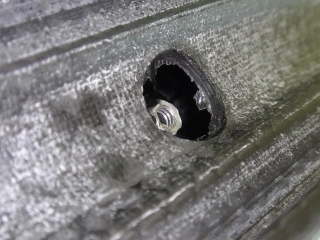
but there was quite a bit of clearance, so that doesn't seem to be a problem.
The distance is maintained partly due to the rim dimensions,
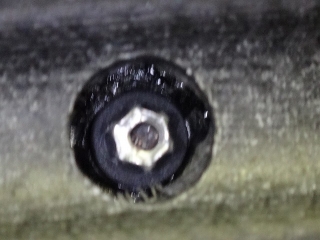
but also because it's built without a dedicated washer.
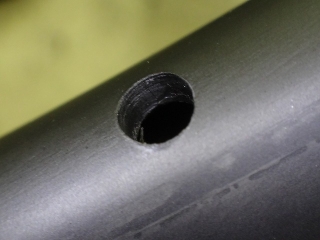
The rim hole thickness was quite substantial, seeming a bit chattery.
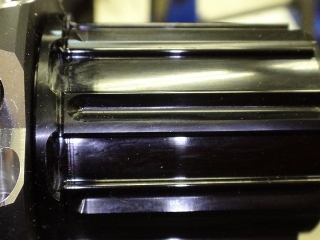
Since this is an MTB wheel, it comes with a Shimano freehub body
for what would be 10-speed on road,
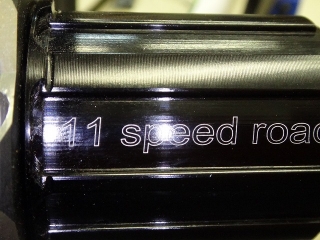
but the customer will be using an 11-speed road sprocket,
so I replaced the freehub body with a Shimano 11-speed version.
With quick-release hubs, the length of the right-side peg differs,
so the over-locknut dimension and wheel center change,
but with 142mm width through-axles, they don't change.
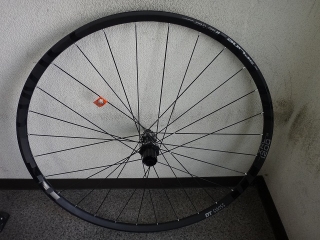
Built.
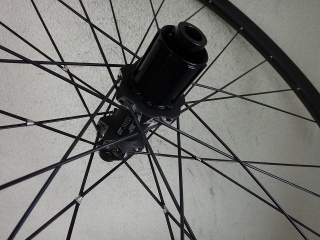
28H, black spokes laced with black aero comp.

Next, the front wheel.
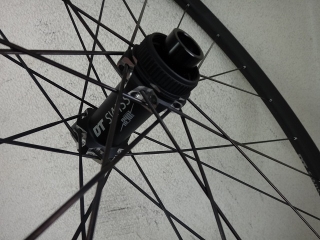
This also has a DT 240S straight-spoke hub at 28H, but
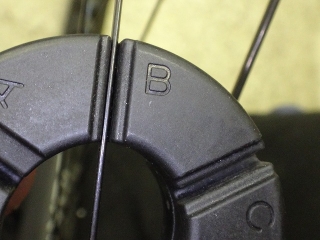
↑Right side / non-rotor mount side: black aero lite
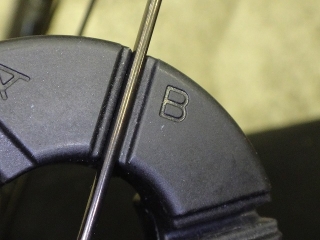
↑Left side / rotor mount side: black aero comp
Unlike the rear wheel, this is laced with different-diameter spokes.
After inspection, they want lacing on the right side.
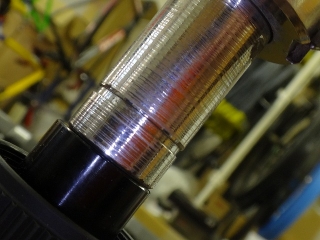

I didn't really want to grab the Squorx nipple from the inner circumference side
and adjust it, but
since it's perfectly centered and only needs fine trueing,
I decided to adjust it by grabbing from the inner side.
If I were to grab and turn from the outer side,
I'd have to peel off the DT tubeless tape,
so I wanted to avoid that.
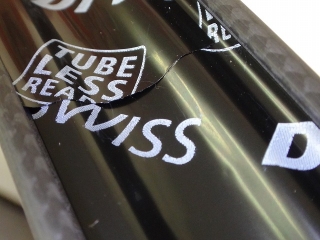
DT tape tends to peel up softly at the edges,
and sealant often gets in there,
so I'm not a big fan of it.
Also, since it doesn't melt from heat, I can't cut the valve hole with a soldering iron either.
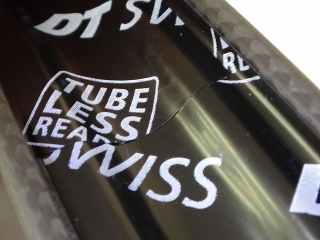
I pressed it down with my fingers.
It might peel up again.
If that happens, I'll try to secure it with adhesive.

The rear rim I disassembled—
at the customer's request, I weighed it.
Rims like the Stans CB7 are finished at a weight
that would be impossible without a carbon rim
(on the other hand, the thinness and strength seem questionable),
but "carbon rim means definitely light" isn't always true.
Just as rim-brake WO rims lighter than the Nomo Lab wheel #5 rim are
extremely rare even among carbon rims,
in any case, this time I straightforwardly disclosed the weight, so there's no need for crab-light tricks.

I may not be keeping you waiting, but
please take a look at this image!
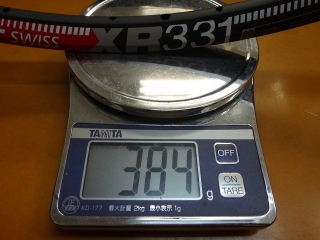
The company's lightest aluminum rim, the XR331, was lighter!
Of course, this is comparing 29-inch rims!
↑Stop it! Don't stir things up!
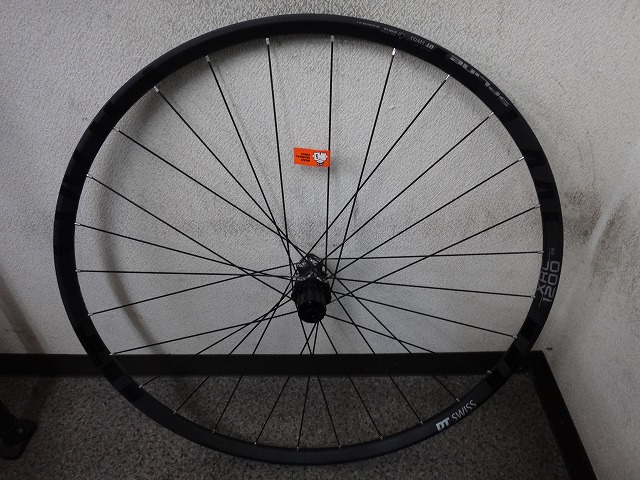
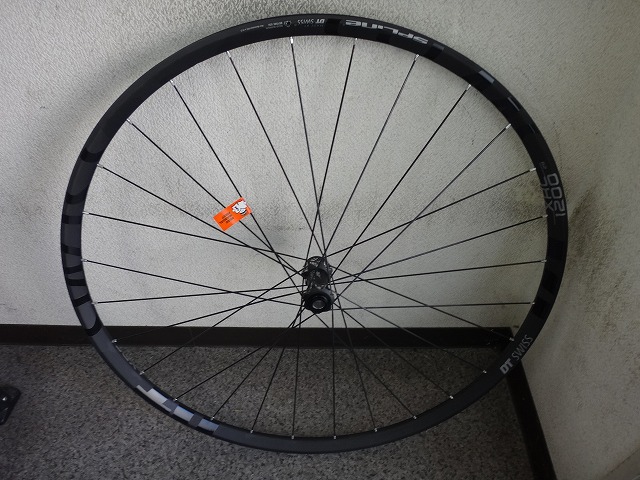
A customer brought in a DT complete wheel,
the 29-inch model of the XRC1200.
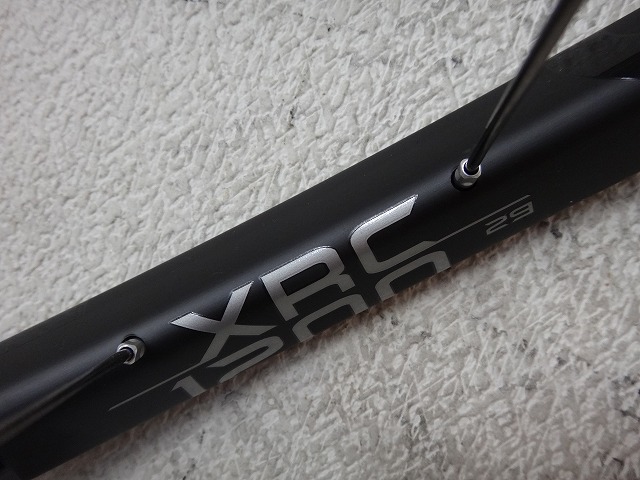
It's a carbon tubeless-ready rim with no offset.
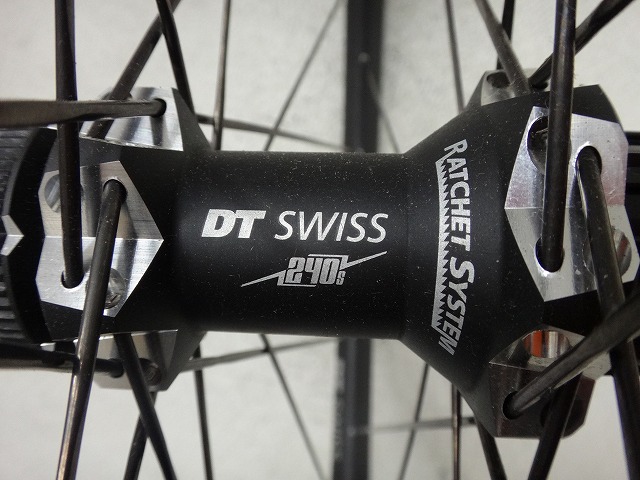
The hub is a DT 240S with straight spokes,
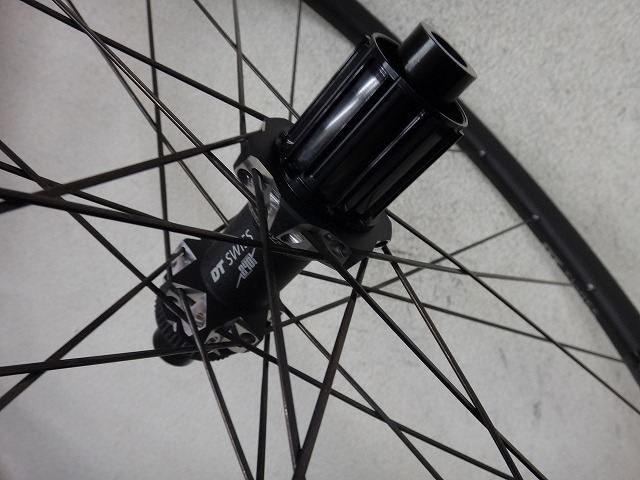
28H all-black aero comp straight spokes, laced 3-cross on both sides.
The owner of this wheel, as well as
several of my customers who have wheels I've built
often ask me to rebuild their complete wheels with generic-style specs
"even though they haven't been used out of the box."
Well, no problem with that.
They want to increase the spoke weight ratio on the freewheel side
and add lacing on the non-freewheel side.
For DT's aero comp, based on spoke weight ratio and shape,
the Sapim equivalent would be the CX Sprint,
so it would be possible to use CX-RAY spokes on the non-freewheel side
to create a larger difference in the different-diameter lacing,
but since the freewheel side will use 14-gauge plain,
I thought semi-Champagne equivalent would be overkill,
so I'll rebuild with the non-freewheel side as-is.
If it were just a spoke replacement on the freewheel side,
I wouldn't need to disassemble the wheel, but since the customer
wanted to know the rim weight,
I ended up disassembling it.
When I disassemble and rebuild from scratch, it meets the "another day of wheel building" condition.

There was a hole on one side of the rim, positioned next to the valve hole.
Since this doesn't exist on the company's aluminum rims,
I believe it's not a drainage hole, but rather something to prevent
tubeless tire air from rushing all at once into the rim interior
and causing an explosion from the inside out.
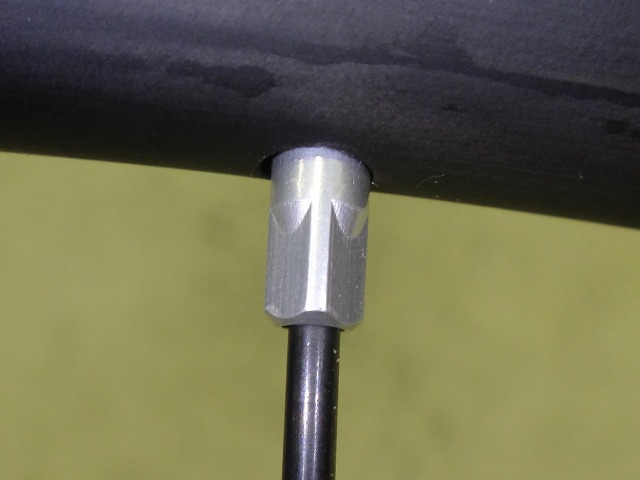
The grip length on the inner circumference of the nipple is short,
so these are Squorx nipples.
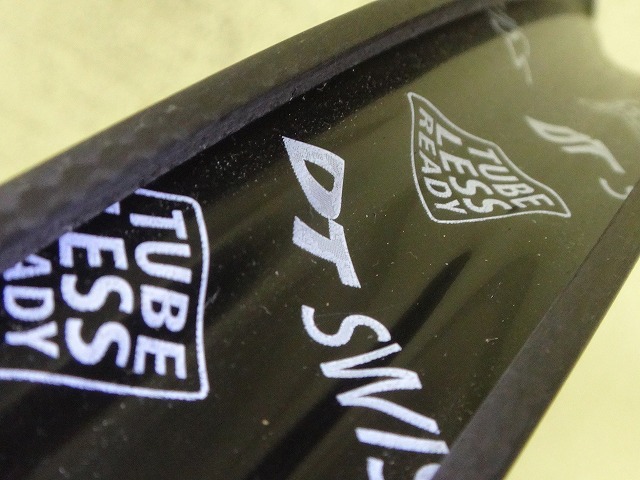
So I was concerned about whether "the outer edge of the nipple contacting the rim tape
when it deforms under air pressure" might be an issue,
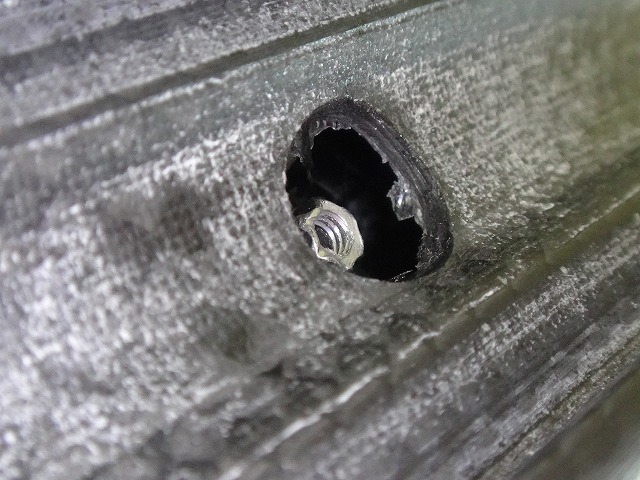
but there was quite a bit of clearance, so that doesn't seem to be a problem.
The distance is maintained partly due to the rim dimensions,

but also because it's built without a dedicated washer.
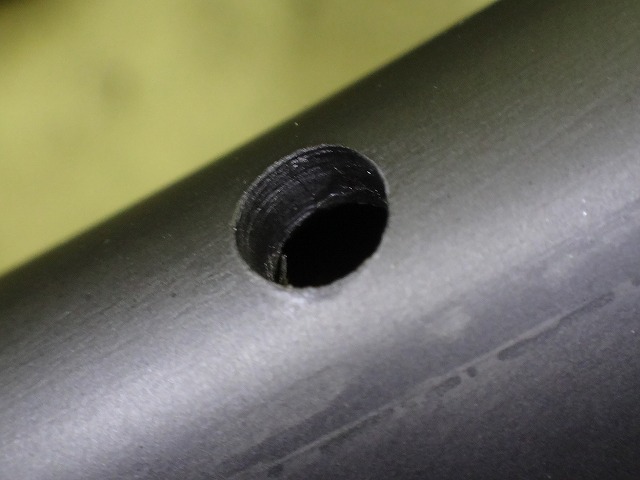
The rim hole thickness was quite substantial, seeming a bit chattery.
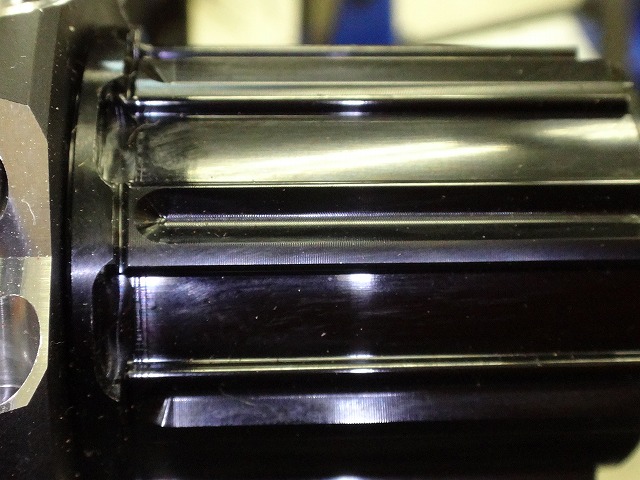
Since this is an MTB wheel, it comes with a Shimano freehub body
for what would be 10-speed on road,
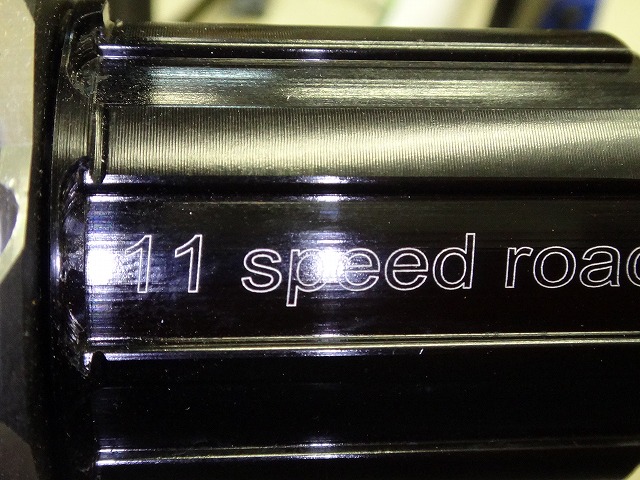
but the customer will be using an 11-speed road sprocket,
so I replaced the freehub body with a Shimano 11-speed version.
With quick-release hubs, the length of the right-side peg differs,
so the over-locknut dimension and wheel center change,
but with 142mm width through-axles, they don't change.

Built.
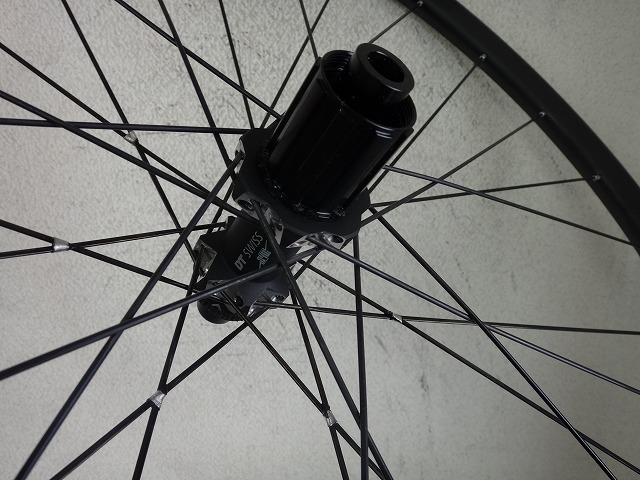
28H, black spokes laced with black aero comp.
Next, the front wheel.
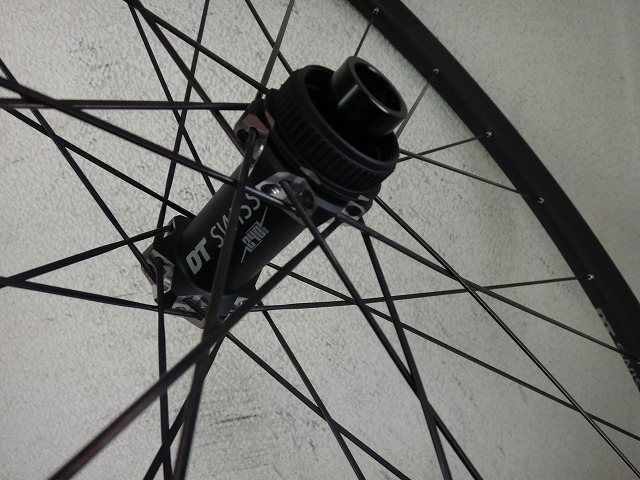
This also has a DT 240S straight-spoke hub at 28H, but
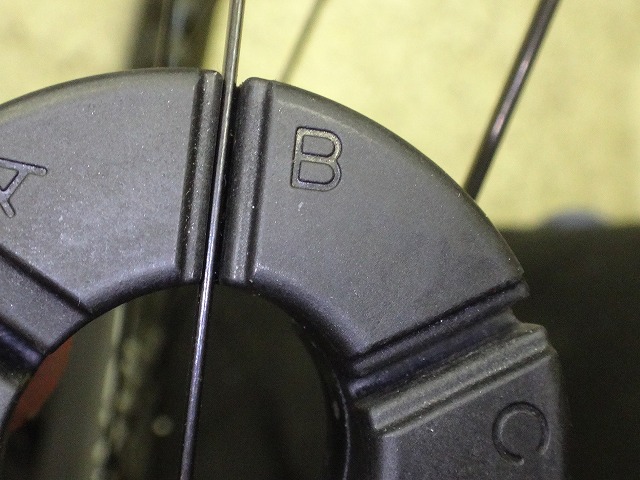
↑Right side / non-rotor mount side: black aero lite

↑Left side / rotor mount side: black aero comp
Unlike the rear wheel, this is laced with different-diameter spokes.
After inspection, they want lacing on the right side.
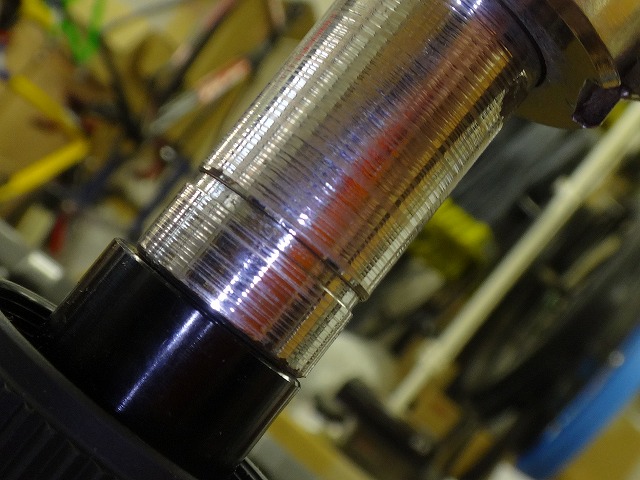
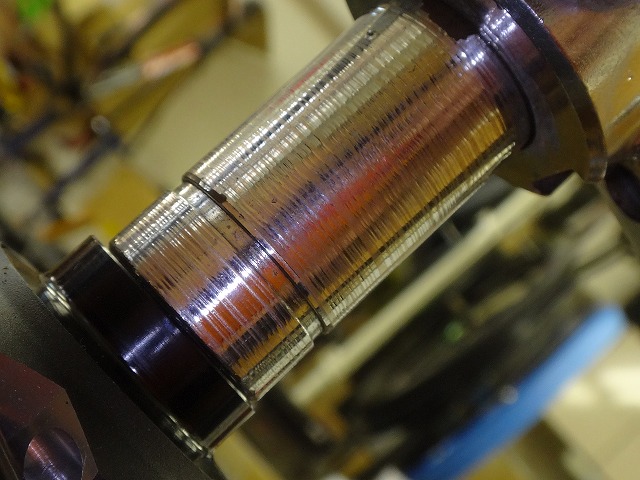
I didn't really want to grab the Squorx nipple from the inner circumference side
and adjust it, but
since it's perfectly centered and only needs fine trueing,
I decided to adjust it by grabbing from the inner side.
If I were to grab and turn from the outer side,
I'd have to peel off the DT tubeless tape,
so I wanted to avoid that.
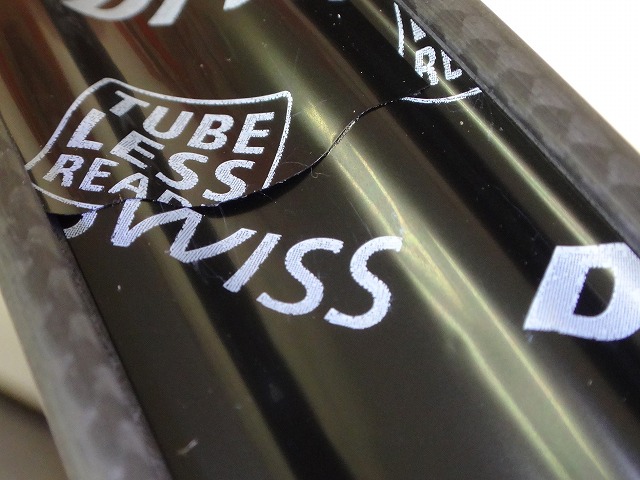
DT tape tends to peel up softly at the edges,
and sealant often gets in there,
so I'm not a big fan of it.
Also, since it doesn't melt from heat, I can't cut the valve hole with a soldering iron either.
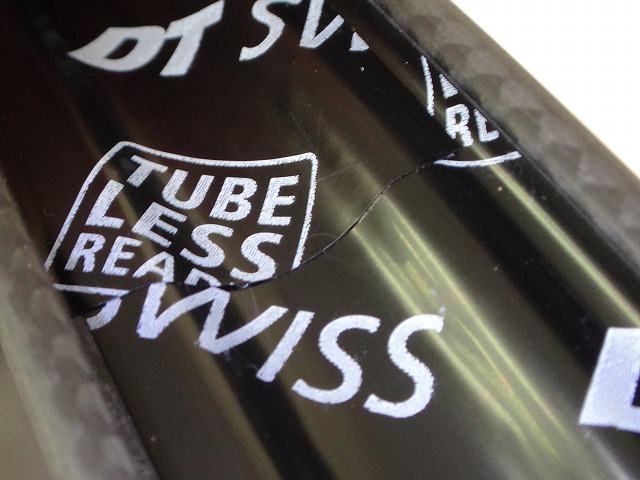
I pressed it down with my fingers.
It might peel up again.
If that happens, I'll try to secure it with adhesive.
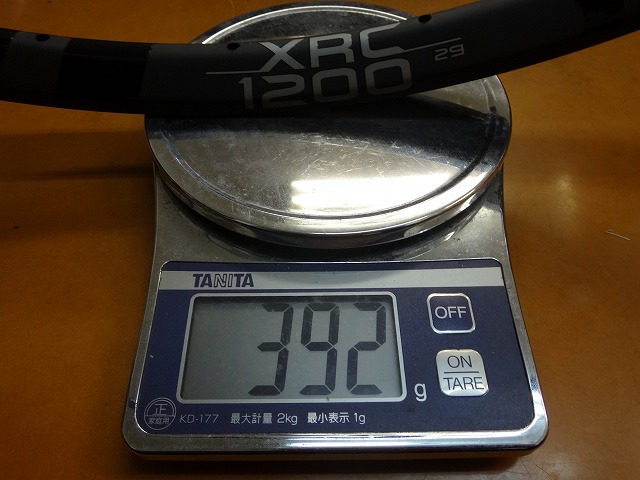
The rear rim I disassembled—
at the customer's request, I weighed it.
Rims like the Stans CB7 are finished at a weight
that would be impossible without a carbon rim
(on the other hand, the thinness and strength seem questionable),
but "carbon rim means definitely light" isn't always true.
Just as rim-brake WO rims lighter than the Nomo Lab wheel #5 rim are
extremely rare even among carbon rims,
in any case, this time I straightforwardly disclosed the weight, so there's no need for crab-light tricks.

I may not be keeping you waiting, but
please take a look at this image!
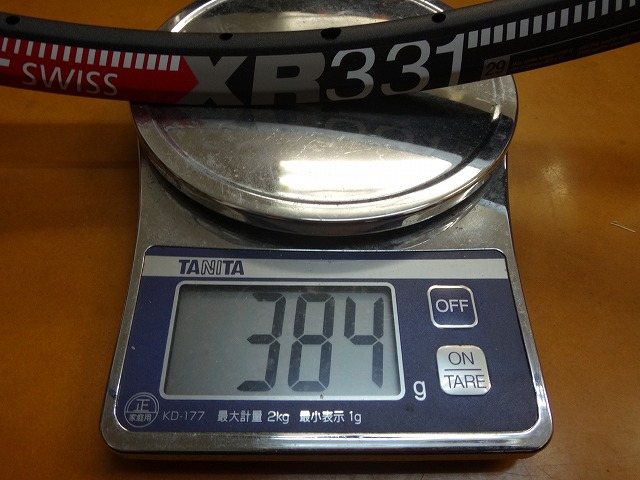
The company's lightest aluminum rim, the XR331, was lighter!
Of course, this is comparing 29-inch rims!
↑Stop it! Don't stir things up!