Another wheel day (and so on).
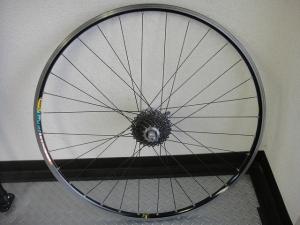
I had a PowerTap wheel rebuild job come in.
The rim before the rebuild was an Open Pro.
Since there wasn't any particular problem with that rim,
the customer took it home with them.
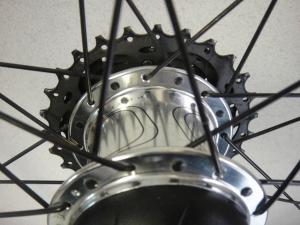
Since the sprocket is on this side, I'm shooting from the opposite angle.
This is reverse Italian lacing.
"Some shops and manufacturers say reverse Italian lacing is better—
what do you think?" I got a comment like that recently.
I'll answer that question another time.
For this wheel, I'm going to relace it in Italian lacing.
The reason isn't customer specification—
it's because I think that's the better way.
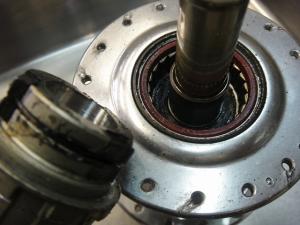
I'd like to say this is my usual photo, but...
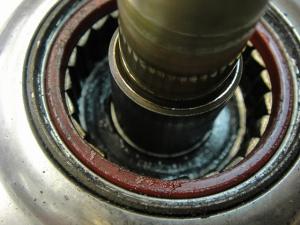
The seal ring is installed backwards.
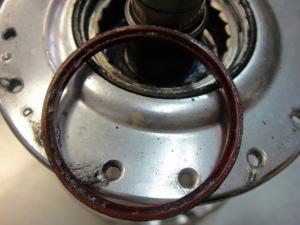
This is the correct orientation.
I don't think a groove this shallow creates any suction effect, but
when the seal is backwards, there's a higher chance the seal gets left
on the hub body side when you remove the freebody.
In any case, be careful about this when changing the freebody.
There have been cases where two seals stacked up and the sprocket
became basically fixed.
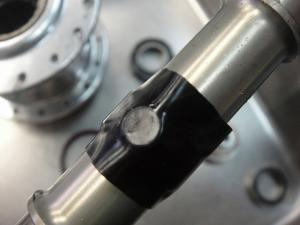
The usual half-hearted tape application, but...
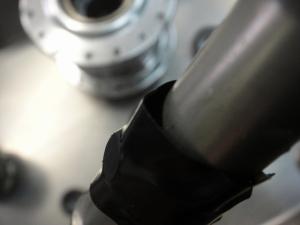
It's this half-hearted.
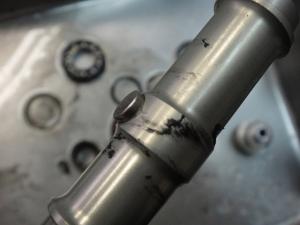
When I peel off the tape, there's adhesive residue like this.
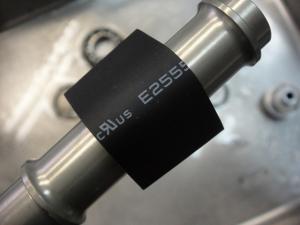
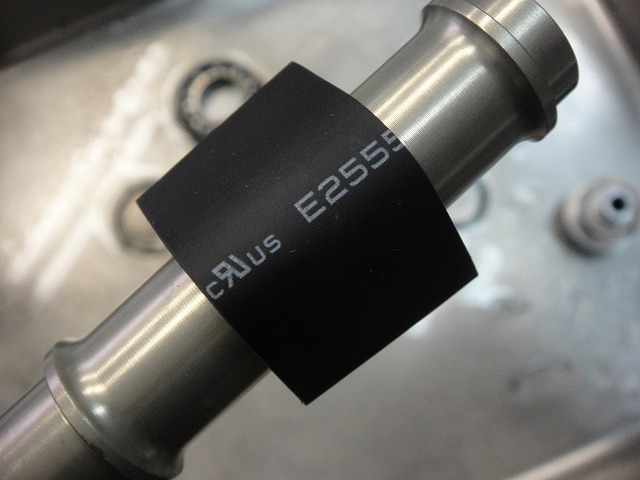
I applied heat shrink tubing
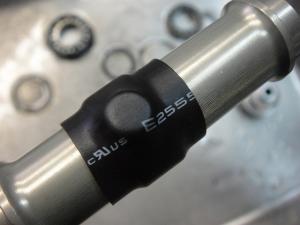
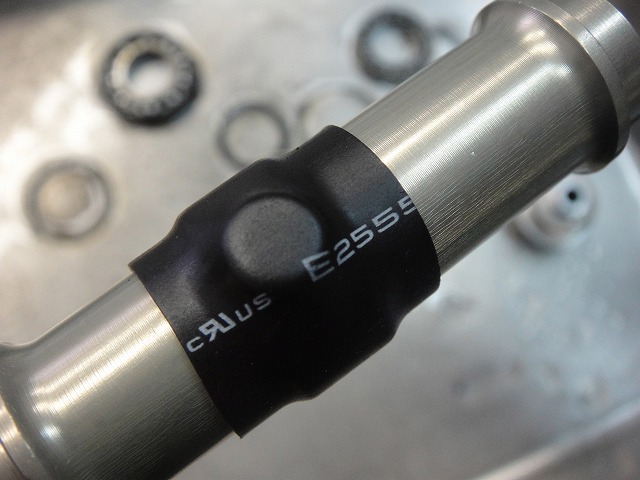
snug and tight.
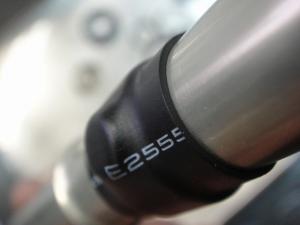
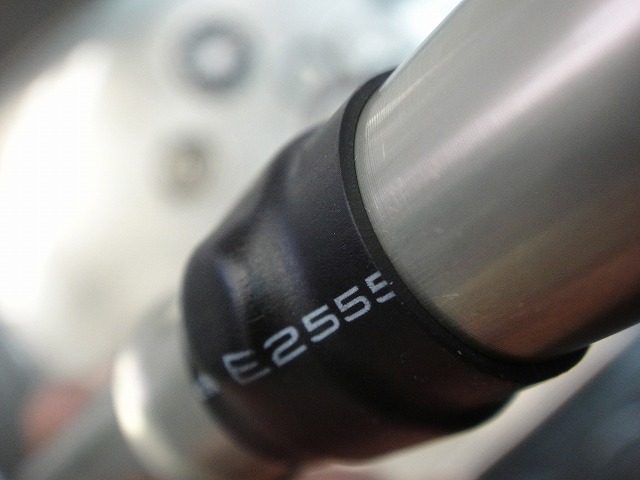
No gaps.
No chafing from grease or moisture.

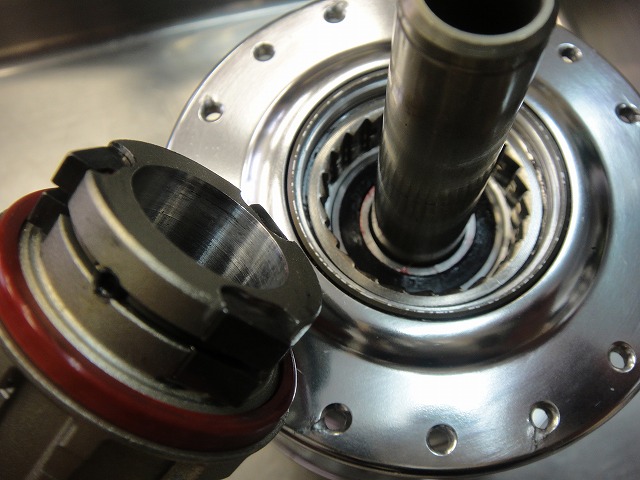
I did clean it, but
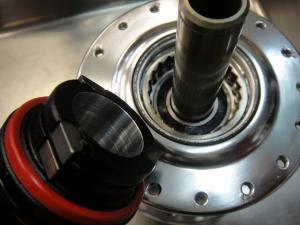
the customer also wanted a swap to an 11-speed freebody.
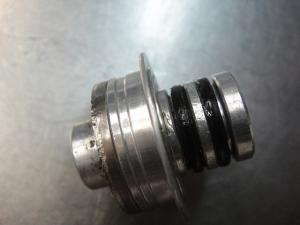
About the left end cap on the push-fit style (excluding G3, and not including threaded caps like ELITE):
sometimes the insertion isn't quite tight enough.
If you're carrying a wheel without the quick release
and it gets so loose you nearly drop it,
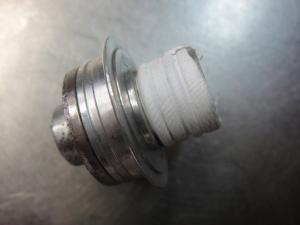
it's better to build up thickness with a waterproof seal or similar
to get a firm insertion. I doubt this causes noise while riding,
but just to be safe.
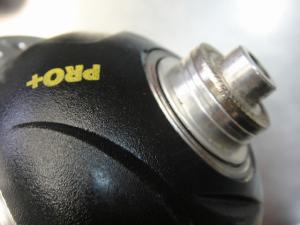
What can be problematic when building a wheel is
if the insertion here is loose, the end cap floats ever so slightly.
(Not in this image)
When you actually install it on the frame and tighten the quick release, there's no problem,
but when you use a center gauge, this floating gets detected as runout.
If you're building a wheel with this type of PowerTap hub, watch out for this.
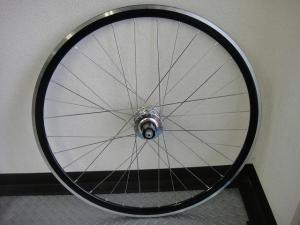
Built.
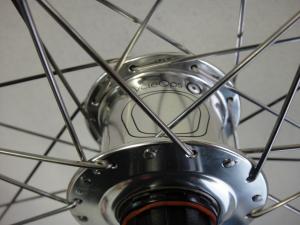
Half comp 32-hole Italian lacing.
And as I always say, that clean silver hub looks great.
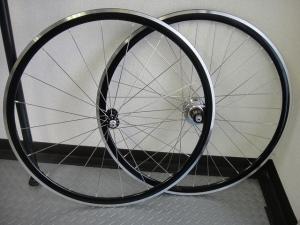
I also built up the front wheel for bike #1.
Maybe this is why I didn't reuse the Open Pro.
It's 20 holes. Just because the rear is 32 holes doesn't mean you have to match them.
(You can if you want. It's a matter of preference.)
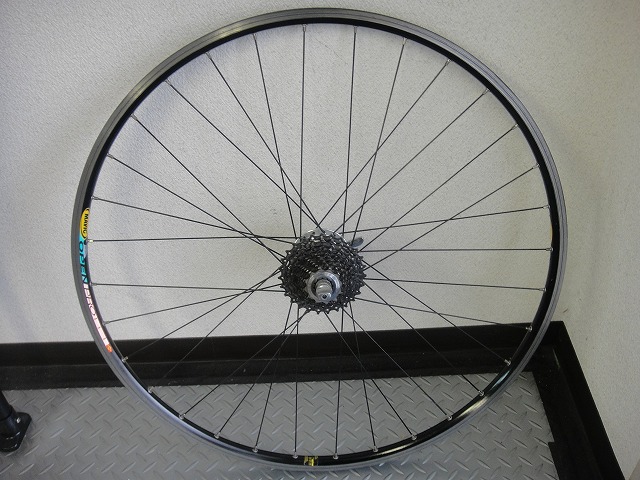
I had a PowerTap wheel rebuild job come in.
The rim before the rebuild was an Open Pro.
Since there wasn't any particular problem with that rim,
the customer took it home with them.

Since the sprocket is on this side, I'm shooting from the opposite angle.
This is reverse Italian lacing.
"Some shops and manufacturers say reverse Italian lacing is better—
what do you think?" I got a comment like that recently.
I'll answer that question another time.
For this wheel, I'm going to relace it in Italian lacing.
The reason isn't customer specification—
it's because I think that's the better way.
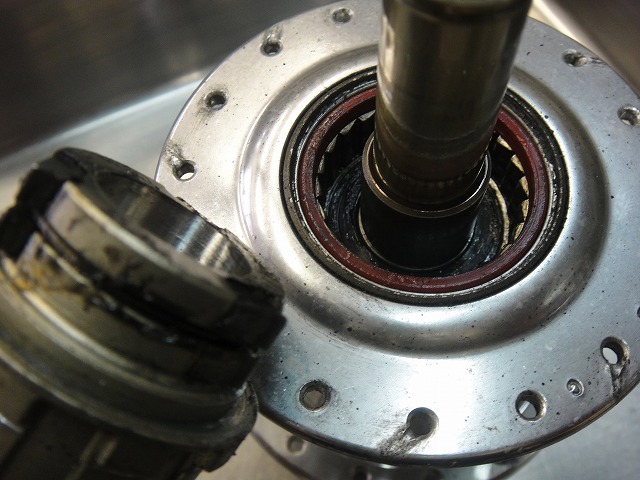
I'd like to say this is my usual photo, but...
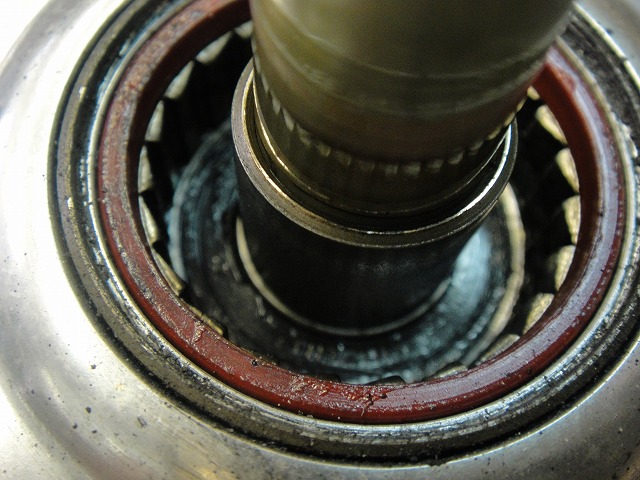
The seal ring is installed backwards.

This is the correct orientation.
I don't think a groove this shallow creates any suction effect, but
when the seal is backwards, there's a higher chance the seal gets left
on the hub body side when you remove the freebody.
In any case, be careful about this when changing the freebody.
There have been cases where two seals stacked up and the sprocket
became basically fixed.
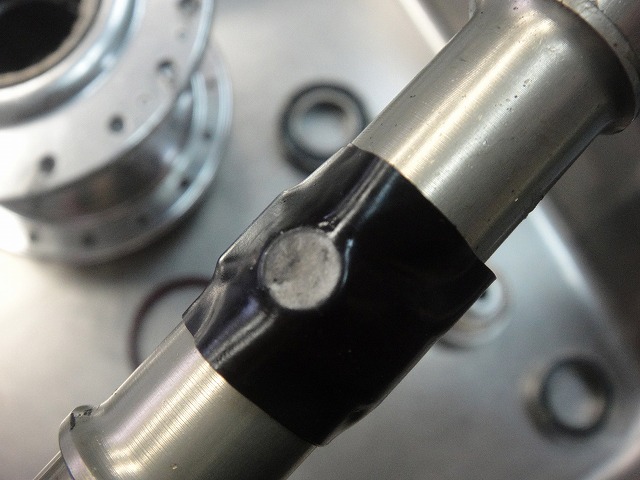
The usual half-hearted tape application, but...
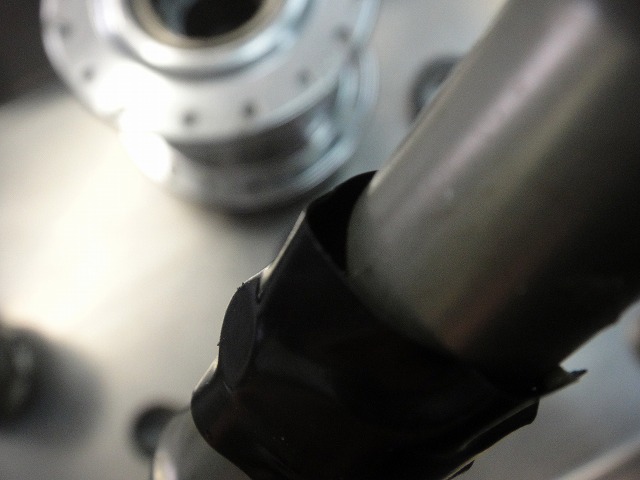
It's this half-hearted.
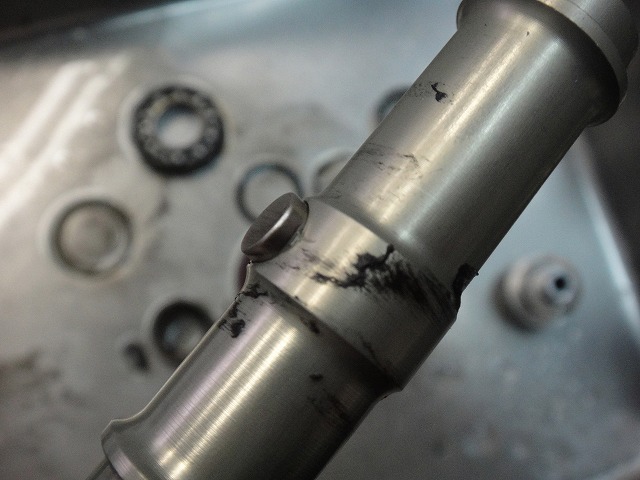
When I peel off the tape, there's adhesive residue like this.
I applied heat shrink tubing
snug and tight.
No gaps.
No chafing from grease or moisture.
I did clean it, but
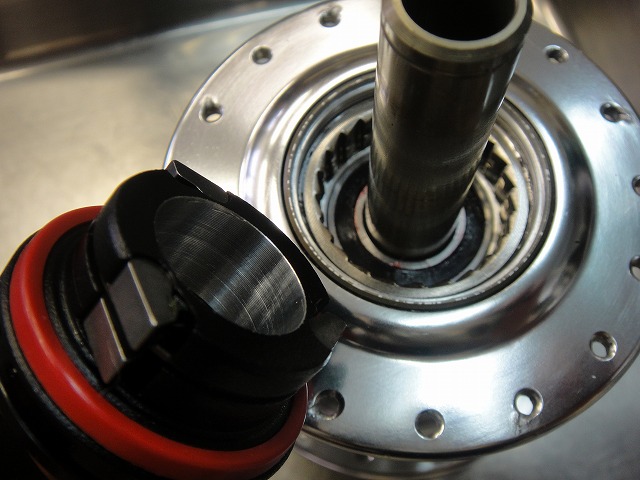
the customer also wanted a swap to an 11-speed freebody.
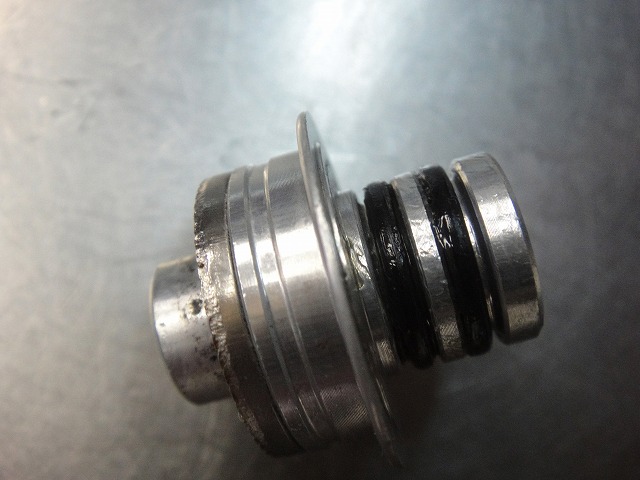
About the left end cap on the push-fit style (excluding G3, and not including threaded caps like ELITE):
sometimes the insertion isn't quite tight enough.
If you're carrying a wheel without the quick release
and it gets so loose you nearly drop it,
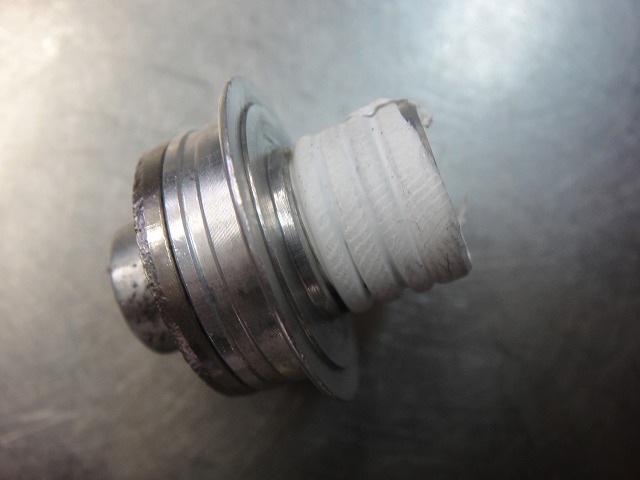
it's better to build up thickness with a waterproof seal or similar
to get a firm insertion. I doubt this causes noise while riding,
but just to be safe.
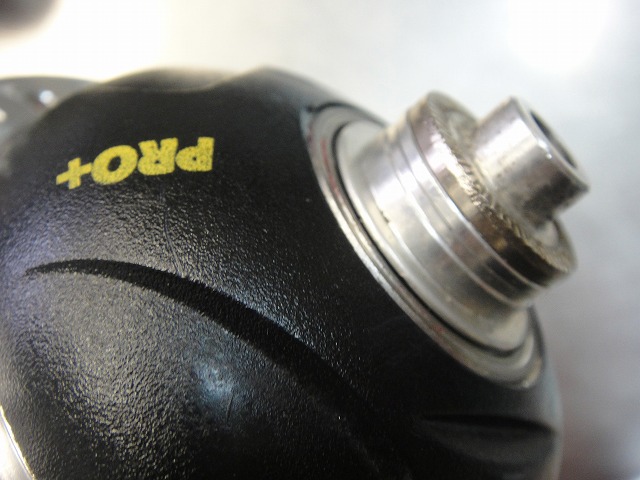
What can be problematic when building a wheel is
if the insertion here is loose, the end cap floats ever so slightly.
(Not in this image)
When you actually install it on the frame and tighten the quick release, there's no problem,
but when you use a center gauge, this floating gets detected as runout.
If you're building a wheel with this type of PowerTap hub, watch out for this.
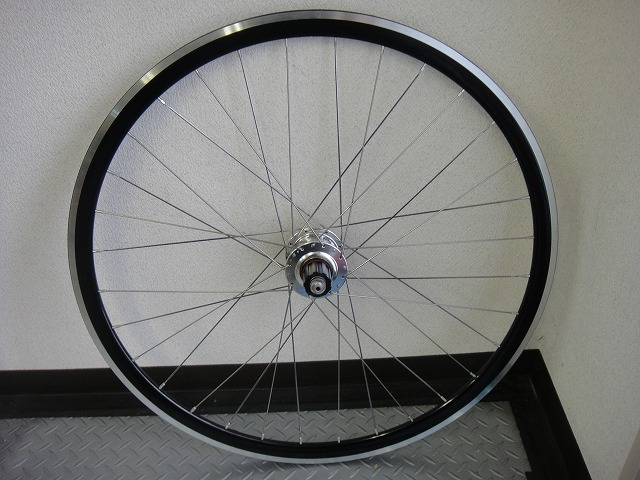
Built.
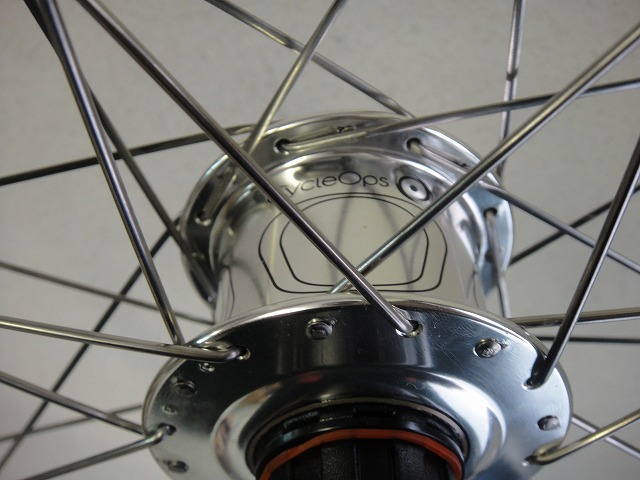
Half comp 32-hole Italian lacing.
And as I always say, that clean silver hub looks great.
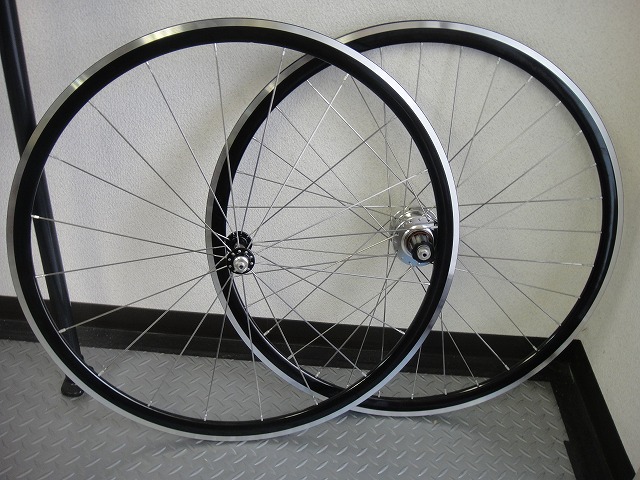
I also built up the front wheel for bike #1.
Maybe this is why I didn't reuse the Open Pro.
It's 20 holes. Just because the rear is 32 holes doesn't mean you have to match them.
(You can if you want. It's a matter of preference.)