About "unyo-n" — the plastic deformation that occurs in the spoke's direction of elongation —
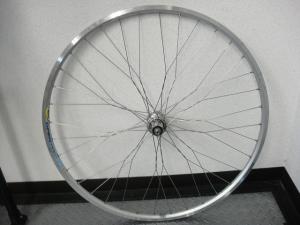
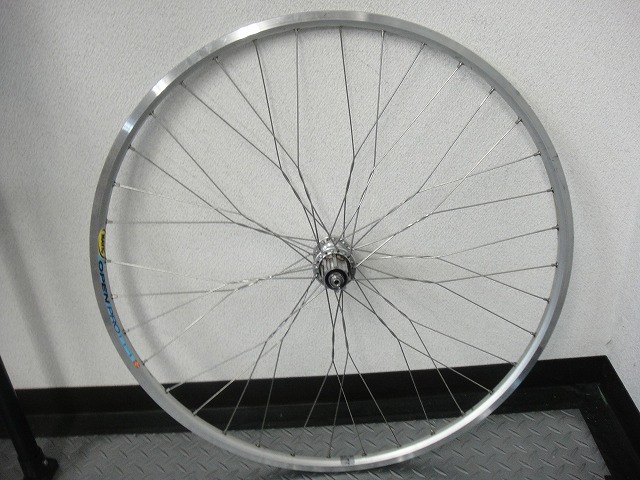
What do you think if you lace a wheel this way?

The difference from an ordinary wheel is that
a single spoke's line of elongation isn't straight,
and the spokes' contact point isn't just one location.
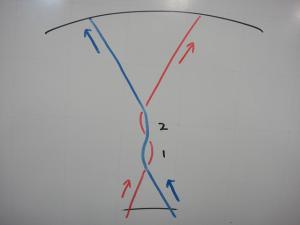
When I lace wheels like this, I twist them an even number of times.
Either 2-twist (1 full rotation) or 4-twist (2 full rotations). Never a half rotation.
The reason is that a spoke pointing outward from the hub like a porcupine
needs to reach the rim while staying in that same direction.
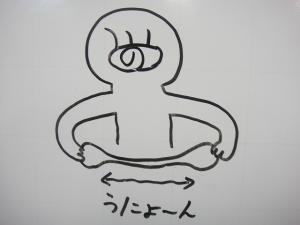
When you pull freshly pounded mochi, it stretches with an "unyo-n,"
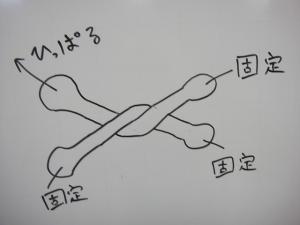
but if you twist two pieces of mochi and pull only one end as shown,
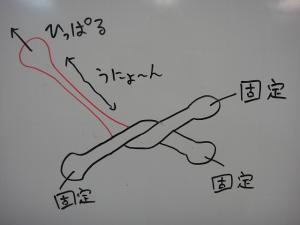
the "unyo-n" should occur mainly only in the twisted section afterward.
How this applies to spokes, and whether it provides a hint toward building more useful wheels—
that's the question. I haven't actually reached my own answer yet.
This is a Champion, but I'd like to build it really tight with Revolution lacing.
But I don't have time for that.
I don't think there are any safety issues with this kind of lacing pattern in actual use
(I've been riding it constantly for the past half year, in fact),
but I won't sell wheels laced this way.
Bonus
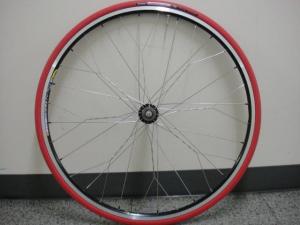
↑The freewheel side of this one is 4-twist, 2 rotations.
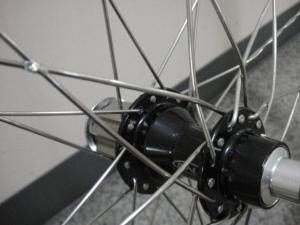
The drive side has double-cross lacing pattern.
And it's a 46-spoke build.
What an idiot this guy is. Oh wait, I'm the one who laced it.
What do you think if you lace a wheel this way?
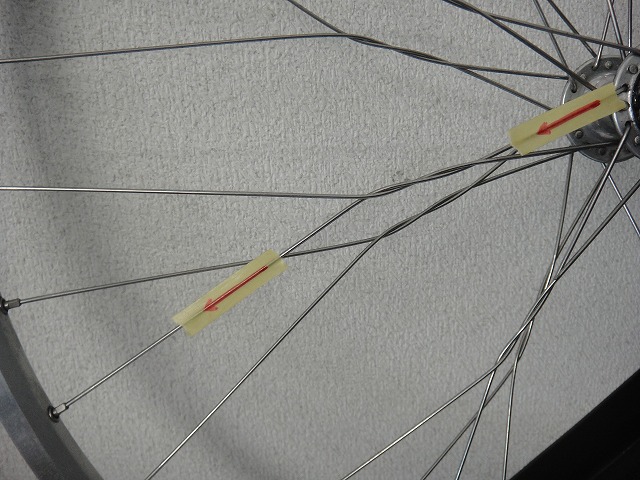
The difference from an ordinary wheel is that
a single spoke's line of elongation isn't straight,
and the spokes' contact point isn't just one location.

When I lace wheels like this, I twist them an even number of times.
Either 2-twist (1 full rotation) or 4-twist (2 full rotations). Never a half rotation.
The reason is that a spoke pointing outward from the hub like a porcupine
needs to reach the rim while staying in that same direction.
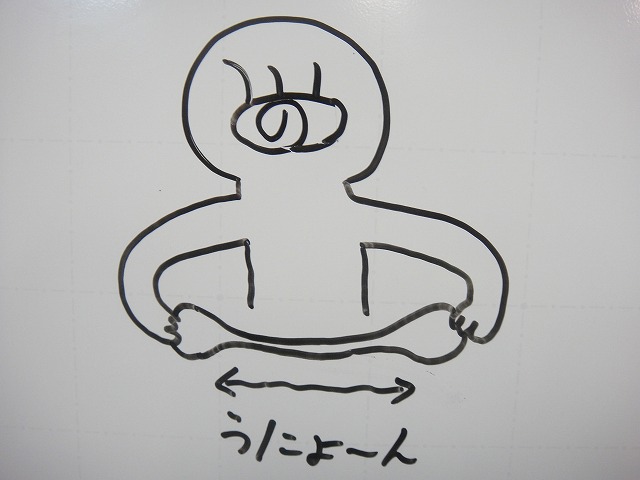
When you pull freshly pounded mochi, it stretches with an "unyo-n,"
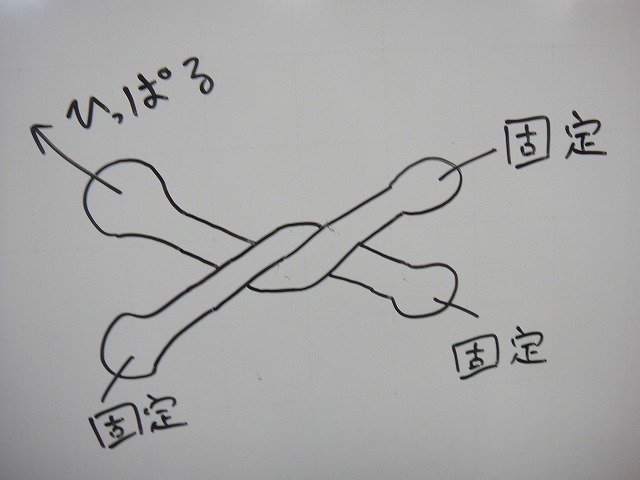
but if you twist two pieces of mochi and pull only one end as shown,
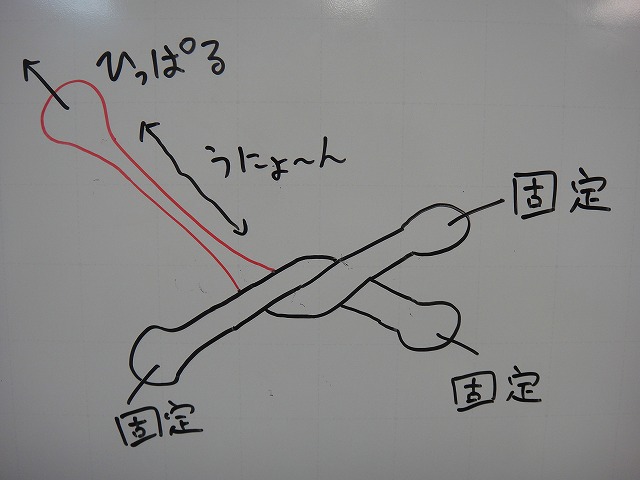
the "unyo-n" should occur mainly only in the twisted section afterward.
How this applies to spokes, and whether it provides a hint toward building more useful wheels—
that's the question. I haven't actually reached my own answer yet.
This is a Champion, but I'd like to build it really tight with Revolution lacing.
But I don't have time for that.
I don't think there are any safety issues with this kind of lacing pattern in actual use
(I've been riding it constantly for the past half year, in fact),
but I won't sell wheels laced this way.
Bonus
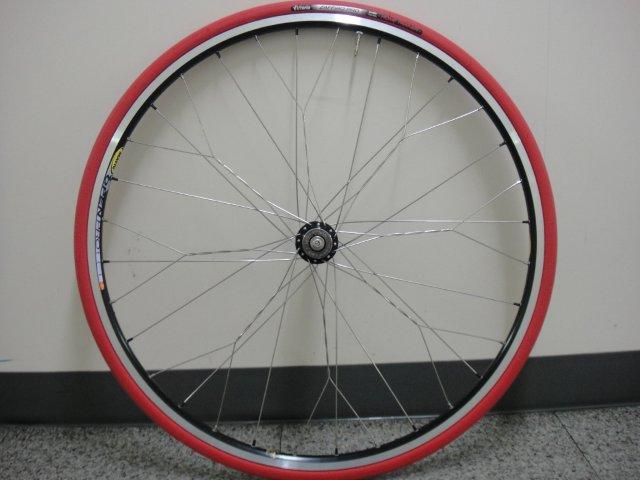
↑The freewheel side of this one is 4-twist, 2 rotations.
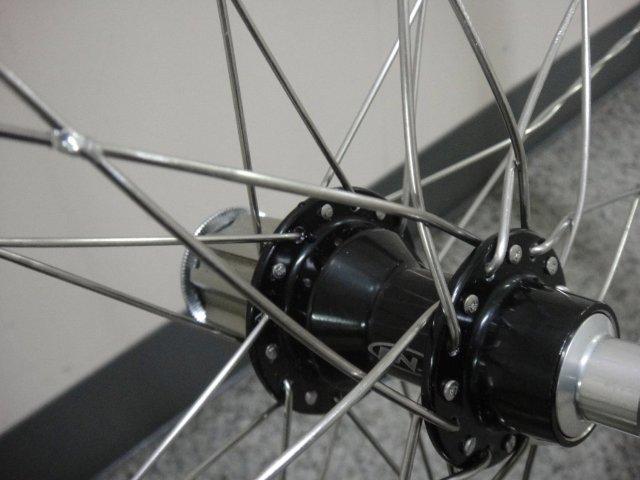
The drive side has double-cross lacing pattern.
And it's a 46-spoke build.
What an idiot this guy is. Oh wait, I'm the one who laced it.