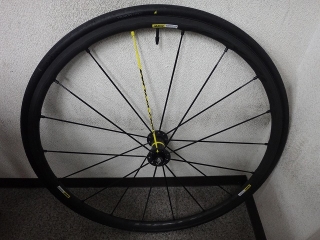
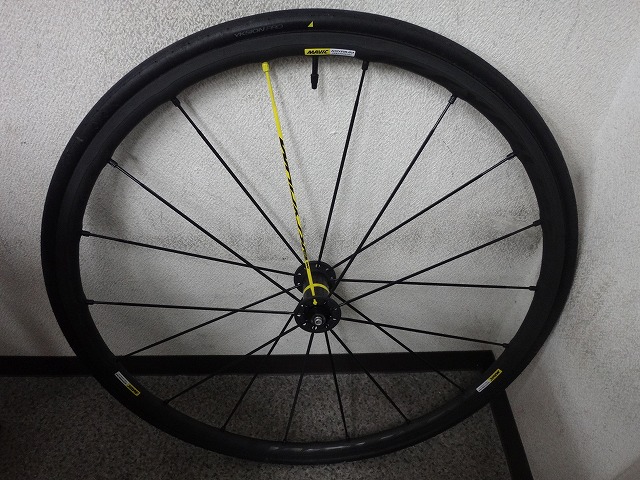
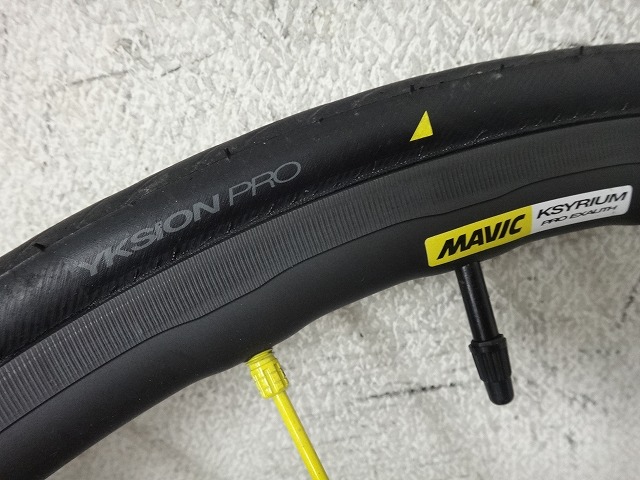
A customer brought in a Ksyrium Pro Exalith (Mavic wheel) for service.
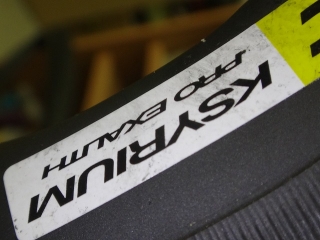
↑A photo so I don't forget what the wheel model is called
I don't usually post these in my regular entries,
but I take them when I'm not confident.
Mavic has a habit of changing wheel names with each new year—
sometimes they're basically the same wheel, sometimes completely identical.
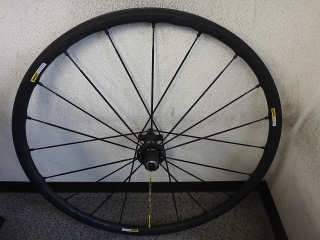
The customer requested a runout check and hub overhaul if needed.
Starting with the rear wheel.
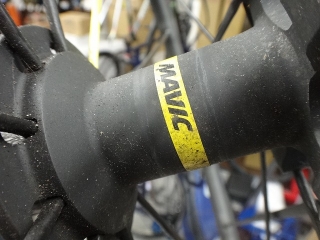
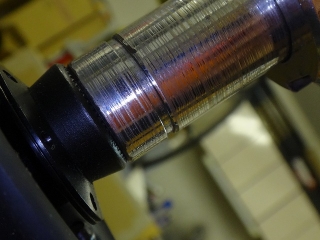
↑Shows decent wear,
though I can't tell if that's just from the current owner's use.
Both front and rear hubs showed no sign of damage to the bearings or freewheel ratchet,
so I didn't open them up.
The front hub's bearing preload was a bit tight,
so I loosened it slightly.
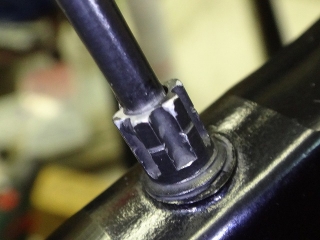
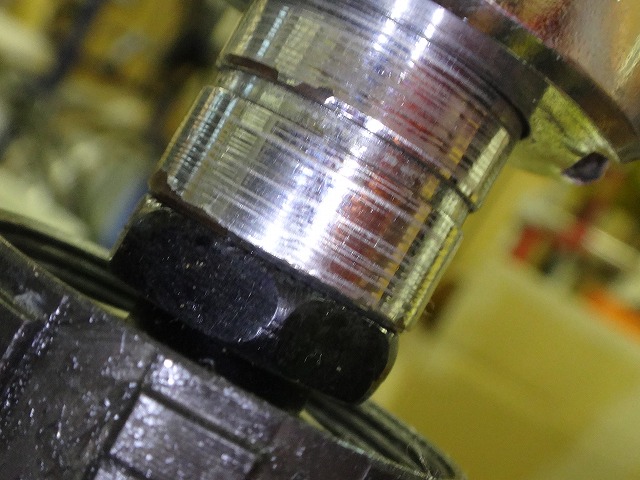
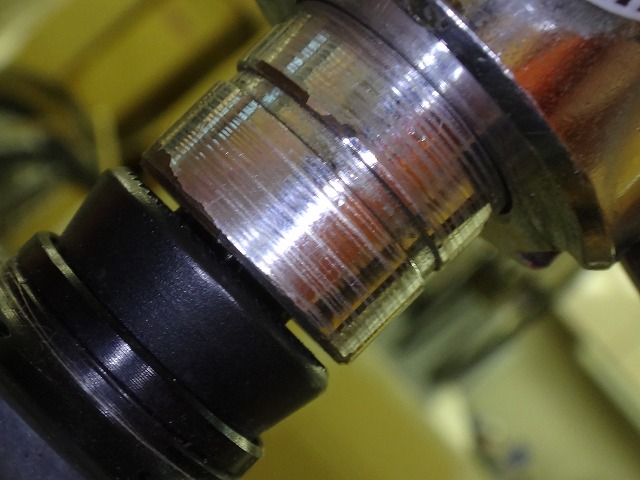
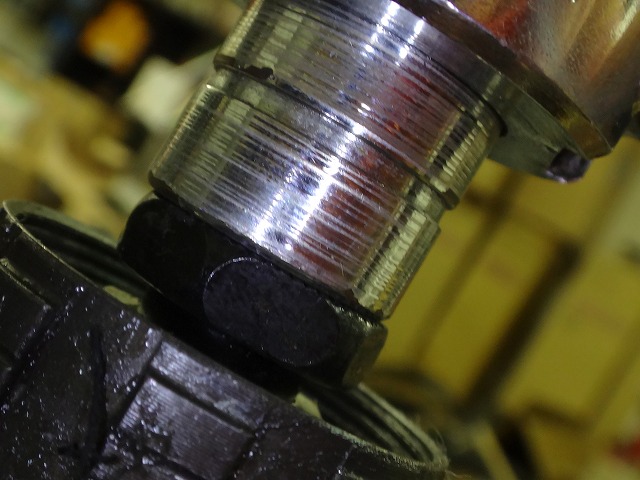
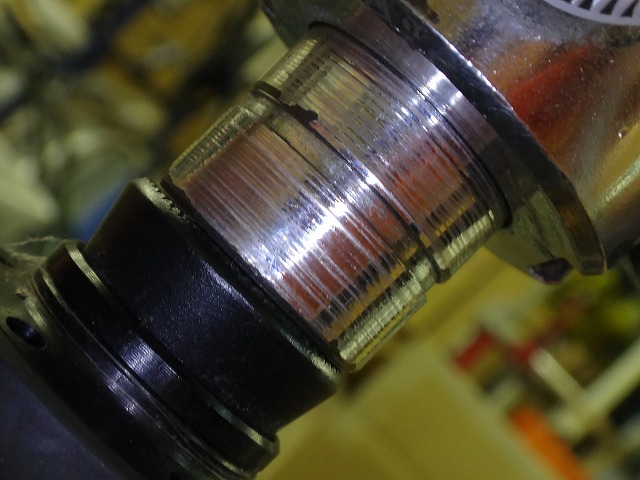
↑This is the seized nipple from a Ksyrium K10 I worked on recently.

↑And here's the nipple from this Ksyrium.
The spline grip is larger,
so while complete seizure might happen, seized nipples on the verge of it
can often be salvaged.
The spline design was originally made for R-SYS nipples,
but was later adopted on Ksyrium wheels too.
On this wheel, not a single nipple was frozen.
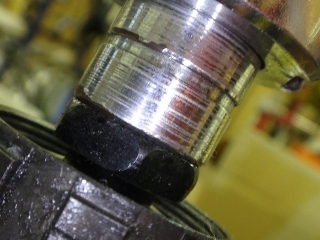
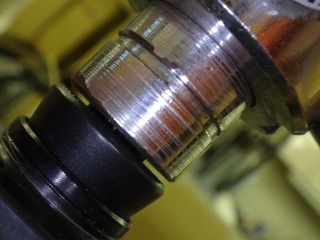
↑The usual pattern.
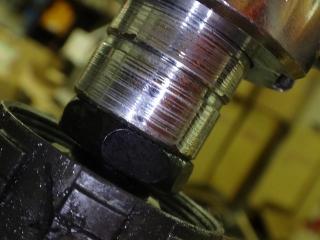
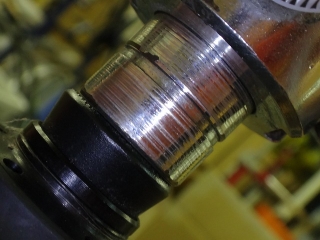
Fixed.
There was barely any lateral runout,
but there were a couple of odd radial runout spots.
I could see grip marks on the nipple splines before I touched it,
so there's probably a history of someone doing a half-hearted lateral-only wheel truing job.
This inspection ended up taking longer than expected.
Now the front wheel.

It's wearing a Mavic tire.
In that opening photo of the rear wheel, I took the picture after removing the tire,
and it had a Pirelli tire on it.
Since the rear tire wears faster, they must have replaced it,
but they didn't go back to the same tire.
Though honestly, since both Pirelli and Mavic tires are made by Hutchinson,
I don't think there's much difference.
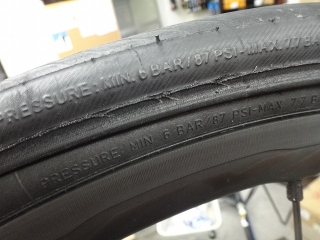
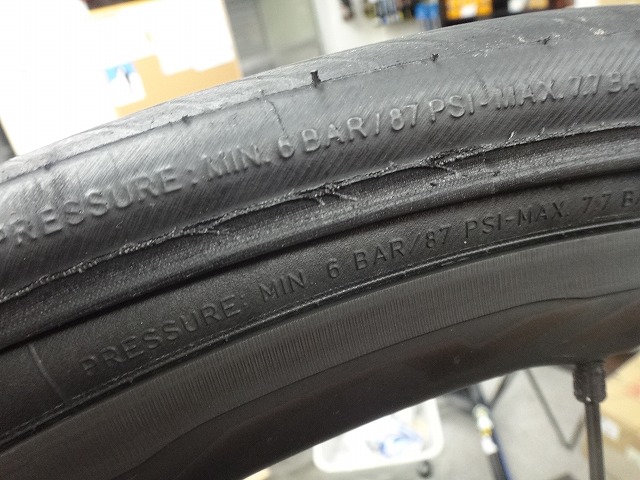
↑After work, I placed the Mavic tire from the front wheel on top of the rear wheel with the Pirelli.
The letter spacing and sharpness of the outline differ,
but the text itself is completely identical.
There's no way two completely unrelated companies
working independently could come up with sidewall markings this similar.
The Mavic tire on the front wheel wasn't installed in the recommended reverse direction.
After service, I respected that and installed the tire the way it was originally.
If someone asked me personally whether I'd follow the manufacturer's recommendation
on tread direction if I were putting a Mavic tire on a front wheel...
I'd answer: "I wouldn't use a Mavic tire in the first place."
↑Don't mess around and dodge yes-or-no questions by being a smartass


There was slight centering error.

Fixed.
Like the rear wheel, almost no lateral runout,
but unlike the rear, no radial runout either.
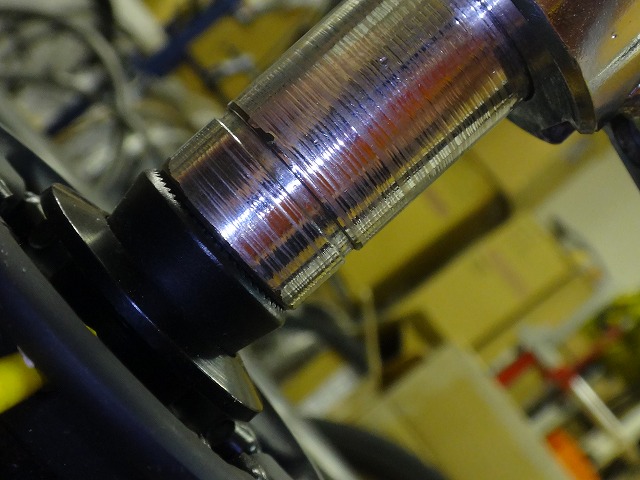
I shot the photos to show the yellow cosmetic spokes for left/right orientation,
but the left side can be identified by the six adjustment holes for bearing preload,
so there was no need to capture that anyway.
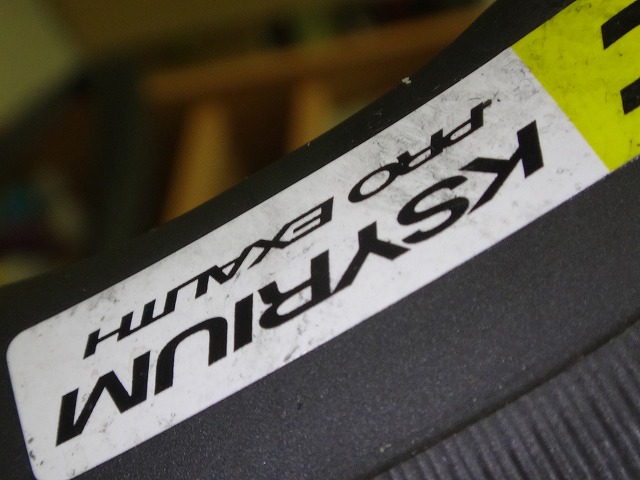
↑A photo so I don't forget what the wheel model is called
I don't usually post these in my regular entries,
but I take them when I'm not confident.
Mavic has a habit of changing wheel names with each new year—
sometimes they're basically the same wheel, sometimes completely identical.
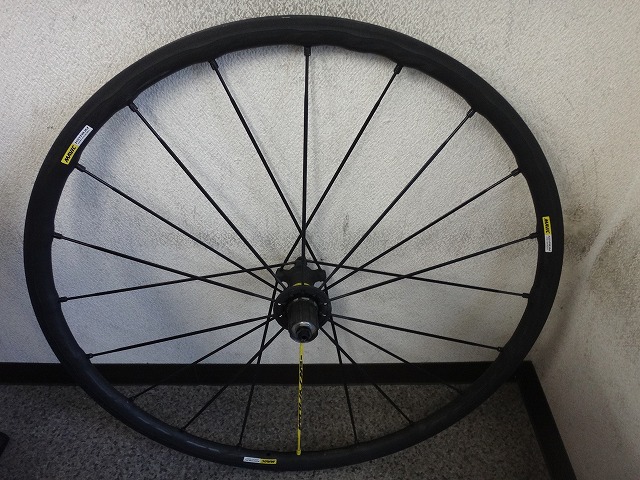
The customer requested a runout check and hub overhaul if needed.
Starting with the rear wheel.
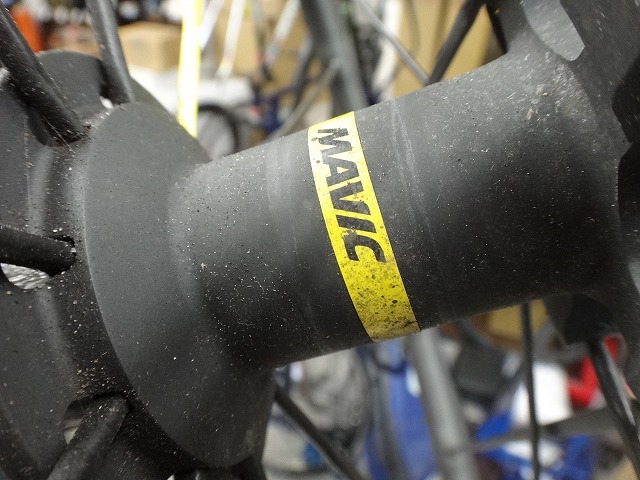
↑Shows decent wear,
though I can't tell if that's just from the current owner's use.
Both front and rear hubs showed no sign of damage to the bearings or freewheel ratchet,
so I didn't open them up.
The front hub's bearing preload was a bit tight,
so I loosened it slightly.
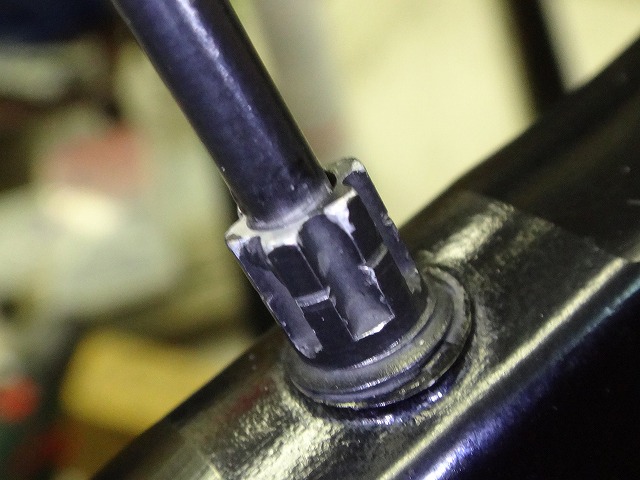
↑This is the seized nipple from a Ksyrium K10 I worked on recently.
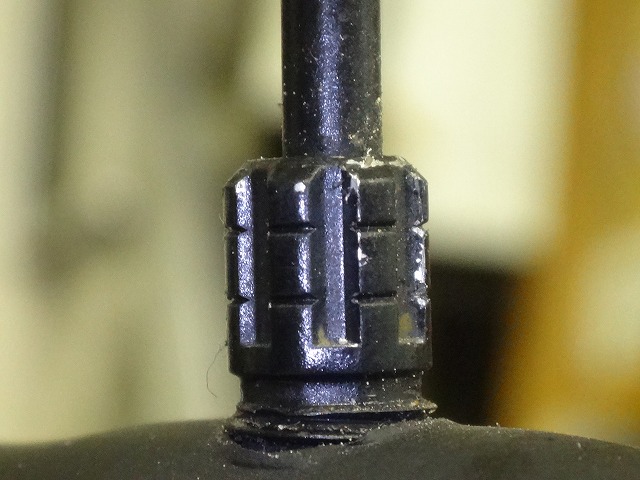
↑And here's the nipple from this Ksyrium.
The spline grip is larger,
so while complete seizure might happen, seized nipples on the verge of it
can often be salvaged.
The spline design was originally made for R-SYS nipples,
but was later adopted on Ksyrium wheels too.
On this wheel, not a single nipple was frozen.
↑The usual pattern.
Fixed.
There was barely any lateral runout,
but there were a couple of odd radial runout spots.
I could see grip marks on the nipple splines before I touched it,
so there's probably a history of someone doing a half-hearted lateral-only wheel truing job.
This inspection ended up taking longer than expected.
Now the front wheel.
It's wearing a Mavic tire.
In that opening photo of the rear wheel, I took the picture after removing the tire,
and it had a Pirelli tire on it.
Since the rear tire wears faster, they must have replaced it,
but they didn't go back to the same tire.
Though honestly, since both Pirelli and Mavic tires are made by Hutchinson,
I don't think there's much difference.
↑After work, I placed the Mavic tire from the front wheel on top of the rear wheel with the Pirelli.
The letter spacing and sharpness of the outline differ,
but the text itself is completely identical.
There's no way two completely unrelated companies
working independently could come up with sidewall markings this similar.
The Mavic tire on the front wheel wasn't installed in the recommended reverse direction.
After service, I respected that and installed the tire the way it was originally.
If someone asked me personally whether I'd follow the manufacturer's recommendation
on tread direction if I were putting a Mavic tire on a front wheel...
I'd answer: "I wouldn't use a Mavic tire in the first place."
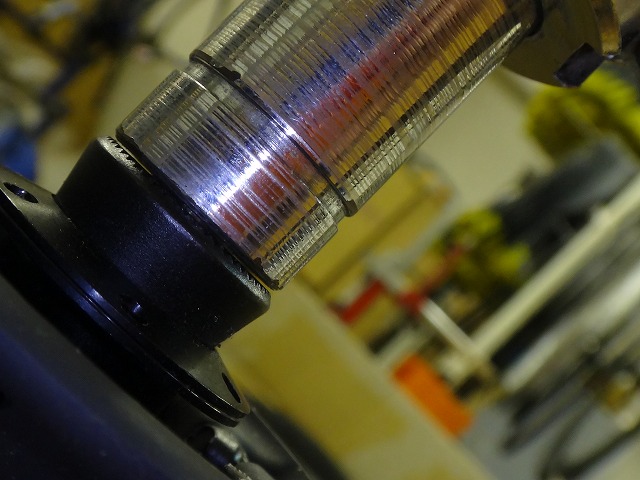
There was slight centering error.
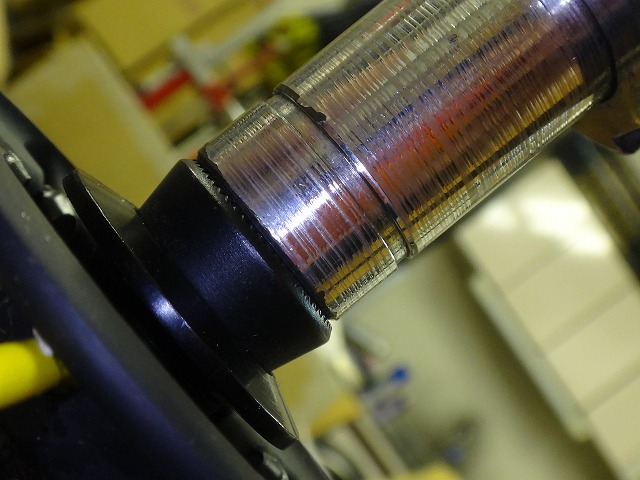
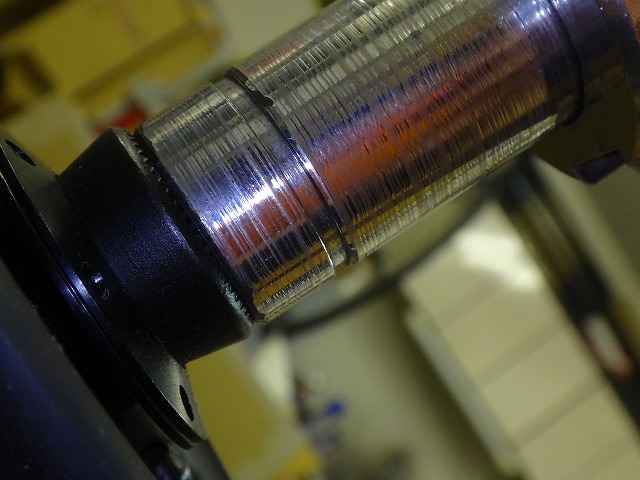
Fixed.
Like the rear wheel, almost no lateral runout,
but unlike the rear, no radial runout either.
I shot the photos to show the yellow cosmetic spokes for left/right orientation,
but the left side can be identified by the six adjustment holes for bearing preload,
so there was no need to capture that anyway.