A customer brought in the rear wheel of a Bora WTO45 (Campagnolo high-end wheelset) for service.
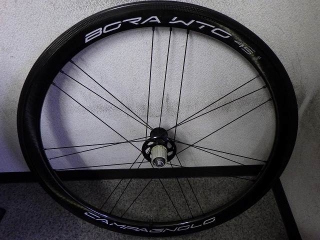
It's for rim brakes with a 2WAY-FIT rim.
After pinching a tube on the tire bead and
inflating it, resulting in a blowout, or
when tubeless tires aren't properly installed and
the tire suddenly comes off the rim completely,
wheels can develop runout, but that's not quite the case here.
The tubeless tire's sidewall hadn't fully seated, and
during riding, there was a loud pop when it suddenly seated, after which runout developed.
The customer had the wheel trued at a nearby shop about 140km away,
but doesn't trust their work and wanted a second opinion.
First, I found play in the hub bearing adjustment.
When I push both ends of the hub axle with my thumbs,
there's enough play to produce a clicking sound.
When there's play in the hub, the contact point of the
centering gauge's probe becomes inconsistent, and
when checking lateral runout, the hub play can cause false readings.
The fact that this play wasn't eliminated
at the very time they checked the runout
is already suspicious.
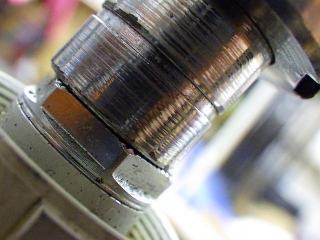

After eliminating the hub play and applying the centering gauge,
there was a center offset to the left—something you virtually never see
on Campagnolo pre-built wheels, especially their premium models.
Looking at the runout, there was an obviously large lateral runout
that couldn't possibly have been missed during truing.
Furthermore, at the seven spoke positions directly below the G3 spoke cluster,
the rim's vertical position is slightly inward compared to
the positions where there are no spokes. These vertical positions
were so inconsistent they exceeded the manufacturer's shipping standard.
I performed all the work in front of the customer, and
numbering the G3 clusters 1–7 from the valve hole,
the customer observed vertical runout in clusters 3 and 6
that appeared after I adjusted them.
There were no friction marks on the nipples,
but someone had definitely been touching them.
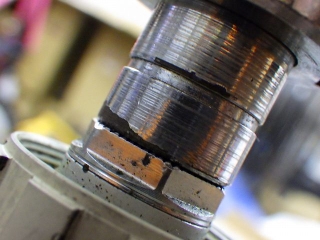
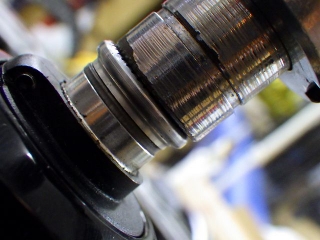
The images can only show the center offset,
but I corrected both lateral and vertical runout.
I often compare this kind of work to solving a Rubik's Cube—restoring all the colors and getting back to the original state—and this was exactly that kind of job.
If someone isn't confident about at least restoring a pre-built wheel to its factory standards,
they shouldn't be touching wheels at all.
By the way, at that other shop before bringing it to us,
the customer was charged for that phony truing job.

It's for rim brakes with a 2WAY-FIT rim.
After pinching a tube on the tire bead and
inflating it, resulting in a blowout, or
when tubeless tires aren't properly installed and
the tire suddenly comes off the rim completely,
wheels can develop runout, but that's not quite the case here.
The tubeless tire's sidewall hadn't fully seated, and
during riding, there was a loud pop when it suddenly seated, after which runout developed.
The customer had the wheel trued at a nearby shop about 140km away,
but doesn't trust their work and wanted a second opinion.
First, I found play in the hub bearing adjustment.
When I push both ends of the hub axle with my thumbs,
there's enough play to produce a clicking sound.
When there's play in the hub, the contact point of the
centering gauge's probe becomes inconsistent, and
when checking lateral runout, the hub play can cause false readings.
The fact that this play wasn't eliminated
at the very time they checked the runout
is already suspicious.
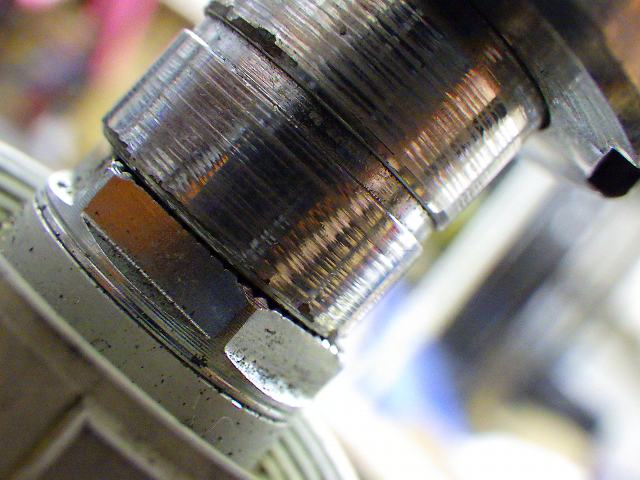
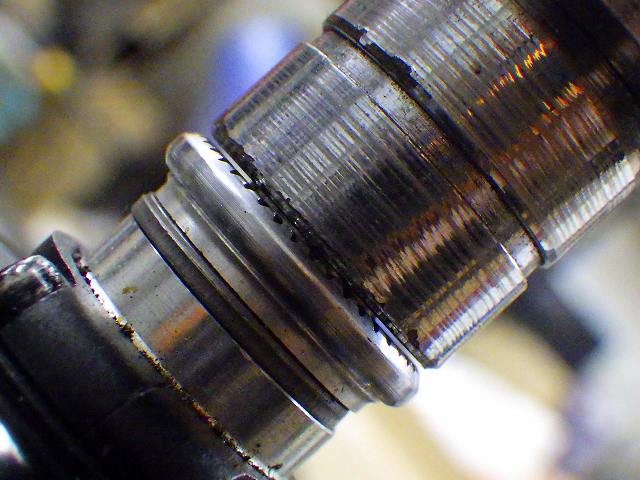
After eliminating the hub play and applying the centering gauge,
there was a center offset to the left—something you virtually never see
on Campagnolo pre-built wheels, especially their premium models.
Looking at the runout, there was an obviously large lateral runout
that couldn't possibly have been missed during truing.
Furthermore, at the seven spoke positions directly below the G3 spoke cluster,
the rim's vertical position is slightly inward compared to
the positions where there are no spokes. These vertical positions
were so inconsistent they exceeded the manufacturer's shipping standard.
I performed all the work in front of the customer, and
numbering the G3 clusters 1–7 from the valve hole,
the customer observed vertical runout in clusters 3 and 6
that appeared after I adjusted them.
There were no friction marks on the nipples,
but someone had definitely been touching them.
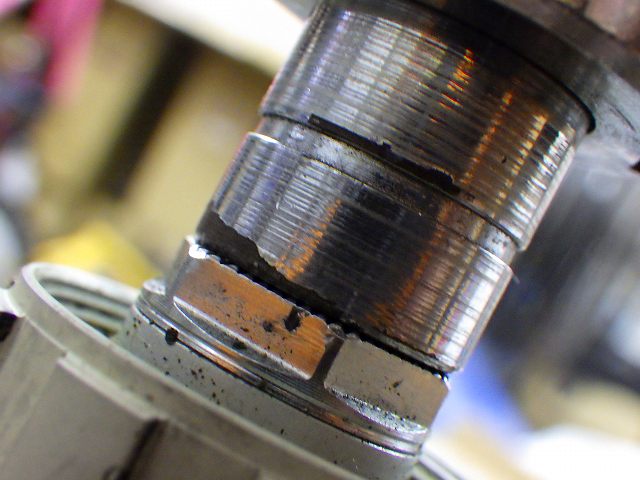
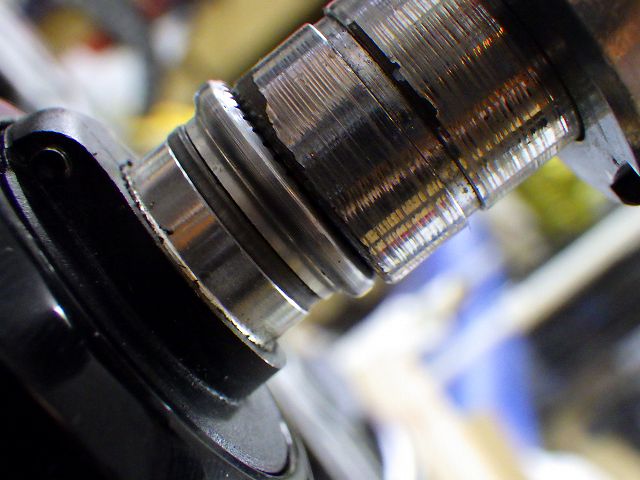
The images can only show the center offset,
but I corrected both lateral and vertical runout.
I often compare this kind of work to solving a Rubik's Cube—restoring all the colors and getting back to the original state—and this was exactly that kind of job.
If someone isn't confident about at least restoring a pre-built wheel to its factory standards,
they shouldn't be touching wheels at all.
By the way, at that other shop before bringing it to us,
the customer was charged for that phony truing job.