A customer brought in a Gibli for service.

Truing is impossible (laugh).
The customer wants a hub overhaul.
Also, I replaced the spacers with better ones when making 9-speed sprockets for the Gibli with 11-speed equivalent gear spacing.
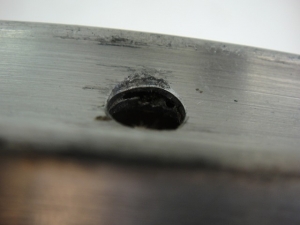
↑This is a photo looking through the valve hole, and you can see the rim is double-layered.
The Gibli's aluminum outer rim has a two-layer structure, and
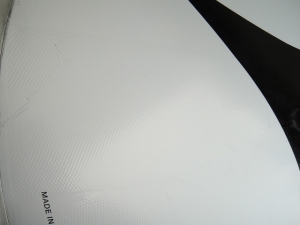
a strip of material extending from the hub is placed over the lower rim
(if you look closely at the image, you can see where the strip doesn't overlap on the outer edge)
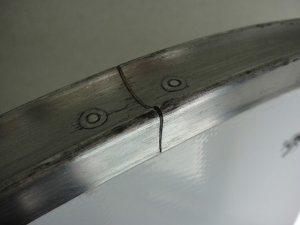
and it's created by sandwiching it between the upper and lower rims.
Since it's essentially a tensioned structure, the material itself can be thin, and reinforcement materials (usually honeycomb structures) aren't needed, making it lightweight.
This structure has two main drawbacks.
One is poor yield rates.
With this manufacturing method, it's practically impossible to consistently produce wheels where runout and centering stay within tolerance at nearly 100%.
The other is that to minimize left-right tension differences in the membrane formed by overlapping sheets, the freewheel-side flange flares out significantly, preventing the use of a long freewheel body.
So even as road bike components moved to 10-speed or 11-speed, the Gibli remains with its dedicated 9-speed freewheel body.
For time trials, 11-19T (9-speed full cross) or 11-21T is sufficient, which is probably also a reason why there's no need to add more speeds at the expense of the wheel's characteristics.
If you use sprockets made for the Gibli, there are no problems, but when adapting standard sprockets for the Gibli, it can be a bit tricky.
This time, the customer had already mostly solved it themselves, so I didn't have much to do.
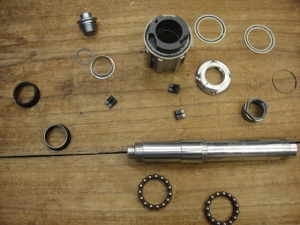
Disassembly and cleaning!
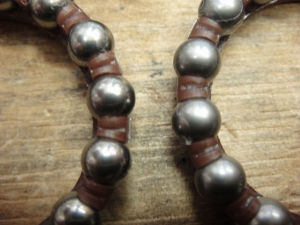
↑The bearings were damaged.
Both are cloudy, but the one on the right is cloudier.
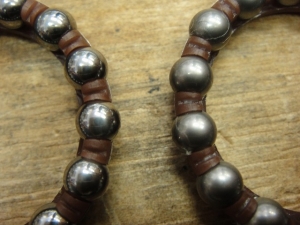
↑I replaced the left one with new. There's a huge difference.
You could get away with just greasing them,
but I felt better replacing both sides with new ones.
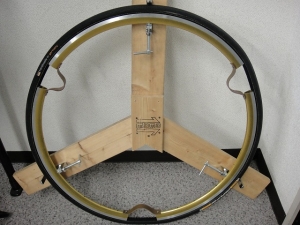
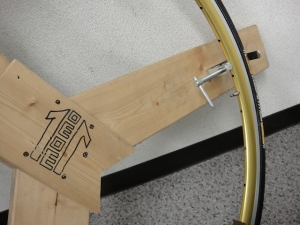
The customer contacted me in advance to stretch the Continental Competition 19 tire with a tire stretcher, so I had already done that.
Disc wheels don't have space to get your fingers through the center, so tight-fitting tires are extremely difficult to mount.
Without stretching it beforehand, I don't think it would have gone on smoothly.
Bonus
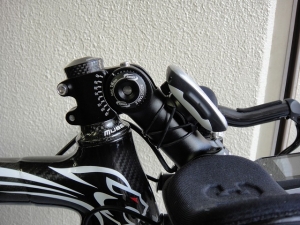
A road bike with a longer head tube is being converted to TT bike geometry, so I'm setting the adjustable stem at a negative angle.
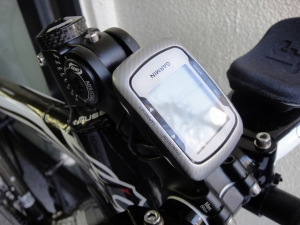
So this Garmin Edge 500 — the screen isn't visible while riding.

I see, maybe I should just buy another one (←that's probably not the solution)
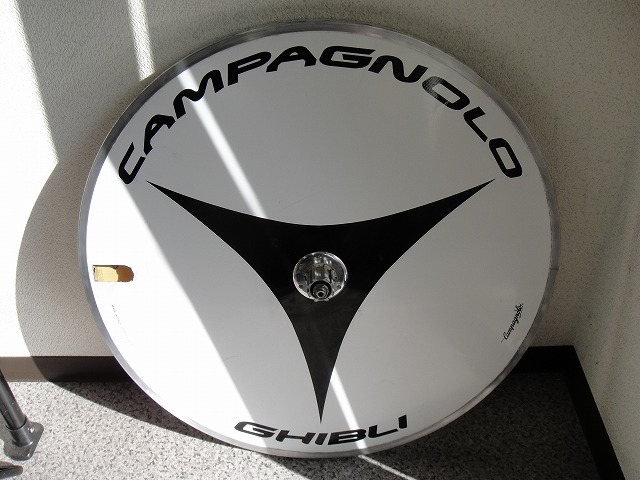
Truing is impossible (laugh).
The customer wants a hub overhaul.
Also, I replaced the spacers with better ones when making 9-speed sprockets for the Gibli with 11-speed equivalent gear spacing.
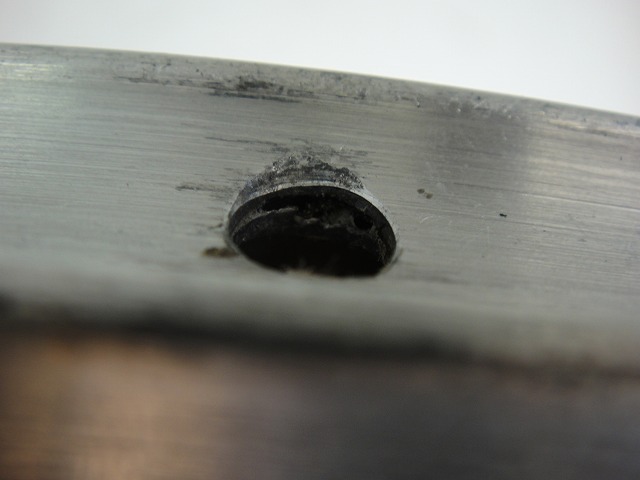
↑This is a photo looking through the valve hole, and you can see the rim is double-layered.
The Gibli's aluminum outer rim has a two-layer structure, and
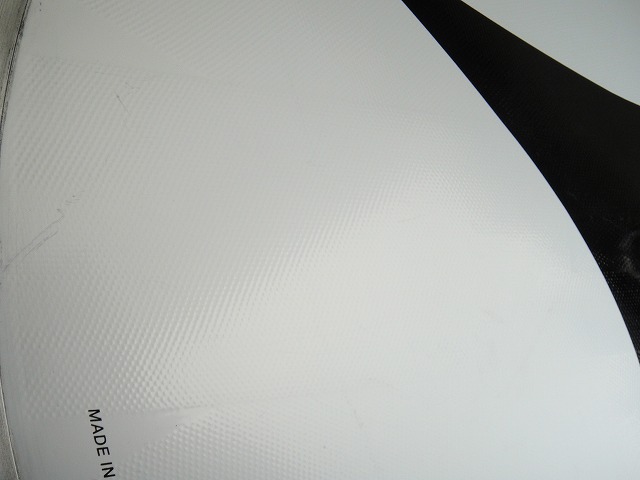
a strip of material extending from the hub is placed over the lower rim
(if you look closely at the image, you can see where the strip doesn't overlap on the outer edge)

and it's created by sandwiching it between the upper and lower rims.
Since it's essentially a tensioned structure, the material itself can be thin, and reinforcement materials (usually honeycomb structures) aren't needed, making it lightweight.
This structure has two main drawbacks.
One is poor yield rates.
With this manufacturing method, it's practically impossible to consistently produce wheels where runout and centering stay within tolerance at nearly 100%.
The other is that to minimize left-right tension differences in the membrane formed by overlapping sheets, the freewheel-side flange flares out significantly, preventing the use of a long freewheel body.
So even as road bike components moved to 10-speed or 11-speed, the Gibli remains with its dedicated 9-speed freewheel body.
For time trials, 11-19T (9-speed full cross) or 11-21T is sufficient, which is probably also a reason why there's no need to add more speeds at the expense of the wheel's characteristics.
If you use sprockets made for the Gibli, there are no problems, but when adapting standard sprockets for the Gibli, it can be a bit tricky.
This time, the customer had already mostly solved it themselves, so I didn't have much to do.
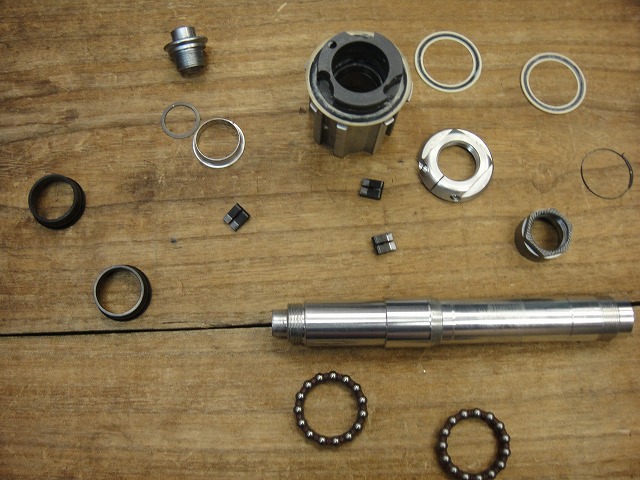
Disassembly and cleaning!
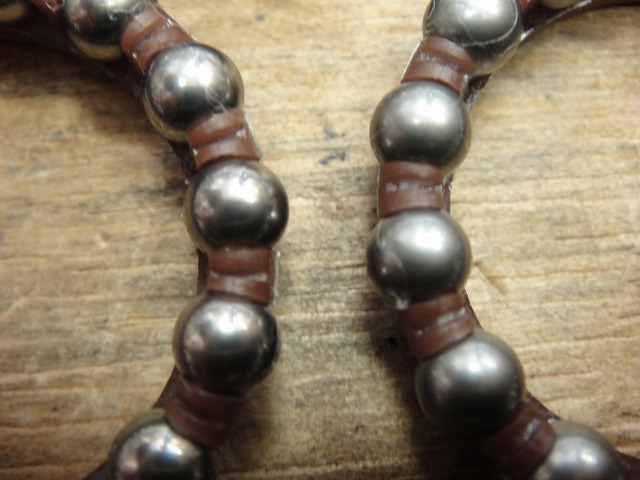
↑The bearings were damaged.
Both are cloudy, but the one on the right is cloudier.
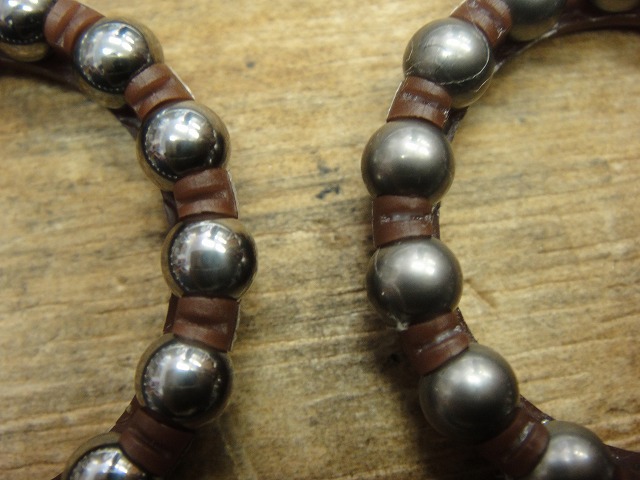
↑I replaced the left one with new. There's a huge difference.
You could get away with just greasing them,
but I felt better replacing both sides with new ones.
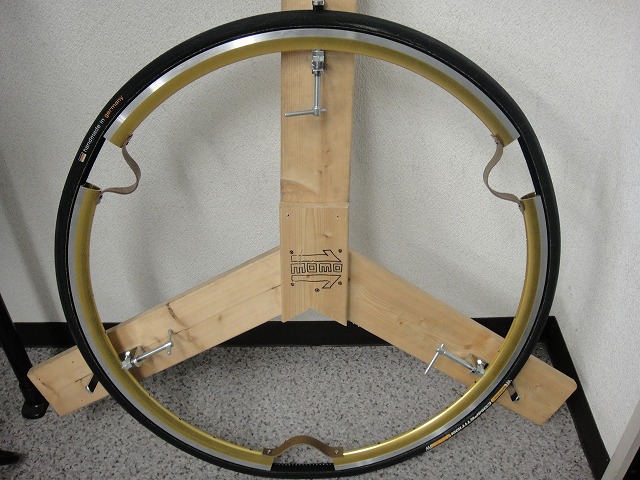
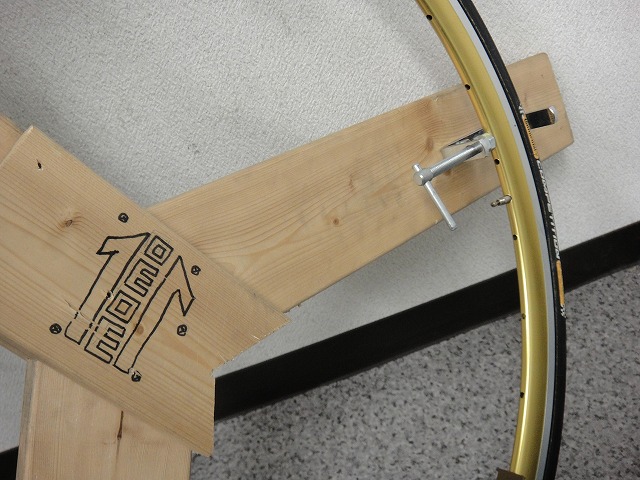
The customer contacted me in advance to stretch the Continental Competition 19 tire with a tire stretcher, so I had already done that.
Disc wheels don't have space to get your fingers through the center, so tight-fitting tires are extremely difficult to mount.
Without stretching it beforehand, I don't think it would have gone on smoothly.
Bonus
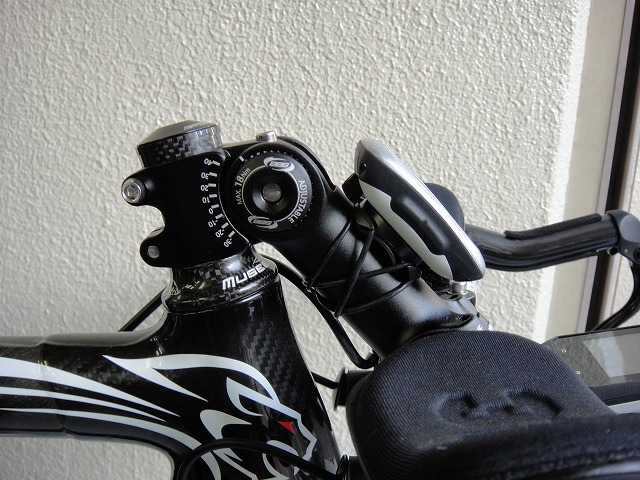
A road bike with a longer head tube is being converted to TT bike geometry, so I'm setting the adjustable stem at a negative angle.
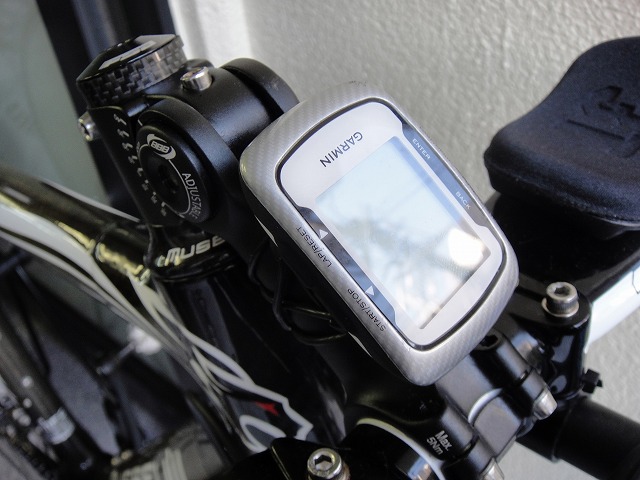
So this Garmin Edge 500 — the screen isn't visible while riding.
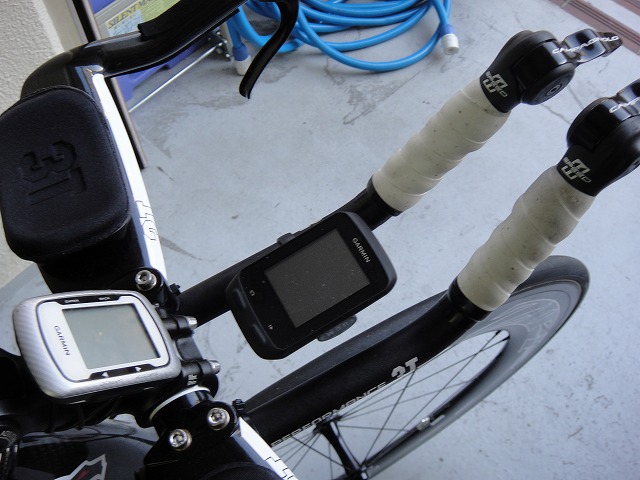
I see, maybe I should just buy another one (←that's probably not the solution)