I received a wheel from a customer.
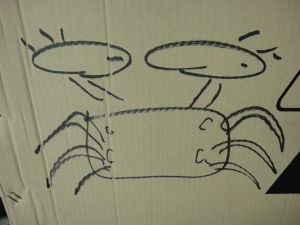
↑There was an illustration like this on the shipping box,
Do they think that drawing something like this will get them featured in a blog?
Well, yes it will!
Anyway, another wheel build today (and so on).
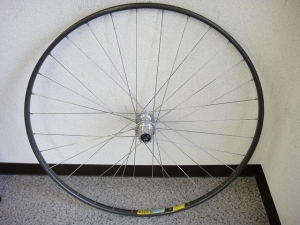
I received a GEL280 32H rear rim for rebuilding.
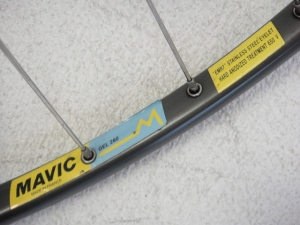
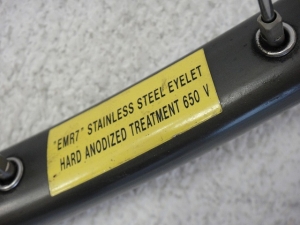
The anodize process information shows 650V marked on it,
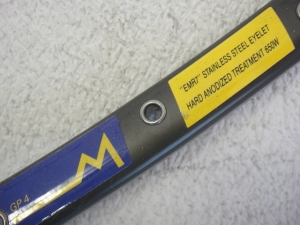
↑but contemporary rims also show 650W markings.
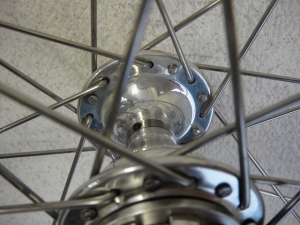
Before rebuilding, both sides used DT Compe 6x6 JIS lacing,
but the primary request was to change it to Italian lacing,
and they said to feel free to build it however I see fit(teehee).
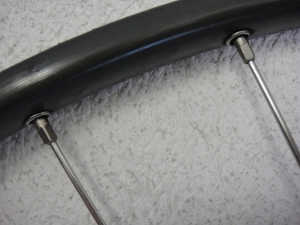
The original nipples were brass, but I'm changing them to aluminum nipples.
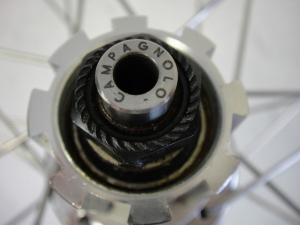
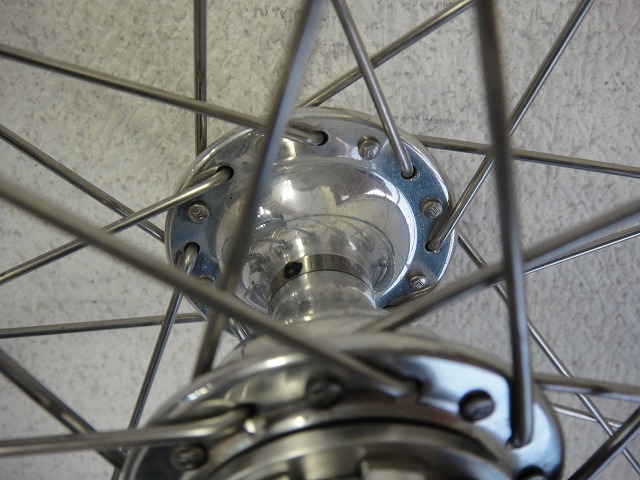
The hub is a 9-speed Record with titanium axle spec.
Initially I planned to rebuild without disassembling the freehub side,

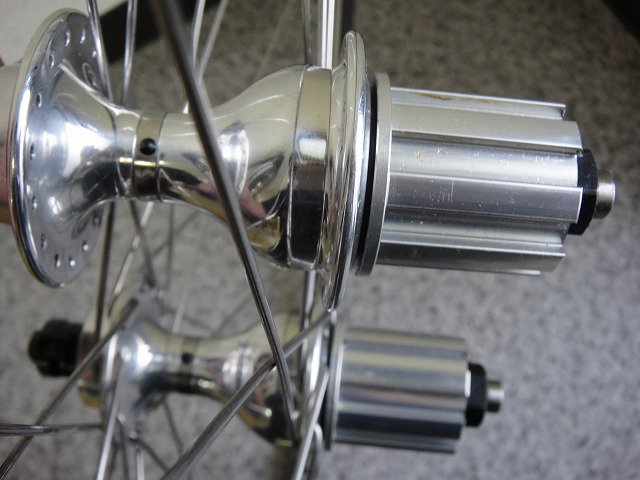
so I took measurements from an identical hub in my own collection.
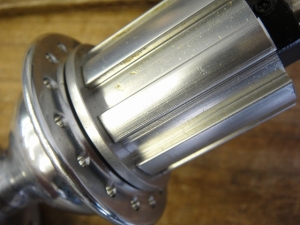
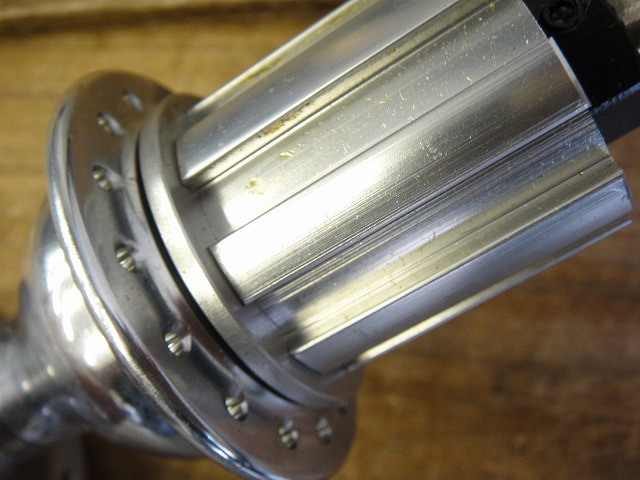
I've mentioned this several times before, but the dish ratio on this hub is absolutely terrible.
The back of the freehub body has a thick spacer-like section,
which creates a cliff-face angle on the spokes.
And since the non-drive-side flange width is fairly wide,
the dish becomes quite extreme.
Compared to typical competitor hubs of that era, the flange width is similar,
but it's offset to the left—like the flange itself is shifted laterally.
However, modern 11-speed hubs ended up with similar dimensions,
so you could say this was a hub ahead of its time, but in a bad way.
I built a rear wheel with a Suntour boss hub the other day, and I think the balance difference
between that hub's equal-spoke-count left-right lacing and
this Record hub's asymmetrical spoke count comes out roughly equal.
As far as I know, this might be the world's first
"hub where asymmetrical spoke count and different spoke diameters are strongly desirable."
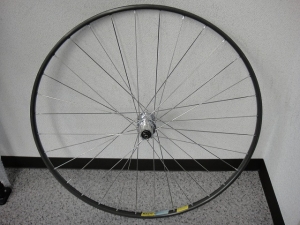
Built.
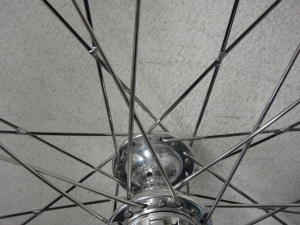
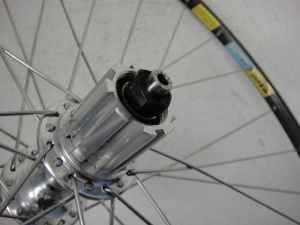
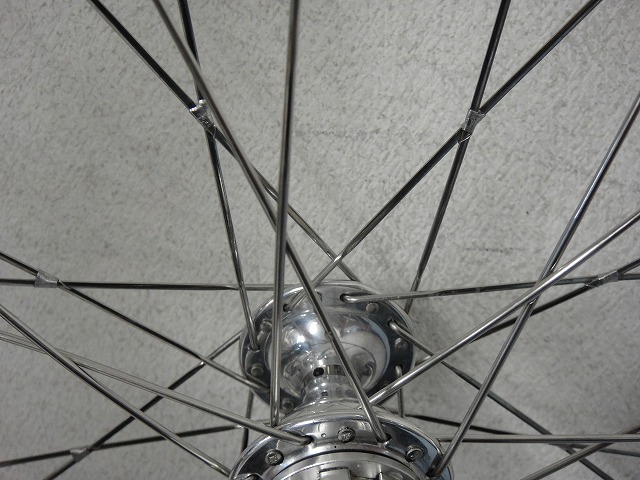
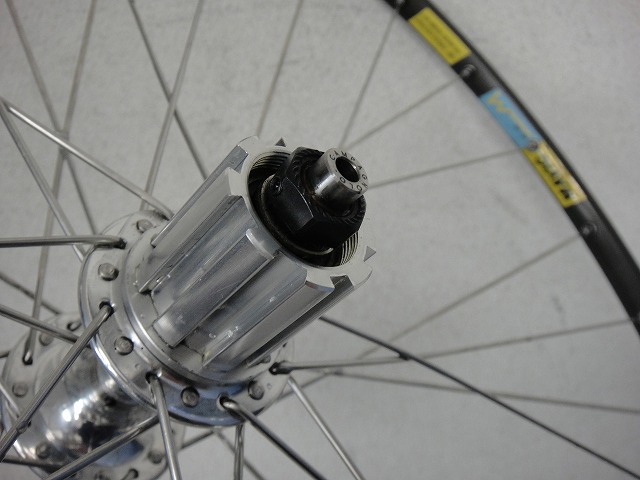
Half-Compe 46-spoke Italian lacing with radial spoking on the drive side.
I couldn't do 48-spoke lacing because spoke length wouldn't work out.
The drive-side Compe spokes could theoretically be reconditioned and reused,
but I went ahead and used fresh ones for peace of mind.
When reusing spokes and removing them from the hub, I make sure to separate
the inpokes from the outpokes,
and when reassembling, I put inpokes back as inpokes
and outpokes back as outpokes—but given all that care,
I didn't want spokes popping out immediately anyway,
so I went with new ones.
I built this with spoke selection, lacing pattern, and tension
the same way I would if building a personal wheel with this hub and rim.
Well, I'm being a bit dishonest about the tension—
if durability weren't a concern, I'd have gone slightly higher—
but there was no agreement for that this time, so I held back.
The GEL280 is a genuinely delicate rim.
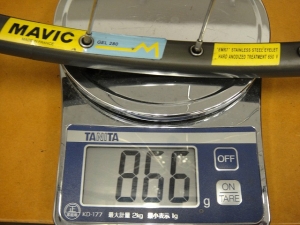
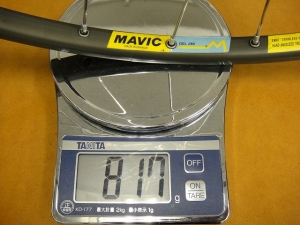
The rebuild did achieve about 50g of weight savings,
but the real point—the truly important thing people should appreciate—
is what's happening between the hub and rim.
I'd love to hear "it feels snappier" or "it rolls better when you pedal,"
but that can't be quantified or seen in photos, so
the customer just has to ride it and find out.

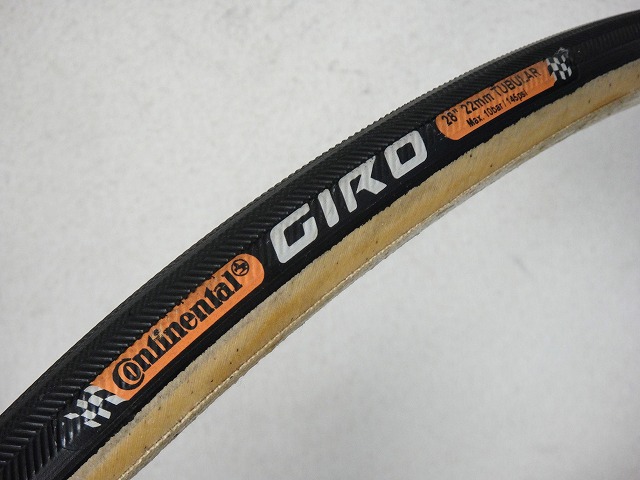
To protect the rim, a tape from a certain manufacturer (made by Lion Tire)
was applied without adhesive,
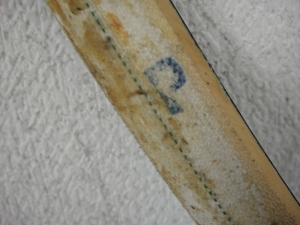
and the blue lettering turned out to be a P, not an X.
The difference might depend on the era.
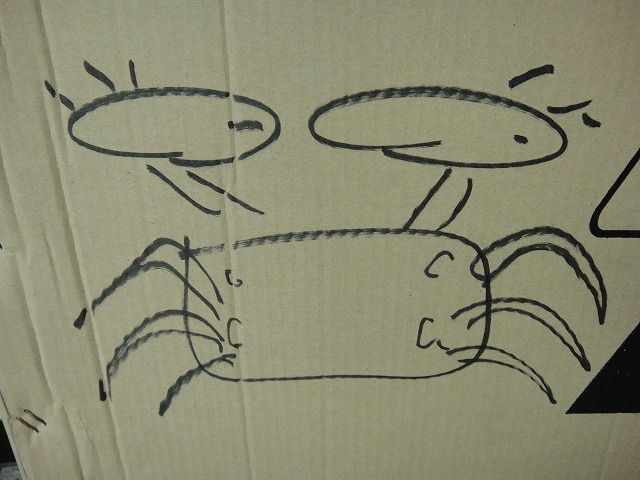
↑There was an illustration like this on the shipping box,
Do they think that drawing something like this will get them featured in a blog?
Well, yes it will!
Anyway, another wheel build today (and so on).

I received a GEL280 32H rear rim for rebuilding.
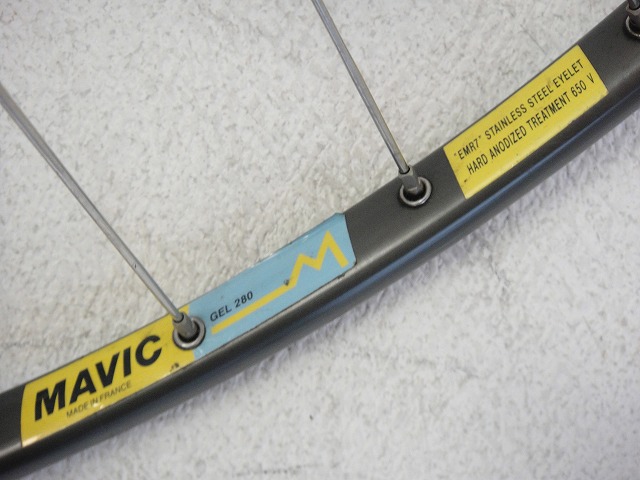

The anodize process information shows 650V marked on it,
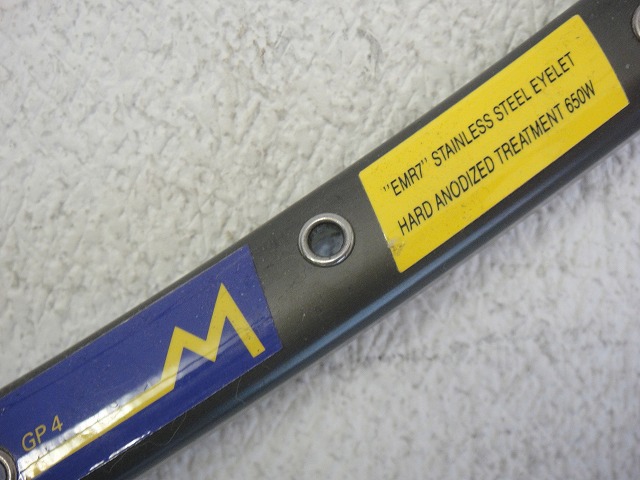
↑but contemporary rims also show 650W markings.
Before rebuilding, both sides used DT Compe 6x6 JIS lacing,
but the primary request was to change it to Italian lacing,
and they said to feel free to build it however I see fit
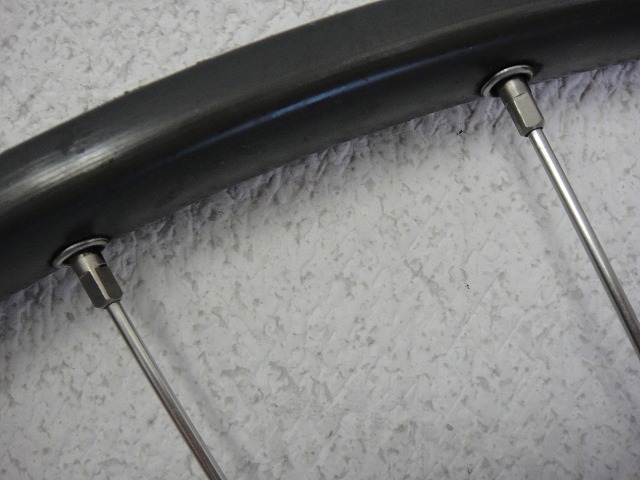
The original nipples were brass, but I'm changing them to aluminum nipples.

The hub is a 9-speed Record with titanium axle spec.
Initially I planned to rebuild without disassembling the freehub side,
so I took measurements from an identical hub in my own collection.
I've mentioned this several times before, but the dish ratio on this hub is absolutely terrible.
The back of the freehub body has a thick spacer-like section,
which creates a cliff-face angle on the spokes.
And since the non-drive-side flange width is fairly wide,
the dish becomes quite extreme.
Compared to typical competitor hubs of that era, the flange width is similar,
but it's offset to the left—like the flange itself is shifted laterally.
However, modern 11-speed hubs ended up with similar dimensions,
so you could say this was a hub ahead of its time, but in a bad way.
I built a rear wheel with a Suntour boss hub the other day, and I think the balance difference
between that hub's equal-spoke-count left-right lacing and
this Record hub's asymmetrical spoke count comes out roughly equal.
As far as I know, this might be the world's first
"hub where asymmetrical spoke count and different spoke diameters are strongly desirable."

Built.
Half-Compe 46-spoke Italian lacing with radial spoking on the drive side.
I couldn't do 48-spoke lacing because spoke length wouldn't work out.
The drive-side Compe spokes could theoretically be reconditioned and reused,
but I went ahead and used fresh ones for peace of mind.
When reusing spokes and removing them from the hub, I make sure to separate
the inpokes from the outpokes,
and when reassembling, I put inpokes back as inpokes
and outpokes back as outpokes—but given all that care,
I didn't want spokes popping out immediately anyway,
so I went with new ones.
I built this with spoke selection, lacing pattern, and tension
the same way I would if building a personal wheel with this hub and rim.
Well, I'm being a bit dishonest about the tension—
if durability weren't a concern, I'd have gone slightly higher—
but there was no agreement for that this time, so I held back.
The GEL280 is a genuinely delicate rim.
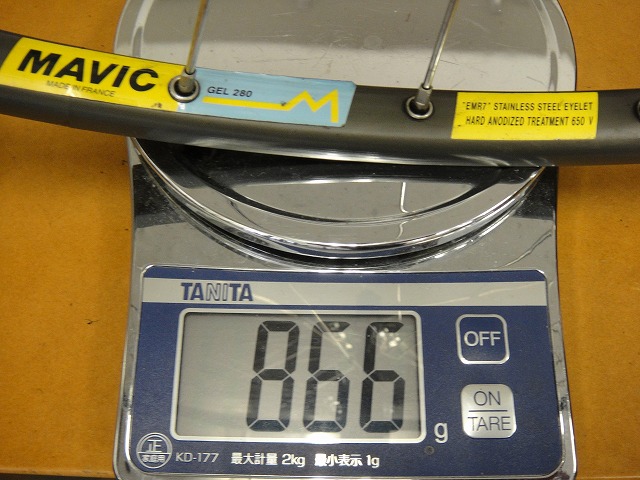
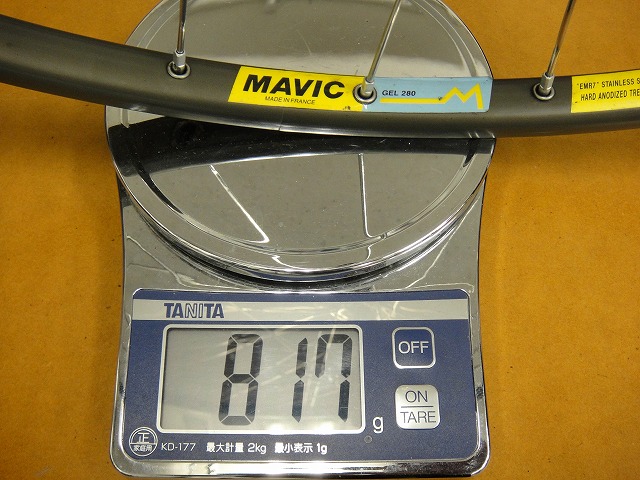
The rebuild did achieve about 50g of weight savings,
but the real point—the truly important thing people should appreciate—
is what's happening between the hub and rim.
I'd love to hear "it feels snappier" or "it rolls better when you pedal,"
but that can't be quantified or seen in photos, so
the customer just has to ride it and find out.
To protect the rim, a tape from a certain manufacturer (made by Lion Tire)
was applied without adhesive,
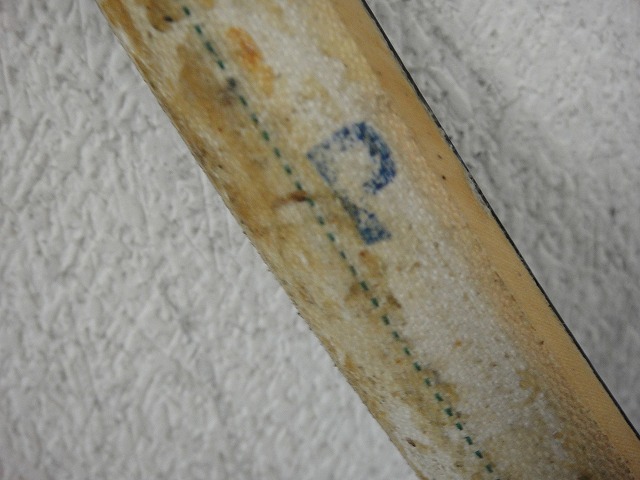
and the blue lettering turned out to be a P, not an X.
The difference might depend on the era.