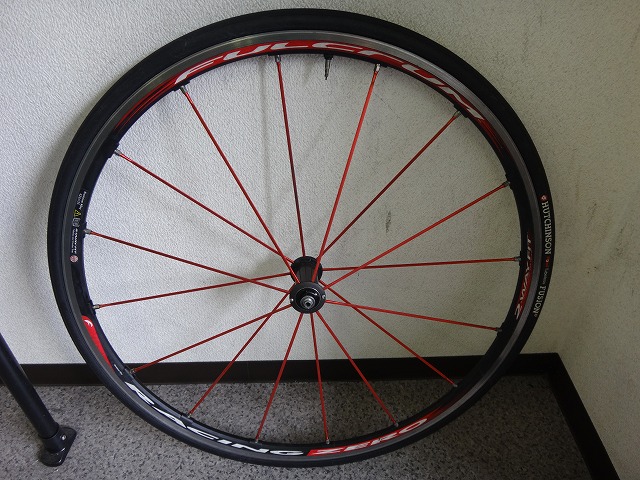
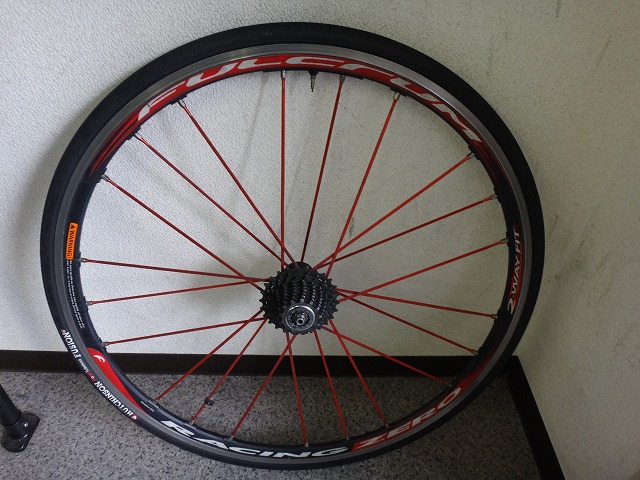
I received a Racing Zero from a customer on loan.
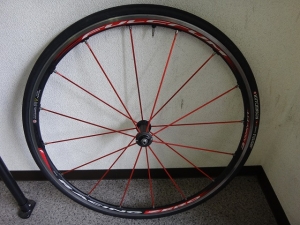
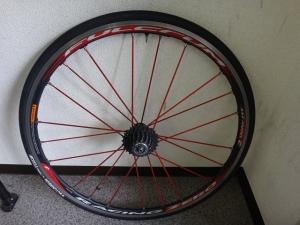
I have it for a complete overhaul and some detailed repairs on the bike it was attached to.
The timeline below is all over the place, but bear with me.
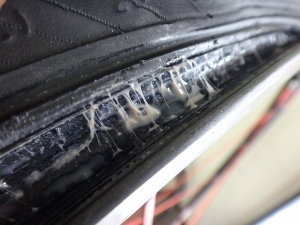
Only the rear wheel had sealant in it.
Regarding road tubeless sealant—there was a time when I thought the presence or absence of sealant shouldn't affect air loss speed when the tire bead is locked into the bead hook. But I was wrong. It absolutely does make a difference. The air definitely leaks out more slowly with sealant.
That said, I personally don't like sealant because of issues like clogged tubeless valve cores and increased outer rim weight.
(And to be honest, I've never actually owned a tubeless wheel for the purpose of using it as tubeless. I bought a WH-6800 once to test how much the center shifts with and without air pressure, but I ended up giving it away as a raffle prize.)
There were dried sealant clumps stuck to the rim and tire bead area, which seemed like a potential leak source, so I cleaned them off carefully.

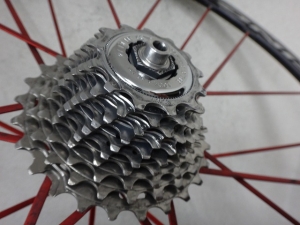
I cleaned the sprocket.
I use different chemicals than I do for hub overhauls, so it's not strictly "while I'm at it," but since I had a lot of cleaning to do anyway for other jobs today, I did them together—so in that sense it was "while I'm at it."

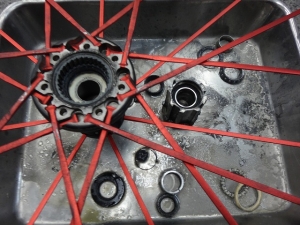
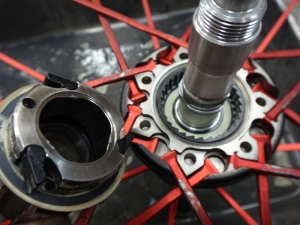
I cleaned and greased both front and rear hubs. The front hub was starved for grease, while the rear hub had way too much grease—completely different conditions.
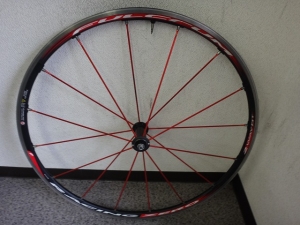
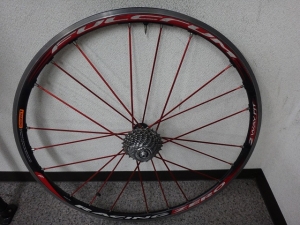
Done. I mounted the tires afterward and was relieved the bead seated smoothly. With Schwalbe Fusion tubeless tires, once the sidewalls get flabby from age, the bead sometimes won't seat even with a compressor.

The freewheel pawl return spring was bent, so I replaced it.
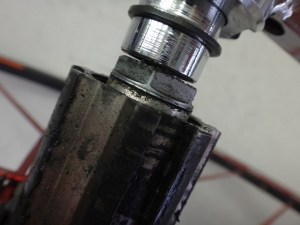
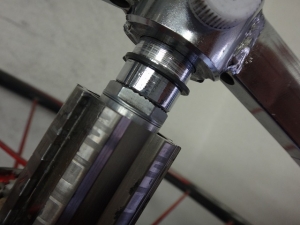
The wheel runout was "the kind of amount you'd expect from a wheel that's been ridden"—the front wheel had no dish, and the rear wheel is in the condition shown in the image.

↑As usual, the right locknut came loose by hand, but that has nothing to do with the wheel dish.
I have it for a complete overhaul and some detailed repairs on the bike it was attached to.
The timeline below is all over the place, but bear with me.
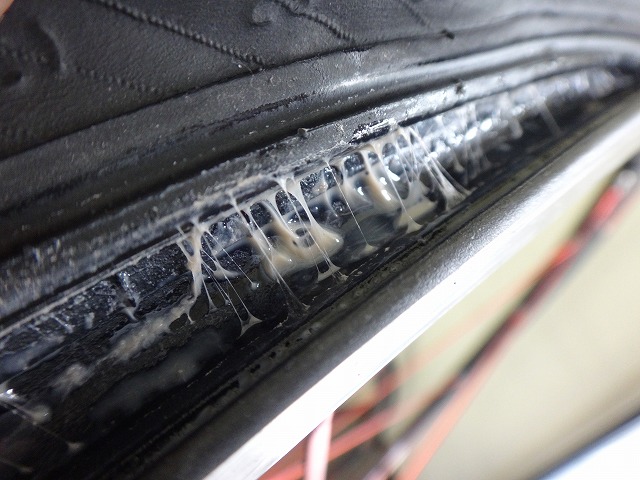
Only the rear wheel had sealant in it.
Regarding road tubeless sealant—there was a time when I thought the presence or absence of sealant shouldn't affect air loss speed when the tire bead is locked into the bead hook. But I was wrong. It absolutely does make a difference. The air definitely leaks out more slowly with sealant.
That said, I personally don't like sealant because of issues like clogged tubeless valve cores and increased outer rim weight.
(And to be honest, I've never actually owned a tubeless wheel for the purpose of using it as tubeless. I bought a WH-6800 once to test how much the center shifts with and without air pressure, but I ended up giving it away as a raffle prize.)
There were dried sealant clumps stuck to the rim and tire bead area, which seemed like a potential leak source, so I cleaned them off carefully.
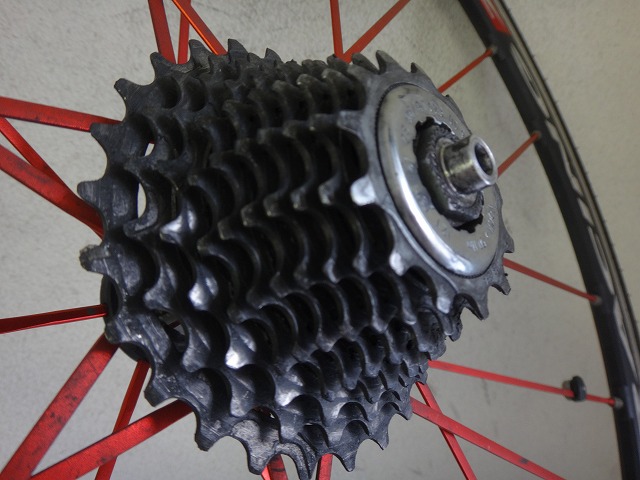

I cleaned the sprocket.
I use different chemicals than I do for hub overhauls, so it's not strictly "while I'm at it," but since I had a lot of cleaning to do anyway for other jobs today, I did them together—so in that sense it was "while I'm at it."
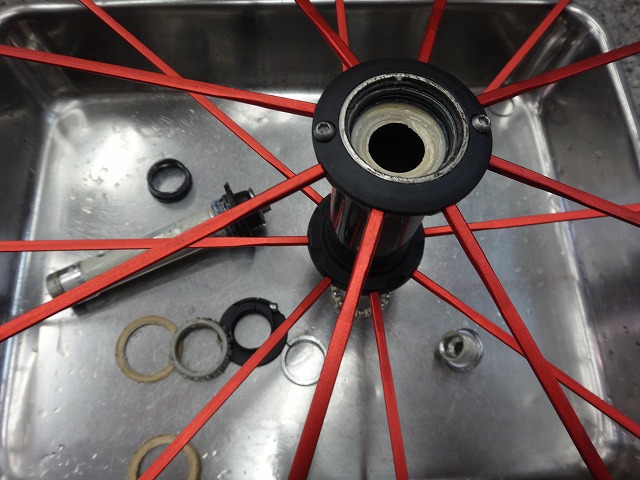
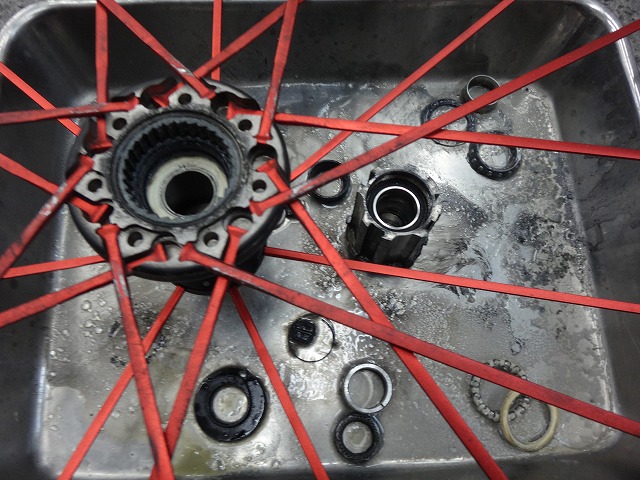
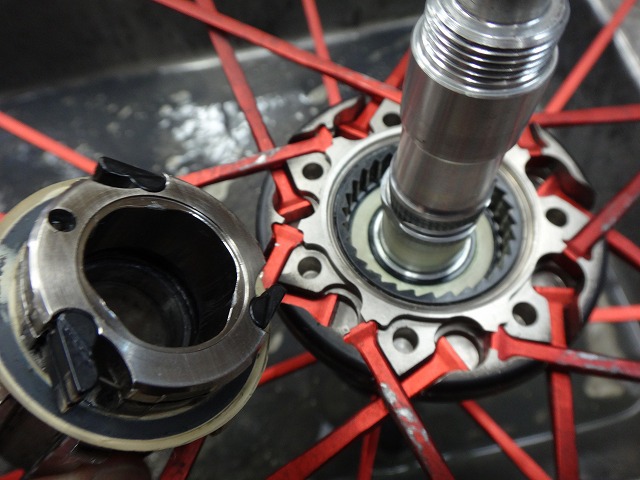
I cleaned and greased both front and rear hubs. The front hub was starved for grease, while the rear hub had way too much grease—completely different conditions.
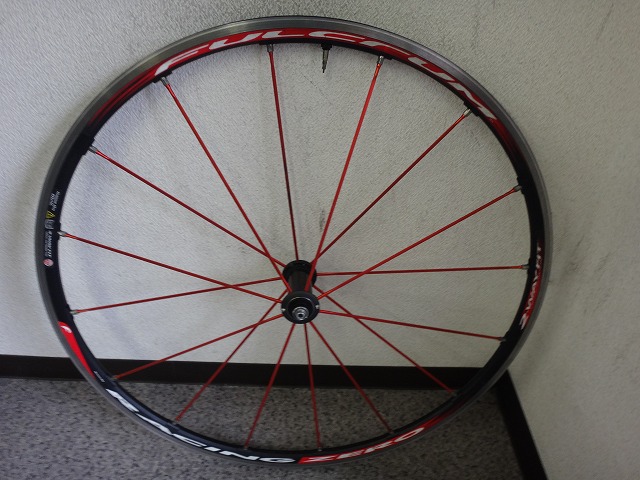
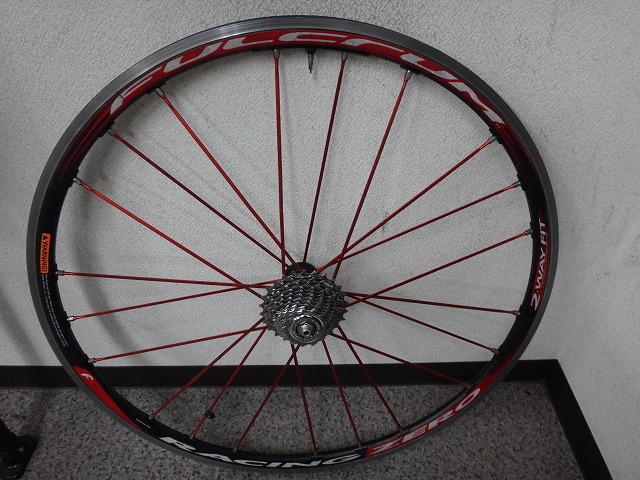
Done. I mounted the tires afterward and was relieved the bead seated smoothly. With Schwalbe Fusion tubeless tires, once the sidewalls get flabby from age, the bead sometimes won't seat even with a compressor.
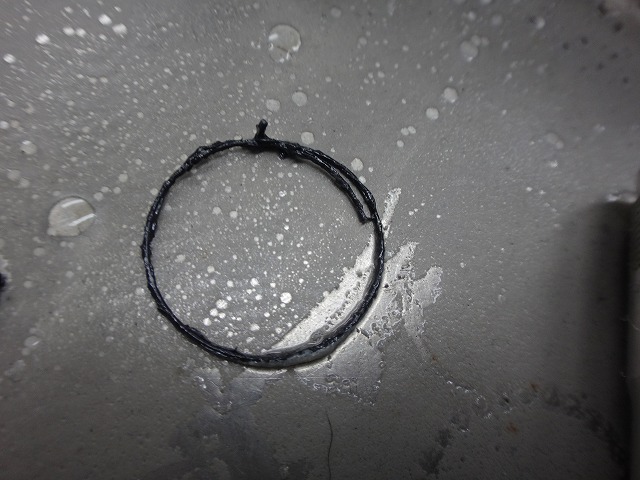
The freewheel pawl return spring was bent, so I replaced it.
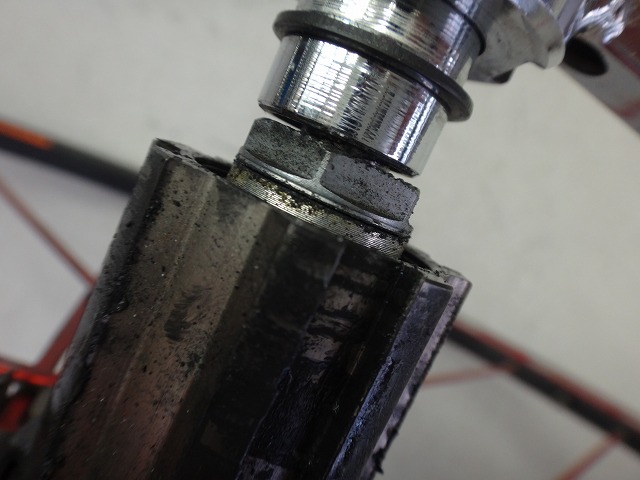
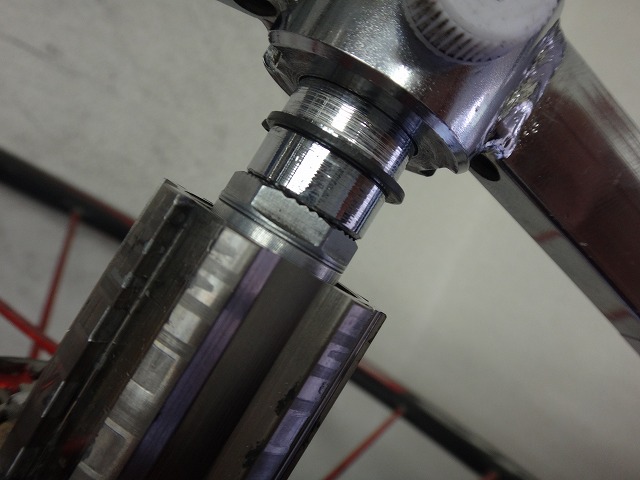
The wheel runout was "the kind of amount you'd expect from a wheel that's been ridden"—the front wheel had no dish, and the rear wheel is in the condition shown in the image.
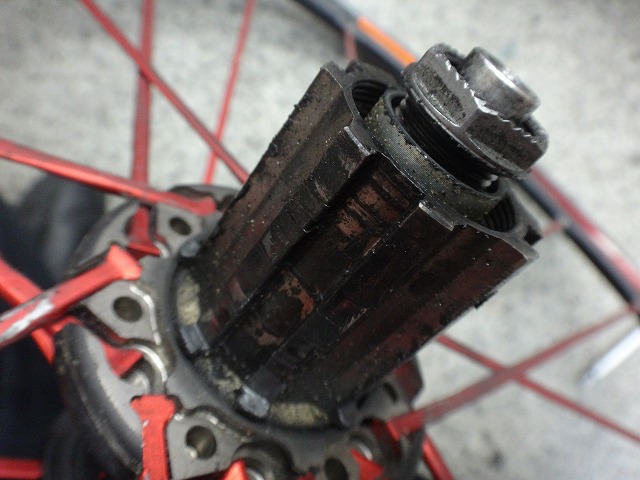
↑As usual, the right locknut came loose by hand, but that has nothing to do with the wheel dish.