More wheel work today (and so on).
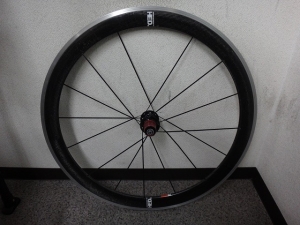
A customer dropped off a Bontrager Aeolos rear wheel for me.
It originally came in for an inspection, but...
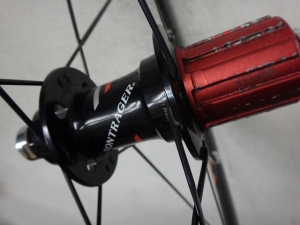
Bontrager
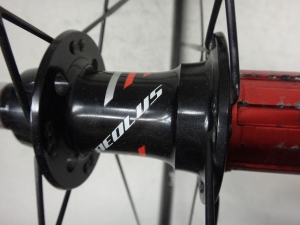
It's badged as an Aeolos, but
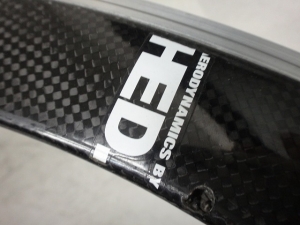
the rim is actually HED. It has an aluminum rim plus carbon fairing structure, but the carbon part isn't the super-thin kind where you can see the weave through it when you hold it up to the light. Instead, it's filled with something like expanding polyurethane, so pressing the rim sidewall with your finger doesn't make it flex in and out.
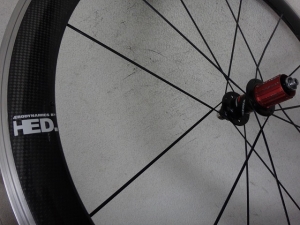
There's a spoke missing, and that's because I cracked the nipple during my work. Just as I was about to tell the customer "The nipples are corroded and feel like they're about to snap off when I twist them," one went "crack" and snapped. All the nipples are probably corroded, so I'm doing a complete nipple replacement, and while I'm at it, I'm switching the spokes to black half-competition spokes too.
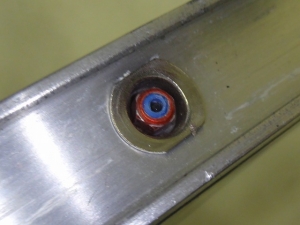
↑This is a nipple (you can see what it is).
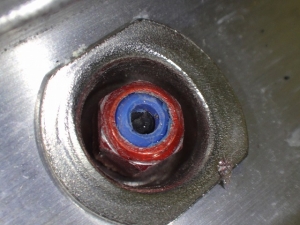
Hex nipples sit snugly in the eyelets, but the spoke doesn't reach the blue plastic that locks the threads. That's actually correct in this case. If you make the spoke length flush with the nipple end face, tightening it further will puncture the rim tape.
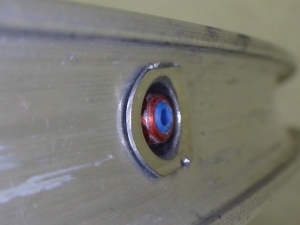
This nipple sticks out a bit above the rim tape surface, but once you apply rim tape, there's no problem.
When the nipple's grip section is hexagonal, the across-flats sizes are 4.76mm (3/16 inch), 5mm, 5.5mm, and 6mm—four different options. This one is 5.5mm, the same size as Cosmic Carbon.
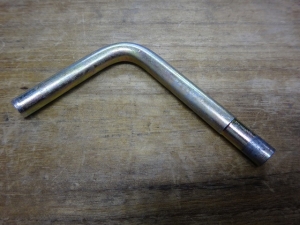
This is the dedicated nipple wrench for Cosmic Carbon, but
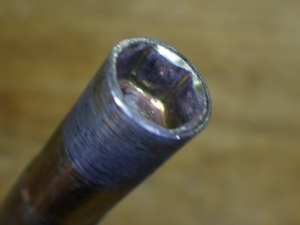
you can see scuff marks on the sides of the eyelets.
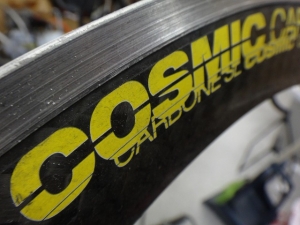
Cosmic Carbon from the SL onward has
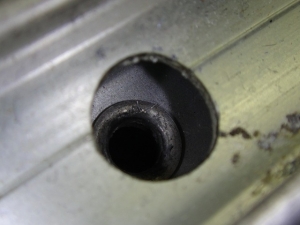
single eyelets, so
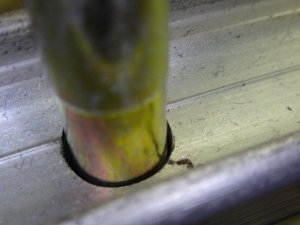
there's some clearance around the tool.

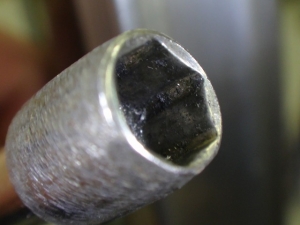
With Park Tool's 5.5mm driver-style nipple wrench, the tool head is too large to fit in double eyelets. So I've made one myself with the head trimmed down for double eyelet rims.
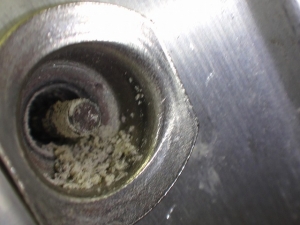
I start loosening the nipples. Salt-like corrosion that was packed in the eyelet gaps crumbles out.
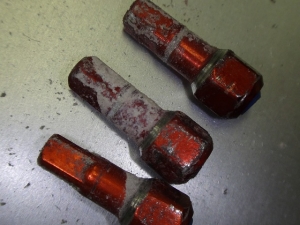
Whoa, it's really corroded.
After loosening nipples for about half the wheel to release tension, I cut the spokes and disassemble.
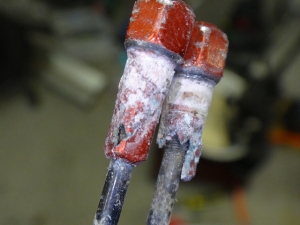
It was corroded something fierce.
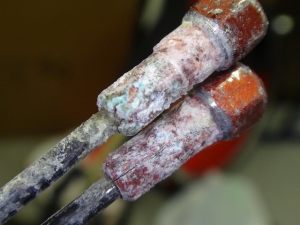
↑The nipple at the bottom of the image has cracks in it.
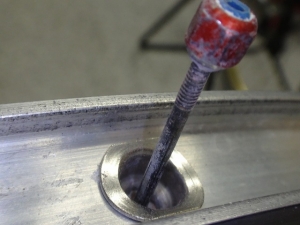
This nipple fractured when I pushed it out with the spoke. Or maybe it was already like that.
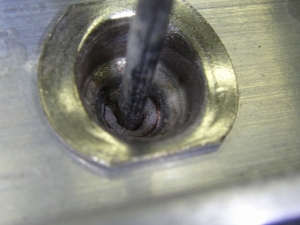
↑The rest was stuck in the rim, but
when I tapped it from the inside with a punch,
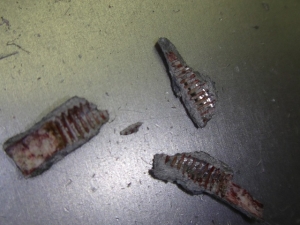
it crumbled apart. If I'd pushed from the outside, it would have fallen inside the rim. That was close!
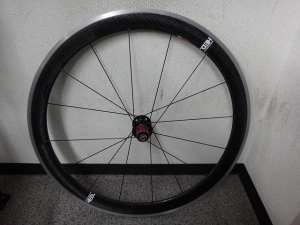
Got it built.
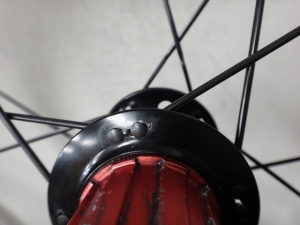
On the freewheel side, since it's a 16H rear wheel, I went with 14-spoke plain. So it's not competition spokes. Candidates included DT Champion, Sapim Leader, and Wheelsmith SS14, but I went with Leader this time.
I laced it all-outpoke, two-cross on the freewheel side to avoid any risk of interfering with the rear derailleur. Some customers get symptoms like "it hits when I stand and pedal" or "it hits when I power through," and I really don't want to have to rebuild the wheel to fix that.

The non-freewheel side is all-inpoke, two-cross.
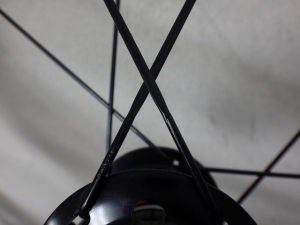
There's theoretically some subtle preference in how the spokes "collar" at each crossing, but this time I oriented it so the spokes in the "porcupine" direction are on the inside. The reason is that this gives the same collar orientation as the non-freewheel side of Italian lacing. Italian and JIS lacing have the freewheel side the same, but the non-freewheel side is mirror-image. With wire-tie soldering, the direction you wrap changes depending on the collar orientation, and for me it's reversed on the non-freewheel side. My hands remember the Italian non-freewheel side wrapping, so that's fine, but with JIS lacing the entire motion is reversed—it takes me over three times longer than Italian. It's like a right-handed person trying to use chopsticks with their left hand—that awkward.That's why I hate doing wire-tie work on disc brake hubs' non-freewheel sides. This time the final crossing (really just the first one) is close to the hub flange, so soldering wire ties isn't really necessary and I probably won't do it, but I oriented the collar to make it easier just in case.
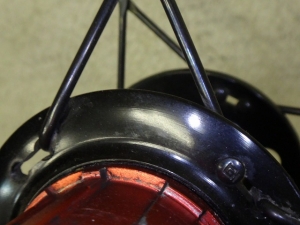
Before the rebuild, the freewheel side was laced in reverse-Italian/reverse-JIS style, and
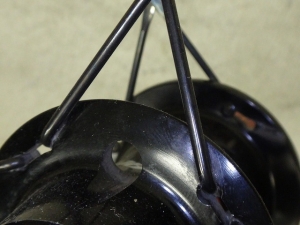
the non-freewheel side was (you can't see it completely) all-inpoke with the collar orientation opposite to the post-rebuild lacing.
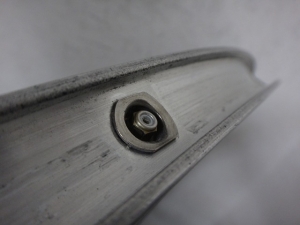
For the new nipples,
with an eye toward future serviceability,
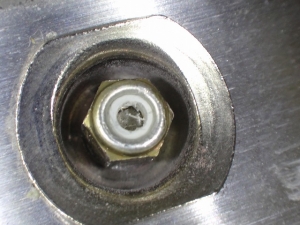
I went with 5mm across-flats. The reason the spoke doesn't reach the white plastic is the same as before the rebuild.

The nipple end face protrudes about 0.5mm more than before the rebuild, so I tested it with Vittoria rim tape to make sure, and
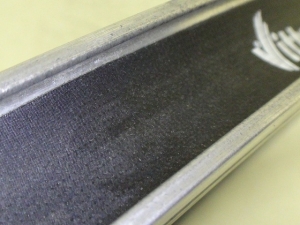
↑it looks fine.
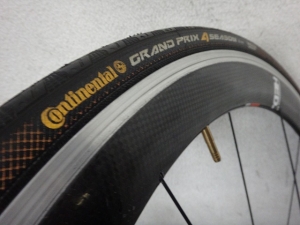
Also, there was something I wanted to check, so I put a tire on it and took it for a short spin.
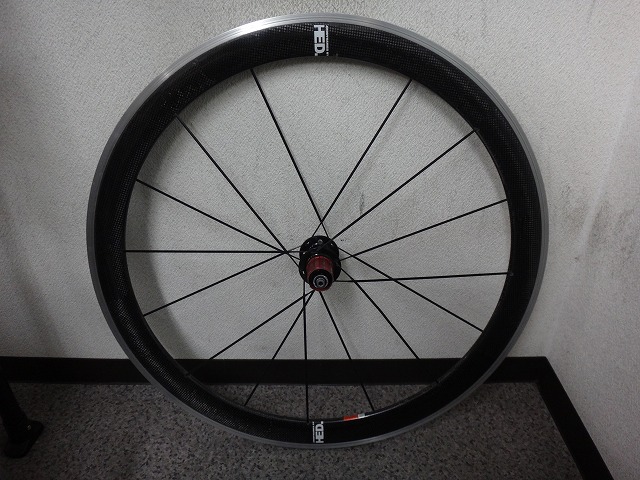
A customer dropped off a Bontrager Aeolos rear wheel for me.
It originally came in for an inspection, but...
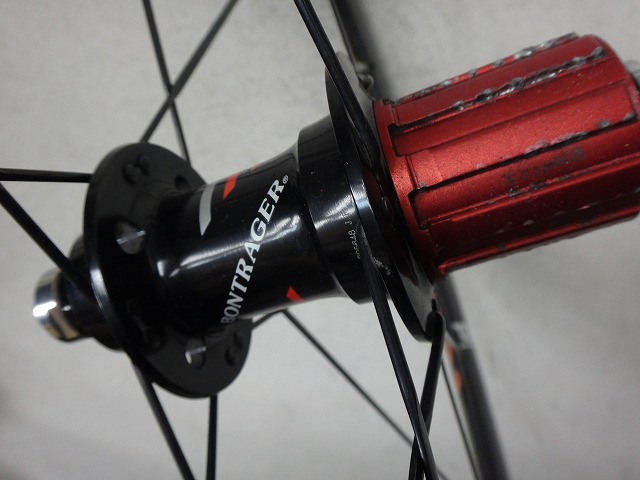
Bontrager
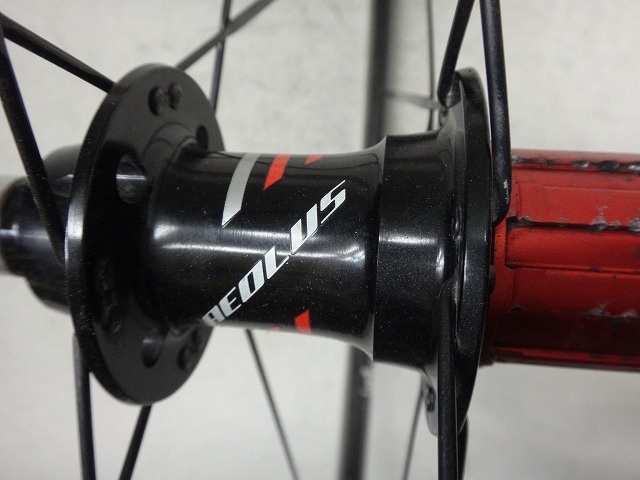
It's badged as an Aeolos, but
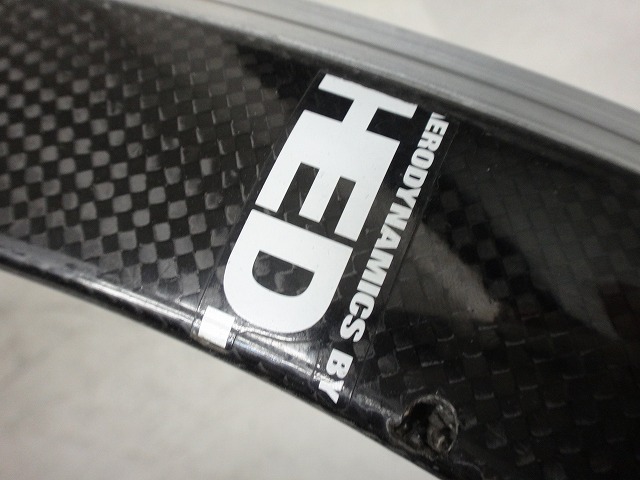
the rim is actually HED. It has an aluminum rim plus carbon fairing structure, but the carbon part isn't the super-thin kind where you can see the weave through it when you hold it up to the light. Instead, it's filled with something like expanding polyurethane, so pressing the rim sidewall with your finger doesn't make it flex in and out.
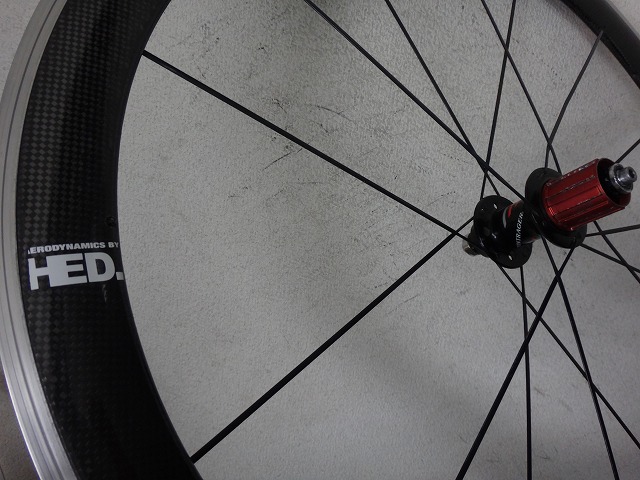
There's a spoke missing, and that's because I cracked the nipple during my work. Just as I was about to tell the customer "The nipples are corroded and feel like they're about to snap off when I twist them," one went "crack" and snapped. All the nipples are probably corroded, so I'm doing a complete nipple replacement, and while I'm at it, I'm switching the spokes to black half-competition spokes too.
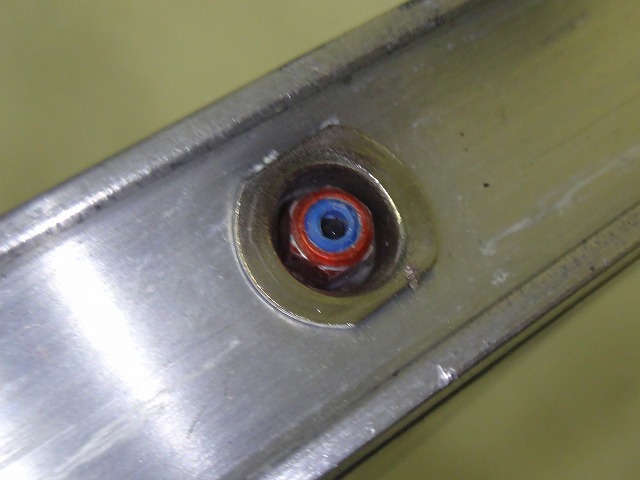
↑This is a nipple (you can see what it is).
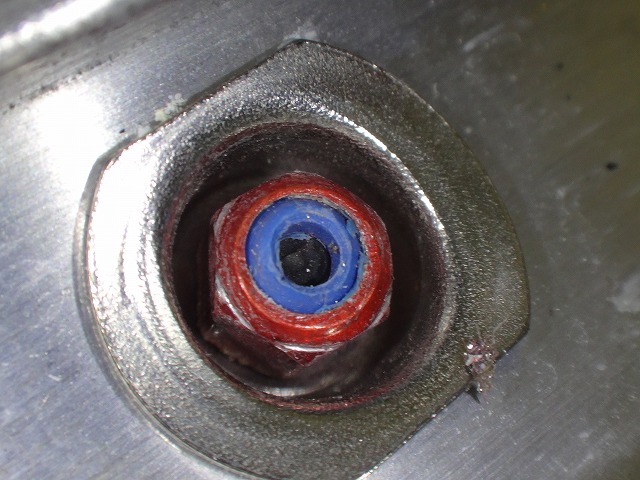
Hex nipples sit snugly in the eyelets, but the spoke doesn't reach the blue plastic that locks the threads. That's actually correct in this case. If you make the spoke length flush with the nipple end face, tightening it further will puncture the rim tape.
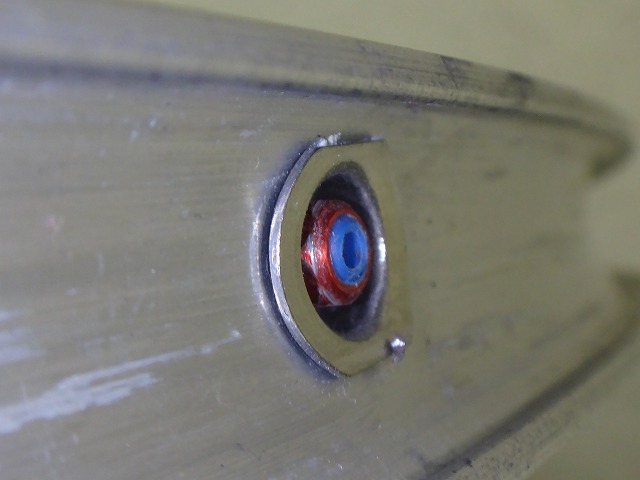
This nipple sticks out a bit above the rim tape surface, but once you apply rim tape, there's no problem.
When the nipple's grip section is hexagonal, the across-flats sizes are 4.76mm (3/16 inch), 5mm, 5.5mm, and 6mm—four different options. This one is 5.5mm, the same size as Cosmic Carbon.
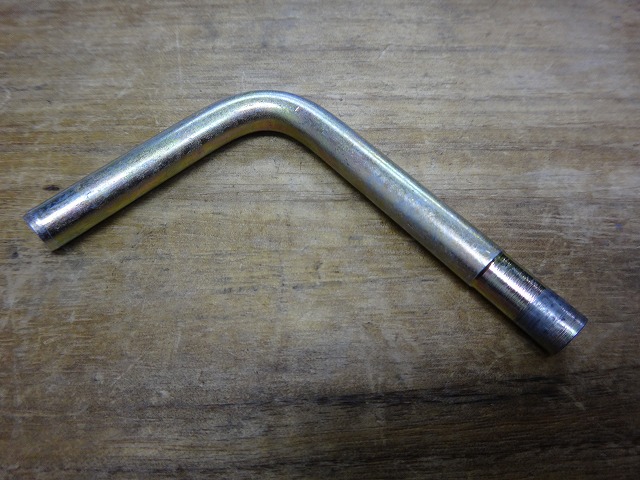
This is the dedicated nipple wrench for Cosmic Carbon, but

you can see scuff marks on the sides of the eyelets.
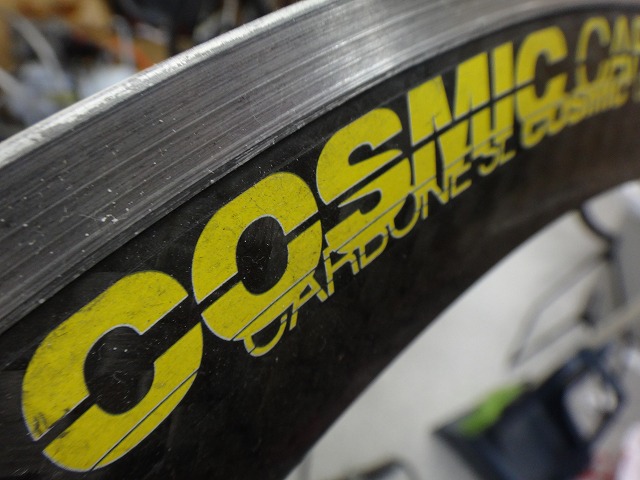
Cosmic Carbon from the SL onward has
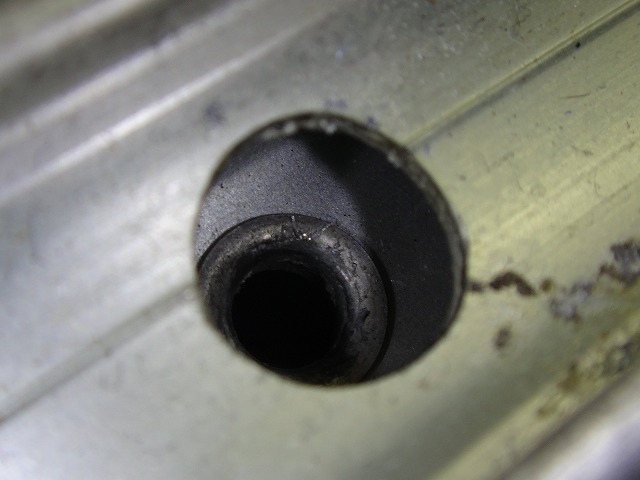
single eyelets, so
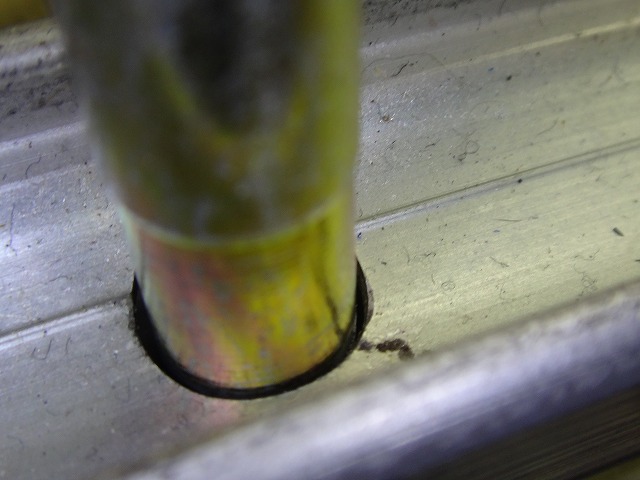
there's some clearance around the tool.
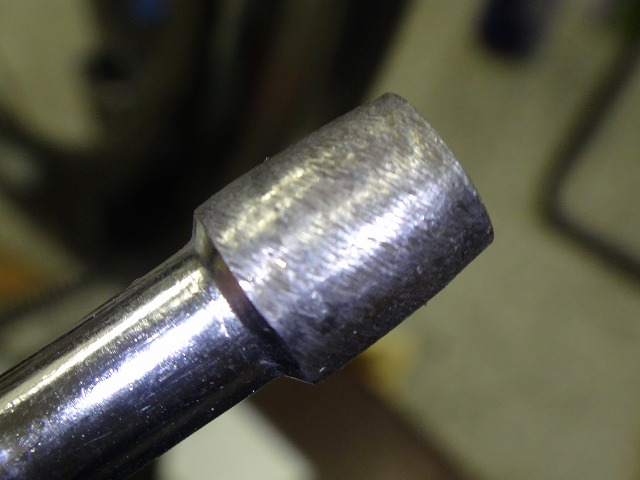
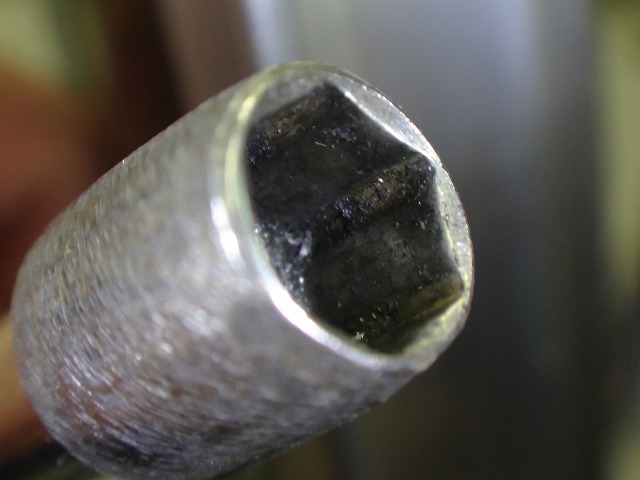
With Park Tool's 5.5mm driver-style nipple wrench, the tool head is too large to fit in double eyelets. So I've made one myself with the head trimmed down for double eyelet rims.

I start loosening the nipples. Salt-like corrosion that was packed in the eyelet gaps crumbles out.
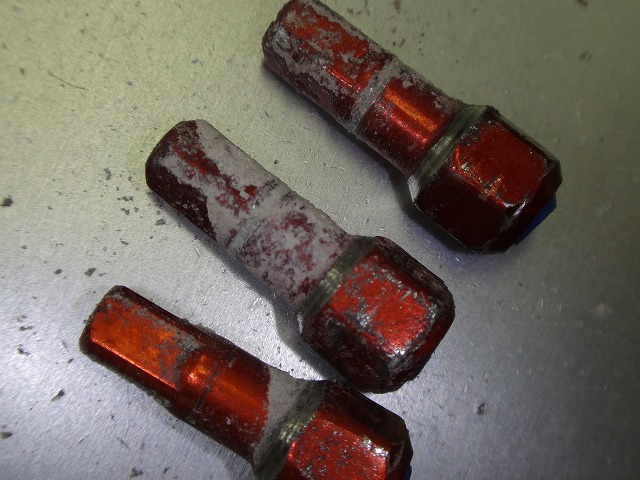
Whoa, it's really corroded.
After loosening nipples for about half the wheel to release tension, I cut the spokes and disassemble.
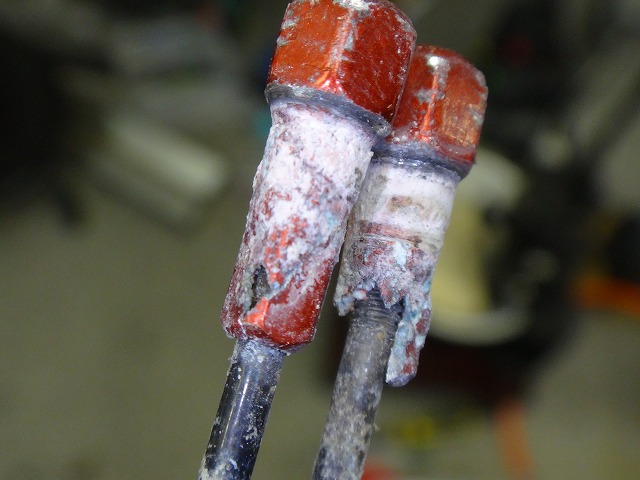
It was corroded something fierce.
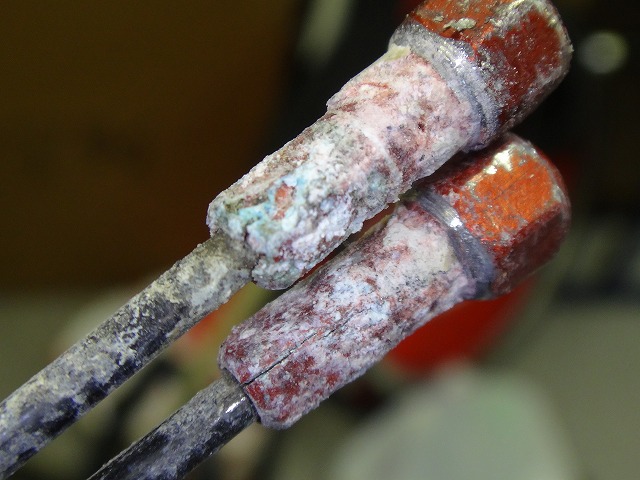
↑The nipple at the bottom of the image has cracks in it.
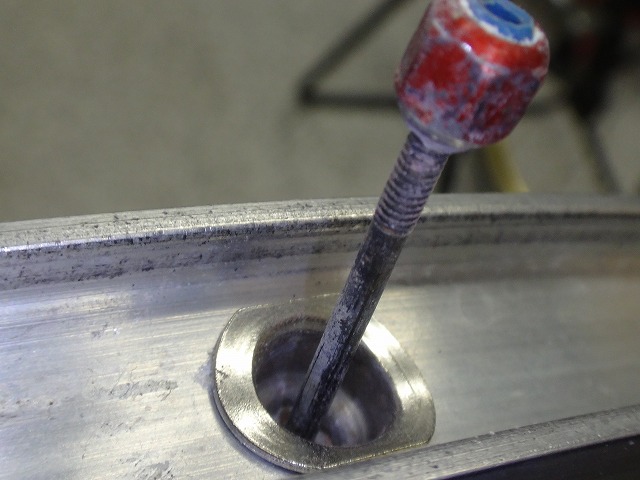
This nipple fractured when I pushed it out with the spoke. Or maybe it was already like that.
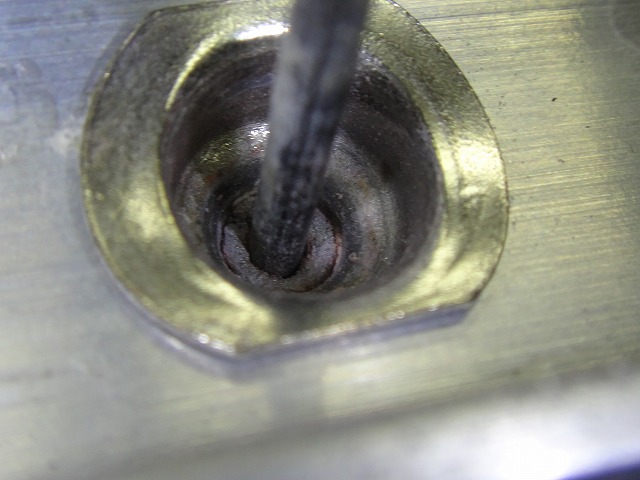
↑The rest was stuck in the rim, but
when I tapped it from the inside with a punch,
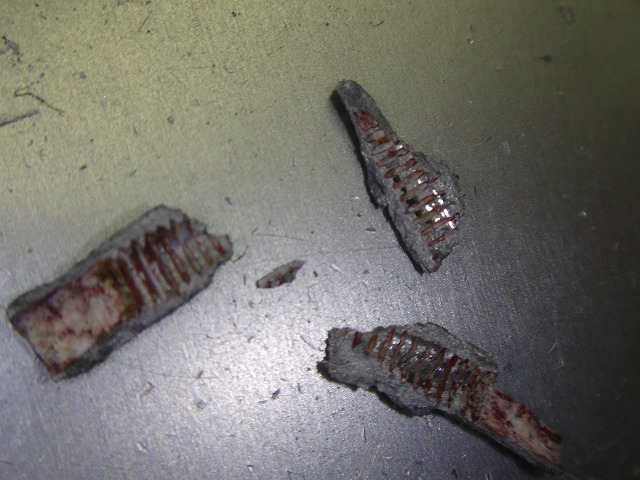
it crumbled apart. If I'd pushed from the outside, it would have fallen inside the rim. That was close!
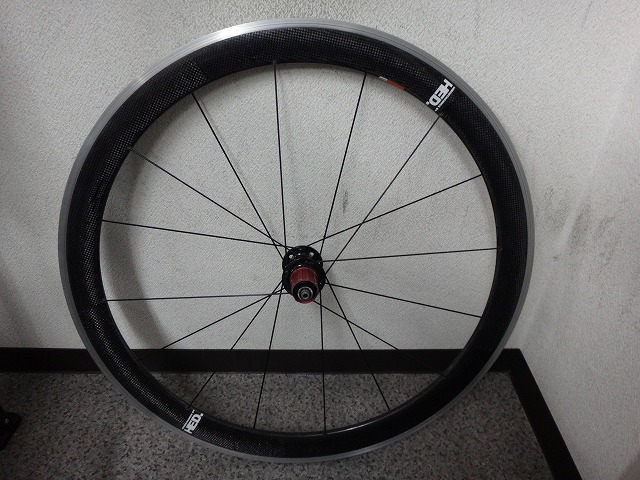
Got it built.

On the freewheel side, since it's a 16H rear wheel, I went with 14-spoke plain. So it's not competition spokes. Candidates included DT Champion, Sapim Leader, and Wheelsmith SS14, but I went with Leader this time.
I laced it all-outpoke, two-cross on the freewheel side to avoid any risk of interfering with the rear derailleur. Some customers get symptoms like "it hits when I stand and pedal" or "it hits when I power through," and I really don't want to have to rebuild the wheel to fix that.
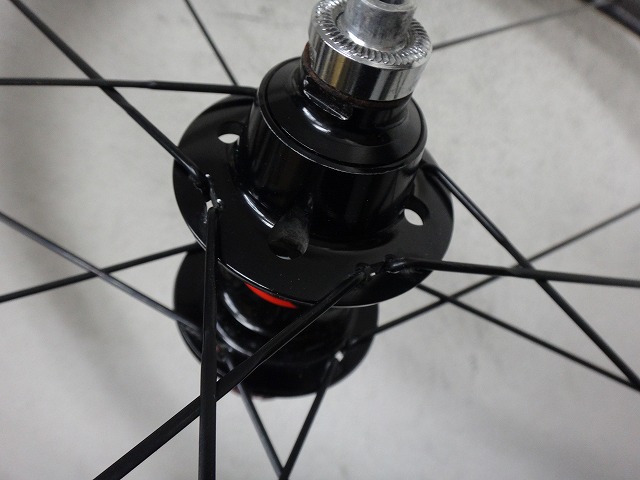
The non-freewheel side is all-inpoke, two-cross.
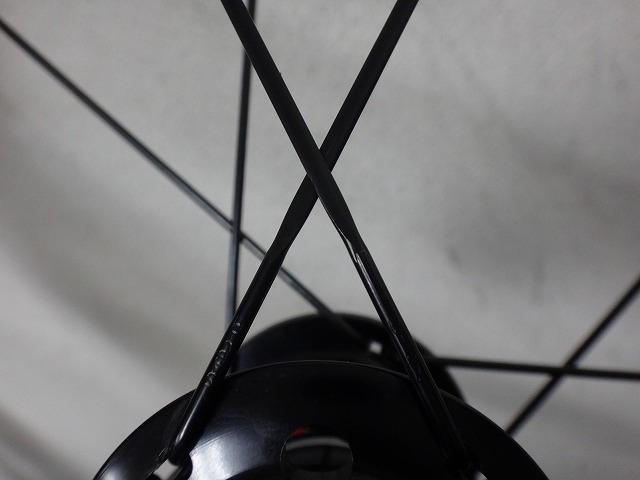
There's theoretically some subtle preference in how the spokes "collar" at each crossing, but this time I oriented it so the spokes in the "porcupine" direction are on the inside. The reason is that this gives the same collar orientation as the non-freewheel side of Italian lacing. Italian and JIS lacing have the freewheel side the same, but the non-freewheel side is mirror-image. With wire-tie soldering, the direction you wrap changes depending on the collar orientation, and for me it's reversed on the non-freewheel side. My hands remember the Italian non-freewheel side wrapping, so that's fine, but with JIS lacing the entire motion is reversed—it takes me over three times longer than Italian. It's like a right-handed person trying to use chopsticks with their left hand—that awkward.
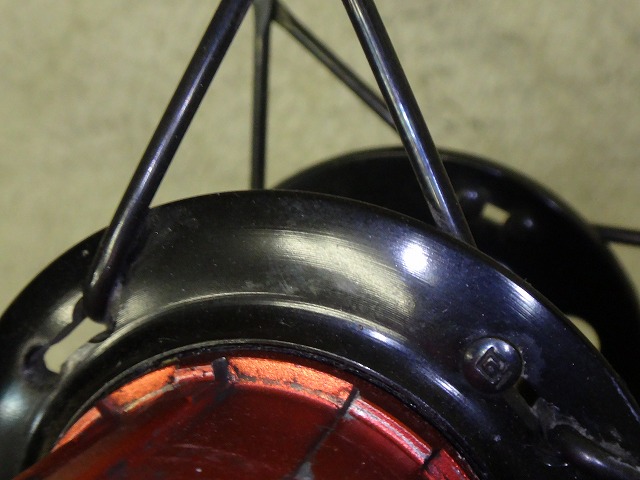
Before the rebuild, the freewheel side was laced in reverse-Italian/reverse-JIS style, and
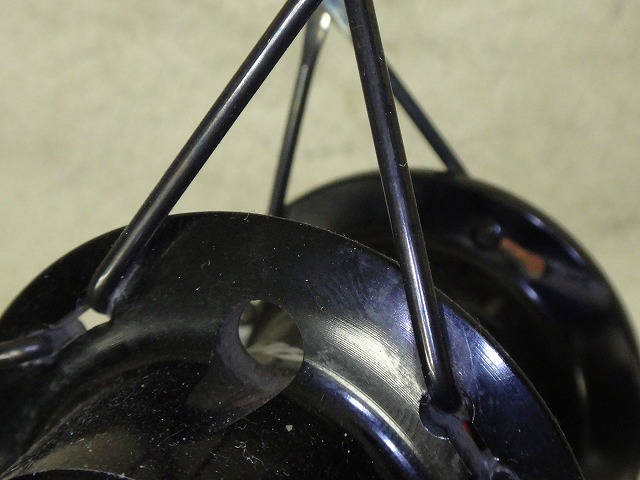
the non-freewheel side was (you can't see it completely) all-inpoke with the collar orientation opposite to the post-rebuild lacing.
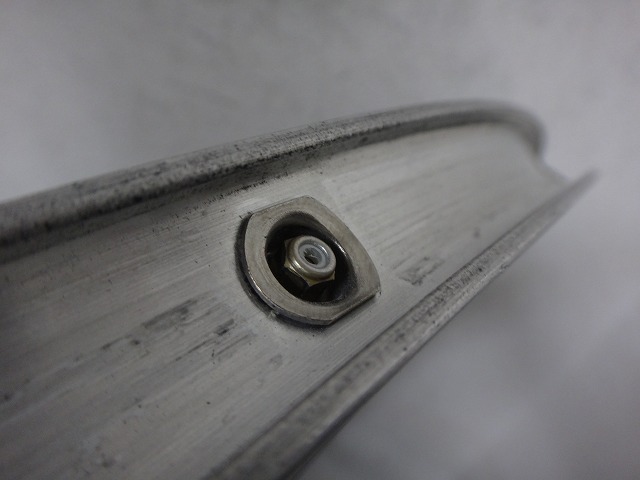
For the new nipples,
with an eye toward future serviceability,

I went with 5mm across-flats. The reason the spoke doesn't reach the white plastic is the same as before the rebuild.

The nipple end face protrudes about 0.5mm more than before the rebuild, so I tested it with Vittoria rim tape to make sure, and
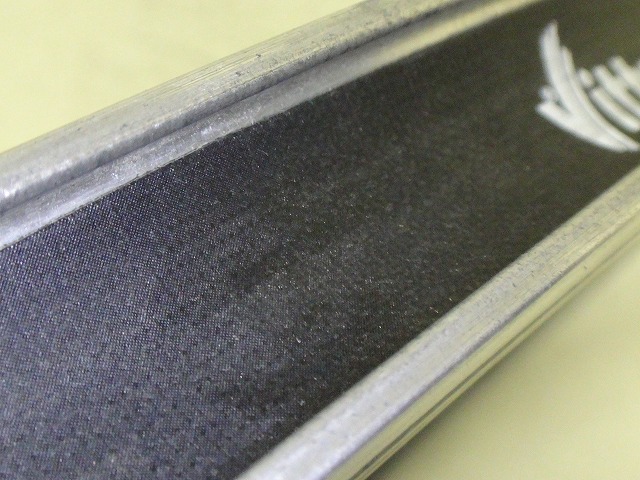
↑it looks fine.
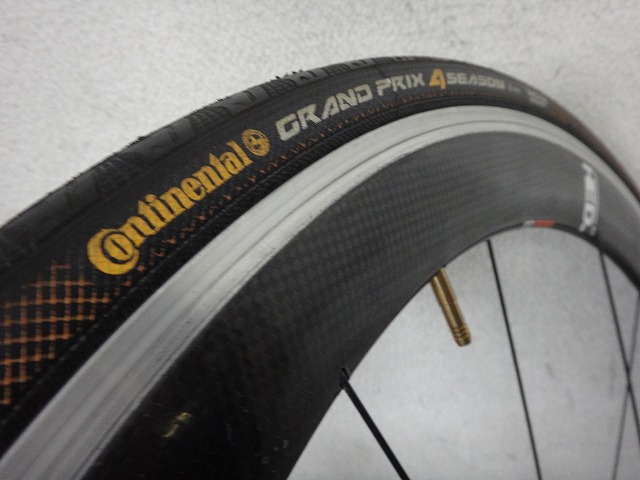
Also, there was something I wanted to check, so I put a tire on it and took it for a short spin.