Take 1:
A customer brought in an EA90SLX rear wheel for repair.
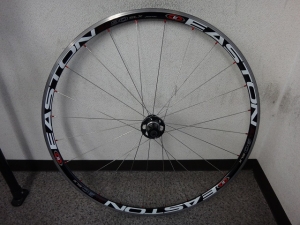
They wanted all the freewheel-side spokes replaced.
When a chain drops and bends or damages spokes,
depending on how the wheel is built,
usually only the spokes on the outer side
(either the porcupine direction or anti-porcupine direction)
need to be replaced, but
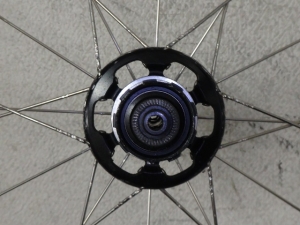
all 12 spokes on the right half of this 24H wheel were completely destroyed.
And the damage was far worse than just visible wear.
The cause was that a pants cuff got wrapped up in the rear derailleur,
which then drove the entire derailleur into the rear wheel—
just hearing about it sounds painful. Yikes.
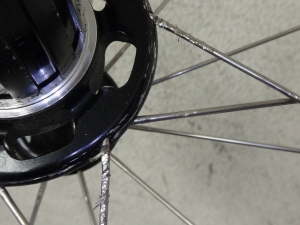
I'll replace all the freewheel-side spokes, but sure enough,
the spokes on the anti-porcupine side—the ones that were exposed—
are in even worse condition.
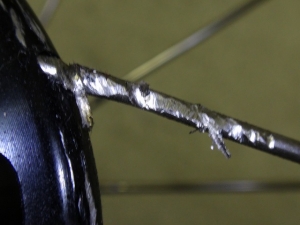
They're shaved away and peeled back,
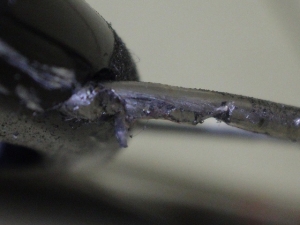
and some spots are barely holding on by a thread.
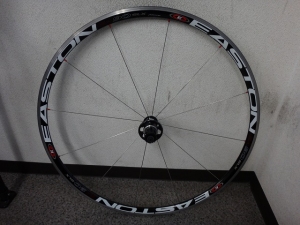
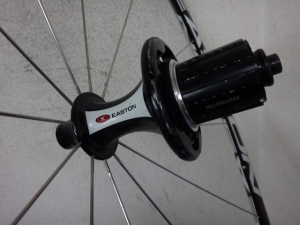
I removed the freewheel-side spokes.
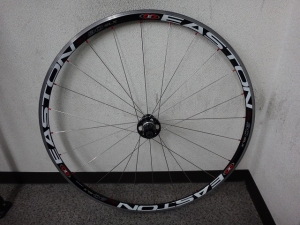
I replaced them with matching spokes.
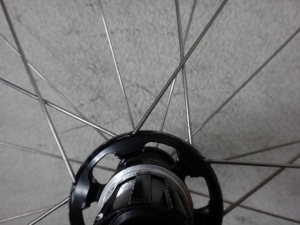
I keep Sapim Race spokes in straight-gauge versions stocked in lengths
that work for repairs on old EA90-series wheels.
... Right, let me start over. This won't do.
And by "won't do," I mean the way I've written the post, not the wheel repair itself.
Take 2:
Another wheel today (and so on).
A customer brought in an EA90SLX rear wheel for repair.
They wanted all the freewheel-side spokes replaced.
When a chain drops and bends or damages spokes,
depending on how the wheel is built,
usually only the spokes on the outer side
(either the porcupine direction or anti-porcupine direction)
need to be replaced, but
all 12 spokes on the right half of this 24H wheel were completely destroyed.
And the damage was far worse than just visible wear.
The cause was that a pants cuff got wrapped up in the rear derailleur,
which then drove the entire derailleur into the rear wheel—
just hearing about it sounds painful. Yikes.
I removed the freewheel-side spokes.
From here I could just replace the spokes, but
I decided to completely disassemble the non-freewheel side too.
There are four reasons for this. First,
about 3 of the 12 nipples are almost completely seized,
and since the race has butted spokes,
trying to adjust while preventing corrosion with seized nipples mixed in is a pain.
Second,
the rim should be offset toward the freewheel side all the way until the wheel is complete,
but if the non-freewheel side is tightened, the rim shifts toward the non-freewheel side,
making it difficult to tension the freewheel side.
That said, in the image above, I've actually already loosened
all 12 non-freewheel-side nipples enough that the spoke threads are visible.
Since they're loosened sufficiently, the seizure problem from reason one is already resolved,
and wheel building from here is possible with additional tightening.
There's not a single stripped nipple, so replacement isn't strictly necessary.
The third reason is that if I fully disassemble it with the hub and rim separated,
rebuilding it from that state meets the criteria for "another wheel today (and so on),"
which makes things easier for me.
Separately, I'm also doing a rim replacement on a PowerTap rear wheel today,
but that's a project I can't post about here,
so I really want to bring this job up to "another wheel today (and so on)" status.
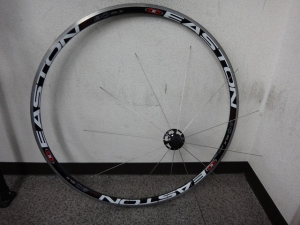
So I disassembled it.
I'll replace the nipples with new ones as a courtesy.
I replaced them with matching spokes.
It's built.
I keep Sapim Race spokes in straight-gauge versions stocked in lengths
that work for repairs on old EA90-series wheels.
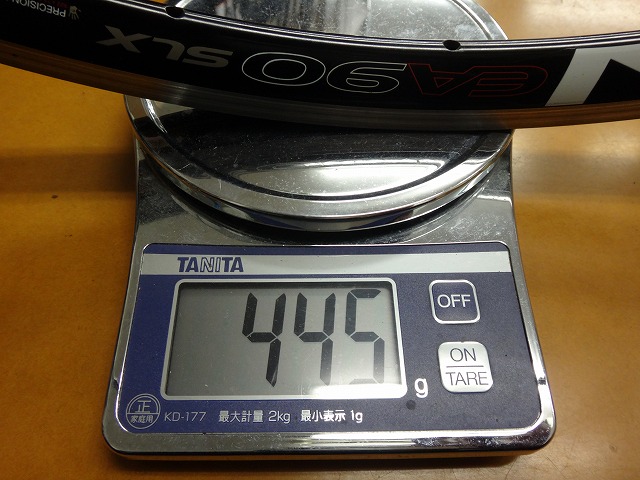
Now then, the perceptive reader will have noticed
that if the rim existed as a separate piece,
there was an opportunity to check its weight.
That's the fourth reason, but
of course I'm not telling anyone about it. ←what kind of jerk am I
Sorry for the wait!
This is not Take 3, but rather a Director's Cut!
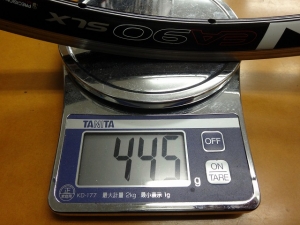
Please take a look at this image!
↑Stop it!
A customer brought in an EA90SLX rear wheel for repair.
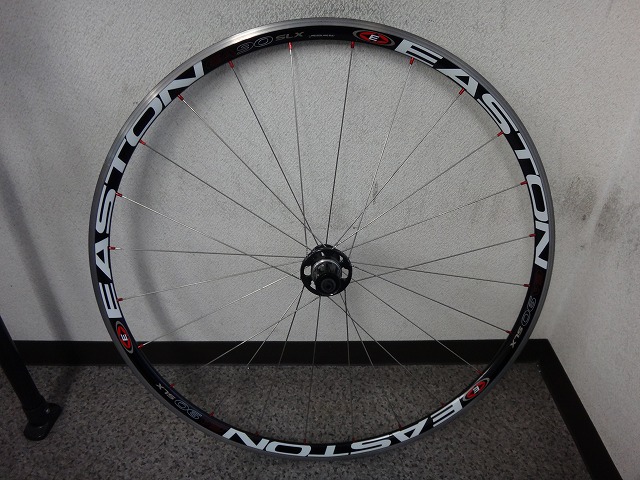
They wanted all the freewheel-side spokes replaced.
When a chain drops and bends or damages spokes,
depending on how the wheel is built,
usually only the spokes on the outer side
(either the porcupine direction or anti-porcupine direction)
need to be replaced, but

all 12 spokes on the right half of this 24H wheel were completely destroyed.
And the damage was far worse than just visible wear.
The cause was that a pants cuff got wrapped up in the rear derailleur,
which then drove the entire derailleur into the rear wheel—
just hearing about it sounds painful. Yikes.
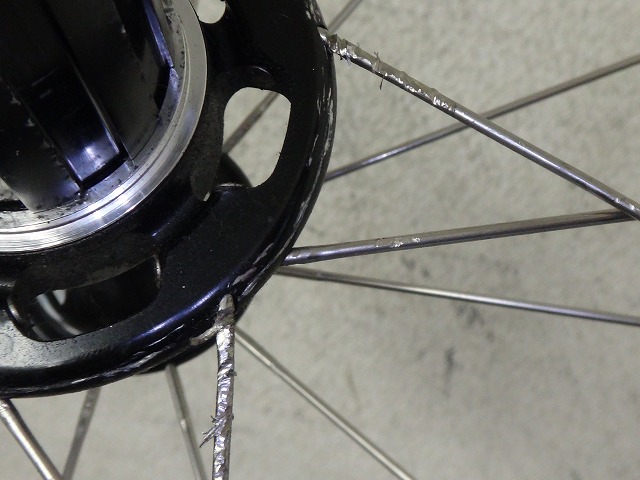
I'll replace all the freewheel-side spokes, but sure enough,
the spokes on the anti-porcupine side—the ones that were exposed—
are in even worse condition.
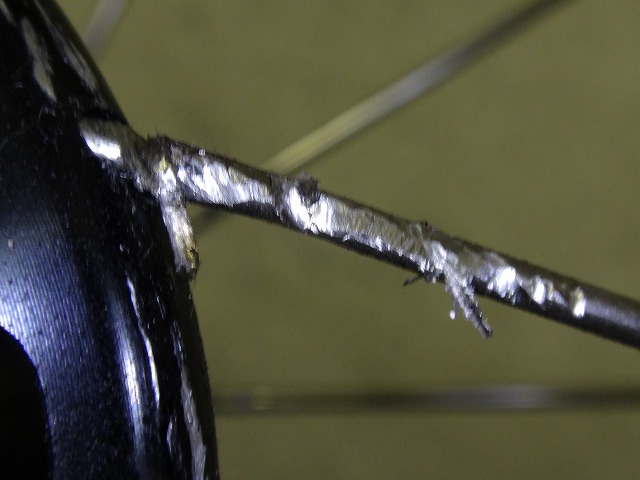
They're shaved away and peeled back,
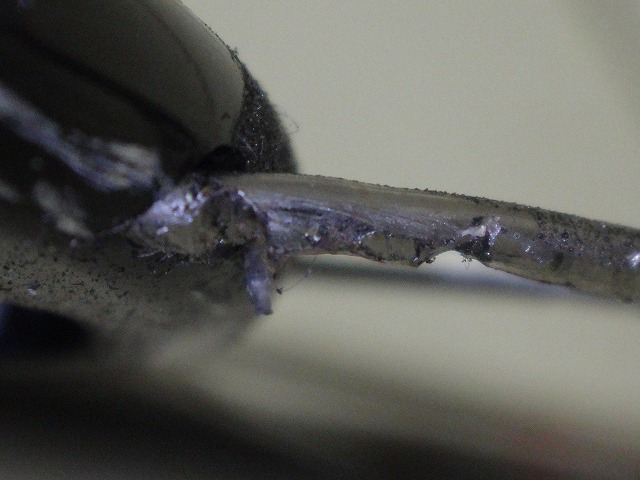
and some spots are barely holding on by a thread.
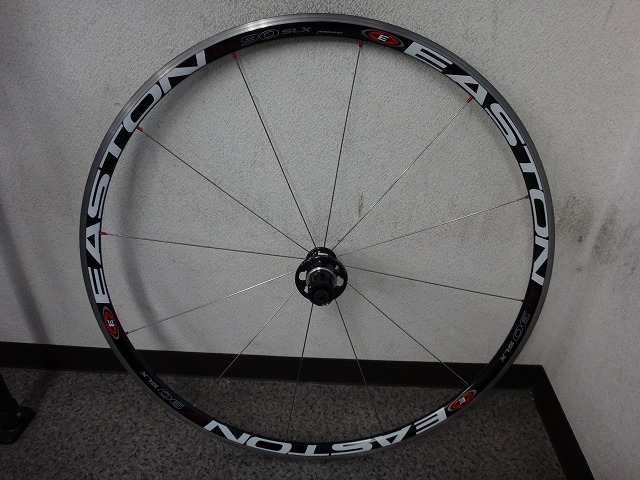
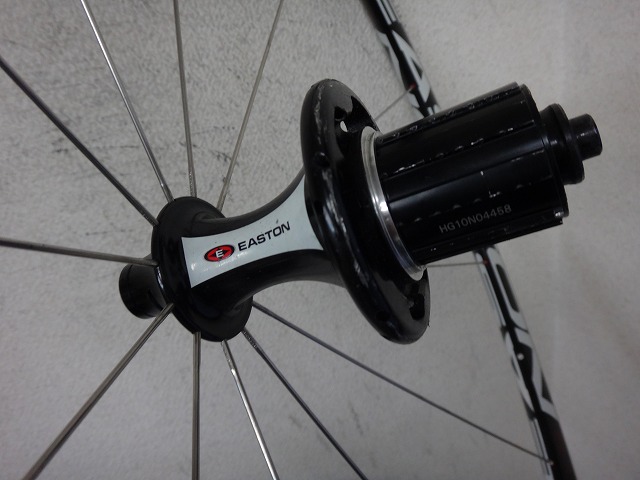
I removed the freewheel-side spokes.
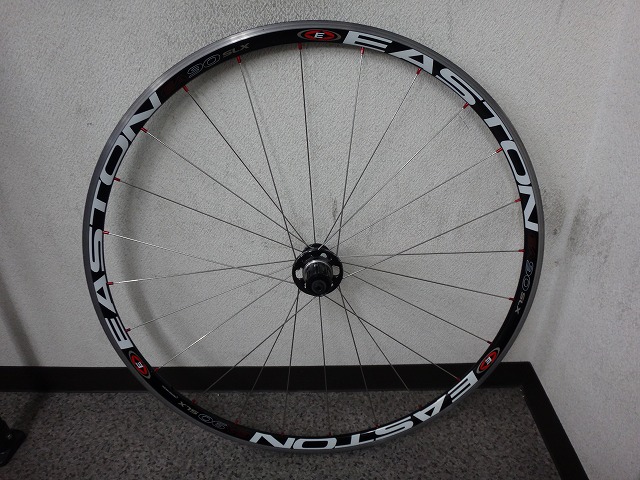
I replaced them with matching spokes.

I keep Sapim Race spokes in straight-gauge versions stocked in lengths
that work for repairs on old EA90-series wheels.
... Right, let me start over. This won't do.
And by "won't do," I mean the way I've written the post, not the wheel repair itself.
Take 2:
Another wheel today (and so on).
A customer brought in an EA90SLX rear wheel for repair.
They wanted all the freewheel-side spokes replaced.
When a chain drops and bends or damages spokes,
depending on how the wheel is built,
usually only the spokes on the outer side
(either the porcupine direction or anti-porcupine direction)
need to be replaced, but
all 12 spokes on the right half of this 24H wheel were completely destroyed.
And the damage was far worse than just visible wear.
The cause was that a pants cuff got wrapped up in the rear derailleur,
which then drove the entire derailleur into the rear wheel—
just hearing about it sounds painful. Yikes.
I removed the freewheel-side spokes.
From here I could just replace the spokes, but
I decided to completely disassemble the non-freewheel side too.
There are four reasons for this. First,
about 3 of the 12 nipples are almost completely seized,
and since the race has butted spokes,
trying to adjust while preventing corrosion with seized nipples mixed in is a pain.
Second,
the rim should be offset toward the freewheel side all the way until the wheel is complete,
but if the non-freewheel side is tightened, the rim shifts toward the non-freewheel side,
making it difficult to tension the freewheel side.
That said, in the image above, I've actually already loosened
all 12 non-freewheel-side nipples enough that the spoke threads are visible.
Since they're loosened sufficiently, the seizure problem from reason one is already resolved,
and wheel building from here is possible with additional tightening.
There's not a single stripped nipple, so replacement isn't strictly necessary.
The third reason is that if I fully disassemble it with the hub and rim separated,
rebuilding it from that state meets the criteria for "another wheel today (and so on),"
which makes things easier for me.
Separately, I'm also doing a rim replacement on a PowerTap rear wheel today,
but that's a project I can't post about here,
so I really want to bring this job up to "another wheel today (and so on)" status.

So I disassembled it.
I'll replace the nipples with new ones as a courtesy.
It's built.
I keep Sapim Race spokes in straight-gauge versions stocked in lengths
that work for repairs on old EA90-series wheels.
Now then, the perceptive reader will have noticed
that if the rim existed as a separate piece,
there was an opportunity to check its weight.
That's the fourth reason, but
of course I'm not telling anyone about it. ←what kind of jerk am I
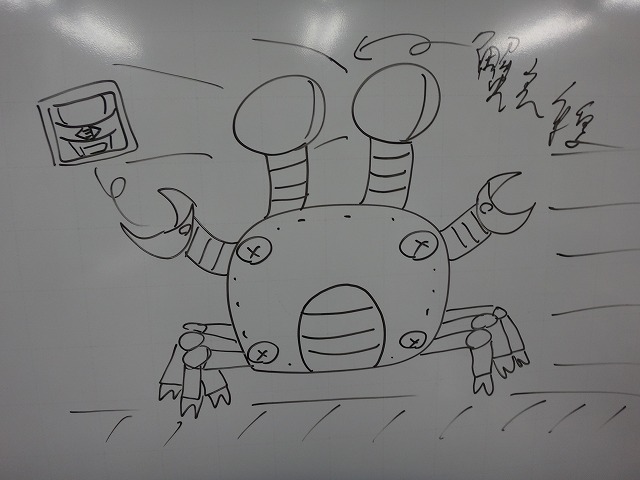
Sorry for the wait!
This is not Take 3, but rather a Director's Cut!
Please take a look at this image!
↑Stop it!