I received some wheels—not from a customer, but from my mentor.
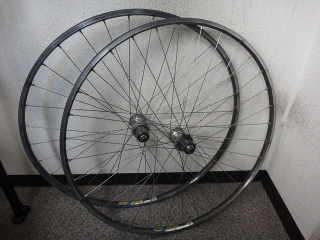
I have various mentors, but this one is my mentor in the world of bicycle racing.
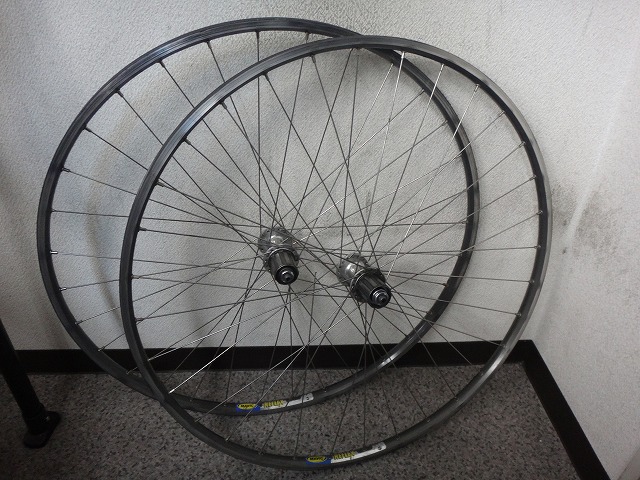
These two wheels are both rear wheels, and they were built by either this rider's own mentor or
my heart's mentor as a bicycle mechanic.
Probably the former. If it were the latter, I'd expect them to use mainly DT spokes.
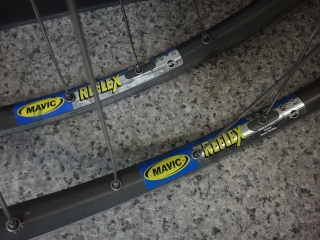
A Mavic Reflex tubular rim and
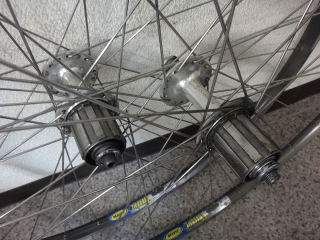
a rear wheel built with a 7700 Dura-Ace hub.
The spokes are Hoshi (Star) True Starbright #15 plain,
the nipples are brass, and the lacing pattern is 32H six-cross Italian.
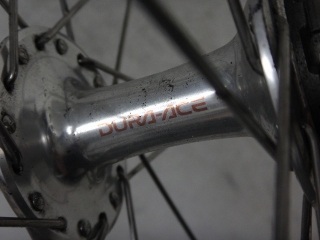
Both hubs are FH-7700, but
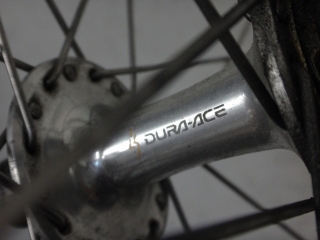
one is a Dura-Ace 25th Anniversary commemorative edition.

One wheel is missing a spoke,
and apparently one of the rims is slightly bent,
so he asked me to build two complete rear wheels—one with the undamaged rim and one with a new rim.
"You don't need to do anything fancy with the lacing pattern," he said,
but it turned out I'd build one the standard way and do the other however I wanted.
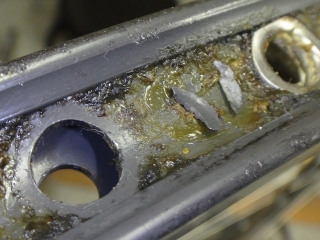
There were metal shavings left on the rim from machining.
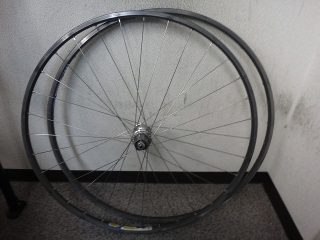
Skipping ahead chronologically, I got it built.
The rim I didn't use was indeed very slightly bent—
so subtle that you'd need a glass surface plate to detect it
(not an obvious potato chip situation)—
and it had spoke tension on it, but I'm unclear how he knew it was bent.
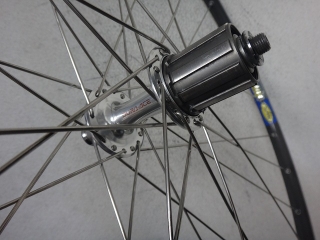
FH-7700, 32H full competition six-cross lacing with no wire linkage.
Just an ordinary wheel.
I brought the radial and lateral runout down to nearly nothing, and at the centering stage,
I set the freewheel-side spoke tension to two steps before the dead spot (slightly slacker than one step before),
but the non-freewheel side tension feels abnormally loose.
Or rather, maybe that's just normal.
Even so, even at two steps before, I'd say it's tighter than most builders' freewheel-side tension.
At that tension,
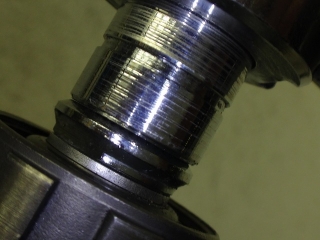
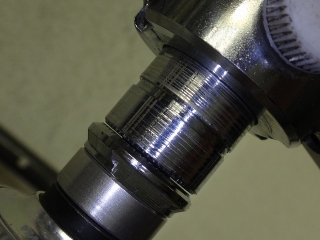
the rim was very slightly offset toward the non-freewheel side.
Since the freewheel-side tension is at two steps before the dead spot,
I could have centered it by increasing the freewheel-side tension,
but this time I centered it by slightly loosening the non-freewheel side.
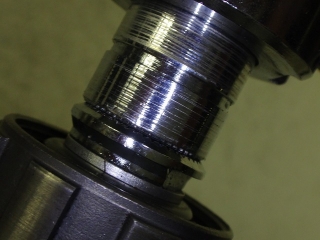
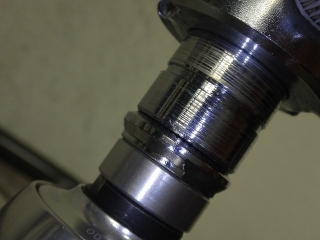
It's built.
Non-freewheel side feels loose → tighten it → centering shifts →
have to tighten the freewheel side too → can't tighten much more
—that's the situation.
Given the constraints I was working with, I think I got the best possible result,
but... hmm.
Because the spoke gauge changed (#15 plain → #14-15 butted), it's actually under more tension than before,
but if this is the limit of hand-built wheels (which it isn't),
you'd be better off buying factory wheels.
I have various mentors, but this one is my mentor in the world of bicycle racing.
These two wheels are both rear wheels, and they were built by either this rider's own mentor or
my heart's mentor as a bicycle mechanic.
Probably the former. If it were the latter, I'd expect them to use mainly DT spokes.
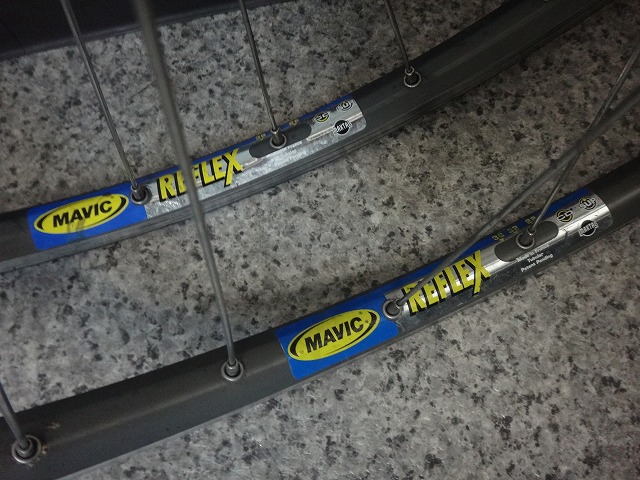
A Mavic Reflex tubular rim and
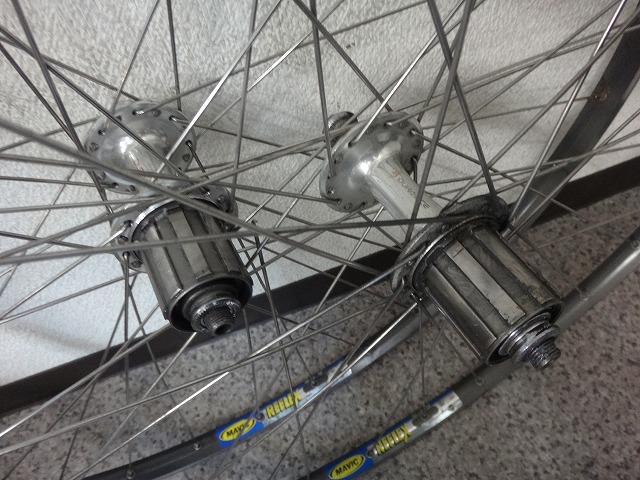
a rear wheel built with a 7700 Dura-Ace hub.
The spokes are Hoshi (Star) True Starbright #15 plain,
the nipples are brass, and the lacing pattern is 32H six-cross Italian.
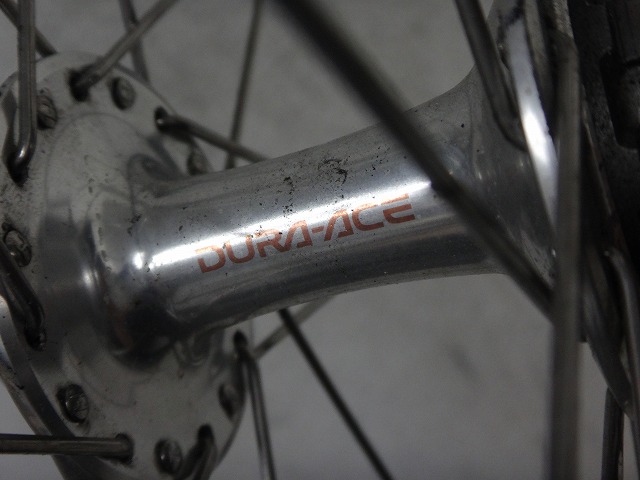
Both hubs are FH-7700, but

one is a Dura-Ace 25th Anniversary commemorative edition.

One wheel is missing a spoke,
and apparently one of the rims is slightly bent,
so he asked me to build two complete rear wheels—one with the undamaged rim and one with a new rim.
"You don't need to do anything fancy with the lacing pattern," he said,
but it turned out I'd build one the standard way and do the other however I wanted.
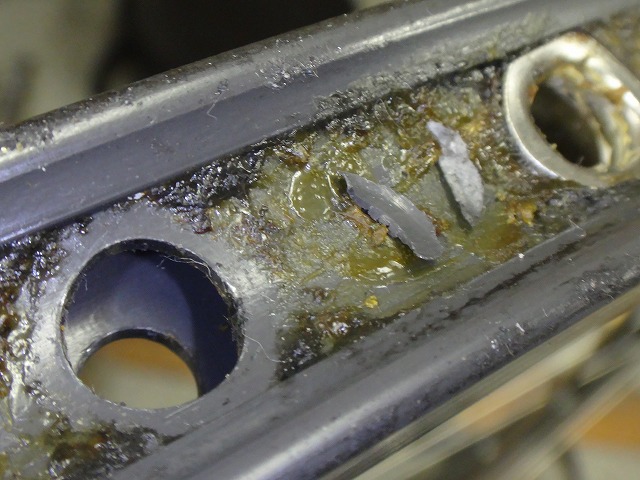
There were metal shavings left on the rim from machining.

Skipping ahead chronologically, I got it built.
The rim I didn't use was indeed very slightly bent—
so subtle that you'd need a glass surface plate to detect it
(not an obvious potato chip situation)—
and it had spoke tension on it, but I'm unclear how he knew it was bent.
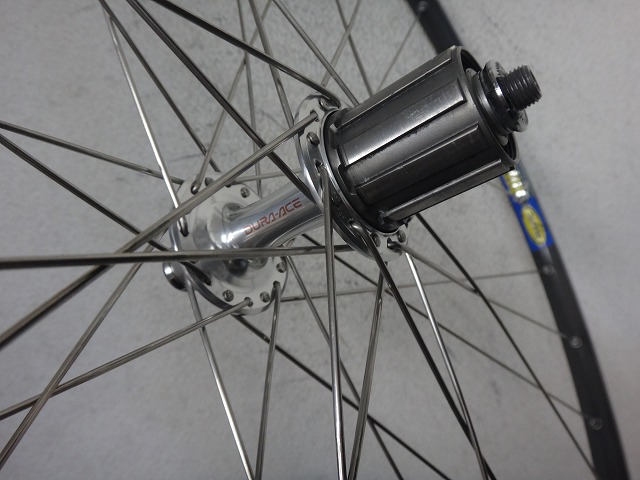
FH-7700, 32H full competition six-cross lacing with no wire linkage.
Just an ordinary wheel.
I brought the radial and lateral runout down to nearly nothing, and at the centering stage,
I set the freewheel-side spoke tension to two steps before the dead spot (slightly slacker than one step before),
but the non-freewheel side tension feels abnormally loose.
Or rather, maybe that's just normal.
Even so, even at two steps before, I'd say it's tighter than most builders' freewheel-side tension.
At that tension,
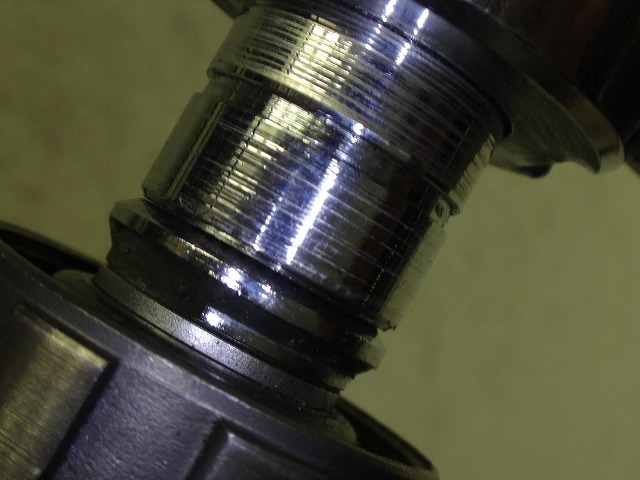
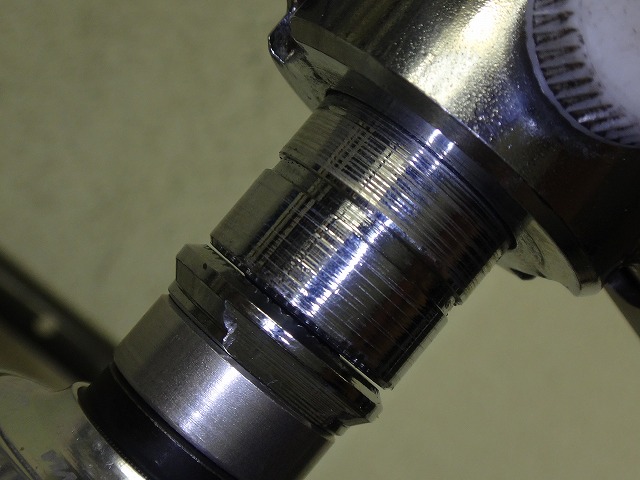
the rim was very slightly offset toward the non-freewheel side.
Since the freewheel-side tension is at two steps before the dead spot,
I could have centered it by increasing the freewheel-side tension,
but this time I centered it by slightly loosening the non-freewheel side.

It's built.
Non-freewheel side feels loose → tighten it → centering shifts →
have to tighten the freewheel side too → can't tighten much more
—that's the situation.
Given the constraints I was working with, I think I got the best possible result,
but... hmm.
Because the spoke gauge changed (#15 plain → #14-15 butted), it's actually under more tension than before,
but if this is the limit of hand-built wheels (which it isn't),
you'd be better off buying factory wheels.