Silca (SILCA) is an old Italian pump brand that used to be listed alongside Sidi shoes and Elite bottle cages in that "Italian brand association" kind of thing,
but a few years ago it became American-owned.
The brand has shifted its approach to "premium pricing but the products are genuinely good,"
and while there are some Taiwan-made pumps in the budget line,
the made-in-USA pumps really do have excellent feel and usability.
Our shop has also stocked and sold the top model of the Super Pista line,
the Super Pista Ultimate (retail price varies by distributor but
¥48,700 before tax),
and all the craftsmanship was impeccable.
There's an inflator called the Pocket Impero that fits in a jersey pocket,
(distributor pricing varies) ¥13,100 before tax. Pricey.
Impero is the name of Silca's traditional frame pump model, and
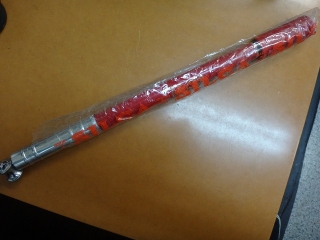
↑for example this one, which is mine.
Most are fully chromed, but this one has a red body.
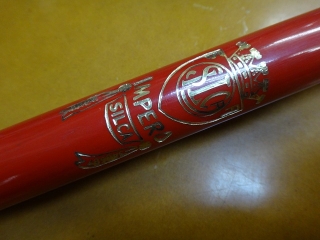
Impero (IMPERO)

It has a pump peg head.
Some versions fit into the step on the frame lug.
For long portable pumps that mount inside the frame using spring tension,
the SKS Rennsteig, or if you want something more recent, the Zefal HPX,
or if aesthetics don't matter, the Topeak Road Master Blaster
all have superior pump performance in that order,
but what's unique to the Impero is
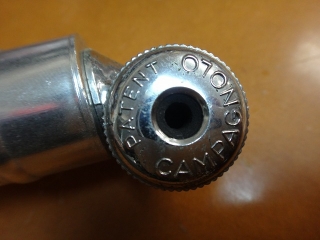
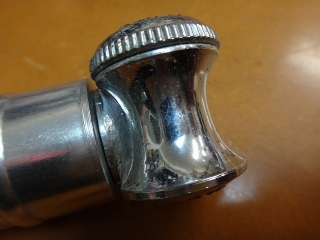
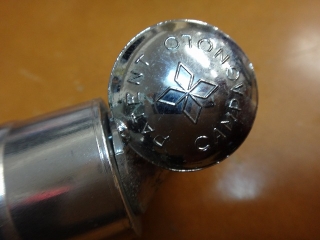
the ability to swap in Campagnolo pump heads.
This one is barrel-shaped; there's also a two-horn type.
As for the long-type Impero's successor model,
the new Silca released the Impero Ultimate,
but that's also pricey (distributor pricing varies) at ¥18,100 before tax.
The point is, new Silca products are expensive.
If you see someone with a Pocket Impero peeking out of their jersey back pocket,
you should compliment them by saying "That's a seriously expensive pump!"—they'll probably love it.
I suspect most people don't really know about new Silca's price range right now,
but if you have to explain to someone "this pump costs ten thousand yen" and they just say "huh,"
it feels awkward since you're the one explaining,
so I'm writing this article to establish ahead of time
that new Silca is recognized as a premium brand.
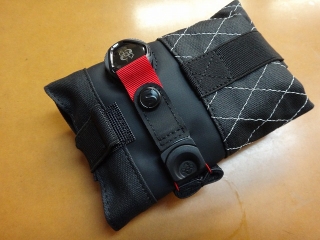
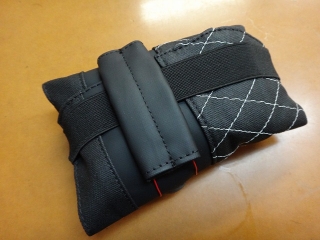
Anyway, I bought a new Silca Seat Roll Premio saddle bag.
It has stitching like a judo gi,
and the way it folds is like a judo gi too.

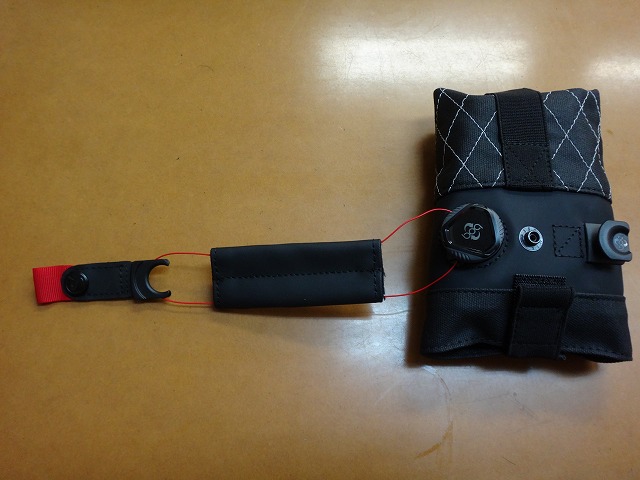
Unfolded.
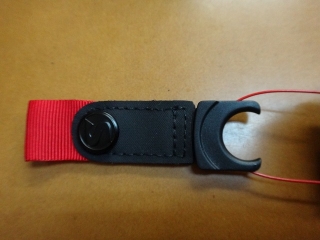
The hook for folding
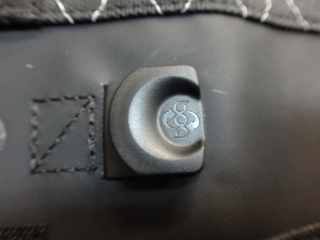
Where the folding hook attaches
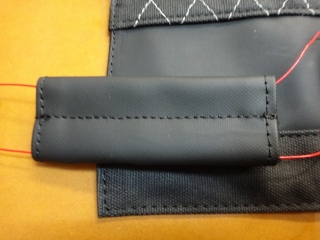
The part that contacts the saddle bag rail

BOA dial

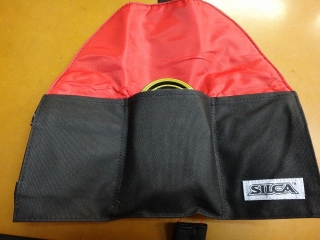
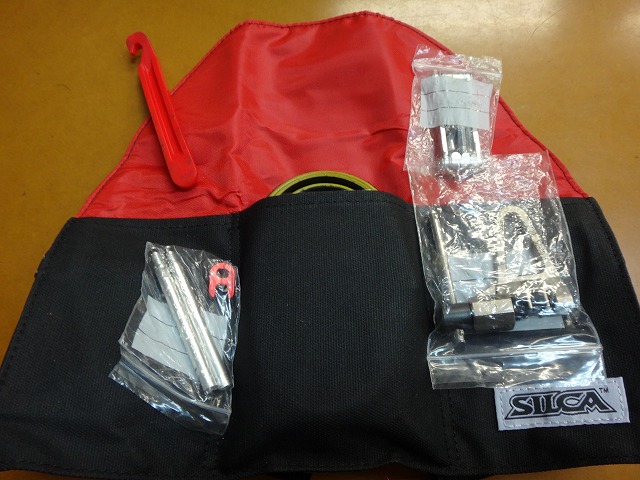
Flipped it over. Inside view.
There are three pockets, with the idea being to put one WO tube in the middle
and tire levers or CO2 cartridges on the sides,
but I want to put a tubular tire in this.
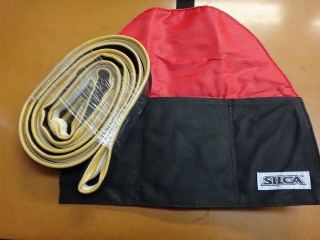
I tried Continental's Giro, the cheapest model,
rolled up as tight as possible.
It won't fit in the pocket at all.
And even if I forced it in, it wouldn't fold.
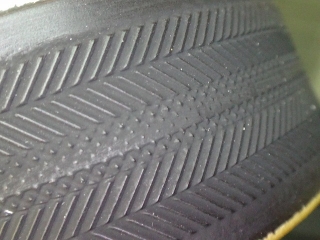
The center tread slick pattern is almost completely worn away.
The whole "it's a different model from the Lion Tyre GT30" pretense
(→here) goes out the window.

Next to the Giro,
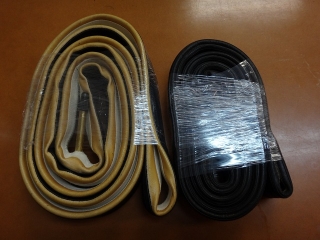
I laid out a TUFO (Tufo)
S3 Lite <195g (S3 Lite under 195 grams).
TUFO tires use a special manufacturing process with no seams under the casing,
which is why they can fold down so small.
Important things to note: with very lightweight models,
there's a high risk of repuncturing when used as a spare,
and thicker-tread normal models require 8-12 psi while
lightweight models demand 8-15 psi or 10-15 psi,
so sometimes it's tough to inflate with just a pocket inflator.
That's why I'd recommend using the lighter one as a second spare backup
if you're carrying a thicker first spare tire.
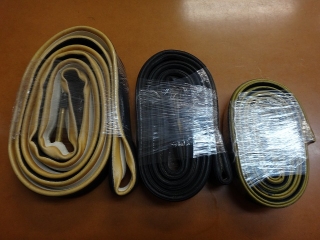
Next to that, S3 Lite <165g,

and further over, S3 Lite <135g.
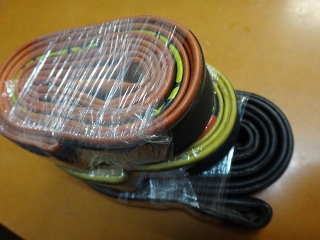
It was hard to see, so I retook it,
but there is a size difference between the 135 and 165.
For the S3 Lite line, the <125, 135, and 145g have been discontinued,
and the same-weight tires are available in the Elite series instead,
but those are originally intended for European wooden-banked velodromes,
meant to be used only a few times during racing trials while sanding the tread smooth with sandpaper.
They're not meant to be used for their original purpose domestically in Japan,
but apparently there's a use case as self-responsibility ultra-lightweight mountain race tires,
and distributors do stock them.
From experience, <165g is about the limit for a spare tire to actually function.
It fit in the middle pocket.
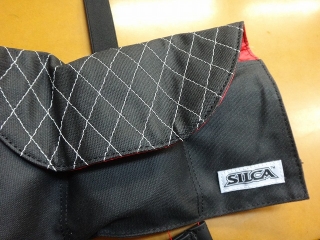
Folded it like this,
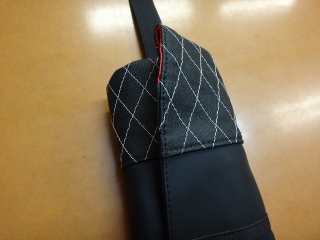
and then like this,
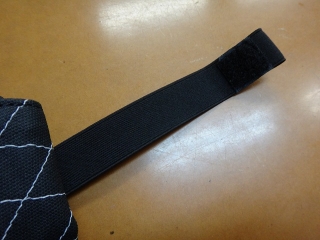
The elastic band has a velcro end,
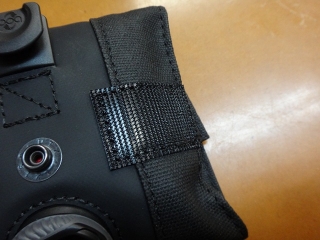
so I wrap it around and then

secure it here.
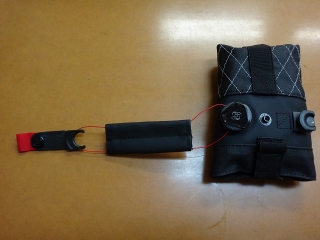
Then twist the BOA dial to the saddle rail and lock it,
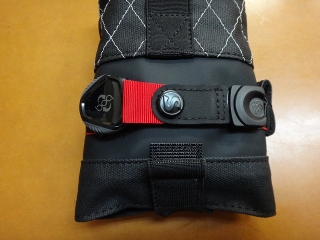
and it looks like this.
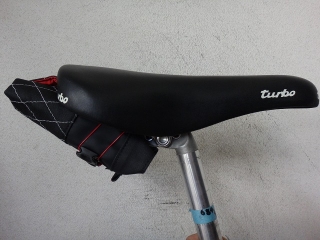
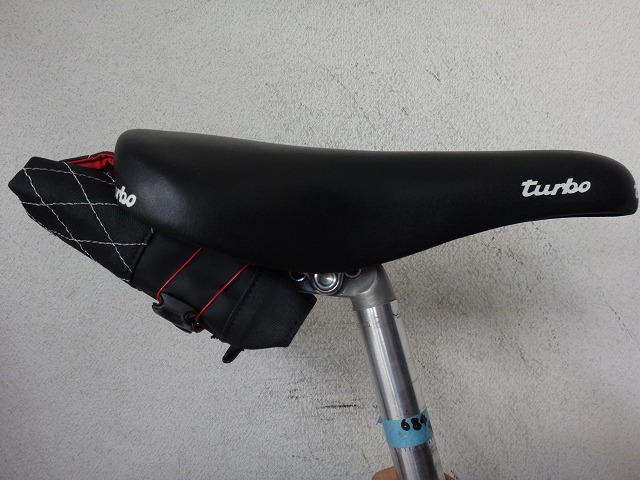
I actually mounted it.
It's not exactly small looking...
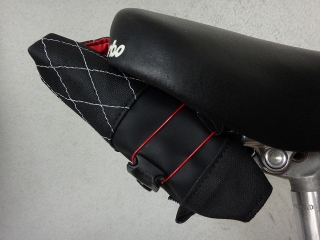
The BOA dial allows for fine and secure
attachment to the saddle rail, which is nice.
Based on the dial's race position,
having the judo gi stitching toward the back is the right way,
and that's how it appears on the manufacturer's site,
but I found some images online with it mounted the other way around.
I'd think that would cause pedaling interference...
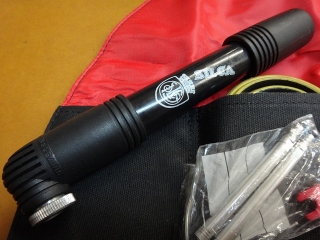
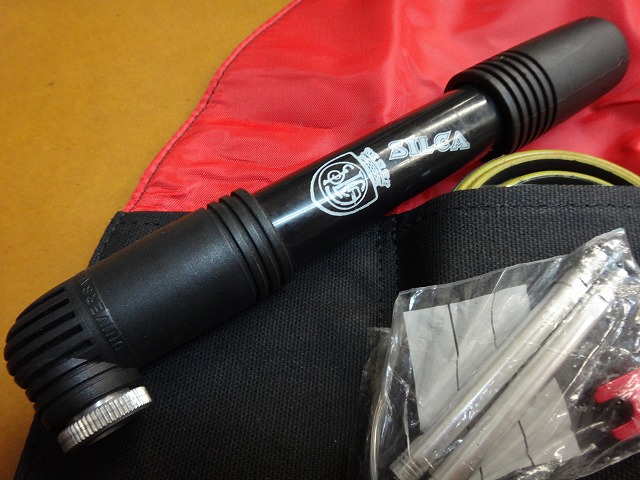
I also have an old Silca mini pump, but it's slightly too big
and won't fit in this.
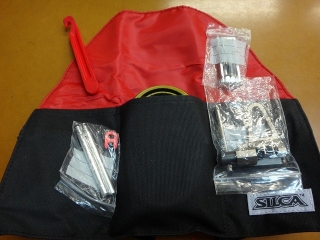
A valve extender, tools,
a portable hex wrench set, and even a chain tool fit in.
The chain tool isn't for emergency repair,
but I've actually used it about three times.
As for the price of this thing,
(distributor pricing varies) it's ¥6,450 before tax.
Finally,
regarding the country of origin,
there's a bit of an inconvenient truth, so I'm choosing to leave part of it unsaid.

Wrong. That's not it.
but a few years ago it became American-owned.
The brand has shifted its approach to "premium pricing but the products are genuinely good,"
and while there are some Taiwan-made pumps in the budget line,
the made-in-USA pumps really do have excellent feel and usability.
Our shop has also stocked and sold the top model of the Super Pista line,
the Super Pista Ultimate (retail price varies by distributor but
¥48,700 before tax),
and all the craftsmanship was impeccable.
There's an inflator called the Pocket Impero that fits in a jersey pocket,
(distributor pricing varies) ¥13,100 before tax. Pricey.
Impero is the name of Silca's traditional frame pump model, and

↑for example this one, which is mine.
Most are fully chromed, but this one has a red body.
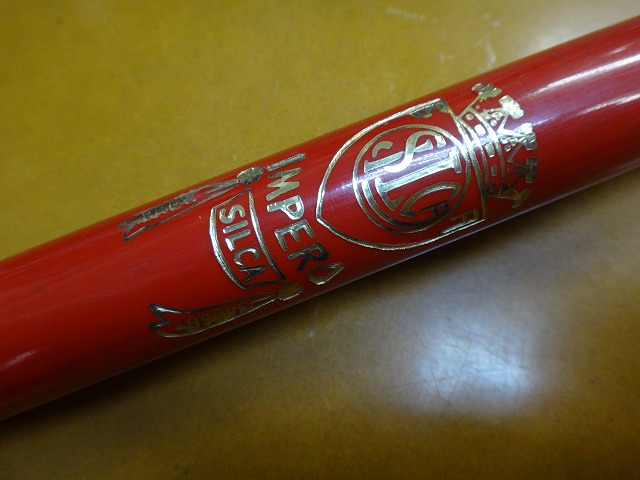
Impero (IMPERO)
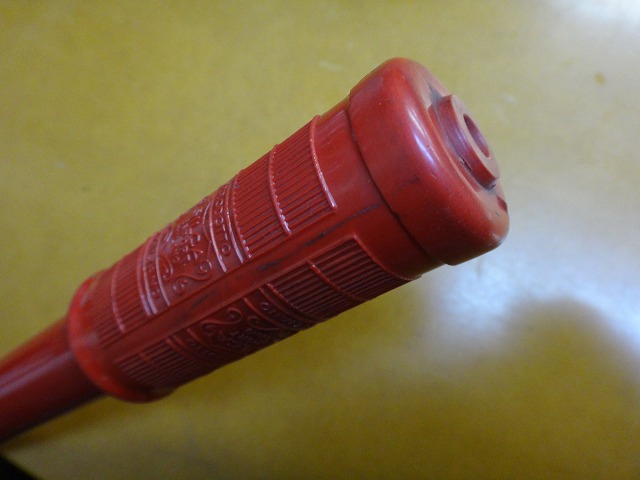
It has a pump peg head.
Some versions fit into the step on the frame lug.
For long portable pumps that mount inside the frame using spring tension,
the SKS Rennsteig, or if you want something more recent, the Zefal HPX,
or if aesthetics don't matter, the Topeak Road Master Blaster
all have superior pump performance in that order,
but what's unique to the Impero is
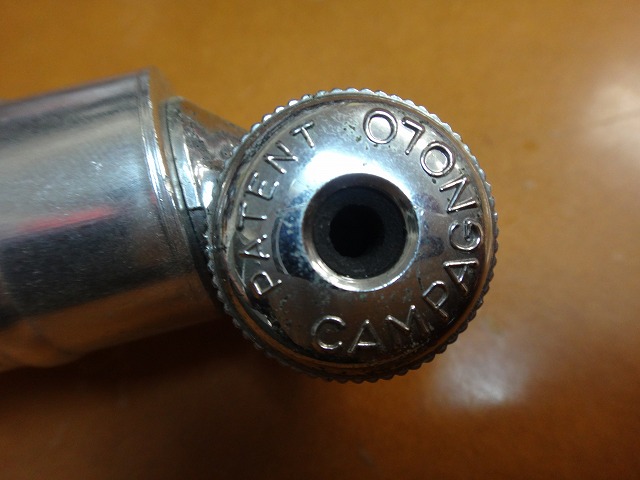
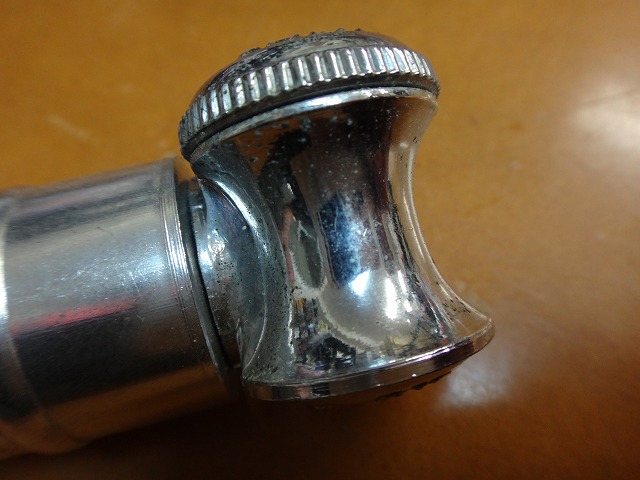
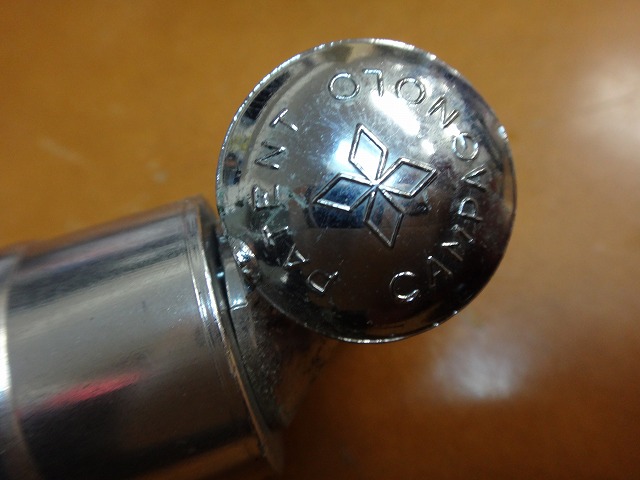
the ability to swap in Campagnolo pump heads.
This one is barrel-shaped; there's also a two-horn type.
As for the long-type Impero's successor model,
the new Silca released the Impero Ultimate,
but that's also pricey (distributor pricing varies) at ¥18,100 before tax.
The point is, new Silca products are expensive.
If you see someone with a Pocket Impero peeking out of their jersey back pocket,
you should compliment them by saying "That's a seriously expensive pump!"—they'll probably love it.
I suspect most people don't really know about new Silca's price range right now,
but if you have to explain to someone "this pump costs ten thousand yen" and they just say "huh,"
it feels awkward since you're the one explaining,
so I'm writing this article to establish ahead of time
that new Silca is recognized as a premium brand.


Anyway, I bought a new Silca Seat Roll Premio saddle bag.
It has stitching like a judo gi,
and the way it folds is like a judo gi too.
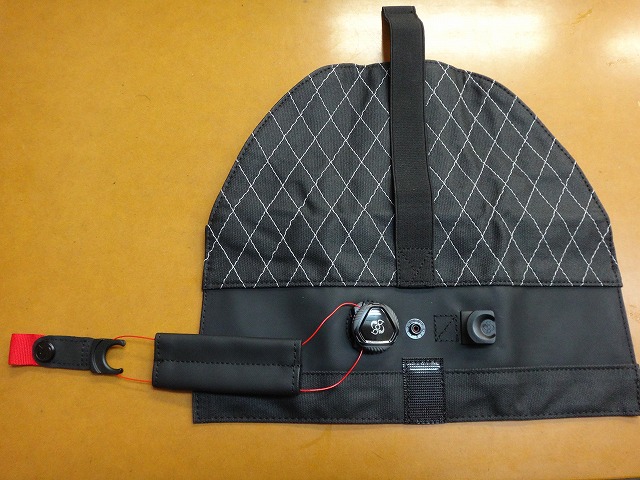
Unfolded.
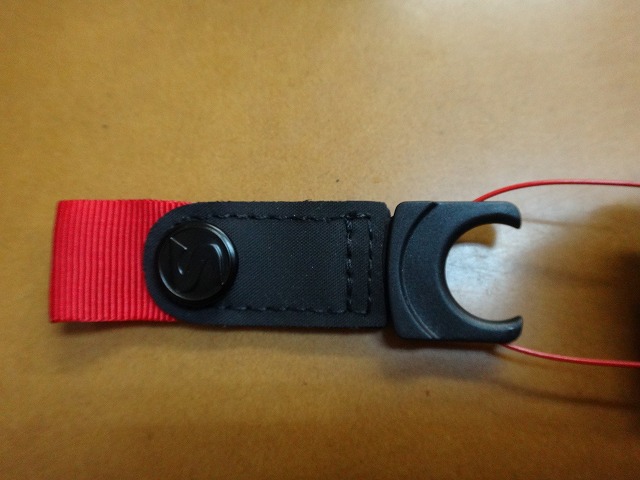
The hook for folding
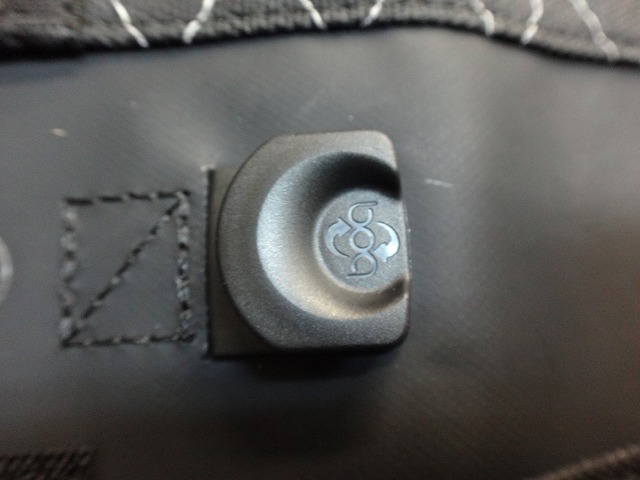
Where the folding hook attaches
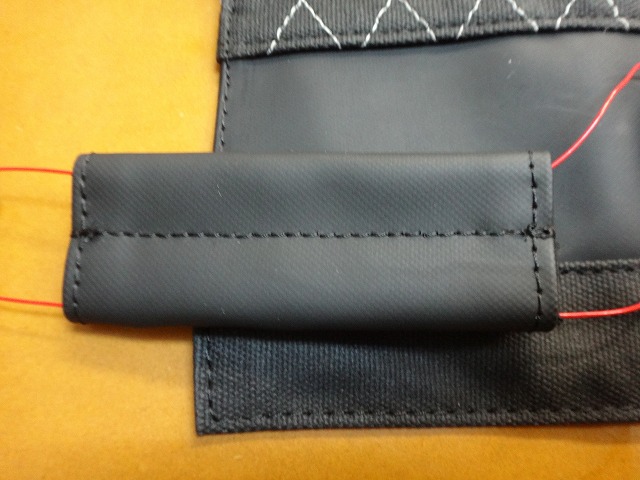
The part that contacts the saddle bag rail
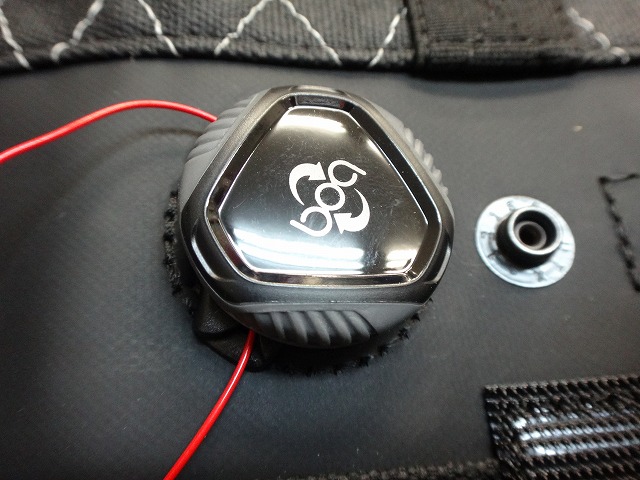
BOA dial
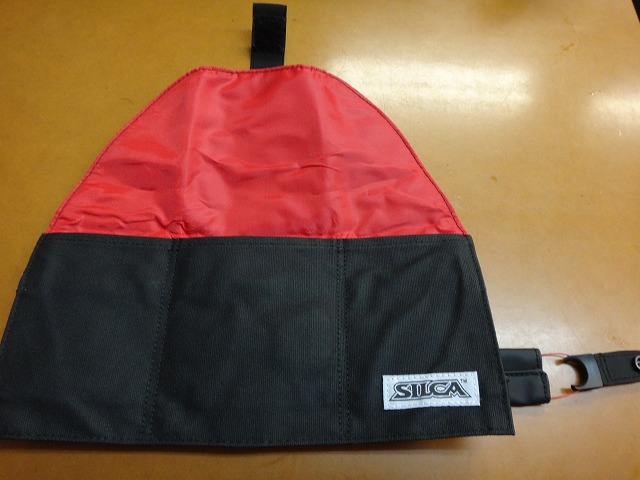
Flipped it over. Inside view.
There are three pockets, with the idea being to put one WO tube in the middle
and tire levers or CO2 cartridges on the sides,
but I want to put a tubular tire in this.
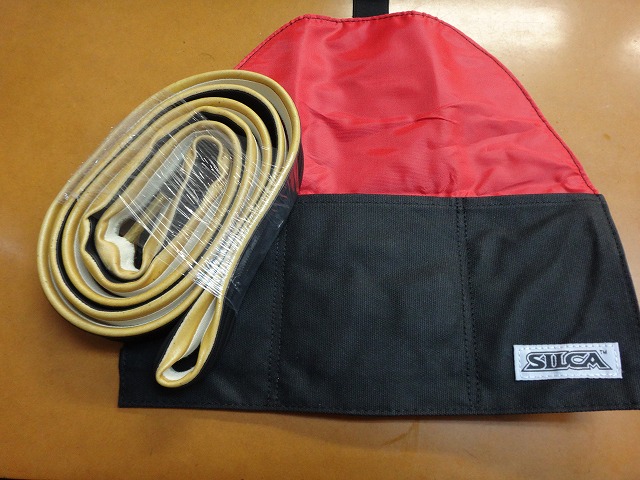
I tried Continental's Giro, the cheapest model,
rolled up as tight as possible.
It won't fit in the pocket at all.
And even if I forced it in, it wouldn't fold.
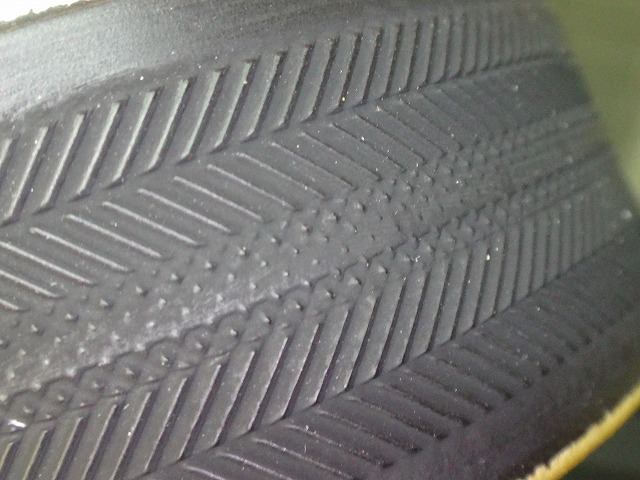
The center tread slick pattern is almost completely worn away.
The whole "it's a different model from the Lion Tyre GT30" pretense
(→here) goes out the window.
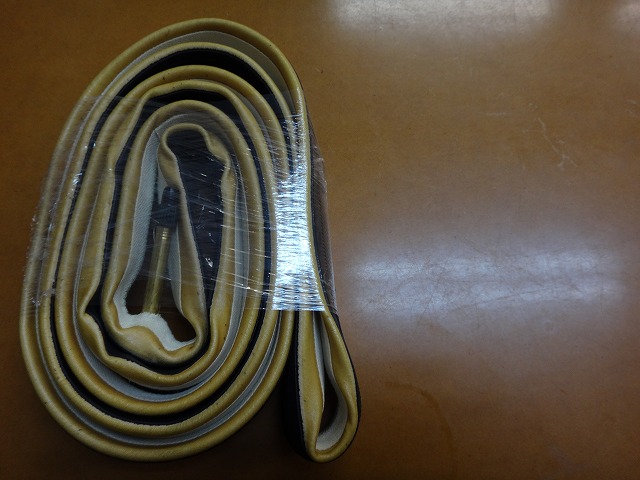
Next to the Giro,

I laid out a TUFO (Tufo)
S3 Lite <195g (S3 Lite under 195 grams).
TUFO tires use a special manufacturing process with no seams under the casing,
which is why they can fold down so small.
Important things to note: with very lightweight models,
there's a high risk of repuncturing when used as a spare,
and thicker-tread normal models require 8-12 psi while
lightweight models demand 8-15 psi or 10-15 psi,
so sometimes it's tough to inflate with just a pocket inflator.
That's why I'd recommend using the lighter one as a second spare backup
if you're carrying a thicker first spare tire.
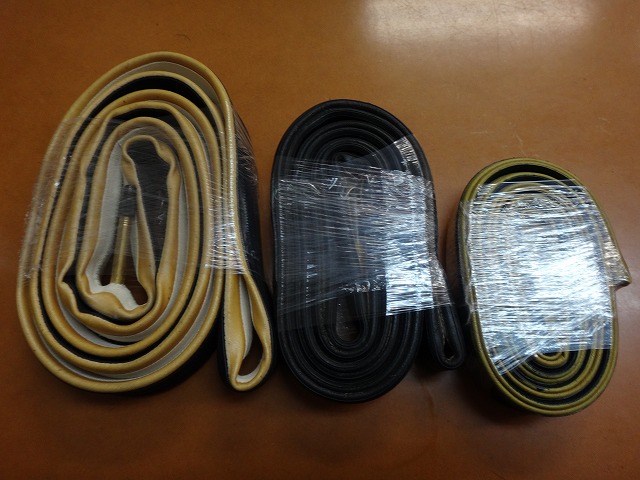
Next to that, S3 Lite <165g,

and further over, S3 Lite <135g.

It was hard to see, so I retook it,
but there is a size difference between the 135 and 165.
For the S3 Lite line, the <125, 135, and 145g have been discontinued,
and the same-weight tires are available in the Elite series instead,
but those are originally intended for European wooden-banked velodromes,
meant to be used only a few times during racing trials while sanding the tread smooth with sandpaper.
They're not meant to be used for their original purpose domestically in Japan,
but apparently there's a use case as self-responsibility ultra-lightweight mountain race tires,
and distributors do stock them.

From experience, <165g is about the limit for a spare tire to actually function.
It fit in the middle pocket.
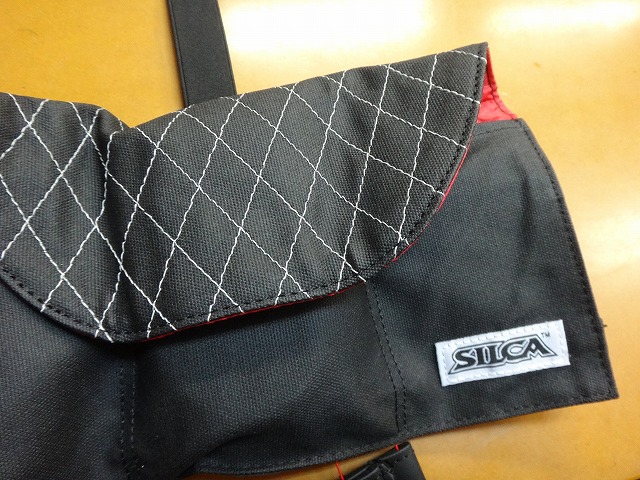
Folded it like this,
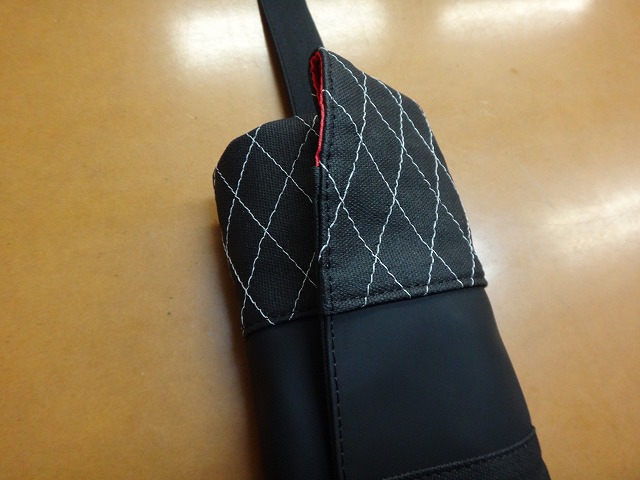
and then like this,
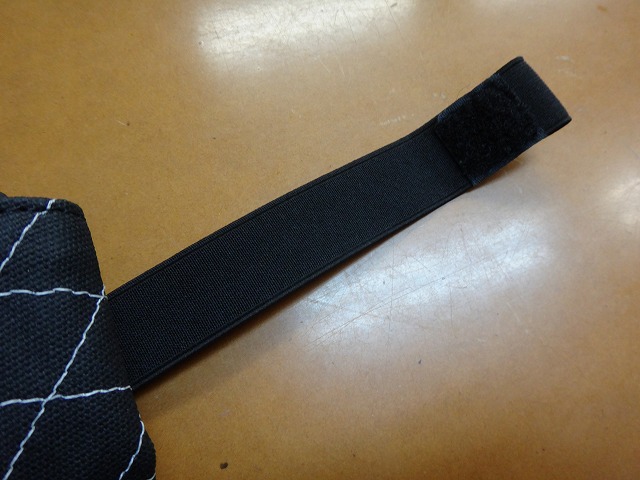
The elastic band has a velcro end,

so I wrap it around and then

secure it here.
Then twist the BOA dial to the saddle rail and lock it,

and it looks like this.
I actually mounted it.
It's not exactly small looking...

The BOA dial allows for fine and secure
attachment to the saddle rail, which is nice.
Based on the dial's race position,
having the judo gi stitching toward the back is the right way,
and that's how it appears on the manufacturer's site,
but I found some images online with it mounted the other way around.
I'd think that would cause pedaling interference...
I also have an old Silca mini pump, but it's slightly too big
and won't fit in this.
A valve extender, tools,
a portable hex wrench set, and even a chain tool fit in.
The chain tool isn't for emergency repair,
but I've actually used it about three times.
As for the price of this thing,
(distributor pricing varies) it's ¥6,450 before tax.
Finally,
regarding the country of origin,
there's a bit of an inconvenient truth, so I'm choosing to leave part of it unsaid.
Wrong. That's not it.