I was supposed to talk about how Continental's Giro is made by Lion Tire
but I couldn't do it because my camera's data got corrupted.
However, I was able to retake the photos, so I can write about it now.
Even though I didn't need to.
Let me say upfront: Lion Tire is a manufacturer that exists in Thailand,
but it's essentially Vittoria.
When Vittoria decided to manufacture tires outside of Italy,
they chose Thailand based on labor costs and material availability.
It just happened that tubular tire manufacturing was already active in Thailand (← impossible)
so that's not why they selected that OEM.

↑Borrowed from their homepage.
Even if I link it, the image might change,
so I'm embedding the image itself.

↑Lion Tire's GT30 and Continental's Giro.


The tread is the same everywhere except the center line.
I deliberately shot the Lion Tire with its logo upside down.
In the image above, both should be mounted on the rim
with the right side as the direction of travel,
but this GT30's only label comes on the left side of the direction of travel,
so it normally gets mounted backward.
Left-side labels on tubular tires do happen occasionally,
so you need to pay attention to the tread direction rather than the label position when mounting.

↑Looking carefully at the Giro's center line,
you can see some sand finish texture.

My guess is they repurposed part of the GT30 production line for the Giro.
When they did, they modified the tire mold like in the diagram above.
The reason for the modification wasn't about tire performance,
but rather to ensure that
"the Giro's tread pattern is an original design; no identical design exists under another name."
It seems like with wear they'd end up the same,
but you shouldn't think about that.

The rim band (some call it rim tape, but to avoid confusion with the WO rim version,
I call it this) is the same too.
The way the manufacturing batch number is printed is identical.

↑This is Vittoria's Strada,
and Vittoria uses rim bands with their maker name on them.
But the manufacturing batch number printing is the same.

The budget Vittoria models like Rally and Strada with black sidewalls
are probably just simply dyed.
The black isn't that deep to begin with, and it fades further with age and use (especially noticeable in wet riding).
Vittoria's premium Corsa-series models don't have this quality.

↑The GT30's sidewalls have the same quality.
Just from this casing alone you can tell it's "a Lion Tire product."
Well, this one actually is a Lion Tire.
There are surprisingly many tires made by Lion Tire,
and that brand and that brand are too.
The quality isn't bad.
A minor drawback with budget models is the valve stem has a fair amount of radial deflection (bulging),
but unless you're using it on a stationary trainer,
it doesn't affect ride feel.
but I couldn't do it because my camera's data got corrupted.
However, I was able to retake the photos, so I can write about it now.
Even though I didn't need to.
Let me say upfront: Lion Tire is a manufacturer that exists in Thailand,
but it's essentially Vittoria.
When Vittoria decided to manufacture tires outside of Italy,
they chose Thailand based on labor costs and material availability.
It just happened that tubular tire manufacturing was already active in Thailand (← impossible)
so that's not why they selected that OEM.

↑Borrowed from their homepage.
Even if I link it, the image might change,
so I'm embedding the image itself.
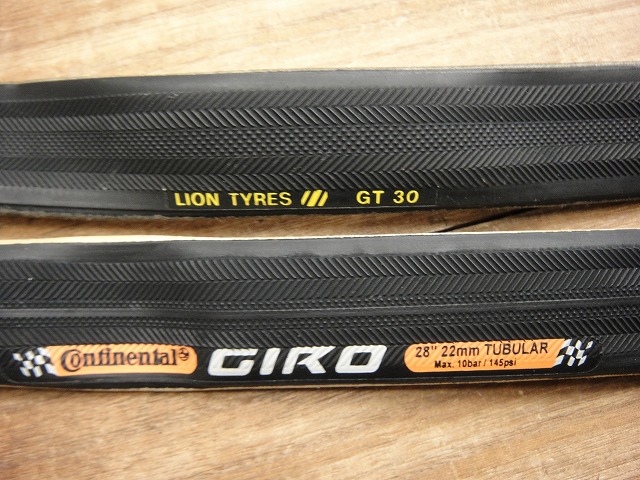
↑Lion Tire's GT30 and Continental's Giro.
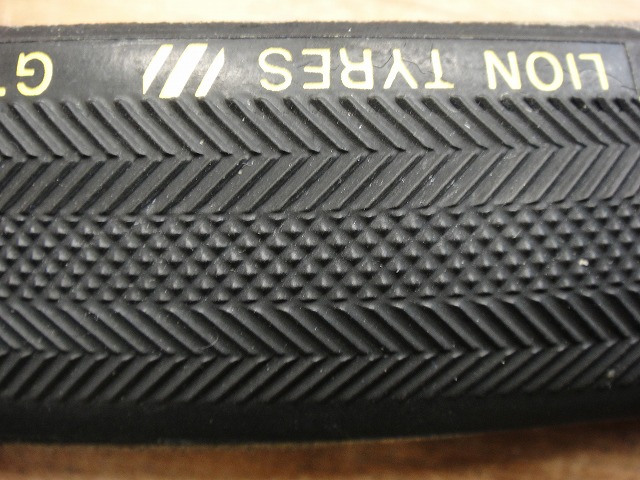
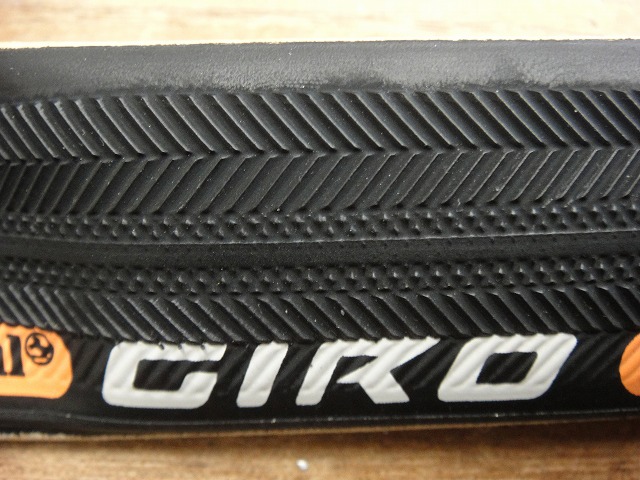
The tread is the same everywhere except the center line.
I deliberately shot the Lion Tire with its logo upside down.
In the image above, both should be mounted on the rim
with the right side as the direction of travel,
but this GT30's only label comes on the left side of the direction of travel,
so it normally gets mounted backward.
Left-side labels on tubular tires do happen occasionally,
so you need to pay attention to the tread direction rather than the label position when mounting.
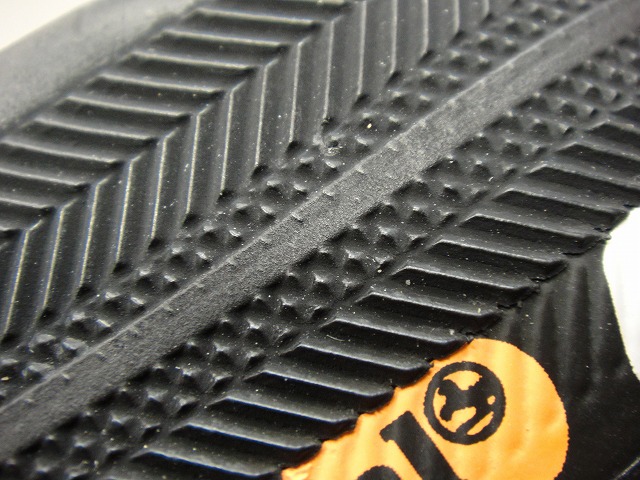
↑Looking carefully at the Giro's center line,
you can see some sand finish texture.
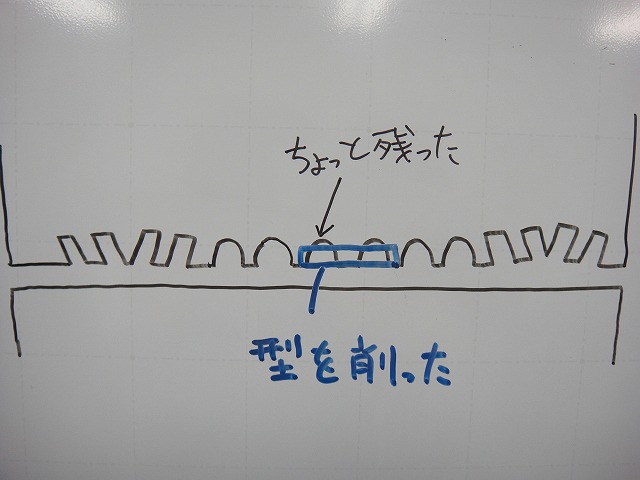
My guess is they repurposed part of the GT30 production line for the Giro.
When they did, they modified the tire mold like in the diagram above.
The reason for the modification wasn't about tire performance,
but rather to ensure that
"the Giro's tread pattern is an original design; no identical design exists under another name."
It seems like with wear they'd end up the same,
but you shouldn't think about that.
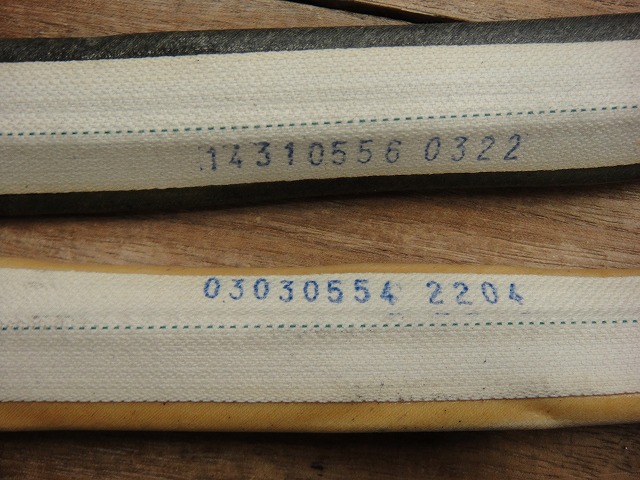
The rim band (some call it rim tape, but to avoid confusion with the WO rim version,
I call it this) is the same too.
The way the manufacturing batch number is printed is identical.
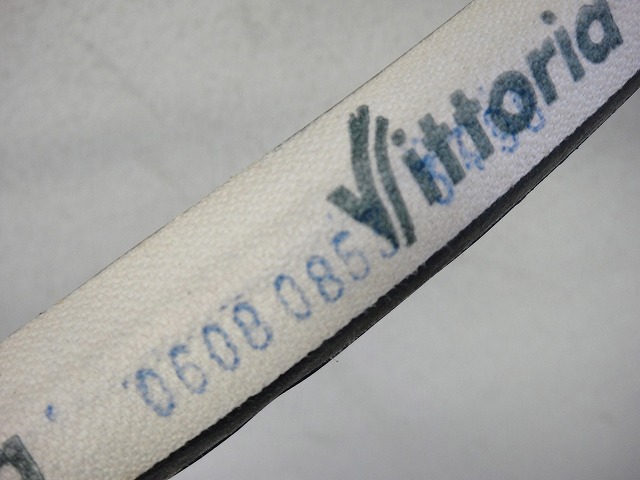
↑This is Vittoria's Strada,
and Vittoria uses rim bands with their maker name on them.
But the manufacturing batch number printing is the same.

The budget Vittoria models like Rally and Strada with black sidewalls
are probably just simply dyed.
The black isn't that deep to begin with, and it fades further with age and use (especially noticeable in wet riding).
Vittoria's premium Corsa-series models don't have this quality.

↑The GT30's sidewalls have the same quality.
Just from this casing alone you can tell it's "a Lion Tire product."
Well, this one actually is a Lion Tire.
There are surprisingly many tires made by Lion Tire,
and that brand and that brand are too.
The quality isn't bad.
A minor drawback with budget models is the valve stem has a fair amount of radial deflection (bulging),
but unless you're using it on a stationary trainer,
it doesn't affect ride feel.