I received the first-generation R-SYS from a customer for service.

They want both front and rear wheels thoroughly overhauled.
Let me start with the rear wheel.


Before disassembling the hub, I noticed the wheel center was offset.


I cleaned around the freebody.
The customer wants the freewheel ratchet noise silenced,
and apart from Mavic's OEM oil, applying a certain type of grease slightly can achieve near-silence.
If you apply too much grease, the rear hub's rotation transmits like a half-clutch during freewheel spinning,
so when you stop pedaling mid-ride, the chain hangs slack on the chainstay,
or when the rear wheel is on a stand and you spin it, the cranks keep rotating like a ghost is pedaling.
So I applied the grease conservatively—nearly silent but still reasonable.

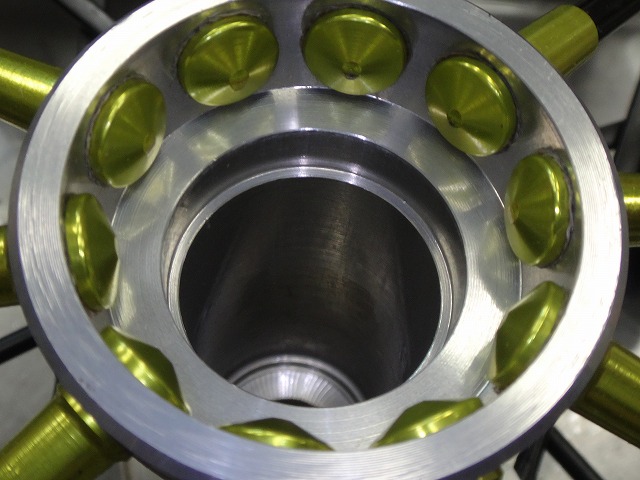
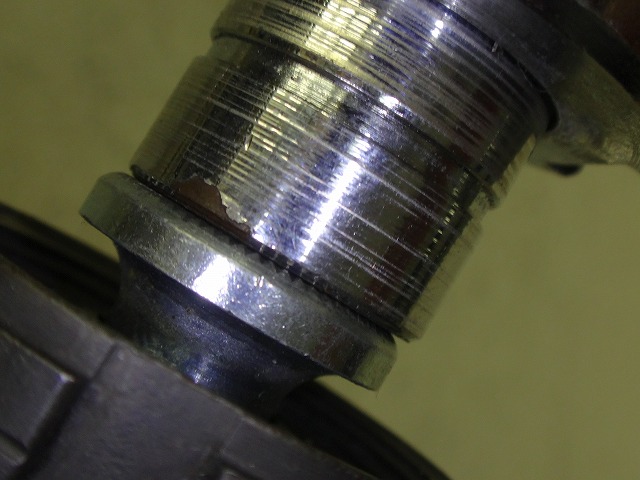
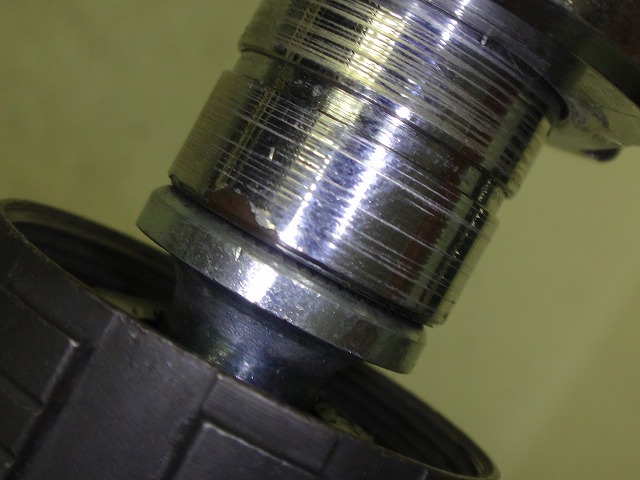
The trap ring on the non-freewheel side is a red one with no rotation-stopping plastic—only seen in the very earliest versions.

↑Contact marks from spoke heads

↑Almost none here
If this has been ridden continuously since the first generation, that would be about 10 years, but the actual usage history doesn't seem to be that extensive.

The rear hub bearings are at "might as well replace them" condition, so I replaced both sides of the hub shell.
I didn't replace the freebody bearings.


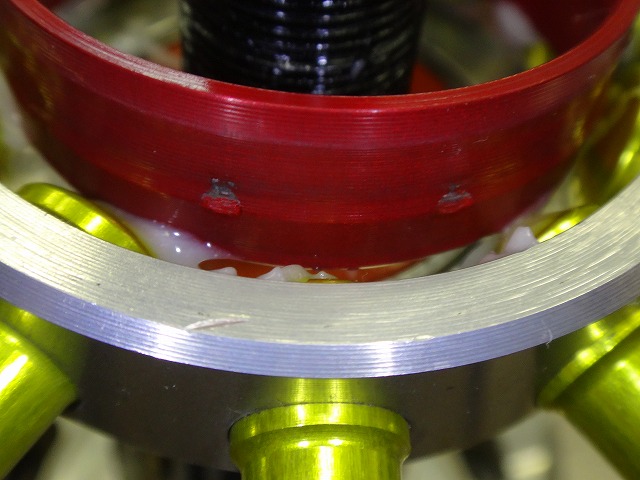
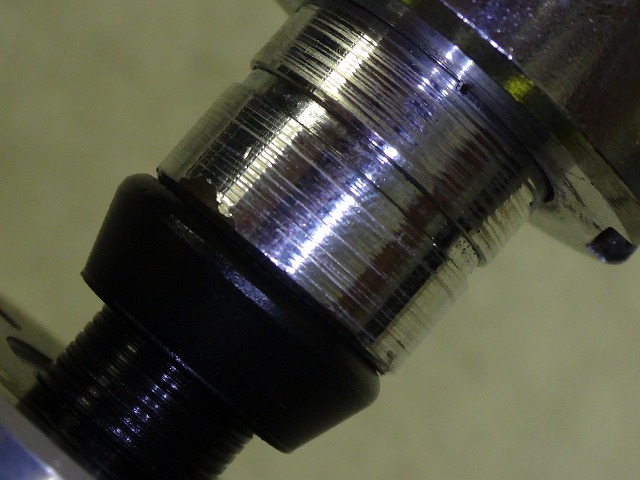
Skipping ahead in time a bit—I'm applying silicone grease to the spoke heads and re-pressing the trap ring.
This is an attempt at practical reuse by offsetting the phase between the spoke head contact marks,
but the newer trap rings have limited freedom for this phase shifting—that's the catch.
The trap ring only spins when spoke tension is insufficient
(normally we'd say "spoke tension is low"), so the rotation stop is originally an unnecessary feature.
It serves as insurance, but that's about it.

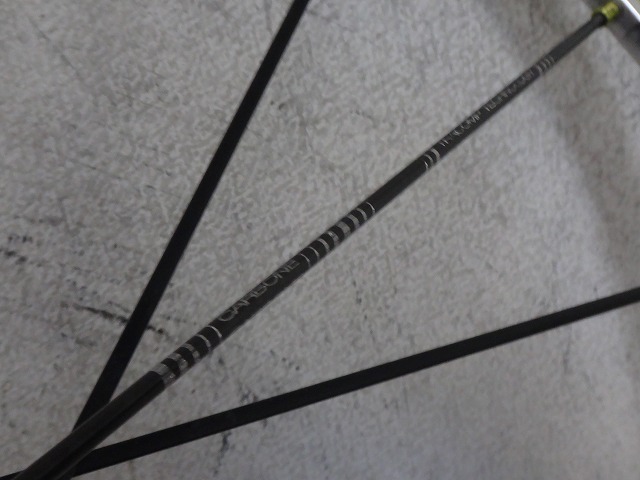
The first-generation R-SYS had carbon spokes with fiber only in the vertical direction, which became problematic and led to a recall—but only the front wheel was covered by the recall (※).
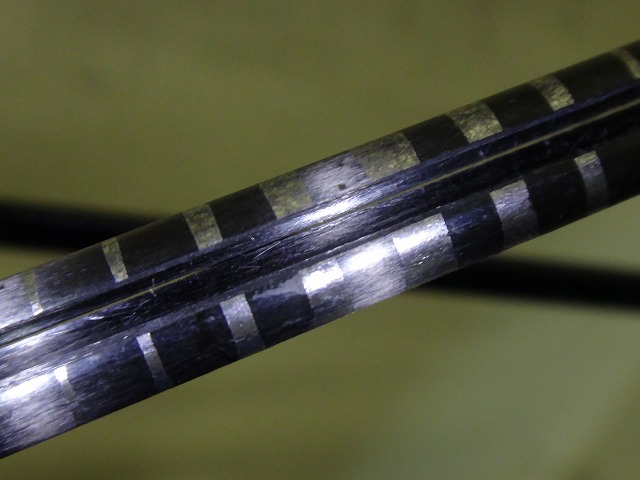
So the rear wheel spokes can split like cracked bamboo, and of all things, only the cosmetic spoke cracked.
The customer didn't mention it in their note, so I checked with them—they didn't know about it.
I have spare spokes, but they're not cosmetic ones.
※As an apology for the front wheel replacement lead time,
Aksium wheels at the time were distributed as no-charge replacements to customers not just for the front wheel but for both front and rear.
But bikes already on shop shelves that hadn't sold yet—the R-SYS also came with both Aksium front and rear wheels,
and many shops at the time kept those for themselves and sold them normally.
The replacement wheels for shop stock don't really carry an "apology to customers" meaning, so it's borderline okay,
but it's also true that some shops stayed silent about the Aksium wheels for previously sold R-SYS bikes.
Okay, this story is risky—let me strike it out so nobody reads it.


↑When you press the spoke, it cracks with a rustling vinyl-like sensation.
Even in this state, there's no lateral runout.
That's why it's easy to miss.


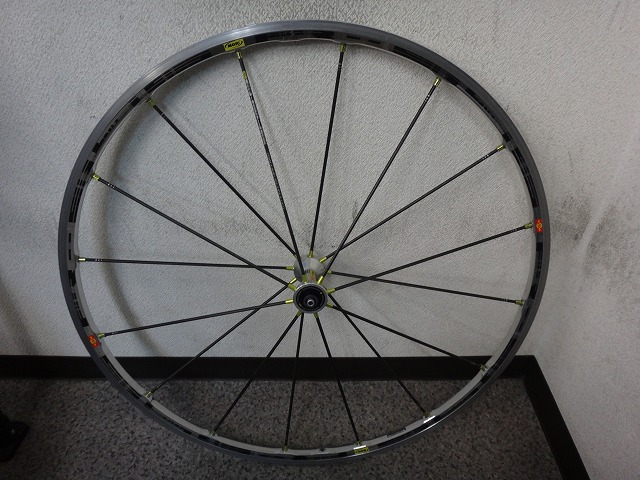
Centering pass one.
There's hardly any lateral runout to begin with, but I got it. Not only did the offset amount decrease, the direction of the offset reversed.


Centering pass two.
Spot on.

Now for the front wheel.

Quite a bit of metal shavings were inside.

The bearing rotation is rough, so unlike the rear wheel, bearing replacement is essential.

Cleaned.

Even within the notch range for the rotation-stop plastic, I can still do some phase shifting.


Not as much as the rear wheel, but there's center offset here too—fixing it now.
Bonus

Trapped in the R-SYS carbon spokes
Screeeech.

Are you okay? I'll save you.

Screeeech.

This is serious—I'll save you!

Screeeech!

Broken carbon spokes are dangerous—kids, don't touch them!
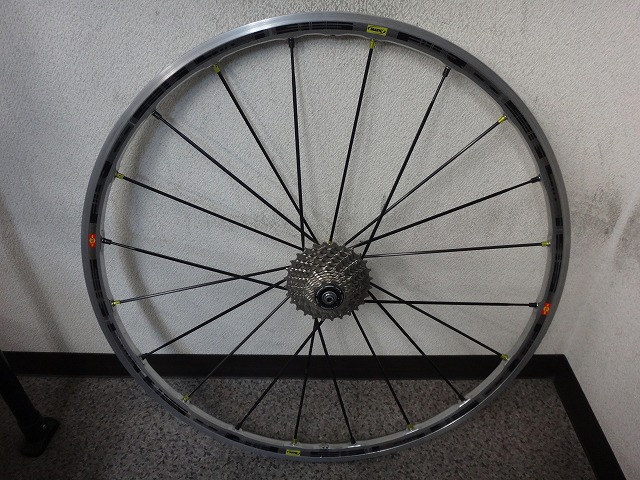
They want both front and rear wheels thoroughly overhauled.
Let me start with the rear wheel.
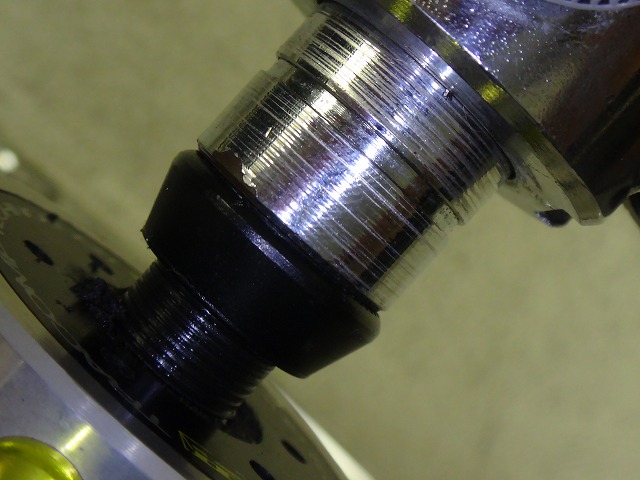
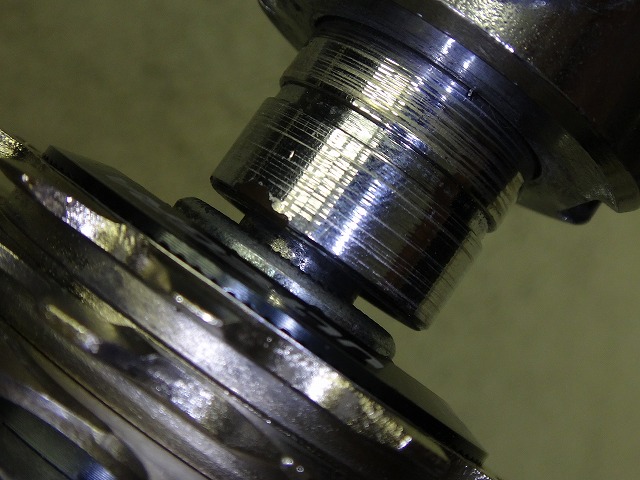
Before disassembling the hub, I noticed the wheel center was offset.
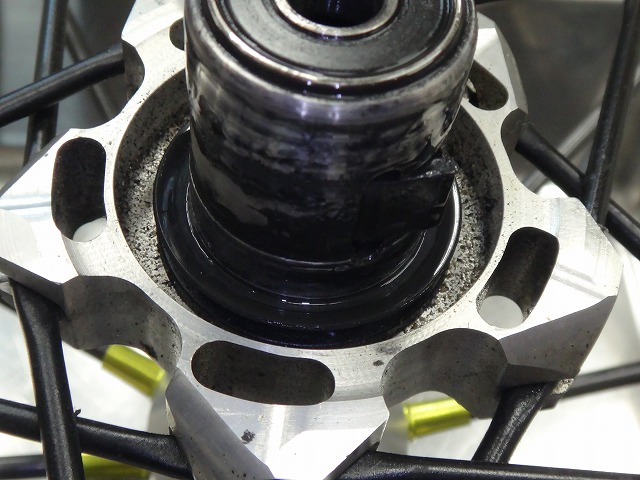
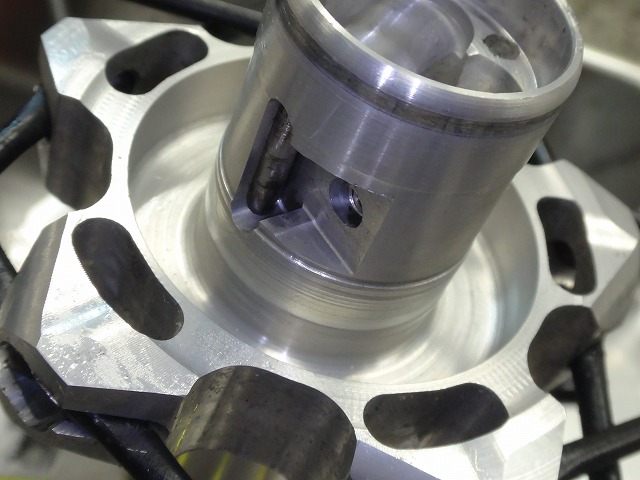
I cleaned around the freebody.
The customer wants the freewheel ratchet noise silenced,
and apart from Mavic's OEM oil, applying a certain type of grease slightly can achieve near-silence.
If you apply too much grease, the rear hub's rotation transmits like a half-clutch during freewheel spinning,
so when you stop pedaling mid-ride, the chain hangs slack on the chainstay,
or when the rear wheel is on a stand and you spin it, the cranks keep rotating like a ghost is pedaling.
So I applied the grease conservatively—nearly silent but still reasonable.
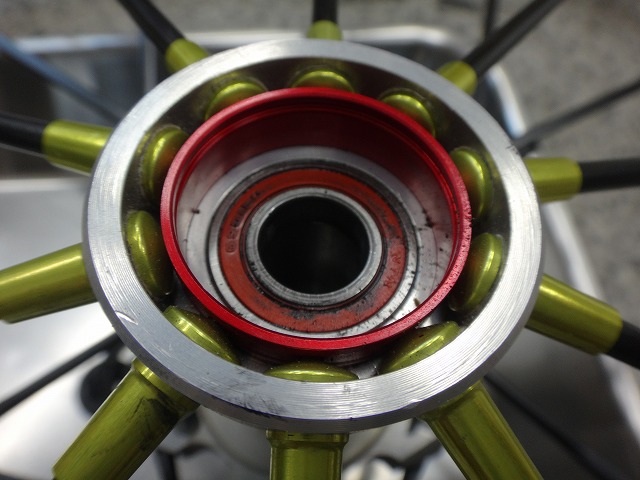
The trap ring on the non-freewheel side is a red one with no rotation-stopping plastic—only seen in the very earliest versions.
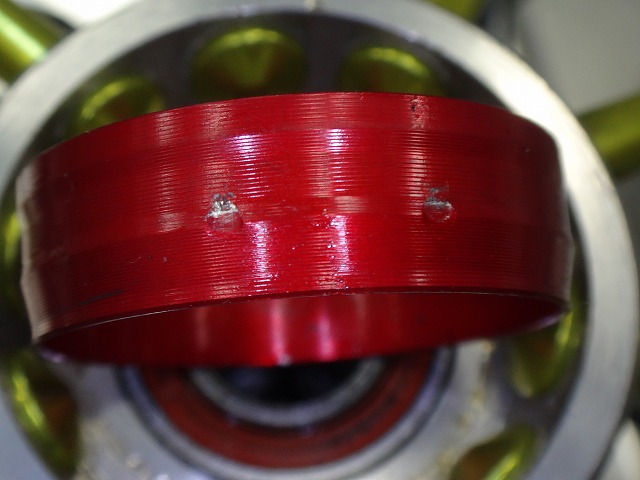
↑Contact marks from spoke heads

↑Almost none here
If this has been ridden continuously since the first generation, that would be about 10 years, but the actual usage history doesn't seem to be that extensive.
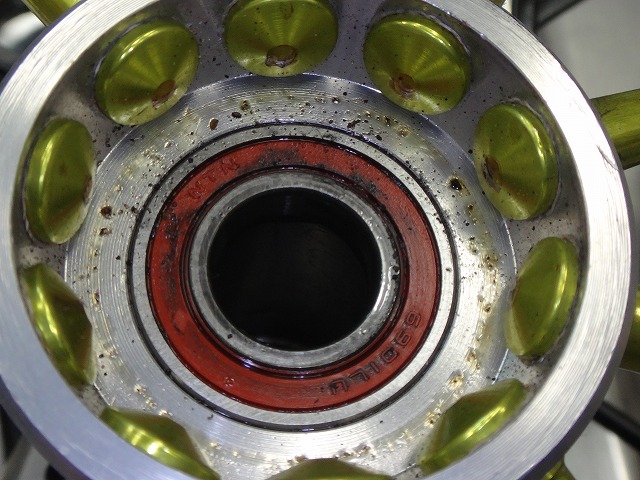
The rear hub bearings are at "might as well replace them" condition, so I replaced both sides of the hub shell.
I didn't replace the freebody bearings.
Skipping ahead in time a bit—I'm applying silicone grease to the spoke heads and re-pressing the trap ring.
This is an attempt at practical reuse by offsetting the phase between the spoke head contact marks,
but the newer trap rings have limited freedom for this phase shifting—that's the catch.
The trap ring only spins when spoke tension is insufficient
(normally we'd say "spoke tension is low"), so the rotation stop is originally an unnecessary feature.
It serves as insurance, but that's about it.
The first-generation R-SYS had carbon spokes with fiber only in the vertical direction, which became problematic and led to a recall—but only the front wheel was covered by the recall (※).
So the rear wheel spokes can split like cracked bamboo, and of all things, only the cosmetic spoke cracked.
The customer didn't mention it in their note, so I checked with them—they didn't know about it.
I have spare spokes, but they're not cosmetic ones.
Aksium wheels at the time were distributed as no-charge replacements to customers not just for the front wheel but for both front and rear.
But bikes already on shop shelves that hadn't sold yet—the R-SYS also came with both Aksium front and rear wheels,
and many shops at the time kept those for themselves and sold them normally.
The replacement wheels for shop stock don't really carry an "apology to customers" meaning, so it's borderline okay,
but it's also true that some shops stayed silent about the Aksium wheels for previously sold R-SYS bikes.
Okay, this story is risky—let me strike it out so nobody reads it.

↑When you press the spoke, it cracks with a rustling vinyl-like sensation.
Even in this state, there's no lateral runout.
That's why it's easy to miss.

Centering pass one.
There's hardly any lateral runout to begin with, but I got it. Not only did the offset amount decrease, the direction of the offset reversed.
Centering pass two.
Spot on.
Now for the front wheel.
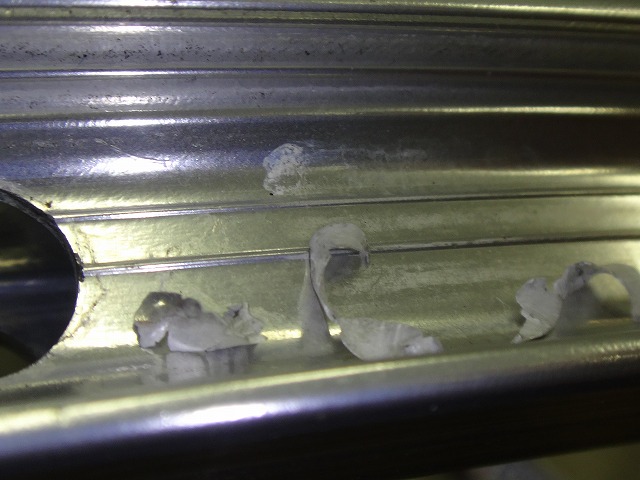
Quite a bit of metal shavings were inside.
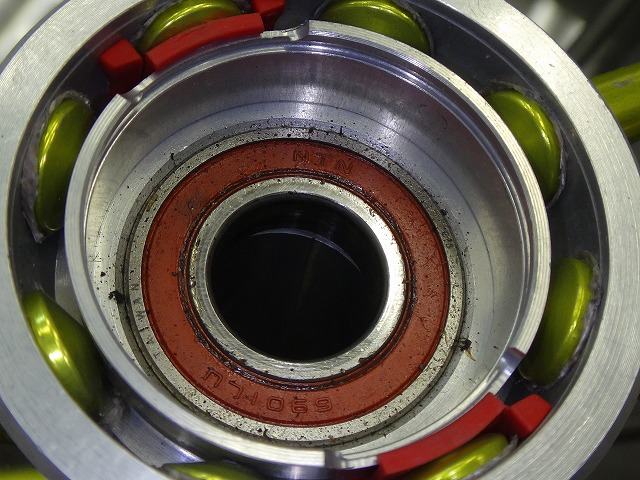
The bearing rotation is rough, so unlike the rear wheel, bearing replacement is essential.
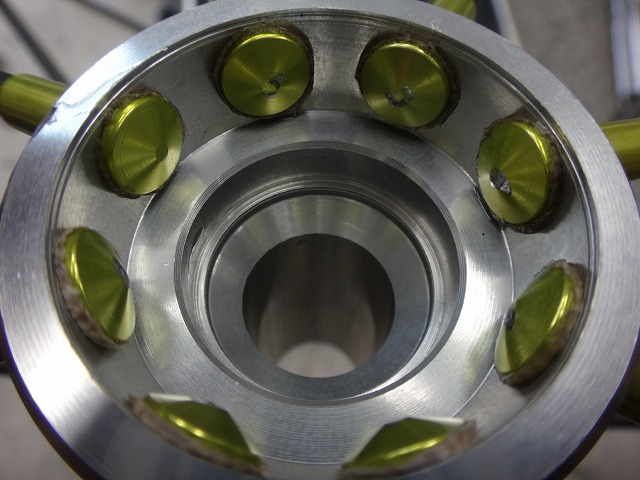
Cleaned.
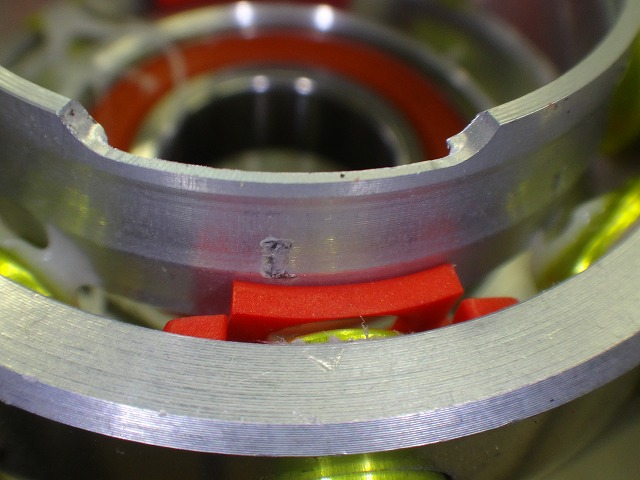
Even within the notch range for the rotation-stop plastic, I can still do some phase shifting.
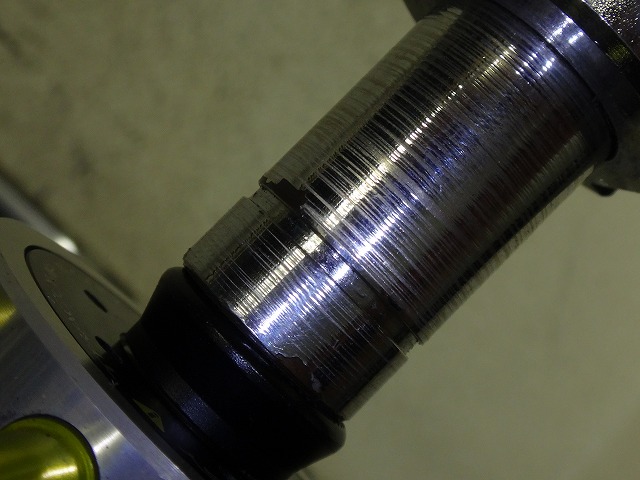
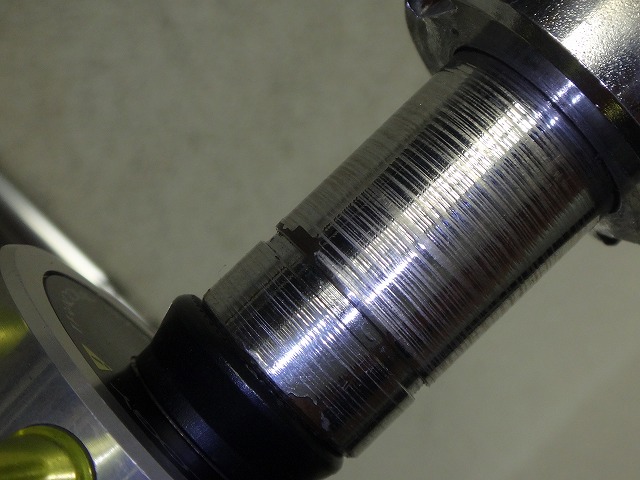
Not as much as the rear wheel, but there's center offset here too—fixing it now.
Bonus
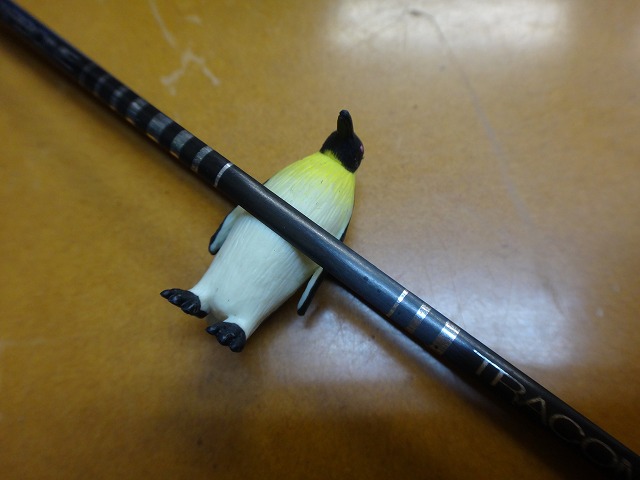
Trapped in the R-SYS carbon spokes
Screeeech.
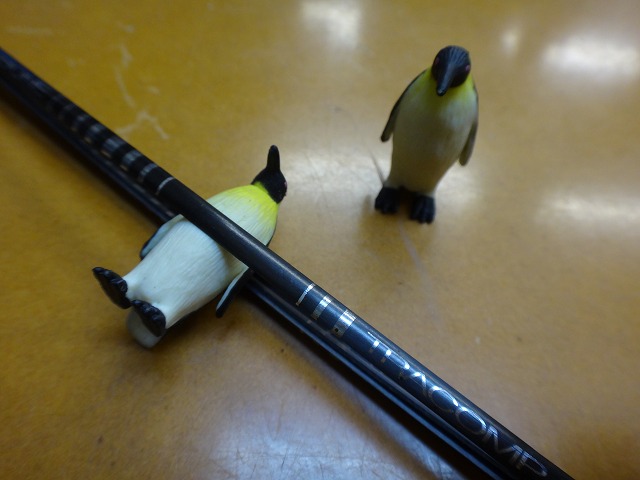
Are you okay? I'll save you.

Screeeech.
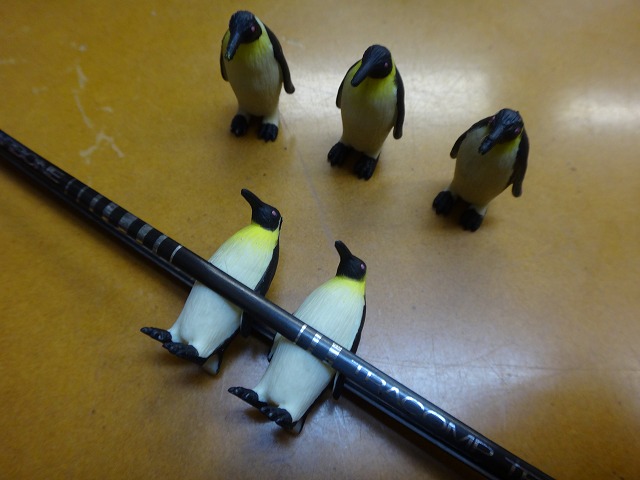
This is serious—I'll save you!
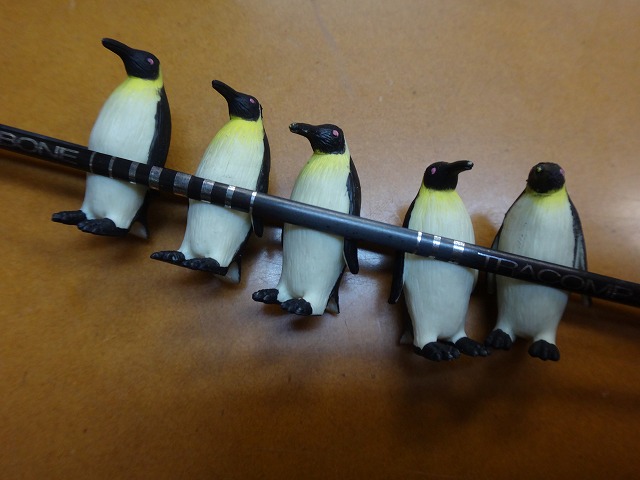
Screeeech!
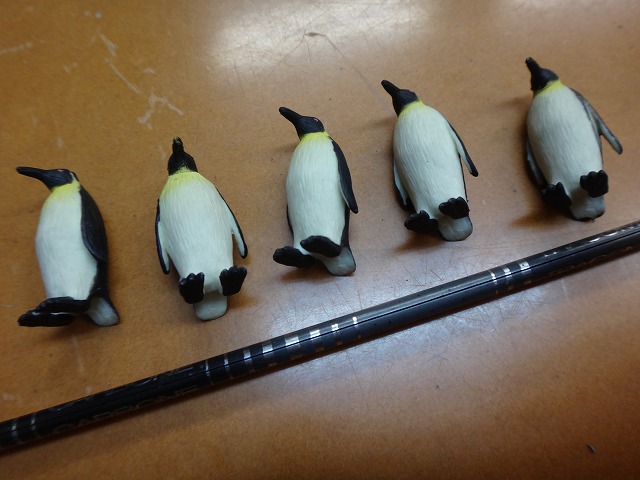
Broken carbon spokes are dangerous—kids, don't touch them!