I received a pair of Cosmic Carbon UST tubeless wheels from a customer.
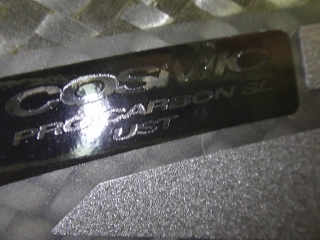
Update: The original article title was "Cosmic Carbon Pro SL UST," but the correct name is "Cosmic Pro Carbon SL UST."
I've corrected it. Thanks for the comment.
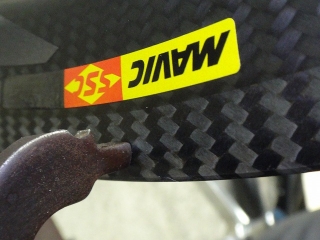
Mavic wheel names are confusing, so while I don't usually include them in articles, I do take photos of the names. But I still got it wrong this time.
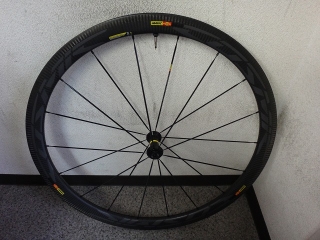

The customer requested an inspection.
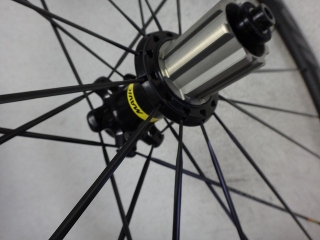
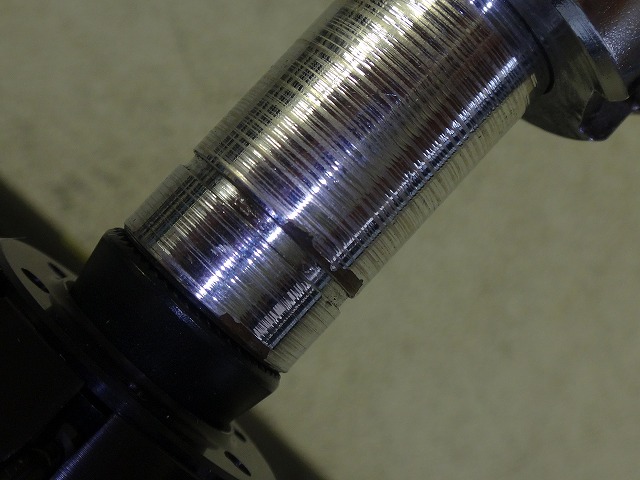
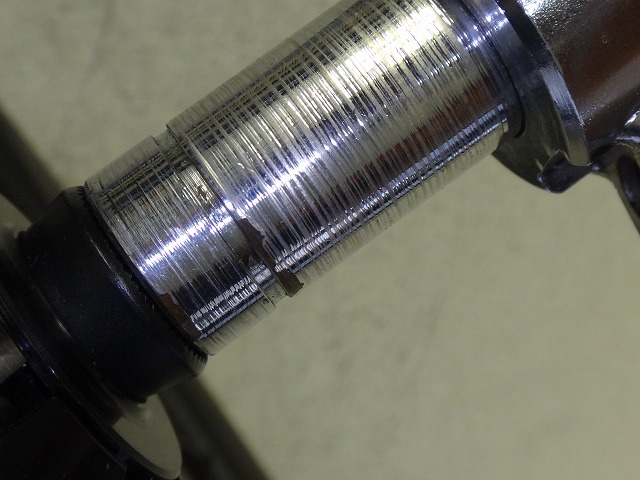
For the rear wheel, unlike the traditional Cosmic, the freewheel side uses radial lacing, so aside from the rim itself, it's actually more accurate to call it a Ksyrium Elite.
I prefer Isopulse (freewheel side radial lacing) because it feels more theoretically sound, so I think it's better than being non-freewheel side radial lacing.
As for the Campagnolo freebody, this is my first time inspecting a Campagnolo freebody on this particular wheel.
I'm writing this abruptly for a reason—since I didn't do the work in front of the customer, I wanted to mention some identifying details that would be visible in photos.
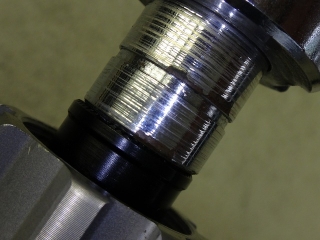
The customer said the rear wheel seemed off-center, and they were right.

There was virtually no runout, but I did true and center the wheel.
Next, the front wheel.
Almost no runout, but very slightly off-center.
With this small amount of misalignment,
if you keep searching for and chasing down minute lateral runout in the tightening direction,
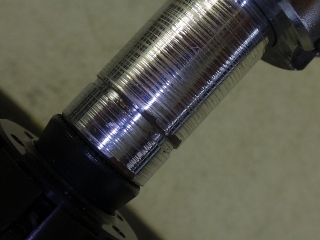
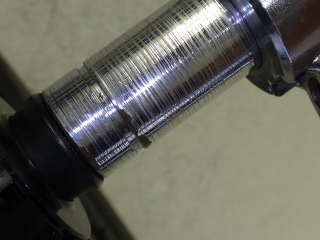
eventually the center comes out right.
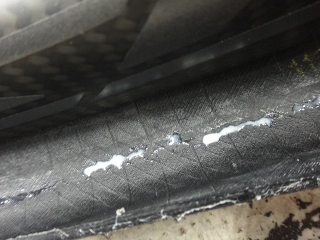
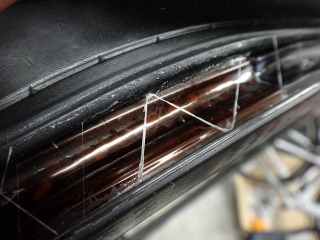
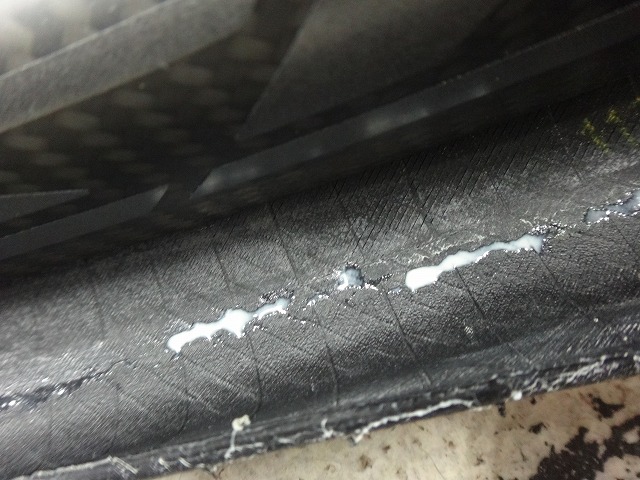
I had to remove the tires temporarily for the work, and there was a nominal amount of sealant in there, so
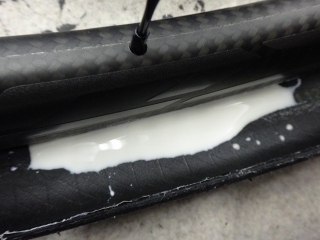
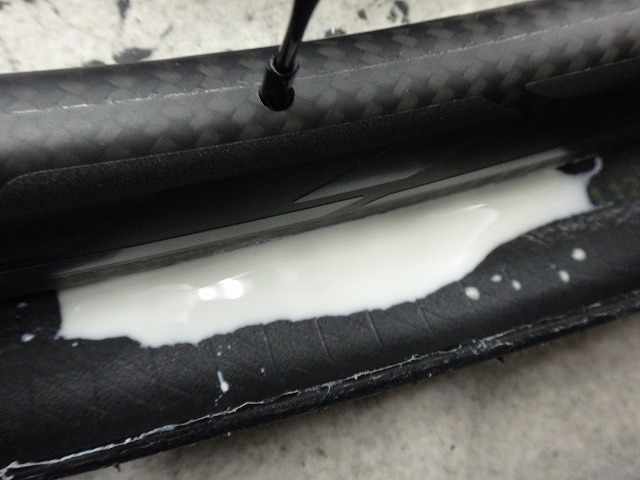
I added fresh sealant, slightly more than the original amount.
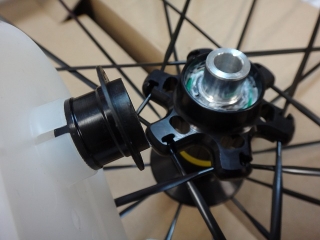
The rear hub's press-fit end caps have a loose interference fit, and often fall out when removing the protective plastic from the packaging—good to know.
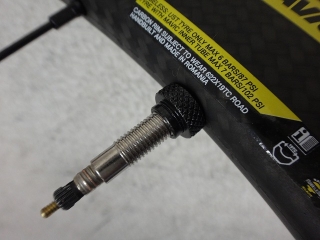
The tubeless valve has partial threads, and it seated better on the pump connector than the Ksyrium UST valve, so comparing with past images,
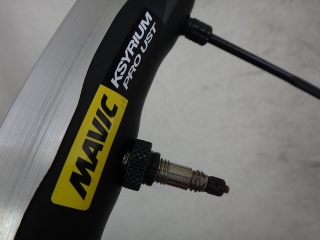
I realized that the relationship between multiple valve lengths (which vary by rim height) and rim height means that on the Ksyrium UST, most of the exposed length is the thin-diameter portion of the valve.
I forgot to write something, but I didn't take the necessary photos for it, so
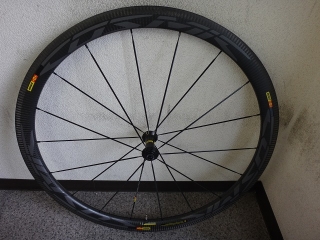
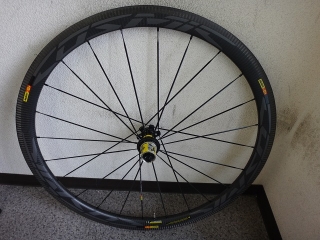
I'll throw in another set of the same wheels from a different job, since I worked on it in front of the customer and didn't necessarily need to document it in an article.

I originally planned to write about the half-thread valve in this image.
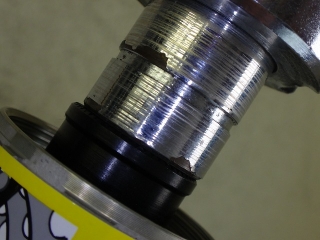
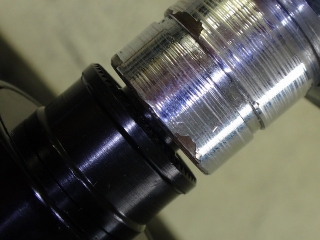
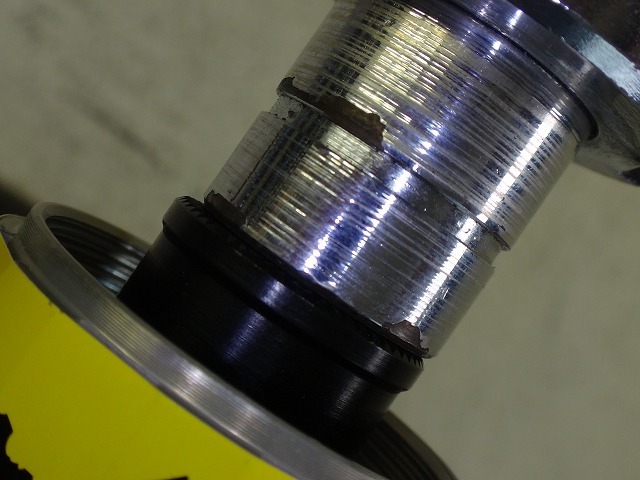
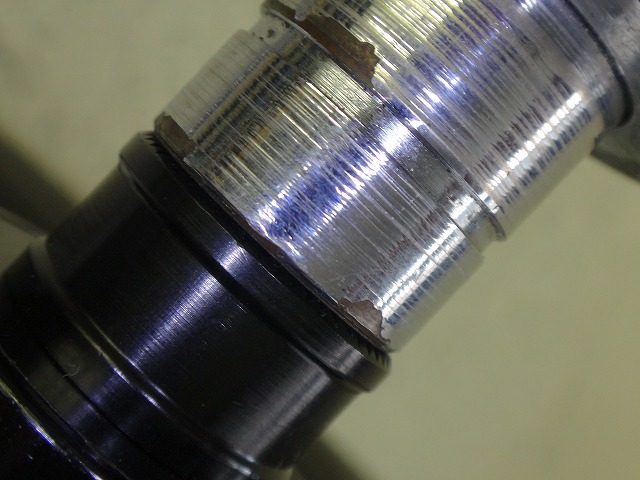
The rear wheel was off-center, and the freebody is Shimano-compatible.
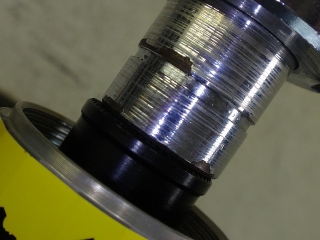
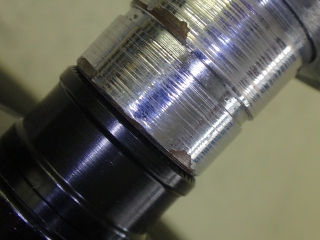
I centered it.
The front wheel was perfectly centered with virtually no runout.
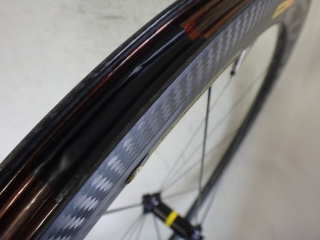
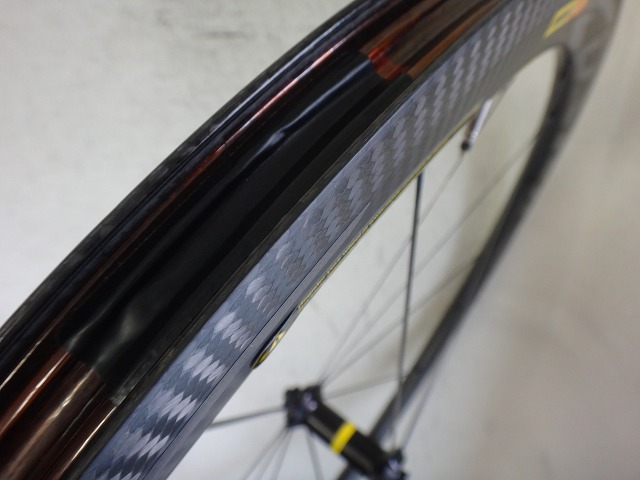
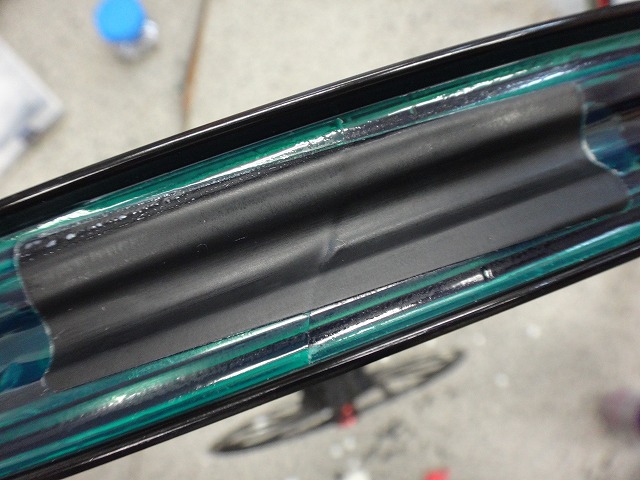
What I wanted to write about is the black tape on Mavic rims (especially aluminum rims) that hides the coarse joint seams.
Normally it's applied at the phase opposite the valve hole, but on UST models it's applied near the valve hole phase. I wondered why, and it turns out this tape is applied over the end of the tubeless-ready rim tape (probably to prevent peeling). I don't think it would peel without it, but whether this tape is present or absent tells you if the tape has been changed from the factory state.
In the image above, you probably can't tell whether it's a rim tape seam or not, so

here's another example.
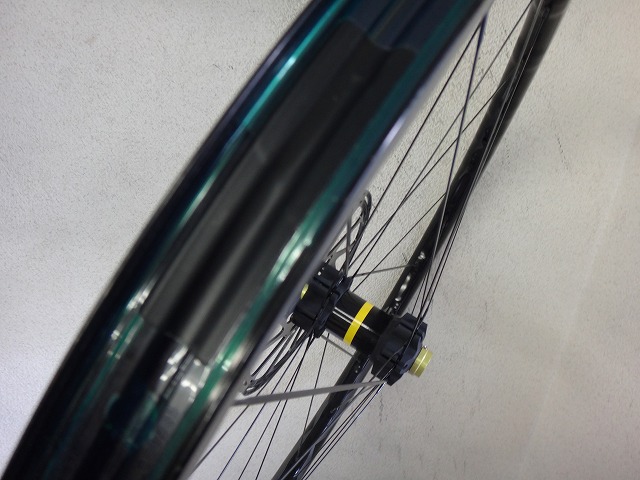
This is a Mavic MTB wheel, and
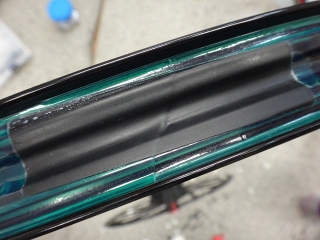
↑it's applied like this.
The black tape appears to be the same one used on road rims. On road rims, the tape width is nearly the same as the rim width, but on MTB rims it's narrower relative to the rim width.
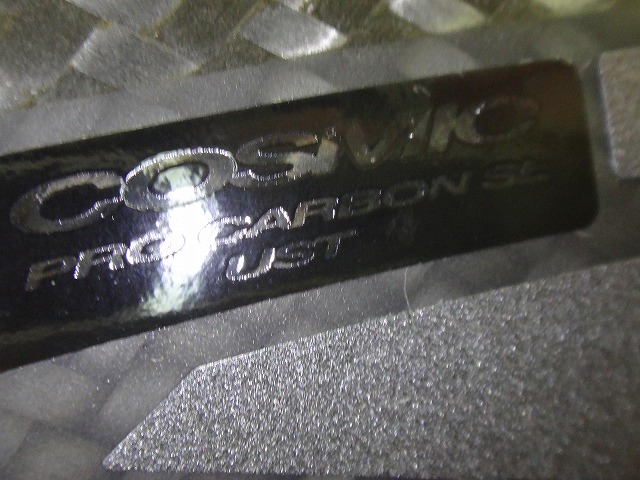
Update: The original article title was "Cosmic Carbon Pro SL UST," but the correct name is "Cosmic Pro Carbon SL UST."
I've corrected it. Thanks for the comment.
Mavic wheel names are confusing, so while I don't usually include them in articles, I do take photos of the names. But I still got it wrong this time.

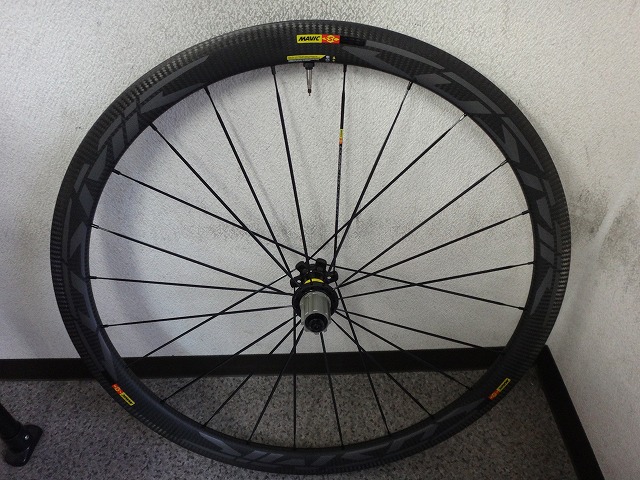
The customer requested an inspection.
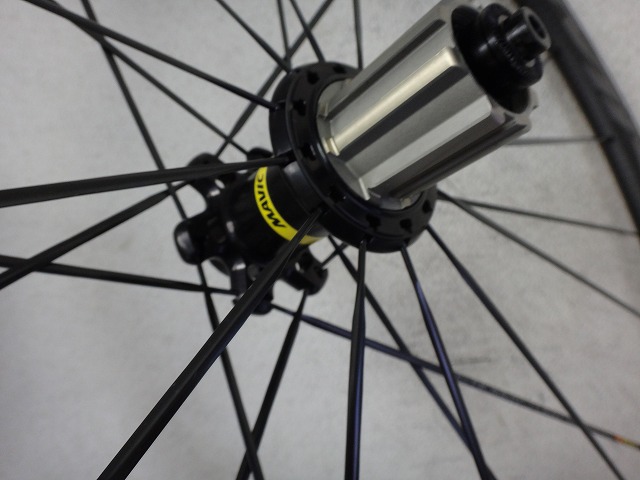
For the rear wheel, unlike the traditional Cosmic, the freewheel side uses radial lacing, so aside from the rim itself, it's actually more accurate to call it a Ksyrium Elite.
I prefer Isopulse (freewheel side radial lacing) because it feels more theoretically sound, so I think it's better than being non-freewheel side radial lacing.
As for the Campagnolo freebody, this is my first time inspecting a Campagnolo freebody on this particular wheel.
I'm writing this abruptly for a reason—since I didn't do the work in front of the customer, I wanted to mention some identifying details that would be visible in photos.

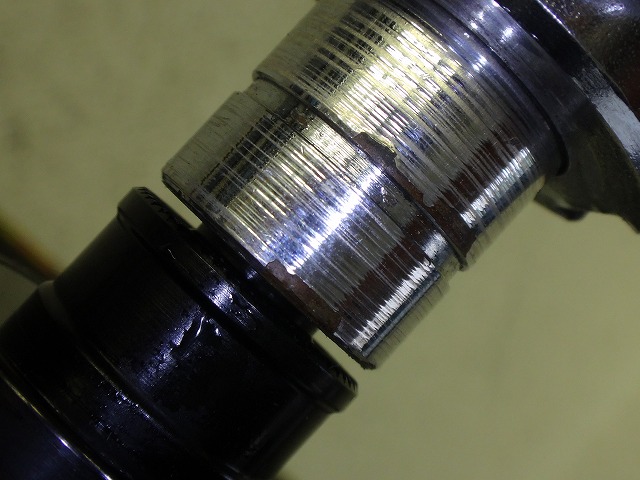
The customer said the rear wheel seemed off-center, and they were right.

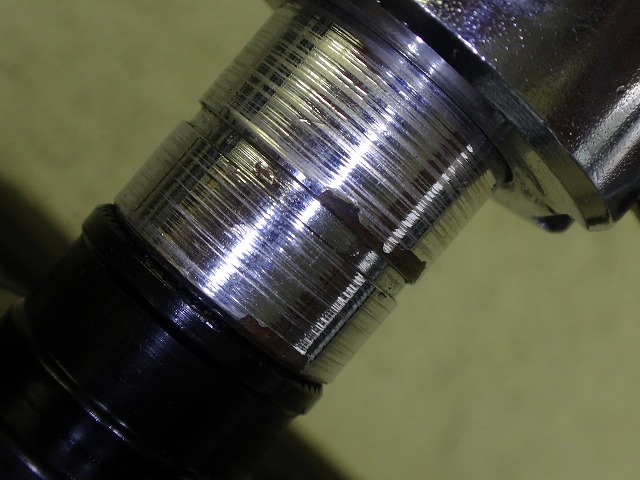
There was virtually no runout, but I did true and center the wheel.
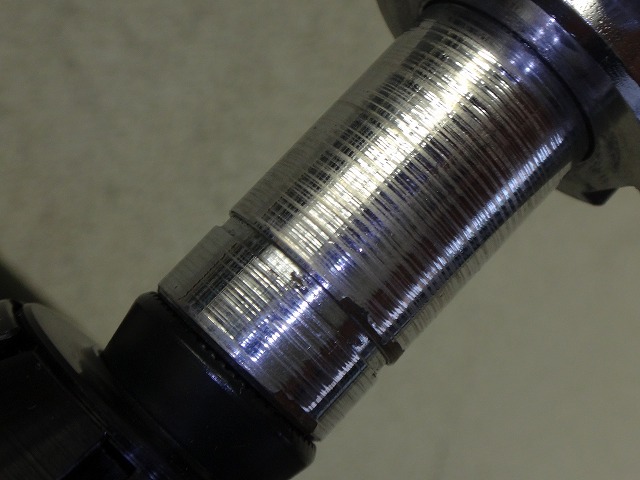

Next, the front wheel.
Almost no runout, but very slightly off-center.
With this small amount of misalignment,
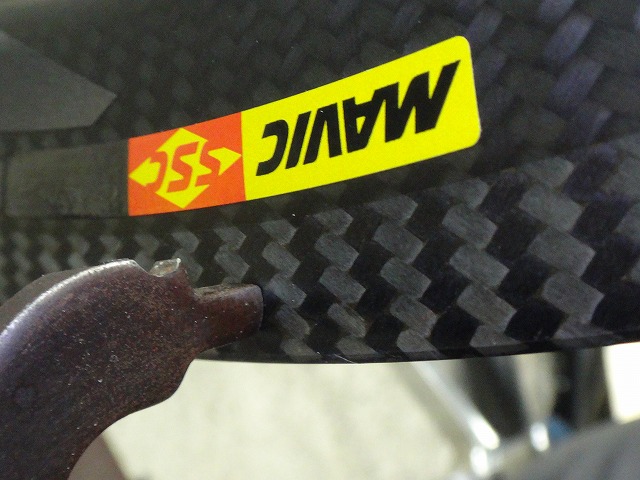
if you keep searching for and chasing down minute lateral runout in the tightening direction,
eventually the center comes out right.

I had to remove the tires temporarily for the work, and there was a nominal amount of sealant in there, so
I added fresh sealant, slightly more than the original amount.
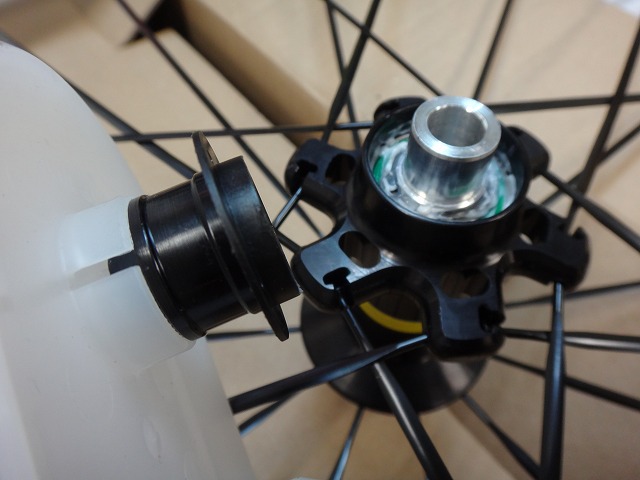
The rear hub's press-fit end caps have a loose interference fit, and often fall out when removing the protective plastic from the packaging—good to know.
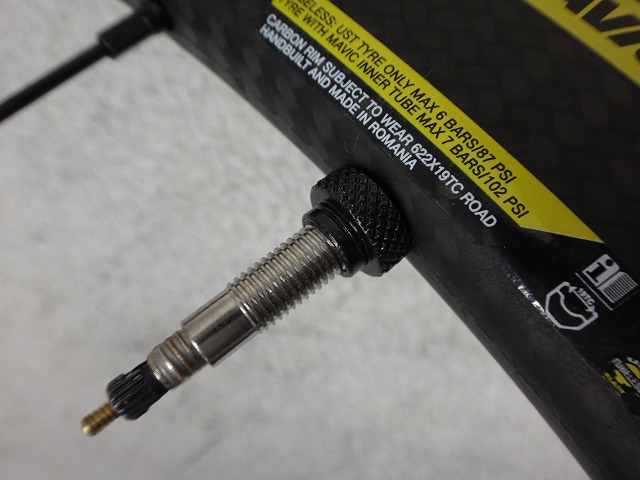
The tubeless valve has partial threads, and it seated better on the pump connector than the Ksyrium UST valve, so comparing with past images,
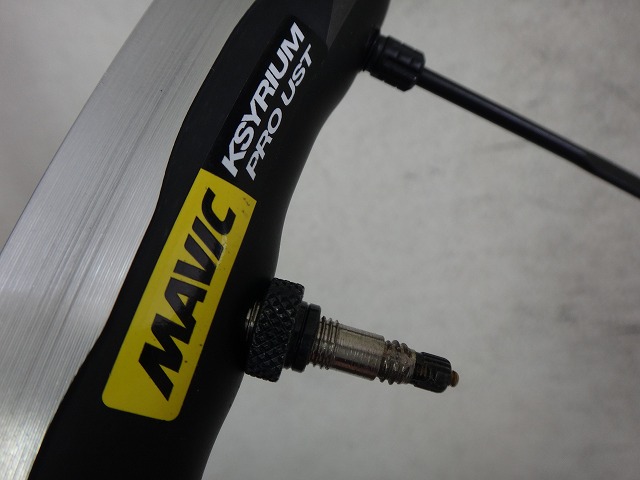
I realized that the relationship between multiple valve lengths (which vary by rim height) and rim height means that on the Ksyrium UST, most of the exposed length is the thin-diameter portion of the valve.
I forgot to write something, but I didn't take the necessary photos for it, so
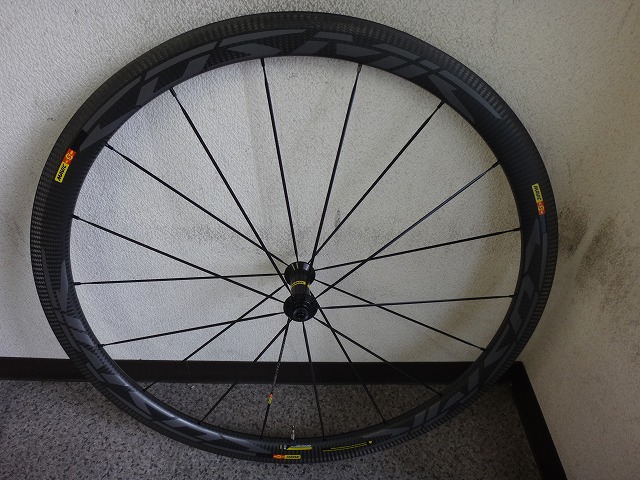
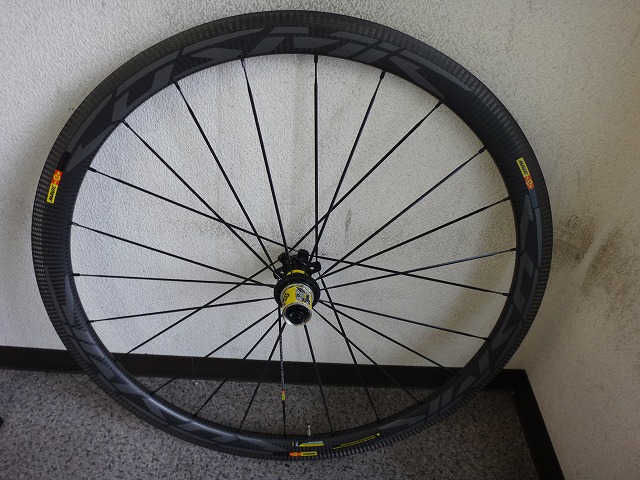
I'll throw in another set of the same wheels from a different job, since I worked on it in front of the customer and didn't necessarily need to document it in an article.
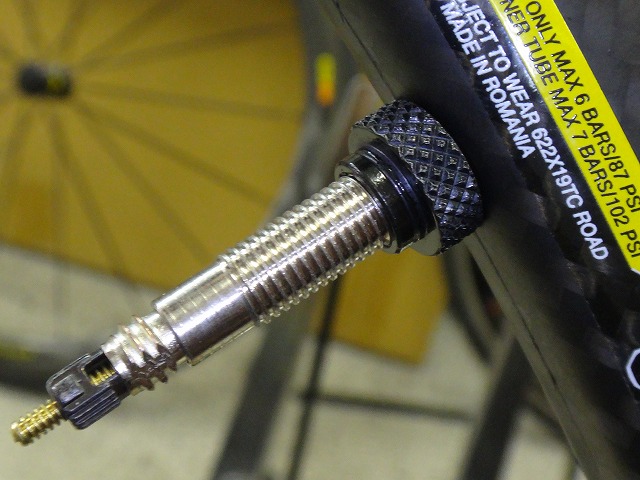
I originally planned to write about the half-thread valve in this image.
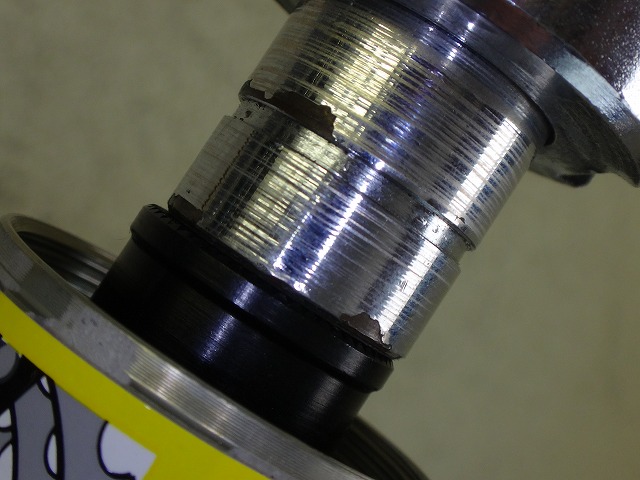
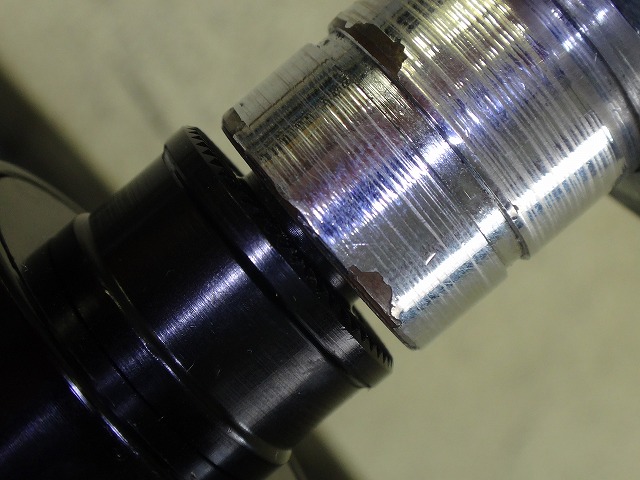
The rear wheel was off-center, and the freebody is Shimano-compatible.
I centered it.
The front wheel was perfectly centered with virtually no runout.
What I wanted to write about is the black tape on Mavic rims (especially aluminum rims) that hides the coarse joint seams.
Normally it's applied at the phase opposite the valve hole, but on UST models it's applied near the valve hole phase. I wondered why, and it turns out this tape is applied over the end of the tubeless-ready rim tape (probably to prevent peeling). I don't think it would peel without it, but whether this tape is present or absent tells you if the tape has been changed from the factory state.
In the image above, you probably can't tell whether it's a rim tape seam or not, so
here's another example.
This is a Mavic MTB wheel, and
↑it's applied like this.
The black tape appears to be the same one used on road rims. On road rims, the tape width is nearly the same as the rim width, but on MTB rims it's narrower relative to the rim width.