A customer brought in the front wheel of a ZIPP 404 (aerodynamic road wheel) for repair.
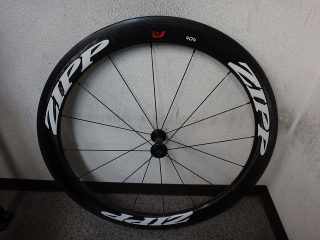
It wasn't that a spoke broke—rather, a nipple fractured.
I had done a repair on this a while back (didn't post it here), and at that time I told the customer,
"Sapim's 14mm nipples break pretty easily, so I'm going to swap them out for DT's 12mm aluminum nipples."
But I'd forgotten—this is actually the third time, and all three times I've said the exact same thing.
So basically, I've been making the same decision every single time.
On the third occurrence, the nipple failed out on Awaji Island, and since losing a spoke on a 16-hole wheel makes it impossible to ride,
the customer had to get a taxi home.
The DT nipples I replaced are still intact, but there's no denying
there's still a possibility the remaining 13 Sapim nipples could fail the same way
(and honestly, it feels like the odds are getting worse),
so I decided to replace all the nipples.
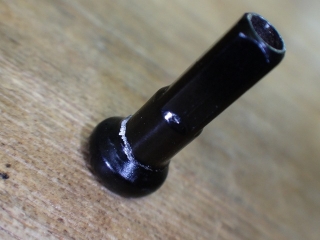
↑This is a similar case from a different wheel, and Sapim nipples tend to
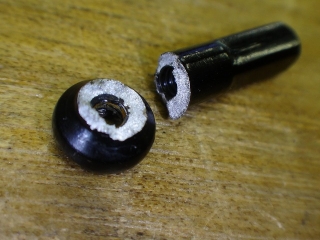
fracture like this quite often.
From my experience, it happens way more frequently than with DT—no question about that.
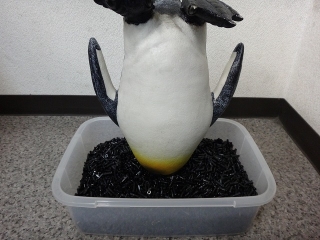
Sapim's CX-RAY comes with 14mm aluminum nipples matched to spoke color,
but I don't use either of those. If you only build a wheel or two, you won't notice,
but once you've built 100, 200 wheels, you learn the hard way.
My unused nipples have piled up enough that this mysterious yellow radish (storage container) stands on its own.
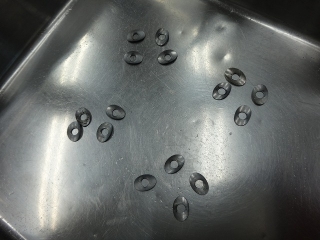
Jumping ahead chronologically, ZIPP wheels from this era came with nipple washers.
They stick slightly to a magnet, so I assume they're some kind of stainless steel,
but the inner rim bore isn't thick enough to build without them.
The sharp edges around these washer holes—could that be causing nipple fractures at the sliding surface?
No, it doesn't look like that's the case.
If it were, we'd need to deburr these washers.
But the washer definitely isn't conforming to the radius of the nipple's rim contact surface.
Another possibility is that galvanic corrosion between the washer and aluminum nipple
is accelerating failure.
The spoke length on the 404 is slightly short,
with the spoke ends almost flush with the nipple slot.
This could be a factor too.
The 16-hole configuration isn't unrelated either.
If it were 20-hole, spoke breaks and nipple failures would drop dramatically.
I'm certain about this from experience.
I don't think the cause is a single factor—rather, it seems like a combination of conditions
all aligning that results in "frequent nipple fractures."
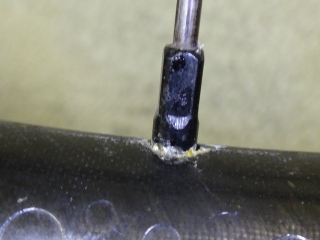
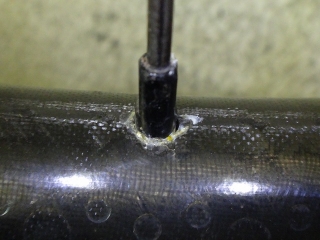
Same nipple from different angles.
There's some white powder appearing on it though...
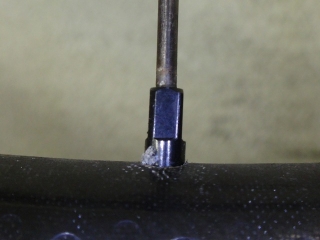
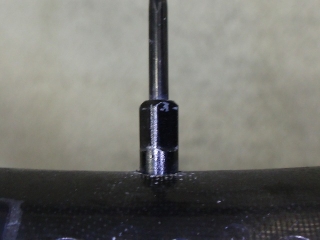
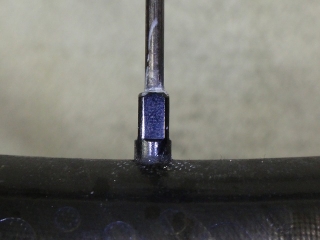
↑These are the DT 12mm aluminum nipples I replaced earlier.
Next time something breaks, it probably won't be these—it'll be the remaining Sapim ones.
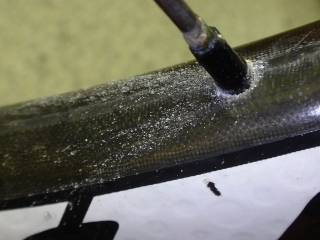
As I carefully disassembled it, white powder kept flaking out.
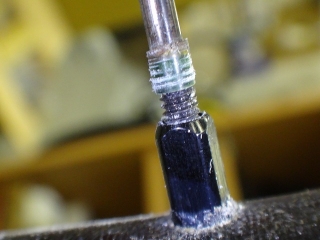
Plus, there was a heavy application of threadlocker that was almost caked on—
so caked that I had to disassemble it extremely carefully.
It feels almost miraculous that I didn't twist even a single spoke flat.
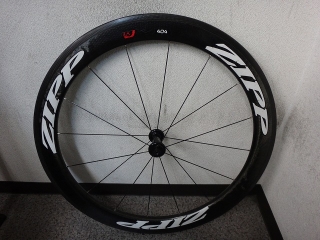
Got it rebuilt.
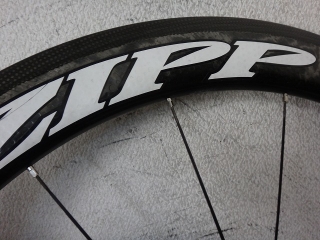
I went with brass nipples instead.
I've also done a few other preventative measures,
so while I can't say "never," I'm pretty confident nipple fractures won't happen again going forward.
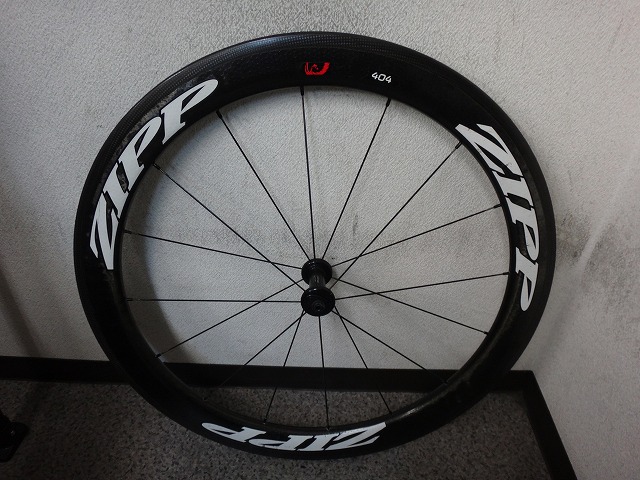
It wasn't that a spoke broke—rather, a nipple fractured.
I had done a repair on this a while back (didn't post it here), and at that time I told the customer,
"Sapim's 14mm nipples break pretty easily, so I'm going to swap them out for DT's 12mm aluminum nipples."
But I'd forgotten—this is actually the third time, and all three times I've said the exact same thing.
So basically, I've been making the same decision every single time.
On the third occurrence, the nipple failed out on Awaji Island, and since losing a spoke on a 16-hole wheel makes it impossible to ride,
the customer had to get a taxi home.
The DT nipples I replaced are still intact, but there's no denying
there's still a possibility the remaining 13 Sapim nipples could fail the same way
(and honestly, it feels like the odds are getting worse),
so I decided to replace all the nipples.

↑This is a similar case from a different wheel, and Sapim nipples tend to

fracture like this quite often.
From my experience, it happens way more frequently than with DT—no question about that.
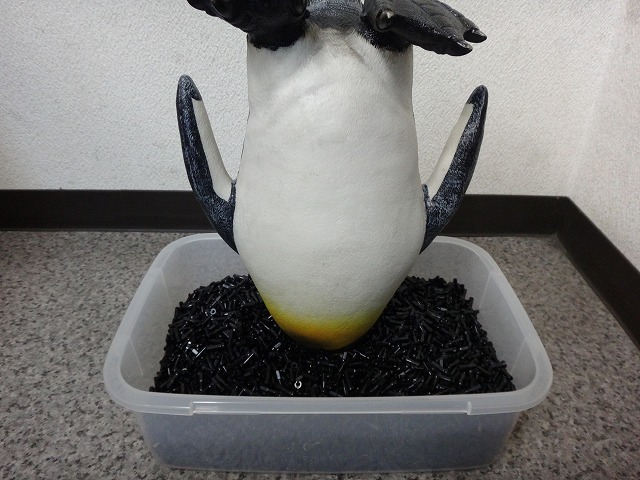
Sapim's CX-RAY comes with 14mm aluminum nipples matched to spoke color,
but I don't use either of those. If you only build a wheel or two, you won't notice,
but once you've built 100, 200 wheels, you learn the hard way.
My unused nipples have piled up enough that this mysterious yellow radish (storage container) stands on its own.
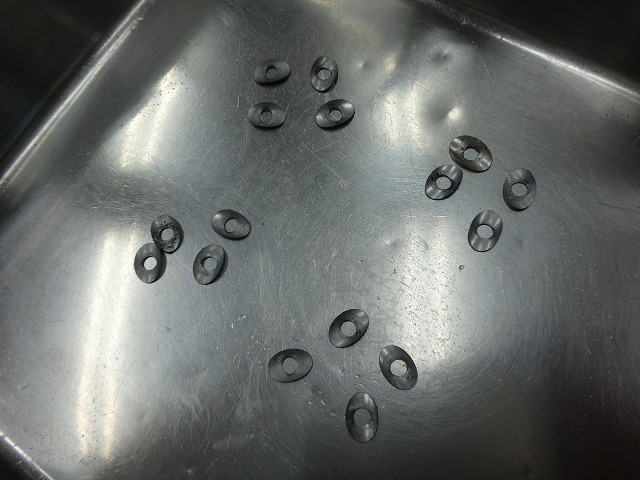
Jumping ahead chronologically, ZIPP wheels from this era came with nipple washers.
They stick slightly to a magnet, so I assume they're some kind of stainless steel,
but the inner rim bore isn't thick enough to build without them.
The sharp edges around these washer holes—could that be causing nipple fractures at the sliding surface?
No, it doesn't look like that's the case.
If it were, we'd need to deburr these washers.
But the washer definitely isn't conforming to the radius of the nipple's rim contact surface.
Another possibility is that galvanic corrosion between the washer and aluminum nipple
is accelerating failure.
The spoke length on the 404 is slightly short,
with the spoke ends almost flush with the nipple slot.
This could be a factor too.
The 16-hole configuration isn't unrelated either.
If it were 20-hole, spoke breaks and nipple failures would drop dramatically.
I'm certain about this from experience.
I don't think the cause is a single factor—rather, it seems like a combination of conditions
all aligning that results in "frequent nipple fractures."
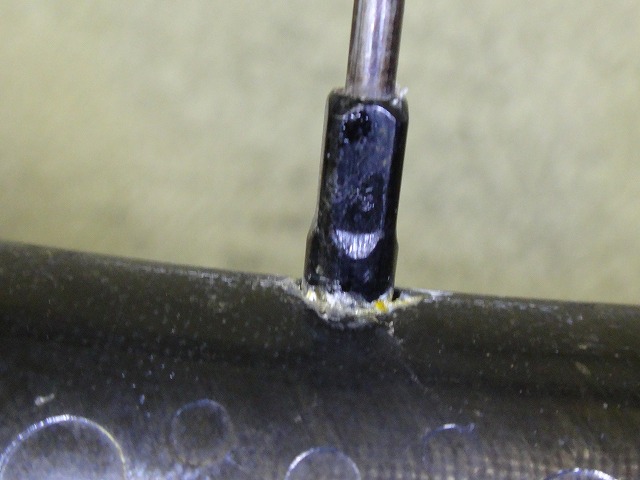
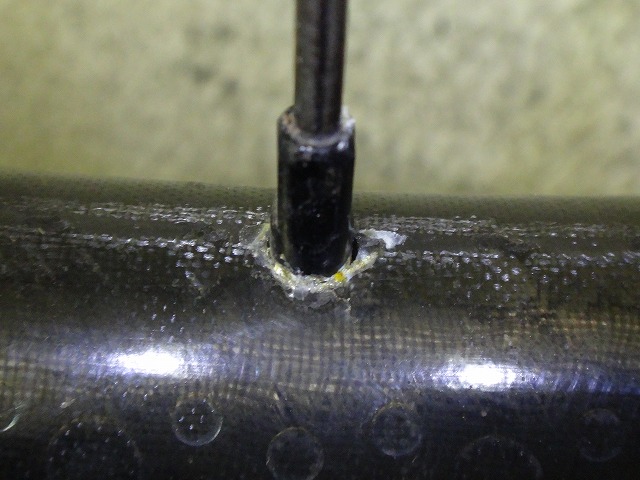
Same nipple from different angles.
There's some white powder appearing on it though...
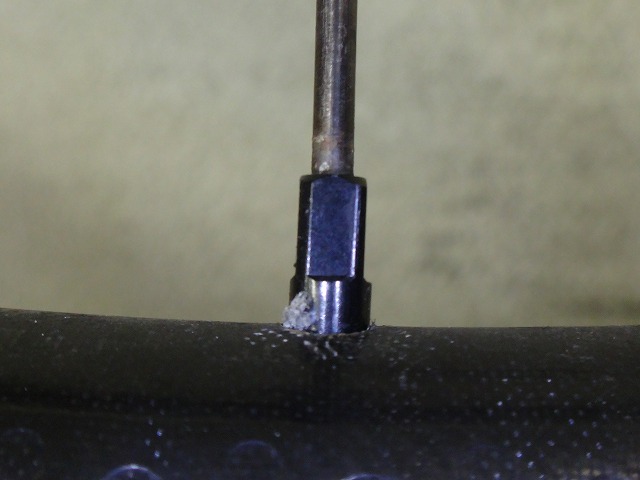
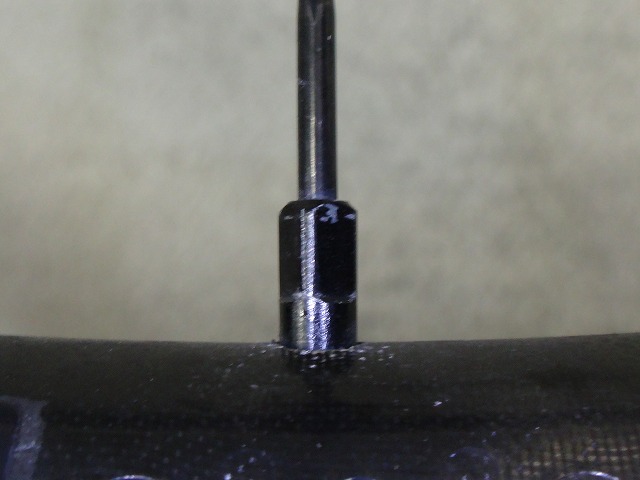
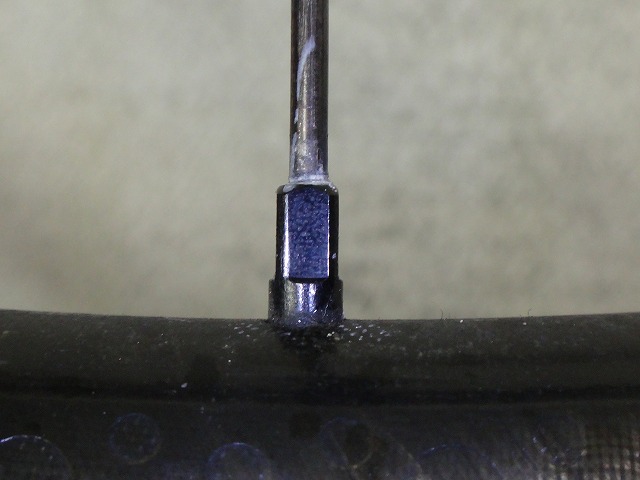
↑These are the DT 12mm aluminum nipples I replaced earlier.
Next time something breaks, it probably won't be these—it'll be the remaining Sapim ones.
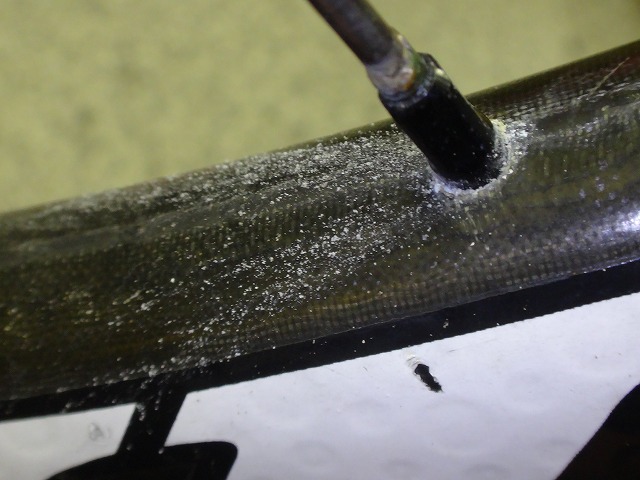
As I carefully disassembled it, white powder kept flaking out.
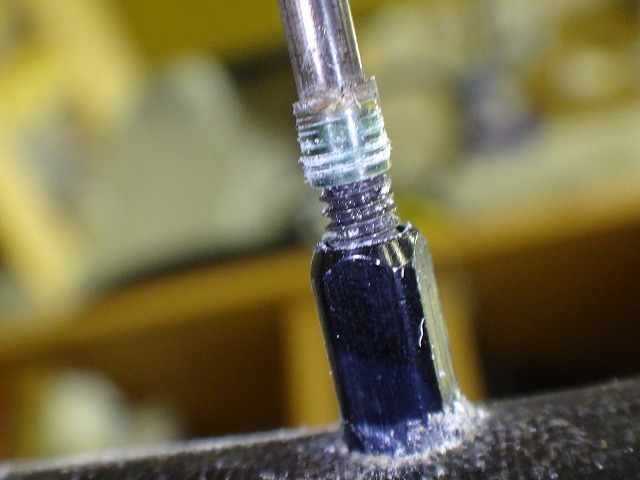
Plus, there was a heavy application of threadlocker that was almost caked on—
so caked that I had to disassemble it extremely carefully.
It feels almost miraculous that I didn't twist even a single spoke flat.
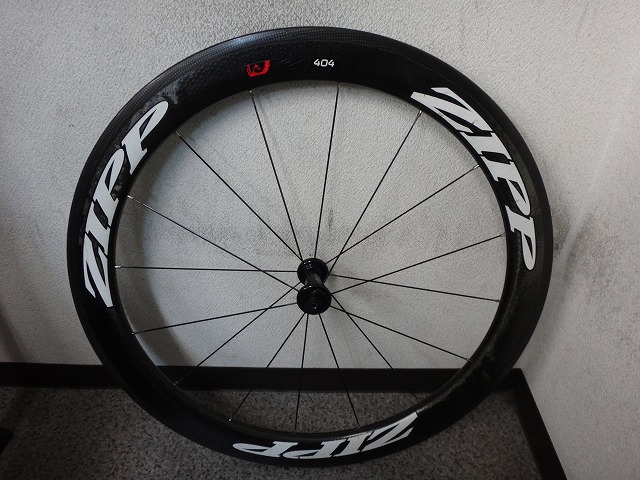
Got it rebuilt.

I went with brass nipples instead.
I've also done a few other preventative measures,
so while I can't say "never," I'm pretty confident nipple fractures won't happen again going forward.