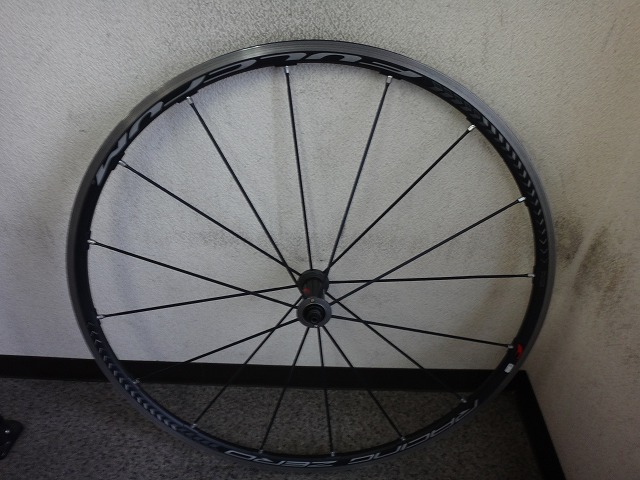
I received a Racing Zero from a customer.

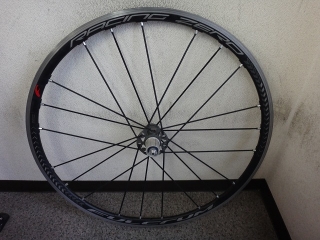
It wasn't brought in for inspection, but rather as wheels for component assembly from the frame,
though since we have no inspection history on this one, I decided to take a look at it.
The reason is I don't want to adjust the brakes on a wheel whose centering isn't confirmed.
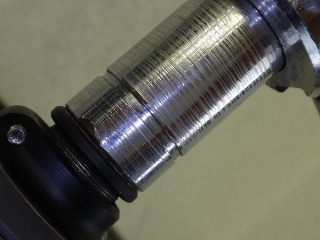
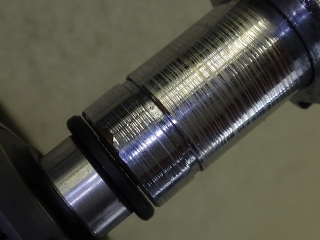
The rim is off to the right by about a sheet's thickness. In cases like this,
as long as there's no sudden large wobble at some point,
you can take care of fine wobble by tightening the nipples on the left side
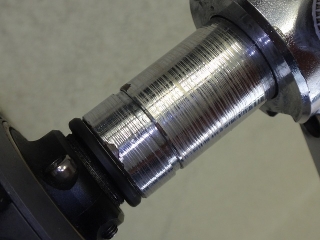
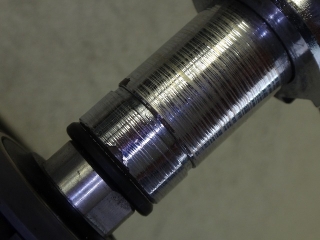
and the center comes out naturally. If you overdo it, it shifts to the opposite side though.
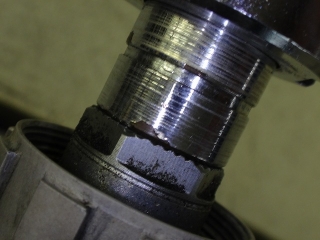

Next, the rear wheel.
There's a slight centering deviation, but the direction isn't consistent with age-related drift,
so either it was off from the start or there's a history of truing without a centering gauge.
That's fine though—the hub axle rotation sounds rough and grinding.
This might have been opening a can of worms.

The bearing on the outside of the freehub body looks dead.
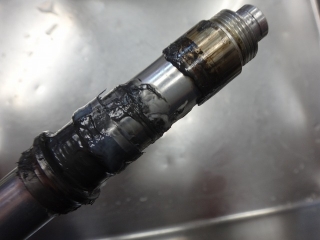
Rust was eating into the freehub body and it wouldn't come off, so I removed the freehub body axle from the hub shell
and drove out the freehub body from the inside.
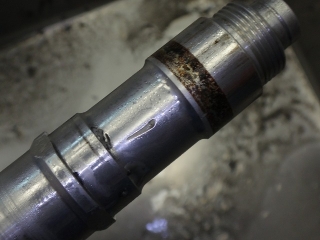
There's secondary rust just below the outer bearing.
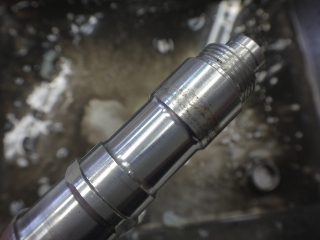
Skipping ahead in the timeline a bit, I wiped down the rust spots with abrasive.
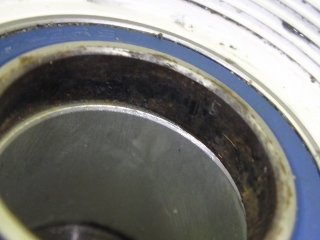
I replaced the bearing on the freehub body
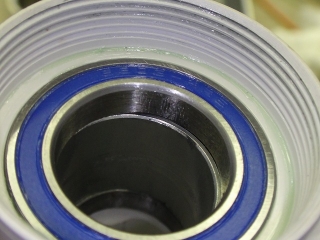
.
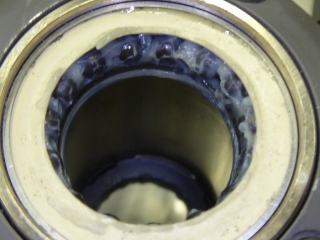
The bearing on the left side of the hub shell had no grease contamination,

but on the right side, dirty grease from around the ratchet had seeped in,
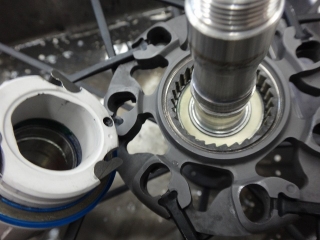
so in the end I had to do a full hub overhaul.
I also cleaned around the flanges.
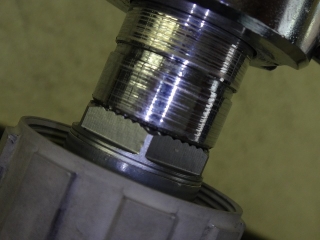
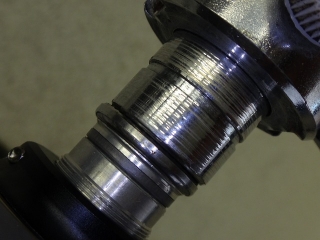
I did the truing and centering.
By installing the tire, tube, and sprocket,
I can get the frame set floating in the air.
And from here on, the work made absolutely no progress.
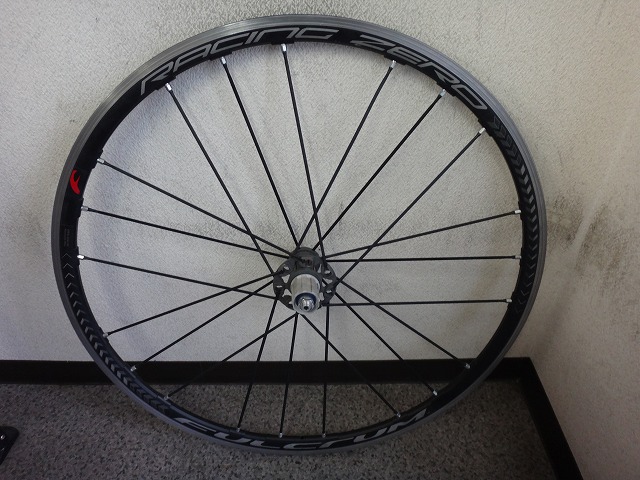
It wasn't brought in for inspection, but rather as wheels for component assembly from the frame,
though since we have no inspection history on this one, I decided to take a look at it.
The reason is I don't want to adjust the brakes on a wheel whose centering isn't confirmed.

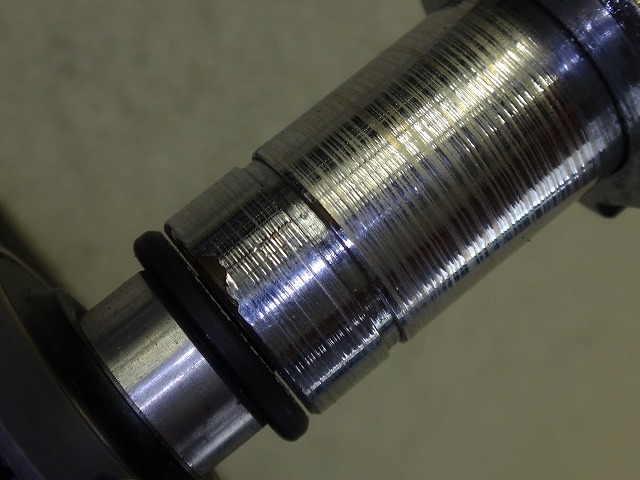
The rim is off to the right by about a sheet's thickness. In cases like this,
as long as there's no sudden large wobble at some point,
you can take care of fine wobble by tightening the nipples on the left side


and the center comes out naturally. If you overdo it, it shifts to the opposite side though.
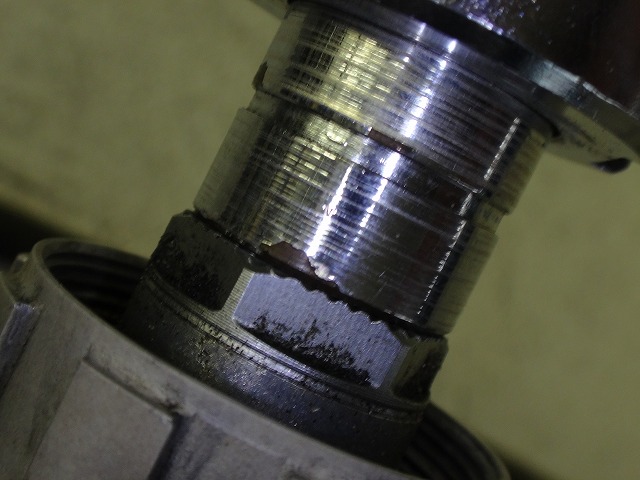

Next, the rear wheel.
There's a slight centering deviation, but the direction isn't consistent with age-related drift,
so either it was off from the start or there's a history of truing without a centering gauge.
That's fine though—the hub axle rotation sounds rough and grinding.
This might have been opening a can of worms.

The bearing on the outside of the freehub body looks dead.
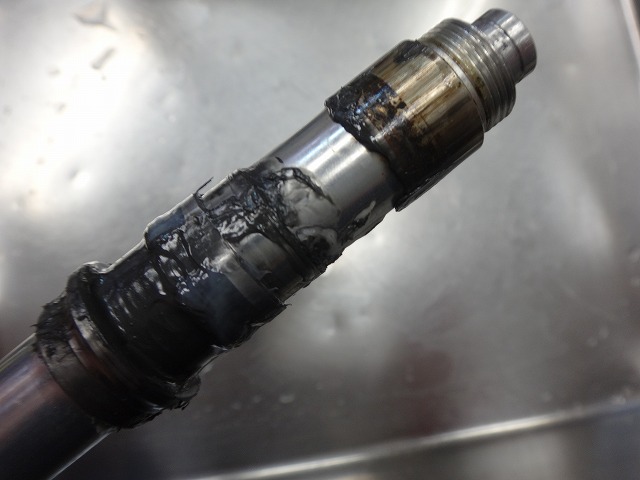
Rust was eating into the freehub body and it wouldn't come off, so I removed the freehub body axle from the hub shell
and drove out the freehub body from the inside.
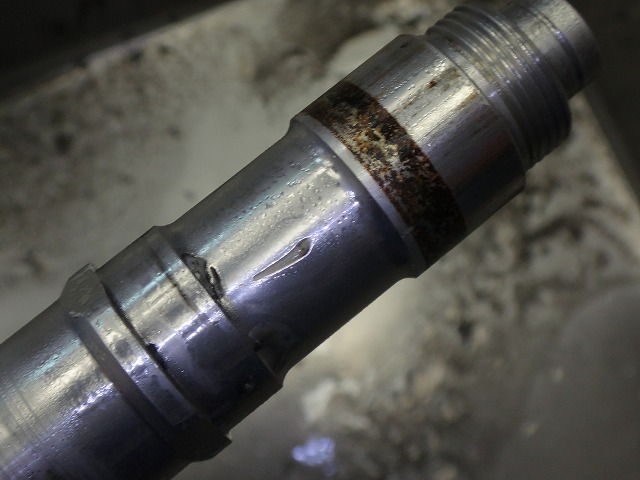
There's secondary rust just below the outer bearing.
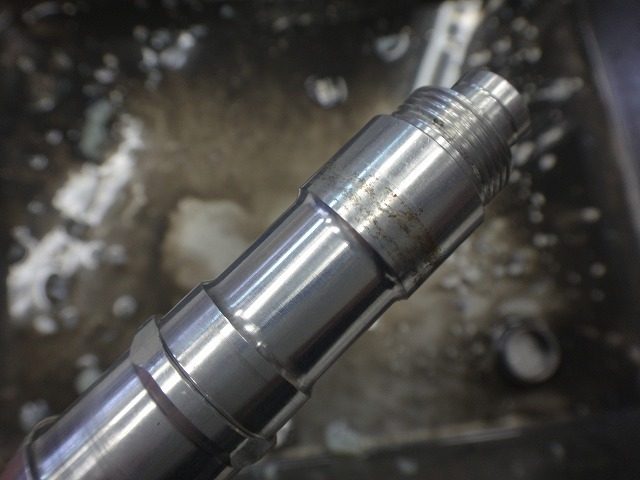
Skipping ahead in the timeline a bit, I wiped down the rust spots with abrasive.
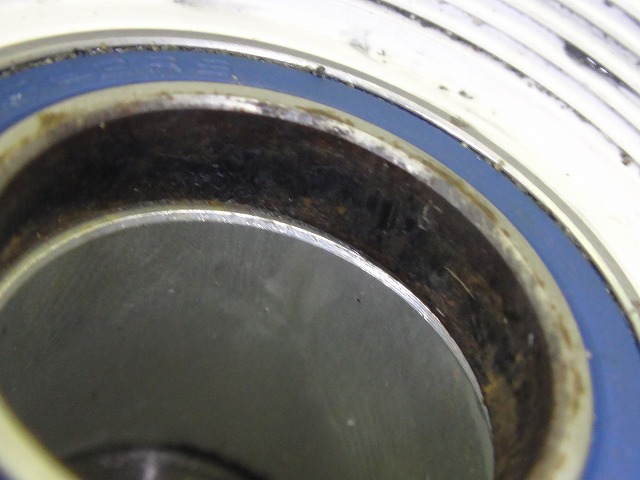
I replaced the bearing on the freehub body
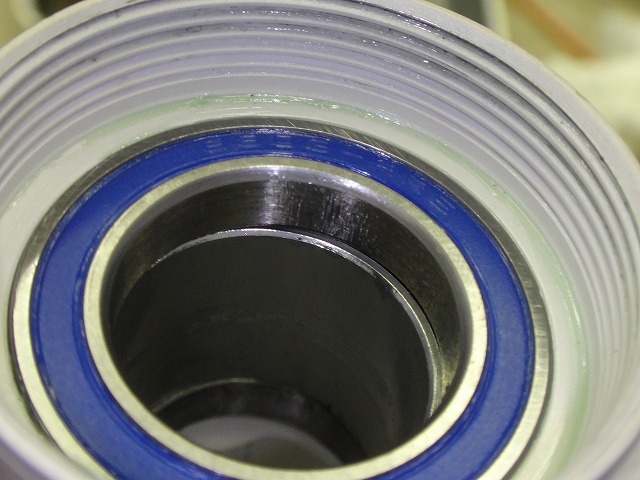
.
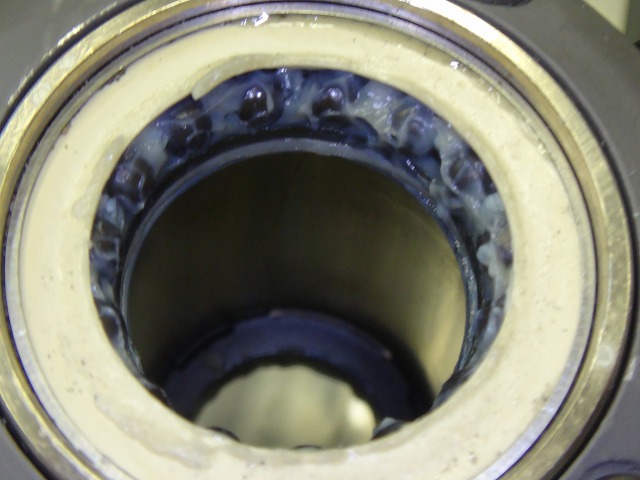
The bearing on the left side of the hub shell had no grease contamination,
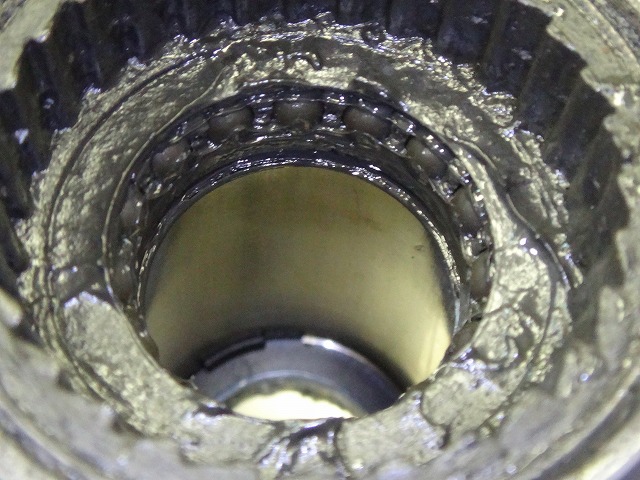
but on the right side, dirty grease from around the ratchet had seeped in,
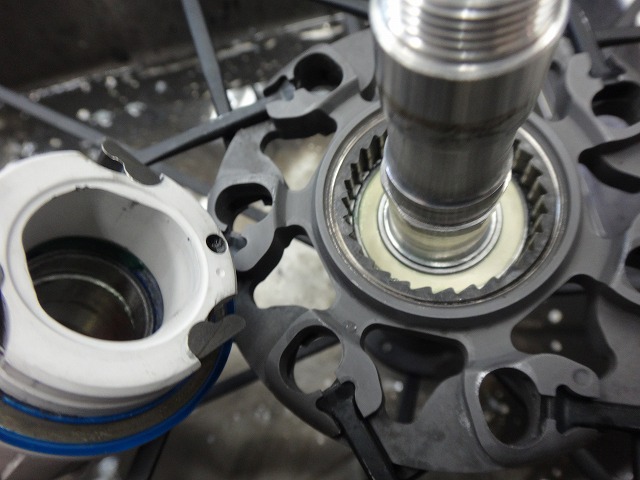
so in the end I had to do a full hub overhaul.
I also cleaned around the flanges.

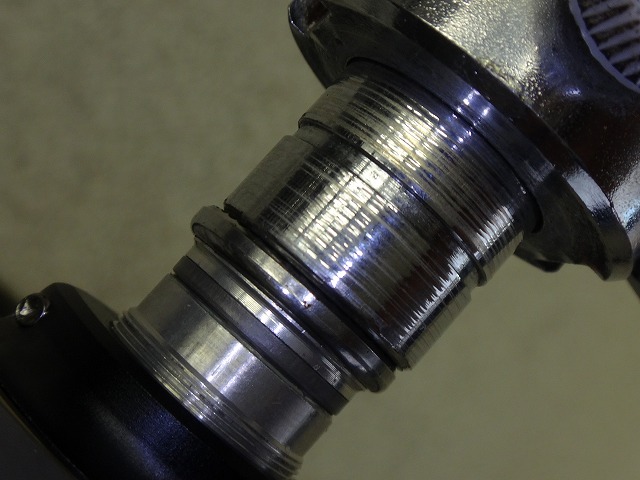
I did the truing and centering.
By installing the tire, tube, and sprocket,
I can get the frame set floating in the air.