Another day of wheel work (etc.).
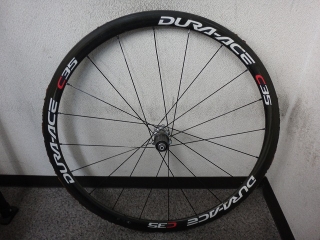
I received a rear wheel with a carbon tubular rim from a customer's 7900 C35.
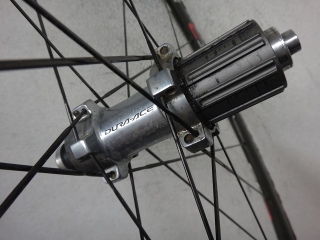
They wanted me to swap out the 10-speed rear hub and convert it to 11-speed.
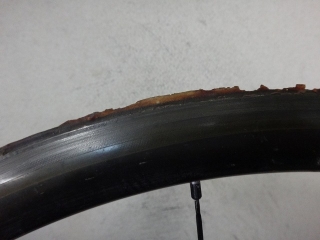
The rim cement bed is quite thick, which is good in itself,
but the buildup on the rim's edge would get in the way of truing,
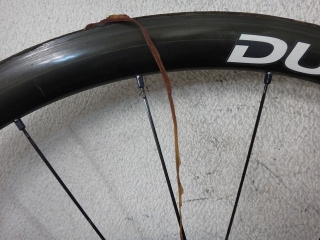
so I scrape it off before disassembling the wheel.

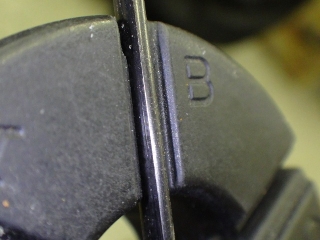
With the Campagnolo/Fulcrum flat spoke wrench's B-groove,
the freewheel-side spokes don't fit in the groove,
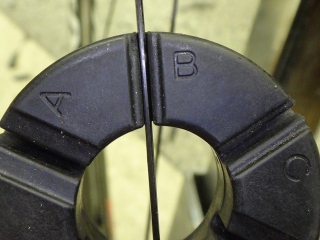
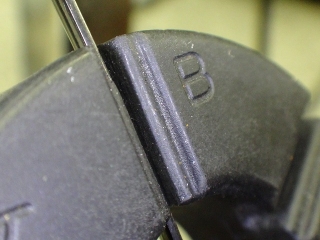
but the non-freewheel side spokes do.
That's because they use different diameter spokes left and right.
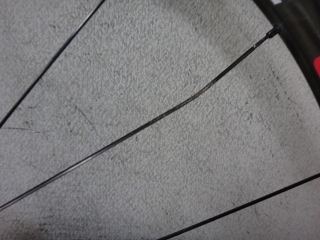
I found a spoke on the non-freewheel side that was noticeably bent,
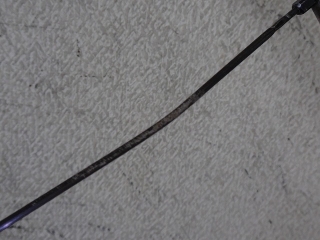
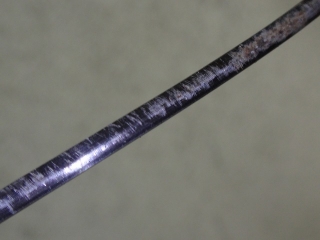
and it had corresponding impact damage.
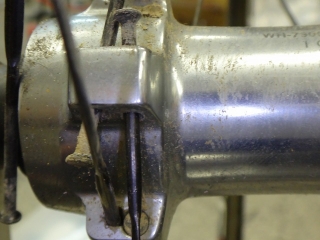
The spokes on both sides are straight spokes with a "pass-through" design,
but this time for specific reasons I temporarily

threaded the removed spokes into the nipples.
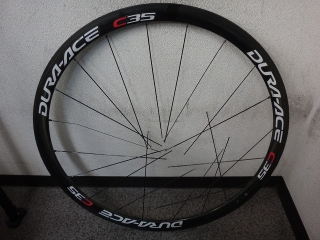
Disassembled.
With the rim and hub separated like this,
building it from here satisfies the condition of "another day of wheel work (etc.)".
From this point on...
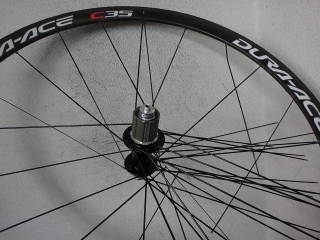
I interweave the new hub and spokes.
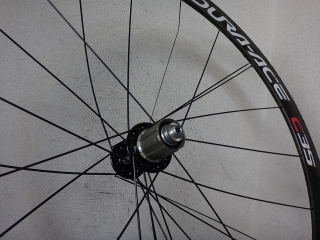
The nipples are a non-standard special size, so I reuse them.
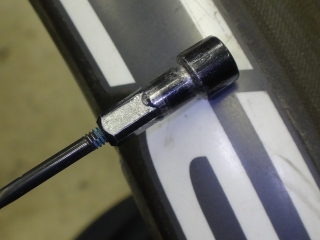
When removing the original spokes, they were abnormally tight,
and one nipple's threading wouldn't accept any more spoke,
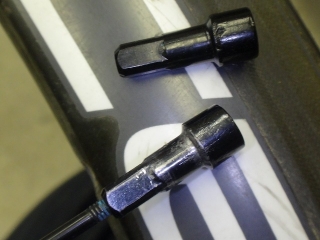
so I replaced just that one.
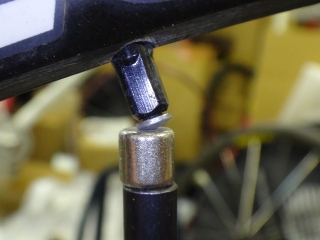
I removed the old nipple through the valve hole
and insert the new nipple through the valve hole, fishing it in with a magnet.
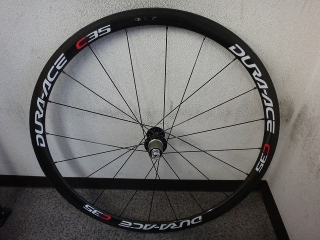
Built.
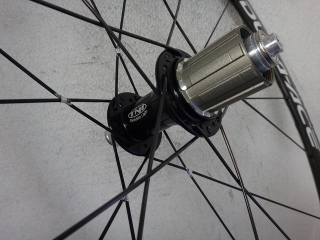
Black half-champions 2-cross pattern with spoke crossing.
The reason I went through this complicated rebuild process is that
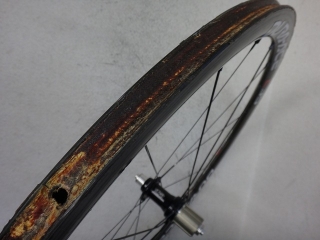
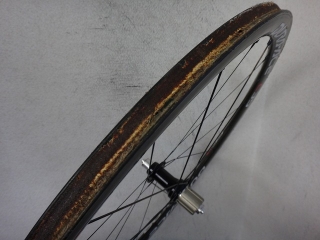
the rim cement bed was so thick that virtually all the holes except the valve hole were sealed up.
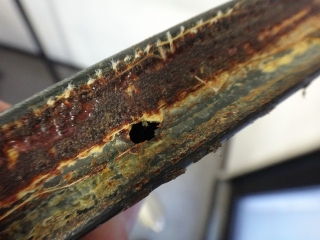
↑There are places like this, but it is technically possible to drill through all 20 holes to feed the nipples through from the outside normally.
The reason I didn't do that was partly that I wanted to preserve the cement bed,
but mainly that I knew from experience that drilling holes creates leftover rim cement debris that falls inside the rim,
and retrieving it is quite labor-intensive.
In comparison, the "hub relocation method" with provisional assembly isn't that much work at all.

I received a rear wheel with a carbon tubular rim from a customer's 7900 C35.
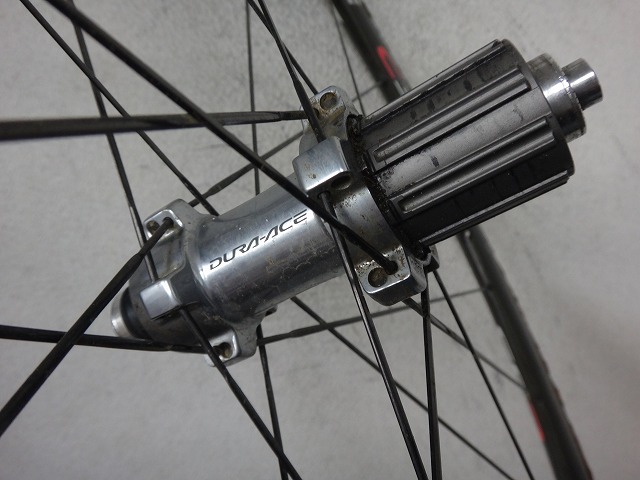
They wanted me to swap out the 10-speed rear hub and convert it to 11-speed.
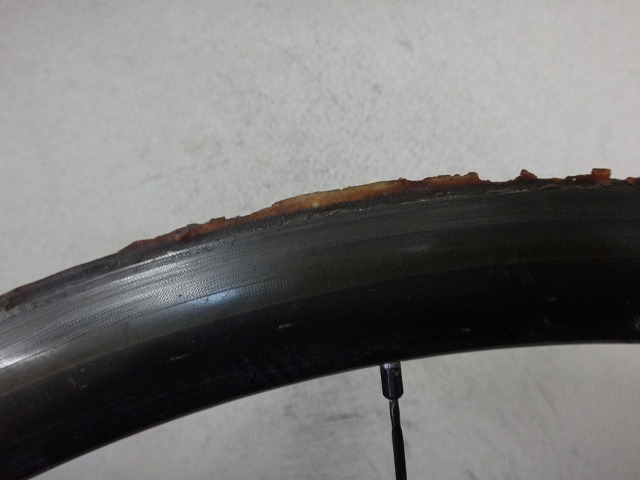
The rim cement bed is quite thick, which is good in itself,
but the buildup on the rim's edge would get in the way of truing,
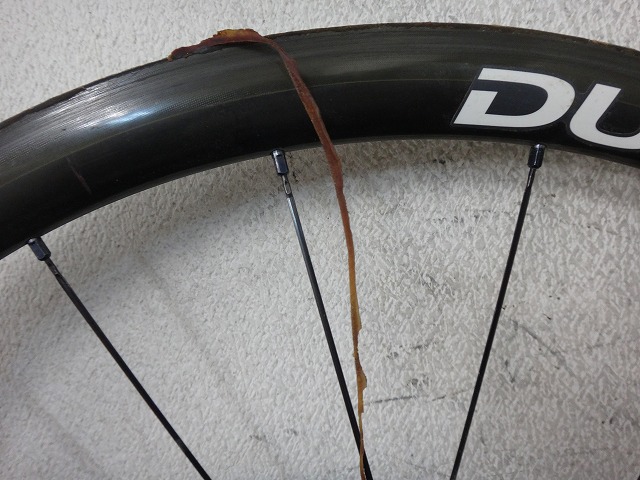
so I scrape it off before disassembling the wheel.

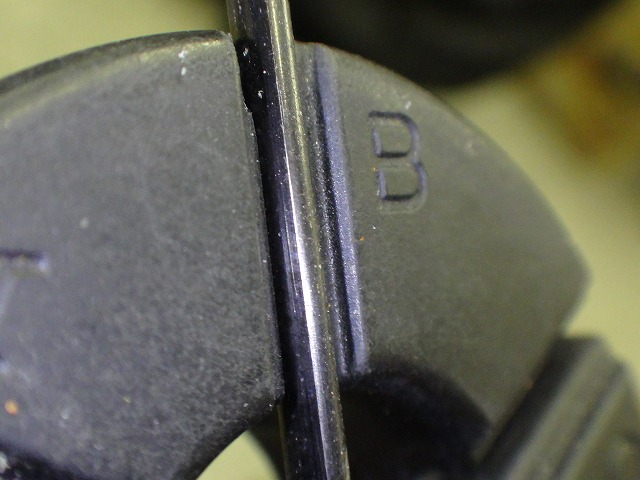
With the Campagnolo/Fulcrum flat spoke wrench's B-groove,
the freewheel-side spokes don't fit in the groove,

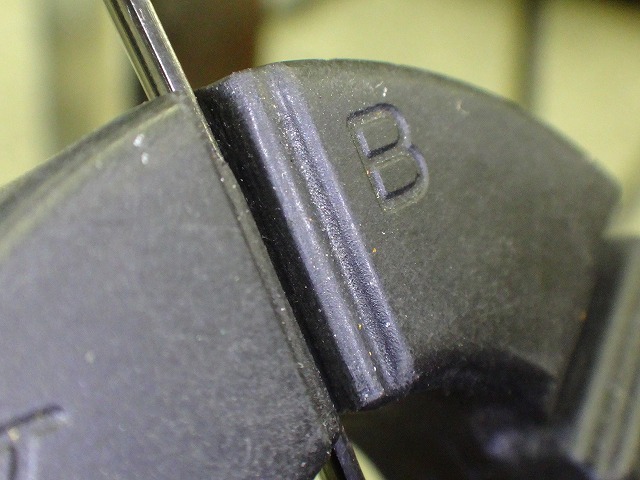
but the non-freewheel side spokes do.
That's because they use different diameter spokes left and right.
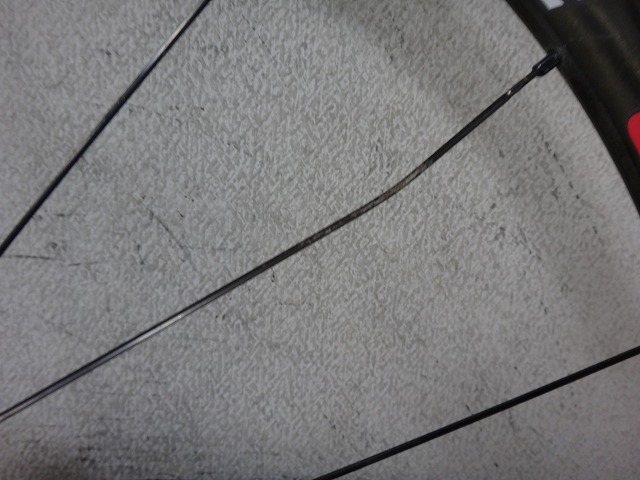
I found a spoke on the non-freewheel side that was noticeably bent,
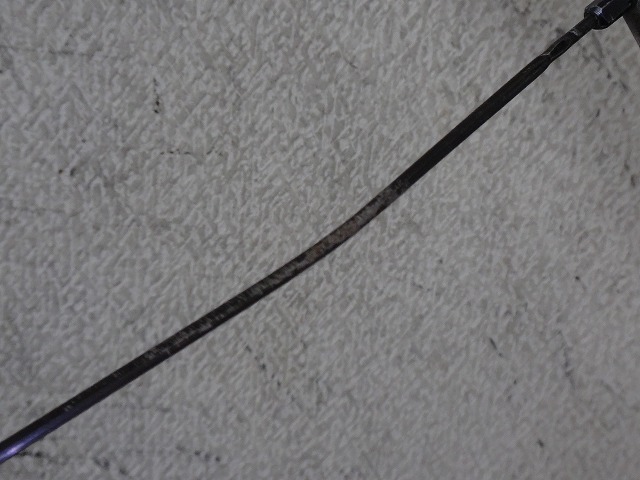
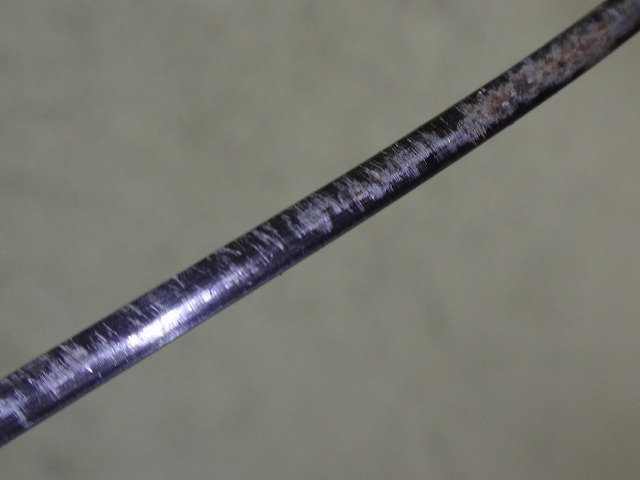
and it had corresponding impact damage.
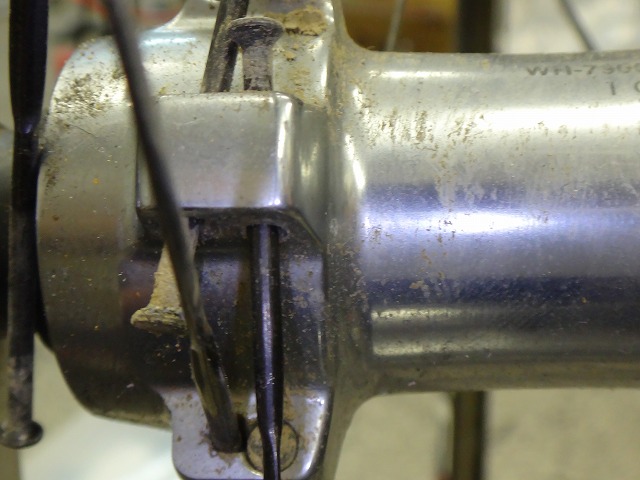
The spokes on both sides are straight spokes with a "pass-through" design,
but this time for specific reasons I temporarily

threaded the removed spokes into the nipples.
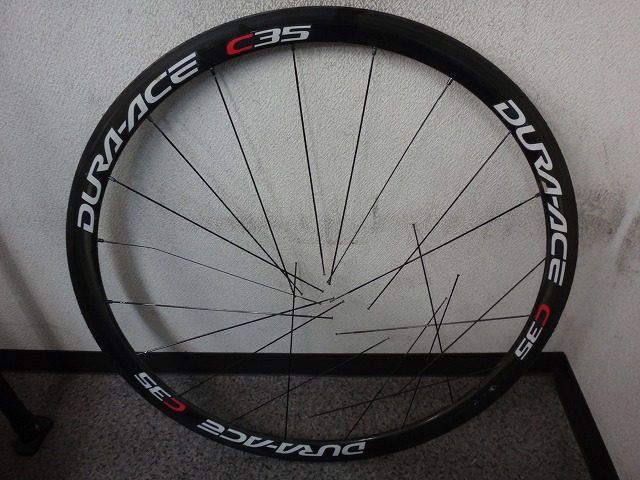
Disassembled.
With the rim and hub separated like this,
building it from here satisfies the condition of "another day of wheel work (etc.)".
From this point on...

I interweave the new hub and spokes.
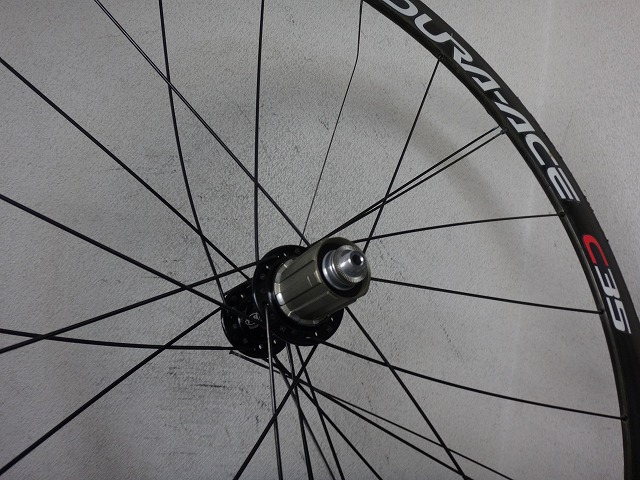
The nipples are a non-standard special size, so I reuse them.

When removing the original spokes, they were abnormally tight,
and one nipple's threading wouldn't accept any more spoke,

so I replaced just that one.
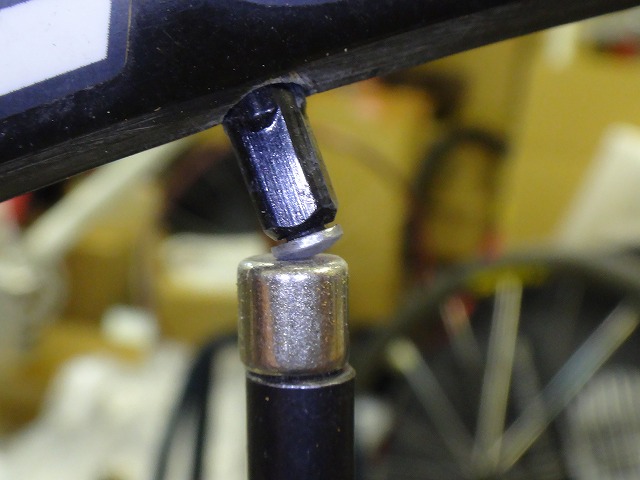
I removed the old nipple through the valve hole
and insert the new nipple through the valve hole, fishing it in with a magnet.

Built.

Black half-champions 2-cross pattern with spoke crossing.
The reason I went through this complicated rebuild process is that
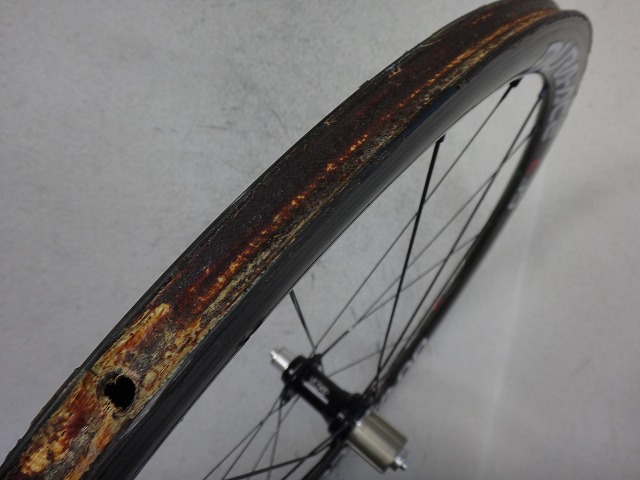
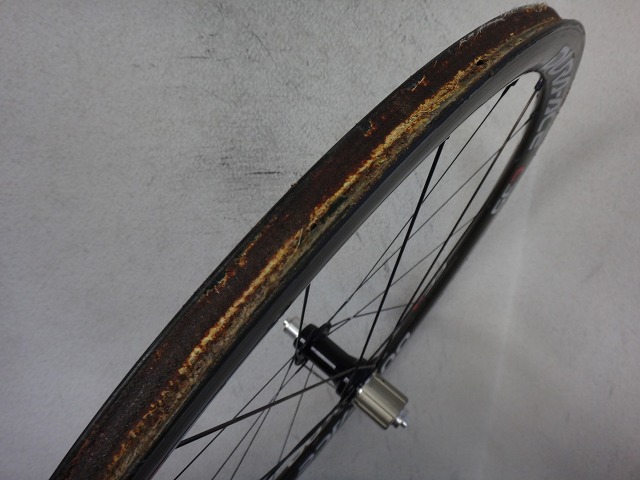
the rim cement bed was so thick that virtually all the holes except the valve hole were sealed up.

↑There are places like this, but it is technically possible to drill through all 20 holes to feed the nipples through from the outside normally.
The reason I didn't do that was partly that I wanted to preserve the cement bed,
but mainly that I knew from experience that drilling holes creates leftover rim cement debris that falls inside the rim,
and retrieving it is quite labor-intensive.
In comparison, the "hub relocation method" with provisional assembly isn't that much work at all.