It's wheels again today (and so on).
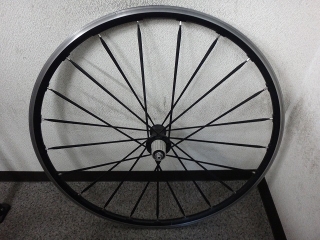
I received a rear wheel from a customer for the Racing 1.
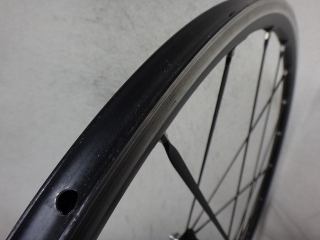
It's a tubular rim spec, which makes sense since this was the top model back then.
After the Racing Zero came out, the Racing 1 no longer came with tubular specs.
The Racing Zero tubular went up to the 2014 model year,
and in 2015 the Racing Zero Carbon tubular appeared
in the catalog, but this is a mysterious model.
I'll write about that tomorrow.
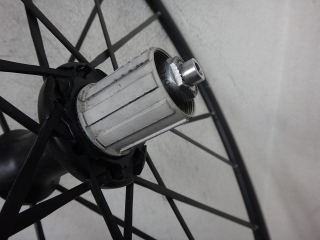
The freebody is the latest white aluminum Shimano 11-speed freebody,
but that was replaced afterward.
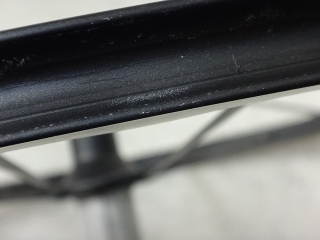
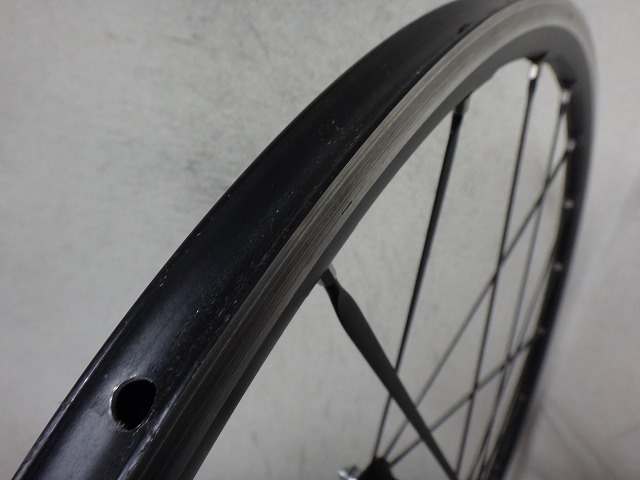
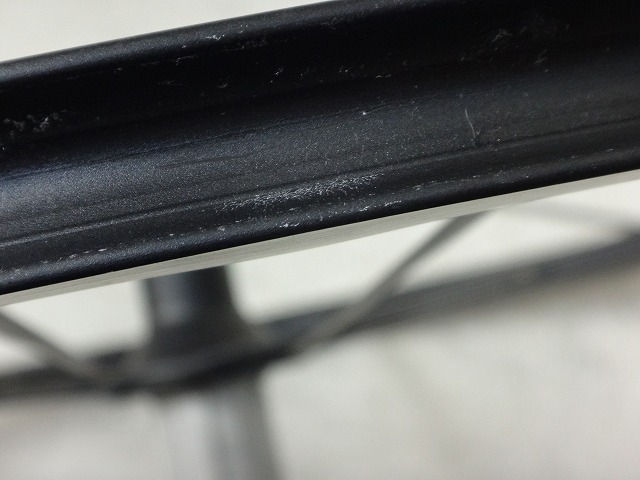
The rim has buckled and is deformed, whitened and wrinkled at one phase,
with a bulge visible in the brake zone area.

↑Meanwhile, at the unaffected phase
We decided to replace the rim, but
the original Racing 1 tubular rim is discontinued.
The original Racing Zero tubular rim is red,
and I looked up the part number for the later black rim/red spoke/black hub spec black rim
and ordered it, but that's also discontinued.
After consulting with the customer, we decided it would be okay to
rebuild it with a clincher rim.
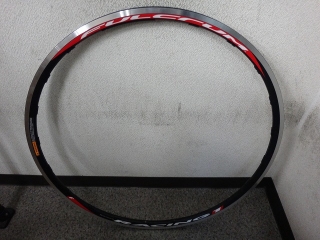
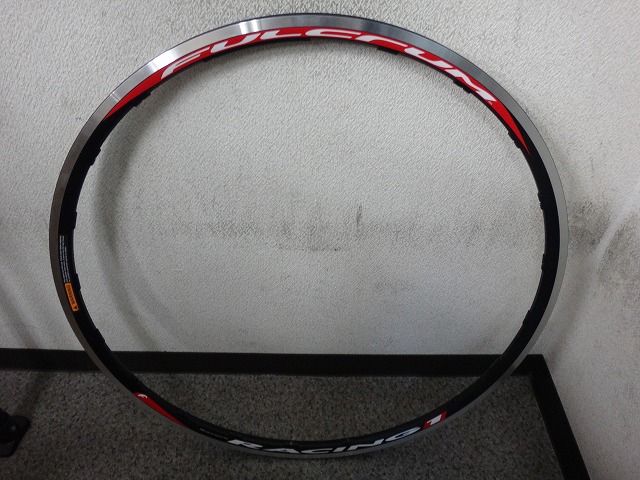
I ordered an original Racing 1 clincher rim.
Even if the generations differ slightly, rebuilding is possible,
but the rim holes can't be at the rest phase—they must be evenly spaced.
The original Racing 1 nipples have
a 5.5mm tool grip width and are brass nipples.
The original Racing Zero nipples have
a 6mm tool grip width and are aluminum nipples,
and since the rim hole diameter is subtly different, these are model-specific specs.
In other words, since the rims aren't shared, stickers are pre-applied from the factory.
Later on, the Racing Zero and 1 share the same rim,
but the hub body and bearing specs differ,
so the rim has no sticker and the Zero or 1 sticker is
applied afterward.
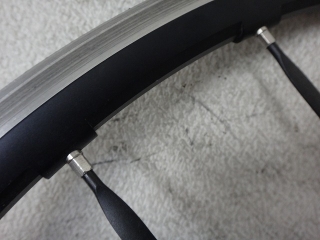
Well, this Racing 1 is actually not a retail version.
Whether it's a prototype or pro spec is unclear,
but the nipple size is different.
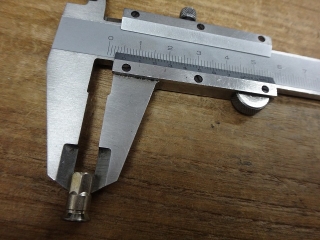
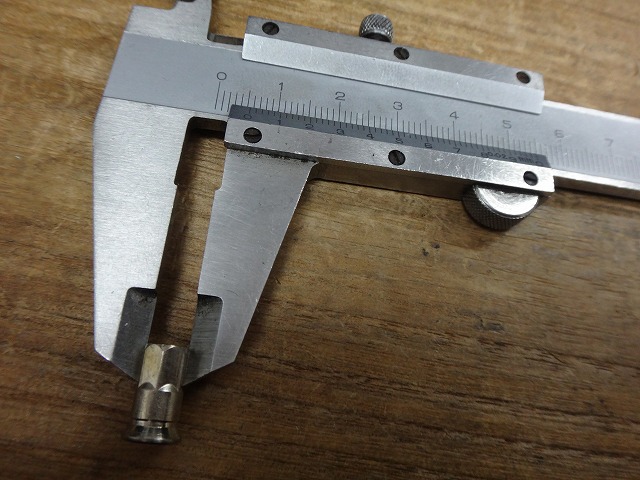
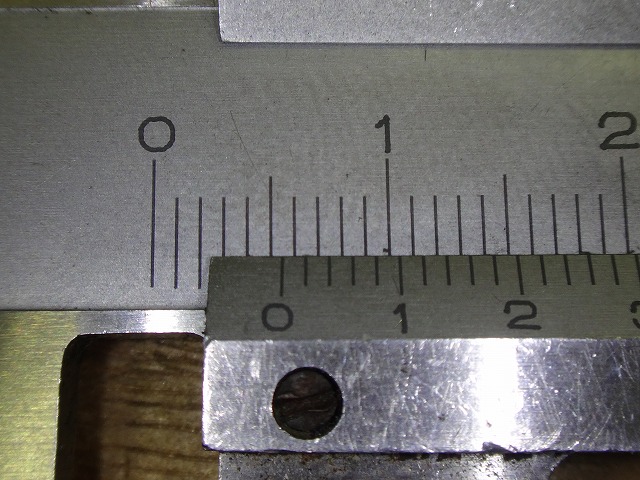
As I mentioned earlier, the original Racing 1 brass nipples
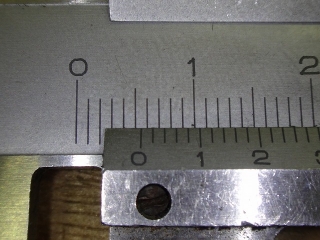
have a 5.5mm tool grip width,
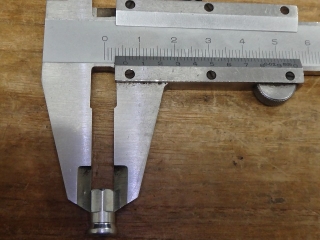
while later Racing 1 and Racing Zero aluminum nipples
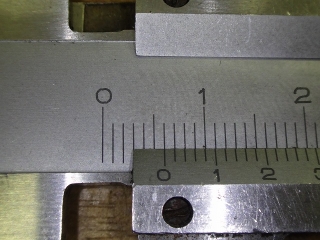
are 6mm,
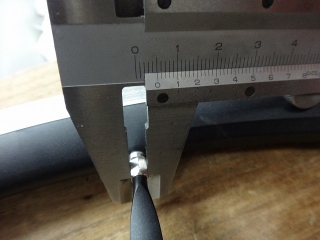
but on this Racing 1 prototype
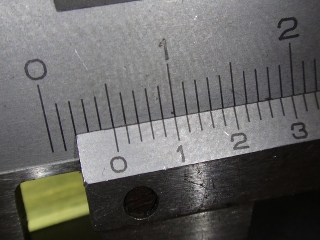
they're 5mm.
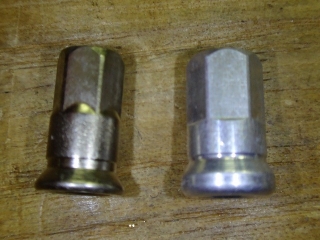
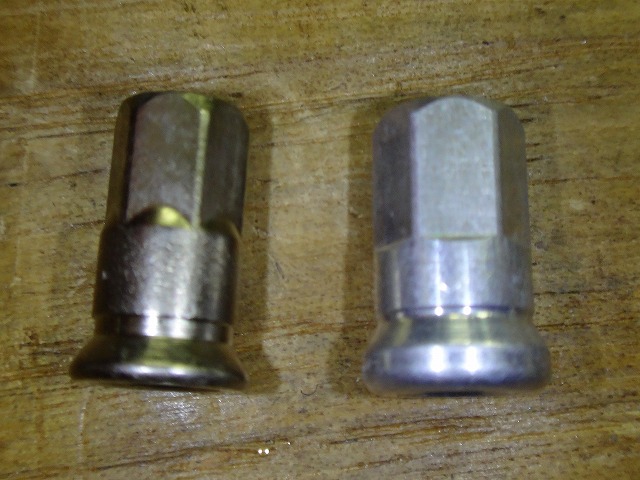
The retail brass and aluminum nipples also differ in the outer diameter
of the part that goes through the rim hole,
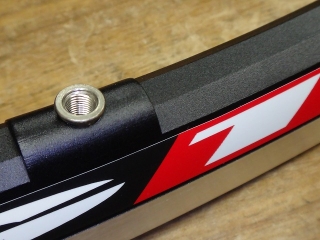
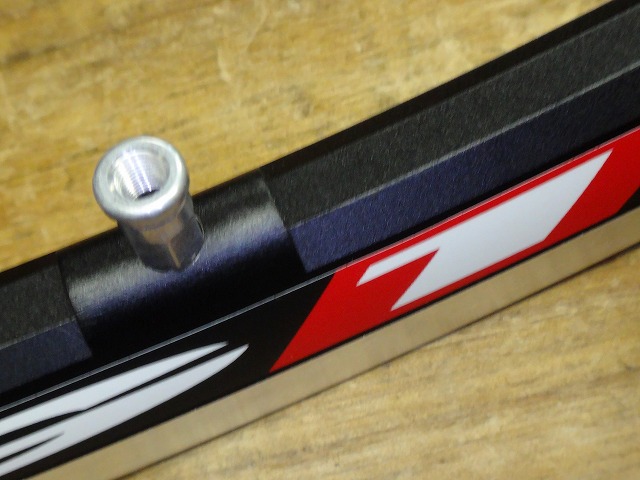
so the brass nipples fit through naturally,

but the aluminum nipples don't fit.
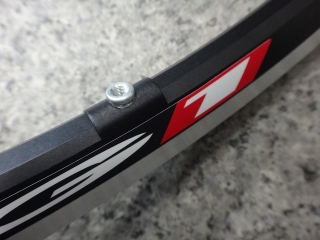
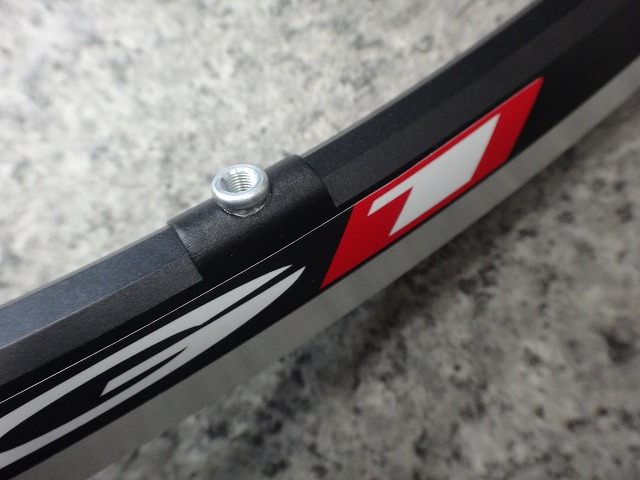
I machined it so the aluminum nipples would fit through (making it impossible to build with brass nipples),
creating a Racing 1 rim in that state.
The reason Racing 1 stopped using brass nipples isn't entirely clear.
There's no particular issue with rust from galvanic corrosion,
but the 5.5mm grip width is definitely very easy to strip.
Considering ease of future repairs,
it makes sense to go with aluminum nipple specs,
so I machined the rim.
These two nipples differ in outer dimensions,
but their internal thread diameter is the same.
This means that the black aluminum spokes of the Racing 1 and Zero are identical.

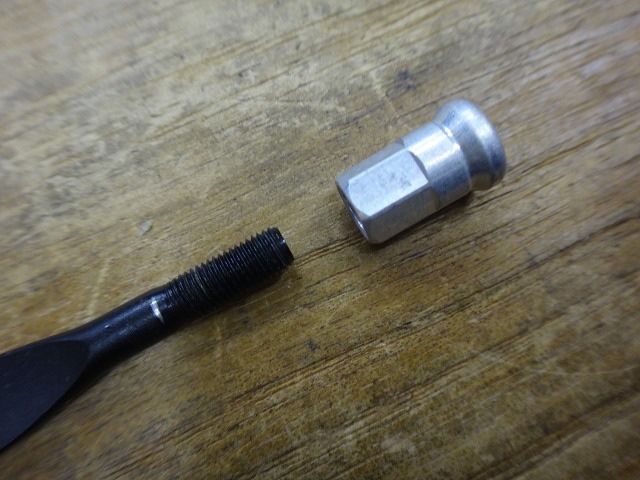
The spokes on the Racing 1 prototype, though...
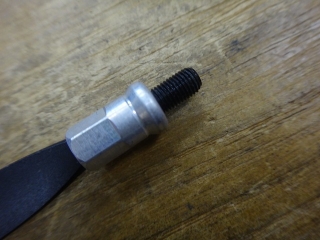
The thread doesn't catch the retail version nipple at all—
it just slides straight through. What?!
The Racing 1 prototype didn't just have special nipples, the spoke dimensions are also unique!
So I gave up on the rear wheel rim replacement for today.
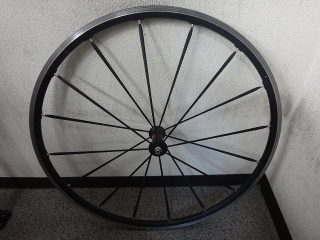
I also have the front wheel.
This is also a tubular rim,
but since just the rear wheel being clincher would be awkward to use,
the customer wants this rebuilt as a clincher rim too.
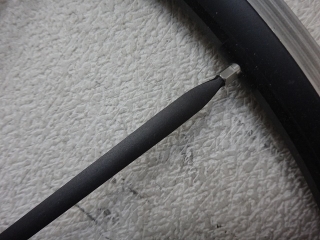
This one has brass nipples with a 5.5mm grip width, matching the retail version.
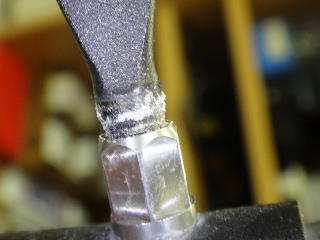
There were a few spots at risk of seizing,
but I was able to disassemble it cleanly without rounding the nipple corners at all.
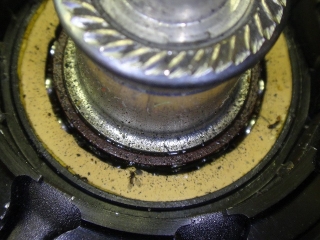
There's a gap in the bearing seal,
which was machined afterward.
It looks like they wanted completely non-contact, but considering the resistance reduction gained versus
the seal performance lost, the losses are greater.
There's no proper seal outside of this,
and as you can see, insects get in,
so you shouldn't deliberately create a gap in the bearing seal like this.
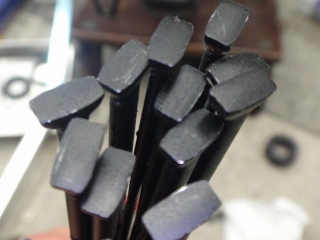
The spokes have no markings on the head.
Also, the corners are slightly rounded squares.
Even on this front wheel, while the nipple and spoke sizes are the same,
it might not be a completely retail product.
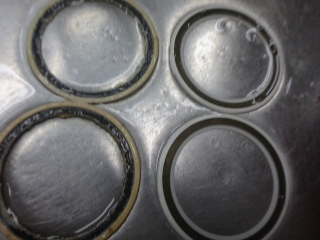
The hub seal appears to be cleanly cut from the rear view, all the way through
the metal core.
In the image above, the right side is an unmodified new one,
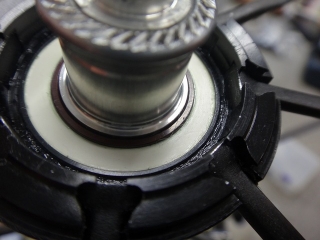
and I've replaced it with that.
I'll also return the modified one to the customer.
If you prefer that one, please swap it back.
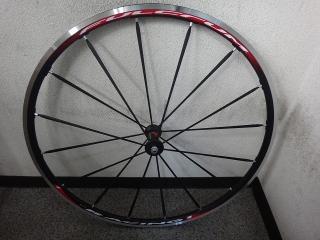
Built it up.

Since the rim is Racing Zero, the aluminum nipples fit through without machining.
As I mentioned, the Racing 1 (retail version) and
Racing Zero share the same spokes, so the nipples are compatible.
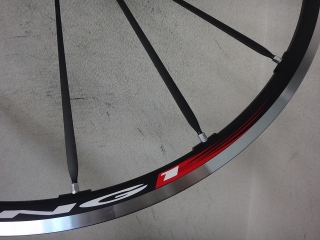
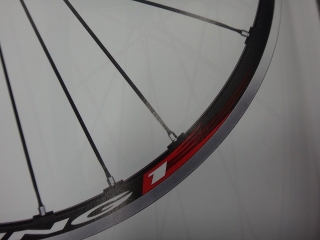
I applied the Racing 1 sticker afterward, using
the oldest version I could source.
While not identical, the appearance is relatively close, so that's what I went with.
From the 2012 catalog.
This Racing 1 rear wheel with this sticker
uses non-tied spokes and has a rest phase.
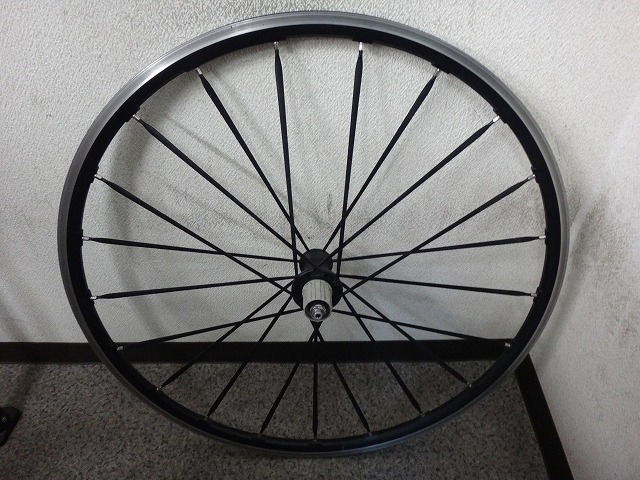
I received a rear wheel from a customer for the Racing 1.
It's a tubular rim spec, which makes sense since this was the top model back then.
After the Racing Zero came out, the Racing 1 no longer came with tubular specs.
The Racing Zero tubular went up to the 2014 model year,
and in 2015 the Racing Zero Carbon tubular appeared
in the catalog, but this is a mysterious model.
I'll write about that tomorrow.

The freebody is the latest white aluminum Shimano 11-speed freebody,
but that was replaced afterward.
The rim has buckled and is deformed, whitened and wrinkled at one phase,
with a bulge visible in the brake zone area.

↑Meanwhile, at the unaffected phase
We decided to replace the rim, but
the original Racing 1 tubular rim is discontinued.
The original Racing Zero tubular rim is red,
and I looked up the part number for the later black rim/red spoke/black hub spec black rim
and ordered it, but that's also discontinued.
After consulting with the customer, we decided it would be okay to
rebuild it with a clincher rim.
I ordered an original Racing 1 clincher rim.
Even if the generations differ slightly, rebuilding is possible,
but the rim holes can't be at the rest phase—they must be evenly spaced.
The original Racing 1 nipples have
a 5.5mm tool grip width and are brass nipples.
The original Racing Zero nipples have
a 6mm tool grip width and are aluminum nipples,
and since the rim hole diameter is subtly different, these are model-specific specs.
In other words, since the rims aren't shared, stickers are pre-applied from the factory.
Later on, the Racing Zero and 1 share the same rim,
but the hub body and bearing specs differ,
so the rim has no sticker and the Zero or 1 sticker is
applied afterward.

Well, this Racing 1 is actually not a retail version.
Whether it's a prototype or pro spec is unclear,
but the nipple size is different.
As I mentioned earlier, the original Racing 1 brass nipples
have a 5.5mm tool grip width,
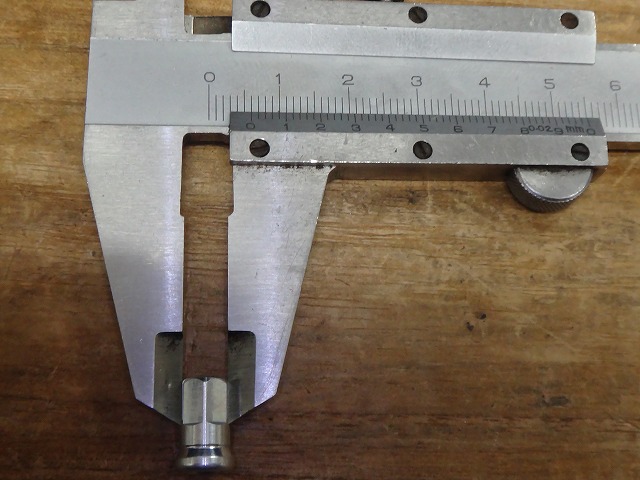
while later Racing 1 and Racing Zero aluminum nipples
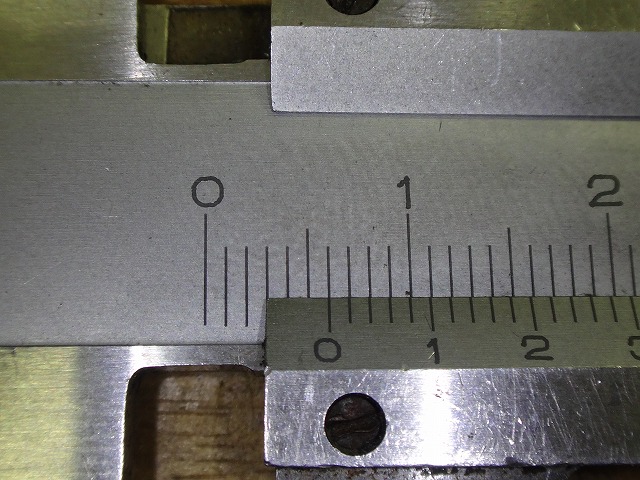
are 6mm,
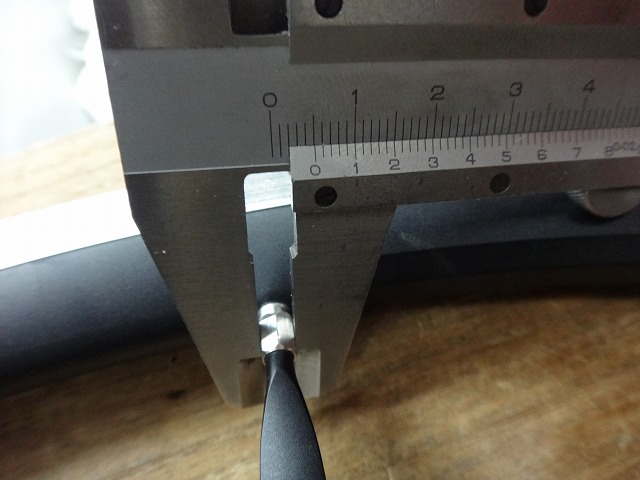
but on this Racing 1 prototype
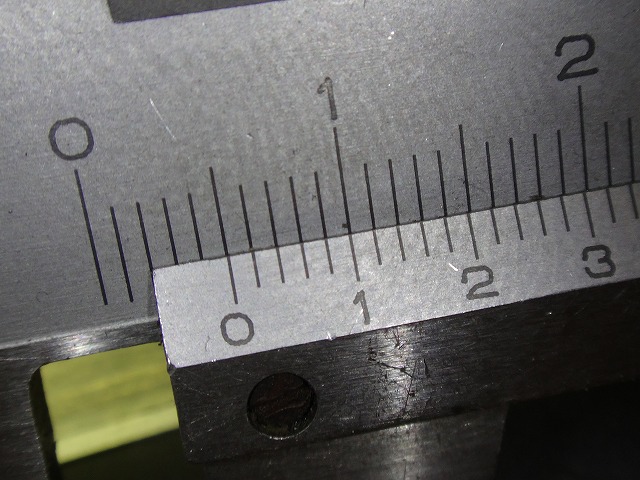
they're 5mm.
The retail brass and aluminum nipples also differ in the outer diameter
of the part that goes through the rim hole,

so the brass nipples fit through naturally,
but the aluminum nipples don't fit.
I machined it so the aluminum nipples would fit through (making it impossible to build with brass nipples),
creating a Racing 1 rim in that state.
The reason Racing 1 stopped using brass nipples isn't entirely clear.
There's no particular issue with rust from galvanic corrosion,
but the 5.5mm grip width is definitely very easy to strip.
Considering ease of future repairs,
it makes sense to go with aluminum nipple specs,
so I machined the rim.
These two nipples differ in outer dimensions,
but their internal thread diameter is the same.
This means that the black aluminum spokes of the Racing 1 and Zero are identical.
The spokes on the Racing 1 prototype, though...
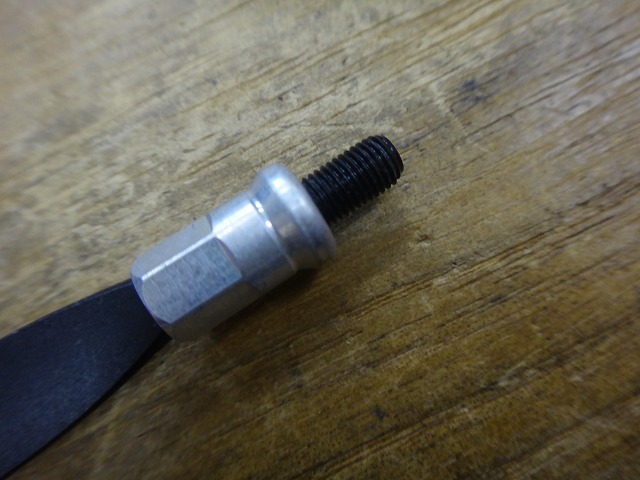
The thread doesn't catch the retail version nipple at all—
it just slides straight through. What?!
The Racing 1 prototype didn't just have special nipples, the spoke dimensions are also unique!
So I gave up on the rear wheel rim replacement for today.
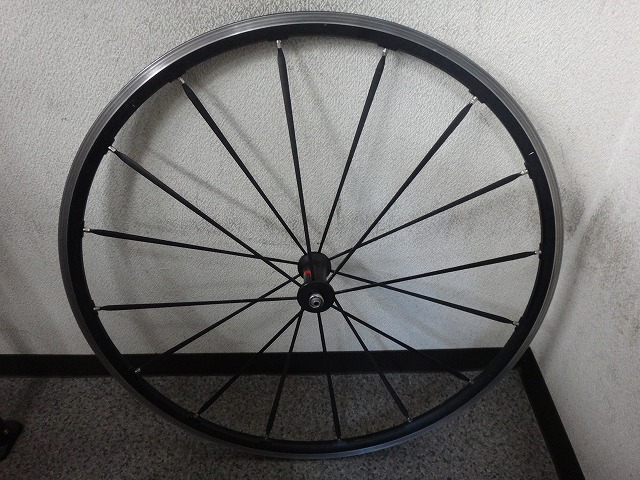
I also have the front wheel.
This is also a tubular rim,
but since just the rear wheel being clincher would be awkward to use,
the customer wants this rebuilt as a clincher rim too.

This one has brass nipples with a 5.5mm grip width, matching the retail version.
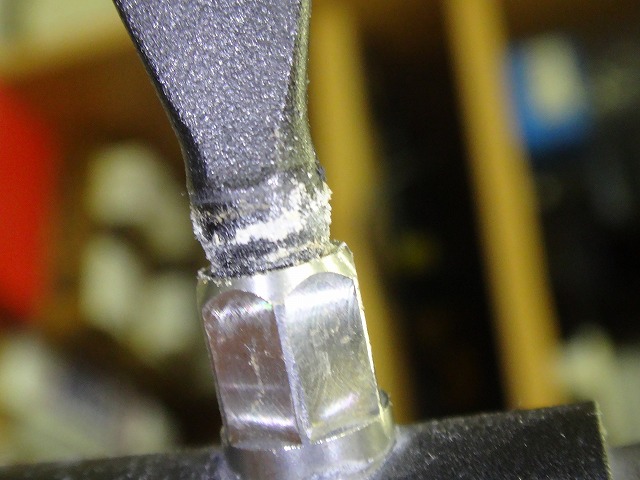
There were a few spots at risk of seizing,
but I was able to disassemble it cleanly without rounding the nipple corners at all.
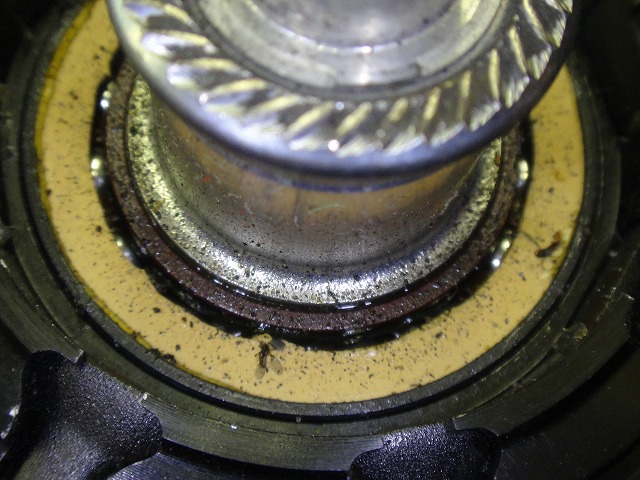
There's a gap in the bearing seal,
which was machined afterward.
It looks like they wanted completely non-contact, but considering the resistance reduction gained versus
the seal performance lost, the losses are greater.
There's no proper seal outside of this,
and as you can see, insects get in,
so you shouldn't deliberately create a gap in the bearing seal like this.
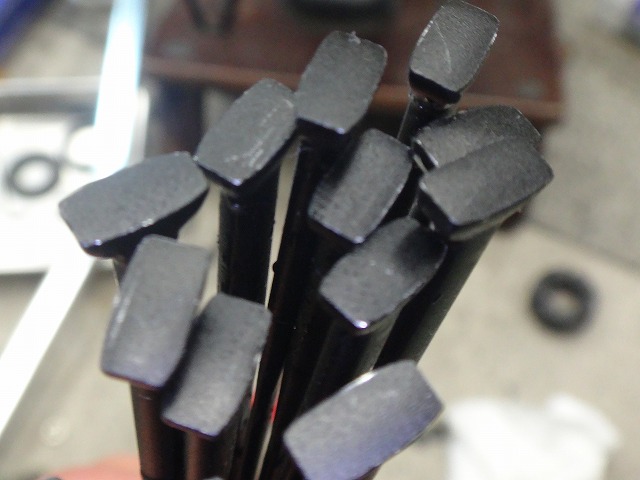
The spokes have no markings on the head.
Also, the corners are slightly rounded squares.
Even on this front wheel, while the nipple and spoke sizes are the same,
it might not be a completely retail product.
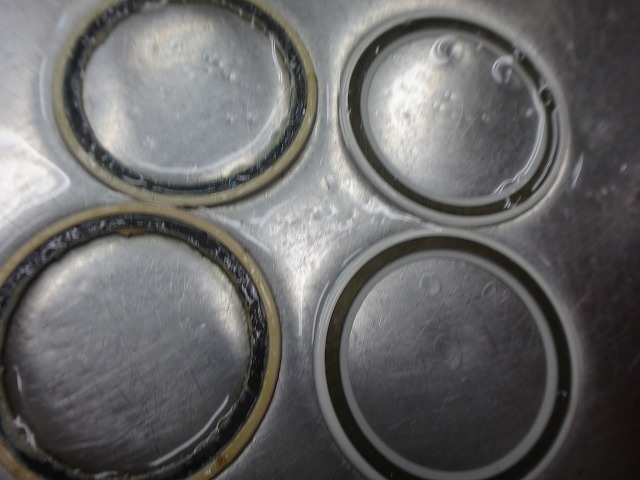
The hub seal appears to be cleanly cut from the rear view, all the way through
the metal core.
In the image above, the right side is an unmodified new one,
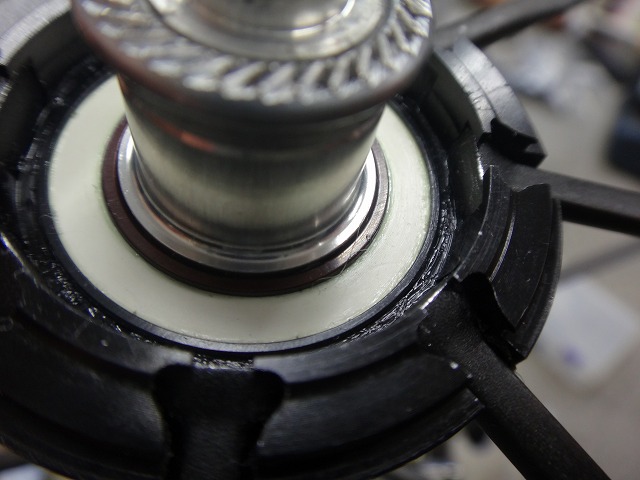
and I've replaced it with that.
I'll also return the modified one to the customer.
If you prefer that one, please swap it back.
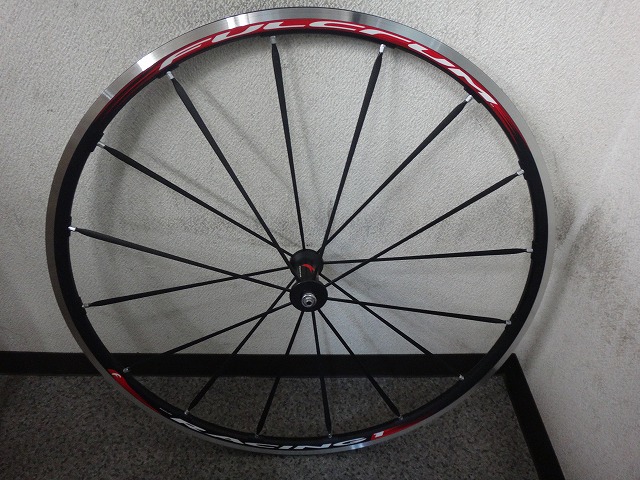
Built it up.
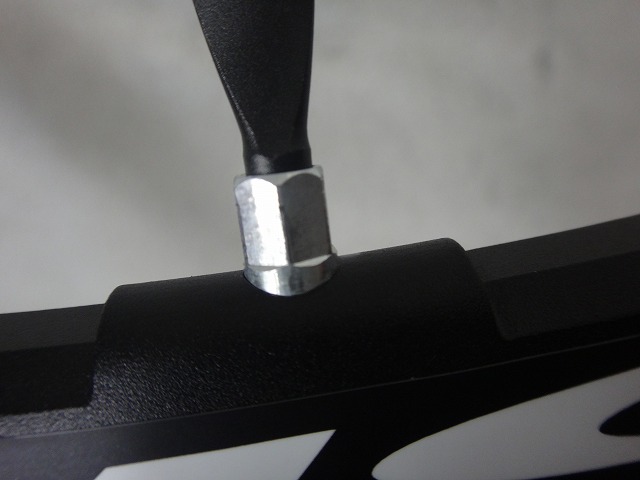
Since the rim is Racing Zero, the aluminum nipples fit through without machining.
As I mentioned, the Racing 1 (retail version) and
Racing Zero share the same spokes, so the nipples are compatible.
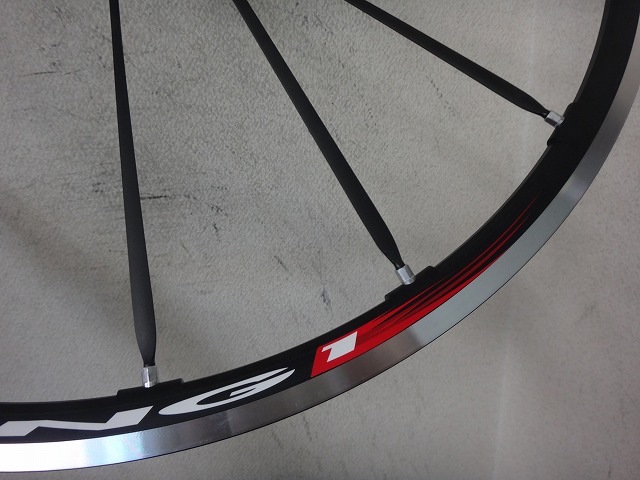
I applied the Racing 1 sticker afterward, using
the oldest version I could source.
While not identical, the appearance is relatively close, so that's what I went with.
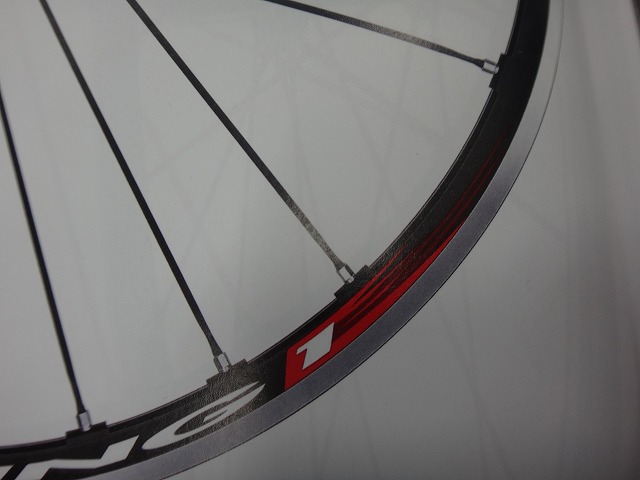
From the 2012 catalog.
This Racing 1 rear wheel with this sticker
uses non-tied spokes and has a rest phase.