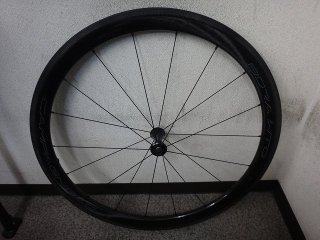
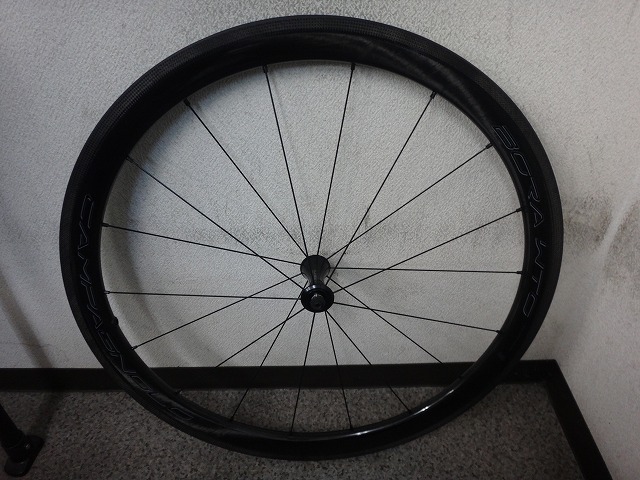
We sold a Bora WTO 45 at our shop.
Look, I was honest about it — I told them "overseas online shops are cheaper."
As a bicycle parts retailer, maybe I shouldn't be saying things like that,
but since I personally buy books and alcohol from online retailers
and have often deprived physical bookstores and liquor shops of sales,
I don't have the right to ask someone not to buy bike parts online.
Besides, the bicycle shop's "old-fashioned" way of doing business has already become unsustainable in this world. There's no point complaining about it — we just have to find ways to make it work regardless. Our shop? We're pretty ruthless about it;
we actually charge customers again for wheels they bought from other shops or overseas retailers.
When I got the order, I quickly checked overseas prices, and our absolute bottom-line price turned out to be higher (which is already pretty bad). I told them the gap would likely get even wider if they searched more thoroughly, but they decided to buy from us anyway, so I ordered the parts in.
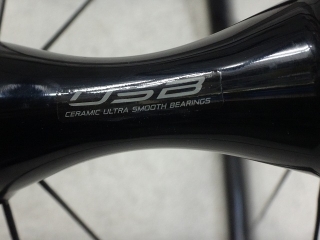
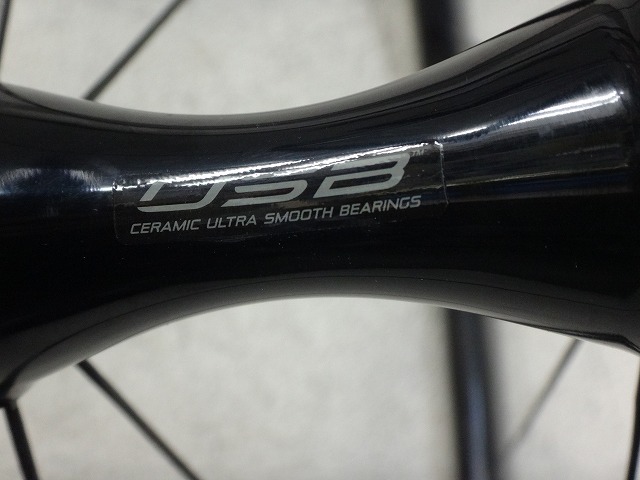
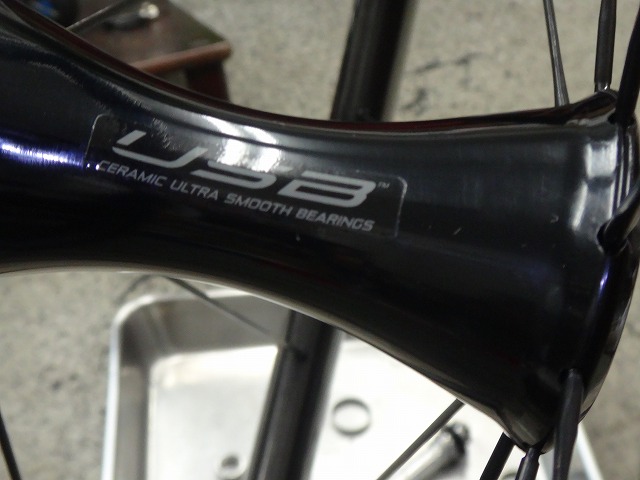
The Bora WTO comes with USB bearings, but the customer wanted it upgraded to CULT bearings. As part of our pre-sale inspection work on the wheel we ordered, I'll comp the labor, and if we push hard on CULT bearing pricing, I think we can get pretty close to what they'd have paid buying overseas!
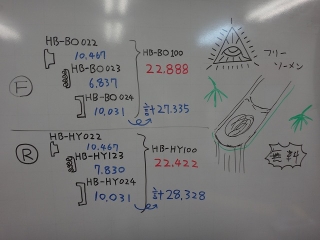
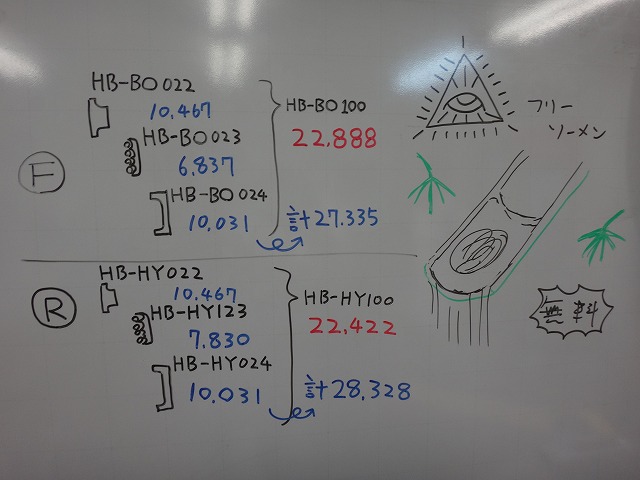
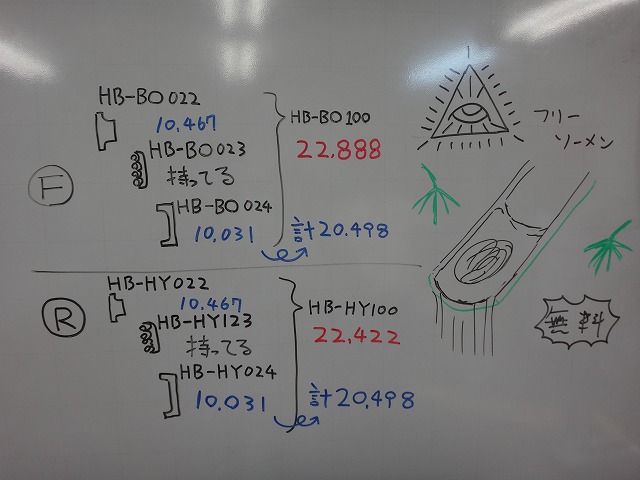
About the CULT bearings: the rear hub kit part number is HB-HY100, where HB means hub and HY means Hyperon. Front and rear used to use the same parts, but in the current spec the front hub has smaller-diameter bearings with two fewer balls, and since the Bora is the first to use this, it has a different part number: HB-BO100. The red numbers in the diagram above are the taxed retail prices for each. The blue numbers on the left are the taxed retail prices for the cone, retainer bearing, and locknut, but since all these parts are sold in sets of four and you only use two per hub, I've written the prices as if they were sold in twos. Ignore the scribbles on the right.
The individual prices for the locknut and cone are the same for both HY and BO, and the retainer bearing is cheaper for BO because it has fewer balls, which makes sense. But with CULT kits, for some reason the HY kit is cheaper. And no matter what, if you source CULT parts individually they end up costing more than buying the kit.
By the way, about the numbers at the end of hub part numbers: 22 is the cone, 24 is the locknut, and 23 is the bearing. But the HY bearing isn't 023 — it's 123, with the hundreds digit incremented. HB-HY023 was a ceramic bearing used on the original Hyperon Ultra, but back then it was a hybrid of a steel ball race with ceramic balls, and it would pit almost immediately. The original Hyperon Ultra was a ceramic bearing version of the Hyperon Ultra with a WO (clincher) rim, and it was only produced for two years, 2004-2005. Campagnolo apparently learned their lesson — the 2006 models had no wheels with ceramic bearings, and when they released CULT in 2009, the bearing part number became HB-HY123.
In 2006, the WO was Hyperon Ultra and the tubular was Hyperon. From 2007-2008, both specs were Hyperon Ultra, but all of these used steel ball bearings. The ceramic bearings were basically a failure that Campagnolo wanted to forget about — until CULT came along. Despite making that mistake, they went ahead and did almost the same thing again with the early USB bearings using a dark ball race with ceramic balls.
An importer who really knows Campagnolo stuff told me that HB-HY123 is actually different (improved) from HB-HY023. I don't know the specifics of what's better, but it's definitely true that pitting from ceramic bearings is much less likely now. I suspect the main reason is the ball race itself rather than the bearing balls.
The new front bearing part number is HB-BO023, but since it came out later it just happens to end in 023. In terms of the ceramic ball spec, it's the same as HB-HY123.
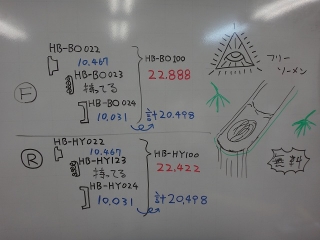
Back to where we were: USB and CULT use the same retainer bearing part number, so with a new wheel there's no problem reusing the bearings — meaning you don't need to buy them, so the price looks like the diagram above. It ended up cheaper than buying a full CULT kit, but not by a dramatic margin. I can't say the exact discount percentage, but I managed to squeeze out a sense of savings by having them buy just the CULT locknut and cone.
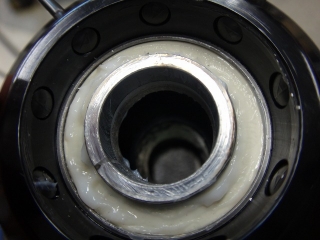
I disassembled the hub to remove the USB locknut, but it was quite troublesome.
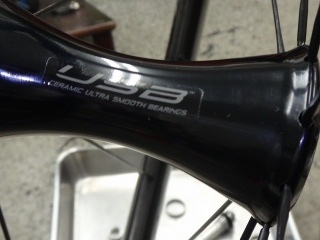
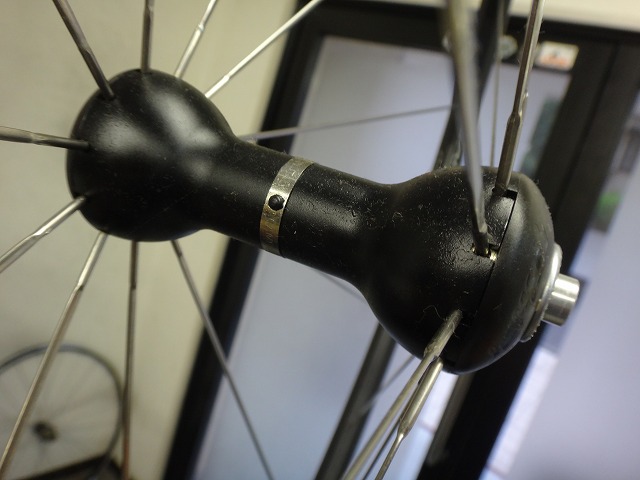
The Bora WTO hub shell has a shape optimized through wind tunnel testing,
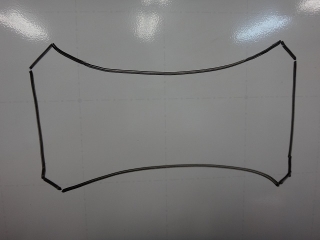
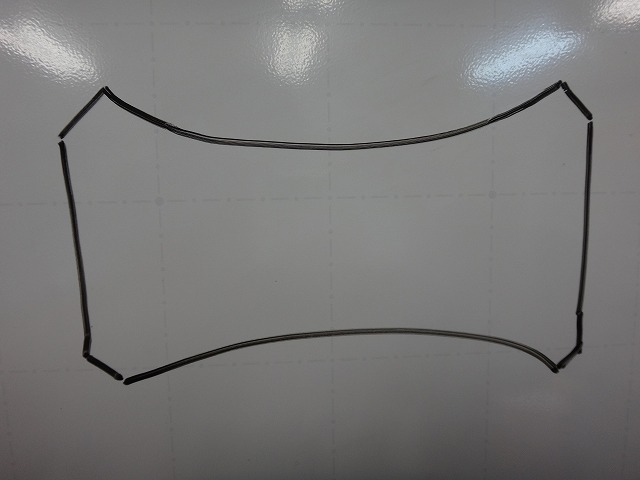
but this hub shell,
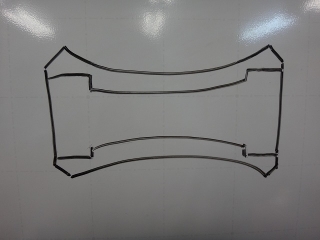
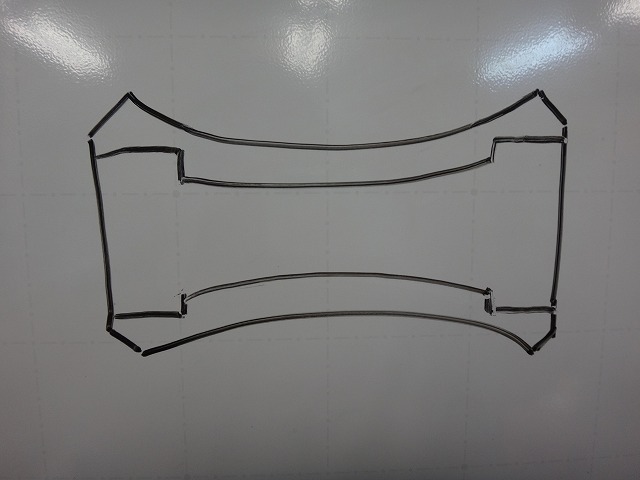
rather than having a constant-thickness rounded inner shape relative to the outer shell,
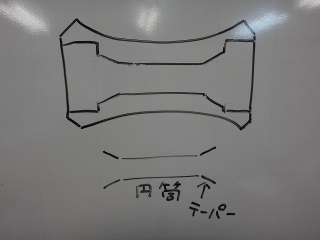
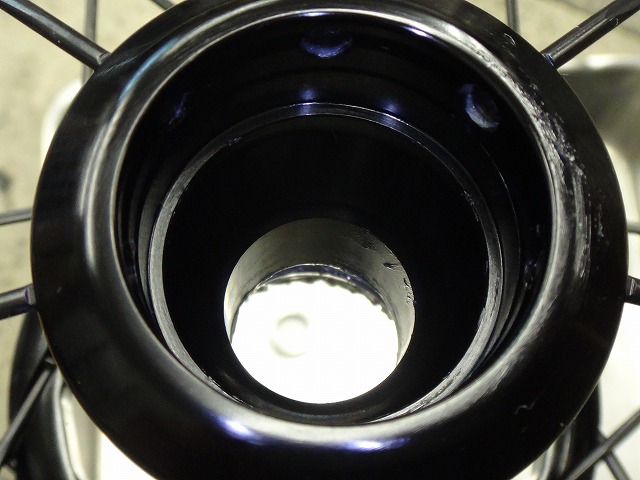
has a narrow, straight cylindrical section in the center that then makes a sharp transition to a tapered shape.
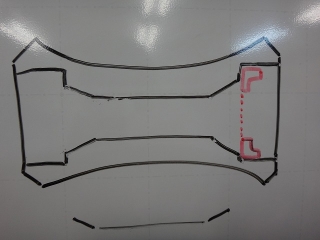
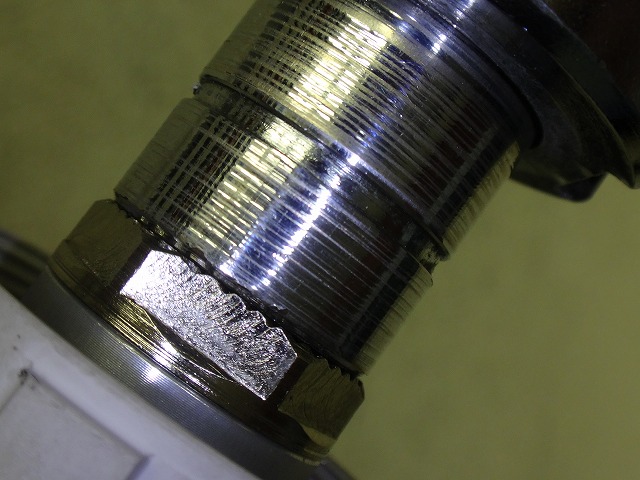
Because of this shape, it's difficult to engage locknut removal tools, and depending on the tool, it might not be usable at all.
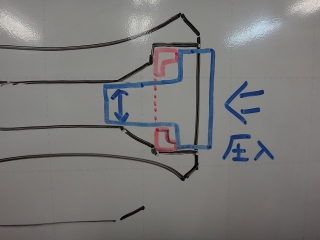
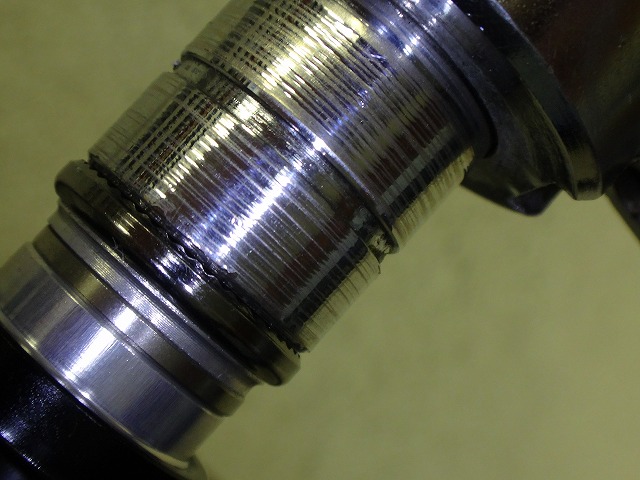
Further, when pressing in the CULT locknut, if the adapter diameter on the press tool is larger than the cylindrical section of the hub shell, pressing might not be possible. But we just barely managed to clear that.
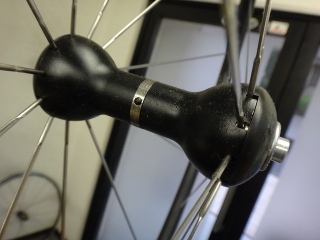
The tool for removing the locknut was a homemade fixture I'd made years ago for old Campagnolo hubs, and it came to the rescue.
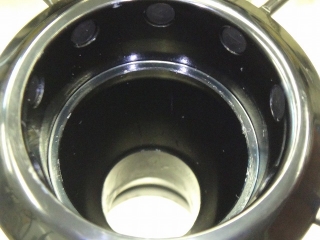
Locknut removed.
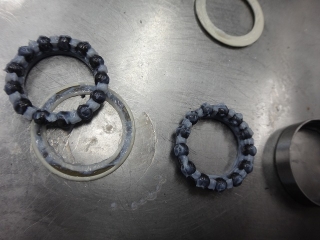
I degrease the bearings. Since we're converting from USB with silver-plated ball races to CULT, and the parts are hard to tell apart, I put the removed parts into small bags before taking out the CULT parts — that way I keep track of everything.

Pressed in the CULT locknut.

Installed the degreased retainer bearing. We don't apply grease, but to prevent creaking we add a tiny bit of oil. Technically oil shouldn't be necessary either, but without it you sometimes get a noise that sounds just like worn steel ball bearings rotating, so oil keeps it quiet.
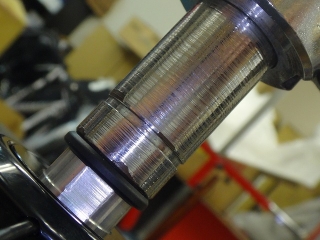
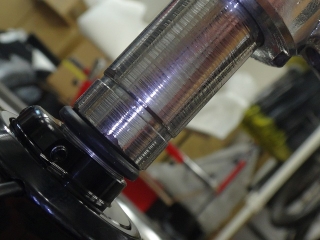
I didn't check the temporary center, but when CULT conversion was finished there was no centering issue. There was slight runout, so I corrected it.
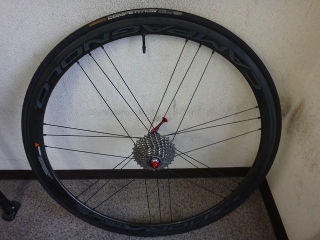
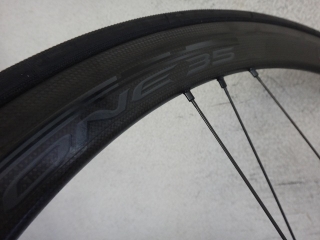
I was about to move on to the rear wheel, but we had another job to do: CULT conversion on a Bora One 35, which has HB-HY100 hubs on both front and rear. I accidentally used up my stock on that one, so the rear wheel conversion here had to wait until later.
By the way, that Bora One 35 is a 2014 model. In 2013, there was only one "Bora One" model because back then Bora only came in 50mm rim depth (with internal nipples). In 2014, the Bora One 35 with 35mm rim depth and external nipples debuted, but the 2014 50mm Bora One was the same model as the year before, so it was still just called "Bora One."
Starting in 2015, the 50mm version was renamed "Bora One 50," and both it and the Bora One 35 got wider rims.
That means the narrow-rim 35mm Bora is a rare piece — it only came out in 2014. And since this one is a tubular version, the rim is even lighter!
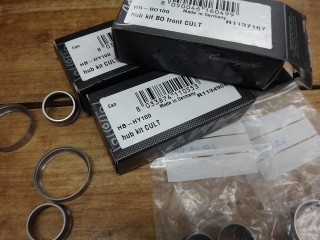
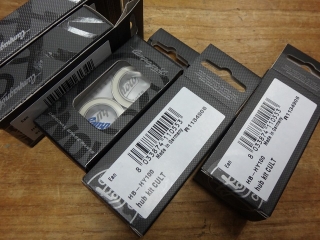
Finally, the parts arrived.

Converting the rear wheel to CULT as well.
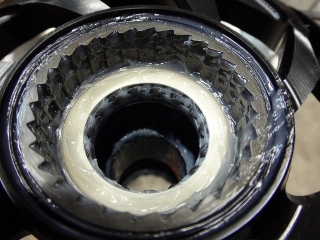
Since it originally had USB bearings, it's got grease inside. This is a hub without a grease guard, so
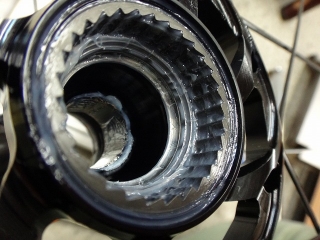
when I removed the bearing, there was grease at the junction between the cylindrical and tapered sections inside the hub shell, making the internal shape very clear.
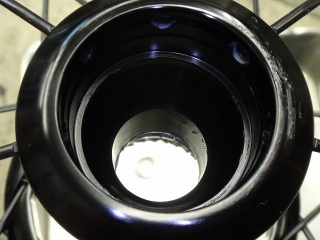
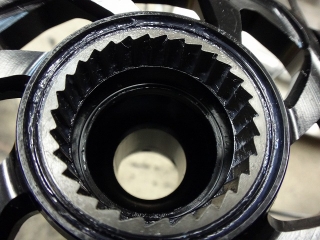
Removed the USB locknut,
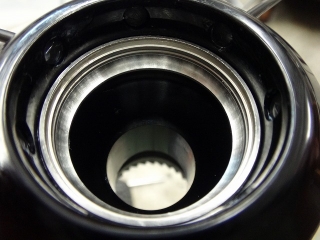
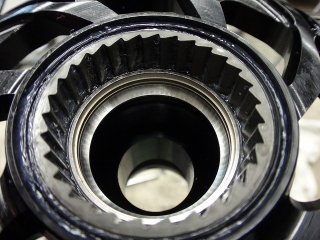
pressed in the CULT locknut,
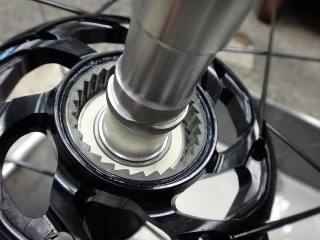
and assembled the hub.
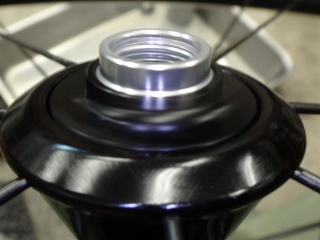
↑Hard to see, but I'm holding the right side of the hub axle and spinning it with a "whoosh" — that's the characteristic lightness of CULT. This is without the freehub resistance, but as the bearings run in, they'll spin just as freely or even more so when you're actually riding.

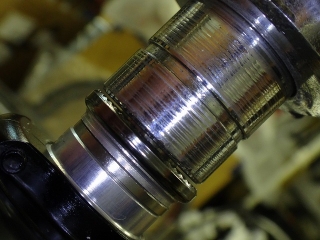
It had terrible centering offset for a Campagnolo premium model. On the day I did this work, I also checked another Bora WTO 45's rear wheel, and it had about the same amount and direction of centering offset.
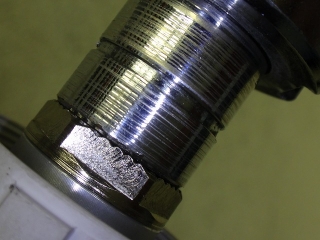
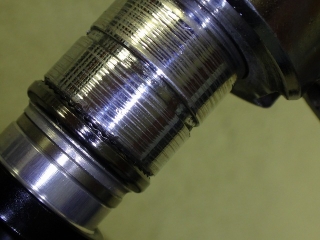
Fixed it.

WTO stands for "wind tunnel optimized," but having a chunky brass-like aluminum nipple (3.95mm across flats) positioned fairly far out on the rim isn't great from an aerodynamic perspective. However, this rim is a tubeless-ready rim that doesn't need rim tape, so it's impossible to have internal nipples and also not drill holes elsewhere on the rim besides the valve hole. So it has external nipples. Personally, I think maintainability is also an important performance consideration, and I have to admit I'm a bit cynical about how aggressively wheel makers push their aero obsession — too often they sacrifice something more important just to chase tiny aero gains and end up with a terrible wheel. So I'm not a fan of casually switching to internal nipples. Generally, internal-nipple rims can be tensioned higher than external-nipple rims, but since spoke and nipple limits are the same, there's no significant practical difference unless you're dealing with old carbon rims.
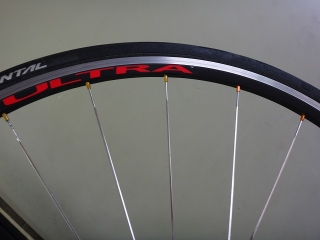
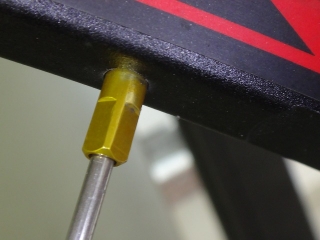
And just because you dislike internal nipples doesn't mean you should convert Nucleon-series front wheels to external nipples!
• Rim holes are enlarged (minor weight saving)
• Spoke length gets shorter (you cut about 3mm, so 3mm × 22 spokes' worth of #14 plain gauge weight is saved, roughly 1.7g)
• Brass nipples and brass nipple washers are replaced with just aluminum nipples
With Nucleon and Neutron, this totals about 20g weight savings, all from the outer section. With Neutron Ultra, the nipples and washers were already aluminum, so only about 5g was saved.
Look, I was honest about it — I told them "overseas online shops are cheaper."
As a bicycle parts retailer, maybe I shouldn't be saying things like that,
but since I personally buy books and alcohol from online retailers
and have often deprived physical bookstores and liquor shops of sales,
I don't have the right to ask someone not to buy bike parts online.
Besides, the bicycle shop's "old-fashioned" way of doing business has already become unsustainable in this world. There's no point complaining about it — we just have to find ways to make it work regardless. Our shop? We're pretty ruthless about it;
we actually charge customers again for wheels they bought from other shops or overseas retailers.
When I got the order, I quickly checked overseas prices, and our absolute bottom-line price turned out to be higher (which is already pretty bad). I told them the gap would likely get even wider if they searched more thoroughly, but they decided to buy from us anyway, so I ordered the parts in.
The Bora WTO comes with USB bearings, but the customer wanted it upgraded to CULT bearings. As part of our pre-sale inspection work on the wheel we ordered, I'll comp the labor, and if we push hard on CULT bearing pricing, I think we can get pretty close to what they'd have paid buying overseas!
About the CULT bearings: the rear hub kit part number is HB-HY100, where HB means hub and HY means Hyperon. Front and rear used to use the same parts, but in the current spec the front hub has smaller-diameter bearings with two fewer balls, and since the Bora is the first to use this, it has a different part number: HB-BO100. The red numbers in the diagram above are the taxed retail prices for each. The blue numbers on the left are the taxed retail prices for the cone, retainer bearing, and locknut, but since all these parts are sold in sets of four and you only use two per hub, I've written the prices as if they were sold in twos. Ignore the scribbles on the right.
The individual prices for the locknut and cone are the same for both HY and BO, and the retainer bearing is cheaper for BO because it has fewer balls, which makes sense. But with CULT kits, for some reason the HY kit is cheaper. And no matter what, if you source CULT parts individually they end up costing more than buying the kit.
By the way, about the numbers at the end of hub part numbers: 22 is the cone, 24 is the locknut, and 23 is the bearing. But the HY bearing isn't 023 — it's 123, with the hundreds digit incremented. HB-HY023 was a ceramic bearing used on the original Hyperon Ultra, but back then it was a hybrid of a steel ball race with ceramic balls, and it would pit almost immediately. The original Hyperon Ultra was a ceramic bearing version of the Hyperon Ultra with a WO (clincher) rim, and it was only produced for two years, 2004-2005. Campagnolo apparently learned their lesson — the 2006 models had no wheels with ceramic bearings, and when they released CULT in 2009, the bearing part number became HB-HY123.
In 2006, the WO was Hyperon Ultra and the tubular was Hyperon. From 2007-2008, both specs were Hyperon Ultra, but all of these used steel ball bearings. The ceramic bearings were basically a failure that Campagnolo wanted to forget about — until CULT came along. Despite making that mistake, they went ahead and did almost the same thing again with the early USB bearings using a dark ball race with ceramic balls.
An importer who really knows Campagnolo stuff told me that HB-HY123 is actually different (improved) from HB-HY023. I don't know the specifics of what's better, but it's definitely true that pitting from ceramic bearings is much less likely now. I suspect the main reason is the ball race itself rather than the bearing balls.
The new front bearing part number is HB-BO023, but since it came out later it just happens to end in 023. In terms of the ceramic ball spec, it's the same as HB-HY123.
Back to where we were: USB and CULT use the same retainer bearing part number, so with a new wheel there's no problem reusing the bearings — meaning you don't need to buy them, so the price looks like the diagram above. It ended up cheaper than buying a full CULT kit, but not by a dramatic margin. I can't say the exact discount percentage, but I managed to squeeze out a sense of savings by having them buy just the CULT locknut and cone.

I disassembled the hub to remove the USB locknut, but it was quite troublesome.
The Bora WTO hub shell has a shape optimized through wind tunnel testing,
but this hub shell,
rather than having a constant-thickness rounded inner shape relative to the outer shell,
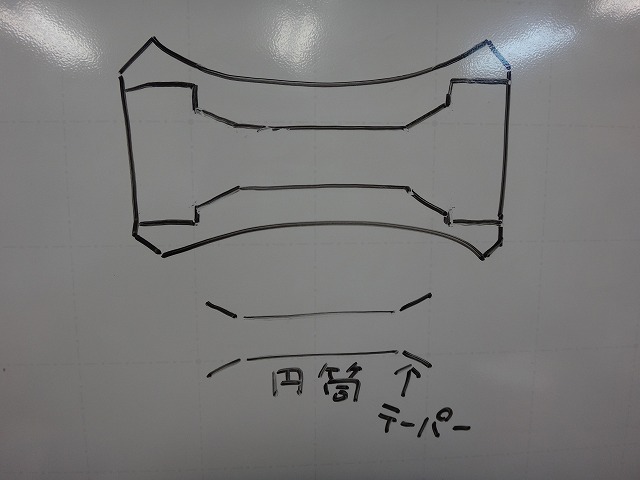
has a narrow, straight cylindrical section in the center that then makes a sharp transition to a tapered shape.
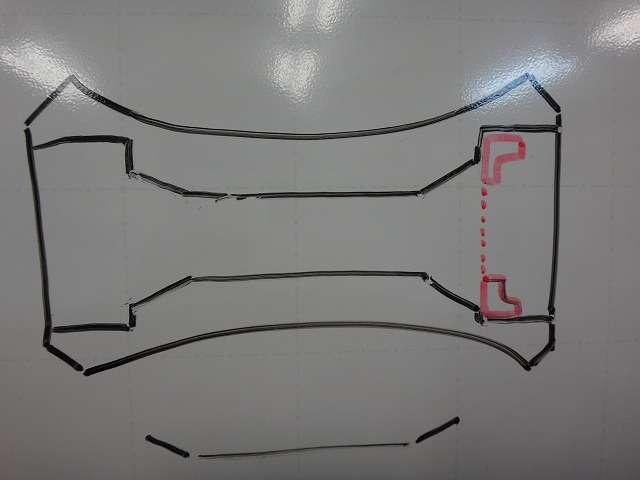
Because of this shape, it's difficult to engage locknut removal tools, and depending on the tool, it might not be usable at all.
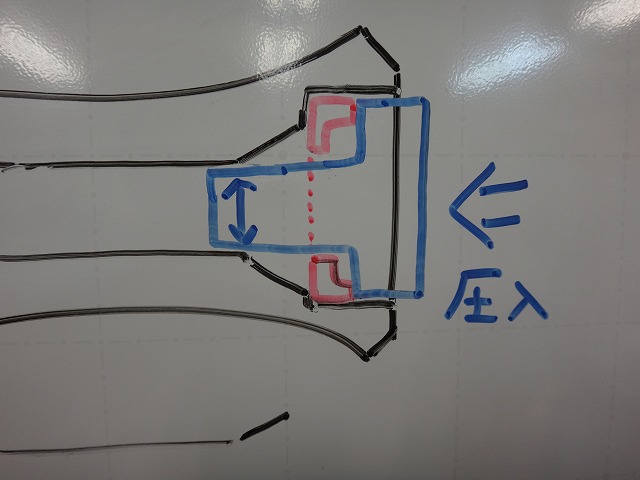
Further, when pressing in the CULT locknut, if the adapter diameter on the press tool is larger than the cylindrical section of the hub shell, pressing might not be possible. But we just barely managed to clear that.
The tool for removing the locknut was a homemade fixture I'd made years ago for old Campagnolo hubs, and it came to the rescue.

Locknut removed.
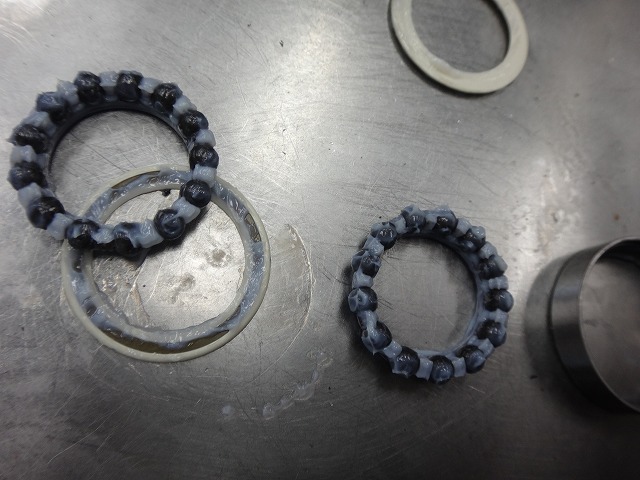
I degrease the bearings. Since we're converting from USB with silver-plated ball races to CULT, and the parts are hard to tell apart, I put the removed parts into small bags before taking out the CULT parts — that way I keep track of everything.

Pressed in the CULT locknut.
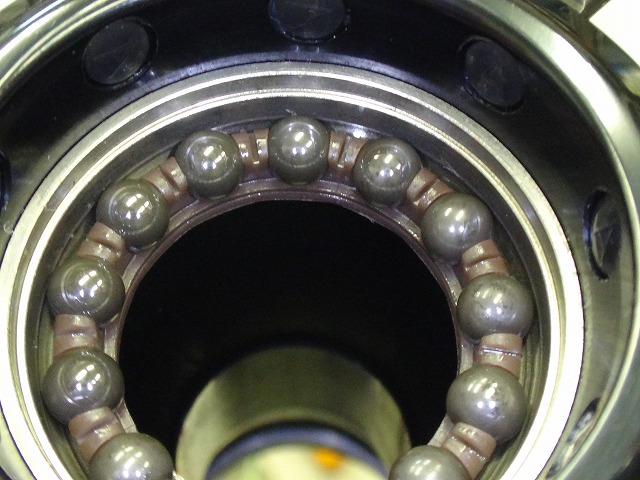
Installed the degreased retainer bearing. We don't apply grease, but to prevent creaking we add a tiny bit of oil. Technically oil shouldn't be necessary either, but without it you sometimes get a noise that sounds just like worn steel ball bearings rotating, so oil keeps it quiet.
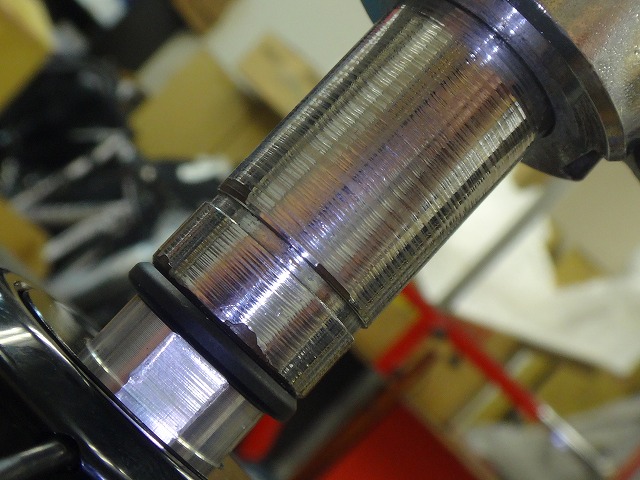
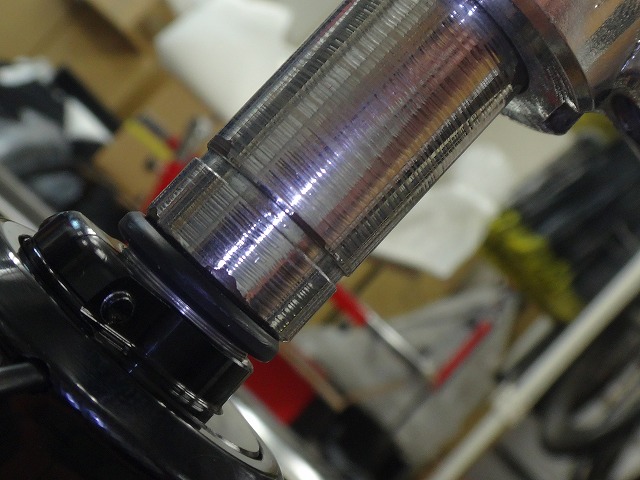
I didn't check the temporary center, but when CULT conversion was finished there was no centering issue. There was slight runout, so I corrected it.
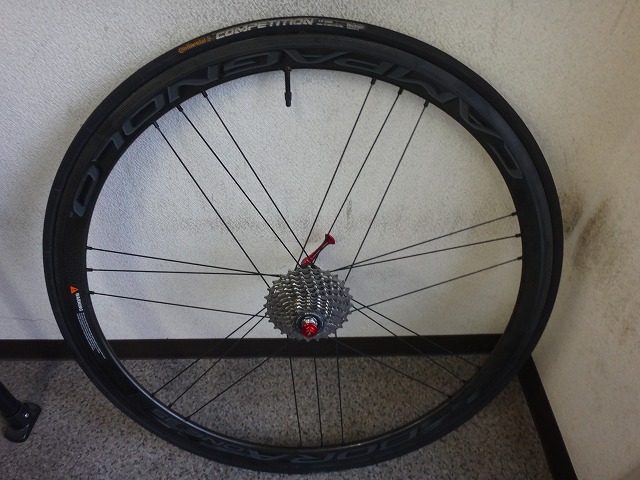
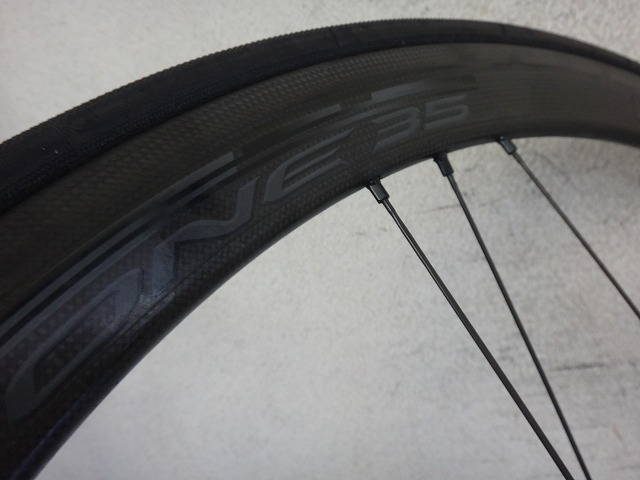
I was about to move on to the rear wheel, but we had another job to do: CULT conversion on a Bora One 35, which has HB-HY100 hubs on both front and rear. I accidentally used up my stock on that one, so the rear wheel conversion here had to wait until later.
By the way, that Bora One 35 is a 2014 model. In 2013, there was only one "Bora One" model because back then Bora only came in 50mm rim depth (with internal nipples). In 2014, the Bora One 35 with 35mm rim depth and external nipples debuted, but the 2014 50mm Bora One was the same model as the year before, so it was still just called "Bora One."
Starting in 2015, the 50mm version was renamed "Bora One 50," and both it and the Bora One 35 got wider rims.
That means the narrow-rim 35mm Bora is a rare piece — it only came out in 2014. And since this one is a tubular version, the rim is even lighter!
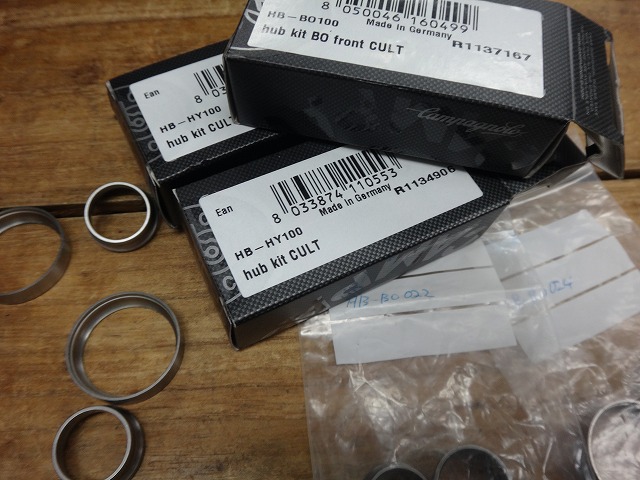
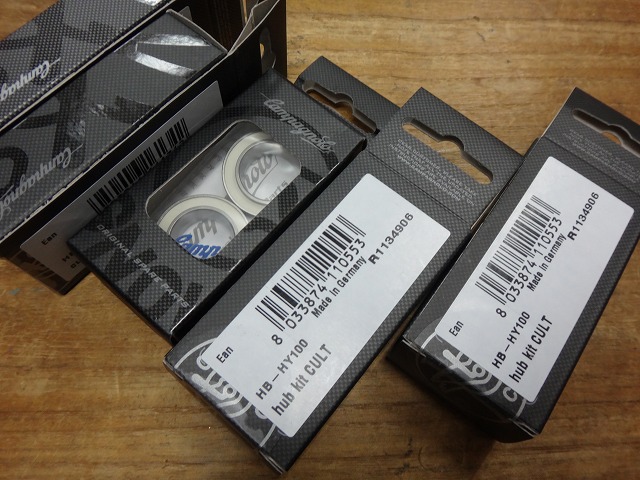
Finally, the parts arrived.
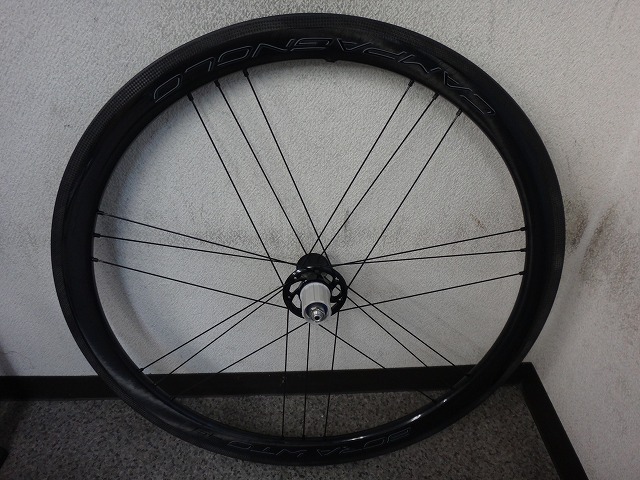
Converting the rear wheel to CULT as well.
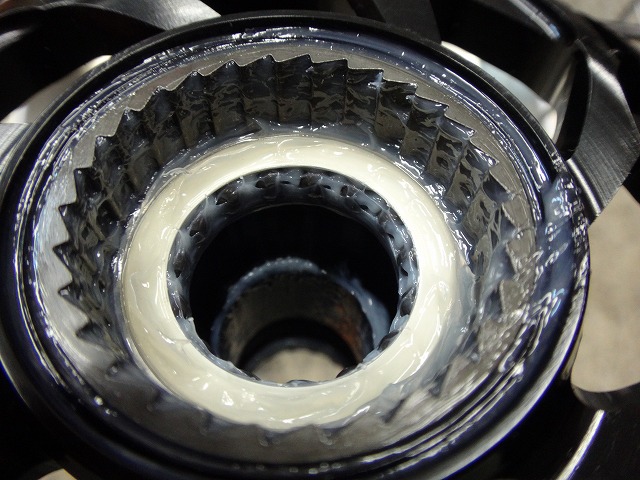
Since it originally had USB bearings, it's got grease inside. This is a hub without a grease guard, so

when I removed the bearing, there was grease at the junction between the cylindrical and tapered sections inside the hub shell, making the internal shape very clear.
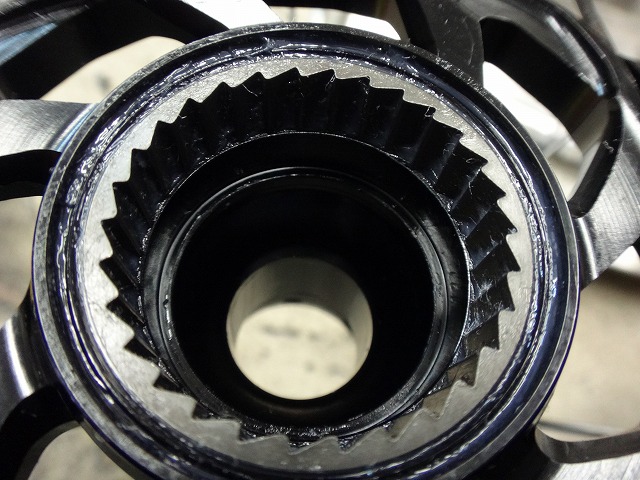
Removed the USB locknut,
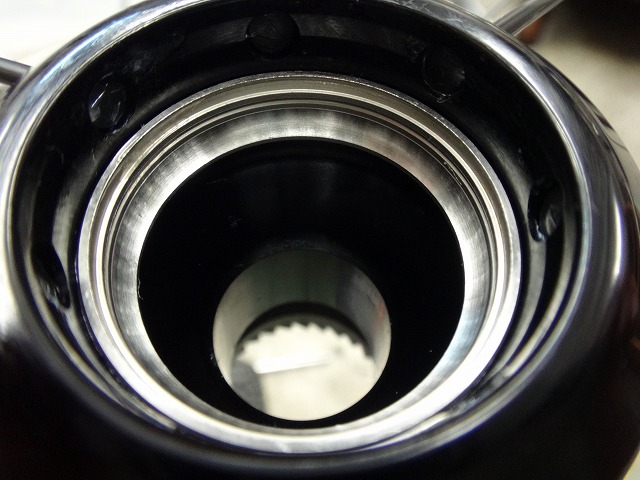
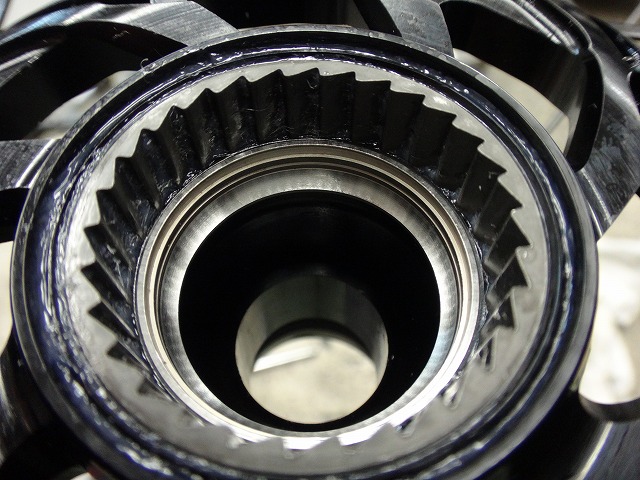
pressed in the CULT locknut,

and assembled the hub.
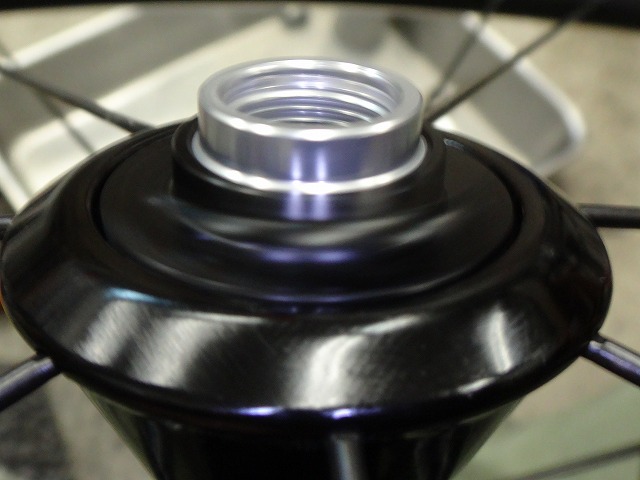
↑Hard to see, but I'm holding the right side of the hub axle and spinning it with a "whoosh" — that's the characteristic lightness of CULT. This is without the freehub resistance, but as the bearings run in, they'll spin just as freely or even more so when you're actually riding.
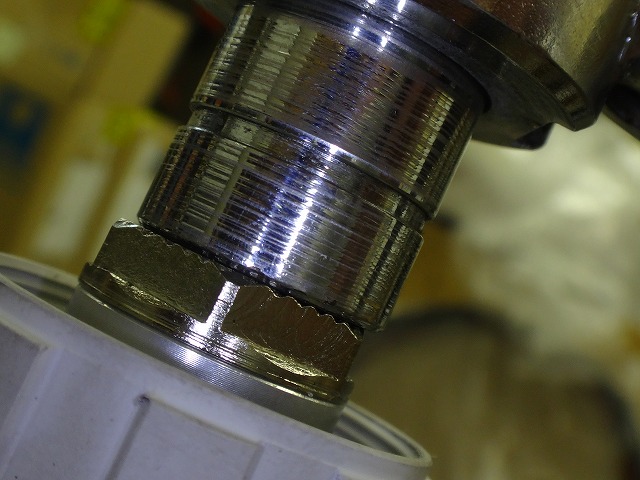

It had terrible centering offset for a Campagnolo premium model. On the day I did this work, I also checked another Bora WTO 45's rear wheel, and it had about the same amount and direction of centering offset.
Fixed it.

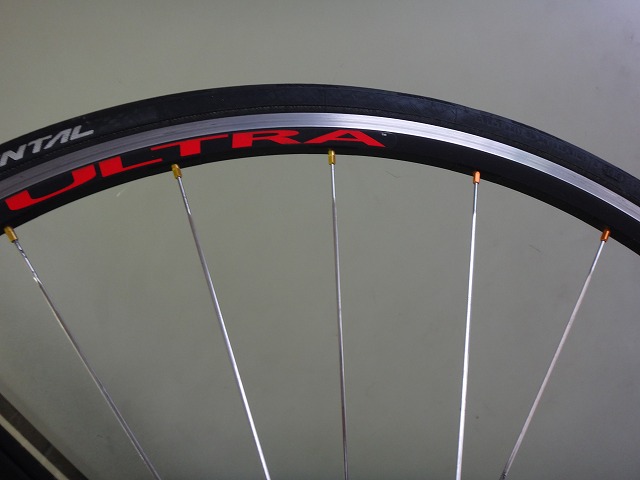
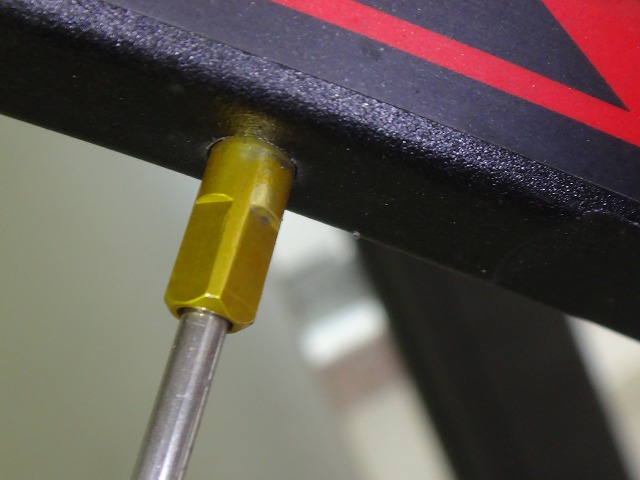
WTO stands for "wind tunnel optimized," but having a chunky brass-like aluminum nipple (3.95mm across flats) positioned fairly far out on the rim isn't great from an aerodynamic perspective. However, this rim is a tubeless-ready rim that doesn't need rim tape, so it's impossible to have internal nipples and also not drill holes elsewhere on the rim besides the valve hole. So it has external nipples. Personally, I think maintainability is also an important performance consideration, and I have to admit I'm a bit cynical about how aggressively wheel makers push their aero obsession — too often they sacrifice something more important just to chase tiny aero gains and end up with a terrible wheel. So I'm not a fan of casually switching to internal nipples. Generally, internal-nipple rims can be tensioned higher than external-nipple rims, but since spoke and nipple limits are the same, there's no significant practical difference unless you're dealing with old carbon rims.
And just because you dislike internal nipples doesn't mean you should convert Nucleon-series front wheels to external nipples!
• Rim holes are enlarged (minor weight saving)
• Spoke length gets shorter (you cut about 3mm, so 3mm × 22 spokes' worth of #14 plain gauge weight is saved, roughly 1.7g)
• Brass nipples and brass nipple washers are replaced with just aluminum nipples
With Nucleon and Neutron, this totals about 20g weight savings, all from the outer section. With Neutron Ultra, the nipples and washers were already aluminum, so only about 5g was saved.