Since the day has turned over, this is about yesterday.
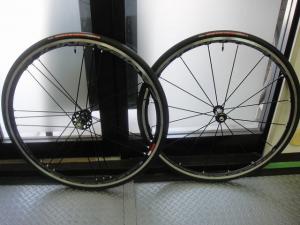
I sold a Shamal Ultra WO wheelset.

Cleaning metal shavings from
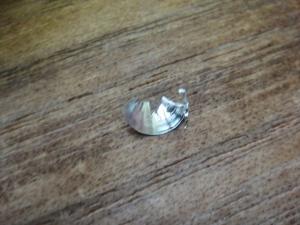
the rim
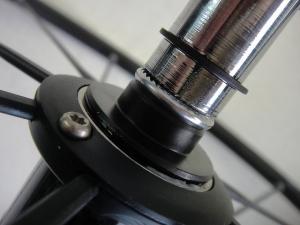
and centering the wheel.
The gauge fits perfectly at the right end, but
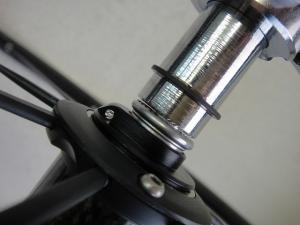
there's a slight gap at the left end.
I also did some truing work.
I checked the hub for play as well.
As for complete wheelsets that aren't perfectly centered,
there's no particular manufacturer that's consistently bad.
Conversely, there's no manufacturer with zero centering issues either.
If I were doing the same thing—building wheels all day long in a factory
for faceless customers—I'll be honest, my final acceptable standard
would probably drop too.
So I'm fairly forgiving about the assembly precision of complete wheelsets,
and I think shops should just catch any trueing issues, centering problems, or hub play
before handing them over to customers.
Today—actually yesterday—I did the same inspection on a brand new Racing Zero
from another shop for a different customer, and it had no runout and was perfectly centered.
I mean, if we're talking about good luck versus bad luck, that's the good luck version.
I keep saying this, but the problem isn't when you get unlucky.
The solution is simple—make every single one good before selling it.
The real problem is that even I can't tell the difference between good and bad
just by eye without tools.
So there's virtually no way a customer can spot it.
And that's exactly what some shops exploit or lean on—
passing wheels straight through without checking, and the karma comes back,
or the coopers make money.
By coopers I mean our shop here, but honestly, I'm not happy about it.

I sold a Shamal Ultra WO wheelset.

Cleaning metal shavings from
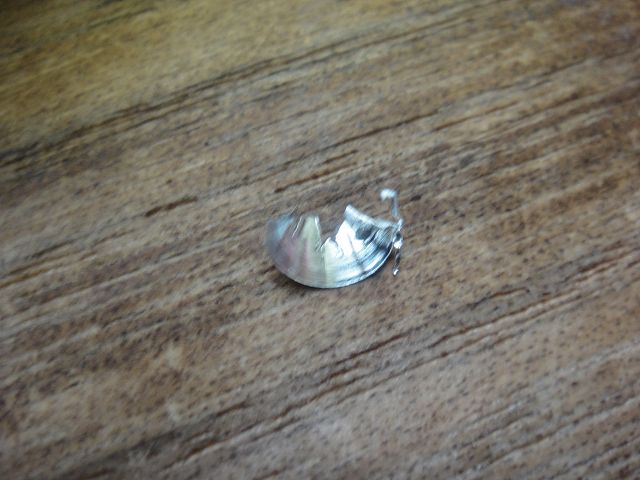
the rim
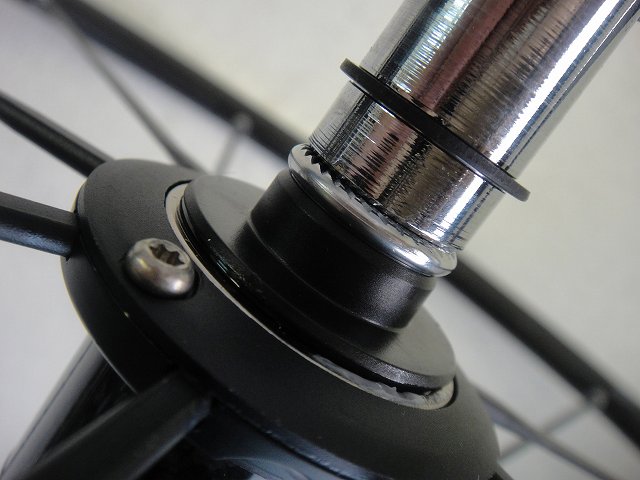
and centering the wheel.
The gauge fits perfectly at the right end, but
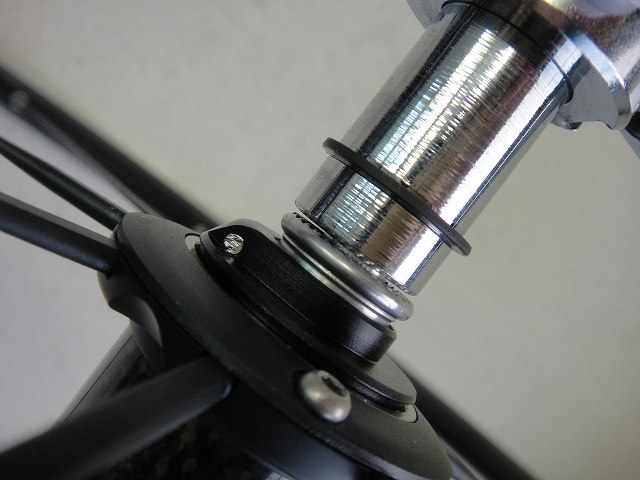
there's a slight gap at the left end.
I also did some truing work.
I checked the hub for play as well.
As for complete wheelsets that aren't perfectly centered,
there's no particular manufacturer that's consistently bad.
Conversely, there's no manufacturer with zero centering issues either.
If I were doing the same thing—building wheels all day long in a factory
for faceless customers—I'll be honest, my final acceptable standard
would probably drop too.
So I'm fairly forgiving about the assembly precision of complete wheelsets,
and I think shops should just catch any trueing issues, centering problems, or hub play
before handing them over to customers.
Today—actually yesterday—I did the same inspection on a brand new Racing Zero
from another shop for a different customer, and it had no runout and was perfectly centered.
I mean, if we're talking about good luck versus bad luck, that's the good luck version.
I keep saying this, but the problem isn't when you get unlucky.
The solution is simple—make every single one good before selling it.
The real problem is that even I can't tell the difference between good and bad
just by eye without tools.
So there's virtually no way a customer can spot it.
And that's exactly what some shops exploit or lean on—
passing wheels straight through without checking, and the karma comes back,
or the coopers make money.
By coopers I mean our shop here, but honestly, I'm not happy about it.