So this happened yesterday,
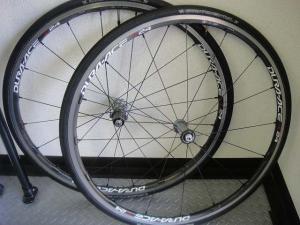
I replaced the spokes on the C24.
The reason I replaced the spokes was
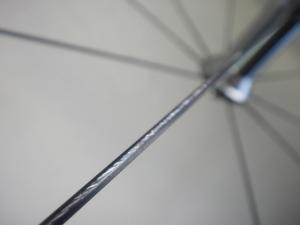
the front wheel too
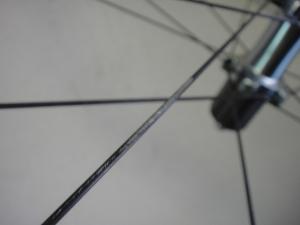
and the rear wheel too
had scuff marks on the spokes.
If this were my wheel and the damage was minor, I might have just colored them black with an oil-based marker and called it done.
The rust-preventative effect of oil-based ink is surprisingly substantial, and it helps not just with how the spokes look but also prevents corrosion.
However, looking more closely there were some deeper scuff marks, and given what the customer wanted,
we decided to replace anything with even minor damage.
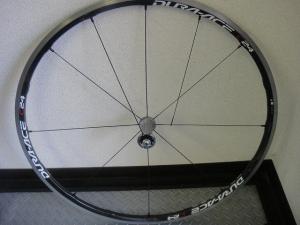
The scuff marks on both front and rear wheels are only on the left side. Since there's no wobble or damage on the rim,
it wasn't a crash—something happened while it was leaning or lying down.
On the front wheel, only 2 spokes were undamaged.
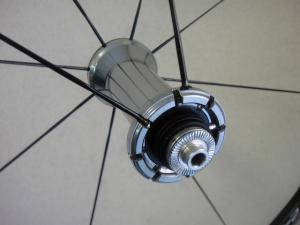
Once you disassemble it this far, even without loosening the nipples at all, you can lift the spokes and nipples past the hub flange and remove them.
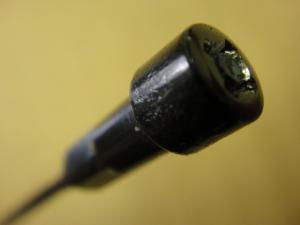
Looking at the nipples I haven't loosened at all,
on this wheel the spokes end right about flush with the nipples.
If you tighten the new spokes to about the same appearance after replacement,
you end up with almost no radial wobble, almost no lateral wobble, and almost perfect centering,
so the work is extremely easy.
I like to call this "situation recreation," but
sometimes even when you do situation recreation, you don't end up anywhere close to the final state.
That happens when the spokes develop "wonkyness."
It's like the spoke lengths have become uneven,
so even if you match the external appearance, you don't get to a "basically assembled" state.
I wanted to explain that, so I didn't write about this wheel until I'd finished the "wonkyness" story.
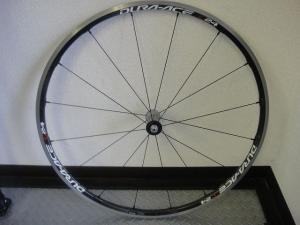
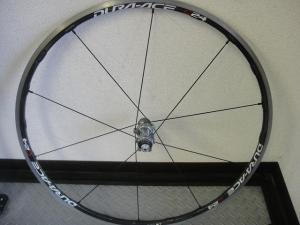
Got it assembled.
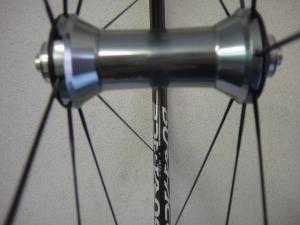
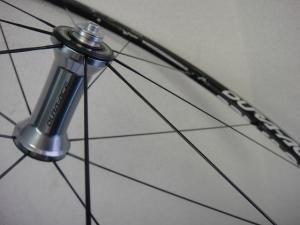
Looking at it now, it's actually a really nice wheel with a wide flange.
I think this front wheel is extremely well made.
A complete WO (wireform) wheelset with steel spokes tensioned at this level on a rim weighing around 385g is truly one of a kind.
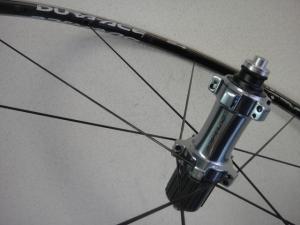
For the rear wheel I'm replacing all the spokes on the left side.
This one also allowed situation recreation, but where the front wheel spokes have a hook-style head, the rear wheel spokes are pass-through style, so you need to fully loosen the nipples to replace the spokes.
A bit more work.
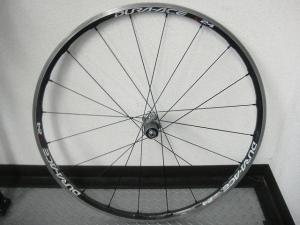
Got it assembled.

A hub overhaul was also requested, so back to the front wheel.
If the rotation becomes sluggish, it's "too late,"
but whether you should open up a hub that isn't too late yet is tricky.
Ideally you'd open them periodically based on mileage and time,
but when the ball races are shiny and the grease isn't dirty,
you sometimes wonder if you even needed to open it at all...
But that's something you can't know until you open it up, and
once you've opened it, labor charges apply...
It's like Schrödinger's cat—a hub that "feels fine to the touch."
This front hub was one of those "feels fine" ones.
And it actually was fine, but once opened, I make sure to do a proper cleaning and regrease.

The rear hub also "feels fine."
Let's start with cleaning.
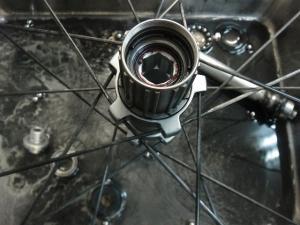
Yikes!
Yeah, you really can't tell what's inside a hub, can you (laughs).
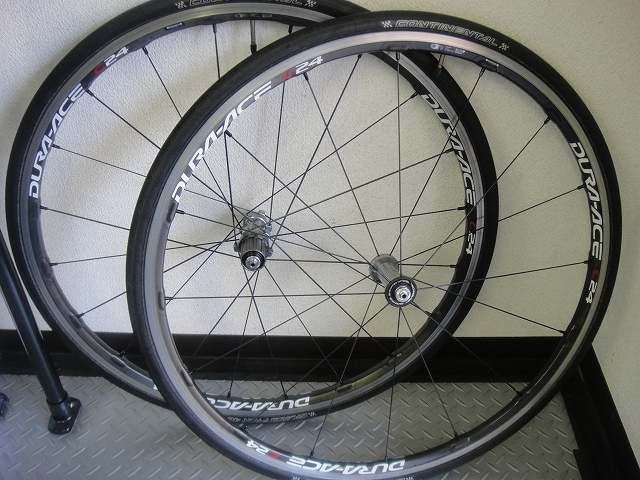
I replaced the spokes on the C24.
The reason I replaced the spokes was
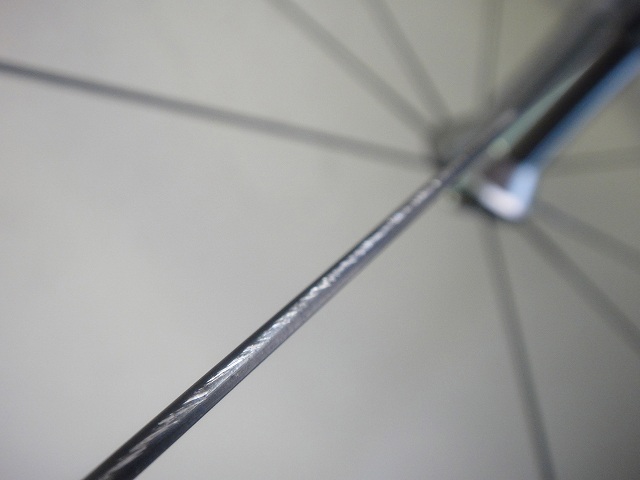
the front wheel too
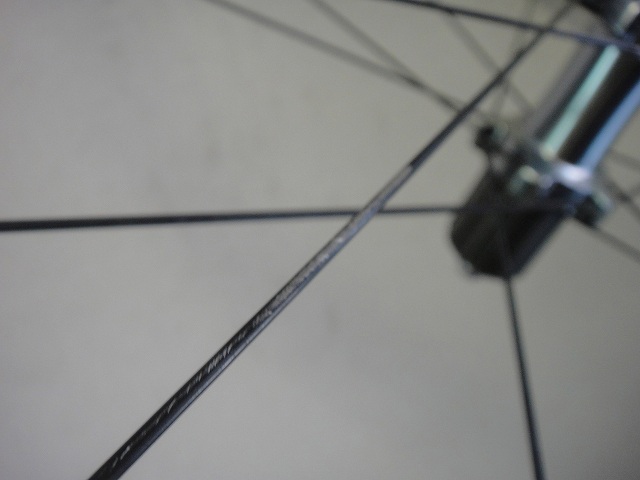
and the rear wheel too
had scuff marks on the spokes.
If this were my wheel and the damage was minor, I might have just colored them black with an oil-based marker and called it done.
The rust-preventative effect of oil-based ink is surprisingly substantial, and it helps not just with how the spokes look but also prevents corrosion.
However, looking more closely there were some deeper scuff marks, and given what the customer wanted,
we decided to replace anything with even minor damage.
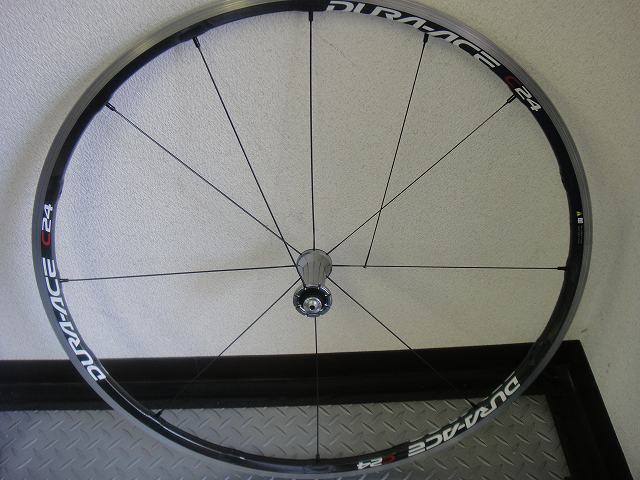
The scuff marks on both front and rear wheels are only on the left side. Since there's no wobble or damage on the rim,
it wasn't a crash—something happened while it was leaning or lying down.
On the front wheel, only 2 spokes were undamaged.
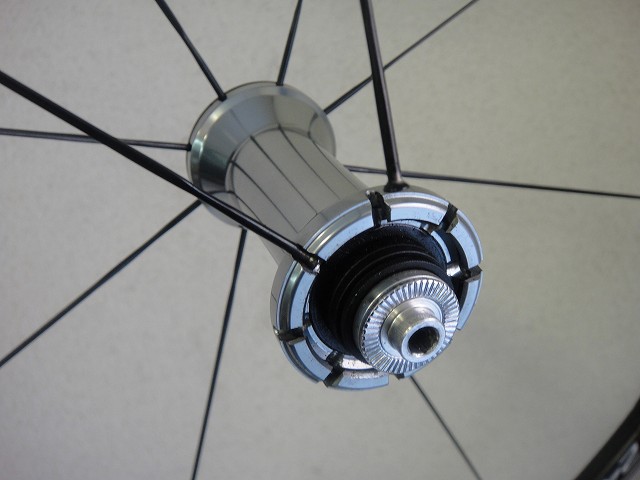
Once you disassemble it this far, even without loosening the nipples at all, you can lift the spokes and nipples past the hub flange and remove them.
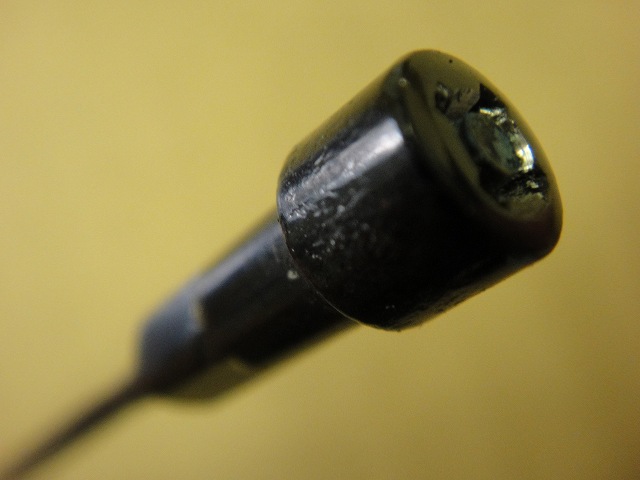
Looking at the nipples I haven't loosened at all,
on this wheel the spokes end right about flush with the nipples.
If you tighten the new spokes to about the same appearance after replacement,
you end up with almost no radial wobble, almost no lateral wobble, and almost perfect centering,
so the work is extremely easy.
I like to call this "situation recreation," but
sometimes even when you do situation recreation, you don't end up anywhere close to the final state.
That happens when the spokes develop "wonkyness."
It's like the spoke lengths have become uneven,
so even if you match the external appearance, you don't get to a "basically assembled" state.
I wanted to explain that, so I didn't write about this wheel until I'd finished the "wonkyness" story.
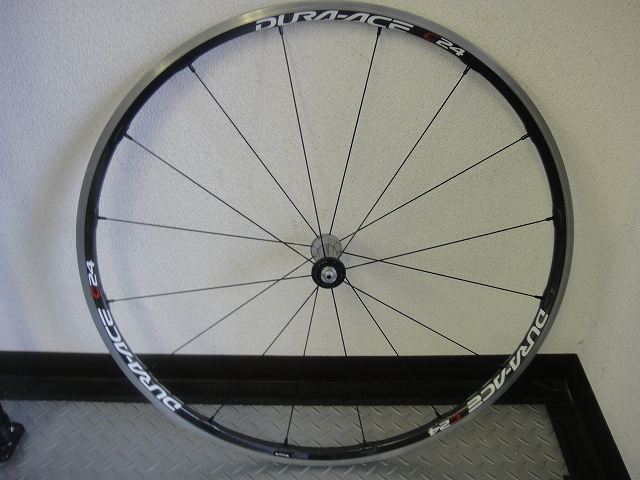
Got it assembled.
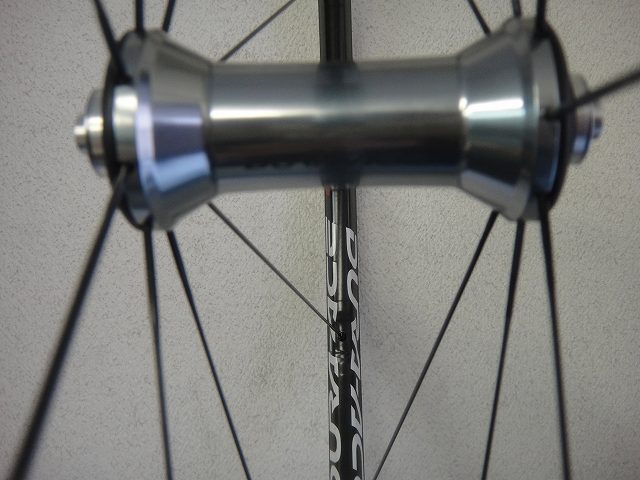
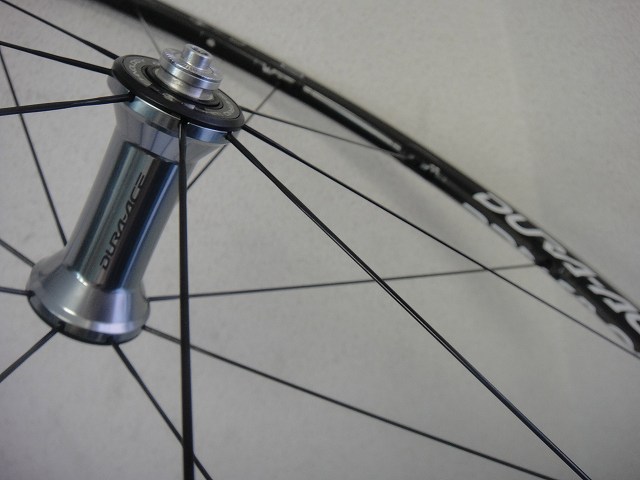
Looking at it now, it's actually a really nice wheel with a wide flange.
I think this front wheel is extremely well made.
A complete WO (wireform) wheelset with steel spokes tensioned at this level on a rim weighing around 385g is truly one of a kind.

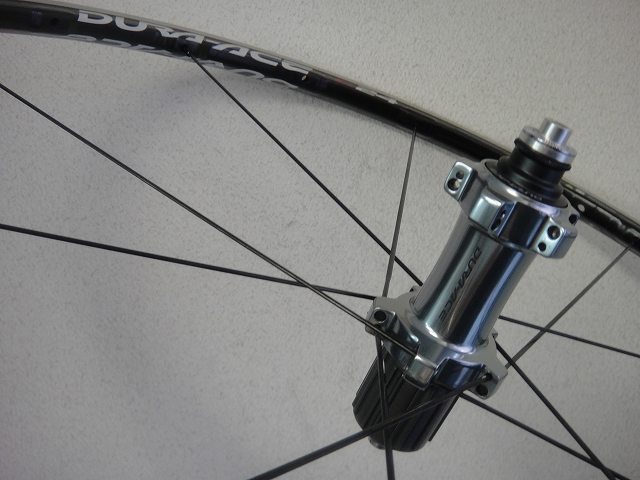
For the rear wheel I'm replacing all the spokes on the left side.
This one also allowed situation recreation, but where the front wheel spokes have a hook-style head, the rear wheel spokes are pass-through style, so you need to fully loosen the nipples to replace the spokes.
A bit more work.
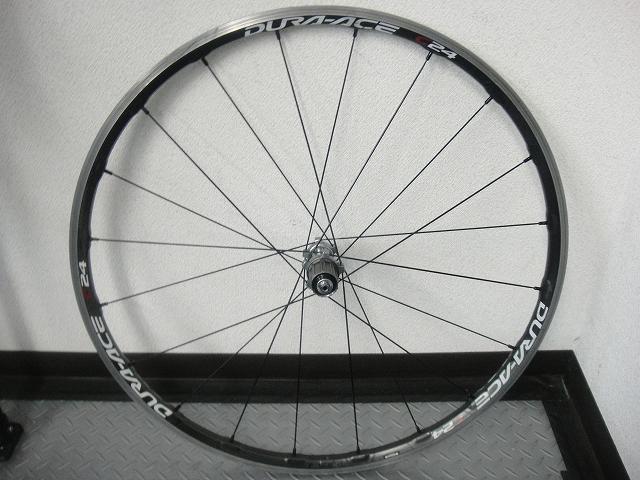
Got it assembled.
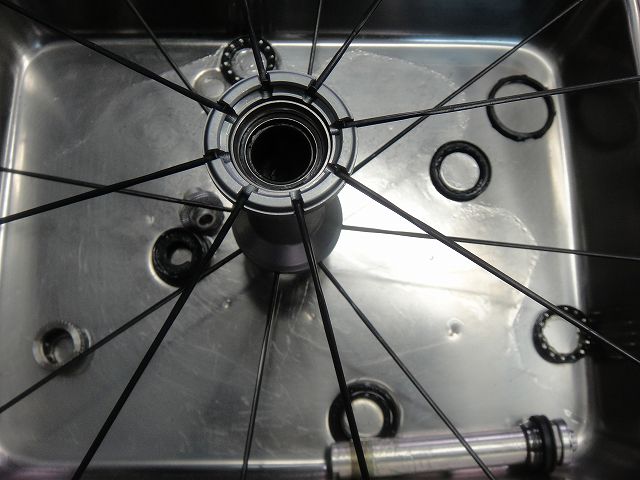
A hub overhaul was also requested, so back to the front wheel.
If the rotation becomes sluggish, it's "too late,"
but whether you should open up a hub that isn't too late yet is tricky.
Ideally you'd open them periodically based on mileage and time,
but when the ball races are shiny and the grease isn't dirty,
you sometimes wonder if you even needed to open it at all...
But that's something you can't know until you open it up, and
once you've opened it, labor charges apply...
It's like Schrödinger's cat—a hub that "feels fine to the touch."
This front hub was one of those "feels fine" ones.
And it actually was fine, but once opened, I make sure to do a proper cleaning and regrease.
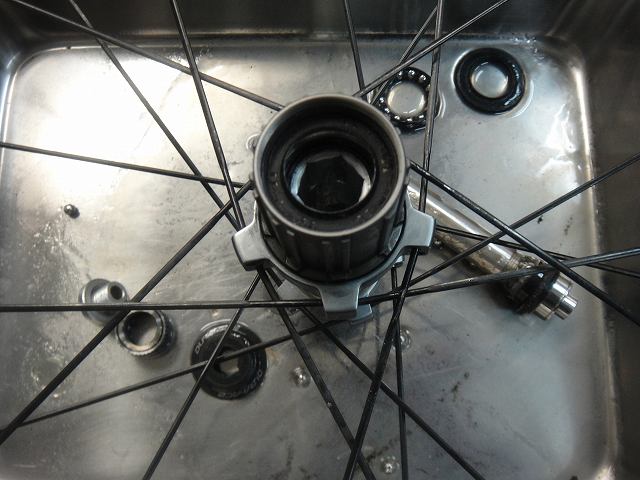
The rear hub also "feels fine."
Let's start with cleaning.
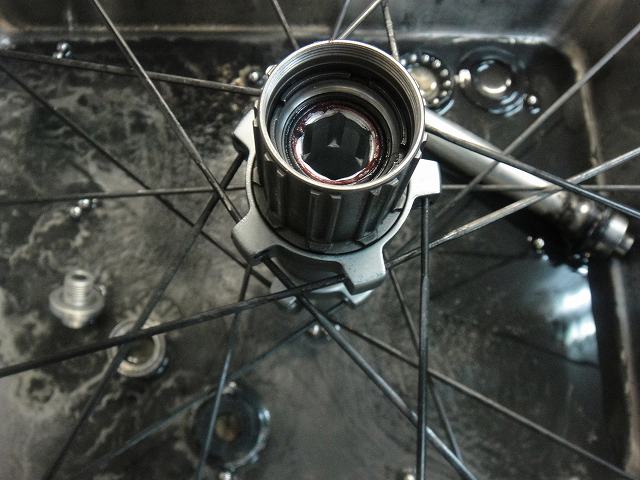
Yikes!
Yeah, you really can't tell what's inside a hub, can you (laughs).