Today it's wheels again (and so on).
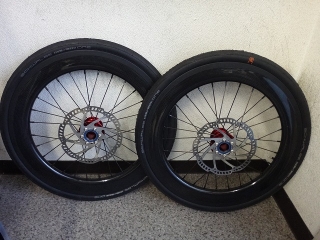
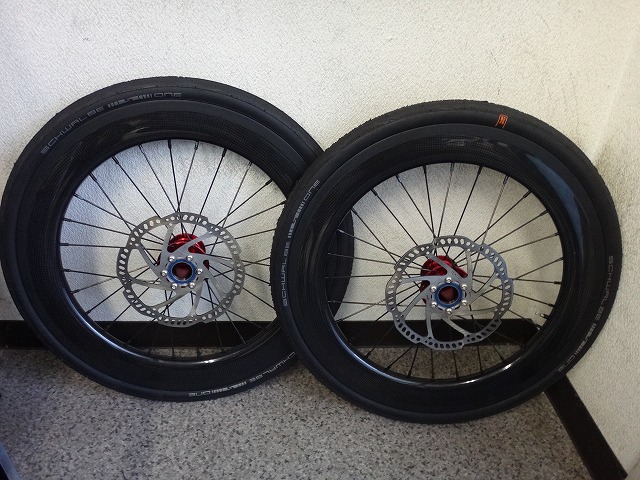
Following yesterday's rear wheel, I'm rebuilding both front wheels too.
Originally the plan was just to rebuild the rear wheel and only inspect the front wheels,
so the rear wheel was supposed to get black spokes,
but the front wheels turned out to be just as full of crappy features,
so the request changed to silver spokes for both front and rear.
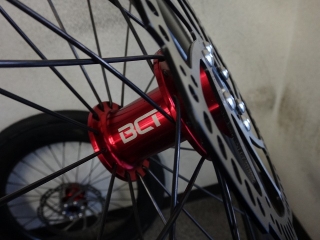
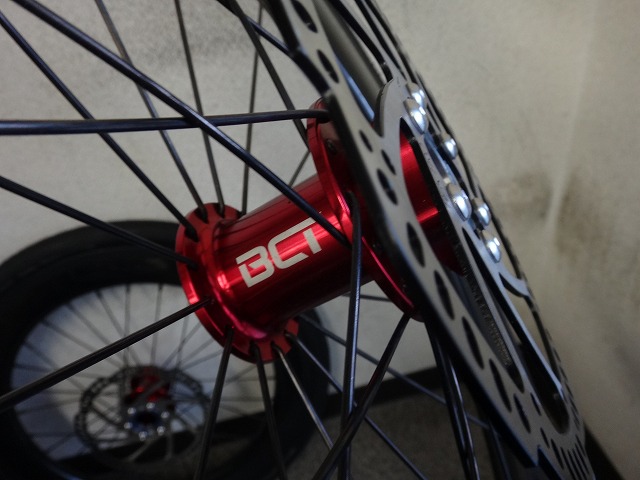
The hub is the same BCT brand as the rear wheel rebuild,
with 28H per side in a 4-cross lacing pattern (reading from the rotor mount side).
The spokes are #14 black Campagnolo (Campy).
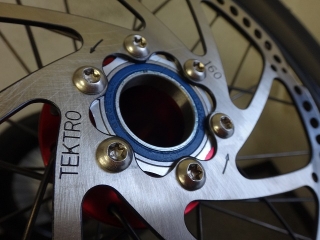

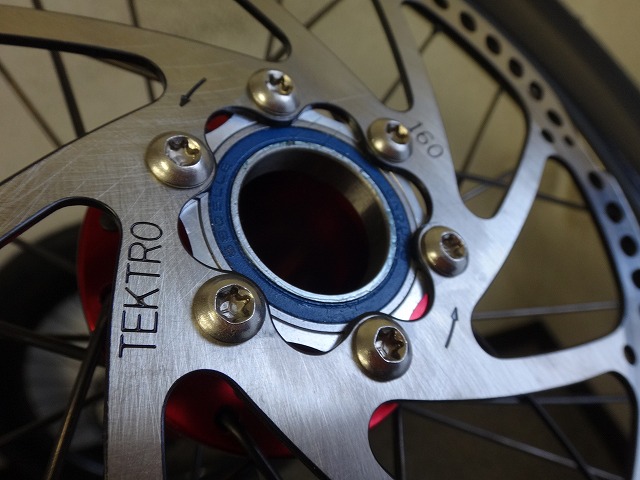
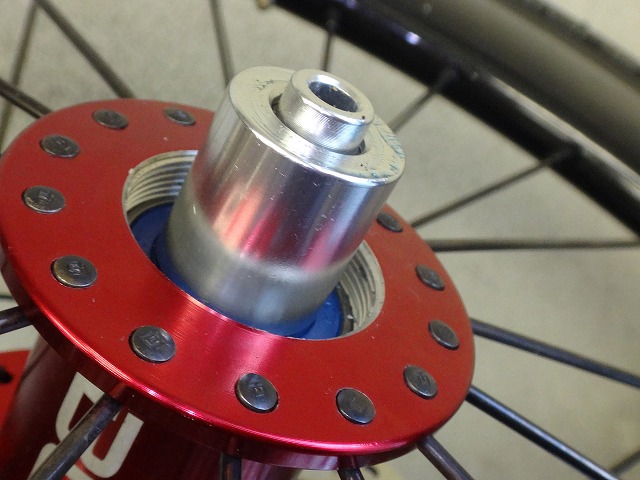
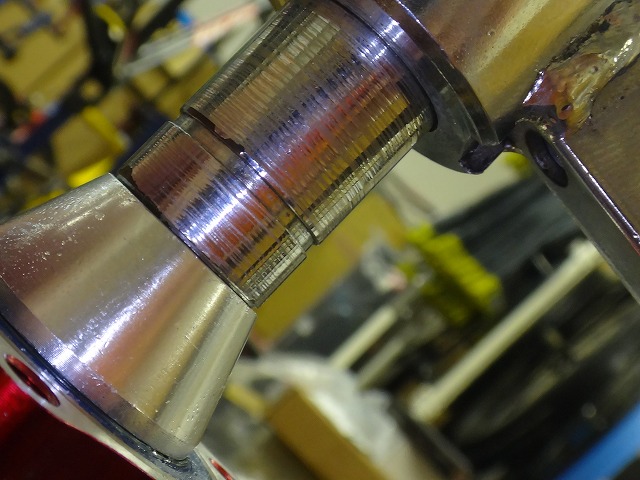
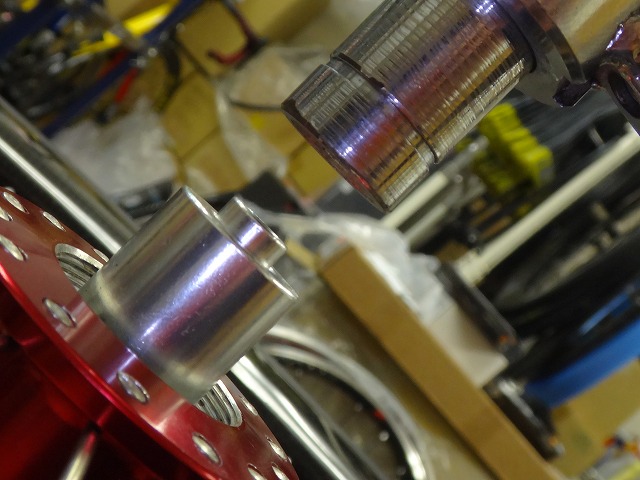
The hub spec is borrowed from a Cannondale Lefty,


↑so I can use this wheel-building jig/adapter that says "do not use in actual riding."
The little roller around it is just there to prevent it from rolling.
Don't mind it.
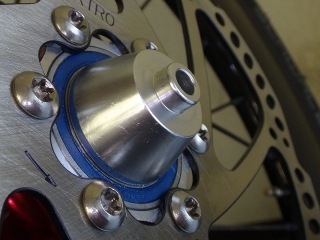
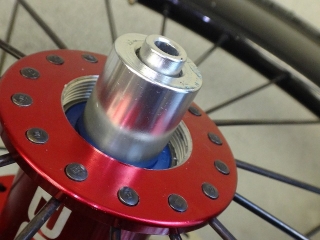
↑like this
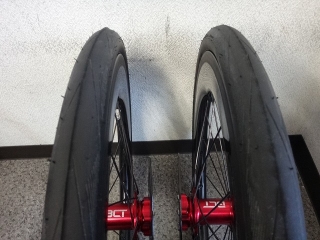
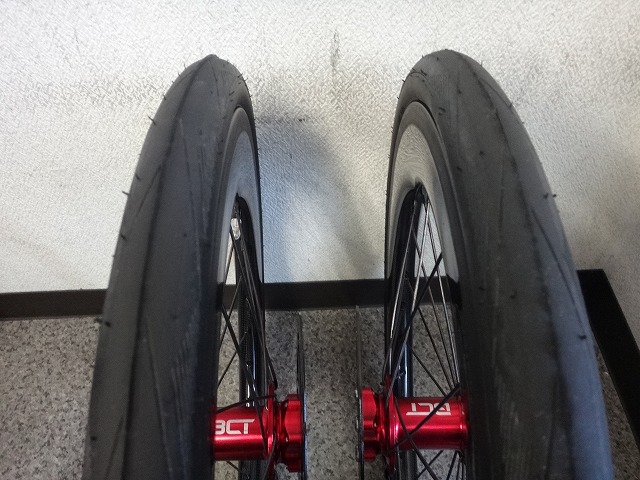
These two front wheels, when mounted on the trike frame,
have the disc rotors on the inside for both left and right.
The tires are mounted with their directional arrows aligned to the direction of travel,
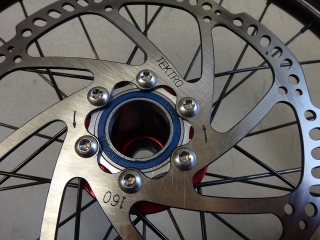
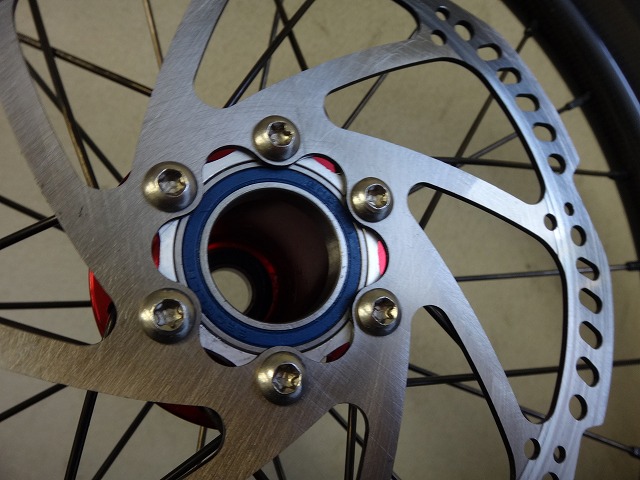
whereas the right front wheel's 6-hole rotor is mounted in the generally correct direction,

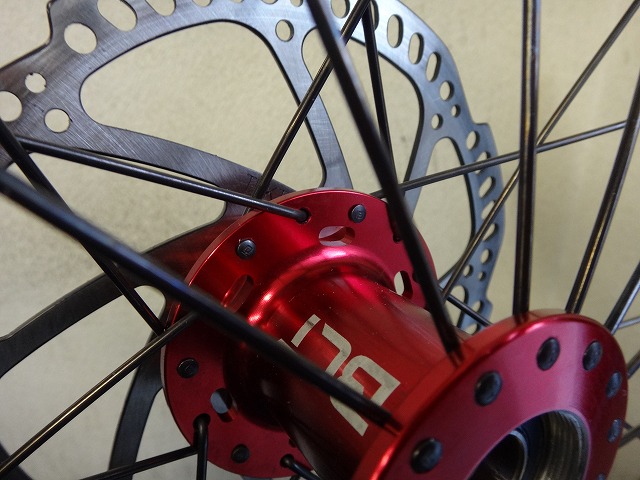
the left front wheel's rotor is deliberately mounted backwards,
showing at least that level of consideration, and yet—
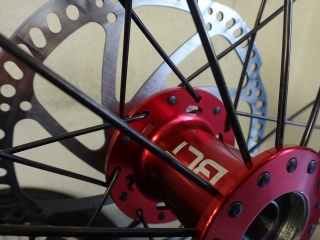
↑right front wheel
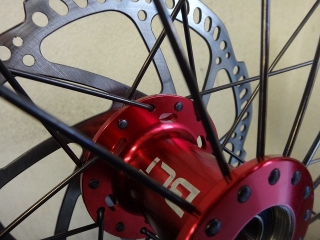
↑left front wheel
they had laced the "same wheel" on both sides.
Not a mirror image reversal.
Since the right front wheel's rotor mount side is equivalent to reverse Italian lacing,
the left front wheel's rotor mount side would be equivalent to Italian lacing.
Actually this wasn't the reason the customer wanted a rebuild—
they might not have known about this issue at all.
The reason they wanted the rebuild was that the spokes were too short,
and they couldn't shake a distrust of HC Works.
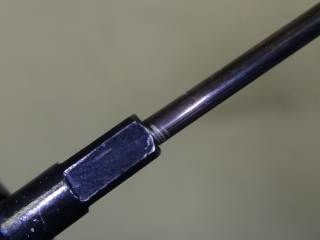
↑you can see the end of the thread-rolled section sticking out from the nipple.
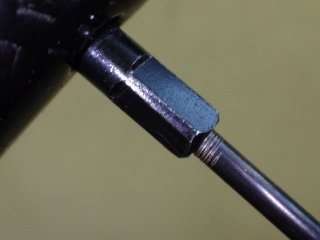
↑this one is even more obvious.
This is separate from the spokes being short—
it's because they're using a Hozan spoke threading tool,
which cuts the thread with three rolling wheels,
and unless you use it very carefully, the threaded section length
won't come out consistent.

↑the spoke on the left is a CX-RAY as-is,
the one on the right was used in this wheel.
By the way, the thing blurrily visible in the back—
people who know will know it's a Hazet tool chest.
Beyond the thread-length problem, they just didn't cut clean threads to begin with.
The spoke cut end looks sharp, but—
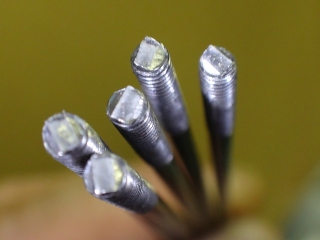
they seem to be cutting with some kind of plier tool.
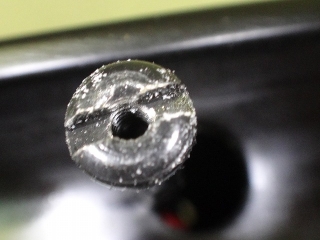
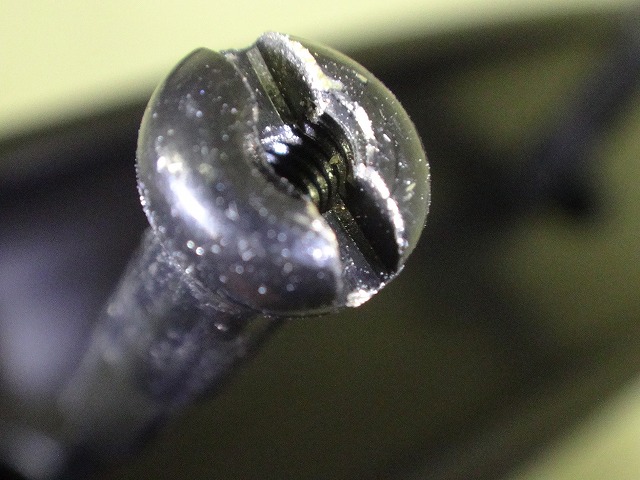
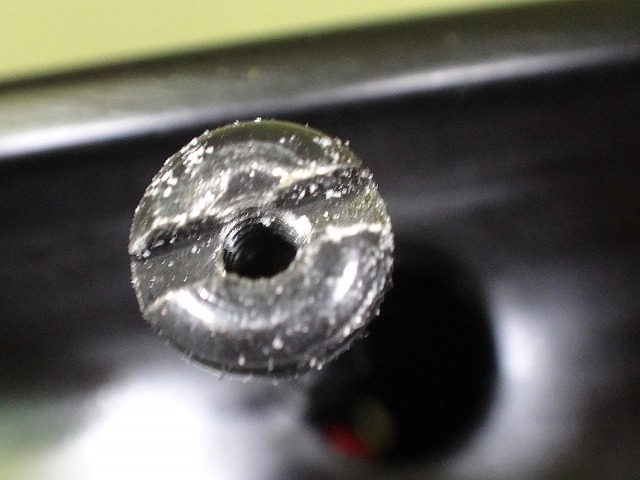
The image above is from yesterday's rear wheel original spoke,
and you can see it has a flat cut end like the tip of a minus screwdriver.

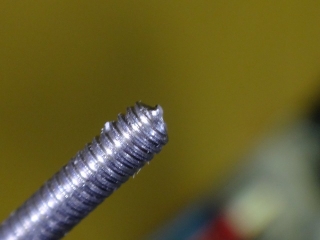
↑same spoke.
Just shot at a 90-degree angle to the first.

I carefully disassembled starting from the valve hole
and kept two spokes on each side whose nipples I hadn't touched.
By pulling these nipples out of the rim, I could observe the original length.
By the way, like the rear wheel, they're using 16mm nipples pointlessly.
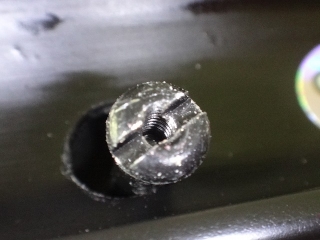
↑rotor mount side tangent lacing
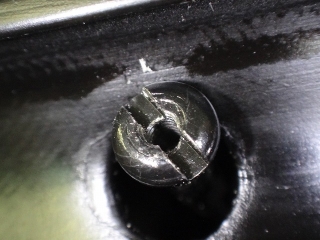
↑non-rotor mount side radial lacing

↑rotor mount side tangent lacing
↑non-rotor mount side radial lacing
The spoke end faces are barely visible—the spokes are that short.
Yesterday's rear wheel was abnormally slack,
but these front wheels had decent tension.
If yesterday's rear wheel had had tension like today's front wheels
(though the spoke ends still wouldn't reach the nipple slots either way,
so it'd be bad regardless), it would have looked better length-wise than these fronts.
I showed the customer the inside of the rim lit with a flashlight
after removing the tires, tubes, and rim tape from the front wheels,
and that's what made them want a rebuild.

The right front wheel is done.
The lacing is exactly the same as before,
but I've switched the spokes from black Campy to silver Campy.
The left front wheel is still in the as-received state, but
with black spokes, when you grip the tangent-laced side it deflects slightly
and makes a squeaking sound, whereas the rebuilt right front wheel
with silver spokes has no noise from the final crosses on—
you can clearly tell it's under more tension than the left wheel.
If I could, I'd have the customer squeeze-test both wheels,
but calling them in would delay the delivery, so I can't do that.
Actually, the silver Campy after rebuild is #15 plain,
so even though the spokes are thinner, they're actually stiffer—
a real-world example of that.
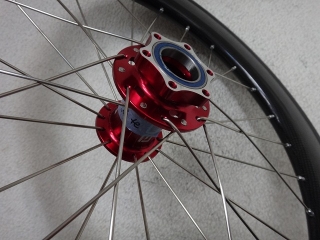
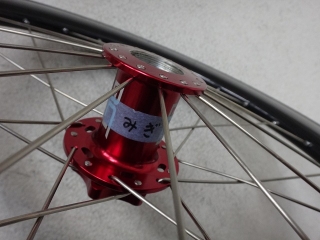
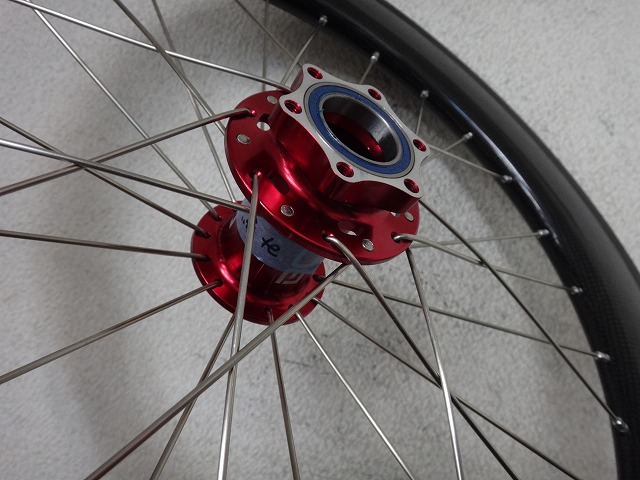
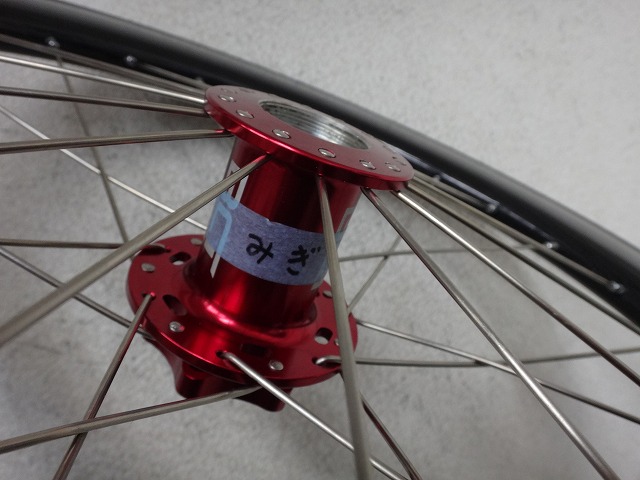
I put a piece of tape labeled "right" on the right hub shell only.
Despite equal-number lacing, the reason for what you'd call
"non-freewheel side radial lacing" on a normal rear wheel is this:
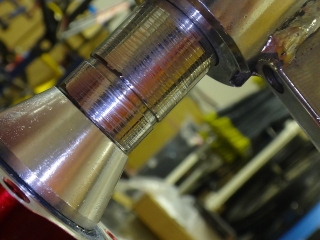

Both front wheels need serious centering offset,
with the rim flaring outward on both sides.
This isn't about tire spacing for stability or anything—
it's so the handlebars and the hands holding them don't rub the tires.
With this much offset
(small-diameter wheels plus high rim depth probably contribute to this too),
the radial-laced side actually ends up under higher tension.
The original wheels were offset too, but the amount
differed between left and right by over 1mm.
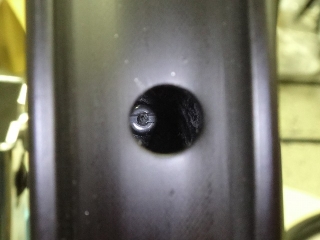
The rim height makes it hard to photograph well, but—
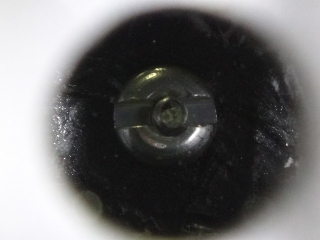
↑spoke lengths are like this
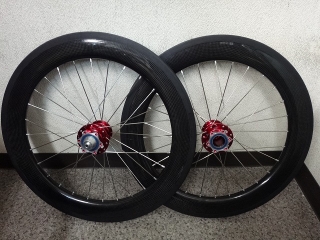
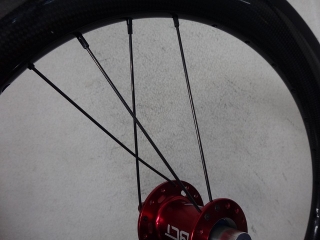
The left front wheel is done too.
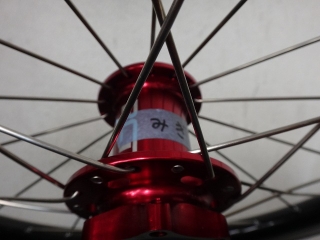
↑right front wheel
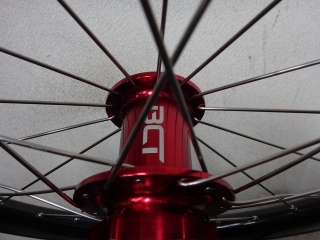
↑left front wheel
I've laced them as mirror images of each other.
Following yesterday's rear wheel, I'm rebuilding both front wheels too.
Originally the plan was just to rebuild the rear wheel and only inspect the front wheels,
so the rear wheel was supposed to get black spokes,
but the front wheels turned out to be just as full of crappy features,
so the request changed to silver spokes for both front and rear.
The hub is the same BCT brand as the rear wheel rebuild,
with 28H per side in a 4-cross lacing pattern (reading from the rotor mount side).
The spokes are #14 black Campagnolo (Campy).
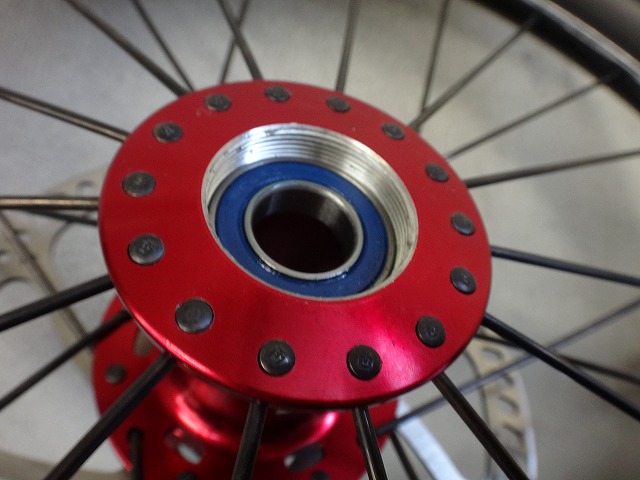
The hub spec is borrowed from a Cannondale Lefty,
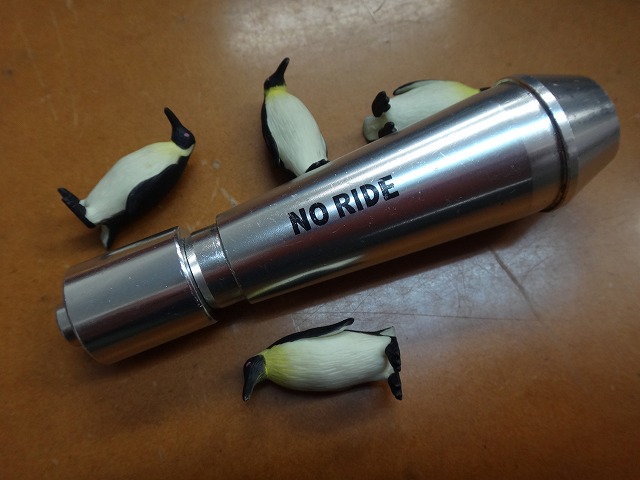
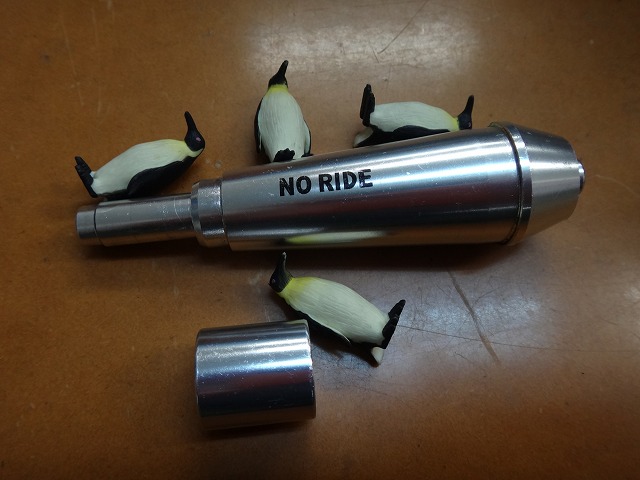
↑so I can use this wheel-building jig/adapter that says "do not use in actual riding."
The little roller around it is just there to prevent it from rolling.
Don't mind it.
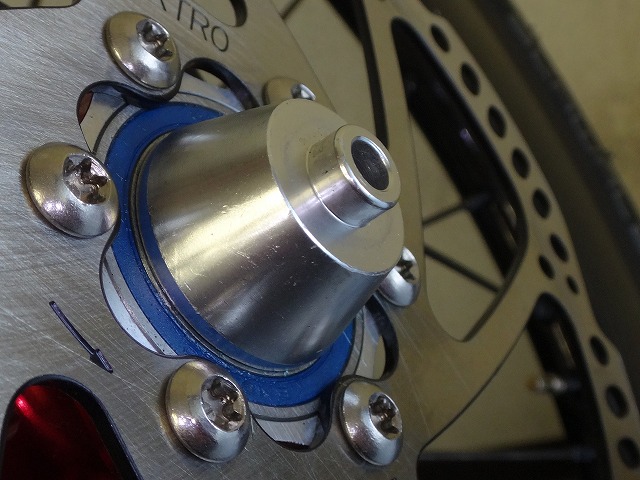
↑like this
These two front wheels, when mounted on the trike frame,
have the disc rotors on the inside for both left and right.
The tires are mounted with their directional arrows aligned to the direction of travel,

whereas the right front wheel's 6-hole rotor is mounted in the generally correct direction,
the left front wheel's rotor is deliberately mounted backwards,
showing at least that level of consideration, and yet—

↑right front wheel
↑left front wheel
they had laced the "same wheel" on both sides.
Not a mirror image reversal.
Since the right front wheel's rotor mount side is equivalent to reverse Italian lacing,
the left front wheel's rotor mount side would be equivalent to Italian lacing.
Actually this wasn't the reason the customer wanted a rebuild—
they might not have known about this issue at all.
The reason they wanted the rebuild was that the spokes were too short,
and they couldn't shake a distrust of HC Works.
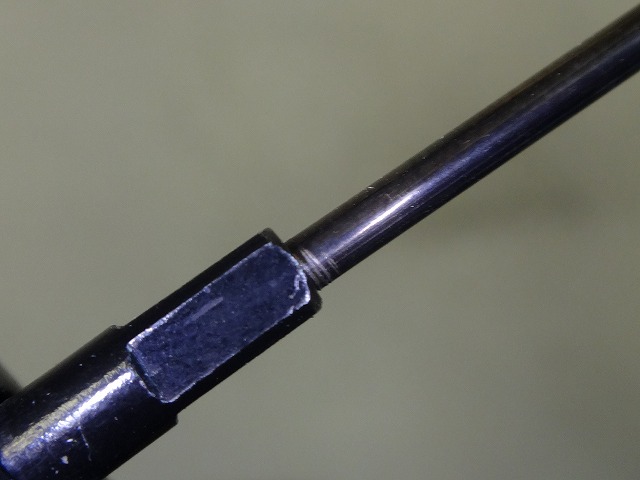
↑you can see the end of the thread-rolled section sticking out from the nipple.
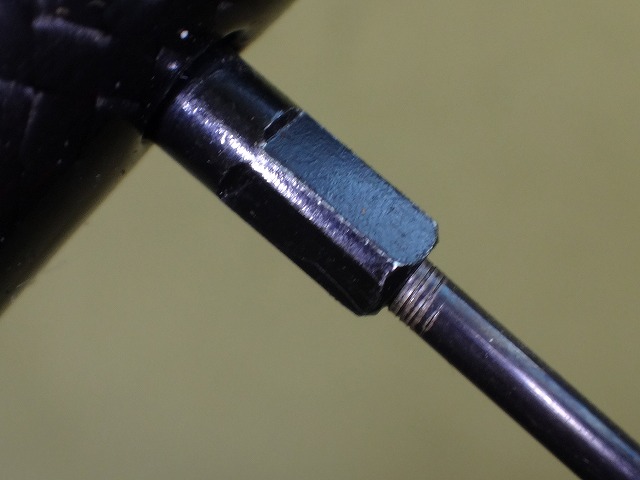
↑this one is even more obvious.
This is separate from the spokes being short—
it's because they're using a Hozan spoke threading tool,
which cuts the thread with three rolling wheels,
and unless you use it very carefully, the threaded section length
won't come out consistent.

↑the spoke on the left is a CX-RAY as-is,
the one on the right was used in this wheel.
By the way, the thing blurrily visible in the back—
people who know will know it's a Hazet tool chest.
Beyond the thread-length problem, they just didn't cut clean threads to begin with.
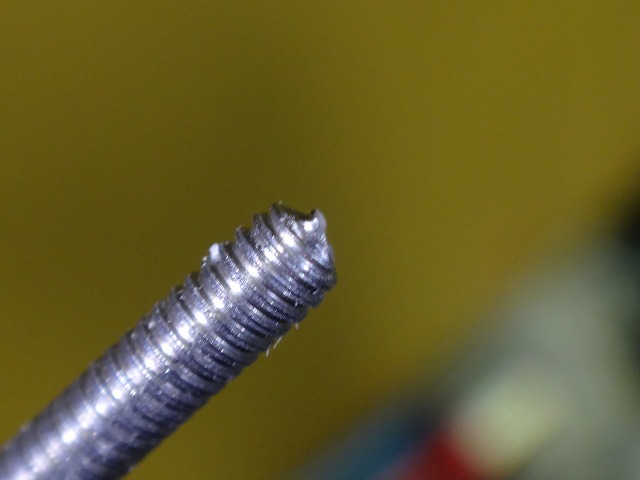
The spoke cut end looks sharp, but—
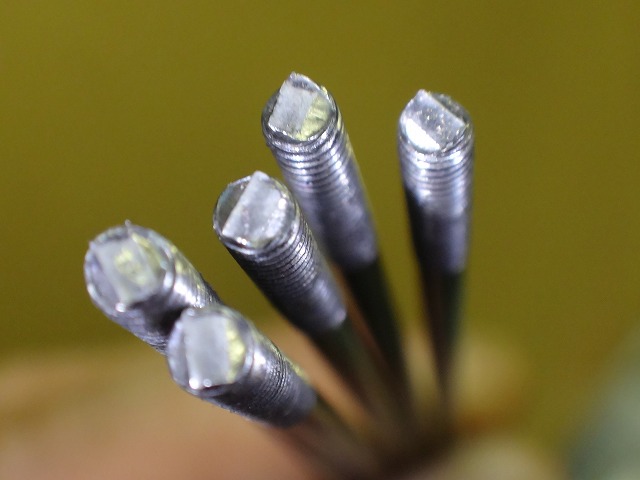
they seem to be cutting with some kind of plier tool.
The image above is from yesterday's rear wheel original spoke,
and you can see it has a flat cut end like the tip of a minus screwdriver.
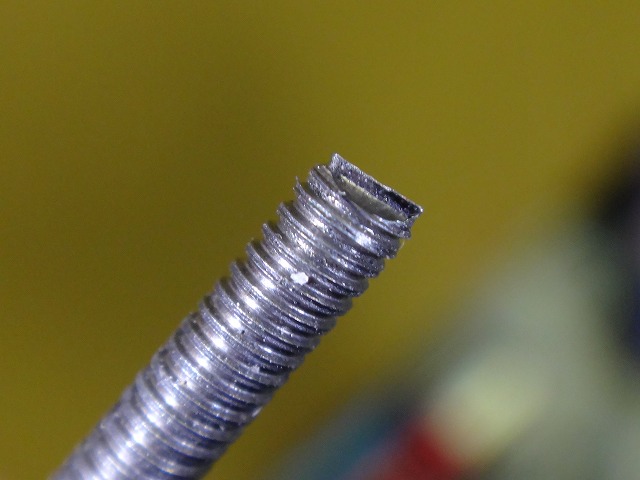
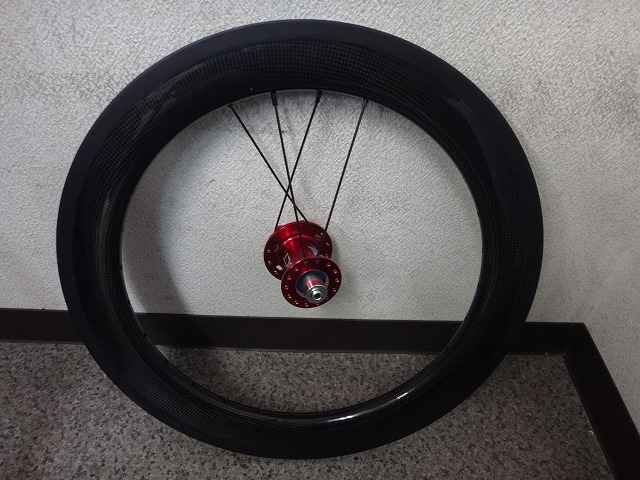
↑same spoke.
Just shot at a 90-degree angle to the first.

I carefully disassembled starting from the valve hole
and kept two spokes on each side whose nipples I hadn't touched.
By pulling these nipples out of the rim, I could observe the original length.
By the way, like the rear wheel, they're using 16mm nipples pointlessly.
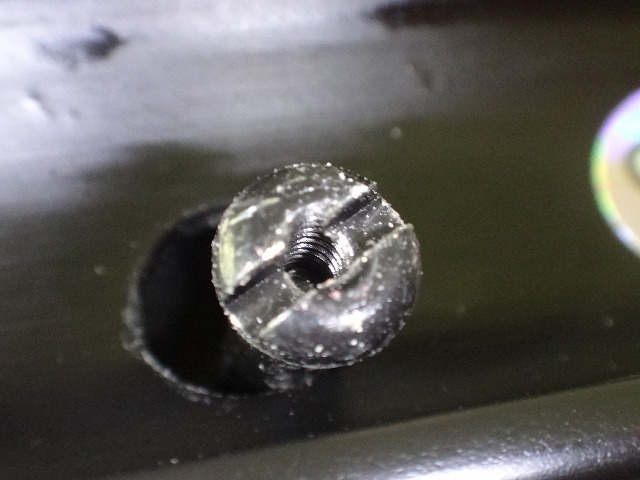
↑rotor mount side tangent lacing
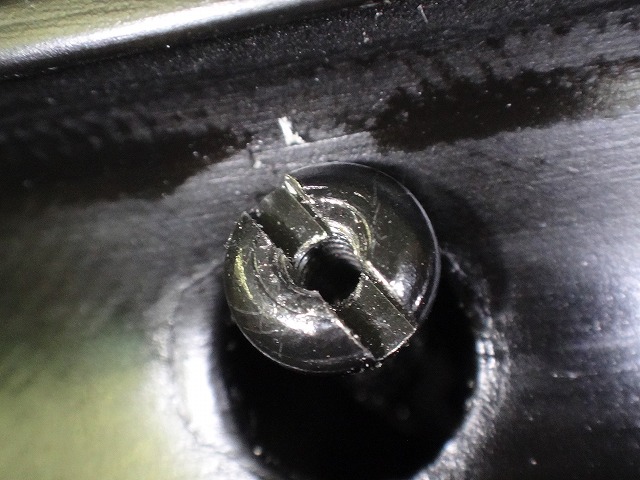
↑non-rotor mount side radial lacing
↑rotor mount side tangent lacing
↑non-rotor mount side radial lacing
The spoke end faces are barely visible—the spokes are that short.
Yesterday's rear wheel was abnormally slack,
but these front wheels had decent tension.
If yesterday's rear wheel had had tension like today's front wheels
(though the spoke ends still wouldn't reach the nipple slots either way,
so it'd be bad regardless), it would have looked better length-wise than these fronts.
I showed the customer the inside of the rim lit with a flashlight
after removing the tires, tubes, and rim tape from the front wheels,
and that's what made them want a rebuild.

The right front wheel is done.
The lacing is exactly the same as before,
but I've switched the spokes from black Campy to silver Campy.
The left front wheel is still in the as-received state, but
with black spokes, when you grip the tangent-laced side it deflects slightly
and makes a squeaking sound, whereas the rebuilt right front wheel
with silver spokes has no noise from the final crosses on—
you can clearly tell it's under more tension than the left wheel.
If I could, I'd have the customer squeeze-test both wheels,
but calling them in would delay the delivery, so I can't do that.
Actually, the silver Campy after rebuild is #15 plain,
so even though the spokes are thinner, they're actually stiffer—
a real-world example of that.
I put a piece of tape labeled "right" on the right hub shell only.
Despite equal-number lacing, the reason for what you'd call
"non-freewheel side radial lacing" on a normal rear wheel is this:
Both front wheels need serious centering offset,
with the rim flaring outward on both sides.
This isn't about tire spacing for stability or anything—
it's so the handlebars and the hands holding them don't rub the tires.
With this much offset
(small-diameter wheels plus high rim depth probably contribute to this too),
the radial-laced side actually ends up under higher tension.
The original wheels were offset too, but the amount
differed between left and right by over 1mm.
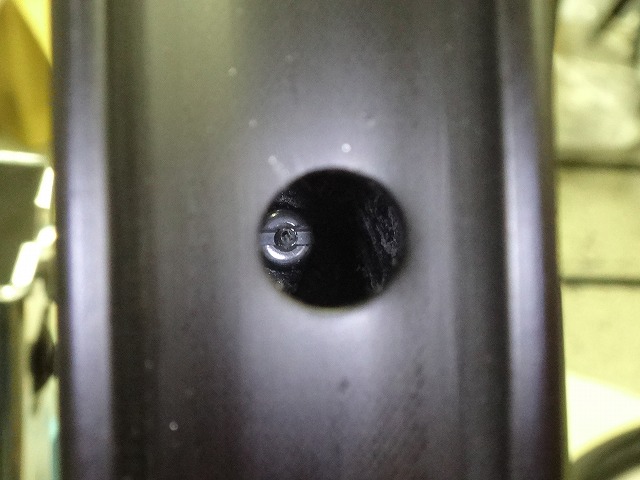
The rim height makes it hard to photograph well, but—

↑spoke lengths are like this

The left front wheel is done too.
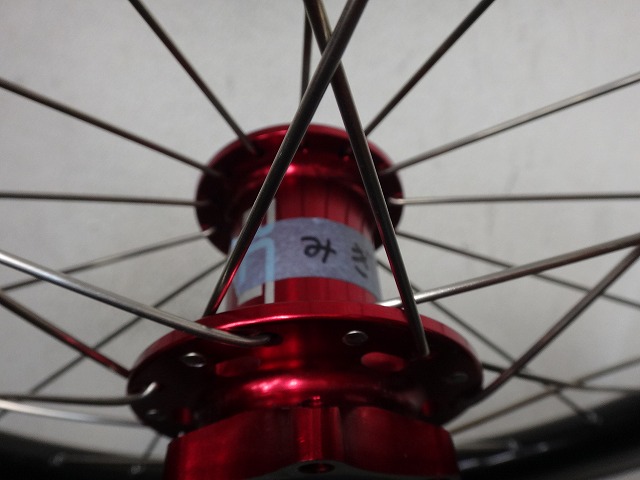
↑right front wheel
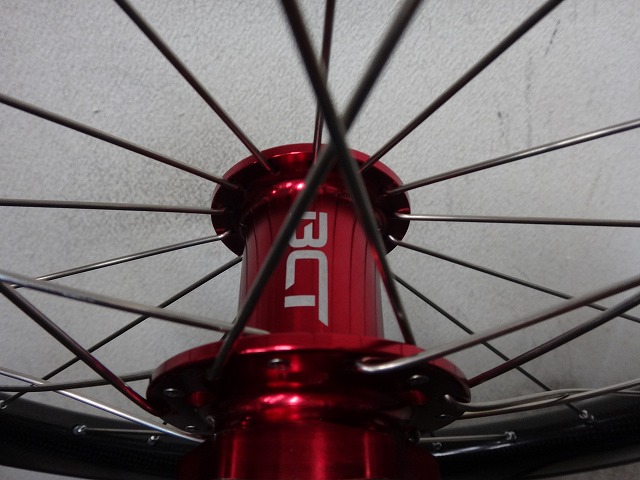
↑left front wheel
I've laced them as mirror images of each other.