Another wheel day today (etc.).

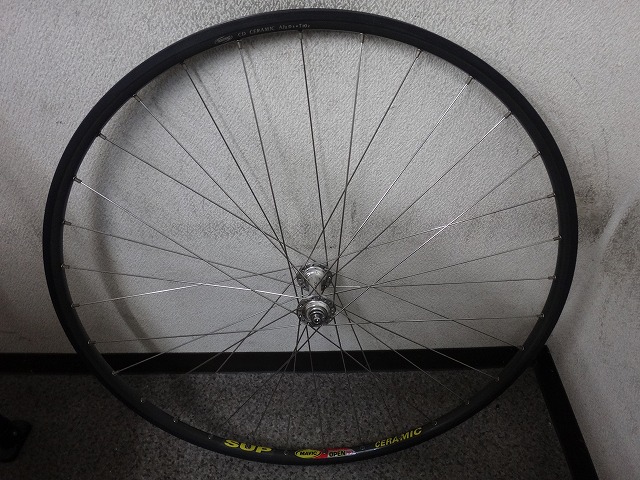
A customer left me a front and rear wheel set built with Open Pro CD Ceramic rims.
Today I only dealt with the front wheel.

HB-7700, 32H, Sapim #15 Race 2.0 Italian lace pattern.
They wanted it rebuilt with black CX-RAY radial lacing.

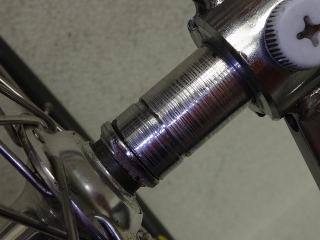
The centering was spot-on, and it had good, solid tension.
It's built properly. The reason I'm stepping back a bit for these shots is because with Italian lace the inpoke and outpoke directions are different on left and right,
and I wanted to capture that in the image.
There was essentially no wobble.
Some people might think it's unusual for me to praise someone else's built wheel,
but it's not that praise is unusual—it's that properly built wheels are rare.
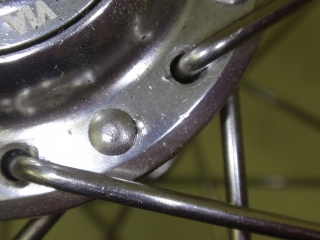
The outpoke head shows traces from an inpoke neck underneath, so this wasn't the hub's first wheel even at this point.
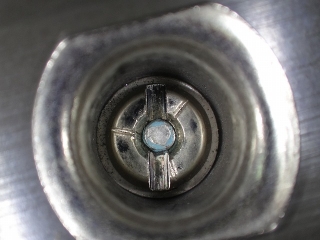
The nipples weren't Sapim's own—they were 3.4mm brass.
The marks at 120° intervals, separate from the slot, are apparently to identify them as #15 nipples.
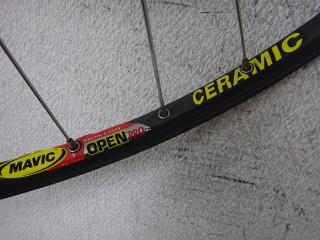
Regarding "CD Ceramic":
CD is hard-anodized color for starters,
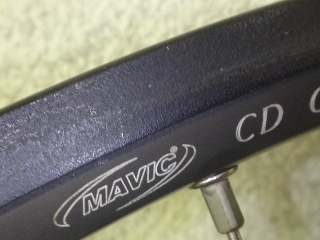
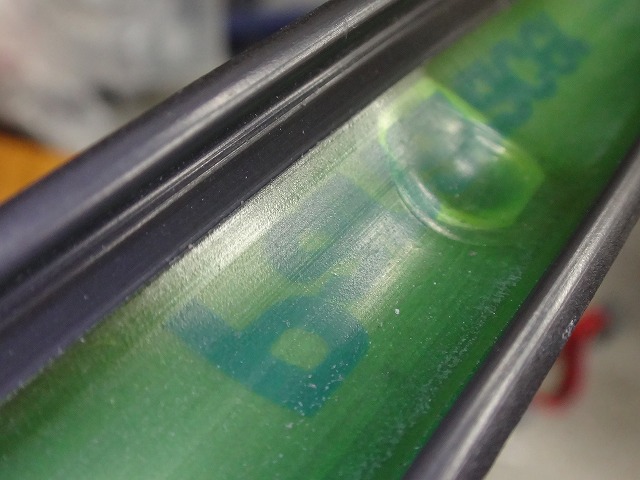
and "ceramic" refers to this black, grainy surface treatment in the brake zone.
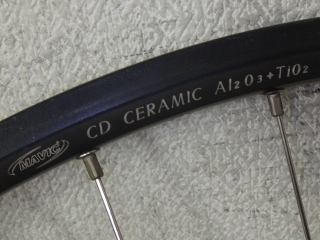
The spec with a chemical formula laser-etched on it is limited to early models among Open Pros from the era of the sticker on this rim.
Ceramic treatment is often applied to CD anodized rims, but rims like MACH 2 CD2 have a silver rim + ceramic treatment combo.
For this rim, Shimano once made ceramic-specific brake shoes—one set for 7700-series Dura-Ace caliper brakes and another for 950-series XTR V-brakes.
Using them together doesn't so much increase stopping power as it gives you wet-weather braking that's in a completely different league compared to normal rim and shoe combinations.
Using ceramic-specific shoes on regular rims isn't recommended because it causes abnormal rim wear.
Using regular shoes on a ceramic rim just wears the shoes faster—there's no hard prohibition.
If you're looking for something with similar properties in current models, Swiss Stop's BXP is pretty good.
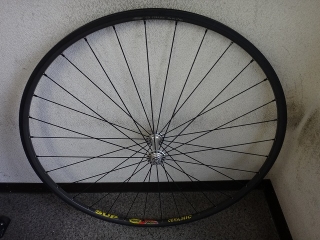
Rebuilt it.
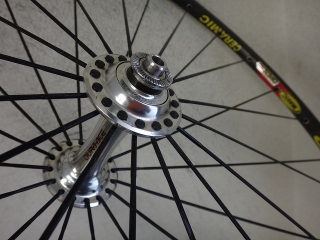
Black CX-RAY radial lacing with black aluminum nipples.
A third set of marks appeared on the hub flange.
Radial lacing with 28H or more makes the hub body harder to wipe down.
This hub actually has a radial-lacing prohibition, and radial lacing doesn't get official Shimano approval until
7700-series Dura-Ace 105 front hub HB-5500,
the logo-changed HB-5501,
and its minor-revision HB-5501-A, which was the first.
But given that earlier 7400-series Dura-Ace front hub HB-7400 and the contemporary 6400-series 600 Altegra front hub HB-6400 come in 18H,
and HB-7700 also comes in 18H,
even with a Ж (mixed) lacing, you can't avoid radial lacing on 1 out of every 3 spokes.
I myself have a 24H HB-7700 front wheel laced radial,
and back when this hub and rim were current, the wheels supplied with complete bikes (especially lower to mid-range models)
weren't pre-built; they were hand-laced. But 4400-series Tiagra and 3300-series Sora 32H hubs
radially laced on front wheels were fairly common.
My point is that people were doing radial lacing all the time back then too.
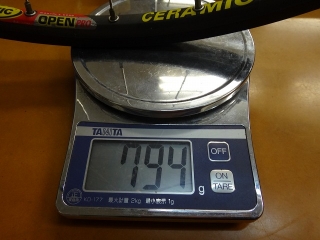
before
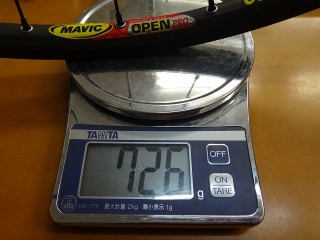
after
The customer asked me to weigh the wheel before and after rebuilding, so I did.
I'm not going to use this to claim "nearly 10% lighter!" and say the rebuilt wheel is somehow superior.
Obviously, the rim weight doesn't change during a rebuild,
and while rim weight reduction from nipple material change is substantial,
a light-feeling wheel doesn't necessarily roll better.
In fact, most wheels I rebuild end up slightly heavier around the spokes.
Also, both images above are weighted without the spoke guard band.
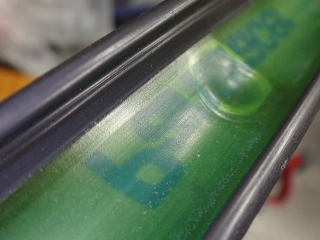
It's 15mm wide, so the width didn't match anyway, but a certain maker's spoke guard band was already on there
(installed backwards from the start).
When you cut a spoke under tension, at first the spoke flies off forcefully away from the rim.
Rather than preventing that, if you don't slack off the tension beforehand,
it damages the rim—carbon rims especially can split around the spoke holes—
so even when cutting and discarding spokes, I always loosen the nipples and completely release tension.
Even so, cut spokes keep falling out of the rim... and this guard band prevents that.
Don't expect anything more from it than that.
The product name includes "rim tape," so many people accidentally use it as rim tape,
but it develops depressions extremely quickly and often causes pinch flats,
so you shouldn't use it as rim tape.
The product name also includes the word "light," but it's over 1g heavier than Vittoria's rim tape of the same width,
and 1g out of 20g is 5%—that's significant.
Plus Vittoria's is actual rim tape, so obviously it has a reasonable service life.
Presumably, the customer put on this spoke guard band thinking it would prevent trouble like me getting poked in the eye by flying spokes when I disassemble the wheel
(even though that's almost impossible if I slack off the tension before cutting).
I've received this kind of consideration from various customers before—their wheels came with this band—
but it's unnecessary. You don't need to specially wrap this band on the rim before leaving the wheel with me.
Don't waste money on things like that.
Well, there's also the width mismatch, but regardless, this wheel didn't have a rim tape on it,
so I'm installing Vittoria 18mm width.
A customer left me a front and rear wheel set built with Open Pro CD Ceramic rims.
Today I only dealt with the front wheel.
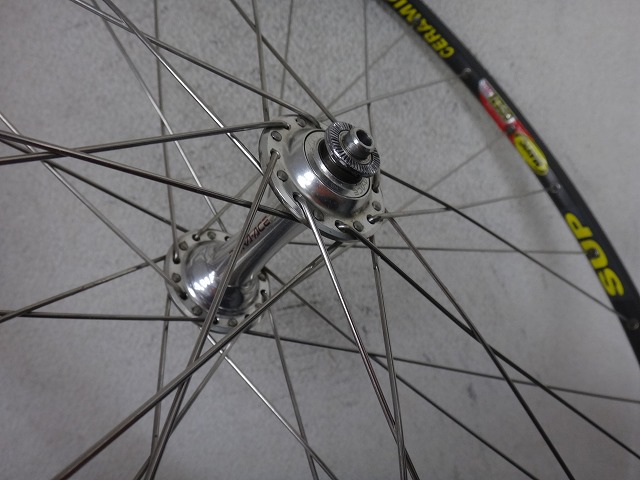
HB-7700, 32H, Sapim #15 Race 2.0 Italian lace pattern.
They wanted it rebuilt with black CX-RAY radial lacing.
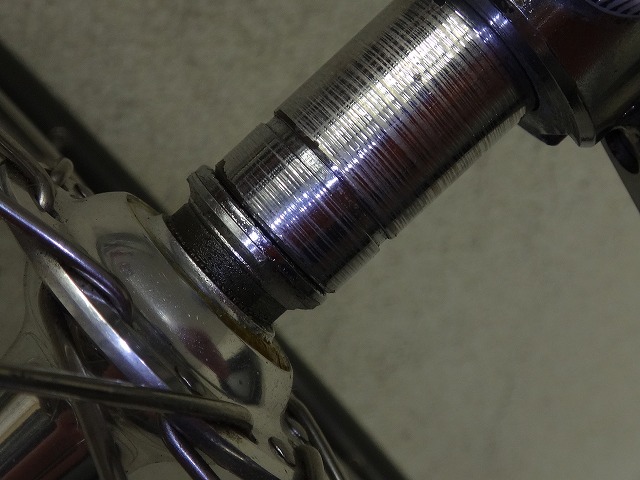

The centering was spot-on, and it had good, solid tension.
It's built properly. The reason I'm stepping back a bit for these shots is because with Italian lace the inpoke and outpoke directions are different on left and right,
and I wanted to capture that in the image.
There was essentially no wobble.
Some people might think it's unusual for me to praise someone else's built wheel,
but it's not that praise is unusual—it's that properly built wheels are rare.
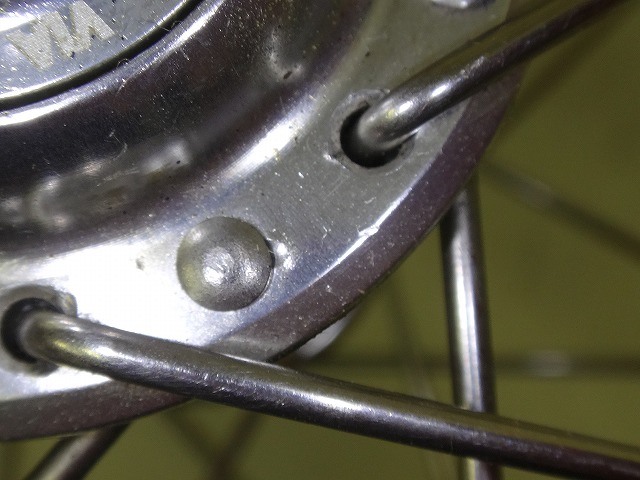
The outpoke head shows traces from an inpoke neck underneath, so this wasn't the hub's first wheel even at this point.
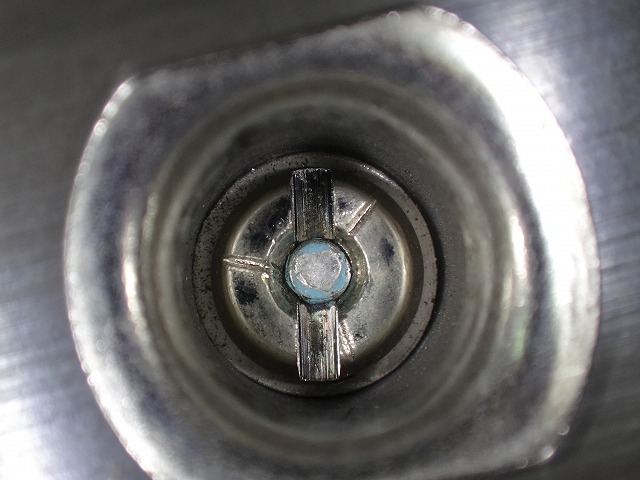
The nipples weren't Sapim's own—they were 3.4mm brass.
The marks at 120° intervals, separate from the slot, are apparently to identify them as #15 nipples.
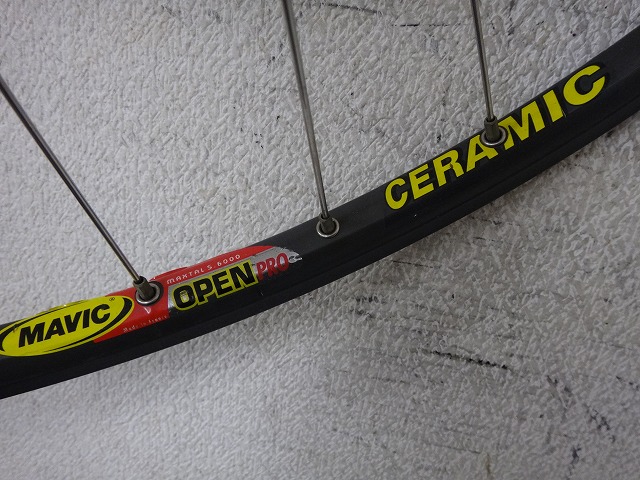
Regarding "CD Ceramic":
CD is hard-anodized color for starters,
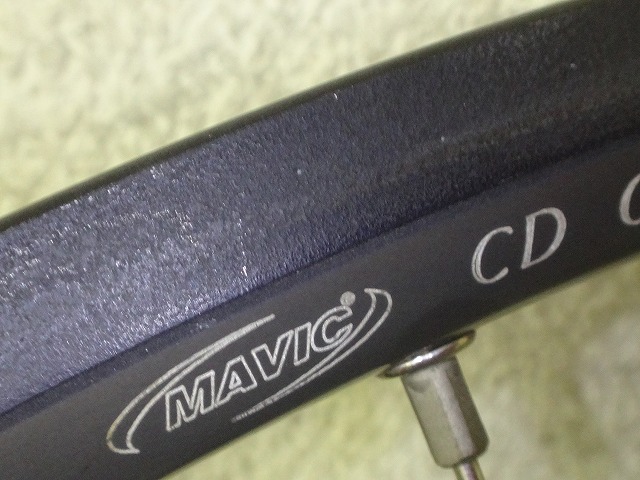
and "ceramic" refers to this black, grainy surface treatment in the brake zone.
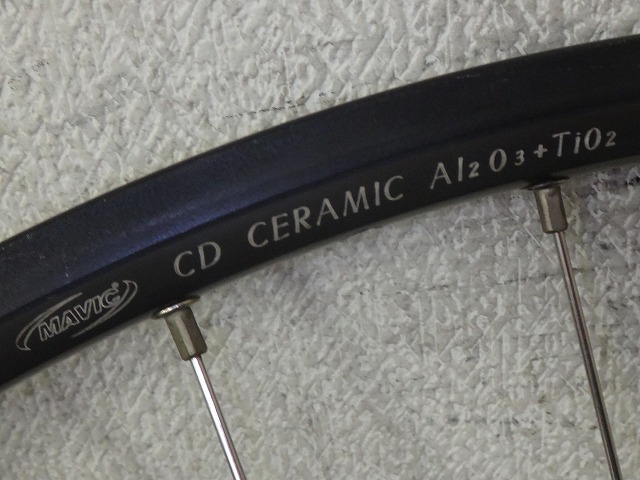
The spec with a chemical formula laser-etched on it is limited to early models among Open Pros from the era of the sticker on this rim.
Ceramic treatment is often applied to CD anodized rims, but rims like MACH 2 CD2 have a silver rim + ceramic treatment combo.
For this rim, Shimano once made ceramic-specific brake shoes—one set for 7700-series Dura-Ace caliper brakes and another for 950-series XTR V-brakes.
Using them together doesn't so much increase stopping power as it gives you wet-weather braking that's in a completely different league compared to normal rim and shoe combinations.
Using ceramic-specific shoes on regular rims isn't recommended because it causes abnormal rim wear.
Using regular shoes on a ceramic rim just wears the shoes faster—there's no hard prohibition.
If you're looking for something with similar properties in current models, Swiss Stop's BXP is pretty good.
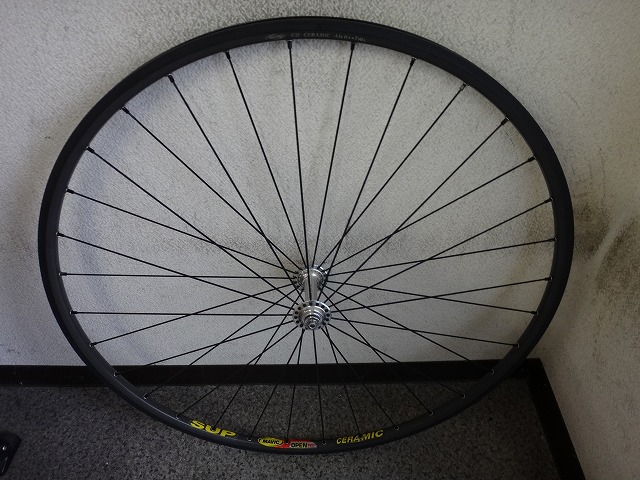
Rebuilt it.
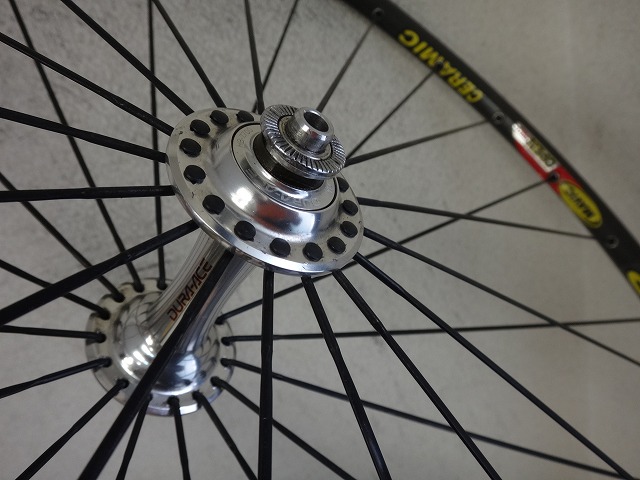
Black CX-RAY radial lacing with black aluminum nipples.
A third set of marks appeared on the hub flange.
This hub actually has a radial-lacing prohibition, and radial lacing doesn't get official Shimano approval until
7700-series Dura-Ace 105 front hub HB-5500,
the logo-changed HB-5501,
and its minor-revision HB-5501-A, which was the first.
But given that earlier 7400-series Dura-Ace front hub HB-7400 and the contemporary 6400-series 600 Altegra front hub HB-6400 come in 18H,
and HB-7700 also comes in 18H,
even with a Ж (mixed) lacing, you can't avoid radial lacing on 1 out of every 3 spokes.
I myself have a 24H HB-7700 front wheel laced radial,
and back when this hub and rim were current, the wheels supplied with complete bikes (especially lower to mid-range models)
weren't pre-built; they were hand-laced. But 4400-series Tiagra and 3300-series Sora 32H hubs
radially laced on front wheels were fairly common.
My point is that people were doing radial lacing all the time back then too.
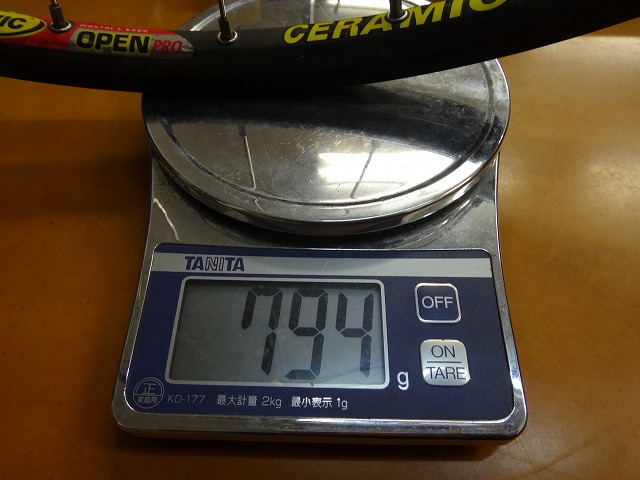
before
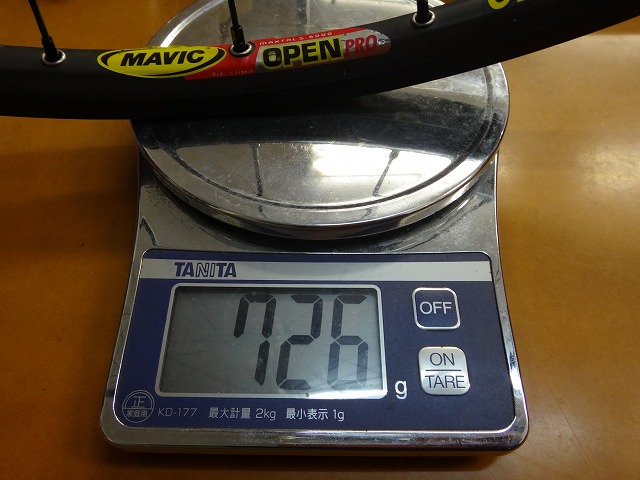
after
The customer asked me to weigh the wheel before and after rebuilding, so I did.
I'm not going to use this to claim "nearly 10% lighter!" and say the rebuilt wheel is somehow superior.
Obviously, the rim weight doesn't change during a rebuild,
and while rim weight reduction from nipple material change is substantial,
a light-feeling wheel doesn't necessarily roll better.
In fact, most wheels I rebuild end up slightly heavier around the spokes.
Also, both images above are weighted without the spoke guard band.
It's 15mm wide, so the width didn't match anyway, but a certain maker's spoke guard band was already on there
(installed backwards from the start).
When you cut a spoke under tension, at first the spoke flies off forcefully away from the rim.
Rather than preventing that, if you don't slack off the tension beforehand,
it damages the rim—carbon rims especially can split around the spoke holes—
so even when cutting and discarding spokes, I always loosen the nipples and completely release tension.
Even so, cut spokes keep falling out of the rim... and this guard band prevents that.
Don't expect anything more from it than that.
The product name includes "rim tape," so many people accidentally use it as rim tape,
but it develops depressions extremely quickly and often causes pinch flats,
so you shouldn't use it as rim tape.
The product name also includes the word "light," but it's over 1g heavier than Vittoria's rim tape of the same width,
and 1g out of 20g is 5%—that's significant.
Plus Vittoria's is actual rim tape, so obviously it has a reasonable service life.
Presumably, the customer put on this spoke guard band thinking it would prevent trouble like me getting poked in the eye by flying spokes when I disassemble the wheel
(even though that's almost impossible if I slack off the tension before cutting).
I've received this kind of consideration from various customers before—their wheels came with this band—
but it's unnecessary. You don't need to specially wrap this band on the rim before leaving the wheel with me.
Don't waste money on things like that.
Well, there's also the width mismatch, but regardless, this wheel didn't have a rim tape on it,
so I'm installing Vittoria 18mm width.