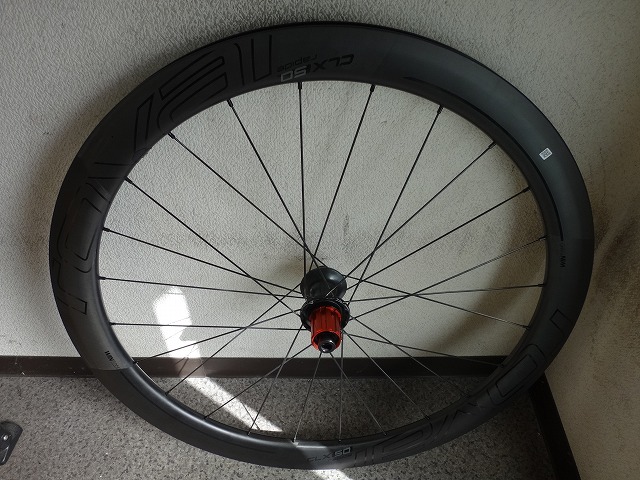
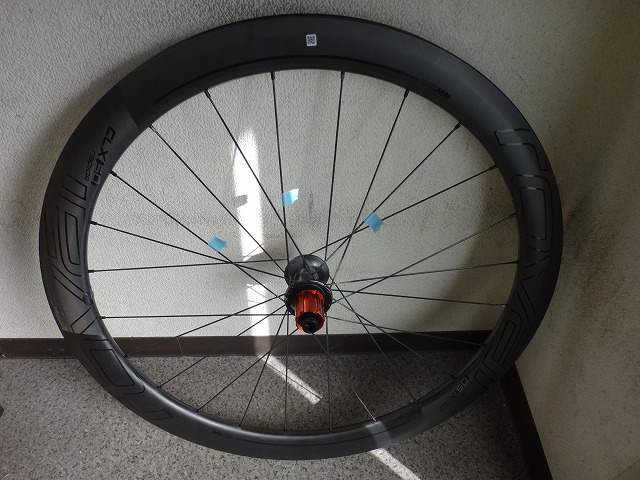
A customer brought in the rear wheel for disc brakes on a Roval CLX50.
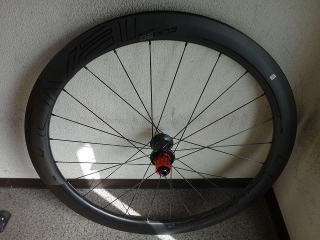
The rear derailleur pulley cage suddenly snapped,
and the shock caused the chain to fall inside the sprocket,
bending the spokes.
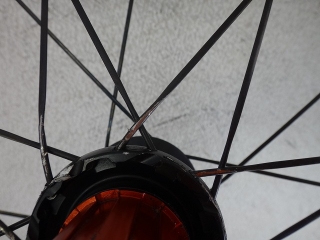
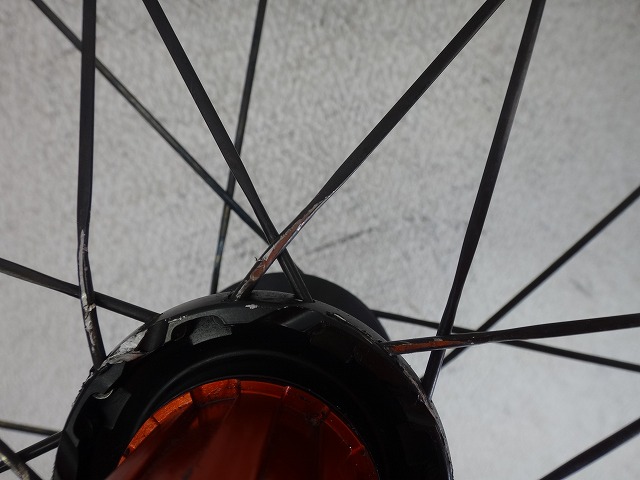
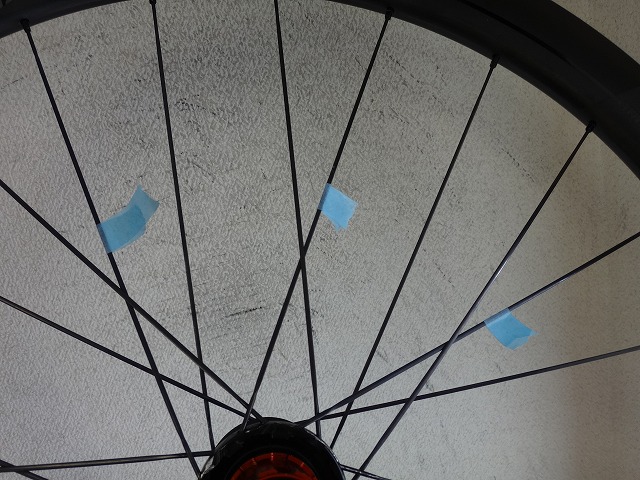
All seven spokes on the outer side in the "porcupine" direction
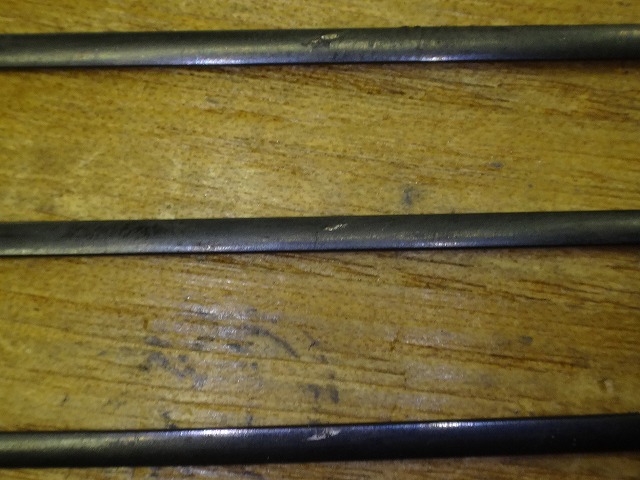
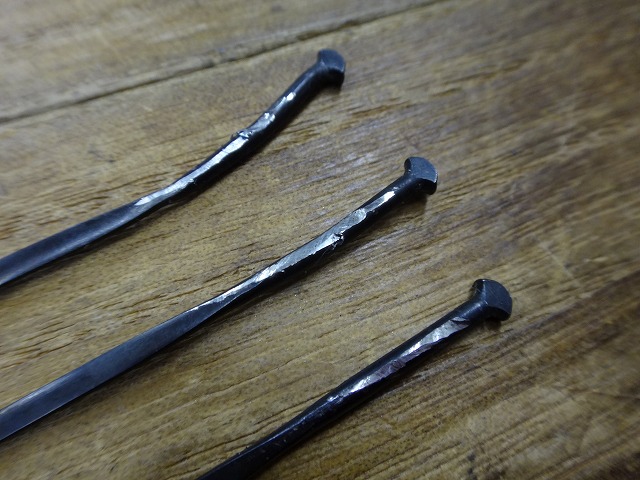
showed varying degrees of scratching, deformation, and
gouges from chain bite, but
I determined that the three spokes visible in the image above
were the ones requiring replacement.
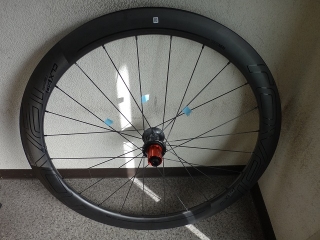
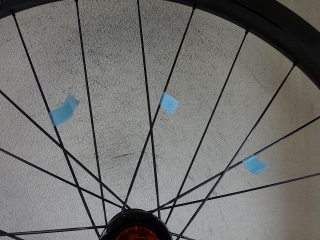
Fixed.
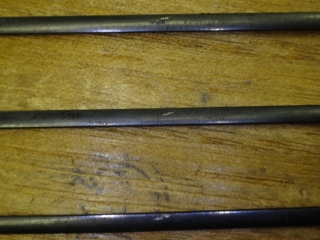
↑Replaced spokes
The paint scuffs visible in the center of all three images
are from the final crossing weave pattern,
and this area shows no deformation and is parallel, but
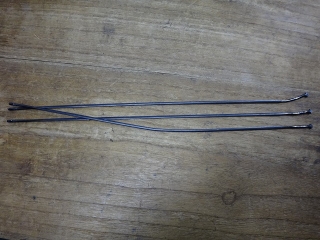
↑This is what the overall picture looks like.
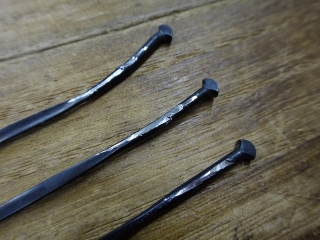
↑Near the spoke head
I've also inspected the matching front wheel for this CLX50 rear wheel,
as well as the front and rear wheels from a CLX64
that came as a bonus with a complete bike,
and the bearings on all the front wheels were grinding.
With the CLX50, when I tried to rotate the hub axle by hand,
it had resistance like a combination lock dial.
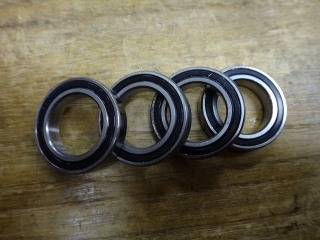
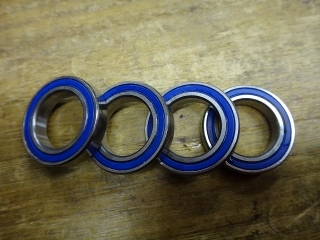
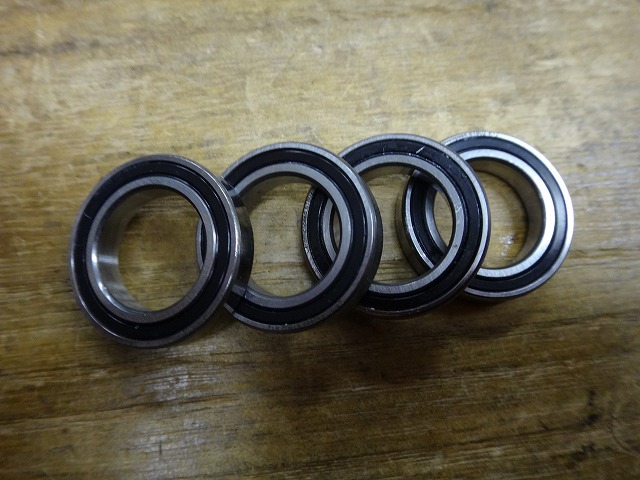
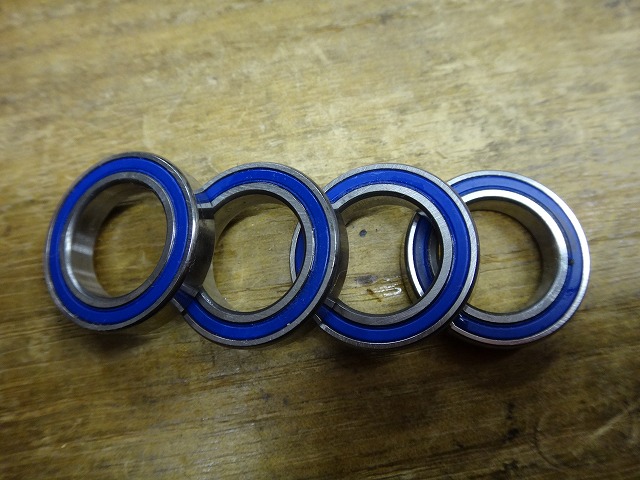
Both had black seals facing outward and blue seals inward.
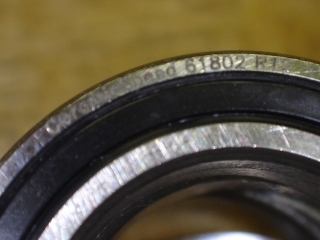
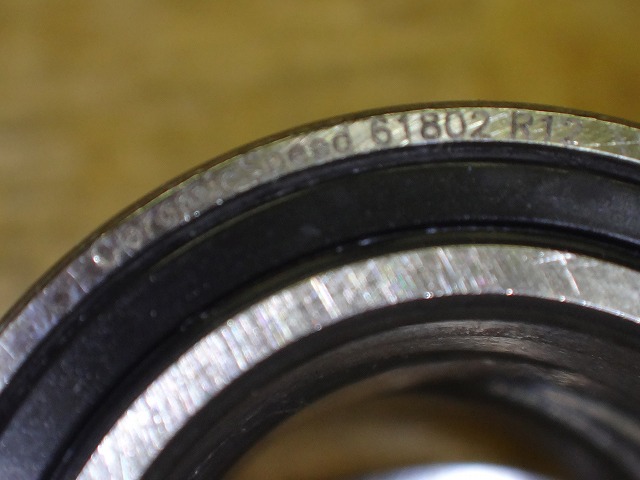
The outer race on the black seal side reads CeramicSpeed 61802,
but the size is the same as the standard 6802.
This is smaller than the 6902 found in Campagnolo freebody
(same inner diameter but smaller outer diameter),
and given the bearing press-fit space in the hub body,
it's an unnaturally small bearing size.
The front wheel from the CLX64 came as a bonus with the complete bike (new),
and the customer is the original owner, meaning the usage history is completely known—
they barely used it because it's weak in crosswinds and the rim is heavy.
For bearings to fail under those conditions, there's only one cause:
over-tightening the through-axle.
The lever part isn't a flip-quick type
but just a screw-in skewer type,
and with these, there's often plenty of room to tighten further from the point of adequate tension,
so using a skewer on a traditional quick-release hub
can cause the same problem of excessively tightening just the inner race of the cartridge bearing
and rapidly damaging the internals.
I repaired the bearings using steel ball bearings.
The rear derailleur pulley cage suddenly snapped,
and the shock caused the chain to fall inside the sprocket,
bending the spokes.
All seven spokes on the outer side in the "porcupine" direction
showed varying degrees of scratching, deformation, and
gouges from chain bite, but
I determined that the three spokes visible in the image above
were the ones requiring replacement.
Fixed.
↑Replaced spokes
The paint scuffs visible in the center of all three images
are from the final crossing weave pattern,
and this area shows no deformation and is parallel, but

↑This is what the overall picture looks like.
↑Near the spoke head
I've also inspected the matching front wheel for this CLX50 rear wheel,
as well as the front and rear wheels from a CLX64
that came as a bonus with a complete bike,
and the bearings on all the front wheels were grinding.
With the CLX50, when I tried to rotate the hub axle by hand,
it had resistance like a combination lock dial.
Both had black seals facing outward and blue seals inward.
The outer race on the black seal side reads CeramicSpeed 61802,
but the size is the same as the standard 6802.
This is smaller than the 6902 found in Campagnolo freebody
(same inner diameter but smaller outer diameter),
and given the bearing press-fit space in the hub body,
it's an unnaturally small bearing size.
The front wheel from the CLX64 came as a bonus with the complete bike (new),
and the customer is the original owner, meaning the usage history is completely known—
they barely used it because it's weak in crosswinds and the rim is heavy.
For bearings to fail under those conditions, there's only one cause:
over-tightening the through-axle.
The lever part isn't a flip-quick type
but just a screw-in skewer type,
and with these, there's often plenty of room to tighten further from the point of adequate tension,
so using a skewer on a traditional quick-release hub
can cause the same problem of excessively tightening just the inner race of the cartridge bearing
and rapidly damaging the internals.
I repaired the bearings using steel ball bearings.