The "3rd generation" in the title is my own arbitrary classification.
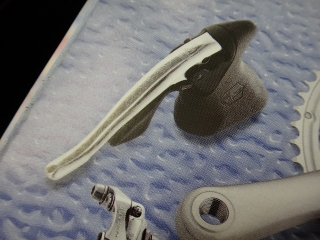
↑Large bracket body with a sharp tip — this is the 1st generation,
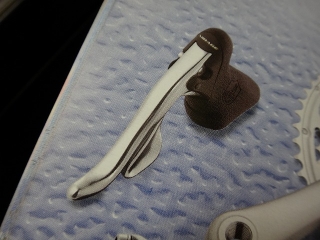
↑Next, the bracket body became smaller with a rounded tip — this is the 2nd generation,

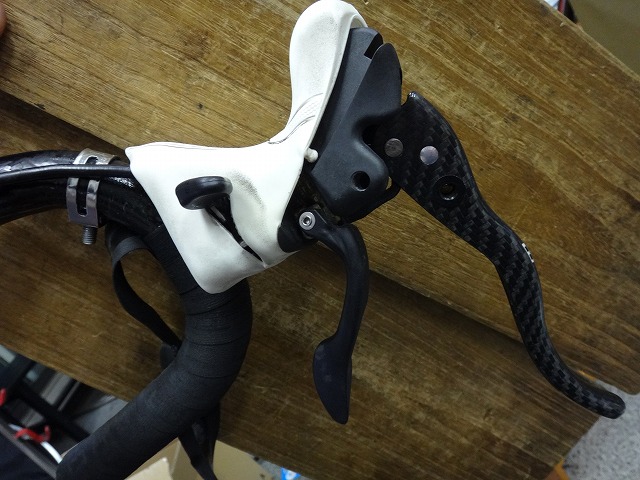
And then the brake lever that's long and wavy is the 3rd generation.
The latest Ergopower has undergone minor changes to the bracket and bracket cover shape,
but this is the early 3rd generation, the first-generation 11-speed Athena.
The lever on the side of the bracket could shift multiple gears at once (extreme shifting)
and this Athena was only available in its first year;
from the following year, it became single-click shifting without multi-gear capability.
As I'll explain later, the partially disassembled state
isn't meant as a joke.

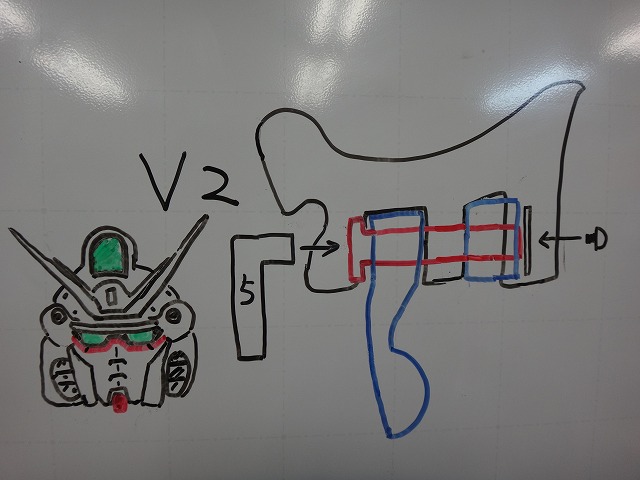
This is an image from a previous article, but the 2nd generation Ergopower
uses a long countersunk nut inserted from the front (brake lever side),
and parts are assembled onto it, with the rear side finally
secured by a bolt.
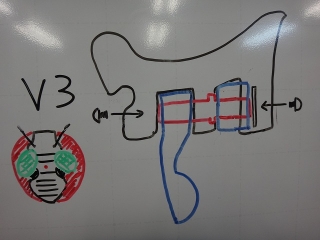
In the 3rd generation, the shaft has threaded holes on both sides,
parts are assembled from both front and rear,
and bolts from each side secure them.
The front bolt is Torx T10,
and the rear was previously a 3mm hex key
but is now Torx T15.
So with the Athena's lever (left, so front derailleur)
the ratchet's clicking feel during shifting had faded considerably,
the ratchet engagement weakened, and the front derailleur cage
could no longer be held in the outer position.
In such cases, replacing the lever bracket assembly ASSY would of course fix it,
but before attempting that, you should suspect a loose rear bolt.
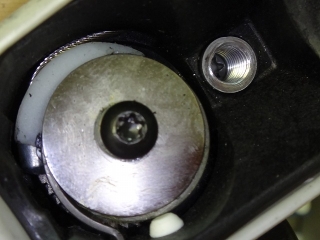
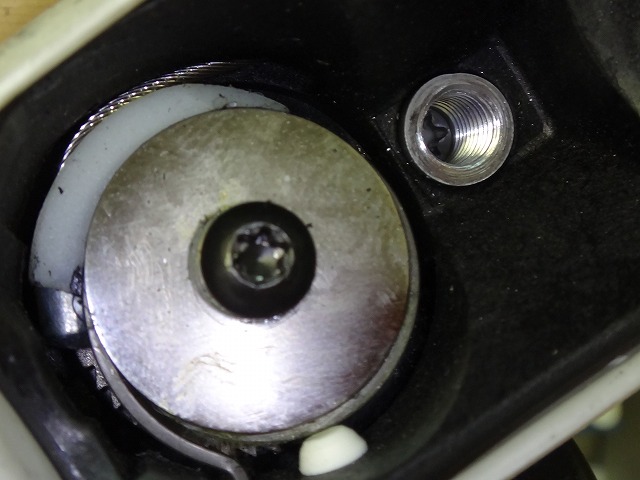
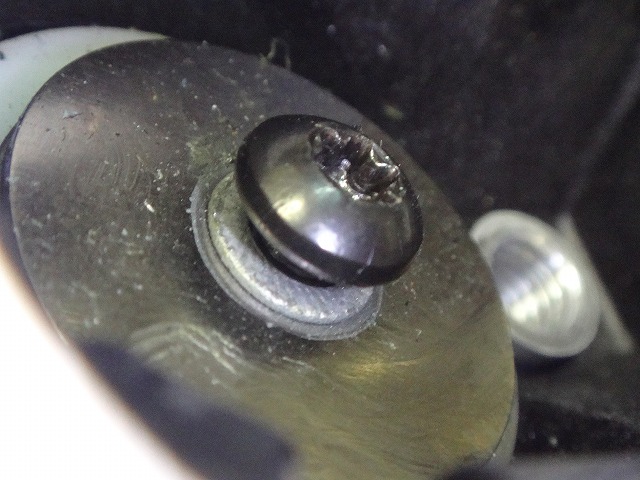
The rear bolt was
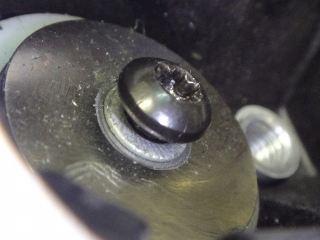
loose.
The image above was loosened extra just for the article, but
it's true that once the tool was applied to the bolt head, it came loose with about the force you'd use to make a twist from a tissue edge.
You can loosen it just by applying a tool from the rear,
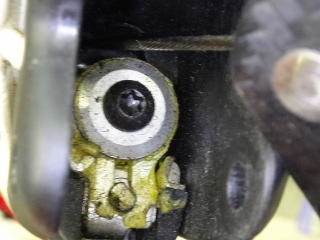
but when tightening, it's better to apply tools to both the front and rear bolt heads
and tighten firmly.
To apply a tool to the front bolt head, you need to remove the brake lever
from the bracket, so in the Athena image from earlier,
I peeled back the bar tape down to the bracket
and knocked out the pivot pin of the brake lever.
As a result, the clicking feel during shifting came back,
and the front derailleur could reliably be held in the outer position.
When the ratchet feel becomes sludgy, internal parts may be worn and
bracket ASSY replacement may be necessary, but
this "just tighten the rear bolt" solves it in many cases.
Especially with front shift levers, the ratchet teeth are large,
so wear almost never damages them.
If you use Campagnolo's 3rd generation Ergopower levers
and are bothered by sludgy ratchet feel,
even just when rewrapping bar tape, temporarily remove the lever from the handlebar,
and without removing the brake lever pin,
just tighten the rear bolt
(in this case internal parts may rotate together during tightening)
you should suspect bolt looseness.
By the way, this tip was taught to me by a distributor most knowledgeable about Campagnolo in Japan.
It helped again this time.
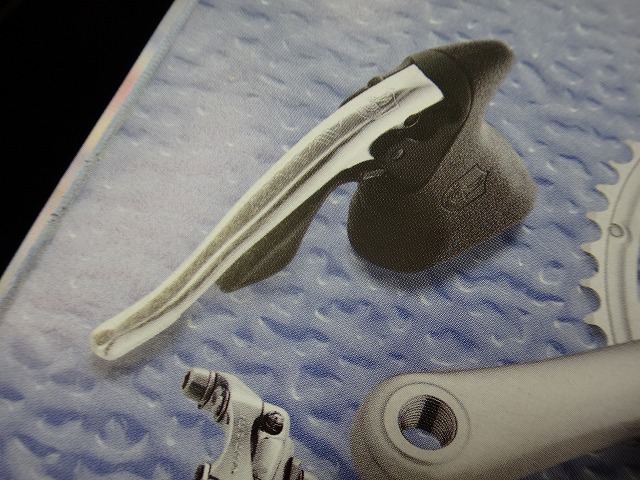
↑Large bracket body with a sharp tip — this is the 1st generation,
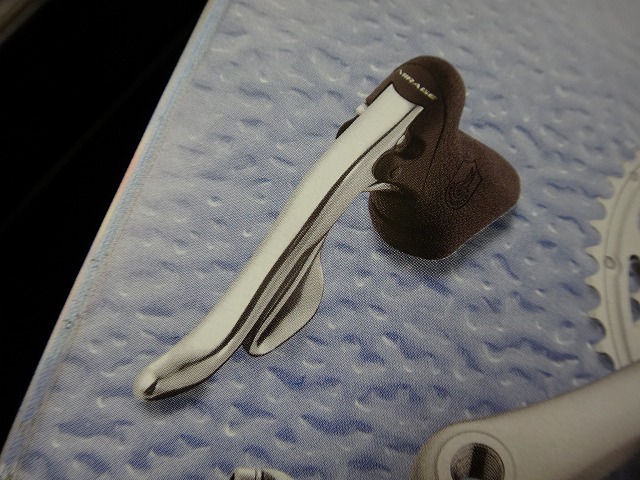
↑Next, the bracket body became smaller with a rounded tip — this is the 2nd generation,
And then the brake lever that's long and wavy is the 3rd generation.
The latest Ergopower has undergone minor changes to the bracket and bracket cover shape,
but this is the early 3rd generation, the first-generation 11-speed Athena.
The lever on the side of the bracket could shift multiple gears at once (extreme shifting)
and this Athena was only available in its first year;
from the following year, it became single-click shifting without multi-gear capability.
As I'll explain later, the partially disassembled state
isn't meant as a joke.
This is an image from a previous article, but the 2nd generation Ergopower
uses a long countersunk nut inserted from the front (brake lever side),
and parts are assembled onto it, with the rear side finally
secured by a bolt.

In the 3rd generation, the shaft has threaded holes on both sides,
parts are assembled from both front and rear,
and bolts from each side secure them.
The front bolt is Torx T10,
and the rear was previously a 3mm hex key
but is now Torx T15.
So with the Athena's lever (left, so front derailleur)
the ratchet's clicking feel during shifting had faded considerably,
the ratchet engagement weakened, and the front derailleur cage
could no longer be held in the outer position.
In such cases, replacing the lever bracket assembly ASSY would of course fix it,
but before attempting that, you should suspect a loose rear bolt.
The rear bolt was
loose.
The image above was loosened extra just for the article, but
it's true that once the tool was applied to the bolt head, it came loose with about the force you'd use to make a twist from a tissue edge.
You can loosen it just by applying a tool from the rear,
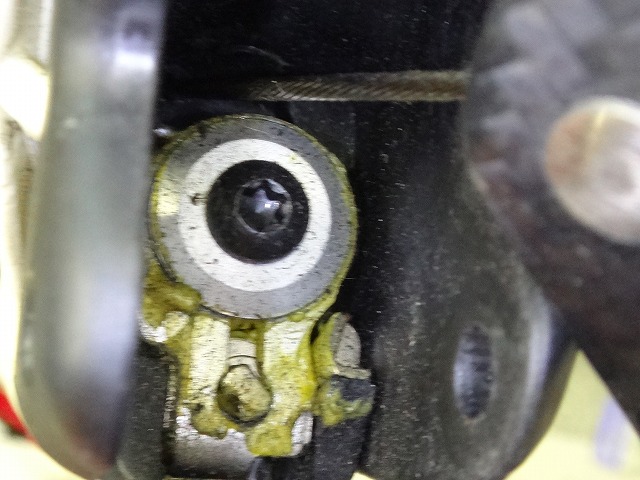
but when tightening, it's better to apply tools to both the front and rear bolt heads
and tighten firmly.
To apply a tool to the front bolt head, you need to remove the brake lever
from the bracket, so in the Athena image from earlier,
I peeled back the bar tape down to the bracket
and knocked out the pivot pin of the brake lever.
As a result, the clicking feel during shifting came back,
and the front derailleur could reliably be held in the outer position.
When the ratchet feel becomes sludgy, internal parts may be worn and
bracket ASSY replacement may be necessary, but
this "just tighten the rear bolt" solves it in many cases.
Especially with front shift levers, the ratchet teeth are large,
so wear almost never damages them.
If you use Campagnolo's 3rd generation Ergopower levers
and are bothered by sludgy ratchet feel,
even just when rewrapping bar tape, temporarily remove the lever from the handlebar,
and without removing the brake lever pin,
just tighten the rear bolt
(in this case internal parts may rotate together during tightening)
you should suspect bolt looseness.
By the way, this tip was taught to me by a distributor most knowledgeable about Campagnolo in Japan.
It helped again this time.