A customer dropped off a wheel built with a DT R460 rim.
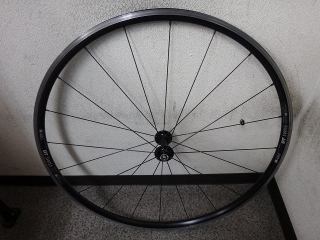
In addition to wheel inspection,
a complete disassembly down to the frame was necessary,
and this wheel work is part of the reassembly.
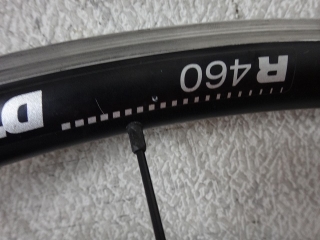
The rim is the R460, the successor to the R450.
The rim width is wider and it's tubeless-ready.
Since the category is R (Road) and not RR (Road Racing),
it can be built with standard nipples rather than squorx nipples.
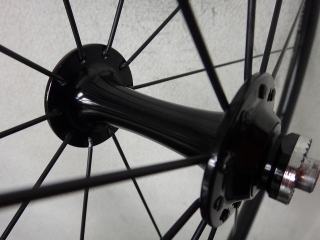
This wheel came stock on a Specialized complete bike,
but it's from before the AXIS brand era.
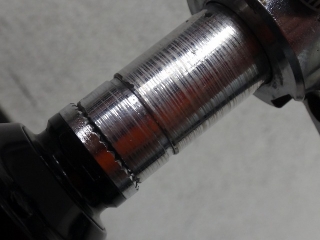
The initial centering was spot-on,
but there was some runout, so depending on the phase,
there might have been some center deviation.
The above image is after truing.
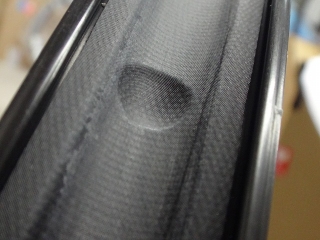
The rim has a bead seat depression in the center,
but a stretch-type rim tape was being used,
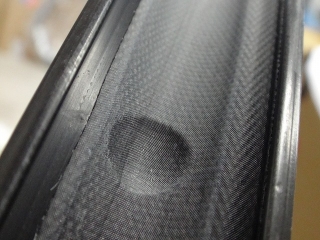
so the tape was getting pulled into the depression, leaving areas where it wasn't sealing properly.
To avoid this, I switched to adhesive-backed rim tape instead.
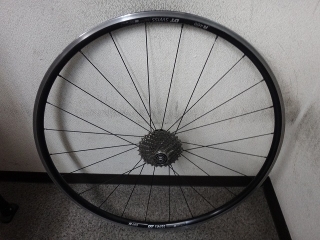
Next, the rear wheel.
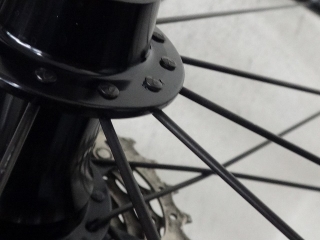
It's built with equal spoke counts left and right with a radial pattern on the non-freewheel side, but that's fine,
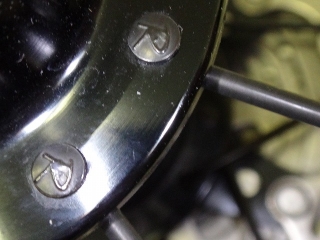
Despite the rim being DT, the spokes were Ritchey, not DT.
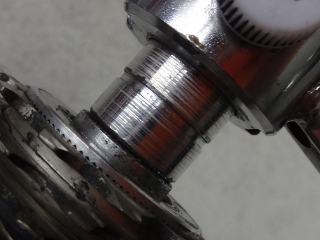
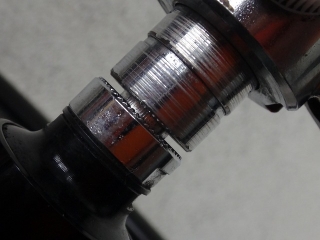
The rear wheel had the rim shifted significantly toward the freewheel side.
I don't know the history, but with radial lacing on the non-freewheel side,
that side is loose, making it extremely easy to over-tighten.
If you do truing with a tendency to over-tighten the non-freewheel side,
the rim easily shifts toward the freewheel side.
This is a common result of pretend truing without a centering gauge,
and it's hard to imagine it shifted this much just from hanging.
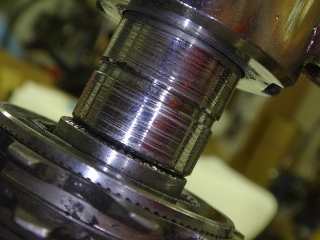
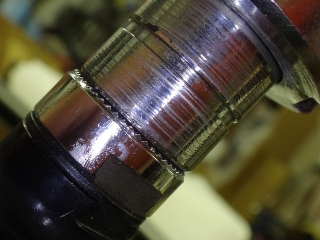
Fixed it.
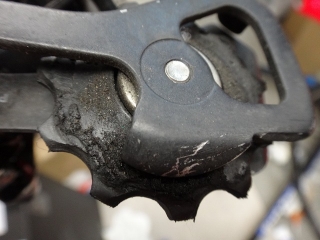
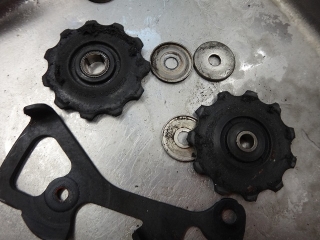
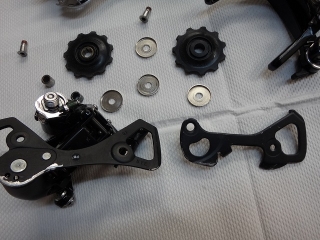
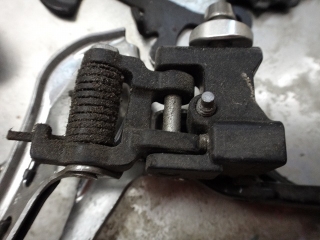
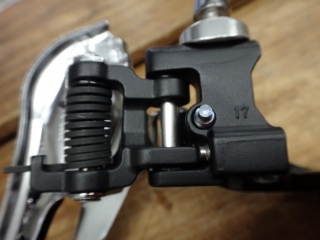
I clean the component parts.
Actually, I also wash the wheels before inspecting them.
before
after
before
after
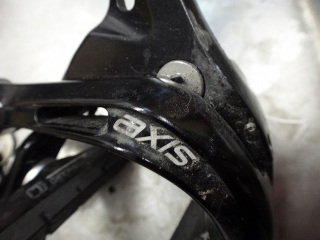
The brakes were AXIS brand.
I've been meaning to write about rim brake mechanical advantage sometime,
but the world is shifting toward disc brakes, so I'll get to it eventually.
To touch on it briefly, the mechanical advantage doesn't match between Shimano levers
and these brakes (they do match with SRAM, though).
The light feel is offset by the poor stopping power, which is why.
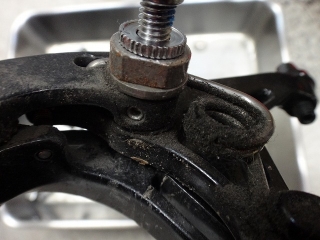
before
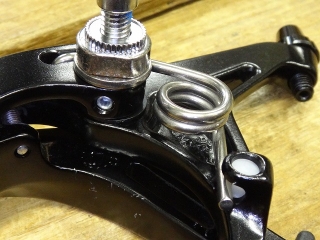
after
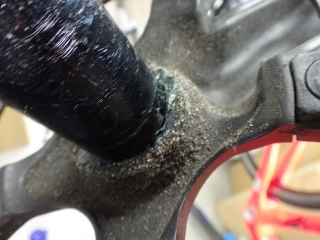
before
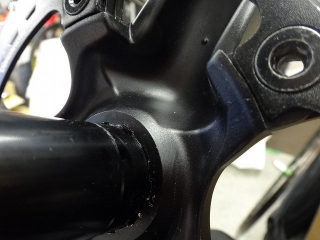
after
This crank is a Praxis (formerly Praxis Works) Alba,
but the one supplied for complete bike manufacturers
differs slightly in logo marking from the retail version.
There are no other differences. Very considerate.
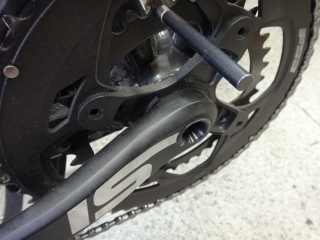
This is a separate matter, but the SI crank on Cannondale complete bikes
cuts costs by making only the inner chainring steel,
even on builds with Altegra-level components. What, are we running a mama-chari shop?
When you hold just the chainring, it's heavy enough to shock you.
The image above shows it with a magnet attached.
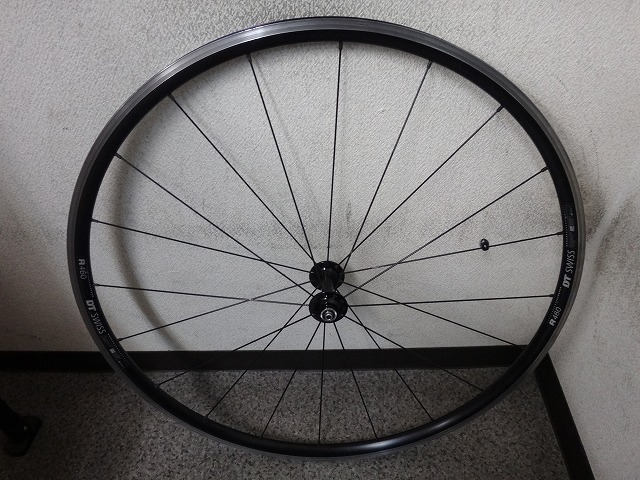
In addition to wheel inspection,
a complete disassembly down to the frame was necessary,
and this wheel work is part of the reassembly.
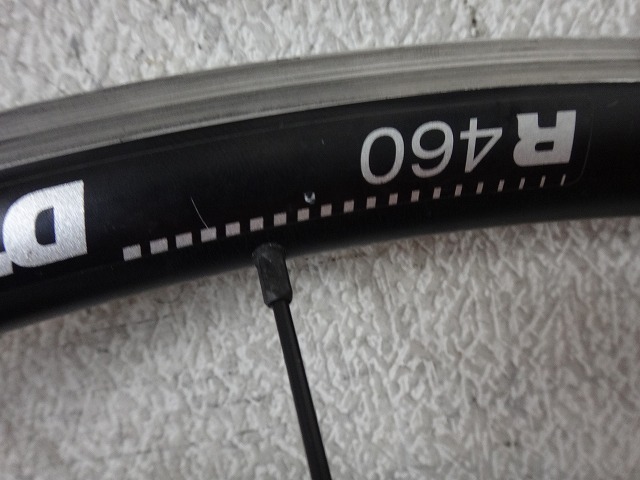
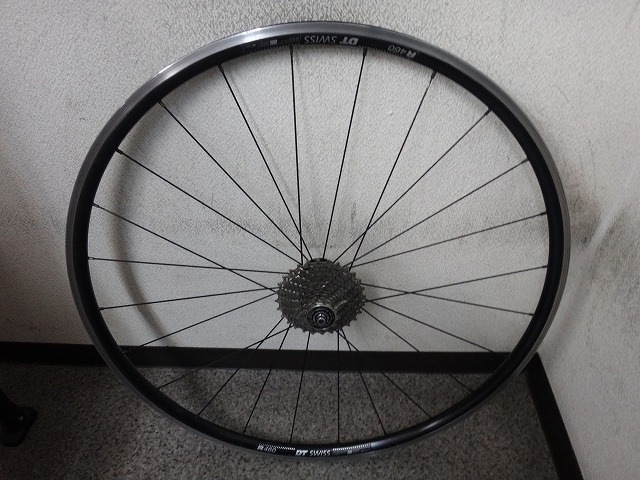
The rim is the R460, the successor to the R450.
The rim width is wider and it's tubeless-ready.
Since the category is R (Road) and not RR (Road Racing),
it can be built with standard nipples rather than squorx nipples.
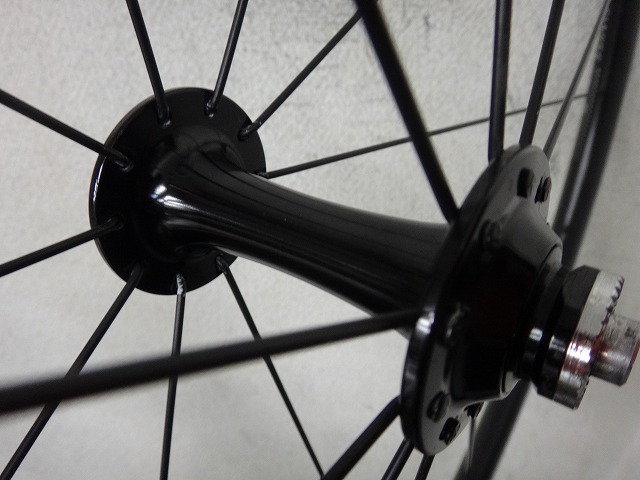
This wheel came stock on a Specialized complete bike,
but it's from before the AXIS brand era.
The initial centering was spot-on,
but there was some runout, so depending on the phase,
there might have been some center deviation.
The above image is after truing.
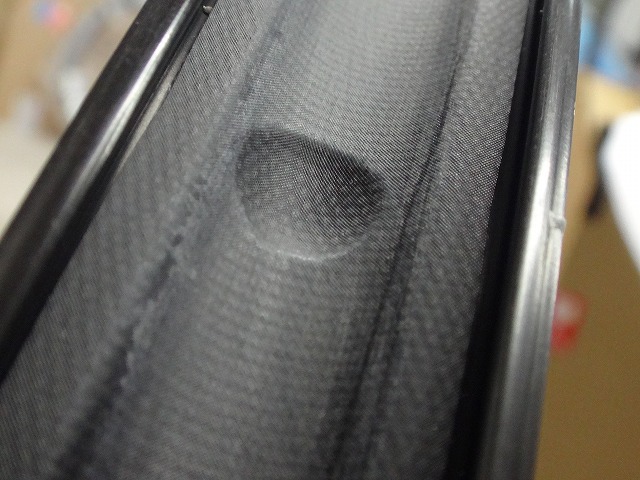
The rim has a bead seat depression in the center,
but a stretch-type rim tape was being used,

so the tape was getting pulled into the depression, leaving areas where it wasn't sealing properly.
To avoid this, I switched to adhesive-backed rim tape instead.
Next, the rear wheel.
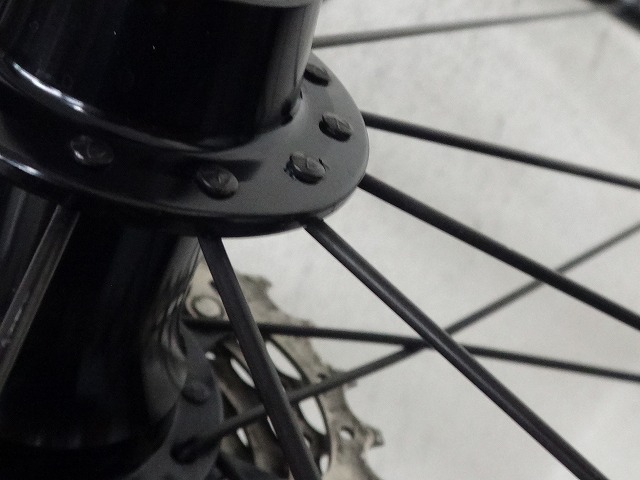
It's built with equal spoke counts left and right with a radial pattern on the non-freewheel side, but that's fine,

Despite the rim being DT, the spokes were Ritchey, not DT.

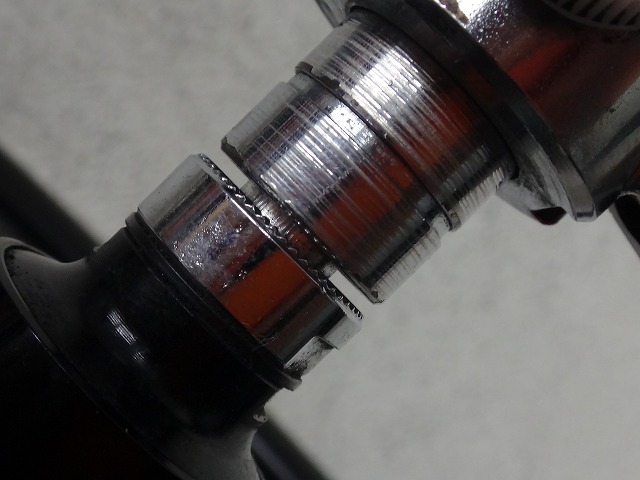
The rear wheel had the rim shifted significantly toward the freewheel side.
I don't know the history, but with radial lacing on the non-freewheel side,
that side is loose, making it extremely easy to over-tighten.
If you do truing with a tendency to over-tighten the non-freewheel side,
the rim easily shifts toward the freewheel side.
This is a common result of pretend truing without a centering gauge,
and it's hard to imagine it shifted this much just from hanging.
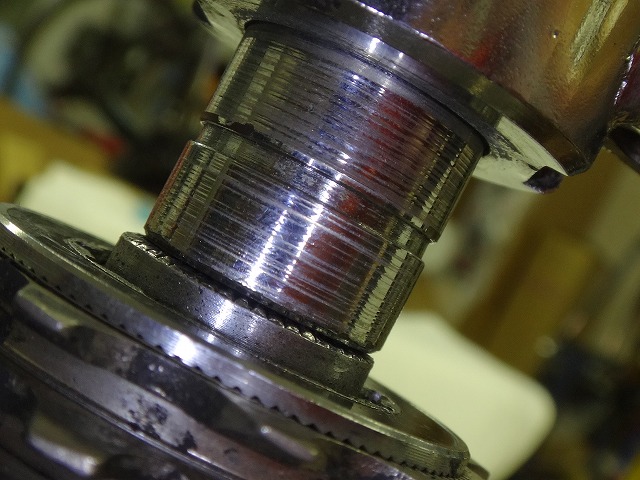
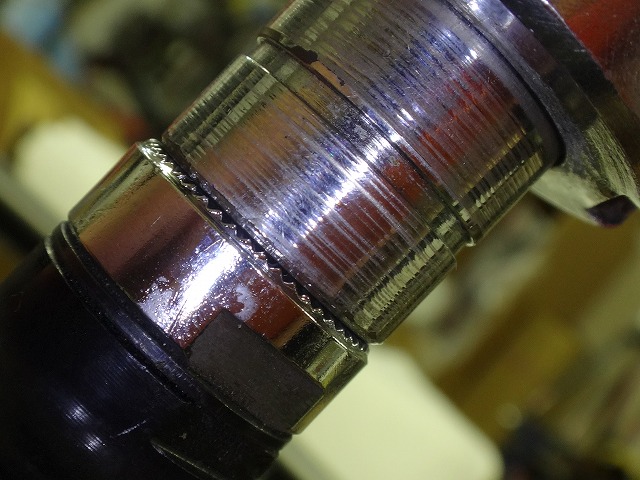
Fixed it.

I clean the component parts.
Actually, I also wash the wheels before inspecting them.
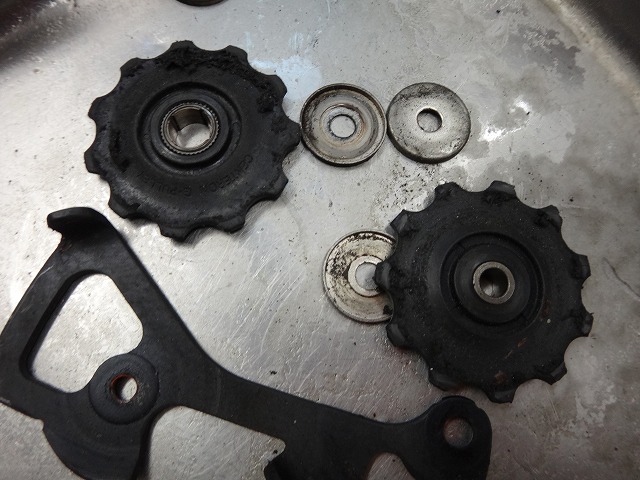
before
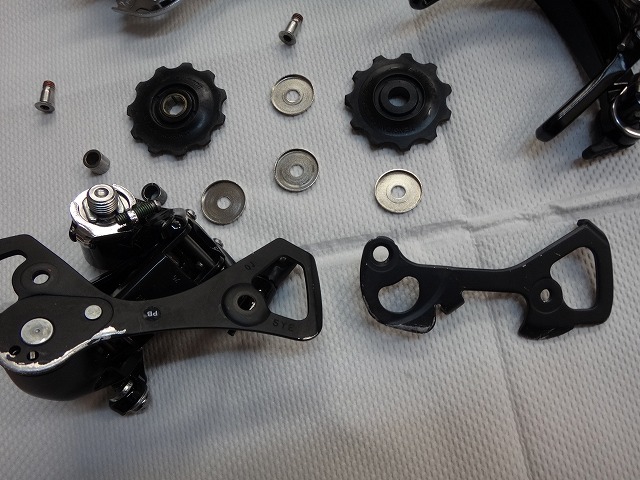
after

before
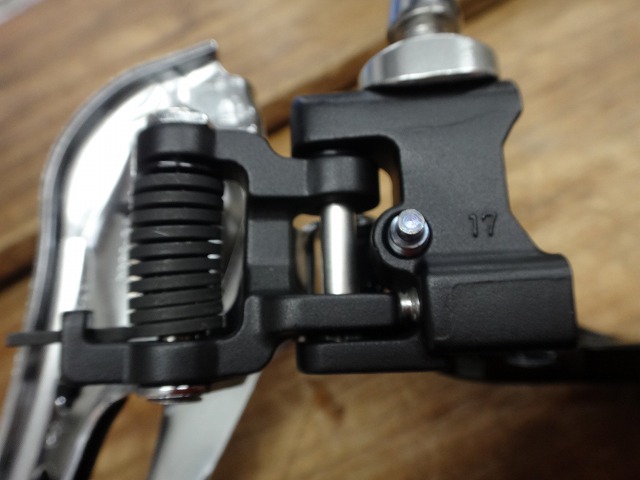
after
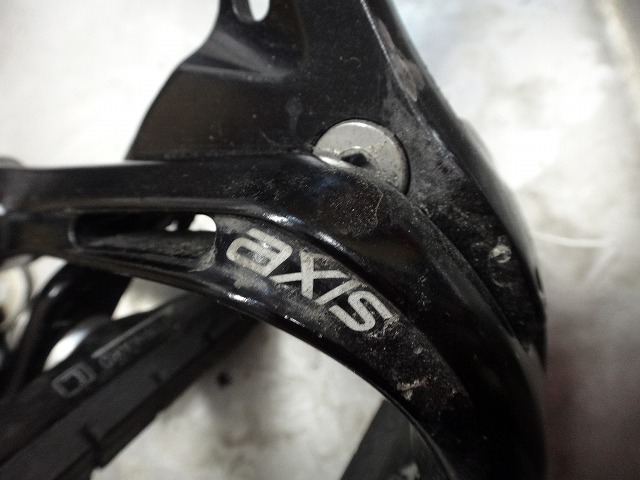
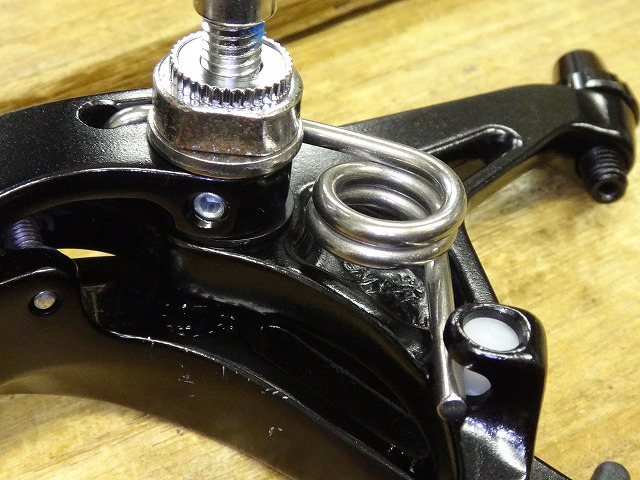
The brakes were AXIS brand.
I've been meaning to write about rim brake mechanical advantage sometime,
but the world is shifting toward disc brakes, so I'll get to it eventually.
To touch on it briefly, the mechanical advantage doesn't match between Shimano levers
and these brakes (they do match with SRAM, though).
The light feel is offset by the poor stopping power, which is why.

before
after
before

after
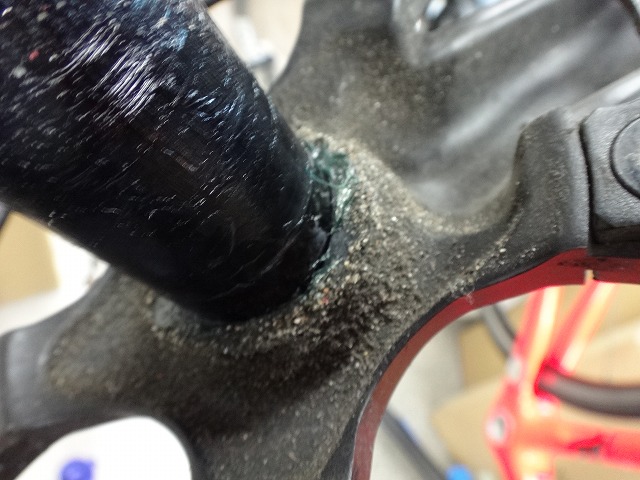
This crank is a Praxis (formerly Praxis Works) Alba,
but the one supplied for complete bike manufacturers
differs slightly in logo marking from the retail version.
There are no other differences. Very considerate.
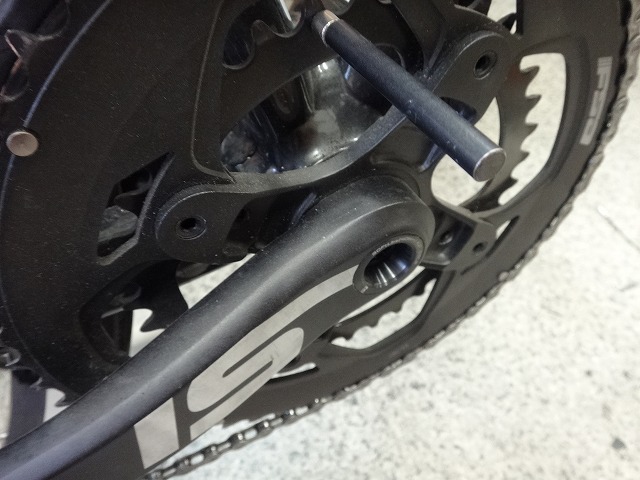
This is a separate matter, but the SI crank on Cannondale complete bikes
cuts costs by making only the inner chainring steel,
even on builds with Altegra-level components. What, are we running a mama-chari shop?
When you hold just the chainring, it's heavy enough to shock you.
The image above shows it with a magnet attached.